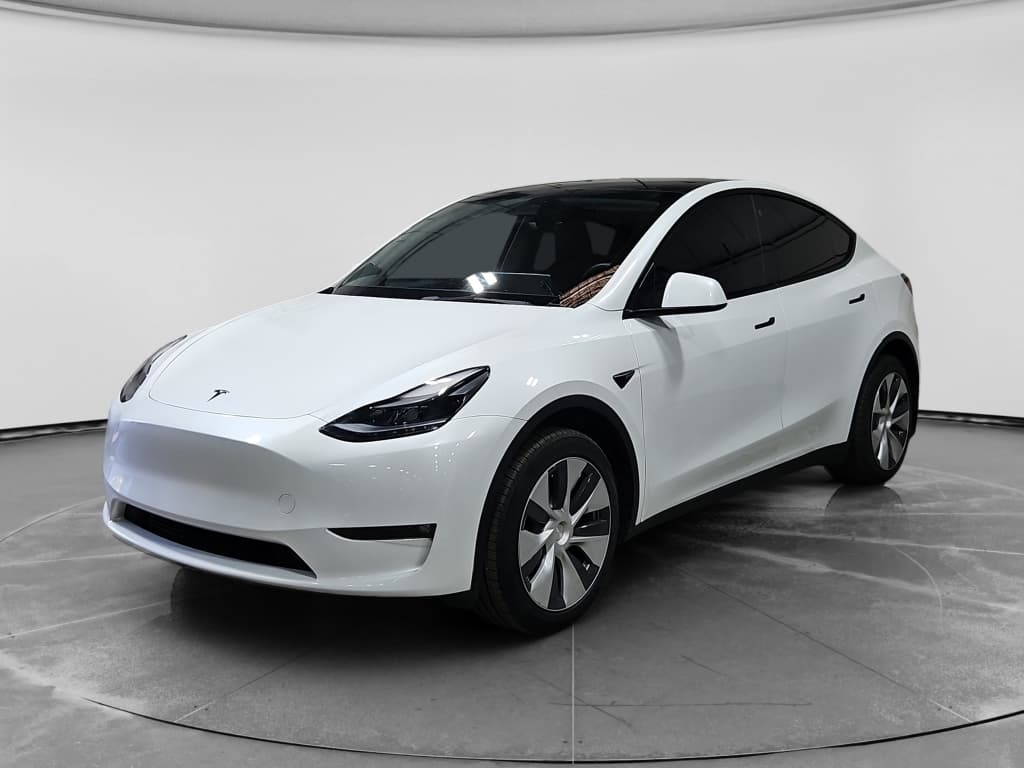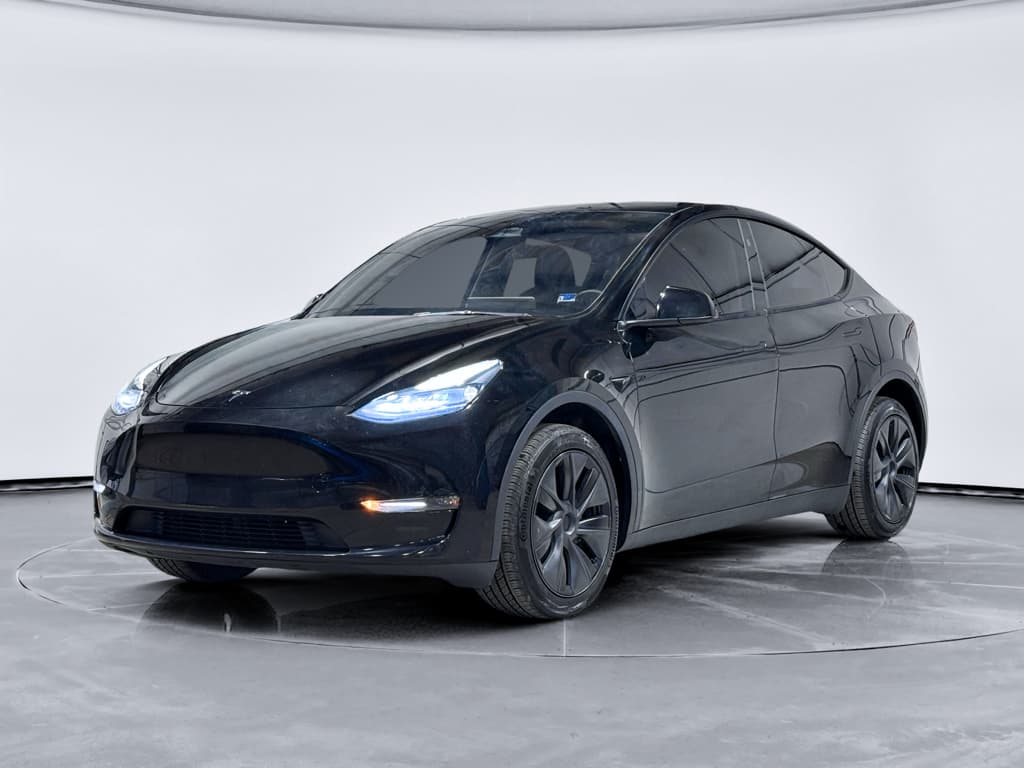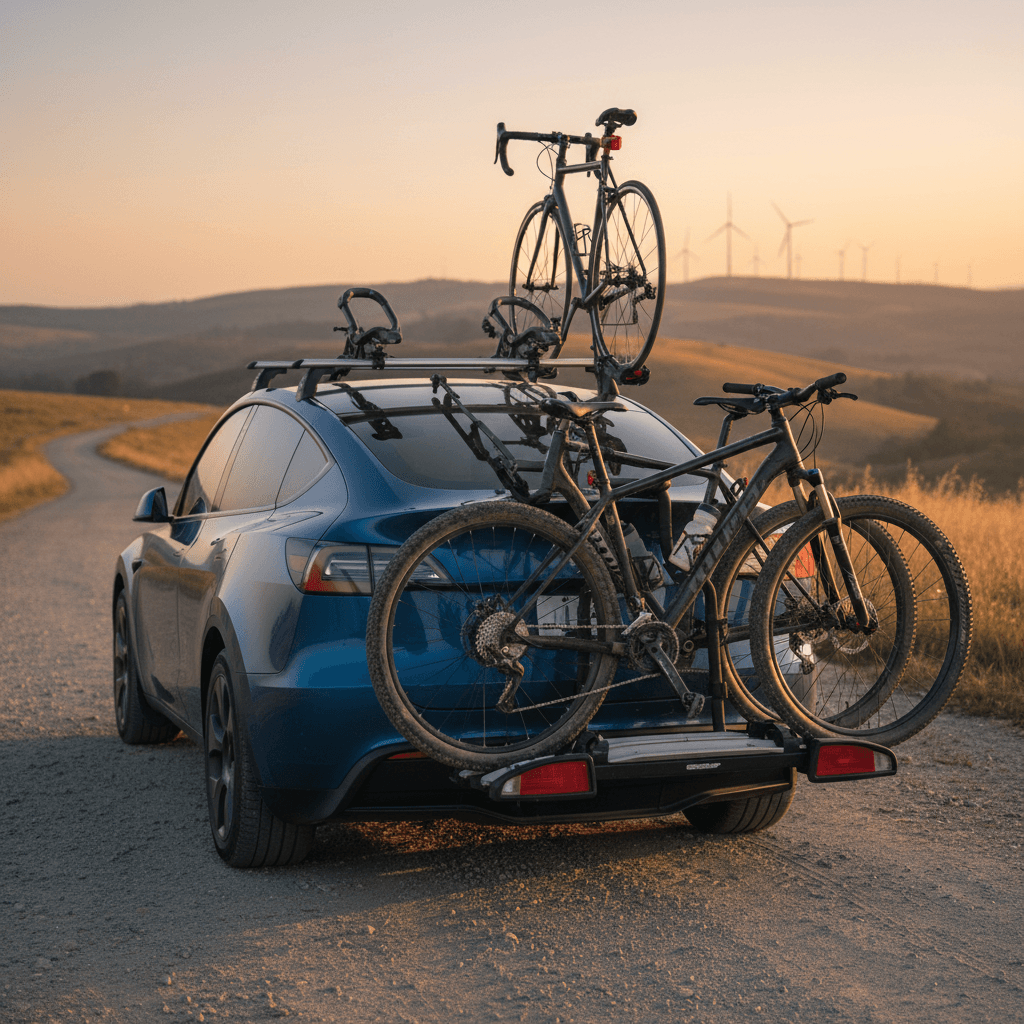
If you own a Tesla Model Y and a bike, you’re eventually forced into the same question: **how do I carry these things together** without destroying range, paint, or your sanity? The good news is that Tesla Model Y bike rack options are better than ever, if you understand the hitch, roof, and trunk trade‑offs that come with an all‑glass, all‑electric crossover.
The short answer
Why bike racks on a Tesla Model Y are tricky
A Model Y isn’t a square‑jawed SUV with a steel bumper and roof gutters. It’s mostly glass and smooth painted aluminum. That’s great for aero and efficiency, but it complicates traditional bike rack designs:
- The **rear hatch is almost all glass**, with no solid lip for classic strap‑on trunk racks to grab.
- The **factory tow hitch is optional**, so many used Model Ys on the market don’t have one installed from new.
- The **sloping glass roof** limits where and how you can mount roof racks and increases the risk of loading mishaps.
- As an EV, the Model Y is **sensitive to aerodynamic drag**; put two mountain bikes on the roof and you’ll see the watt‑hour meter flinch.
None of this means you can’t carry bikes. It just means you need to pick your solution more carefully than you might on a conventional crossover.
Quick overview: Model Y bike rack paths
Three main ways to haul bikes on a Model Y
Each path has clear trade‑offs for cost, range, and convenience.
1. Hitch‑mounted racks
Best all‑around choice for most owners.
- Easy loading at waist height
- Works well with heavy bikes
- Smaller range hit than roof racks
- Requires a 2-inch receiver hitch
2. Roof‑mounted systems
Good if you already have a roof rack or carry other gear.
- Keeps hatch and camera mostly clear
- Can carry multiple bikes or a box + bike
- Higher range penalty and more wind noise
- Harder to load if you’re not tall
3. Trunk & suction solutions
Niche options when you don’t have a hitch.
- Suction‑cup racks can work with care
- Classic strap trunk racks are risky on glass
- Best reserved for occasional, light use
- Always double‑check mounting surfaces
Always check your manual
Hitch-based bike racks: the gold standard
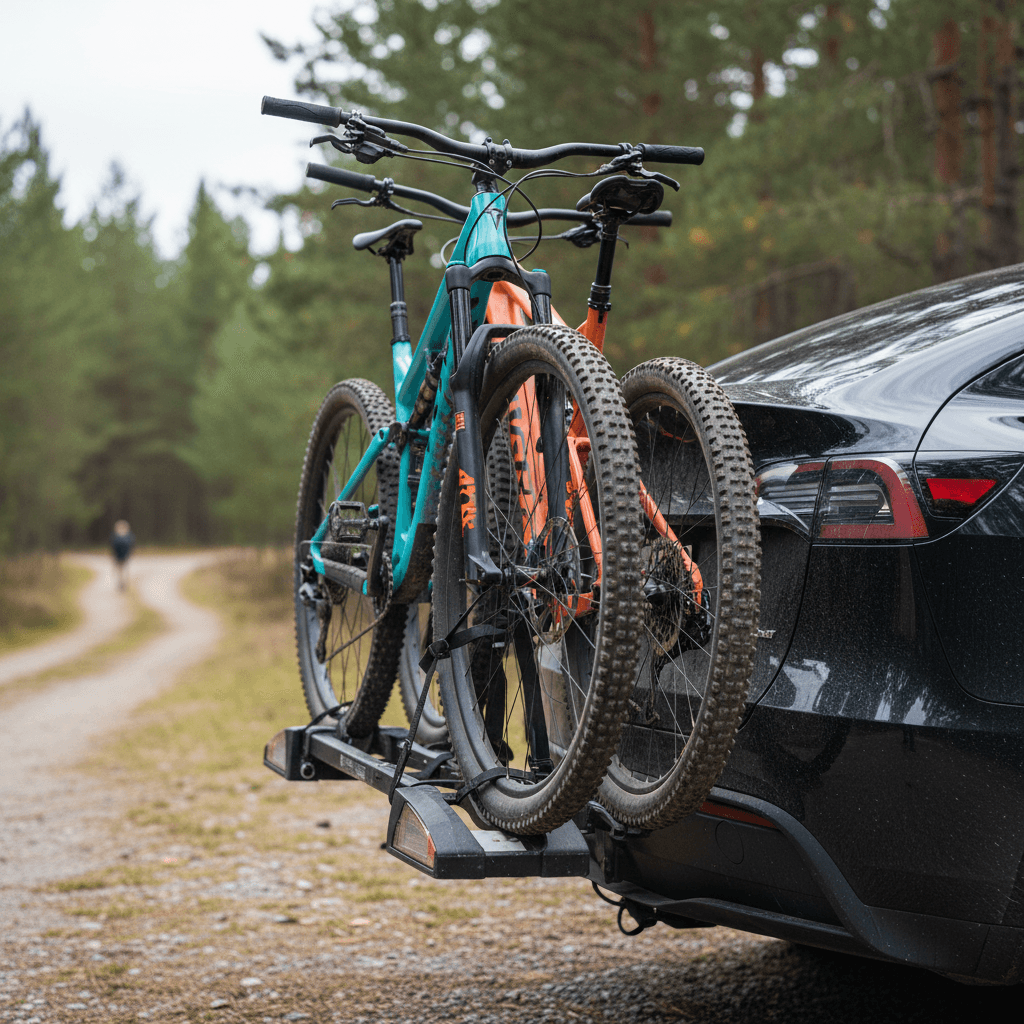
If you’re serious about riding, or you own heavy e‑bikes, a **hitch rack on a 2‑inch receiver** is the way to go on a Model Y. It’s the closest thing to a set‑and‑forget solution you’ll find.
1. Factory and aftermarket hitches for Model Y
Tesla’s factory towing package for the Model Y includes a **2‑inch receiver hitch** and wiring. Many used Model Ys on the road today either came with that option from new or had an aftermarket hitch added later by owners. Aftermarket suppliers now offer **2020–2026+ Model Y–specific hitches** with bolt‑on installs and tongue‑weight ratings in the 300–350 lb range, often marketed as suitable for e‑bikes as well.
Know your numbers
2. Types of hitch racks that work well on a Model Y
Common hitch bike rack styles for Model Y
How the main hitch rack designs compare on a Tesla Model Y.
| Rack style | Pros on Model Y | Cons on Model Y | Best for |
|---|---|---|---|
| Platform (tray) racks | • Easiest loading at waist height • Very stable at highway speed • Great for e‑bikes and carbon frames | • Heavier and pricier • Can partly block rear camera and sensors | Owners who ride often, e‑bikes, expensive bikes |
| Hanging (mast) racks | • Lighter rack weight • Often cheaper • Simple to store when off the car | • Bikes can swing and bump • Not ideal for step‑through frames • Usually lower weight ratings per bike | Occasional trips with lighter hardtails or kids’ bikes |
| Vertical (front‑wheel hanging) racks | • Can carry 3–5 bikes • Good for families or shuttle days | • Usually heavy • May exceed tongue‑weight with multiple bikes • Overkill for casual riders | Gravity riders, large families with several mountain bikes |
Platform racks dominate for e‑bikes and high‑value carbon frames, while hanging racks can still make sense for lighter, casual use.
Tilt and swing matter
3. Matching rack capacity to the Model Y hitch
This is where owners get into trouble. A typical two‑bike platform rack weighs **40–60 lbs** by itself. Two modern trail bikes might add **60–80 lbs**. If Tesla lists ~160 lbs vertical capacity for your hitch, you’ve just used **most of your margin** with two bikes. That doesn’t mean you can’t carry three bicycles, but it does mean you’ll want lighter bikes and a lighter rack for that third slot.
Hitch weight reality check before you buy
1. Add rack + bikes together
Find the rack’s published weight, then add the actual weight of each bike. Don’t guess, look up manufacturer specs or weigh them.
2. Compare to hitch vertical limit
Use the lower of Tesla’s stated hitch vertical load and your hitch manufacturer’s tongue‑weight rating. Stay comfortably under it, especially if you regularly drive on rough roads.
3. Avoid adapters if possible
A 1.25–to–2‑inch adapter adds leverage and slop. If you have a choice, pick a rack that natively fits the Model Y’s 2‑inch receiver.
4. Check for wobble control
Anti‑rattle bolts, cams, or wedges are worth it. Less motion means less fatigue on the hitch and frame over time.
Roof-mounted bike racks for Model Y
Roof racks are the old‑school solution: out of the way, out of sight, and historically very effective. On the Model Y, they’re absolutely viable, but you pay in **range, wind noise, and ergonomics**.
1. Base bars and official compatibility
Tesla sells a **Model Y roof rack system** with crossbars that clamp into hidden mounting points in the roof rails. Several aftermarket companies now do the same, and many popular fork‑mount or upright bike trays are compatible with those crossbars. As with any EV, always check the **maximum dynamic roof load** in your exact manual before stacking bikes and cargo boxes on top.
2. Pros and cons of bikes on the roof
Upsides of roof racks
- No hitch required if your car doesn’t have one.
- Keeps the rear camera and parking sensors clearer than a hitch rack would.
- Flexible: you can mix a cargo box, skis, and one or two bikes.
- Less risk of backing a bike into a post compared with rear‑mount racks.
Downsides on an EV like the Model Y
- Worst range impact: bikes on the roof are like dragging a parachute at 70 mph.
- Harder to load if you’re short, injured, or have heavy bikes.
- Real risk of forgetting bikes are up there and clipping a low garage or drive‑thru.
- More wind noise, especially with empty trays left on full‑time.
Mind the glass
Trunk, hatch and suction-cup bike racks
Walk any big‑box parking lot and you’ll see vehicles with strap‑on trunk racks dangling from their decklids like Christmas ornaments. On the Model Y, that’s almost always **a bad idea**.
Why classic strap trunk racks don’t play nicely
Most strap‑style racks are designed to rest their lower arms on a **solid bumper shelf** and hook into metal lips at the trunk edge. The Model Y’s smooth bumper and full‑glass hatch simply weren’t designed for that. Owners who’ve tried generic strap racks report slipping hooks, stressed glass, and scuffed paint. Many brands won’t even list the Model Y as compatible.
Suction-cup racks: clever but demanding
Suction systems, where big vacuum cups clamp to the glass roof or painted hatch, can work for occasional use, especially with **one or two relatively light bikes**. They shine if you’ll only carry bikes a few times a year and don’t want to invest in a hitch. But they require a fussy, ritualistic approach:
- Surfaces must be **spotlessly clean and dry** before mounting.
- You should **inspect and re‑pump** the cups periodically on long drives.
- They’re best used on **shorter trips and smooth roads**, not cross‑country epics.
- They put visible load on glass or paint; if that thought makes you sweat, they’re probably not for you.
If in doubt, don’t hang it off the glass
How many bikes can a Model Y really carry?
Brochures talk about “four‑bike capacity,” but the physics of an electric crossover with a modest tongue‑weight rating tell a more sober story.
Model Y bike‑hauling at a glance
On a **hitch rack**, two bikes are easy to justify. A careful setup with a light rack and light bikes can manage three. Going to four pushes you into the land of vertical racks and aggressive assumptions about weight and leverage. Unless you’re running a private shuttle service, the Model Y is happier in the **two‑to‑three‑bike range**.
On the **roof**, the load limit usually becomes the governing factor. A typical roof load spec in this class is in the 150–175 lb neighborhood including crossbars, trays, and bikes. On an EV, your patience for aero drag may give out long before you hit the structural ceiling.
The sweet spot
E-bike-specific considerations
E‑bikes are where theory meets torque. It’s common now to see 50–60 lb commuter and mountain e‑bikes, and many owners want to haul **two of them at once**. That’s a great way to overshoot a Model Y’s hitch rating if you’re not careful.
If you carry e-bikes on a Model Y, do this first
Confirm the rack is e‑bike rated
Not all platform racks are rated for 60–70 lb bikes. Look for racks that advertise explicit e‑bike capacity per tray, often 60–80 lbs each, and a total load that fits under your hitch limit.
Remove batteries when possible
Pulling a battery pack can easily drop 5–10 lbs per bike. It’s free weight savings and reduces leverage over bumps.
Measure the wheelbase and tire width
Some factory‑branded racks and older trays won’t comfortably fit long‑wheelbase e‑MTBs or 2.6–2.8 inch tires. Check max wheelbase and tire width in the rack’s specs.
Mind the loading height
Two 60 lb e‑bikes lifted chest‑high onto a roof rack is a recipe for a bad back and a scratched roof. Heavy bikes belong on a hitch rack, not on top of the glass.
Class III matters for e‑bikes
Range, noise and safety tips
One of the quiet joys of EV ownership is the hush: no exhaust, little vibration. Hang a wind‑chime of bikes off that serenity and you feel every whistle and watt‑hour. A few habits make carrying bikes on a Model Y far more civilized.
Make your Model Y + bike combo calmer and safer
Small details add up to big differences on an EV.
Cut drag and noise
- Remove the rack when you’re not using it; even without bikes, a rack costs you energy.
- On the highway with bikes loaded, consider nudging cruise speed down 5 mph; the aero penalty ramps up quickly.
- Secure pedals, straps, and loose items so they don’t flap in the slipstream.
Drive and park defensively
- Remember a hitch rack often blocks the rear camera and can confuse parking sensors.
- Allow extra following distance; panic stops with a full rack load punish the hitch and bikes.
- In parking lots, imagine an invisible “tail” behind the car so you’re not backing the bikes into posts or other bumpers.
Use a departure checklist
How this fits when you buy a used Model Y
Most conversations about bike racks happen after you already own the car. But if you’re **shopping for a used Tesla Model Y** and you ride regularly, it’s smarter to treat bike hauling as a first‑order requirement, not an accessory afterthought.
- Check whether the car has the **factory tow package** installed. A clean, integrated 2‑inch receiver is a meaningful upgrade in the real world.
- Inspect for **roof rack mounting covers** and any signs of past racks, both to understand what’s already been used and to check for scuffs or glass damage.
- Ask the seller how they carried bikes, skis, or cargo. If they mention heavy use with unknown racks, inspect the hitch area and hatch carefully.
- Consider your timeline and budget if you’ll need to add a hitch or roof system immediately after purchase.
At Recharged, every used EV comes with a Recharged Score Report that includes verified battery health and a transparent look at how the car has been used. If you tell our team that bikes and outdoor gear are part of your life, we can help you prioritize **Model Y configurations that already have the hitch** or roof hardware you’ll need, and factor that into total cost of ownership alongside range and charging.
Plan the whole setup, not just the car
FAQ: Tesla Model Y bike rack options
Frequently asked questions about Model Y bike racks
Bottom line: choosing the right setup
A Tesla Model Y can be an outstanding adventure vehicle, but you have to respect its limits. The cleanest answer for most riders is a **2‑inch hitch with a quality two‑bike platform rack**, especially if e‑bikes are part of the picture. Roof‑mounted systems still make sense if you already use the roof for cargo or skis and don’t mind climbing up to load, while suction‑cup and trunk‑adjacent solutions are best thought of as niche, occasional tools rather than daily drivers.
If you’re in the market for a used Model Y, it’s smart to shop the car and the rack as a package. At Recharged, our EV specialists can help you balance **battery health, price, hitch hardware, and real‑world cargo needs** into one clear picture so the car you buy already fits the life you lead, bikes, boards, and all.