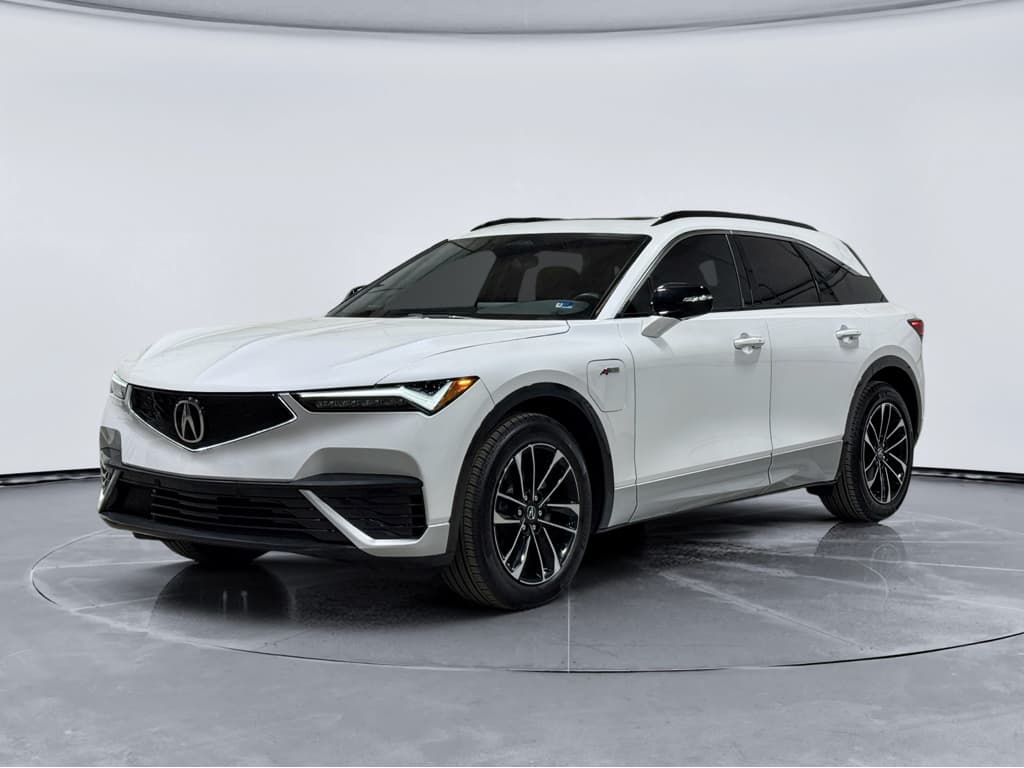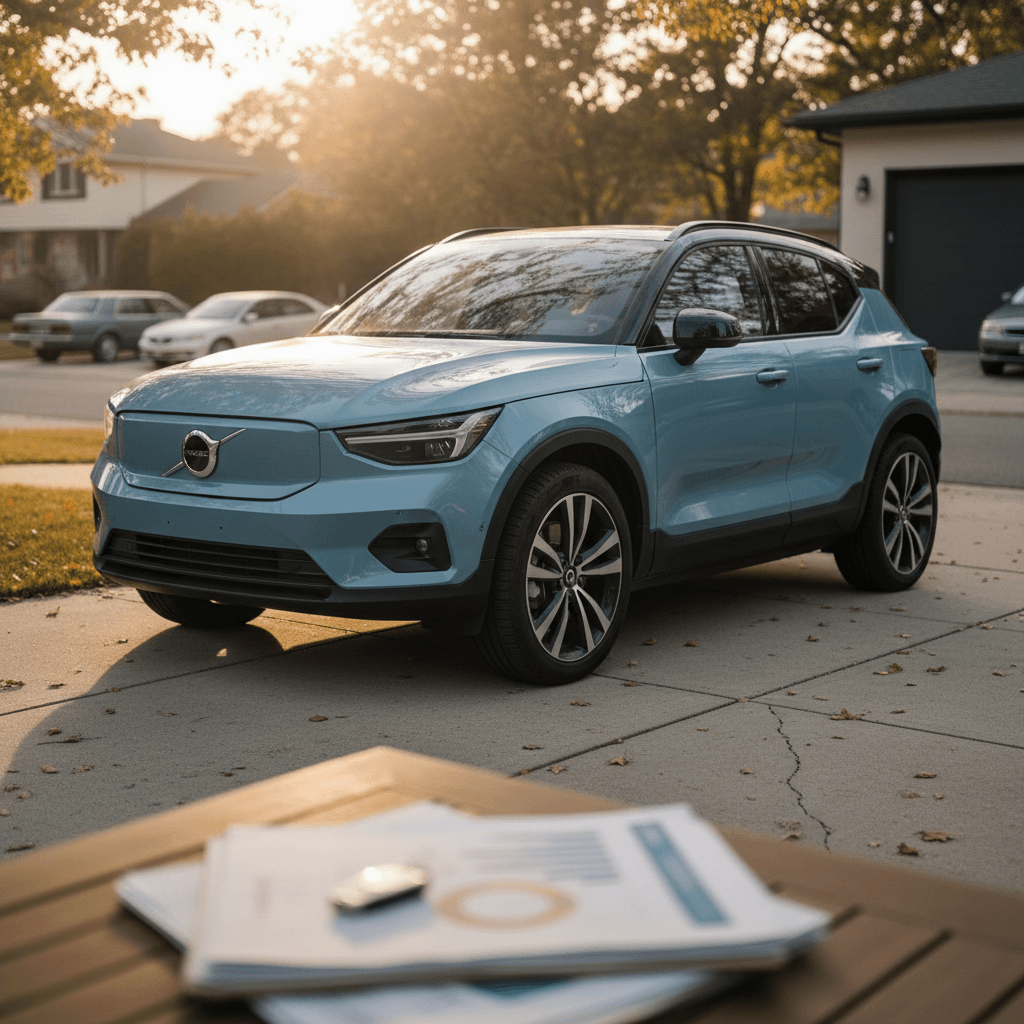
The Acura ZDX depreciation rate is not theoretical anymore. We now have real-world sales, aggressive price cuts, and the ultimate kiss of death for resale value: Acura has already pulled the plug on its first modern EV SUV. For current owners, that stings. For used shoppers, it’s an opportunity, if you know how to read the numbers and protect yourself on battery health.
Quick take
Why Acura ZDX depreciation matters right now
The ZDX had everything going for it on paper: a handsome body, a 102‑kWh battery shared with the Cadillac Lyriq, and up to 500 hp in Type S trim. Then the market happened. EV growth cooled, incentives shifted, and in late 2025 Honda/Acura quietly announced that ZDX production would end after just one generation. Overnight, this went from “new halo EV” to “short‑lived experiment.”
Short production runs and discontinuations are catnip for auction houses decades later, but in the near term they’re usually toxic for resale value. Fewer buyers want to be the beta testers for a canceled platform, and lenders, insurers, and fleet buyers all notice. That’s why understanding the Acura ZDX’s depreciation curve is essential whether you’re thinking about trading one in, or hunting for a bargain on the used market.
What we actually mean by “depreciation rate”
Let’s define terms before we throw numbers around. Depreciation is simply how much value a vehicle loses over time. When people talk about a “depreciation rate,” they usually mean one of two things:
- Total depreciation: The dollar amount or percentage dropped from original MSRP (or transaction price) after a certain number of years.
- Annual depreciation rate: The average value loss per year over a specific time window (for example, first 3 years).
- Residual value: The percentage of original value the car is expected to retain at a future point (often used in lease calculations).
For this guide, we’ll talk about both total and annual depreciation, and we’ll keep the lens practical: What does this mean if you own a ZDX now, and what does it mean if you’re eyeing a used one at a steep discount?
Real-world Acura ZDX depreciation numbers
The ZDX is new enough that we don’t have 7–10 years of auction history, but early pricing data, dealer discounts, and valuation tools give a clear outline of how hard it’s fallen out of bed.
Early Acura ZDX depreciation snapshot
A quick reality check
How fast does an Acura ZDX depreciate over 2–7 years?
To make this useful, let’s translate valuations into a simple model. Imagine a 2024 Acura ZDX A‑Spec with an effective transaction price around $65,000 after destination but before tax. Here’s how a typical depreciation curve might look if current trends hold and the market doesn’t completely fall apart, or rebound wildly.
Illustrative Acura ZDX depreciation curve (2024 A‑Spec, $65,000 starting point)
Approximate resale values assuming average mileage and normal wear, not accounting for major battery issues or accidents.
| Year in Service | Vehicle Age | Est. Resale Value | Total Depreciation | % of Original Value |
|---|---|---|---|---|
| Year 1 | 1 year | $45,000 | $20,000 | 69% |
| Year 2 | 2 years | $36,000 | $29,000 | 55% |
| Year 3 | 3 years | $30,000 | $35,000 | 46% |
| Year 5 | 5 years | $24,000 | $41,000 | 37% |
| Year 7 | 7 years | $18,000 | $47,000 | 28% |
These figures are directional estimates based on current EV market behavior and early ZDX valuation data, not guaranteed resale prices.
Two important takeaways: first, the ZDX behaves like many luxury EVs, extremely front‑loaded depreciation in the first 3 years, then a slower slide as values approach the used‑EV equilibrium. Second, the numbers are already compressed by steep factory incentives and dealer discounts in late 2024–2025; some owners never really paid full MSRP, which blunts (but doesn’t erase) the pain.
How to use these numbers
Why the Acura ZDX is losing value faster than rivals
1. Discontinued after a short run
The biggest single drag on the Acura ZDX depreciation rate is that Honda has already ended production. When automakers walk away from a brand‑new EV after one model cycle, used‑car shoppers take that as a vote of no confidence: parts availability, software attention, and long‑term support all feel less certain.
That doesn’t mean the ZDX is orphaned today, but the perception risk alone shrinks the buyer pool and forces prices down faster.
2. Crowded, better‑known competition
The ZDX launched into a crowded field of mid‑size luxury EV SUVs, Tesla Model Y, Cadillac Lyriq, Mercedes EQE SUV, BMW iX, and a swarm of Koreans with excellent leases. Outside the Acura faithful, very few shoppers woke up saying, “I need a ZDX specifically.”
Weak brand pull in the EV space means the ZDX has to compete mostly on price in the used market, which is exactly how you accelerate depreciation.
3. Incentives and discounting
Because early ZDX inventory moved slowly, many dealers ended up offering meaningful discounts, and buyers could stack that with federal and state EV incentives. That’s great if you bought in late, but it also resets the market’s idea of what a “real” ZDX is worth, pulling used values down with it.
4. EV market mood swing
The ZDX arrived right as EV demand in the U.S. started to wobble. Higher interest rates, fewer cheap leases, and political whiplash on tax credits all made shoppers nervous. Short EV range anxiety got replaced by resale anxiety, and buyers gravitated to the safest, best‑known bets, namely Tesla, and a few established luxury players.
Ultium platform: blessing and curse
Battery health: the silent driver of ZDX depreciation
With EVs, depreciation is no longer just about leather wear and stone chips. It’s also about chemistry. The big question under every used ZDX is, “How much of that 102‑kWh battery is still truly usable?”
- Range loss: If a used ZDX that originally promised around 300 miles of range now struggles to crack 220 on the highway, that shows up immediately in its value.
- Fast‑charge history: Heavy DC fast‑charging, especially at high states of charge, can age packs faster, which scares off informed buyers.
- Thermal and software management: How well the BMS (battery‑management system) and cooling systems were tuned, and updated, affects long‑term capacity.
How Recharged handles this
Ready to find your next EV?
Browse VehiclesAcura ZDX depreciation vs Tesla, Cadillac & others
Context helps. A 50–60% hit in the first few years sounds catastrophic, until you realize that’s become par for the course for many high‑MSRP luxury EVs. Still, the ZDX is on the rougher side of the curve, especially compared with Tesla and a few halo players.
How the ZDX stacks up on depreciation
Broad strokes using current market behavior and valuation trends for comparable trims.
Acura ZDX
- Early hit: ~50–60% loss by year 3
- Drivers: Discontinuation, low brand pull in EVs, incentives
- Upside: Deep used discounts, high spec for the money
Tesla Model Y
- Early hit: ~35–45% loss by year 3
- Drivers: Massive brand demand, huge charging network
- Risk: Tesla’s own price cuts can nuke values overnight
Cadillac Lyriq / BMW iX
- Early hit: ~45–55% loss by year 3
- Drivers: High MSRPs, rapid tech turnover
- Note: Better brand cachet in luxury EV space than Acura, for now
Think in terms of value per mile
Seven ways to slow down ZDX depreciation (as an owner)
Practical moves to protect your ZDX’s value
1. Keep mileage in the “normal” window
If you want to preserve resale, avoid both extremes: the auction world punishes very high mileage, but also gets suspicious of ultra‑low mileage EVs that may have sat unused. Aim for typical use, around 10,000–12,000 miles per year.
2. Baby the battery day‑to‑day
Daily, treat the pack like a living thing. Keep charge levels between roughly 20% and 80% when you don’t need full range, don’t leave it sitting full for days, and reserve DC fast‑charging for road trips.
3. Document every service and software update
A thick folder, or better, a digital record, of software updates, recall work, and routine checks gives the next buyer confidence that your ZDX has been cared for, even if Acura’s EV experiment was short‑lived.
4. Fix cosmetic issues early
Curb‑rashed 22‑inch wheels, cracked glass, and beat‑up interiors give buyers excuses to lowball you. Small repairs done early nearly always pay back when you go to sell or trade in.
5. Time your sale around incentives and headlines
If there’s looming news about tax credits expiring, or another round of factory incentives, expect used prices to wobble. If you can, list your ZDX in quieter periods, not during a storm of negative EV headlines.
6. Highlight the hardware, not just the badge
When you eventually sell, educate buyers about the GM Ultium platform, DC‑fast charge rates, and safety tech. Framing the ZDX as a well‑engineered EV with shared DNA to more popular models helps offset “orphan EV” fears.
7. Consider selling where EV demand is higher
Resale is hyper‑local. If you live in a region that’s cool on EVs, trading or selling through a marketplace that can reach EV‑friendly areas can net you more than your local dealer’s “we can’t move these” offer.
How to shop a used Acura ZDX without getting burned
If you’re a used EV buyer, the ZDX’s aggressive depreciation can be your friend. You’re getting a near‑new, 300‑mile luxury SUV for mid‑tier money. But you have to be deliberate about how you shop, because the same factors that crush resale can also hide risk.
Used Acura ZDX shopping game plan
Treat it like a tech purchase, not just a car purchase.
Non‑negotiables
- Independent battery health report: Don’t rely on a dash‑display range guess. Ask for quantified state‑of‑health data.
- DC fast‑charge history: Frequent high‑power charging isn’t a dealbreaker, but it should influence price.
- Recall and software status: Confirm all campaigns and over‑the‑air updates are current.
Smart buying channels
- EV‑specialist marketplaces: Platforms like Recharged live and die on transparent battery diagnostics and fair pricing.
- Informed dealers only: If a seller can’t answer basic questions about the Ultium platform or charging, that’s a red flag.
- National reach: Being able to search beyond your ZIP code helps you find the right spec at the right price.
Where Recharged fits in
FAQ: Acura ZDX depreciation & resale value
Frequently asked questions about Acura ZDX depreciation
Bottom line: who should buy a used Acura ZDX?
The Acura ZDX is a textbook case of how fast the ground can shift under a new EV. As a new‑car proposition, brutal early depreciation and early cancellation make it hard to recommend over more established players. As a used car, though, the story flips: you’re getting cutting‑edge hardware, serious performance, and luxury‑SUV comfort at a price the original buyer might not want to think about.
If you’re the kind of driver who keeps cars for a long time, is comfortable living slightly off the beaten path, and is willing to demand proof of battery health, a used ZDX can be an excellent value play. And if you’d rather not navigate all of that alone, working with an EV‑specialist marketplace like Recharged, where every vehicle includes a battery‑health‑backed Recharged Score Report and expert support, lets you benefit from the ZDX’s rapid depreciation without inheriting its unknowns.