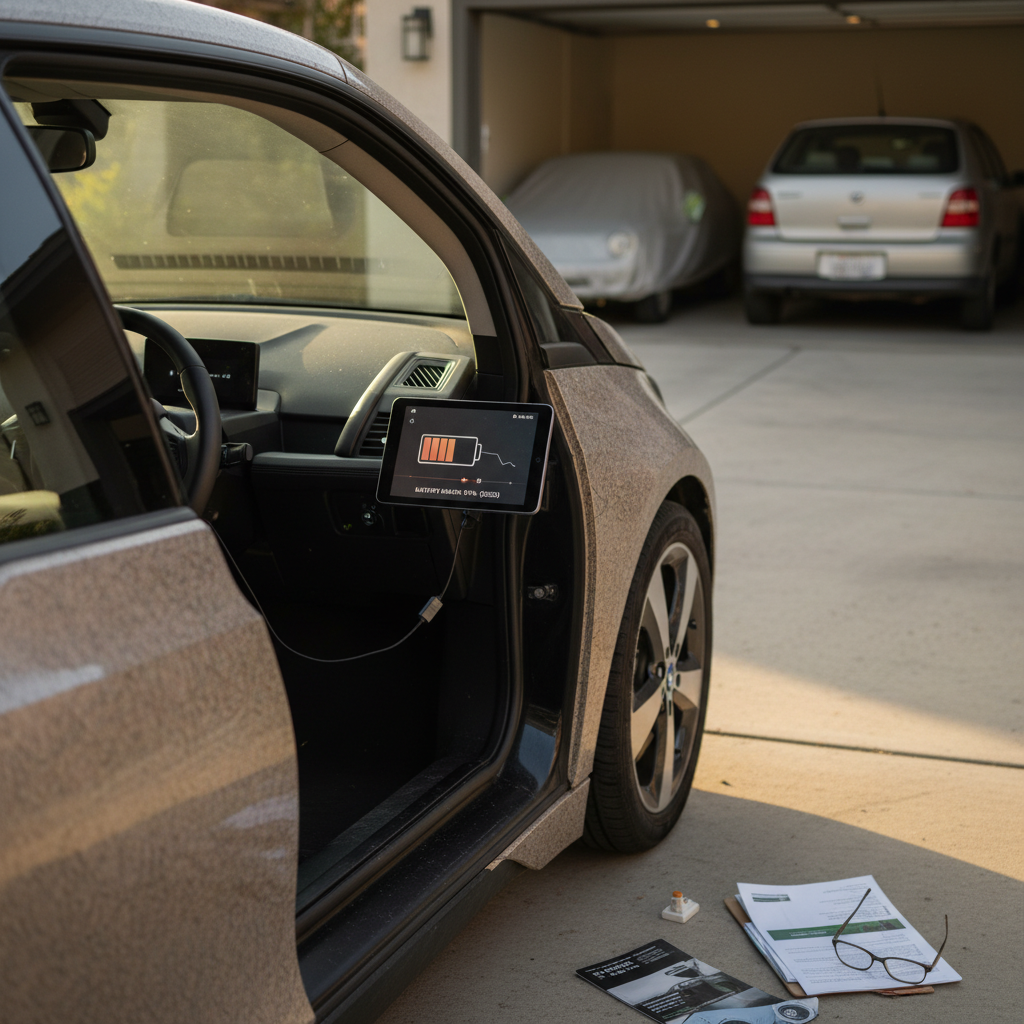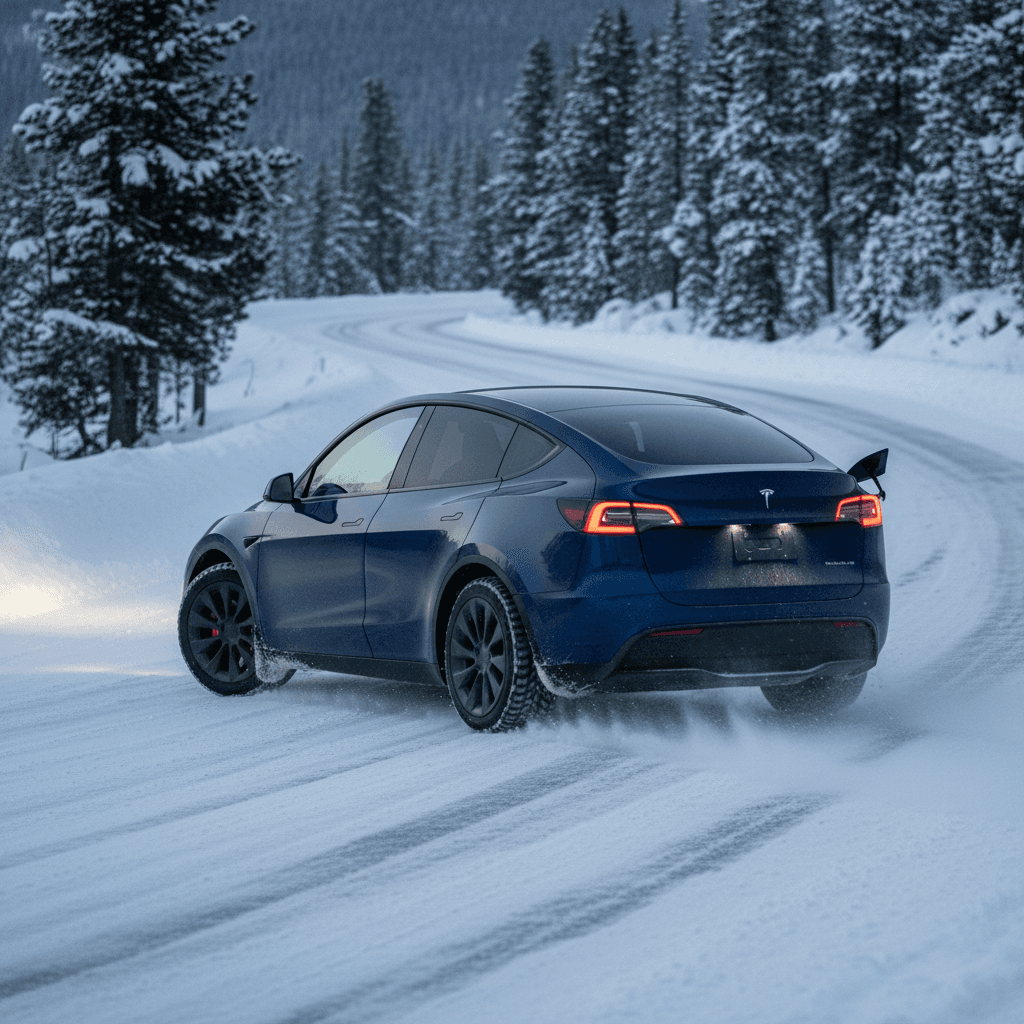
If you live where winter is a season and not a rumor, you’ve probably wondered whether the Tesla Model Y is actually one of the best EVs for snow and ice, or just internet folklore. Between YouTube heroics on frozen lakes and Reddit horror stories about sliding on all‑seasons, the truth lives in the messy middle, and it depends heavily on how the car is equipped and how you drive it.
Quick answer
Is the Tesla Model Y good in snow and ice?
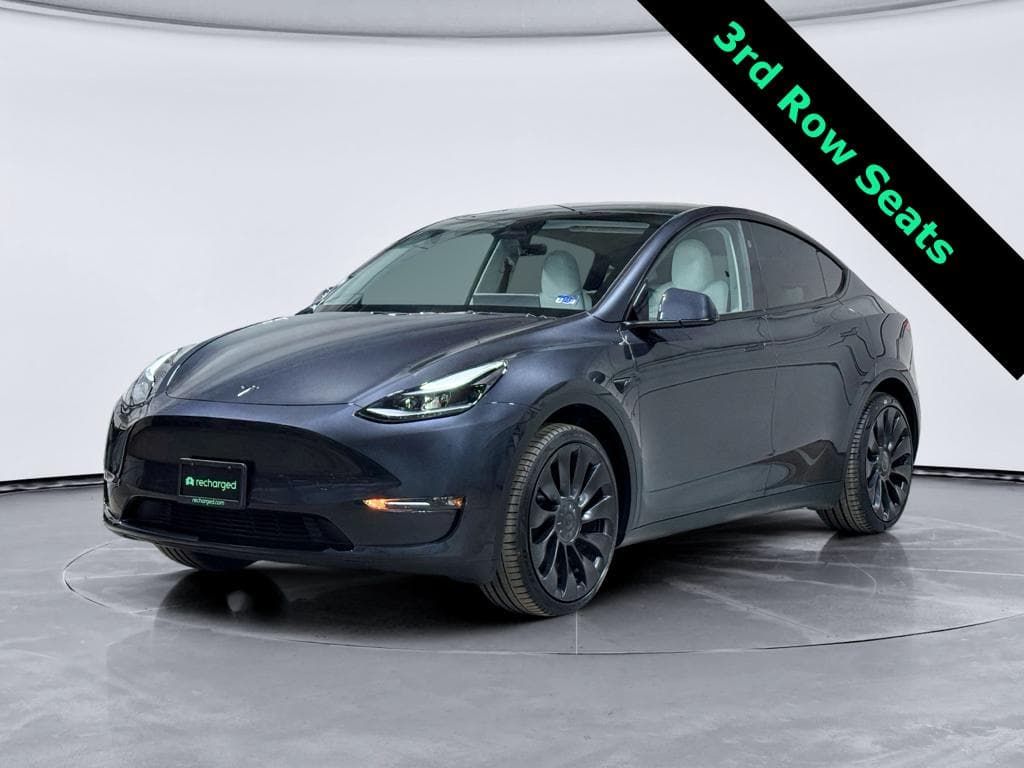
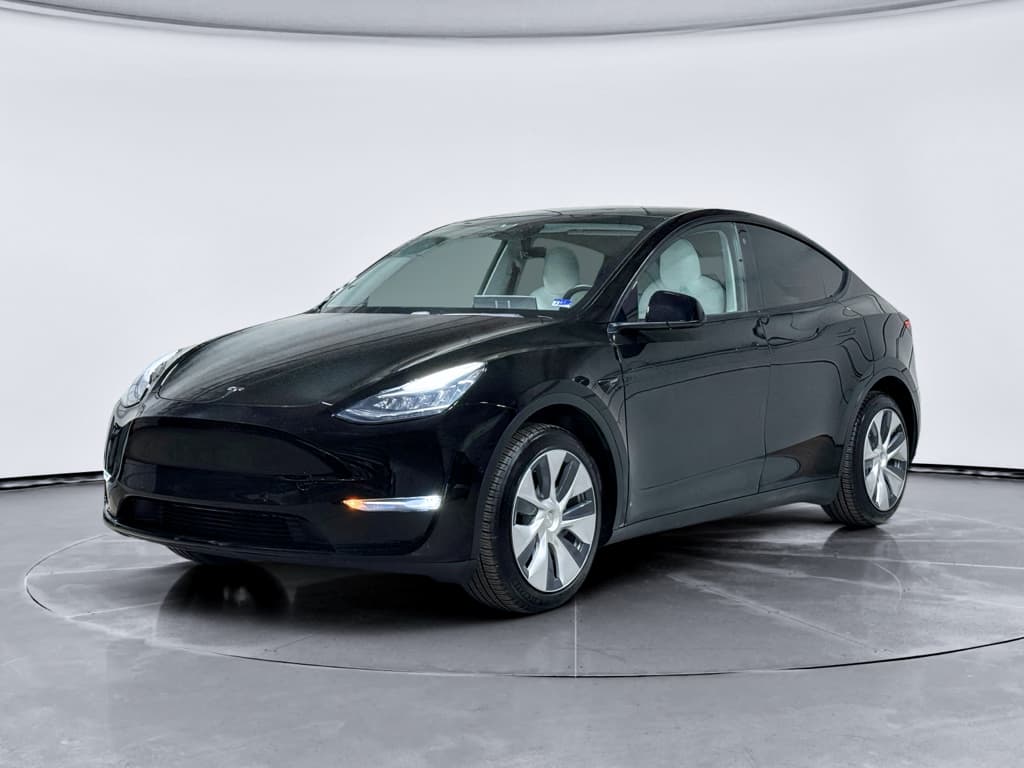
On the fundamentals, the Model Y is built like a competent winter car: all‑wheel drive with fast, precise traction control, a low center of gravity, and a modern stability system that can shuffle torque far faster than any mechanical AWD crossover. With the right tires, it will embarrass a lot of traditional SUVs on a snowy hill.
Where it falls short is the romance of the old‑school winter warrior: there’s no huge ground clearance and no transfer case. At roughly 6.8 inches of clearance, the Model Y is fine for plowed streets and a few inches of fresh powder, but it’s not a back‑country snow‑wheeling rig. Deep, unplowed ruts will eventually beach it on the battery pack.
Tesla Model Y winter fundamentals at a glance
The non‑negotiable
Why the Model Y works well in winter, when it’s set up right
1. Instant, controllable torque
The dual‑motor Model Y can feed just enough torque to each axle to keep you moving without the drama. There’s no waiting for clutches to engage or diffs to lock; the system samples grip constantly and reacts in milliseconds.
On a slick uphill, that feels like a gentle, almost uncanny pull instead of the surging, wheel‑spinning mess you get in some gas crossovers.
2. Low center of gravity, planted feel
The battery pack in the floor drops the center of gravity, which helps stability on snow and ice. When you do slide, it’s often more progressive and easier to catch than in a tall, top‑heavy SUV.
Think of it as a heavy hockey puck: once it’s moving, mass is mass, but it’s not trying to fall over.
Cold‑climate tech that actually helps
These Model Y features make winter life easier, if you use them correctly.
Tesla app preconditioning
Use the app to warm the cabin and battery while plugged in. That means:
- Faster fast‑charging on the road
- Defrosted glass and mirrors
- Less brutal range loss on the first 10–15 miles
Heat pump HVAC
All recent Model Y builds use a heat pump that scavenges heat more efficiently than old‑school resistive heaters.
Translation: more miles per kWh in the cold, without freezing your passengers.
Smart traction & stability
The car’s stability control will clamp down hard if you drive like a rally hero, but that’s the point. It’s constantly balancing torque front‑to‑rear and side‑to‑side to keep you pointed roughly in the direction your front wheels are aimed.
Use the modes, but don’t worship them
Winter weak spots to know before you buy
- Ground clearance is crossover‑average, not off‑road heroic. Freshly plowed roads: fine. A foot of unplowed, crusty snow in your long gravel driveway: risky.
- Weight is both friend and foe. The Model Y’s mass helps it bite through loose snow, but once it’s sliding, there’s a lot of momentum to manage. Good tires and defensive driving are non‑negotiable.
- Regenerative braking feels different in the cold. When the battery is cold or when you first mount winter tires, regen can be limited. That means the car may not slow as aggressively when you lift, so you need to use the brake pedal more until things warm up and recalibrate.
- Ice is the equalizer. No EV, no Subaru, no lifted truck "handles" pure ice on mediocre tires. On a glassy intersection, tire compound matters far more than badge or battery.
Performance model on summer tires
Tesla Model Y vs other EVs for snow and ice
When shoppers ask whether the Tesla Model Y is the best EV for snow and ice, what they’re really asking is, “If I buy this, will it get me to work in February as confidently as my old Subaru?” Let’s put it next to a few usual suspects.
How the Model Y stacks up as a winter EV
High‑level comparison of popular EV crossovers in snow‑belt garages.
| Model | AWD availability | Ground clearance* | Cold‑weather range retention** | Winter character |
|---|---|---|---|---|
| Tesla Model Y | Yes (most trims) | ~6.8 in | Often around 80–85% when used well | Efficient, very grippy, battery‑savvy; limited by clearance |
| Hyundai Ioniq 5 | Yes | ~6.1 in | Similar or slightly lower in deep cold | Comfortable, composed; short front overhang can plow snow |
| Volkswagen ID.4 | Yes | ~6.7 in | Some tests show larger winter losses | Soft‑riding, feels like a traditional SUV; traction control less clever |
| Ford Mustang Mach‑E | Yes | ~5.7 in | Fair but not standout | Quick, fun; lower clearance and more nose‑heavy feel |
| Subaru Solterra / Toyota bZ4X | Yes | ~8.3 in | Competitive but not class‑leading | Great clearance, familiar Subaru‑adjacent vibe; charging network weaker than Tesla |
Assumes AWD versions with proper winter tires, driven on plowed but snowy roads.
Where Model Y shines in this crowd
Must‑have tires and settings for snow and ice
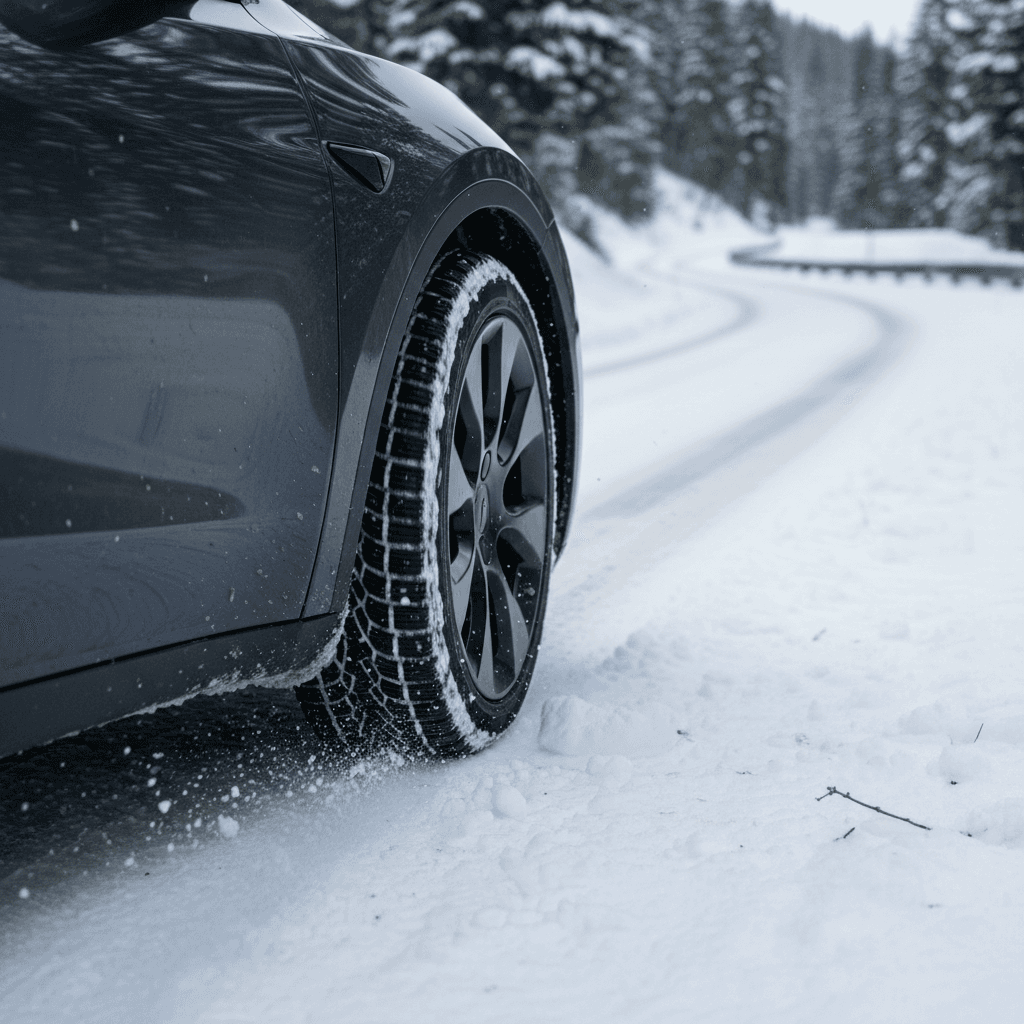
There’s no way to say this too bluntly: the conversation about whether a Tesla Model Y is "best for snow" is actually a conversation about tires. With the wrong set, it’s a clumsy, overpowered sled. With the right set, it’s a point‑and‑shoot tool.
Winter setup checklist for Tesla Model Y
1. Choose the right tire type
If you regularly see packed snow or ice, run a dedicated winter tire (e.g., studless snow tire). In shoulder seasons or milder climates, an aggressive all‑weather tire can be a good compromise. All‑seasons are minimal‑effort, not maximum‑safety.
2. Consider a smaller wheel size
Dropping from 20" or 21" wheels to 19" winters gives you a taller sidewall, better compliance on ruts, and often cheaper tire replacements. Many owners run 19" winter setups even on Performance trims.
3. Use Tesla’s winter tire setting
After installing winters, go into the Service menu and tell the car it’s on winter tires. That helps the stability and regen systems recalibrate more quickly so braking and one‑pedal feel become consistent again.
4. Precondition for 15–30 minutes
Before you drive, use the Tesla app to warm the car while it’s plugged in. That defrosts glass, softens wiper blades, and warms the battery so regen and power aren’t hobbled for the first part of your trip.
5. Dial back sudden inputs
The car can only work with what physics allows. On slick surfaces, roll into the accelerator, steer smoothly, and brake early. The electronics are brilliant, but they can’t invent grip where none exists.
6. Carry basic winter kit
Stash a snow brush, a compact shovel, gloves, and a portable charging cable. In a pinch, traction aids (sand, traction mats) can get a stranded EV, any EV, out of a snowbank.
Model Y "off‑road" mode & traction tricks
Managing winter range loss in a Model Y
Cold weather doesn’t just affect traction; it also hits range. Lithium‑ion batteries dislike the cold, and cabin heat is a real energy hog. The good news is that the Model Y is on the efficient end of the EV spectrum in winter, thanks to its heat pump and smart thermal management.
Practical ways to protect your winter range
You’re not trying to win a lab test, you just want to stop obsessing over the battery gauge.
Park indoors when possible
Even a marginally warmer attached garage helps. Batteries start closer to their happy temperature band, so you get better regen and more range right off the bat.
Leave it plugged in
Let the car sip power to keep the pack conditioned. Then precondition through the app while plugged in so heat for the cabin and pack comes from the wall, not your driving range.
Use seat & wheel heaters first
Cranking cabin heat to 75°F burns through range quickly. Using the seat and steering‑wheel heaters lets you stay comfortable with a slightly lower cabin temp.
- For daily commuting, plan on roughly 15–25% less real‑world range around freezing if you precondition and drive reasonably.
- On longer highway drives in serious cold (single digits °F and below), expect a bigger hit and build in extra stops, especially if you’re running winter tires and a full cabin of passengers.
- Use the in‑car Energy screen to watch your actual consumption; it learns from your conditions and gives a more honest range prediction than the raw percentage number.
Winter range is mostly a comfort tax
Used Tesla Model Y winter checklist
If you’re considering a used Tesla Model Y and you live in a snow state, you’re not just buying a car, you’re buying someone else’s winter decisions. This is where a structured inspection and good data really matter.
What to look at on a used Model Y for winter duty
1. Battery health and winter range
Ask for data on the pack’s state of health and recent winter behavior. With Recharged, every vehicle includes a <strong>Recharged Score battery health report</strong> so you’re not guessing about capacity before your first cold snap.
2. Previous owner’s climate & usage
A car that lived in Arizona and is moving to Minnesota hasn’t been winter‑tested yet. That’s not a deal‑breaker, but budget time to sort tires, check seals, and learn its cold‑weather personality.
3. Tires and wheels included
A used Model Y that comes with a second set of winter wheels and tires can save you thousands and a lot of hassle. Inspect date codes and remaining tread; aged or half‑worn winters lose much of their magic.
4. Underbody & suspension condition
Salt, slush, and frozen ruts are hard on suspension components and underbody panels. Look for damaged aero shields, rusty fasteners, and any evidence the car has been beached or high‑centered.
5. Charging habits in cold weather
Ask how the previous owner handled winter charging. Cars that were routinely fast‑charged from very low states of charge in extreme cold deserve extra scrutiny, though Teslas are generally good at self‑protection.
6. Support for your first winter
Especially if this is your first EV winter, having <strong>EV‑specialist support</strong> on call helps. Recharged pairs every buyer with experts who can walk you through realistic winter range, charging plans, and tire choices for your ZIP code.
How Recharged can help
Ready to find your next EV?
Browse VehiclesFAQ: Tesla Model Y and winter driving
Common questions about the Tesla Model Y in snow and ice
Bottom line: Is the Model Y the best for snow and ice?
If your image of a winter car is a beater wagon blasting through a blizzard in a rally video, the Tesla Model Y will feel a little too grown‑up: quiet, composed, almost clinically efficient. But that’s exactly why it’s such a strong choice for real‑world snow and ice. With AWD, a proper set of winter tires, and smart use of its thermal and traction systems, the Model Y becomes a confident, predictable tool for getting through January without drama.
Is it the single best EV on Earth for snow and ice? That depends on your roads and your tolerance for adventure. Some drivers will value extra ground clearance or slightly tougher hardware. But if you want a winter‑capable EV that also happens to be efficient, spacious, pleasant to live with, and easy to charge on long cold‑weather trips, the Model Y belongs on your short list. And if you’re shopping used, working with a company like Recharged, with battery‑health diagnostics, EV‑savvy support, and nationwide delivery, can turn that first snowy morning in your Tesla from a science experiment into just another commute.