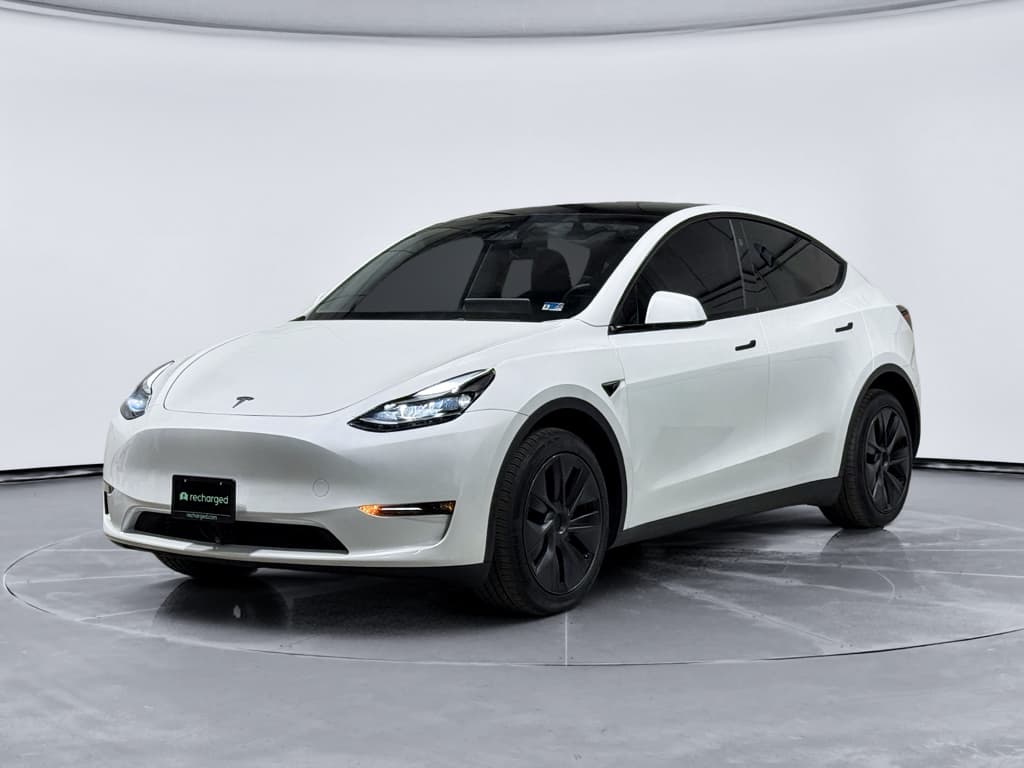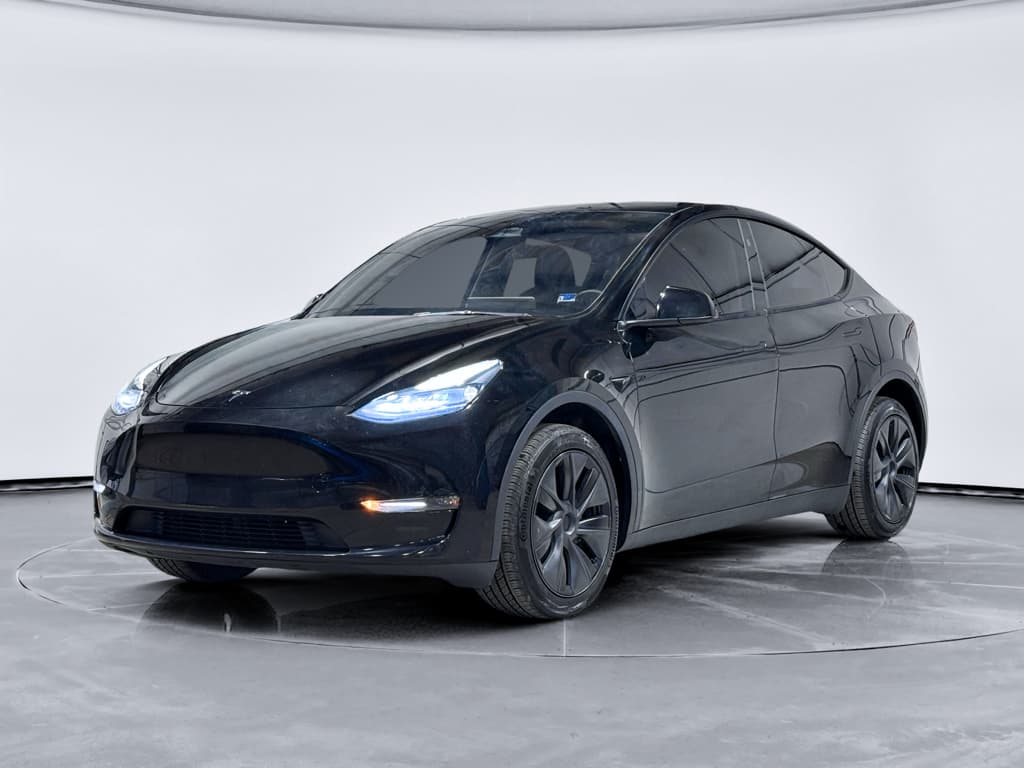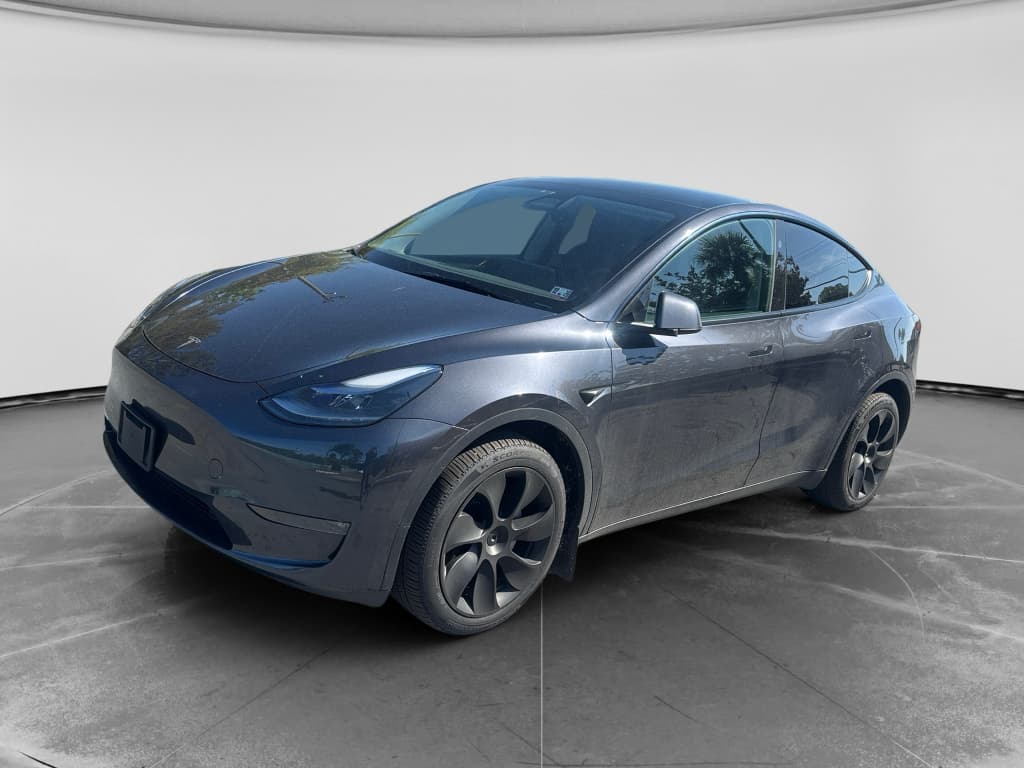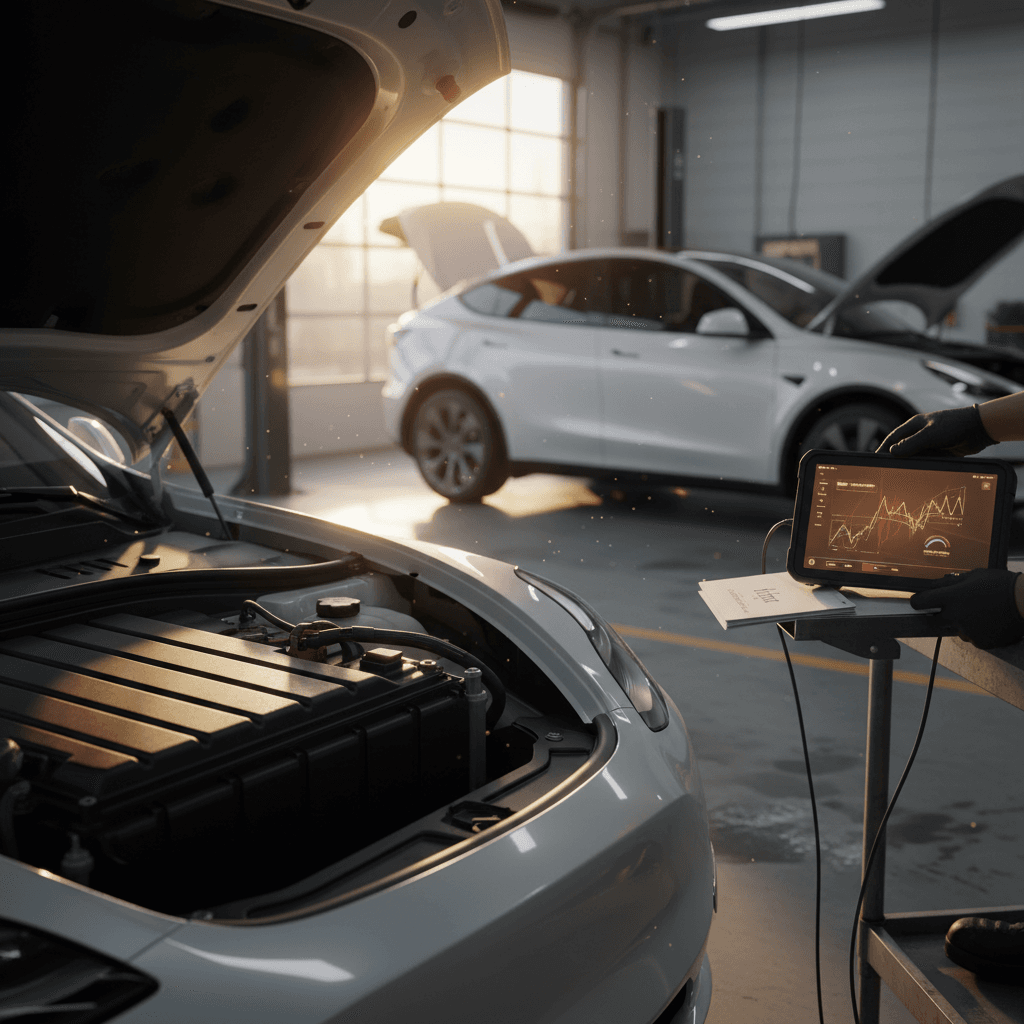
If you’re trying to understand the **Tesla Model Y battery warranty and what it covers**, you’re asking exactly the right question. The battery pack is the most expensive single component in the car, and Tesla’s warranty is generous in some ways, narrow in others. This guide breaks the fine print into plain English so you know what’s protected, what isn’t, and how that changes if you’re buying a used Model Y.
Key takeaway
Tesla Model Y battery warranty overview
Tesla splits coverage into multiple layers, but for battery concerns you care about two in particular: 1. The **Basic Vehicle Limited Warranty** (the “bumper‑to‑bumper” part) that covers most parts of the car for 4 years / 50,000 miles. 2. The **Battery and Drive Unit Limited Warranty**, which is where the high‑voltage battery coverage lives for **8 years** with a mileage cap by trim, plus the 70% capacity guarantee. Those are separate from each other. When the 4‑year basic warranty expires, the battery and drive unit are still covered until they hit their own time or mileage limit.
Tesla Model Y battery warranty at a glance
Coverage length by Model Y trim
For U.S.‑market cars, Tesla currently structures the **Model Y battery warranty** like this:
Tesla Model Y battery & drive unit warranty by trim (U.S.)
These are the headline numbers most owners care about: how long your high‑voltage battery and drive unit are covered from new.
| Model Y trim | Battery & drive unit coverage | Capacity guarantee | Notes |
|---|---|---|---|
| Rear‑Wheel Drive / Standard Range | 8 years or 100,000 miles | 70% minimum usable capacity | LFP or NMC pack depending on build; check your spec sheet. |
| Long Range | 8 years or 120,000 miles | 70% minimum usable capacity | Most common configuration in the U.S. |
| Performance | 8 years or 120,000 miles | 70% minimum usable capacity | Same headline coverage as Long Range. |
All terms measured from the original in‑service date of the vehicle.
Watch the “whichever comes first” clause
What the Model Y battery warranty actually covers
Tesla’s Battery and Drive Unit Limited Warranty is specific about what it’s on the hook for. In practice, it covers **defects and abnormal failures** in the high‑voltage pack and associated drive hardware, not every outcome you might dislike as an owner.
Main items covered by the Model Y battery warranty
Think: high‑voltage components, not everyday wear‑and‑tear.
High‑voltage battery pack
Coverage includes the **battery pack assembly**, internal modules, and high‑voltage contactors if they fail due to defects in materials or workmanship.
Battery electronics & contactors
Control electronics inside the pack that manage charging, discharging, and safety are covered when they fail abnormally, not from external damage or modification.
Drive unit(s)
The **rear and front electric drive units** (motors, inverters, gearboxes) fall under the same 8‑year / 100k–120k‑mile umbrella as the battery pack.
Fast‑charging capability
If a legitimate defect in the battery or drive unit makes the car unable to DC fast charge within spec, that’s generally handled as a warranty issue.
70% capacity guarantee
If **usable battery capacity** drops below about 70% within the term and mileage limits, Tesla may repair or replace the pack to restore capacity above that floor.
Warranty repairs & parts
Parts replaced under the battery warranty are usually covered for the **remainder of the original battery warranty** or a short supplemental period, whichever is longer.
Good news for long‑term owners
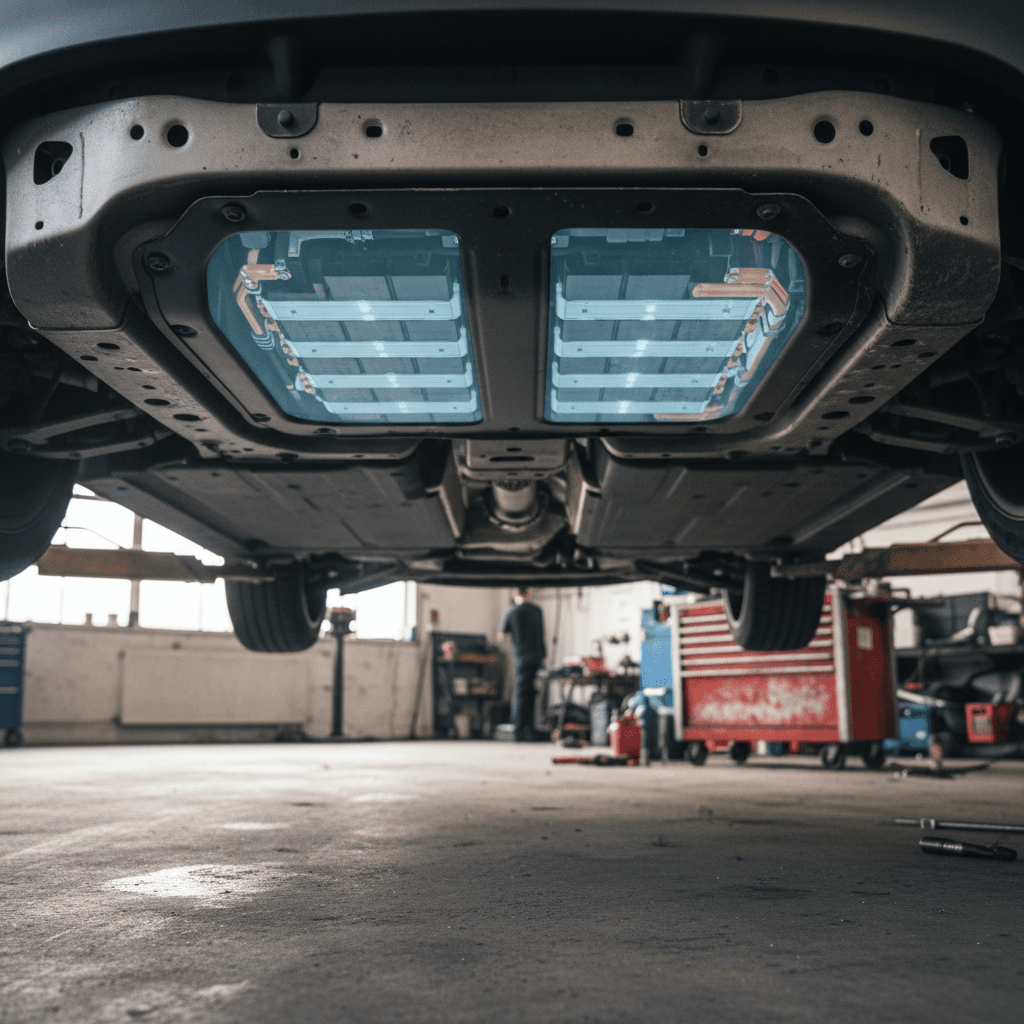
What isn’t covered (and common confusion points)
Here’s where expectations often diverge from the legal language. Tesla is explicit about **what the Model Y battery warranty does not cover**, and a lot of real‑world complaints fall into these excluded buckets.
Common battery issues that usually aren’t warranty events
Normal degradation above 70%
All lithium‑ion batteries lose some capacity with age and use. If your Model Y still has more than about **70% usable capacity**, gradual range loss is considered normal, annoying, but not a defect.
Range estimates on the screen
Tesla doesn’t warranty the **number on your dash**. Range estimates depend on software, recent driving, temperature, and how the BMS interprets pack health. A scary‑looking predicted range doesn’t automatically equal a warranty claim.
Charging speed variations
Dozens of factors affect how fast your car fast‑charges: temperature, state of charge, charger hardware, other cars on the site. Slower‑than‑expected sessions are usually not treated as a battery defect unless diagnostics show a clear fault.
Damage from external events
Collision damage, flood or water intrusion, road debris punctures, and fire or overheating caused by external events fall under insurance, not the battery warranty.
Owner‑caused abuse or modifications
Tampering with the high‑voltage system, installing unauthorized aftermarket hardware, or deliberately abusing the pack (for example, repeated full discharges against Tesla’s guidance) can void coverage for resulting damage.
Cosmetic concerns
Cosmetic corrosion on the pack casing, surface rust on hardware, or underbody scrapes that don’t affect function are not treated as battery warranty issues.
Why you never open the pack yourself
Capacity vs. failure: the 70% rule explained
A lot of owners conflate two very different things: **a dead battery** and **a smaller battery**. Tesla’s Model Y battery warranty addresses both, but with different triggers.
1. Hard failures
This is the straightforward case: the car won’t charge, won’t drive, or throws persistent high‑voltage fault codes that Tesla can trace to the battery or drive unit.
- Examples: pack isolation fault, contactor weld, module failure, catastrophic cell fault.
- Result: Tesla typically repairs or replaces pack modules, or in rare cases, the entire pack, under the battery warranty.
2. Capacity degradation
This is about **how much energy the pack can still store**, not whether the car works at all.
- The warranty promises that usable capacity stays above **~70% of original** during the term.
- Capacity is measured via Tesla’s internal diagnostics, not third‑party apps.
- If your pack truly falls below that threshold under normal use, it’s a warranty claim.
How to sanity‑check your pack’s health
The new high‑priced propulsion‑related parts layer
Starting with **model year 2026** in the U.S., Tesla added a separate **High‑Priced Propulsion‑Related Parts (HPPRP) Zero‑Emission Vehicle Limited Warranty** for the Model Y, largely to comply with California‑driven rules that ripple into other states.
This coverage isn’t a replacement for the 8‑year battery warranty, it’s a **layer on top** for specific big‑ticket components. For Model Y, the HPPRP list includes items like the **high‑voltage battery assembly, drive units, inverters, power conversion system, and certain high‑voltage harnesses**, with coverage specified as 7 years / 70,000 miles or another similar long‑term horizon depending on jurisdiction and build date.
How HPPRP and the battery warranty interact
How the warranty works for used Model Y buyers
With used EVs, warranty conversations get muddy fast. The key concept with Tesla is that **battery and drive unit coverage follows the car, not the owner**, but only for whatever time and mileage remain.
Used Tesla Model Y: how battery coverage typically carries over
Different paths depending on where you buy and how old the car is.
Buying used direct from Tesla
Tesla has historically bundled an additional **used‑vehicle limited warranty** when you buy a pre‑owned Model Y from them (for example, an extra 1 year / 10,000 miles of basic coverage), while the **original battery and drive unit warranty simply continues** until 8‑year / mileage limits are reached.
Buying used from marketplaces like Recharged
When you buy a used Model Y through a marketplace such as Recharged, the car still carries whatever remains of the **original Tesla battery warranty**. On top of that, Recharged provides a Recharged Score battery health report so you can see how the pack is performing today, not just what the paperwork promised eight years ago.
Out‑of‑warranty older Model Y
2020–2021 cars driven hard by high‑mileage owners are now aging out of basic coverage and will start aging out of battery coverage as they pass the 100k–120k‑mile marks. For these, pack health and replacement risk are far more important than the original warranty terms.
Third‑party and Tesla extended plans
Some owners layer on **extended service contracts**, from Tesla where available, or from third‑party providers. These may cover certain propulsion components but typically treat battery capacity loss separately from failures, so you’ll want to read the fine print carefully.
Smart used‑buyer move
Real‑world battery life and replacement costs
A warranty is a safety net, but the more relevant question for most shoppers is: *How long will a Model Y battery realistically last, and what happens if it doesn’t?*
- Most Model Y packs show a quick capacity drop in the first 1–2 years, then a long slow taper. Seeing **90–95% of original capacity after 4–5 years** in normal use is common in fleet and owner data.
- Hitting the **70% capacity floor during the warranty term is rare** in typical use. That’s intentional, automakers don’t promise thresholds they expect to pay out on frequently.
- Out‑of‑warranty full pack replacements on a Model Y commonly price in the **low‑ to mid‑five figures** once you add labor, taxes, and associated hardware, though module‑level repairs can be less.
- Because the pack is so expensive, a battery‑warranty claim (or lack of one) has an outsized impact on **used resale value** compared with most other components.
How Recharged bakes this into pricing
Protecting your coverage: practical habits
You don’t have to baby a Model Y battery, but a few habits both protect your warranty position and reduce the odds you’ll ever need it.
Owner habits that keep your Model Y battery (and warranty) happy
Stay in the recommended SOC window
For daily use, Tesla generally recommends charging to **80–90%**, or to 100% only when you actually need the extra range. Living at the extremes (always near 0% or 100%) is harder on the pack.
Avoid repeated full discharges
Letting the battery regularly hit **0% or sit dead** can stress cells and is explicitly called out in many EV battery warranties as abuse. If you’re down in the single digits, charge as soon as practical.
Mind your fast‑charging patterns
Supercharging is there to be used, but **exclusive fast‑charging**, especially in extreme heat, accelerates wear. If you have access to home Level 2 charging, rely on it for most daily energy and save DC fast charging for trips.
Keep software stock
Unauthorized tweaks that alter thermal limits, bypass safety checks, or spoof cells may both harm the pack and give Tesla an argument that damage was owner‑caused. If you’re worried about a change, ask Tesla or an EV‑savvy shop first.
Fix physical damage promptly
If you bottom out the car or see underbody damage near the battery area, get it inspected. Ignoring compromised shields or corrosion points is a good way to turn a small repair into a big, non‑warranty bill.
Document issues early
If you suspect unusual capacity loss or repeated high‑voltage faults, **open a service ticket while you’re clearly inside the warranty window**. Document dates, mileage, and what you’re seeing. That paper trail matters if things escalate.
FAQ: Tesla Model Y battery warranty
Frequently asked questions about the Model Y battery warranty
Bottom line for Model Y shoppers
The **Tesla Model Y battery warranty** is fairly straightforward once you strip away the legalese: 8 years of coverage with a clear mileage limit by trim, a **70% usable capacity guarantee**, and an expanding safety net of high‑priced propulsion‑part protection on newer model years. It’s not a promise that your range will never budge, and it doesn’t shield you from every scenario, but it does make outright battery defects and extreme degradation statistically rare and financially manageable.
If you’re shopping used, the key is to look at **both** sides of the story: how much warranty is left on paper, and how the pack is actually performing today. That’s exactly what the **Recharged Score** and battery health report are designed to show. Whether you’re buying, trading in, or just planning to keep your Model Y for the long haul, understanding what the warranty covers, and what it doesn’t, helps you make smarter decisions about price, risk, and how you treat the battery every day.