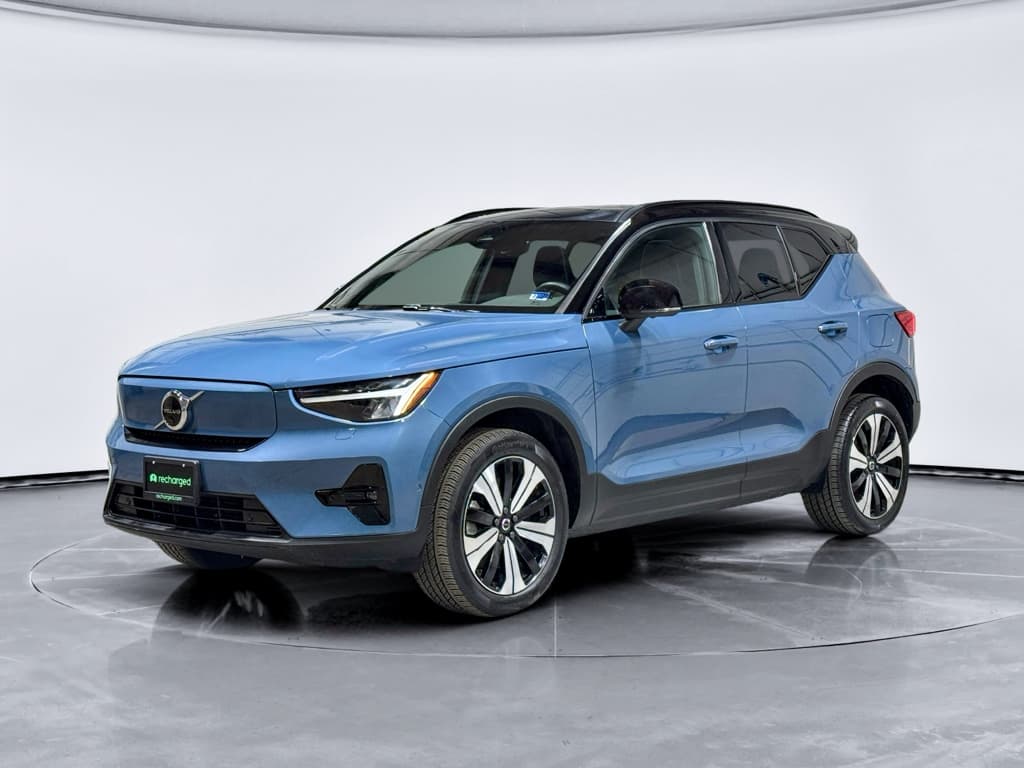
If you’re looking at a Volvo XC40 Recharge, safety is probably near the top of your list. Volvo has built its brand on protecting people, but how does the **XC40 Recharge safety rating and crash test performance** really stack up against today’s best electric SUVs – and what should you watch for if you’re shopping used?
Key takeaway
Volvo XC40 Recharge safety overview
The XC40 Recharge is the battery‑electric version of Volvo’s compact XC40 SUV. In the U.S., it launched for the 2021 model year and continues on the same basic platform through 2024, before the EV line is renamed **Volvo EX40** starting with 2025 models. That continuity is important, because it means most of the crash test data from earlier years still applies to current XC40 Recharge and EX40 models with the same structure.
XC40 / XC40 Recharge safety at a glance
Model names to know
Which safety ratings matter for the XC40 Recharge?
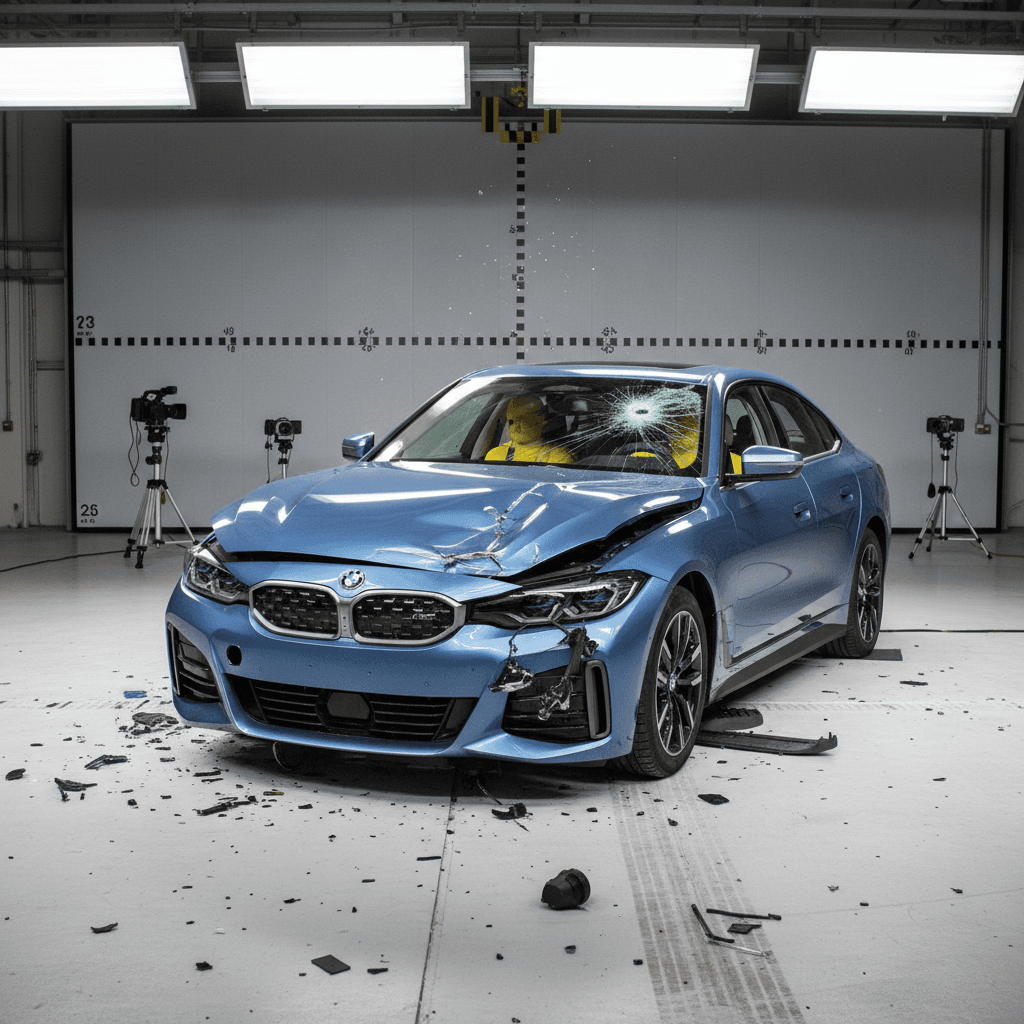
When you search for **Volvo XC40 Recharge safety rating crash test** results, you’ll bump into several different programs. They don’t all test the exact same thing, but taken together they provide a solid picture of how this small SUV will protect you and your passengers.
The three big crash-test programs to know
Each adds a different piece to the XC40 Recharge safety puzzle
IIHS (U.S.)
The Insurance Institute for Highway Safety runs some of the toughest crash tests, including small-overlap frontal and updated moderate-overlap 2.0 tests that stress both front and rear passenger protection.
NHTSA 5-Star Ratings
The National Highway Traffic Safety Administration focuses on frontal, side, and rollover performance, then condenses results into a **1–5 star** score that’s easy to compare at a glance.
Euro NCAP / ANCAP
European and Australasian programs rate the XC40’s platform on **adult & child occupant protection, vulnerable road users, and safety assist** – useful if you want a global view of the vehicle’s structure and tech.
On top of these lab-style crash tests, real‑world safety also depends on **active driver‑assistance systems**, software updates, and how consistently those features are maintained, big considerations if you’re buying used.
IIHS crash test results for the XC40 Recharge
IIHS treats the **Volvo XC40 Recharge** as a small SUV. The headline is simple: in the core structural tests, the EV performs extremely well. A 2021 XC40 Recharge was used for the small‑overlap crash testing, and IIHS notes that the results apply to **2021–2024** XC40 Recharge models built on this platform.
- Small overlap front (driver & passenger side): **Good** overall, with the safety cage holding its shape and low measured injury risk for head, neck, chest, hips and legs.
- Moderate overlap front (original test): **Good** overall, indicating strong protection in the classic frontal‑offset crash.
- Updated moderate overlap 2.0 test (XC40 platform): The XC40 was one of the only small SUVs to score **Good** overall in the revised test that adds a rear dummy – a strong sign that rear‑seat occupants are well protected too.
- Side impact, roof strength, and head restraints: also rated **Good** across the XC40 lineup, and the structure is shared with the Recharge EV.
Why IIHS ratings matter for EV shoppers
IIHS also evaluates **crash avoidance and mitigation**. For the XC40 Recharge, the standard forward collision warning with automatic emergency braking earns an **Advanced** rating in daytime pedestrian tests, and lane‑keeping support, blind‑spot monitoring, and rear automatic braking are standard or widely available across trims.
NHTSA 5-Star Safety Ratings for the XC40
The U.S. government’s NHTSA program has tested the gasoline XC40 in detail, and those results are useful context because the EV shares its basic body shell and crash structure. In NHTSA testing, the XC40 posts **strong scores across the board**, including a 5‑star side‑impact rating and 4‑star rollover rating with a modest rollover risk percentage.
NHTSA crash-test snapshot for the XC40 platform
How the gasoline XC40 performs in U.S. government tests – a solid proxy for the XC40 Recharge’s structural behavior.
| Test | Overall rating | Driver | Passenger / Rear | Notes |
|---|---|---|---|---|
| Frontal crash | 5 / 5 | 5 / 5 | 5 / 5 | Strong occupant compartment, well‑tuned airbags and belts. |
| Side barrier | 5 / 5 | 5 / 5 | 5 / 5 | Excellent energy absorption in side‑impact tests. |
| Side pole (combined) | 5 / 5 | 5 / 5 | 5 / 5 | Side curtain airbags and structure protect both front and rear. |
| Rollover | 4 / 5 | , | , | No tip‑over in dynamic test; rollover risk in the mid‑teens (%). |
Always verify the exact rating for your model year on NHTSA’s site, especially if you’re cross‑shopping EX40 and XC40 Recharge.
EV vs. gas ratings
Euro NCAP & ANCAP: how the global XC40 fares
Outside North America, the XC40 and XC40 Recharge have been assessed by **Euro NCAP** and, based on those results, **ANCAP** in Australia and New Zealand. Here, too, the theme is consistency: the XC40 platform earns a **5‑star overall rating**, reflecting both crash performance and safety tech.
- Adult occupant protection: the XC40 platform scores in the **low‑to‑high 90% range**, placing it among the best in its class for frontal and side crashes.
- Child occupant protection: scores in the **mid‑80% range**, thanks to good child‑seat compatibility and strong rear‑seat protection.
- Vulnerable road users: around **70%+**, reflecting a front structure that is relatively friendly to pedestrians and cyclists, combined with active braking systems.
- Safety assist: around **80%+**, recognizing that Volvo fits a very full suite of driver‑assistance technology as standard.
“The Volvo XC40 is the only small SUV tested in the updated moderate-overlap 2.0 test to receive a ‘Good’ rating in every category.”
Because the XC40 Recharge shares its core structure, those global results reinforce what we see in U.S. testing: **this is a fundamentally strong, well‑engineered safety cell** with comprehensive electronic support systems.
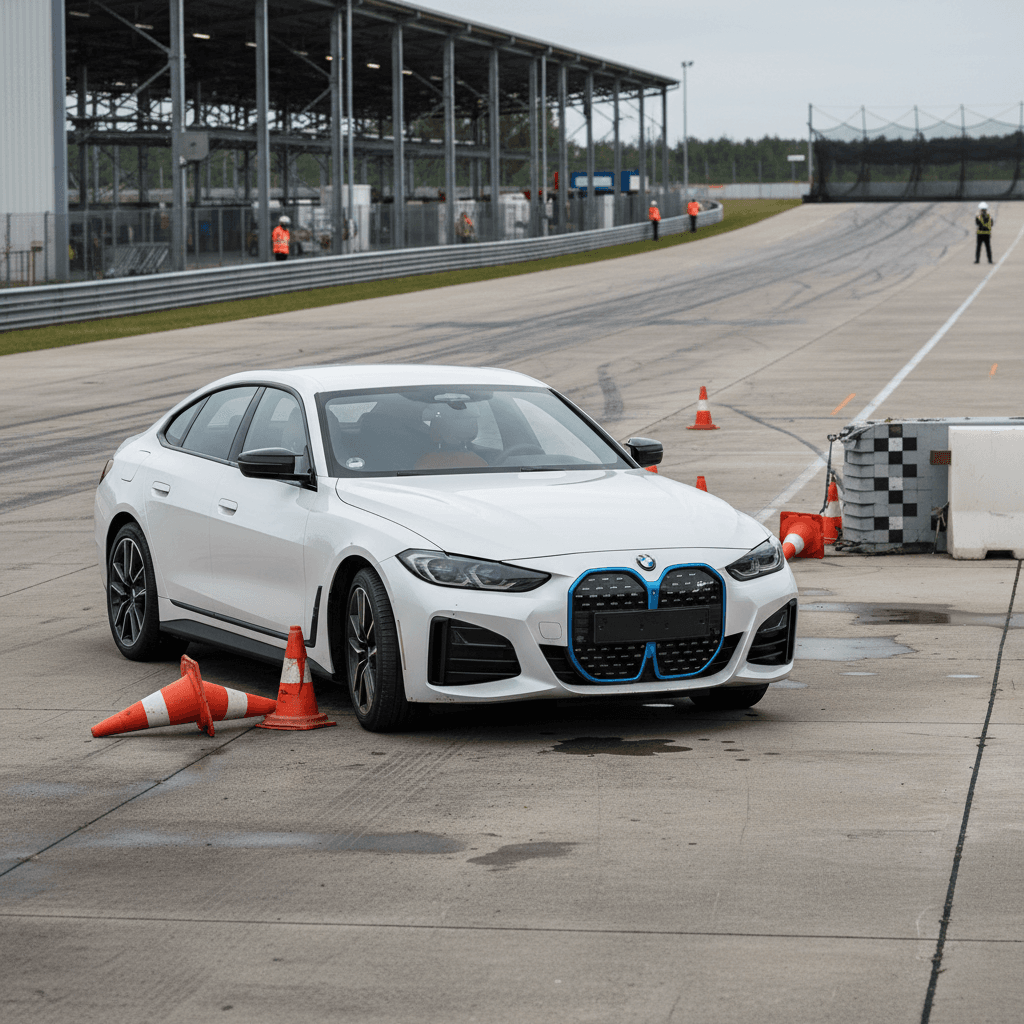
XC40 Recharge standard safety & driver assistance tech
Crash‑test numbers tell only part of the story. What you experience every day in an XC40 Recharge is Volvo’s **holistic approach to preventing crashes in the first place**, not just surviving them. Even base trims come loaded with tech that many rivals still charge extra for.
Core XC40 Recharge safety systems
Most of these are standard on U.S. models; check the build sheet to confirm.
Passive safety
- Multi-stage front airbags, side airbags, and full-length side curtain airbags
- Strong passenger cell with generous use of high-strength steel
- Front seat whiplash protection and seatbelt pre-tensioners
- Battery pack integrated into the structure for crash protection
Crash avoidance tech
- Automatic emergency braking with vehicle and pedestrian detection
- Lane keeping aid and lane departure warning
- Blind-spot monitoring with steering assist
- Rear cross-traffic alert and rear automatic braking
Highway & parking assistance
- Adaptive cruise control with lane centering on many trims
- Traffic jam assist in certain packages
- Standard reversing camera; available 360° camera
- Parking sensors front and rear on most versions
Software & over-the-air updates
- Google-based infotainment with regular software updates
- Ability to refine driver-assistance behavior over time
- Remote diagnostics that can flag some safety-related faults
Test the tech on your test drive
2025 brake recall: what XC40 Recharge owners should know
No safety review would be complete without addressing the **brake‑related recall** that has affected several Volvo EVs and plug‑in hybrids, including certain XC40 Recharge model years.
In mid‑2025, Volvo and U.S. regulators highlighted a software‑related issue affecting regenerative braking. Under very specific conditions, roughly **100 seconds of continuous regen braking**, the system could, in rare cases, lead to a loss of hydraulic brake assistance. A "Do Not Drive" warning was issued for vehicles that had not yet received the over‑the‑air software update, and the fix was delivered via updated brake‑control software.
- Affected models included specific years of the **XC40 Recharge and related EVs and plug‑in hybrids**.
- Volvo issued an over‑the‑air update intended to correct the behavior of the brake control module.
- Owners who had not installed the update were advised **not to drive the vehicle** until it was applied.
- The guidance also recommended temporarily turning off one‑pedal or "B" mode to avoid extended periods of maximum regen.
If you own, or are buying, an XC40 Recharge
From a buyer’s perspective, a handled recall isn’t a reason to run from the XC40 Recharge. In fact, it can be a positive sign that a manufacturer is actively monitoring and updating its fleet. The key is making sure the software has actually been applied on the car that’s in front of you.
XC40 Recharge safety vs other small electric SUVs
If you’re cross‑shopping the XC40 Recharge with other compact EV SUVs, think **Tesla Model Y, Hyundai Ioniq 5, Kia EV6, Mercedes‑Benz EQB**, you’ll find that most of the top players now earn excellent crash‑test scores. Where the Volvo tends to stand out is in **how early and how comprehensively it made safety equipment standard**, and in its performance in newly updated tests like IIHS’s moderate‑overlap 2.0.
Where the XC40 Recharge shines
- Consistently strong crash structure proven across multiple programs (IIHS, Euro NCAP, ANCAP).
- Long list of standard active safety features, even on base trims.
- Comfortable seats and thoughtful head‑restraint design that help in rear‑impact crashes.
- Volvo’s conservative approach to performance helps keep behavior predictable in emergency maneuvers.
Where rivals may edge it out
- Some competitors now offer **more advanced semi‑automated driving** suites with hands‑free highway capability.
- A few newer EV platforms are designed from the ground up around a skateboard battery and may slightly optimize crash loads.
- Brand‑new models sometimes earn top marks in the latest pedestrian and cyclist protection tests.
Bottom line on comparisons
Buying a used XC40 Recharge: safety checklist
If you’re shopping the used market, especially through a digital‑first marketplace like Recharged, you have the opportunity to be choosy. The **best used XC40 Recharge** is one that combines strong crash‑test scores with documented maintenance, completed recalls, and verified battery health.
Safety steps before you buy a used XC40 Recharge
1. Verify crash-test coverage for your year
Confirm that your model year falls within the range of IIHS and NHTSA tests for the XC40 Recharge or XC40 platform. Most 2021–2024 vehicles do, but it’s worth checking by VIN or year on official sites.
2. Check for open recalls
Use the VIN to look up open recalls on the NHTSA site or via a Volvo dealer. Ensure the **brake software recall** and any airbag or seatbelt campaigns are marked as completed.
3. Review service and software history
Look for documentation that shows regular dealer or specialist visits and over‑the‑air software updates. On an EV, firmware can affect not just convenience features but also safety systems.
4. Inspect airbags and restraints
On a physical inspection, confirm there are no airbag warning lights, seatbelt frays, or signs that the vehicle has been in an unrepaired crash (mismatched paint, poor panel gaps, missing airbag covers).
5. Confirm driver-assistance operation
During your test drive, verify that lane‑keeping assistance, adaptive cruise, blind‑spot warning, parking sensors and automatic braking alerts behave consistently and don’t throw intermittent error messages.
6. Get an independent assessment
Consider a pre‑purchase inspection from an EV‑knowledgeable technician, or rely on a marketplace like Recharged that provides a **Recharged Score Report** with verified battery health, safety‑related checks, and fair‑market pricing analysis.
How Recharged helps de‑risk a used XC40 Recharge
Ready to find your next EV?
Browse VehiclesVolvo XC40 Recharge safety FAQs
Frequently asked questions about XC40 Recharge safety
Is the Volvo XC40 Recharge a safe bet?
Put it all together and the **Volvo XC40 Recharge earns its reputation as a safety‑first electric SUV**. The structure has been validated in demanding IIHS and Euro NCAP crash tests, U.S. government data points to excellent side‑impact and rollover performance, and Volvo continues to layer on a deep stack of active safety and driver‑assistance systems.
The 2025 brake‑system recall is a reminder that even safety‑oriented brands aren’t immune to software‑era growing pains. But with the fix applied and basic due diligence on recalls, crash history and software updates, the XC40 Recharge remains a **smart, confidence‑inspiring choice for EV shoppers who prioritize protection**.
If you’re evaluating a used XC40 Recharge, a platform like Recharged can simplify the process: you get a transparent **Recharged Score Report**, EV‑savvy guidance on how this Volvo stacks up against other options, and flexible ways to buy, trade in, or arrange delivery, all while keeping safety front and center.