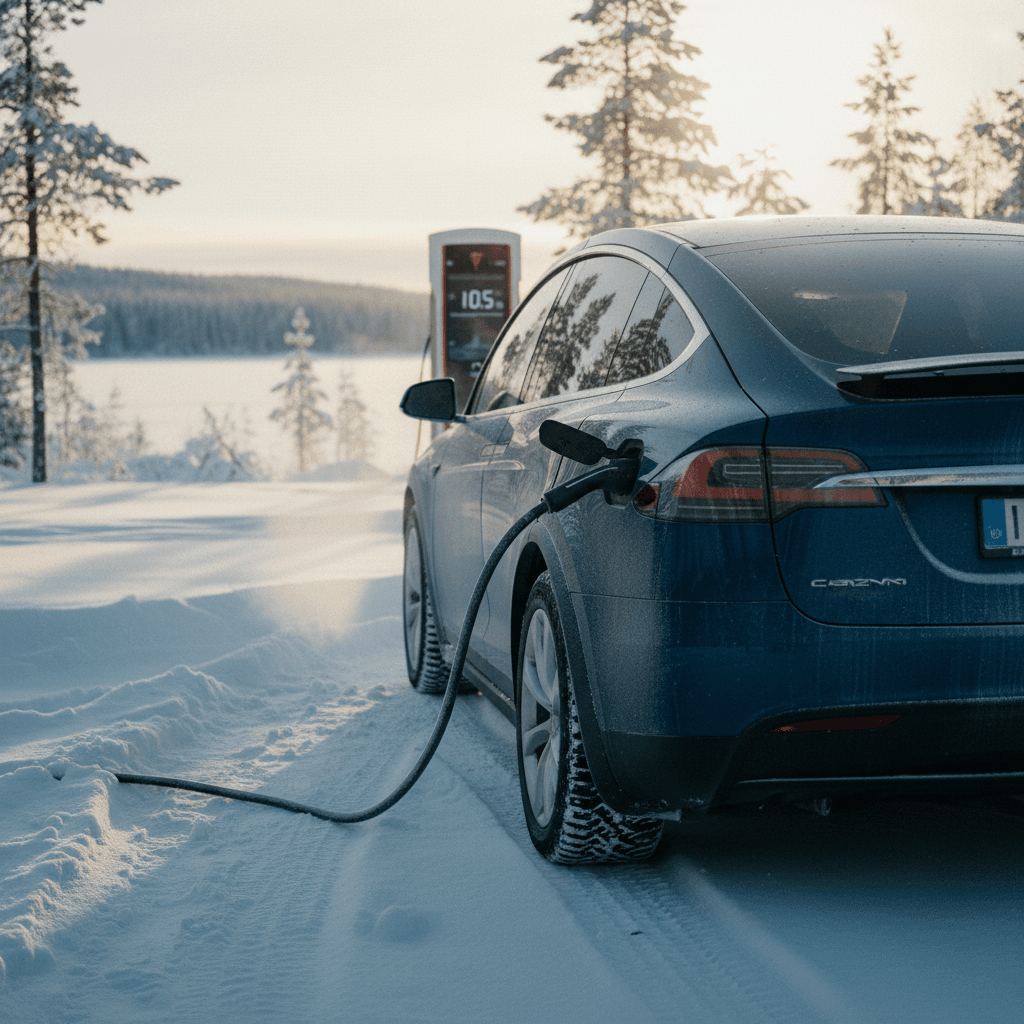
If you drive a Tesla Model X and live anywhere that owns a snow shovel, you’ve already discovered a harsh little truth: winter eats range. The good news is that it’s predictable, manageable, and not a sign your battery is dying. In this guide, we’ll pin down a realistic Tesla Model X winter range loss percentage, show how it varies by trim and temperature, and walk through specific habits that claw a lot of that range back.
The short answer
How much winter range loss is normal for a Tesla Model X?
Typical Tesla Model X winter range loss
Across independent winter tests and owner data, most modern EVs retain around 75–85% of their rated range in typical freezing conditions. The heavier, dual‑motor Model X generally lands in that same band when driven sanely. For a Long Range Model X with ~350 miles EPA, that means planning on something like 240–280 miles of real‑world winter highway range once things are warmed up.
Where people get spooked is on short, cold‑soaked trips. You hop into a frozen Model X, blast the heat, drive six miles to the store, then six miles home, and watch the state of charge drop like a meme stock. Energy is going mostly into heating the cabin and battery, not miles. That’s why the percentage loss on those little errands can look brutal, easily 35–50% relative to what you’re used to in April, without meaning anything is wrong with the pack.
Don’t use one bad trip as your benchmark
Why the Tesla Model X loses range in winter at all
Four reasons your Model X hates the cold
It’s not just the thermometer, it’s physics and comfort conspiring against your battery.
1. Cold batteries are less efficient
2. Air is thicker, roads are stickier
3. Cabin heat is pure battery load
4. Short trips are the silent killer
The heat pump question
Model X winter range loss by trim and temperature
The exact winter range loss percentage depends on which Model X you own and how cold your winters really are. A Plaid running big wheels at 80 mph in a Michigan blizzard will suffer more than a Long Range on smaller wheels in a 30°F drizzle.
Approximate Tesla Model X winter range loss by trim
These are ballpark planning numbers for U.S. drivers, assuming no strong tailwinds, normal highway speeds (65–75 mph), and a warmed‑up car.
| Trim & wheel setup | EPA range (new) | Mild winter 25–40°F | Cold winter 10–25°F | Harsh winter ≤10°F |
|---|---|---|---|---|
| Model X Long Range, 20" wheels | ≈ 350 mi | ≈ 290–300 mi (≈ 15–20% loss) | ≈ 250–280 mi (≈ 20–30% loss) | ≈ 210–240 mi (≈ 30–40% loss) |
| Model X Long Range, 22" wheels | ≈ 335 mi (real‑world) | ≈ 270–285 mi (≈ 15–20% loss) | ≈ 235–260 mi (≈ 20–30% loss) | ≈ 195–225 mi (≈ 30–40% loss) |
| Model X Plaid, 20" wheels | ≈ 335 mi | ≈ 275–290 mi (≈ 13–18% loss) | ≈ 235–265 mi (≈ 20–30% loss) | ≈ 195–225 mi (≈ 30–40% loss) |
| Older Model X 75D/90D/100D | ≈ 240–295 mi (degradation dependent) | Leave ~15–20% margin over what you see in mild weather | Plan on ~25–30% hit vs mild weather | On very cold, short trips it may *behave* like a 40–45% hit |
Use these as conservative estimates when planning winter trips; your actual results can be better with good habits.
About those percentages
City vs highway: how winter driving style changes your loss percentage
Stop‑and‑go city driving
In winter, city driving is a mixed bag. On one hand, you’re going slower, and the Model X can recapture energy with regen braking. On the other, if trips are short and the car never fully warms, your apparent loss can look awful.
- Best for efficiency once the cabin and battery are at temperature.
- Seat heaters keep you comfortable on fewer watts than blasting HVAC.
- Many owners see 10–20% winter loss in city use after warm‑up.
Sustained highway driving
At 70–80 mph in 20°F air, your Model X is punching a cold, viscous atmosphere. Aero drag and heater use dominate.
- Expect closer to 20–30% loss in ordinary winter highway use, sometimes more in strong headwinds.
- Wind, elevation gain, and snow on the road can easily add another 5–10 percentage points.
- For road‑trip planning, assuming a 25–30% winter haircut on the EPA number is usually safe and sane.
Snow tires & roof boxes matter
What real Model X owners report in winter
Data is nice; lived experience is better. Across owner forums and long‑term logs, Model X drivers in cold states often report winter energy use that translates to 25–35% higher Wh/mi than in spring and fall. Translated back into range, that’s your 20–30% loss on typical, warmed‑up highway trips.
A few representative patterns emerge:
- Longish commutes (30–60 miles each way) with preconditioning usually land around 15–25% loss once people learn to trust seat heaters and Auto HVAC instead of “HI” all the time.
- Short errands from a cold‑soaked garage make the car seem broken: owners see 35–50% apparent loss on the dash, then watch efficiency snap back when the weather warms.
- Plaid owners with wide, sticky tires and 22‑inch wheels see the worst winter numbers, while earlier 75D/100D cars on narrower rubber can sometimes beat newer models on pure efficiency.
"On my 2020 X Long Range, a Midwest January at 75 mph takes me from a theoretical 300+ miles to more like 200–220. That’s with preconditioning, snow tires, and a realistic attitude."
10 ways to cut winter range loss in your Model X
Practical ways to claw back winter range
1. Always precondition while plugged in
Use Scheduled Departure or the app to warm the cabin and battery <strong>before</strong> you leave, especially below freezing. That shifts most of the heating load onto the grid instead of your battery and improves efficiency for the first 20–30 minutes of driving.
2. Trust seat and steering‑wheel heaters
Seat and wheel heaters use a fraction of the energy that full‑blast cabin heat consumes. Set cabin temp a bit lower (say 68°F), turn on the heated seats, and you’ll be warmer and more efficient.
3. Dial back your speed
Range falls off faster than linearly with speed. Dropping from 78 mph to 68 mph in winter can feel glacial, but it often saves <strong>15–20% energy</strong> on a long run, effectively recovering most of your winter penalty.
4. Use Eco/Chill modes when they help
Power‑limited modes or gentler throttle mapping don’t magically fix physics, but they <strong>smooth out hard accelerations</strong> that waste energy when the pack is cold and thick.
5. Avoid repeated short cold trips
If you can batch errands into one longer loop instead of five tiny hops, you pay the warm‑up tax once. Your indicated winter loss percentage will instantly look less tragic.
6. Keep tires properly inflated
Every 10°F drop outside can shave ~1 psi from tire pressure. Low pressures increase rolling resistance, so check your Model X’s tires regularly and keep them at spec in the cold.
7. Clear snow and ice before driving
Caked‑on snow under the wheel wells and bumpers adds weight and drag. That, plus an icy windshield forcing you to crank defrost, is wasted energy. Brush and scrape thoroughly, then let the car finish the job once you’re moving.
8. Minimize roof‑mounted gear
If possible, stow skis inside that cavernous Model X instead of on the roof. Roof boxes dramatically hurt aerodynamics, costing precious winter miles at highway speeds.
9. Check your climate settings regularly
Turn off rear cabin climate when nobody’s back there, and use “Auto” instead of manually pegging everything to max. Tesla’s automatic system is generally smarter about balancing efficiency and comfort than we are with our fingers on the slider.
10. Start charging right after you arrive
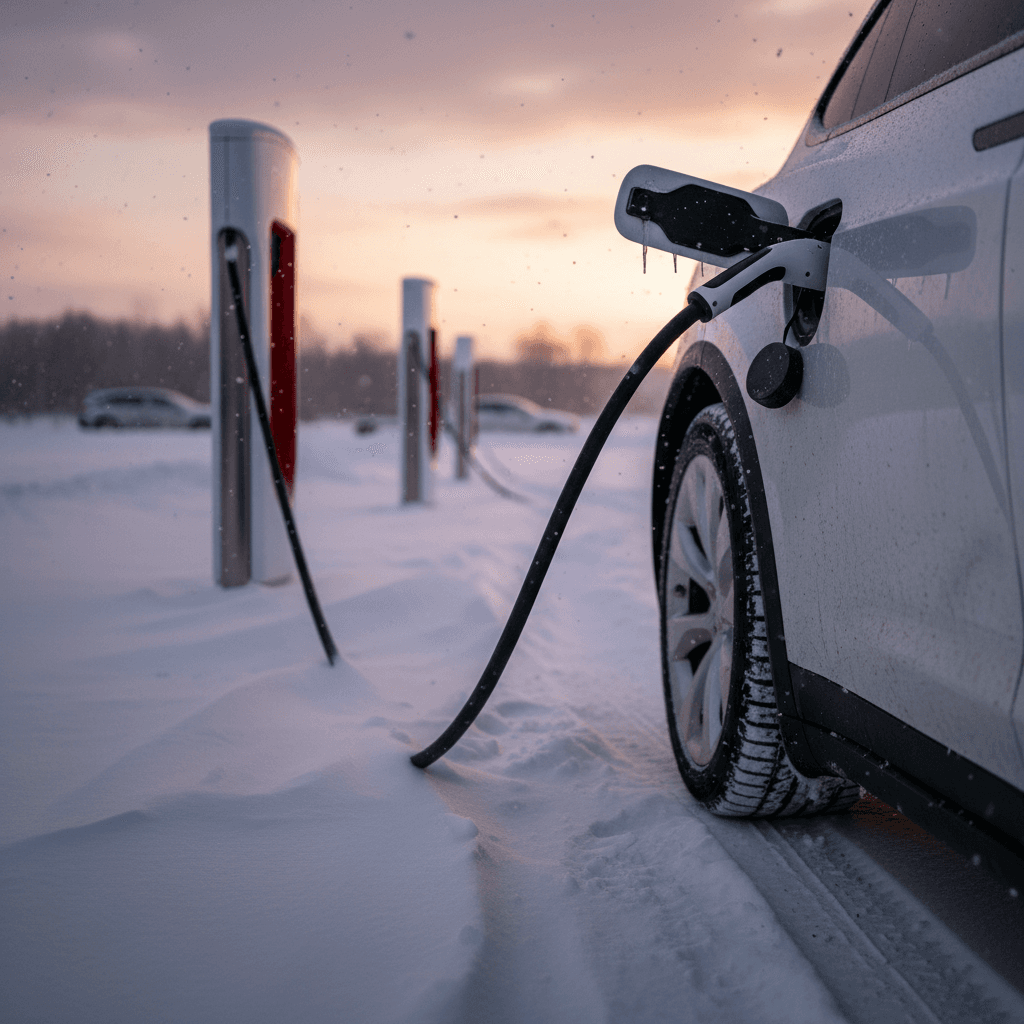
If you can, begin charging while the battery is still warm from driving. You’ll reduce the extra energy needed to heat the pack for charging and may shorten charge times at DC fast chargers in the cold.
Planning Model X winter road trips without white‑knuckle range anxiety
The Model X is an outstanding road‑trip tool, but winter does change the math. If you’re used to cutting it close in July, you’ll want to be kinder and more conservative in January.
Suggested winter range buffers for Model X road trips
How much extra margin to leave between navigation estimates and your actual battery when planning in cold weather.
| Driving conditions | Navigation estimate vs. reality | Suggested buffer |
|---|---|---|
| Dry roads, 30–40°F, light wind | Nav’s arrival SOC is usually close | Add 10% buffer to arrival SOC |
| Light snow, 15–30°F, mixed wind | Nav can be optimistic on hills and wind | Add 15–20% buffer |
| Heavy snow/slush, under 15°F, strong headwind | Nav may under‑estimate consumption significantly | Add 25%+ buffer and/or plan an extra stop |
These buffers assume you’re using Superchargers or high‑quality DC fast chargers and preconditioning before each stop.
Use the car’s trip graph, not just the percent number
Seasoned owners treat winter road trips like flying with a tight connection: build in margin, watch the live data, and be ready to adjust. After a couple of snow‑season trips, you’ll develop an instinct for how your specific Model X behaves in your specific climate.
Shopping used? How winter range loss changes the Model X math
If you’re considering a used Tesla Model X, winter is the season when a great deal and a bad one part company. Two cars can show similar indicated range on a 65°F test drive, and then feel dramatically different when it’s 10°F and snowing sideways.
Used Model X + winter: what actually matters
The question isn’t just “what’s the EPA number?” but “how does this particular car behave when it’s ugly outside?”
Verified battery health
Charging performance
Service history & updates
Where Recharged fits in
Ready to find your next EV?
Browse VehiclesBecause winter amplifies small weaknesses, a car that feels fine in mild weather can reveal battery or thermal issues as soon as the first real cold snap hits. When you’re cross‑shopping used Model X listings, give extra weight to vehicles with documented battery tests, strong charging behavior, and good service records rather than simply the lowest price or flashiest wheels.
Tesla Model X winter range loss: FAQ
Frequently asked questions about Model X winter range loss
Bottom line: what percentage you should actually plan around
If you remember only one number from all this, make it 25%. For most Tesla Model X drivers in the U.S., assuming about a 25% winter range loss on long, cold highway trips is a solid, low‑stress baseline. On milder days or with careful driving, you’ll beat it. In deep cold, heavy snow, or high speeds, you might temporarily flirt with 35–40%, but that’s the exception, not the everyday reality.
Winter doesn’t mean your Model X suddenly became a short‑range car; it means you’re finally seeing the full cost of comfort and physics. Learn how your particular X behaves below freezing, give yourself more buffer on the road, and use the tools Tesla built into the car, preconditioning, Trip Energy, heated seats, to bend that loss back down.
And if you’re shopping for a used Model X and want to know what its winter range will really feel like, not just what the old window sticker claimed, a Recharged Score Report with verified battery health is a smart starting point. Winter is when the truth comes out; better to understand it before your first blizzard road trip than halfway through it.