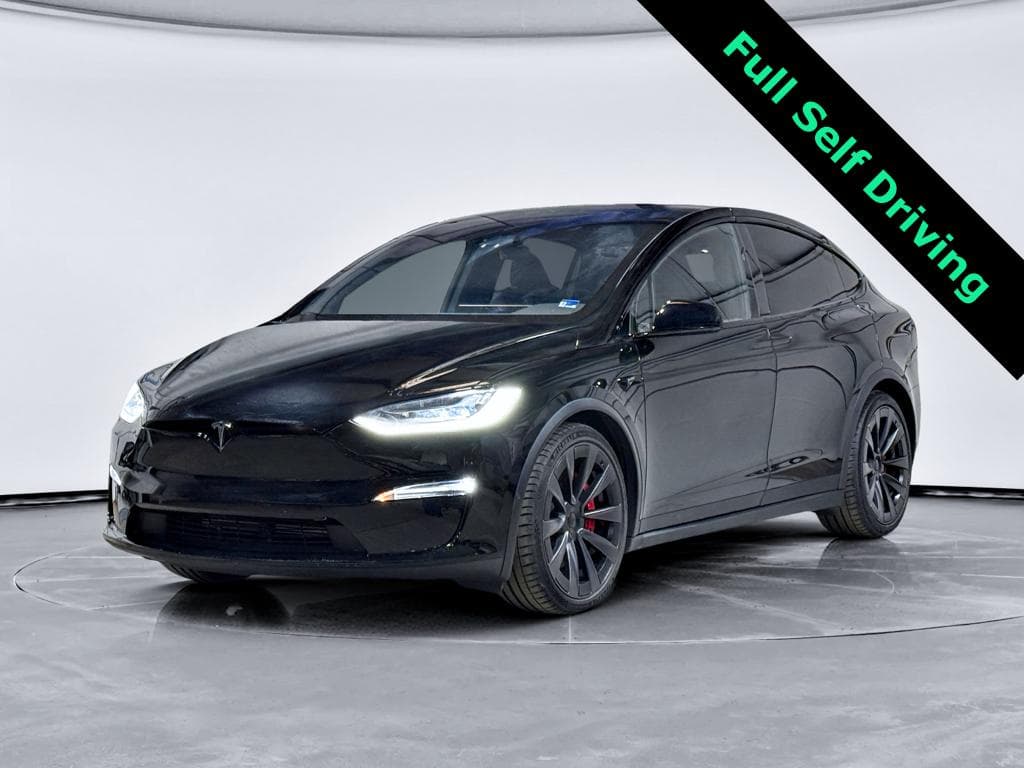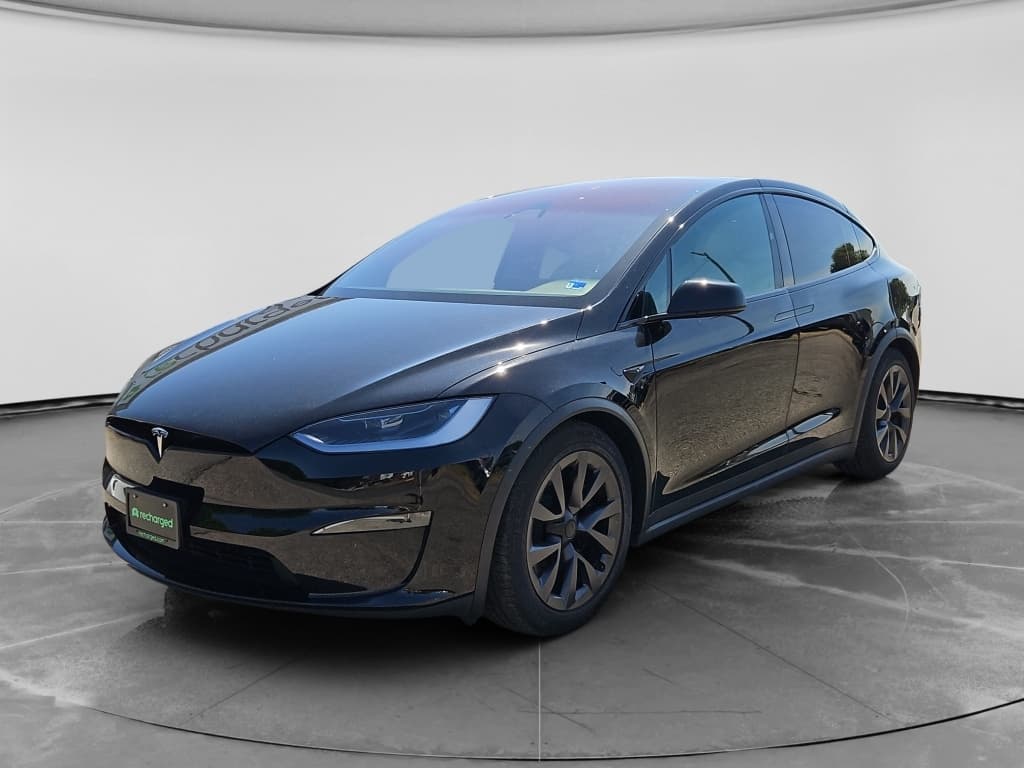
If you’re looking at a Tesla Model X road trip review, you’re probably asking one big question: is this sleek, falcon-winged SUV really a practical long-distance family hauler, or just a tech toy that looks good in the driveway? The answer, based on thousands of miles of real-world use and owner reports, is that the Model X can be one of the best three-row EVs for long trips, but only if you understand its range, charging rhythm, and a few key limitations.
Quick take
Who This Tesla Model X Road Trip Review Is For
This review is written for shoppers and owners who want to use a Tesla Model X as a primary road-trip vehicle, especially families considering a used Model X as an alternative to a gas three-row SUV. We’ll focus on what actually matters on the open road: real-world range at freeway speeds, Supercharger behavior, comfort across three rows, and what happens when you tow a camper or drive through winter weather.
Because Recharged specializes in used electric vehicles, we’ll pay particular attention to how an older Long Range or Plaid Model X holds up as a long-distance machine and where a Recharged battery health report can give you confidence before your first big trip.
Tesla Model X Road Trip Highlights at a Glance
Tesla Model X Road Trip Snapshot
EPA vs. reality
Real-World Range: How Far the Model X Really Goes
On paper, recent Model X Long Range versions offer EPA-rated range in the low‑to‑mid 300‑mile area, depending on wheels and trim. For example, a 2024 Long Range with 20‑inch wheels is rated around 335 miles, while the Plaid hovers just above 320 miles on smaller wheels and closer to 300 miles on 22‑inch wheels. Those numbers are useful, but they’re not what you’ll see running 75 mph on I‑95 with a full family and luggage.
Highway Range: What Owners Actually See
Numbers here assume a healthy battery and no trailer attached.
Conservative driving (60–65 mph)
If you keep speeds down and use cruise control on relatively flat terrain, a healthy Long Range Model X can come surprisingly close to its EPA rating. Seeing 280–310 miles between 100% and near-empty in mild weather isn’t unusual.
Typical US freeway (70–75 mph)
This is where most American drivers live. At 70–75 mph with climate control on, many owners report 240–280 miles of realistic range from a full charge, and more commonly plan legs of 180–220 miles between fast charges for comfort.
Cold weather or heavy rain
Freezing temps, winter tires, slush, or strong headwinds can shave 25–40% off practical range. It’s not unusual to plan for just 160–200 miles per leg in true winter road-trip conditions.
Pro tip: think in legs, not full range
Wheel size and configuration matter more than most shoppers realize. A Model X on 22‑inch wheels can give up a noticeable chunk of range versus the same vehicle on 20s. If you’re shopping used and road-tripping is a priority, prioritize smaller wheels and all‑season tires over the biggest, flashiest wheel package.
Charging on the Road: Living With the Supercharger Network
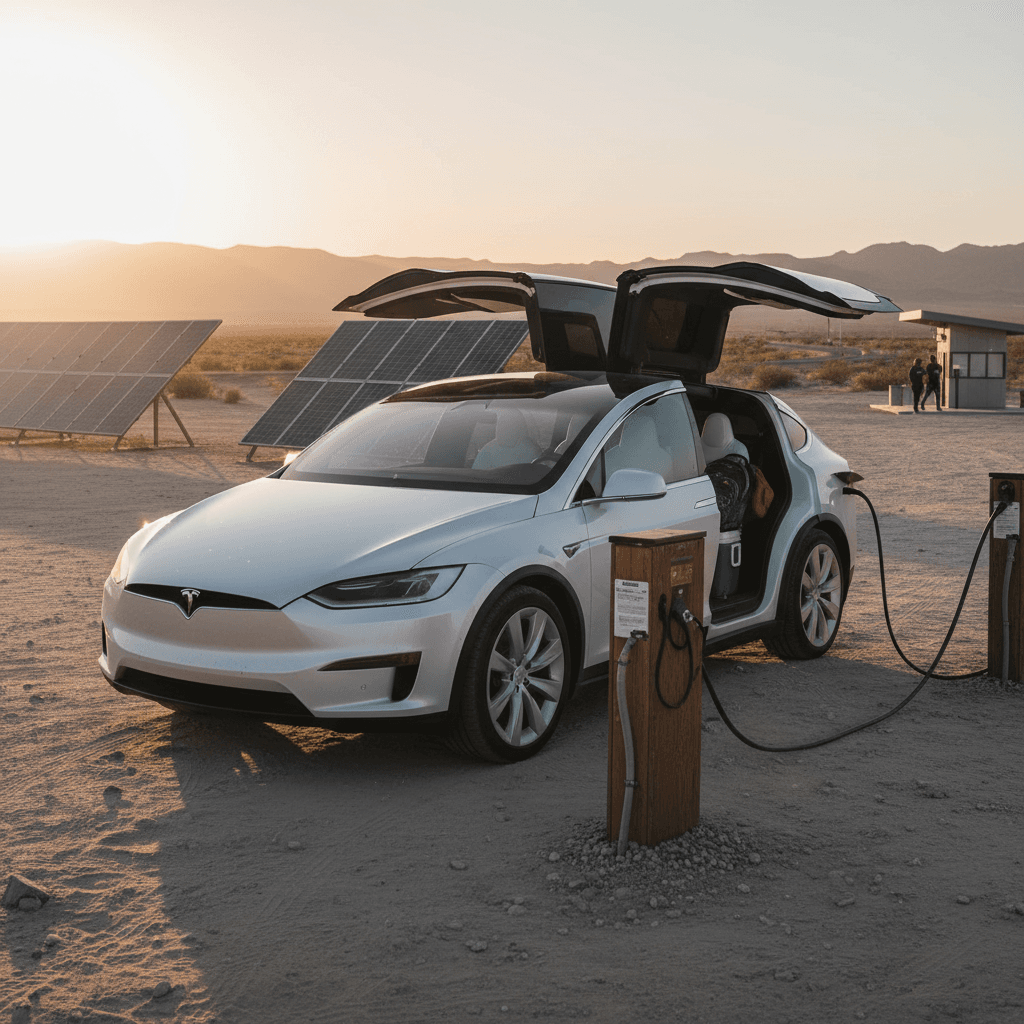
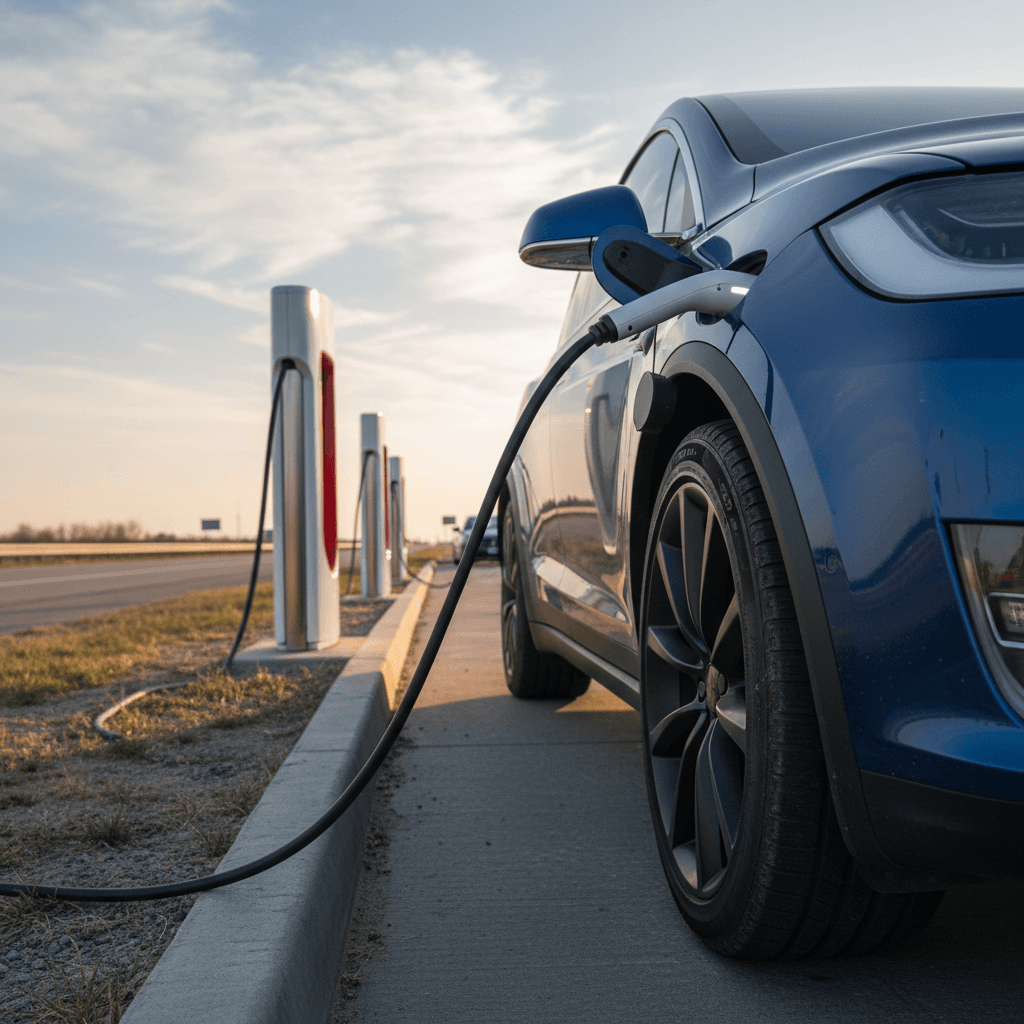
The single biggest reason the Model X remains a top pick for long road trips is simple: Tesla’s Supercharger network. You’re plugging into a mature, generally reliable fast‑charging system that layers neatly into the car’s own trip planner. For most routes in the US, the car will automatically route you from Supercharger to Supercharger with minimal drama.
DC fast charging speeds
Recent Model X variants can peak up to around 250 kW on modern Superchargers under ideal conditions, though you’ll typically see a wide arc of speeds as the battery fills. In practice, owners commonly see:
- Very fast charging from ~10–40% state of charge
- A gradual taper as you approach 60–80%
- Much slower speeds above 80%, which is why road-trippers rarely charge past that point
The result? Many owners can go from about 10% to 80% in roughly 20–30 minutes when the battery is warm and the station isn’t congested.
How often you’ll stop
On a full‑day highway run, you’re typically stopping every 2.5–3 hours for 15–30 minutes, depending on how low you arrive and how far the next leg is. For a lot of families, that cadence actually lines up better with real‑world bathroom breaks and meals than they’d like to admit.
The trip planner in the Tesla navigation system will suggest charging stops automatically and pre‑condition the battery on the way, which shortens charging times once you plug in.
Network advantage
Where the experience can stumble is at busy urban or holiday‑corridor Superchargers. At peak times you might share power with another car or wait for an open stall. As more non‑Tesla EVs gain access to Superchargers, some locations will see heavier use, but Tesla continues to add new sites and higher‑power hardware to keep pace.
Comfort, Space, and Tech on Long Drives
On a road trip, comfort matters as much as kilowatts. The Model X is a genuinely comfortable long‑distance cruiser, especially in its more recent iterations. Later models have refined suspensions and cabin noise levels, making them quieter and smoother at highway speeds than early builds.
How the Model X Feels on a Long Day Behind the Wheel
Comfort is where this big EV can justify its price.
Seats and seating position
The front seats are supportive and upright, with a commanding SUV‑like view. The available three‑row layout means you can legitimately carry up to six or seven people, though the third row is best for kids or shorter adults on longer hauls.
Cargo and storage
Behind the third row there’s modest cargo room, but fold it down and the Model X swallows plenty of luggage. Add in the front trunk (frunk) and clever under‑floor storage and you have a very flexible road‑trip layout.
Tech and interface
The huge center touchscreen and built‑in navigation are central to the road‑trip experience. Over‑the‑air updates continue to refine the interface, and multiple USB‑C ports plus wireless charging pads keep everyone’s devices topped off.
Falcon-wing doors on the road
Cabin noise and ride quality can vary a bit with wheel size and tire choice. On 20‑inch wheels, the Model X tends to be quieter and more composed over rough pavement; on 22s, you’ll feel and hear more of the road. If you’re shopping for a used Model X with regular road trips in mind, don’t underestimate how much more livable the smaller wheels are over thousands of miles.
Winter Driving and Weather Impacts
Cold weather is the enemy of every EV road trip, and the Model X is no exception. Heating the big cabin, keeping the battery in its preferred temperature window, and pushing through snow or slush all cost energy.
Range in the cold
In sub‑freezing conditions at highway speeds, it’s reasonable to plan for 25–40% less range than in mild weather. That means a 240‑mile summer leg might shrink to 150–180 miles on a cold, windy day with snow tires.
Preconditioning the cabin and battery while still plugged in at home or a hotel can help, but you’ll still see faster state‑of‑charge drops once you hit the road.
Traction and stability
The dual‑motor all‑wheel‑drive setup in the Model X gives it excellent traction in snow and rain, especially with proper all‑season or winter tires. The low center of gravity from the battery pack also keeps the big SUV impressively sure‑footed on twisty, wet roads.
Just keep in mind that traction control doesn’t change physics, extra weight and instant torque mean you still need to drive with a winter mindset.
Winter road-trip strategy
Towing, Cargo, and the Road-Trip Trailer Question
One of the Model X’s big selling points is that it can legitimately tow. Properly equipped, it’s rated to pull up to about 5,000 pounds, which covers a wide range of small travel trailers, utility trailers, and toys. That makes it attractive to buyers who want EV efficiency during the week and camping capability on the weekend.
How Towing Affects Model X Road-Trip Range
Approximate, real-world impacts based on owner experiences and reported tests. Your results will vary with trailer shape, speed, terrain, and weather.
| Scenario | Approx. Trailer Weight | Typical Highway Speed | Estimated Range Impact | What It Means for Trip Planning |
|---|---|---|---|---|
| Light utility trailer or small pop‑up | 1,500–2,000 lb | 60–65 mph | ~30–40% range loss | Plan 100–150 miles per leg; charge more often and keep speeds moderate. |
| Mid‑size camper or boat | ~3,000–3,500 lb | 60–65 mph | ~40–50% range loss | Expect roughly half your usual non‑towing range; legs of 80–130 miles are common. |
| Boxy travel trailer at higher speed | ~3,500–5,000 lb | 65–70 mph | Up to ~60%+ range loss | You may be stopping every 70–110 miles; plan carefully and avoid long gaps between chargers. |
Think of these numbers as planning guides, not promises.
Know the towing trade-offs
Another key point for would‑be electric nomads: when you put the Model X in trailer mode, certain driver‑assist features may be limited or disabled for safety, reducing some of the “easy miles” you enjoy when driving unhitched. If you plan to tow often, look closely at your typical routes and Supercharger spacing before committing.
Cost of a Model X Road Trip vs. Gas SUV
In most parts of the US, a long highway trip in a Model X will still cost less in energy than a comparable gas three‑row SUV, even when you’re relying entirely on Superchargers. Exact numbers depend on electricity prices along your route and your vehicle’s efficiency, but a few broad patterns hold.
- At typical Supercharger rates, a full 10–80% fast‑charge session usually costs noticeably less than filling a 20–25‑gallon tank in a large gas SUV.
- If you can charge cheaply at home before and after your trip, your overall per‑mile cost drops further, since only the middle legs rely on more expensive DC fast charging.
- Maintenance costs are typically lower with EVs, no oil changes, fewer wear parts, so over years of family road trips the Model X can come out ahead despite a higher purchase price.
Where used Model X owners really save
Used Tesla Model X: Is It a Smart Road Trip Buy?
For many shoppers, the sweet spot isn’t a brand‑new Model X; it’s a well‑cared‑for used Model X with a healthy battery and the right equipment. That’s where a marketplace like Recharged can make your life easier.
What to Look For in a Road-Trip-Ready Used Model X
These checks help ensure your first big trip is memorable for the right reasons.
Verified battery health
Long trips live or die on usable range. A Recharged Score battery health report gives you a transparent look at how the pack is holding up, so you’re not guessing about whether that EPA number still means anything.
Charging hardware & options
Confirm the vehicle’s DC fast‑charging capability, on‑board AC charger rating, and whether it includes the charge cables and adapters you’ll want at hotels or rentals. Recharged’s EV specialists can walk you through what matters for your use case.
Wheel and tire setup
For road trips, prioritize 20‑inch wheels and quality all‑season tires over 22‑inch showpieces. You’ll gain usable range, a quieter ride, and better comfort on broken pavement.
Seating and configuration
Decide whether you truly need the third row. Six‑seat and seven‑seat configs carry more passengers but adjust how much luggage space you have. Think about your typical travel party before you buy.
How Recharged can help
Road Trip Prep Checklist for Model X Owners
Essential Tesla Model X Road Trip Checklist
1. Check battery health and software
Make sure the car is up to date on software and that you’ve reviewed recent trip efficiency figures. For a used Model X, a professional battery health check, like the Recharged Score, adds peace of mind before multi‑day travel.
2. Choose the right wheels and tires
If you have more than one wheel set, use the smaller‑diameter wheels with efficient all‑season or highway‑oriented tires for long trips. Confirm tire pressures against Tesla’s recommendations before you leave.
3. Map your route in the Tesla nav
Enter your final destination in the Tesla navigation system and study the proposed Supercharger stops. Adjust if needed around meal times or overnight stays, and make note of any long gaps between chargers.
4. Plan for weather and elevation
Check forecasts and major elevation changes along your route. In winter or on mountain routes, build in more charging margin, arrive with 15–20% instead of 5–10% when possible.
5. Pack charging accessories
Bring your Tesla mobile connector (if you have one), any relevant adapters for Level 2 public stations or hotel EV parking, and a backup plan for overnight charging in case a hotel station is busy or down.
6. Set realistic expectations with passengers
Explain the 2–3 hour driving / 20–30 minute charging rhythm to your family or friends. Plan meals and longer rest stops around charging, so the car is ready before you are, not the other way around.
Tesla Model X Road Trip FAQ
Frequently Asked Questions About Tesla Model X Road Trips
Final Thoughts: Should You Road-Trip a Tesla Model X?
If your priority is a quick‑charging, three‑row electric SUV that can handle cross‑country duty with relative ease, the Tesla Model X remains one of the strongest road‑trip options on the market. Its combination of solid real‑world highway range, a deeply integrated Supercharger network, and a spacious, tech‑forward cabin makes it a compelling alternative to traditional luxury SUVs, especially if you choose the right wheels and understand how weather, speed, and towing affect range.
For many shoppers, a carefully chosen used Model X is the smart play: you sidestep new‑car pricing while still enjoying long‑distance capability and Tesla’s charging ecosystem. With Recharged’s battery‑health diagnostics, fair market pricing, and EV‑specialist support, you can approach that decision with far more confidence than in the early days of used EV shopping. Get the right vehicle, plan your legs realistically, and the Model X can transform family road trips from gas‑station marathons into a series of comfortable, fast‑charging hops.