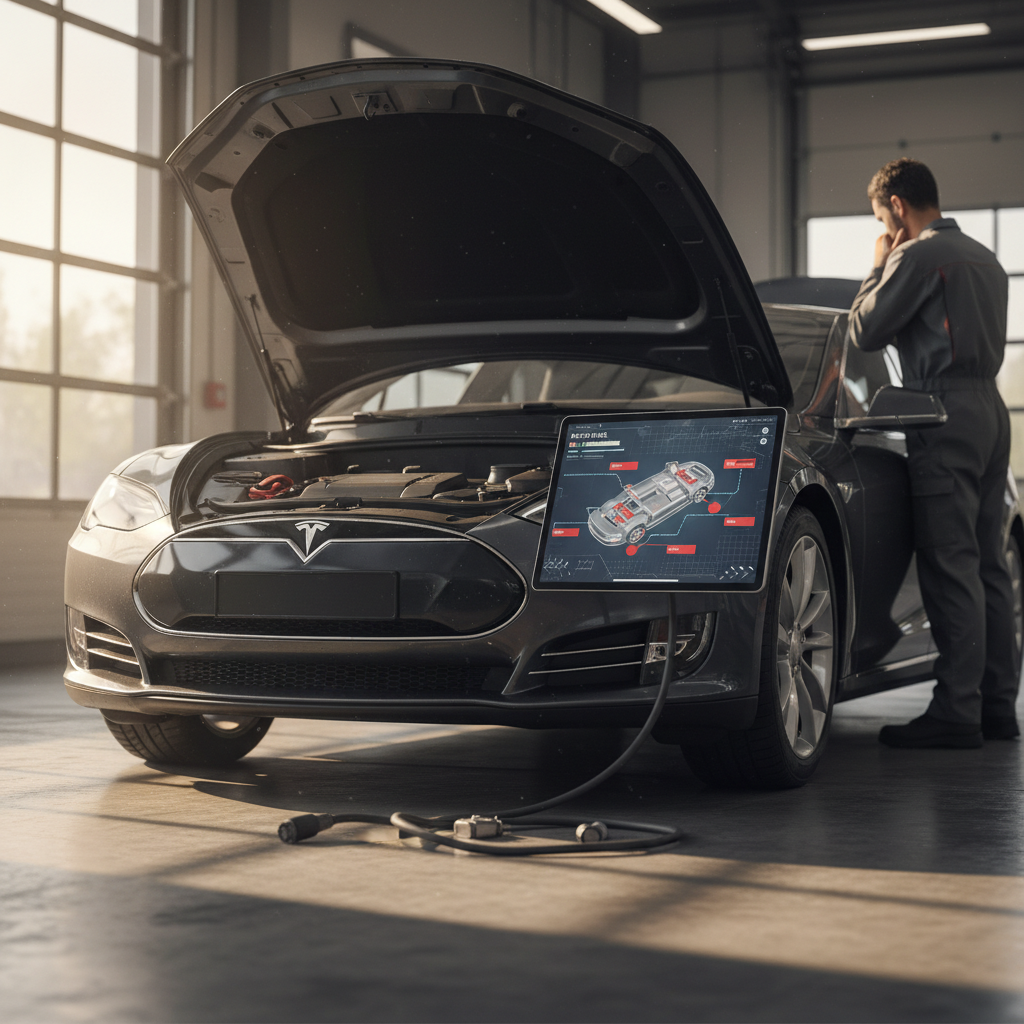
Compared with a gas SUV, a Tesla Model X maintenance schedule is refreshingly simple: no oil changes, no spark plugs, no transmission fluid. But that doesn’t mean you can ignore service entirely. Tires, brakes, filters, and software updates still matter, and if you’re buying a used Model X, getting the maintenance story right is the difference between a great deal and a money pit.
Good news for Model X owners
Why Tesla Model X maintenance works differently
What you don’t service on a Model X
- No engine oil or oil filter changes
- No spark plugs, fuel filters, or timing belts
- No multi‑speed automatic transmission fluid
- Far less brake wear thanks to regenerative braking
What still matters a lot
- Tires on a heavy, high‑torque EV wear quickly
- Brake fluid still ages even if pads last a long time
- Cabin and HEPA filters keep air clean and HVAC efficient
- Software updates affect range, safety, and charging behavior
Tesla also emphasizes condition‑based service: the app or vehicle will prompt specific checks, and some intervals vary slightly by year and region.
Always check your specific manual
Tesla Model X maintenance schedule at a glance
Tesla doesn’t publish a classic, old‑school checklist for every 5,000 miles, but based on current Tesla guidance and EV‑specialist practice, a realistic Model X maintenance schedule for most U.S. drivers looks like this:
Typical Tesla Model X maintenance intervals
Approximate maintenance intervals for modern Model X builds in normal driving. Always adjust for severe use (towing, rough roads, extreme climates).
| Item | Interval (time/miles) | Notes |
|---|---|---|
| Tire rotation & inspection | Every 6,250 miles (10,000 km) or when uneven wear appears | Critical on heavy EVs; more often if you drive hard or tow |
| Wheel alignment check | Every 12,500–25,000 miles or if you notice pulling/uneven wear | Essential if you hit potholes or curbs |
| Brake caliper clean & lube (rust‑prone areas) | Every 12 months or 12,500 miles | Most important in cold/salted‑road climates |
| Brake fluid test/replace | Test every 2 years; replace as needed (often 4 years+) | Moisture content, not mileage, is the real driver |
| Cabin air filter | Every 2–3 years | More often in dusty or polluted regions |
| HEPA/bioweapon filter (if equipped) | About every 3 years | On Model X with premium filtration package |
| A/C desiccant bag | Roughly every 2–6 years (varies by region/model year) | Protects air‑conditioning system from moisture |
| High‑voltage battery coolant | Normally no replacement for life of vehicle | Only serviced if Tesla detects an issue |
| General inspection | Annually or before long trips | Suspension, steering, underbody, seals, etc. |
Mileage intervals are cumulative; for example, tire rotations repeat every 6,250 miles, not just once.
Let the car help you
Tire rotation and alignment on Model X
The most important recurring maintenance item on a Model X is tire care. This SUV is heavy, powerful, and often wears large performance tires. Neglecting rotations and pressures can burn through a set of tires tens of thousands of miles early.
Why staying on top of Model X tires matters
- Rotate tires about every 6,250 miles or when tread depth differs by 2/32" (1.5 mm) or more between tires.
- Check pressures monthly and before long trips. Under‑inflation kills range and tires.
- If you feel pulling, vibration, or see uneven wear (especially inner edges), schedule an alignment check.
- Performance or staggered setups (wider rear tires) may have more limited rotation patterns, so ask the shop how they’ll handle your wheel/tire configuration.
Watch inner‑edge wear
Brakes, brake fluid, and caliper service
Regenerative braking means your Model X may go a very long time before it needs brake pads. What owners miss is that brake fluid and calipers still require attention, especially in winter climates with road salt.
Key brake maintenance tasks on Model X
You won’t be replacing pads often, but you can’t ignore the rest of the system.
Brake fluid testing
Have the brake fluid tested every 2 years. Moisture build‑up lowers boiling point and can corrode internal components.
Many shops will test and advise if it’s time to replace; for most owners that’s about every 4 years, but climate and driving matter.
Caliper cleaning & lube
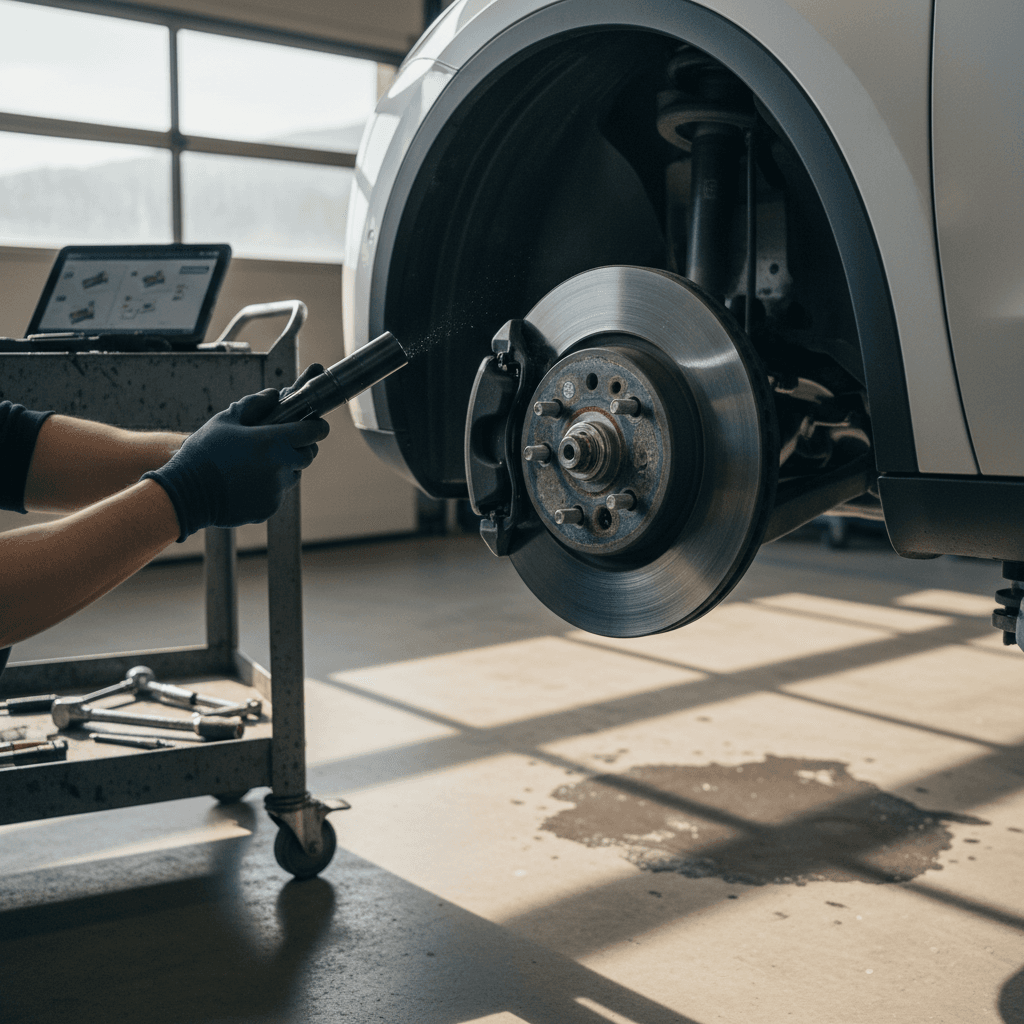
If you live where roads are salted, clean and lubricate brake calipers every 12 months or 12,500 miles.
Because regen braking means the hydraulic brakes don’t move much, salt and corrosion can seize sliders if they’re never exercised or serviced.
Pad & rotor inspection
Ask for a visual inspection of pads and rotors whenever tires are off. Many Model X owners see well over 60,000 miles on original pads.
Even if pads last, rotors can rust from lack of use, another reason periodic inspections matter.
Don’t top off brake fluid yourself
Cabin and HEPA filter replacement
The Model X’s large cabin and available HEPA “bioweapon defense” filtration make it uniquely comfortable, but only if you keep those filters fresh. Clogged filters strain the HVAC system and can cause odors, foggy windows, or reduced airflow.
Model X air filter intervals
Typical service timing for cabin and HEPA filters on Model X.
| Filter type | Typical interval | Symptoms it’s overdue |
|---|---|---|
| Standard cabin air filters | Every 2–3 years | Musty smell, weak airflow, more dust on surfaces |
| HEPA / bioweapon filter (if equipped) | About every 3 years | Fan noise at higher speeds, fogging, persistent odors |
| Cabin filter in severe conditions | Every 1–2 years | Frequent wildfires, construction dust, heavy pollution |
If you drive in dusty, smoky, or polluted areas, shorten these intervals.
Easy win for DIYers
Battery coolant and high‑voltage components
One of the biggest shifts from gasoline to an EV is how little direct maintenance the high‑voltage battery and drive units require from the owner. Modern Tesla guidance typically treats battery coolant as a lifetime fill for Model X under normal conditions.
- Tesla explicitly states that you should not open the battery coolant reservoir or attempt to service high‑voltage components yourself.
- If the instrument cluster flags low coolant or a high‑voltage issue, use the Tesla app to schedule service; don’t keep driving long‑term on warning lights.
- Independent EV specialists may advertise battery coolant or drive‑unit fluid services at fixed mileages (for example, every 60,000 miles). Those may be reasonable preventative choices out of warranty, but they’re not part of Tesla’s official, owner‑performed maintenance.
- The most important “maintenance” for the pack is actually charging behavior: avoiding long periods at 0% or 100%, keeping the car plugged in when parked for days, and minimizing repeated high‑power fast‑charging when not needed.
High‑voltage rule of thumb
Software updates and general inspections
Unlike a traditional SUV, your Model X’s performance, charging behavior, and even range can change over time via software. Tesla considers installing software updates a core part of ongoing maintenance.
Ongoing software and inspection checklist
1. Install software updates promptly
Updates often include bug fixes, safety refinements, range or charging tweaks, and new features. Skipping them can leave you with avoidable issues, and in some cases, behind on safety improvements.
2. Do an annual “walkaround” inspection
Once a year, take 15–20 minutes to check lights, wipers, glass, seals, tire tread, and underbody panels. Look for loose splash shields or damaged aero pieces that can hurt efficiency.
3. Listen for new noises
Clunks over bumps, groaning at full steering lock, or grinding under braking are all cues to schedule service. Catching suspension and steering issues early is cheaper than waiting for a failure.
4. Check for leaks and corrosion in harsh climates
After winters in snow‑belt states, inspect wheel wells, underbody, and brake hardware for heavy rust. It’s worth having a shop look underneath every year or two if you drive on salted roads.
5. Before a big road trip
A few weeks before a long trip, check tire tread, pressures, washer fluid, wiper condition, and make sure you’re on a current software version. That gives you time to address anything abnormal.
Real‑world Model X maintenance costs and budgeting
Because Tesla pushes condition‑based maintenance, actual Model X maintenance costs vary widely. Still, it’s possible to sketch realistic annual budgets based on what owners and independent EV shops see most often.
Typical recurring costs (out of warranty)
- Tire rotation and balance: $60–$120 per visit, 1–2 times per year depending on mileage.
- New tire sets: $1,000–$1,800 for quality Model X‑appropriate tires, often every 25,000–40,000 miles if maintained.
- Cabin filters: $80–$250, depending on labor and whether HEPA is involved; less if you DIY.
- Brake fluid flush: $150–$250 every several years, largely climate‑dependent.
What you’re saving vs. a gas SUV
- No regular oil services ($100+ each, multiple times a year).
- No spark plug or timing belt service intervals.
- Fewer moving parts in the drivetrain, so fewer fluid changes and wear points.
- Lower brake pad consumption because of regenerative braking.
For many owners, a realistic budget is $400–$900 per year averaged over several years, not counting tires. Tires are the big swing item and depend heavily on driving style.
Planning ahead as a used‑EV owner
Extra maintenance checks for used Model X buyers
With Tesla planning to end new Model X production by mid‑2026, more of these SUVs will live their lives entirely in the used market. That makes understanding past maintenance, and catching deferred work, especially important when you’re shopping.
Used Tesla Model X maintenance checklist
1. Verify tire condition and age
Look for even tread across the full width of each tire (including inner edges) and check DOT date codes. If the tires are 5–6 years old, budget for replacement even if tread looks okay.
2. Ask about brake fluid and caliper service
Request invoices or app history showing brake fluid testing or replacement and caliper cleaning, especially if the vehicle lived in a snow‑belt state.
3. Check for suspension and steering noises
On a test drive, listen over speed bumps and rough pavement. Clunks or knocks may point to worn control arm bushings or ball joints, particularly on higher‑mileage Model Xs.
4. Inspect door and hatch operation
Falcon Wing doors and the powered front doors are complex. Make sure they open and close smoothly without binding, grinding, or repeated error messages.
5. Review software and service history
Ask the seller to show the Service section of the Tesla app and recent software status. Gaps in updates or long‑ignored warnings are red flags for neglected ownership.
6. Get an objective battery and charging assessment
Look at recent charging sessions and typical range reports. For an even clearer picture, use an independent health report, Recharged, for example, includes a <strong>Recharged Score</strong> with verified battery health and fair‑market pricing on every vehicle it lists.
How Recharged fits in
DIY vs Tesla Service vs independent EV shops
You don’t have to take a Model X to a Tesla Service Center for every little thing, but you also don’t want to treat it like a generic gas SUV at a quick‑lube shop. The sweet spot is understanding which jobs are safe for DIY or independent EV specialists and which are best left to Tesla.
Good DIY candidates
- Checking and adjusting tire pressure
- Cabin filter replacement (if you’re handy)
- Wiper blade replacement and washer fluid top‑offs
- Basic visual inspections (lights, seals, tread depth)
Independent EV shop or tire shop
- Tire rotation, balancing, and alignment
- Non‑high‑voltage suspension and steering work
- Brake caliper cleaning and possibly brake fluid flushes
- Out‑of‑warranty repairs where EV expertise is available
Best left to Tesla Service
- High‑voltage battery or drive unit issues
- HVAC problems on vehicles with complex HEPA systems
- Software‑related faults and recalls
- Door and hatch calibration, especially Falcon Wing doors
If you’re not sure where a job falls, err toward Tesla or a proven EV specialist rather than a generalist shop learning on your car.
FAQ: Tesla Model X maintenance
Frequently asked questions about Tesla Model X maintenance
Bottom line: building a smart Model X maintenance plan
Owning a Model X doesn’t mean zero maintenance, it means different maintenance. Focus on the things that actually wear out on a heavy, high‑performance EV: tires, brake fluid and calipers, filters, and simple inspections. Let Tesla or a trusted EV specialist handle high‑voltage systems and software, keep an eye on alerts in your app, and treat your maintenance schedule as a living plan rather than a rigid dealer punch‑card.
If you’re shopping for a used Model X, those same maintenance patterns become your checklist. Confirm tire and brake history, check for suspension and door issues, and get an objective view of battery health before you buy. Recharged was built to make exactly that process simpler: every vehicle includes a Recharged Score report with verified battery diagnostics, transparent pricing, and EV‑specialist guidance from first click to delivery, so you can enjoy the upside of Model X ownership without gambling on its maintenance history.