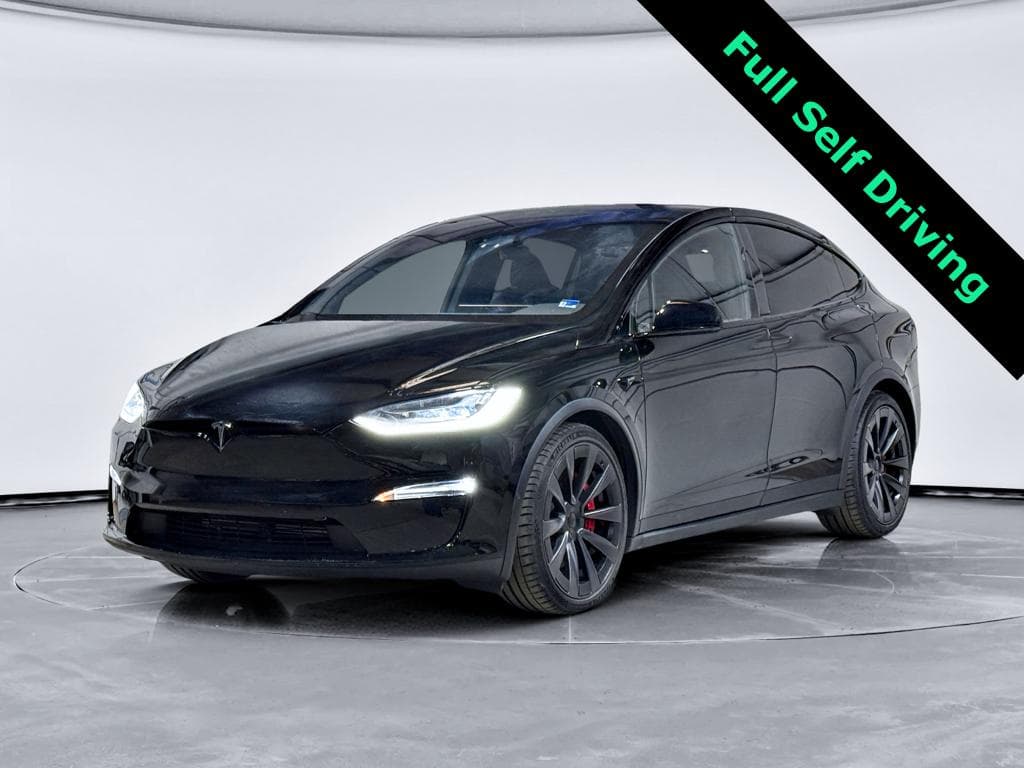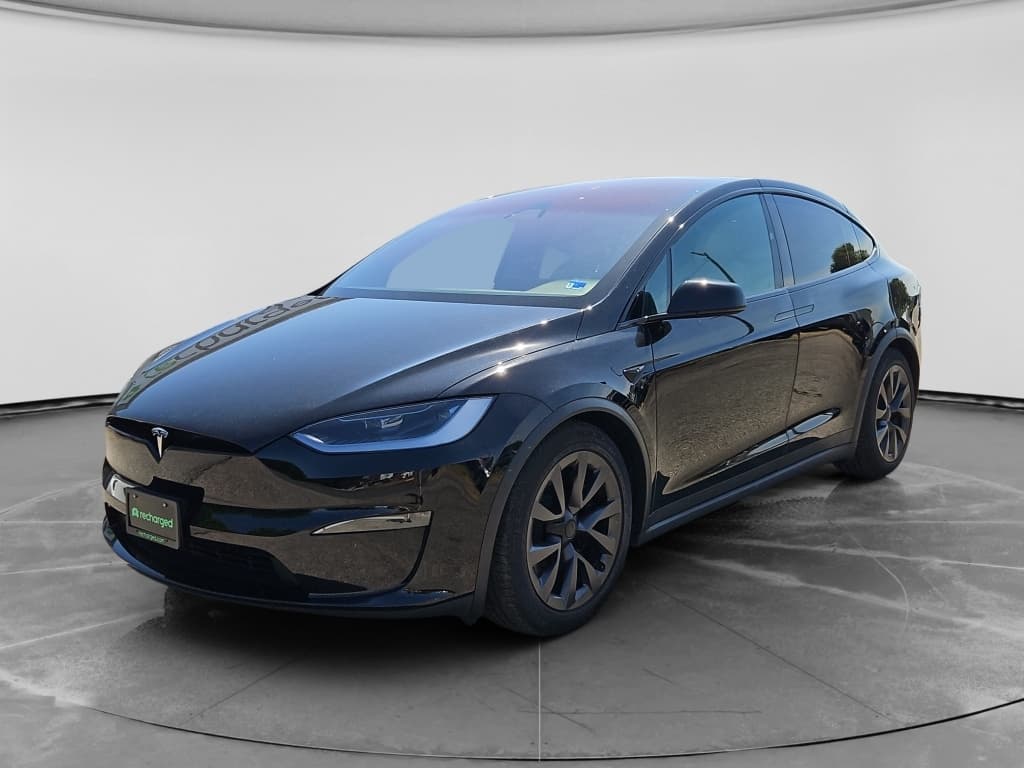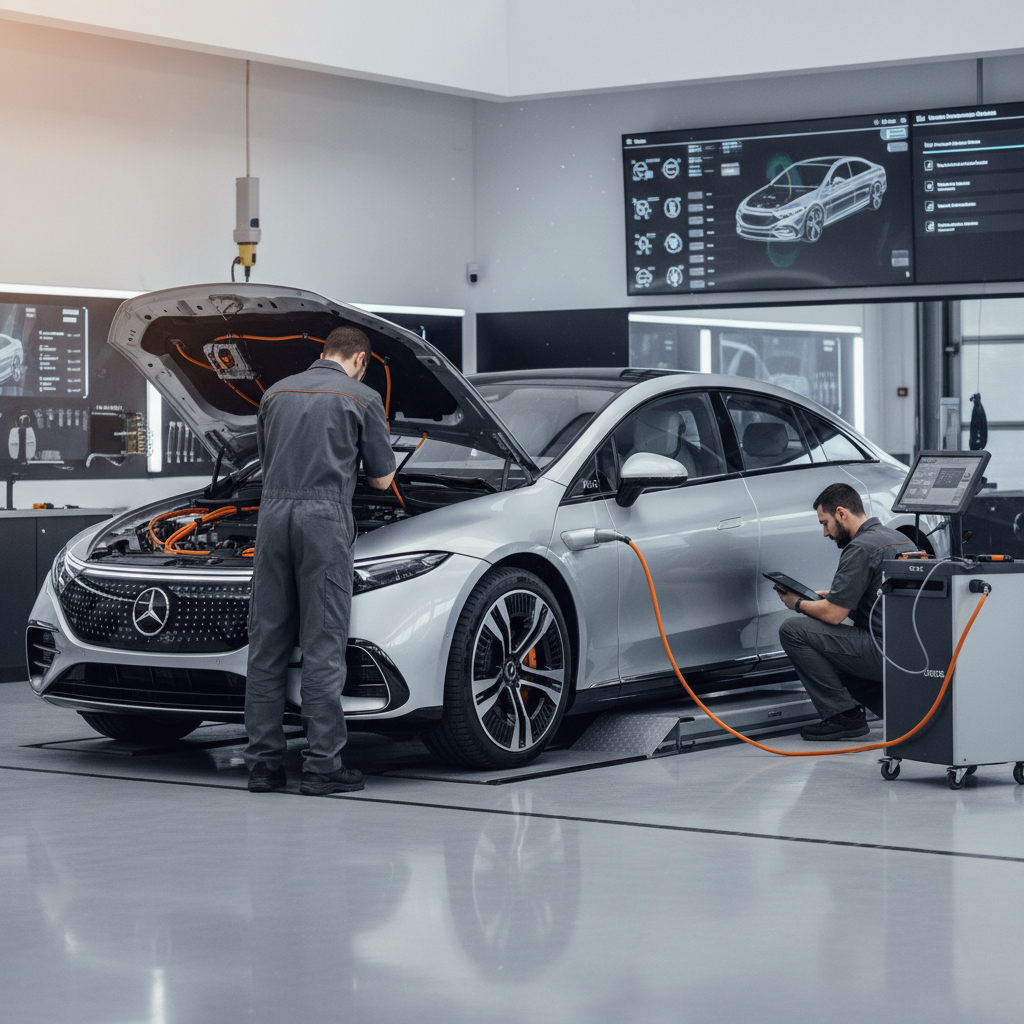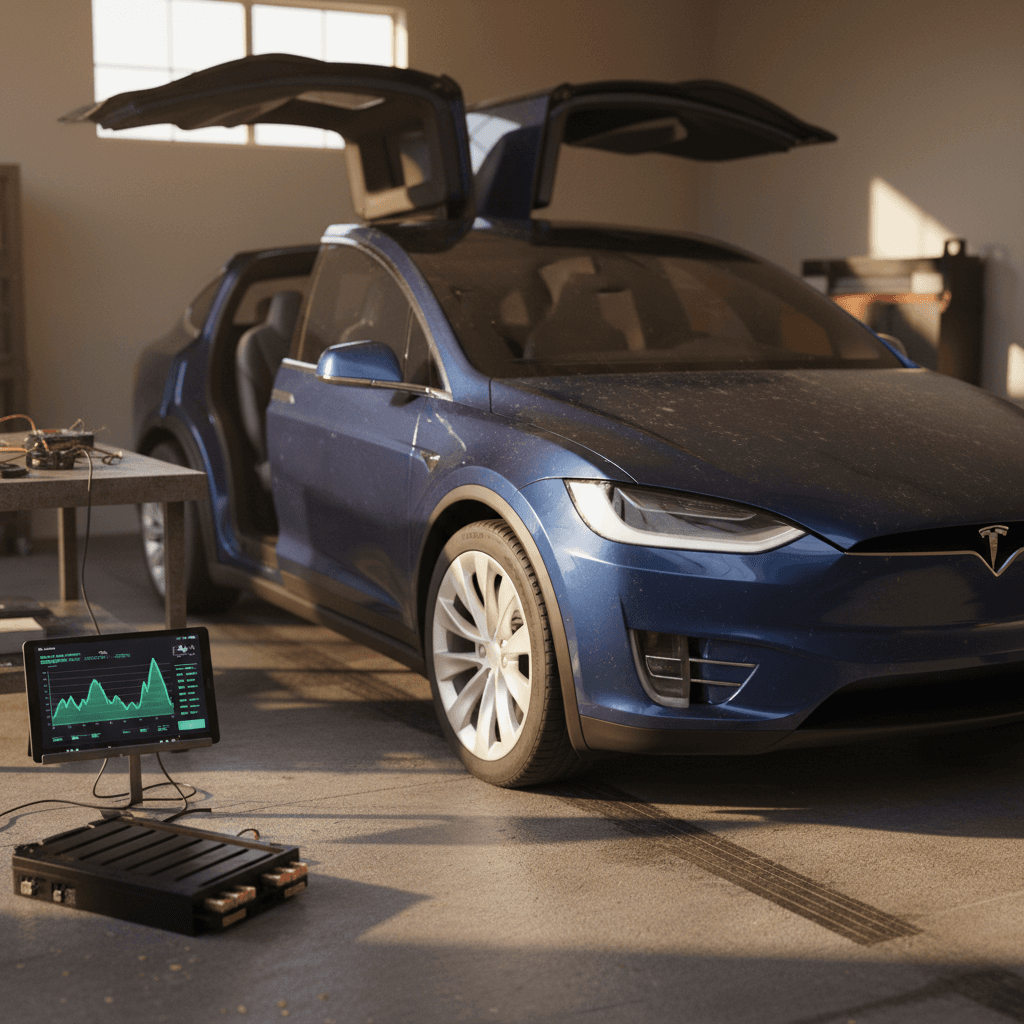
If you’re looking for a Tesla Model X long term review in 2026, you’re likely deciding whether this dramatic, Falcon‑winged SUV is a smart buy used, or worth keeping as it ages. The good news: when you get a solid example, the Model X can be one of the most satisfying long‑haul EVs on the road. The bad news: mistakes here are expensive.
Quick takeaway
Who this Tesla Model X long‑term review is for
- Drivers cross‑shopping a used Model X against luxury SUVs like the Audi e‑tron, BMW X5, or Mercedes GLS.
- Existing Tesla owners wondering whether to keep their Model X past the warranty period.
- First‑time EV buyers tempted by big used discounts on early‑generation Model X SUVs.
- Families who want a three‑row EV and are worried about reliability, doors, and battery life.
This review focuses on real‑world ownership of 2016–2023 Model X examples now showing 30,000–100,000 miles, with notes on the refreshed 2024–2025 models where trends are already clear.
Tesla Model X at a glance in 2026
Long‑term Tesla Model X snapshot (2026)
On paper, the Model X is still unique in 2026: a three‑row, all‑electric luxury SUV with supercar‑level acceleration, an enormous windshield, and those party‑trick Falcon‑wing doors. In practice, long‑term owners report a mix of standout strengths, performance, convenience charging, interior space, and a few recurring weak spots you should respect when shopping used.
Battery life and degradation over time
Battery health is the single most important factor in any long‑term Model X review. Fortunately, the high‑capacity packs in the X have generally aged better than many early non‑Tesla EVs, especially when charged mostly at home.
What Model X owners typically see from the battery
Actual numbers vary, but patterns are fairly consistent across years.
Early hit, then slow fade
Most owners see an initial 5–10% range drop in the first 30,000 miles, then a much slower decline. That’s normal behavior for lithium‑ion packs.
Real‑world degradation
High‑mileage examples (80,000–120,000 miles) often report 10–15% total loss versus original EPA range when charged mainly at home and driven moderately.
Fast‑charging impact
Heavy Supercharger use can accelerate wear slightly, but abuse and heat are bigger culprits than the network itself. Location and driving style matter.
Battery warranty basics
Real owner reports from 2016–2020 Model X vehicles with 60,000–100,000 miles commonly show remaining usable capacity in the mid‑80% range, which still supports comfortable daily driving and road trips with a bit more charging planning. Later refresh models (2021+) benefit from improved thermal management and software, which should translate into even better long‑term behavior, though they haven’t aged long enough to fully prove this out.
How Recharged checks Model X battery health
Real‑world efficiency and range
The Model X is big, heavy, and shaped like a fast egg. It’s efficient for what it is, but long‑term owners quickly learn that speed and weather can swing range more than EPA labels suggest.
Typical real‑world Model X range over time
Approximate highway ranges at 70 mph starting from full charge, assuming healthy batteries.
| Model year & trim (approx.) | When new (70 mph) | After 5–7 years, healthy pack | Notes |
|---|---|---|---|
| 2016–2018 90D / 100D | 230–260 mi | 200–230 mi | Early cars; more sensitive to cold and heavy wheels. |
| 2019–2020 Long Range | 260–280 mi | 230–250 mi | Improved efficiency; watch for suspension wear at higher miles. |
| 2021–2023 Long Range refresh | 280–310 mi | 250–280 mi (projected) | Not old enough for hard data at 7+ years, but early results are promising. |
| 2021–2025 Plaid | 250–290 mi | 225–270 mi (projected) | Plaid performance and larger wheels tend to reduce highway range vs Long Range. |
Your actual numbers will vary based on wheel size, temperature, and driving style.
Cold weather reality check
Reliability, common issues and repair costs
The honest long‑term story on the Model X is this: the powertrain is impressively robust; the body hardware and suspension can be fussy and expensive. If you’re coming from a Toyota Highlander, don’t expect the same hassle‑free experience. If you’re coming from a German luxury SUV, you’ll find the X competitive, just quirky in different ways.
Most common Tesla Model X long‑term trouble spots
Not every Model X will have these issues, but they’re the patterns you should ask about when buying used.
Falcon‑wing & front doors
Squeaks, sensor misalignment, latch or actuator problems, and calibration issues are the single most complained‑about items. Many are fixed under warranty; out‑of‑warranty repairs often run $400–$1,500 per door depending on parts and labor.
Suspension components
On higher‑mileage and heavier‑wheel Model X SUVs, front and rear control arms, bushings, and air suspension components can wear early. Typical repair clusters land around $800–$2,500 when multiple parts are addressed together.
Electronics & trim niggles
Things like seat motors, window regulators, and interior trim rattles show up with age. These are usually minor but can be annoyances; costs vary widely depending on what fails and whether you use Tesla or an independent EV shop.
Why documentation matters
Later‑build 2020–2025 Model X vehicles benefitted from incremental hardware and software updates that reduce, but don’t entirely eliminate, these pain points. There are still stories of owners returning several times for the same door alignment issue, and others who’ve driven 40,000–60,000 miles with nothing more than wiper blades and cabin filters. Your odds improve dramatically when you inspect the vehicle carefully and pull detailed service history before you buy.
Software, Autopilot and driving experience
From a long‑term perspective, software is one of the Model X’s biggest strengths, and a wildcard. Over‑the‑air updates can materially change your daily driving experience years after purchase, from acceleration and range tweaks to user‑interface overhauls.
What ages well
- Performance: Even older 90D/100D models feel quick; Long Range and Plaid trims are legitimately fast family haulers.
- Charging network: Access to the Supercharger network remains a major advantage for road trips compared with many rival EVs.
- Cabin tech: The big center screen and continuous UI refinements keep the interior feeling more modern than many 2016–2018 luxury SUVs.
What can frustrate over time
- Feature changes: Tesla can add or tweak behaviors via software that not every owner loves; you’re signing up for an evolving product.
- Autopilot expectations: Basic Autopilot generally ages well, but Full Self‑Driving packages are controversial in value, especially on older cars.
- Interior wear: Early‑generation seats and trim can show wear faster than some premium competitors if not cared for.
Test drive checklist
Depreciation and resale value in 2026
If you’re reading a Tesla Model X long‑term review in 2026, depreciation is probably on your mind. You should think of the Model X as a car you buy for what it is now, not what it cost new.
How hard does the Tesla Model X depreciate?
Data from multiple valuation tools and market sources shows the Model X among the steepest‑depreciating luxury EVs over a five‑year window. That’s painful for first owners, but a huge opportunity if you’re buying used. A well‑kept five‑year‑old X can deliver flagship‑SUV performance and tech for midsize‑SUV money.
Why this favors used shoppers
Running costs: insurance, charging and maintenance
Long‑term, the Model X flips the script versus a gas SUV. You save significantly on fuel and routine engine service, but you pay more for insurance and any big‑ticket repairs that slip outside warranty coverage.
Long‑term cost picture for Model X owners
These are directional patterns, not quotes, your costs will vary by location and driving profile.
Energy vs fuel
Charging at home on a reasonable electricity rate typically costs the equivalent of paying $1–$1.50 per gallon compared with a similarly quick three‑row gas SUV. Heavy Supercharger use costs more but is still usually cheaper than premium fuel.
Insurance
Insurance for a Model X tends to run higher than many mainstream SUVs because of its price, parts, and repair complexity. Get quotes on a specific VIN before you commit, especially on Plaid or Performance trims.
Maintenance & tires
No oil changes, fewer moving parts, and regenerative braking mean minimal routine service. But expect to replace large, expensive tires more often if you drive aggressively or choose 21–22" wheels.
Out‑of‑warranty risk
Is a used Tesla Model X worth it in 2026?
Best long‑term fit
- You want a three‑row EV with genuine performance and space.
- You road‑trip often enough to value the Supercharger network.
- You’re comfortable budgeting for higher‑than‑average repair costs if something big fails.
- You prefer cutting‑edge tech over traditional luxury trimmings.
Better to look elsewhere
- You demand near‑zero downtime and Toyota‑like reliability.
- You’re sensitive to wind noise, rattles, or trim quirks in a $100,000‑when‑new vehicle.
- You’re on a tight budget and can’t absorb a surprise $1,500–$2,500 repair.
- You don’t need three rows; a Model Y or another two‑row EV may fit better.
For the right owner, a well‑chosen Model X in 2026 still feels like a spaceship that just happens to haul kids, dogs, and luggage. For the wrong owner, it’s an over‑complex luxury EV that never stops asking for attention. The difference is doing your homework before you sign.
How to shop a used Model X with confidence
Used Tesla Model X long‑term buying checklist
1. Verify battery health with data
Don’t rely on the dashboard guess alone. Use a trusted battery health report, like the <strong>Recharged Score</strong>, to understand true pack condition and expected remaining range.
2. Review service history in detail
Look for documented fixes of known weak points: doors (especially Falcon‑wing), suspension components, MCU updates, and any HV system work. Gaps in records are a red flag on a complex EV.
3. Inspect doors and seals thoroughly
Open and close every door multiple times, including the Falcon‑wing doors. Check for hesitation, misalignment, squeaks, or warning messages. Inspect seals for water stains or wind‑noise wear.
4. Drive on mixed roads
On your test drive, include highway speeds and rougher pavement. Listen for suspension clunks, rattles, and wind noise; test acceleration and regen in both city and highway settings.
5. Confirm charger and adapter needs
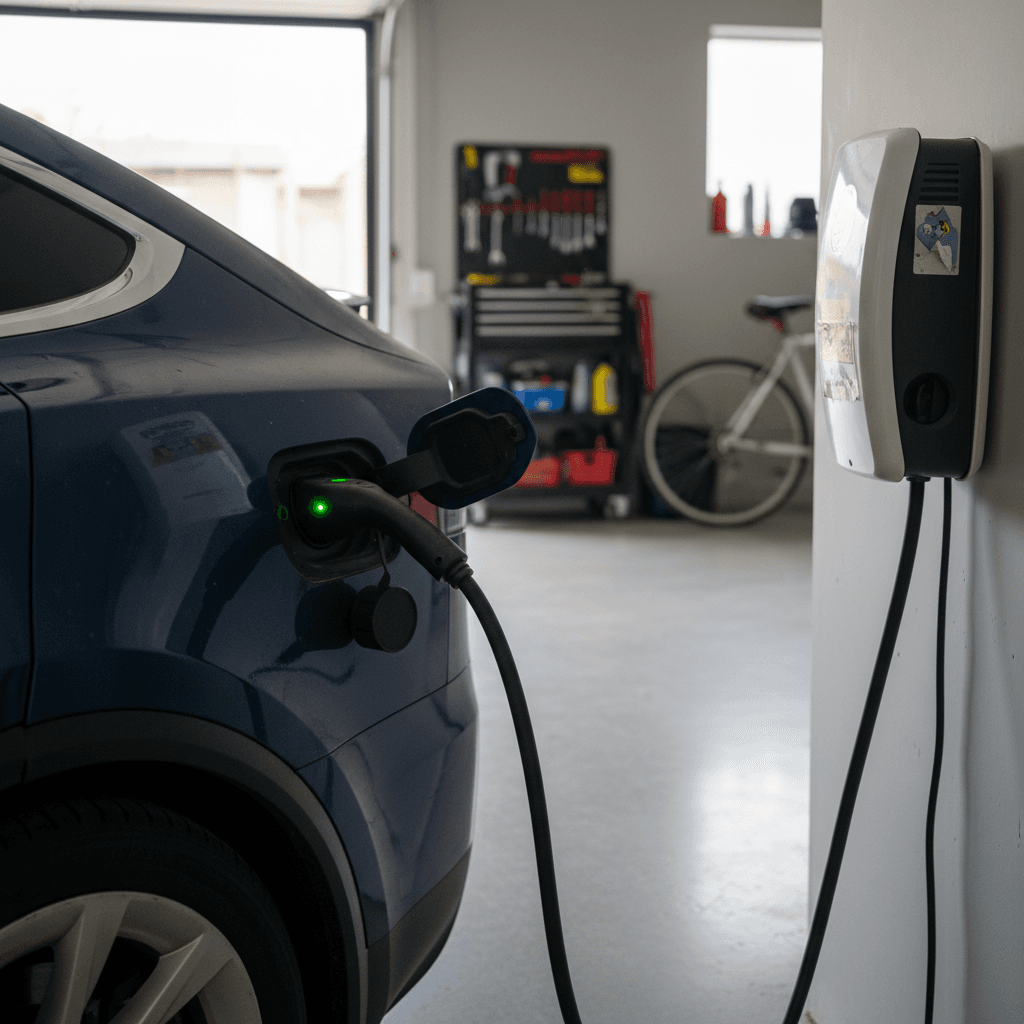
Make sure you understand which connector the car uses, whether you need adapters for your home setup, and how often you’ll realistically rely on Superchargers vs home charging.
6. Run the total cost of ownership
Compare monthly payments, insurance quotes, charging costs, and a reserve fund for repairs against a gas luxury SUV. Often the X comes out ahead over 5–7 years, but not if you’re under‑insured for big repairs.
How Recharged helps with used Model X shopping
Ready to find your next EV?
Browse VehiclesFAQ: Tesla Model X long‑term ownership
Frequently asked questions about long‑term Model X ownership
Bottom line on Tesla Model X long‑term ownership
In 2026, the Tesla Model X remains one of the most compelling and controversial long‑term EVs you can own. Its strengths, effortless performance, fast charging, software updates, and three‑row practicality, age surprisingly well. Its weaknesses, complex doors, pricey suspension bits, and luxury‑car repair costs, haven’t disappeared.
If you choose carefully, verify battery health, and budget realistically, a used Model X can deliver years of dramatic, low‑emissions motoring for far less than its original sticker. If you rush the purchase or ignore the details, you risk turning a dream EV into an expensive learning experience. Platforms like Recharged exist to tilt the odds in your favor by pairing transparent vehicle data with EV‑savvy guidance from the first search to delivery.