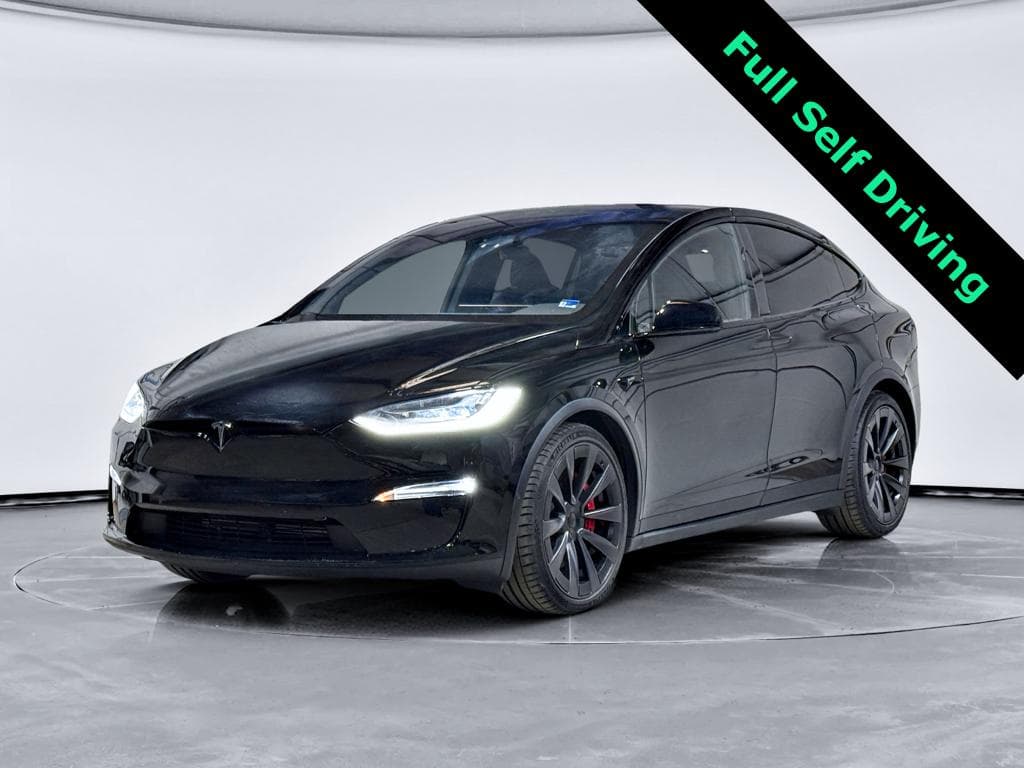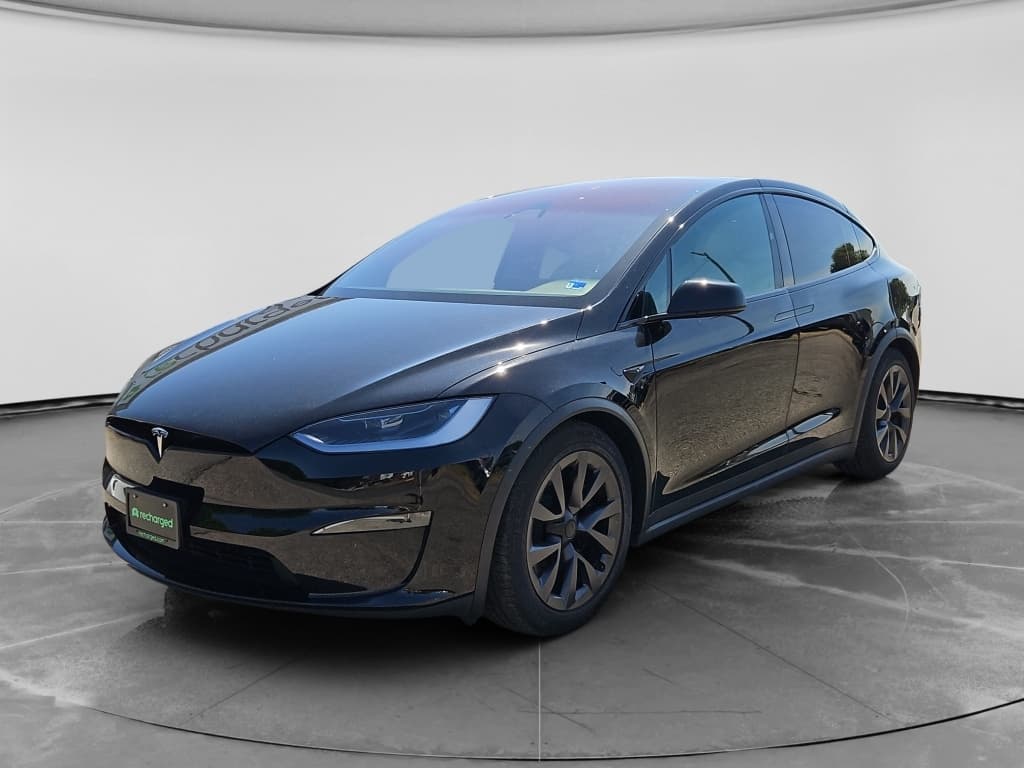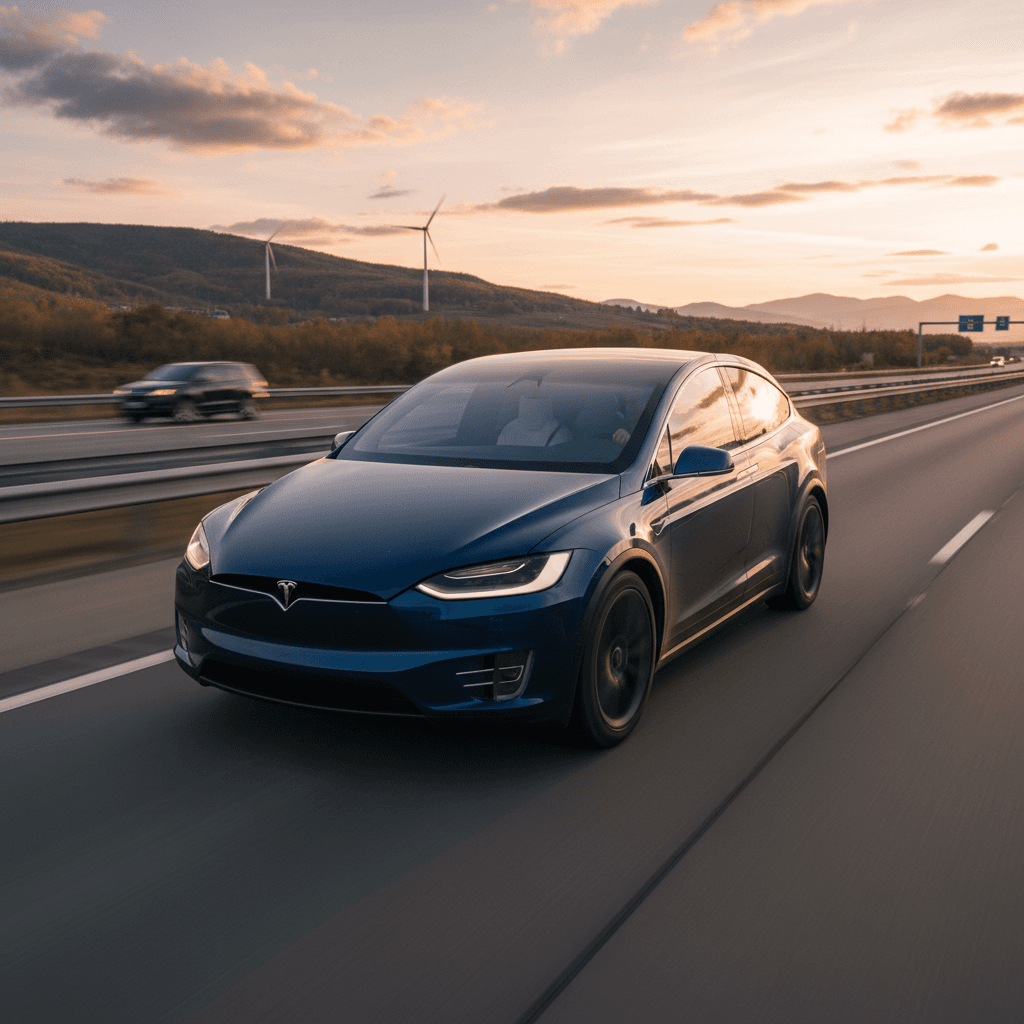
A Tesla Model X is one of the most capable long-distance EVs on the road, but how you plan and drive it matters just as much as the badge on the hood. With the right long-distance driving tips, you can turn a bulky family SUV into a smooth, efficient road-trip machine and avoid the classic rookie mistakes that lead to range anxiety.
Who this guide is for
Why the Tesla Model X Works So Well for Road Trips
Model X strengths on long highway drives
Big battery, strong Supercharger access, and real comfort
Big battery, big buffer
Modern dual‑motor and Plaid Model X variants offer EPA ranges in the low- to mid‑300‑mile band. That gives you a comfortable buffer so you’re not white‑knuckling it between chargers.
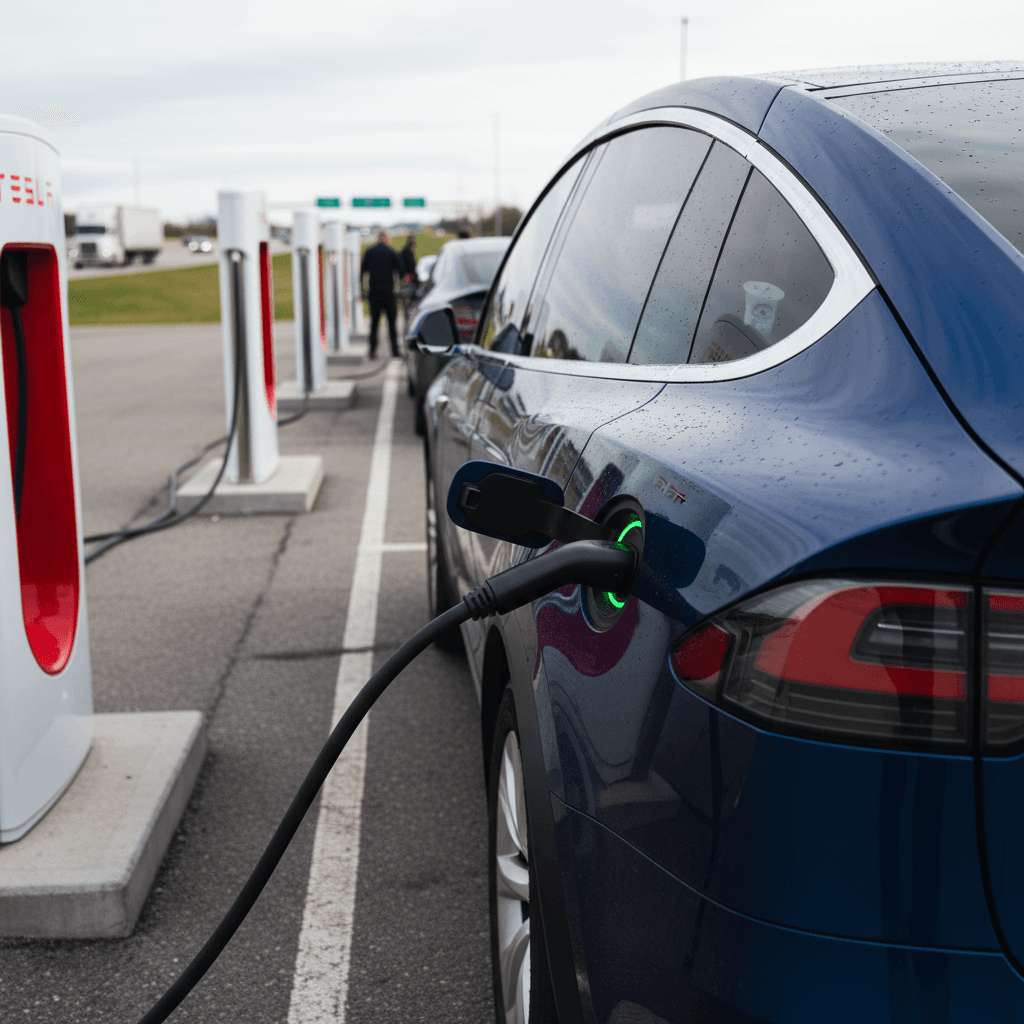
Supercharger integration
Tesla Trip Planner routes you through Superchargers automatically, preconditions the battery for fast charging, and updates your expected arrival % in real time.
Comfort & storage
Adjustable air suspension, a quiet cabin, and tons of cargo space make long days in the seat far easier than in compact EVs with smaller packs and stiffer rides.
Tip for mixed networks
Know Your Real-World Highway Range
Before you think about destinations, you need to know what your Tesla Model X can comfortably do at 70–75 mph, in your climate, with your wheels and tires. EPA range is a lab number; highway reality is usually lower, especially in a tall, heavy SUV like the X.
Typical real-world Model X highway range (recent generations)
Don’t chase the EPA sticker
A simple way to calibrate: on a calm day in mild weather, drive a familiar highway loop at your usual speed (say 70–75 mph) and watch the Energy → Consumption graph over the last 30 miles. If you consistently use, for example, 340 Wh/mi, you can back into your realistic highway range by dividing your pack’s usable kWh by that number.
Plan Your Route with Tesla Trip Planner (and a Backup)
The single biggest advantage you have in a Tesla Model X is integrated trip planning. Use it. The car’s built‑in Trip Planner is tuned to your vehicle, your current conditions, and live Supercharger availability, and it will usually pick faster stops than you could by hand.
- Enter your final destination in the car’s navigation, not stop‑by‑stop segments. This lets Trip Planner calculate the most time‑efficient Supercharger stops automatically.
- Watch the estimated arrival state of charge (SOC) to each stop. Try to keep it in the 5–15% range for maximum fast‑charge speed without cutting it uncomfortably close.
- Let the car precondition the battery. When a Supercharger is set as your destination, the Model X warms or cools the pack on the way so you hit peak charging speed on arrival.
- Check alternate routes. If your drive crosses rural gaps, zoom out on the map to make sure there isn’t a long Supercharger‑free stretch that would leave too little buffer.
Use a third‑party backup planner
Smart Charging Strategies for Long-Distance Driving
On a long trip, your goal isn’t to minimize the number of stops, it’s to minimize total time. Because Tesla batteries charge fastest from low states of charge up to roughly 40–60%, many Model X road‑trippers actually make more frequent, shorter stops instead of a few big ones.
Efficient Supercharger habits on a road trip
Arrive between 5–20% when practical
Charging from 10% to 50% is usually much faster than charging from 50% to 90%. Let Trip Planner target low‑SOC arrivals when conditions are good, and adjust if weather or terrain are working against you.
Don’t chase 100% at every stop
Charge just enough to reach your next Supercharger with a comfortable buffer, often 55–80%, depending on spacing. Topping to 95–100% is slow and usually only needed before a long gap.
Favor busy, newer Superchargers
V3 and newer sites (often along major interstates) deliver higher peak power and tend to have better maintenance and amenities, key on a full‑day drive.
Avoid sharing paired stalls when possible
On older sites where stalls are labeled 1A/1B, 2A/2B, try not to plug into the same pair as another car to avoid power sharing that can slow you down.
Use charging time intentionally
Plan meal, restroom, and leg‑stretch breaks around your charges so the car often finishes before you do, not the other way around.
Check pricing and idle fees
Tesla Supercharger pricing and idle fees vary by location and time of day. Glance at the rate in the nav before you plug in, especially in high‑cost urban areas.
When to start with 100%
Driving Habits That Stretch Your Highway Range
You don’t need to hypermile at 55 mph to get great long‑distance performance from a Tesla Model X, but a few habits can change the feel of a trip, and how often you need to stop.
Speed and lane discipline
- Every 5 mph over ~70 mph noticeably cuts into your range, especially with 22" wheels.
- When Trip Planner shows a tight arrival % (under 5–7%), dropping your speed by just 5 mph can be the difference between a calm arrival and a stressful one.
- Use Autopilot on open highways to maintain steady speed and smoother throttle than most humans manage by foot.
Acceleration and following distance
- Avoid repeated hard launches; they’re fun, but they spike consumption on a heavy SUV.
- Leave more space to coast instead of stabbing the brakes. Regenerative braking is efficient, but not wasting energy in the first place is better.
- Choose a modest acceleration profile in the settings for long hauls; you can flick it back to sportier modes for short, fun stretches.
Use the Energy app as your coach
Weather, Weight and Towing: How They Change Your Plan
Long‑distance EV driving is where real‑world conditions matter most. A fully loaded Model X in winter with a roof box will not behave like the same vehicle cruising solo on a warm, calm day.
Common range killers on long Model X drives
Plan your route with these real‑world penalties in mind, especially on sparse charging corridors.
| Factor | Typical impact on highway range | How to compensate |
|---|---|---|
| Cold temperatures (below freezing) | 10–25% hit depending on speed and HVAC use | Precondition while plugged in, use seat and wheel heaters instead of blasting cabin heat, accept shorter legs between stops. |
| Strong headwinds or heavy rain | 5–20% more consumption on exposed highways | Use the live Trip Planner estimate; lower speed a bit if your arrival % keeps falling. |
| Roof box or bikes on a hitch rack | 5–20% depending on size and speed | Give yourself extra buffer on long gaps; consider removing roof boxes when not needed. |
| Full passenger and cargo load | A few to several percent | Plan shorter hops, especially in hilly terrain where mass really shows up. |
| Towing a trailer | 30–60% or more, depending on trailer size and speed | Expect dramatically shorter legs, more frequent stops, and reduced driver assists when in Trailer Mode. |
You don’t need exact numbers, just respect how these factors stack together.
Towing requires a different mindset
Comfort and Cabin Tips for Long Days in a Model X
One underrated advantage of the Model X is how fresh you can feel after a 600‑mile day, if you set the cabin up correctly. Comfort settings also affect efficiency, so there’s a sweet spot where you arrive relaxed without burning excess energy.
Balance comfort and efficiency inside the Model X
Small tweaks make a long day behind the wheel much easier.
Seat & steering-wheel heaters
On cold days, lean on seat and wheel heaters instead of cranking cabin heat to 75°F. They use less energy and warm you faster.
Thoughtful climate settings
Use Auto climate with a reasonable setpoint (around 68–72°F) and avoid constant manual fiddling, which can trigger unnecessary fan and compressor swings.
Rest stops and fatigue
Let charging breaks double as stretch and hydration stops. A 15‑minute V3 charge is short, but getting out every 2–3 hours reduces fatigue and helps you stay alert.
Quiet cabin = less fatigue
Pre-Trip Checklist for Your Tesla Model X
A quick checklist before you pull out of the driveway will eliminate 90% of the surprises people blame on “bad EV road‑trip experiences.” Use this the night before a big drive.
Night-before checklist for a long Model X drive
1. Update software and maps
Install any pending software updates a day or two before you leave, not the morning of, to avoid delays and give yourself time to spot any changes in behavior.
2. Inspect tires and pressures
Check tread depth and set cold tire pressure to the placard spec. Under‑inflated tires can eat several percent of your range and increase heat buildup at highway speeds.
3. Set up charging accounts and adapters
Make sure your Tesla account is active and payment method is valid. If you plan to use non‑Tesla fast chargers, confirm you have a working adapter and any needed network apps installed.
4. Program key destinations
Add your hotel, planned food stops, and any must‑see waypoints as favorites. This speeds up on‑the‑fly changes and lets you compare multiple daily plans quickly.
5. Clean cameras and sensors
Wipe down the exterior cameras, radar‑related areas (if equipped), and windshield. Clear sensors help Autopilot and driver‑assist features work consistently on long, monotonous stretches.
6. Precondition while plugged in
An hour before departure, start cabin preconditioning while still plugged into home or hotel charging. This warms or cools the battery and interior without cutting into your first leg’s range.
Extra Considerations for Used Tesla Model X Owners
If you’re road‑tripping a used Tesla Model X, or shopping for one now, battery health, wheel choice, and prior owner habits matter more than on a brand‑new truck or SUV. The good news: a well‑cared‑for Model X can still be an excellent long‑distance machine years into its life.
Understand your remaining battery health
On a used Model X, the displayed 100% range is already adjusted for battery age and your driving profile. But that doesn’t tell you everything about pack health.
- Look at real‑world consumption over several trips rather than one snapshot number.
- Check for big differences between BMS‑estimated range and actual trip results.
- If you’re buying, ask for documented battery tests or third‑party evaluations.
Every Model X listed on Recharged comes with a Recharged Score that includes independent battery‑health diagnostics and real‑world range insights, so you know what to expect on your first road trip.
Pick the right wheels and tires
On a used Model X, you’ll often see both 20" and 22" wheel setups in the market. They don’t behave the same on long trips.
- 20" wheels with more efficient tires generally deliver noticeably better highway range and ride comfort.
- 22" wheels look great and sharpen handling but cost you range and add some impact harshness.
- If efficiency is a priority, consider swapping from 22" to 20", it’s one of the few “mods” that can actually increase your effective road‑trip range.
How Recharged can help
Ready to find your next EV?
Browse VehiclesFAQ: Tesla Model X Long-Distance Driving
Frequently asked questions about Model X road trips
Bottom Line: Make Your Model X Road Trip Easier
A Tesla Model X can be a remarkably relaxed long‑distance companion, quiet, quick, and capable of crossing states with minimal drama, if you plan around its real‑world range and the realities of weather, speed, and load. Lean on the car’s Trip Planner, aim for more frequent but shorter charging stops, and treat your Energy screen like a coach instead of an afterthought.
If you’re considering a used Model X specifically for road‑trip duty, buying from a seller who understands EVs makes a difference. At Recharged, every vehicle includes a Recharged Score Report with verified battery health and real‑world range data, plus EV‑savvy guidance on charging, financing, trade‑in, and nationwide delivery. That way, your first big road trip in a Model X can feel like a vacation, not an experiment.