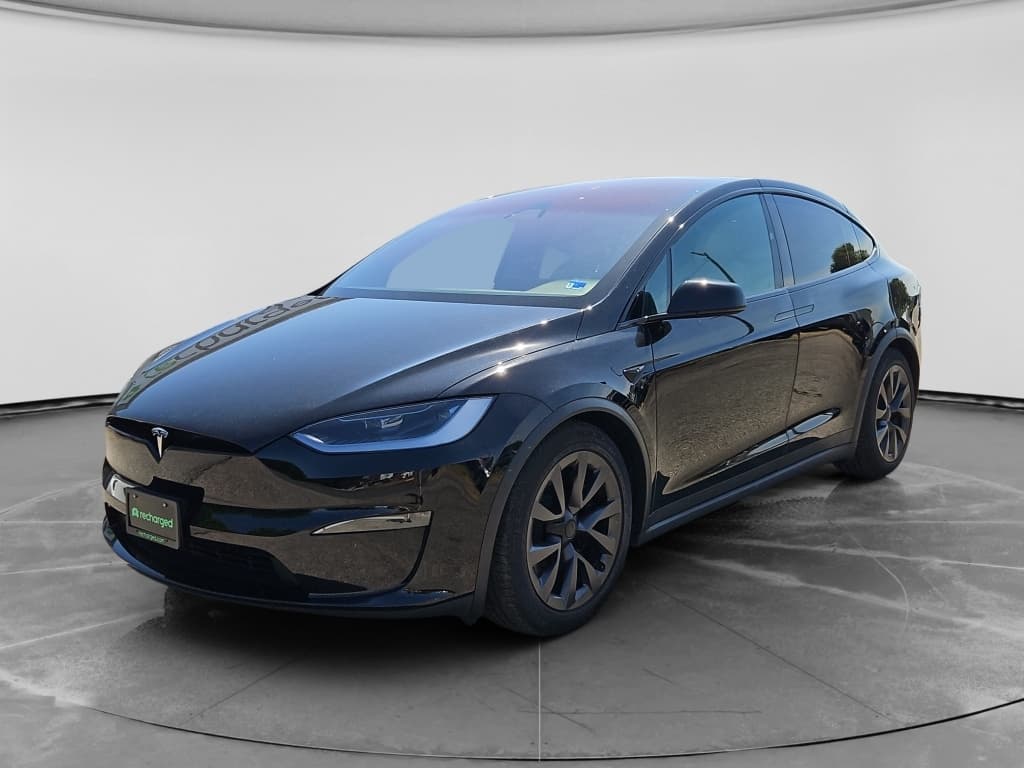
If you’re eyeing a Tesla Model X, whether new or used, you’re probably wondering how quickly it loses value. The Tesla Model X depreciation rate is very different from a typical gas SUV: it can fall hard in the first 3–5 years, then stabilize as long as the battery stays healthy. Understanding that curve is the difference between overpaying and getting a smart deal.
Key takeaway
Why the Tesla Model X depreciation rate matters
Depreciation is the single biggest cost of owning a new vehicle, especially a six‑figure luxury EV like the Model X. According to major ownership cost studies, the average new vehicle loses more than 50% of its value in the first five years; luxury models typically lose even more. That means depreciation often costs you more than electricity, insurance, or maintenance combined.
- If you’re buying new, depreciation tells you how much value you’ll burn off in the first 3–5 years.
- If you’re buying used, it shows where the “value sweet spot” is, typically after the steepest drop has already happened.
- If you’re selling or trading in, it helps you time the market and set a realistic asking price.
A quick rule of thumb
How fast does a Tesla Model X depreciate?
Different data sources measure depreciation slightly differently, but they point in the same direction: the Model X loses value quickly in the early years, then levels off.
Model X depreciation at a glance
Market conditions also matter. After a period of falling used Tesla prices in 2022–2023, recent data shows used Model X values rebounding in 2025–2026, even as many non‑Tesla EVs have continued to soften. That means today’s depreciation curve for a Model X may be slightly less punishing than it looked a couple of years ago, but it’s still a pricey vehicle that can lose value quickly if you buy new and sell early.
Beware of short‑term flips
Model X vs average luxury SUV depreciation
To put the Tesla Model X depreciation rate in context, it helps to compare it to a typical high‑end gas SUV. Most mainstream new vehicles lose more than 50% of their value in the first five years. Large luxury SUVs often do a bit worse, landing in the mid‑50%–60% loss range over five years.
Estimated 5‑year depreciation: Model X vs luxury SUV
Illustrative comparison based on recent market studies of actual transaction and valuation data for U.S. vehicles. Individual results vary with mileage, condition, and local demand.
| Vehicle type | Approx. original MSRP | Value lost after 3 years | Value lost after 5 years | Notes |
|---|---|---|---|---|
| Tesla Model X (new) | $90,000–$110,000 | ≈50% | ≈55–60% | Early hit is steep; depreciation moderates if battery health remains strong. |
| Typical gas luxury SUV | $80,000–$110,000 | ≈40–45% | ≈55–60% | Slightly slower drop early on, similar 5‑year total loss. |
| Mainstream midsize SUV | $40,000–$50,000 | ≈30–35% | ≈45–50% | Lower sticker price and broader demand help residuals. |
Percentages are approximate but directionally show how the Model X stacks up against other high‑end SUVs.
So does the Model X depreciate “worse” than average?
Why does the Model X depreciate the way it does?
4 big forces behind Model X depreciation
These factors push values down, or help them recover, over time.
1. Rapid tech changes
2. High sticker price
3. Volatile EV demand
4. Real‑world concerns
How the Model X is better than many gas SUVs
- No engine or transmission, so fewer high‑mileage mechanical failures.
- Less routine maintenance: no oil changes, fewer fluids, fewer wear parts.
- Battery packs have shown relatively modest degradation when properly cared for.
Where the Model X can look worse on paper
- Sticker shock when new inflates 5‑year dollar depreciation.
- Body and glass repairs can be costly, especially out of warranty.
- Uncertainty about long‑term software and hardware support scares cautious buyers.
Battery health, warranties, and their impact on value
For EVs, battery health isn’t just one factor in depreciation, it’s the foundation. A clean interior and a stack of service records are great, but if a buyer thinks the pack is tired, your resale value will suffer.
Model X battery and warranty basics
How to read a used Model X listing
From a depreciation standpoint, a Model X with verifiable strong battery health, under‑average mileage, and several years left on the battery warranty can be worth thousands more than an otherwise similar vehicle without that documentation. That’s why Recharged includes a Recharged Score battery health report with every EV we list, so you can see how much useful life is left in the pack before you commit.

Real‑world examples of Model X resale values
Exact numbers change month to month, but current valuation tools and market listings give a good sense of what you’ll see in the real world. Recent pricing snapshots for late‑model Xs suggest that a relatively new example can lose tens of thousands of dollars in just a few years, while older, well‑kept vehicles have largely stabilized.
Illustrative Model X resale scenarios (U.S. market)
Approximate ranges to show how depreciation typically looks across different ages and mileages. Always check live market data before buying or selling.
| Vehicle age & condition | Original MSRP (approx.) | Typical odometer | Current market range | Implied value loss |
|---|---|---|---|---|
| 3‑year‑old Model X, clean, low miles | $100,000 | 25,000–35,000 mi | $48,000–$55,000 | ≈45–55% loss vs. original price |
| 5‑year‑old Model X, average miles | $105,000 | 60,000–75,000 mi | $38,000–$45,000 | ≈55–65% loss |
| 7‑year‑old Model X, solid service history | $95,000 | 80,000–100,000 mi | $30,000–$36,000 | ≈60–70% loss |
| 8–9‑year‑old early Model X, high miles | $90,000 | 110,000+ mi | $22,000–$30,000 | Value driven more by battery health than age alone |
These figures are directional and will vary with options, location, and market swings, but they mirror the steep early drop and later flattening many owners experience.
Why wide price ranges are normal
How to reduce your Tesla Model X depreciation hit
You can’t beat depreciation entirely, but you can absolutely influence where your Model X lands on the curve. Think in two phases: what you do before you buy and how you treat the car after you own it.
7 smart ways to protect your Model X value
1. Buy at the right point in the curve
If you’re value‑focused, favor a 3–6‑year‑old Model X. Much of the steep early depreciation is already baked in, but you can still get modern range and features.
2. Prioritize battery documentation
When shopping, insist on battery health data and remaining warranty coverage. When selling, keep screenshots and paperwork that prove real‑world range and proper charging habits.
3. Avoid excessive Supercharging
Fast‑charging exclusively can accelerate degradation. Mix Supercharging with slower Level 2 home charging to keep the pack healthier, and protect your future resale value.
4. Watch mileage and usage
High annual mileage or heavy towing can drag resale down. If you plan to pile on miles, that’s fine, just set realistic expectations for what the X will be worth later.
5. Stay on top of software and service
Complete recalls promptly, keep software up to date, and address suspension, door, and HVAC issues early. A clean history report with no open recalls reassures buyers.
6. Protect the interior and glass
The Model X’s big windshield, falcon‑wing door seals, and premium interior are expensive to fix or replace. Windshield protection film and seat covers can be cheap insurance.
7. Time your exit
If you bought new, consider selling before the battery warranty expires or major cosmetic issues show up, but not so early that you absorb the worst first‑3‑year hit.
Where Recharged fits in
Ready to find your next EV?
Browse VehiclesBuying a used Model X so someone else pays the depreciation
From a dollars‑and‑sense perspective, the smartest way to handle the Tesla Model X depreciation rate is often to let the first owner absorb the brunt of it. Then you step in once the curve has flattened.
Buying a new Model X
- Pro: Latest tech, full warranty, you can spec it exactly as you want.
- Pro: Predictable history from mile one.
- Con: 3–5‑year depreciation can erase $40,000+ in value.
- Con: You’re exposed to any sudden price drops or incentive changes.
Buying a 3–6‑year‑old Model X
- Pro: Someone else has eaten the steepest part of the curve.
- Pro: You still get long range, performance, and the Supercharger network.
- Pro: Remaining battery warranty can soften long‑term risk.
- Con: You must vet battery health and prior repairs much more carefully.
Use depreciation to your advantage
Because Recharged is focused specifically on used EVs, our pricing, financing, and trade‑in offers are built around the real‑world depreciation patterns of vehicles like the Model X. You can get an instant offer on your current car, line up EV‑friendly financing, and have a vetted used Model X delivered to your door, all with expert guidance on how it’s likely to hold value over the next 5–7 years.
Is a Tesla Model X a good long‑term value?
Financially, a Model X will rarely be the cheapest way to drive electric. It’s a luxury three‑row EV with supercar‑like acceleration; you’re paying for capability and image as much as transportation. But if you approach it strategically, you can enjoy that experience without setting money on fire.
- If you buy new, plan to keep it at least 7–10 years and treat it like a long‑term ownership play rather than a 3‑year flip.
- If you buy used, aim for that 3–6‑year‑old window with strong documentation, then budget realistically for depreciation from there.
- If you care most about value per dollar, consider a used Model Y or other mainstream EV SUV instead; you’ll get many of the same benefits with a gentler dollar‑cost of depreciation.
Depreciation isn’t a reason to avoid a Model X, it’s a reason to buy the right one, at the right time, for the right price.
The bottom line: the Tesla Model X depreciation rate is steep early, then stabilizes. If you understand where you are on that curve, and you have clear insight into battery health and market pricing, you can enjoy one of the most distinctive EVs on the road without being blindsided by value loss. That’s exactly the kind of clarity Recharged is built to provide, from Recharged Score reports to EV‑savvy financing and nationwide delivery.