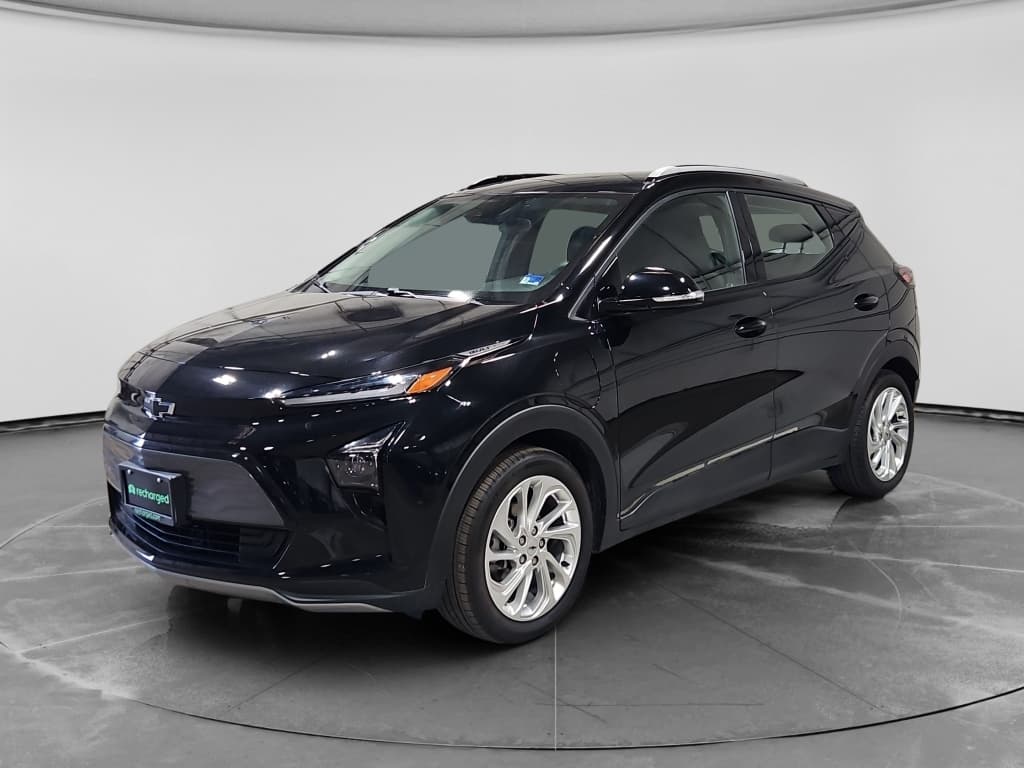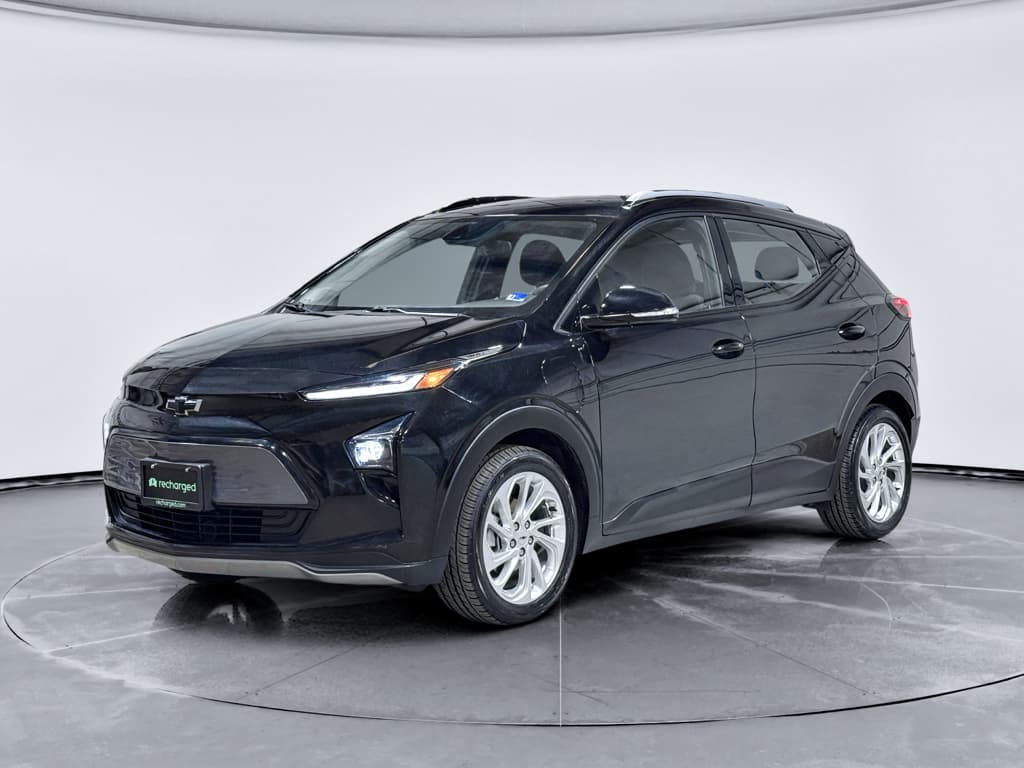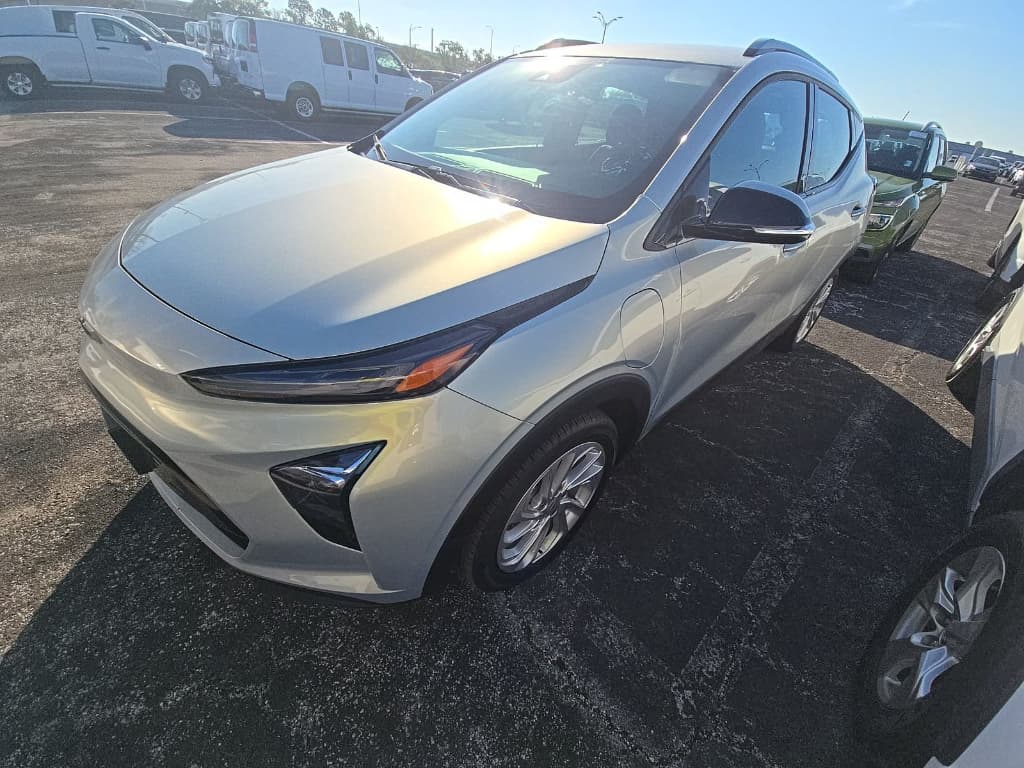
If you’re shopping for a Chevrolet Bolt EUV, especially a used one, the next question after price and range is obvious: how much is insurance on a Chevrolet Bolt EUV, and is it higher than a similar gas car? In 2026, the answer is: it can be, but it doesn’t have to be if you understand what’s driving the premium.
Quick context: auto insurance in 2026
Chevrolet Bolt EUV insurance costs at a glance
Typical Chevrolet Bolt EUV insurance ranges in 2026
Those aren’t promises, insurance is ruthlessly personal. But they’re reasonable ballparks based on current U.S. averages for full‑coverage car insurance in 2025–2026 and what major carriers and Bolt EUV owners commonly report. Some drivers, in high‑cost states or with blemished records, will see quotes well north of $2,500 per year; others, in low‑cost states with clean histories and multi‑policy discounts, land closer to $1,200.
So…how much is insurance on a Chevrolet Bolt EUV?
Let’s put firmer guide rails around it. If you’re a typical U.S. driver in your 30s–50s with a clean record and average credit, you can expect these kinds of numbers for a Chevrolet Bolt EUV in 2026:
Estimated Chevrolet Bolt EUV insurance cost ranges (United States, 2026)
These are directional ranges, assuming a clean record and no extreme risk factors. Actual quotes will vary by state, insurer, and personal profile.
| Coverage type | Typical annual range | Typical monthly range | Who this fits |
|---|---|---|---|
| State‑minimum liability | $800–$1,100 | $65–$95 | Older Bolt EUV, low budget, car is mostly paid off |
| Standard full coverage (50/100/50, $500–$1,000 deductibles) | $1,400–$2,100 | $115–$175 | Most everyday drivers who still care about repairing/ replacing the car |
| High‑limit full coverage (100/300/100+, low deductibles) | $1,900–$2,700+ | $160–$230+ | Newer EUVs, higher income, want more liability protection |
Use this as a starting point when you shop quotes for your Bolt EUV.
Watch your state and city
If you plug in a Bolt EUV on a quote site and see something wildly outside those ranges, it usually isn’t the car by itself. It’s one or more of the risk levers we’ll talk about in a moment, record, mileage, credit tier, zip code, recent claims, and the insurer’s current appetite for EVs.
Why EVs like the Bolt EUV can cost more to insure
On paper, the Chevrolet Bolt EUV is the picture of a “cheap to insure” car: compact, modest power, excellent safety ratings, no boy‑racer body kit. Yet many drivers discover that EV insurance can run 10–25% higher than a similarly priced gas car. Here’s why that happens.
The big EV insurance drivers
These aren’t Chevy‑specific problems, they’re industry‑wide.
1. Expensive battery packs
2. Specialized repairs
3. Prior recalls & risk models
4. Higher vehicle values
5. Heavier curb weights
6. Recent industry shocks
Safety cuts the other way
8 factors that move your Bolt EUV insurance rate
Think of your premium as a score sheet, and the Bolt EUV is just one column. Here are the levers that really swing what you pay.
The levers behind your Chevrolet Bolt EUV premium
1. Your driving record
Tickets, at‑fault accidents, and DUIs are the loudest signals in the whole system. Even a modest speeding ticket can haunt your rate for three years. A pristine record is your single biggest discount.
2. Where you live and park
Dense urban areas, high theft zones, and states with pricey medical care (or generous PIP benefits) all push your rate up. Gated parking or a private garage can trim it back down with some carriers.
3. Annual mileage and commute
EVs like the Bolt EUV are often used as high‑mileage commuters. If you’re doing 18,000+ miles a year or rideshare work, expect higher pricing than a low‑mileage weekend shopper.
4. Credit tier (in most states)
Insurers in many states use credit‑based insurance scores. Better credit often means fewer claims statistically, so drivers with strong credit typically see lower premiums. A handful of states ban this practice.
5. Coverage limits and deductibles
More generous liability limits, comprehensive and collision coverage, and low deductibles all cost more. A $250 collision deductible will cost noticeably more than a $1,000 one on an EV.
6. Vehicle age and value
A brand‑new 2024 Bolt EUV with low miles and a lienholder will cost more to cover than a five‑year‑old EUV you own outright. As the car depreciates, full‑coverage premiums usually ease off, eventually.
7. Prior insurance history
Lapses in coverage, frequent carrier‑hopping, or a history of small claims make actuaries nervous. A long, boring insurance history with one company usually earns you better pricing on your Bolt EUV.
8. The insurer’s EV appetite
Behind the curtain, some brands simply don’t want more EV exposure right now; others are leaning in. That’s why one company might quote $90 a month and another $230 for the same profile and car.
Chevy Bolt EUV vs gas compact: insurance comparison
Is the Bolt EUV a financial villain compared with, say, a Corolla or Civic? Not exactly. Industry analyses of EV insurance suggest electric vehicles often run about 10–25% higher to insure than similar gasoline models, largely on the back of repair complexity and battery risk rather than raw crash frequency.
What tends to be cheaper than a Bolt EUV
- Older compact sedans and hatchbacks (Civic, Corolla, Elantra) with cheap parts
- Base‑model small crossovers without expensive driver‑assist packages
- Cars with long production runs and huge parts catalogs
Think: easy to fix, no batteries, and a zillion of them in every salvage yard.
What’s often more expensive than a Bolt EUV
- Luxury EVs and performance models with huge batteries
- Large SUVs and trucks that do more damage in a crash
- High‑horsepower sports cars with higher theft and loss rates
In that universe, the Bolt EUV looks like the quiet kid doing their homework in the front row.
A quiet win for the Bolt EUV
Insuring a used Chevrolet Bolt EUV
Most of the real‑world Chevy Bolt EUV market in 2026 is used: 2022–2023 cars coming off leases, plus post‑recall vehicles with new or remanufactured packs. That used status changes both the price of the car and the math on how much coverage you actually need.

- A 3‑ or 4‑year‑old Bolt EUV is worth far less than it was new, which can justify raising deductibles or eventually dropping collision, depending on its market value and your savings cushion.
- Battery recall work on earlier model years often came with fresh battery packs and renewed warranties, good for peace of mind, and something you should disclose accurately to your insurer when describing the car’s year and trim.
- If you finance a used Bolt EUV, your lender may require full coverage and certain deductible limits; once it’s paid off, you have much more freedom to tune coverage to your risk tolerance.
Pro move when you’re buying used
How to lower your Chevrolet Bolt EUV insurance costs
You can’t change the fact that the Bolt EUV is an EV, or that your state has expensive medical care. You can change how attractive you look to an underwriter. Here’s where to start.
Concrete ways to cut Bolt EUV insurance bills
1. Right‑size your coverage
If you’re driving a higher‑mileage, lower‑value Bolt EUV that you could afford to replace out of pocket, consider raising comprehensive and collision deductibles or dropping them altogether. Just don’t skimp on liability, medical bills can dwarf your car’s value.
2. Shop multiple EV‑friendly carriers
Some big names simply price EVs defensively; others actively court them and price accordingly. Get quotes from at least three companies, and don’t forget regional mutuals and credit‑union‑affiliated insurers.
3. Bundle and stack discounts
Multi‑policy (home + auto), telematics/usage‑based programs, safe‑driver discounts, and anti‑theft devices all add up. The Bolt EUV’s built‑in safety tech can also qualify you for discounts with some carriers, make sure they know what your car has.
4. Dial back mileage if you can
If your lifestyle changes, remote work, shorter commute, update your annual mileage with your insurer. Moving from 18,000 miles a year to 8,000 can make a surprising difference in premium.
5. Mind your claim behavior
Small comprehensive claims (a cracked windshield here, a ding there) can add up. For modest damage you can comfortably pay out of pocket, skipping a claim can help keep your long‑term premium lower.
6. Improve the risk picture
Parking in a locked garage instead of on the street, adding a dash cam, or installing additional security devices can all earn modest discounts and, more importantly, reduce the odds of a claim in the first place.
Don’t under‑insure your liability
When your Bolt EUV insurance quote seems way too high
Scroll any Bolt EUV owner forum and you’ll see wild swings: one person pays $78 a month for full coverage in the Chicago suburbs; another is quoted more than double that for a similar car and coverage in a higher‑cost state. If your quote looks outrageous, slow down and troubleshoot before you walk away from the car.
- Verify the details. Make sure the quote has the right trim, model year, VIN, garaging address, and usage (personal vs business/rideshare). Errors here can spike your rate.
- Check for hidden coverage add‑ons. Rental car coverage, glass riders, low deductibles, and very high liability limits all pile cost onto the base premium.
- Get at least two more quotes. If everyone is high, the problem is likely your profile or location, not the first carrier. If one or two are much lower, you’ve found an EV‑friendlier underwriter.
- Ask how the premium compares to a similar gas car. If a Bolt EUV and a gasoline compact are within 10–20% of each other, that’s actually pretty normal in today’s market.
- If you’re mid‑policy and the renewal explodes, call the insurer. Rate filings, not the Bolt itself, may be behind a sudden 30–50% jump. You might be able to tweak coverages or shop competitors without touching the car.
Leaning on experts when you buy used
Chevrolet Bolt EUV insurance: FAQs
Frequently asked questions about Bolt EUV insurance
Bottom line on Chevrolet Bolt EUV insurance costs
The Chevrolet Bolt EUV isn’t a cheap toy to insure, but it’s also not the villain some alarmist headlines make it out to be. In 2026, most drivers will see Bolt EUV full‑coverage premiums in the $1,400–$2,100 per‑year neighborhood, with higher or lower outliers driven more by state, record, and coverage choices than by the car itself.
If you’re cross‑shopping the Bolt EUV against a comparable gasoline compact, expect insurance to run a bit higher, but weigh that against what you’ll save in fuel and maintenance. On a well‑priced used Bolt EUV with documented battery health, the total cost of ownership can still come out decisively ahead.
And if you’re browsing used Bolt EUVs on Recharged, you’re already stacking the deck in your favor. Every vehicle comes with a Recharged Score battery and condition report, transparent pricing, and EV‑savvy guidance, making it easier to choose the right car, the right coverage, and the right monthly payment for how you actually drive.