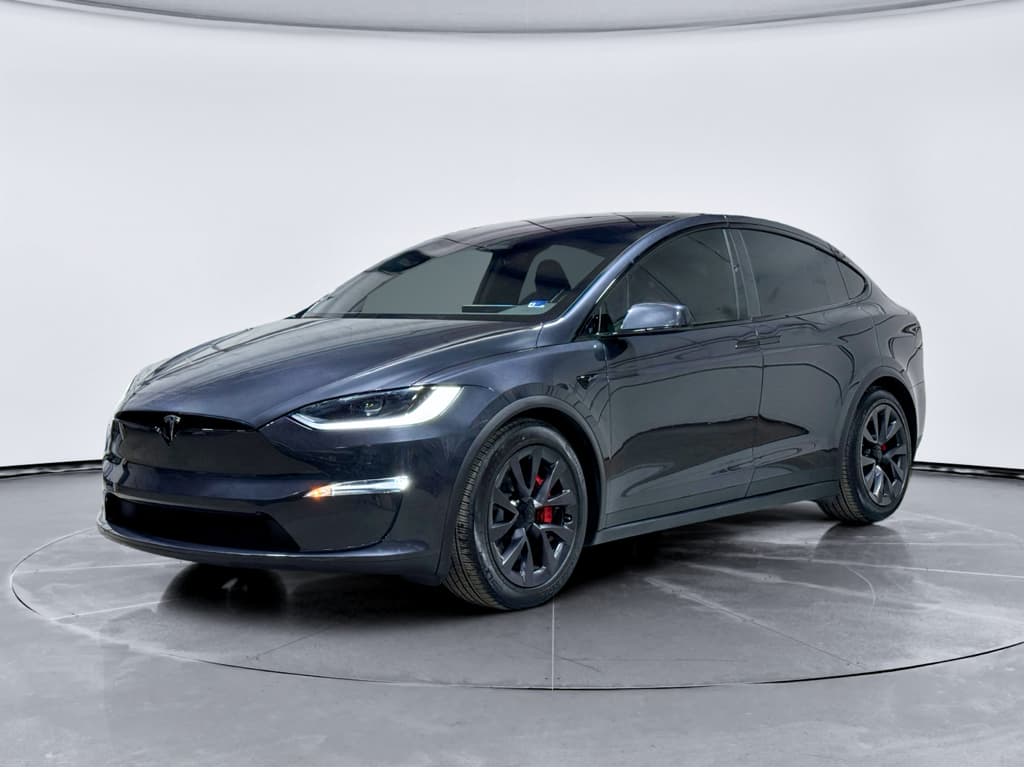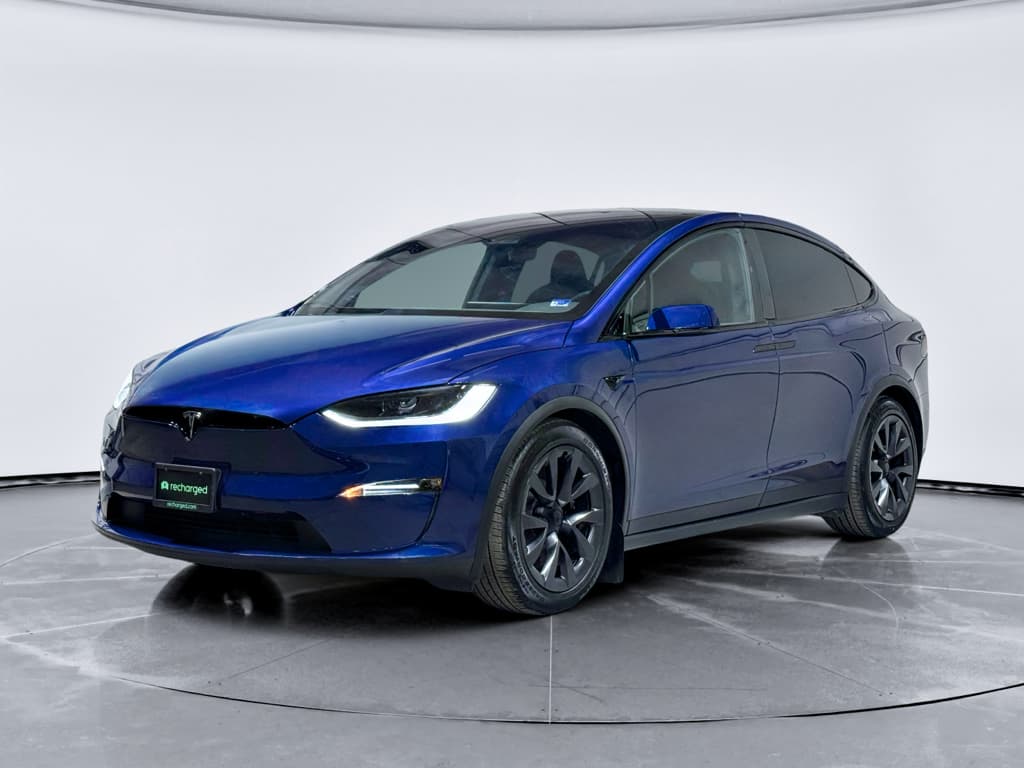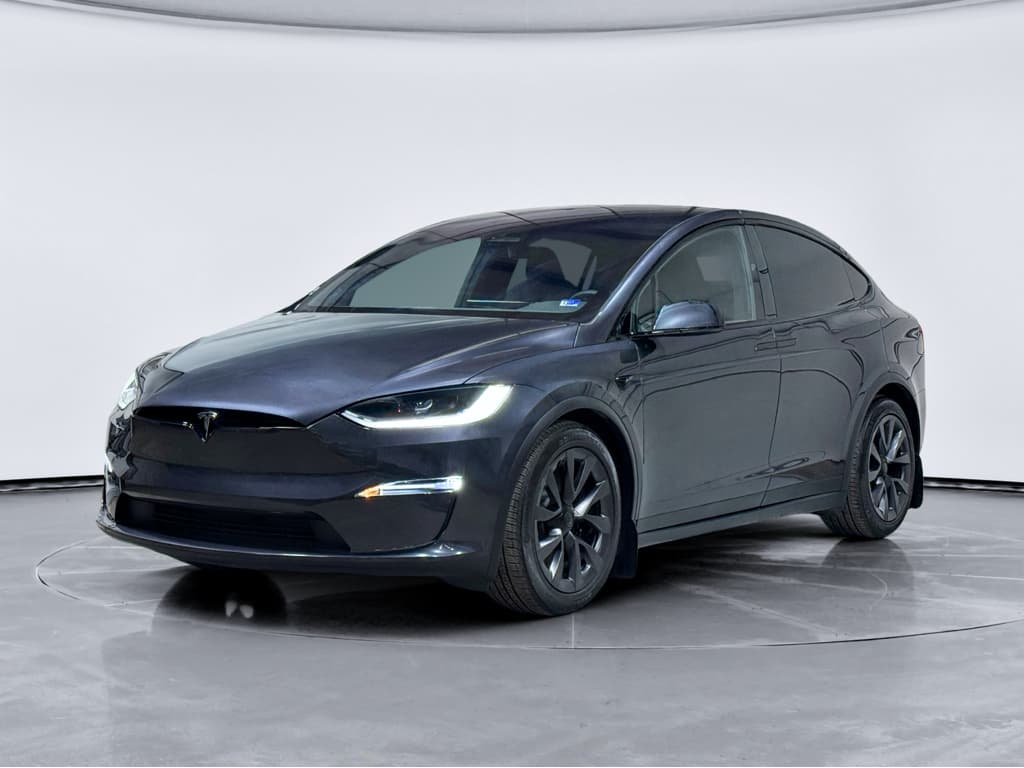
If you’ve started shopping insurance for a Tesla Model X, you’ve probably felt a little sticker shock. Even in 2026, the Model X sits at the very top of the insurance-cost pyramid among Teslas and most luxury SUVs. The good news: while you’ll almost never pay “cheap car” premiums, you *can* get the cheapest realistic insurance for a Model X if you understand what drives the rates and work the right levers.
Context: How high are Model X premiums today?
Why Tesla Model X Insurance Is So Expensive
To get the cheapest Tesla Model X insurance you can, it helps to understand why insurers start from such a high baseline. To an underwriter, the Model X is a worst‑case combination of high vehicle value, complex hardware, and expensive repairs when things go wrong.
- High sticker price and repair costs. Even used, a Model X is a six‑figure SUV in many markets. Parts like aluminum body panels, falcon‑wing doors, large glass, and sensors make repairs pricey, so insurers bake that into your premium.
- Complex features and specialized labor. Those dramatic rear doors, big windshield, tri‑motor Plaid variants, and advanced driver‑assistance systems all require specialized technicians. That pushes up claim severity (how much the insurer pays when something goes wrong).
- Performance and weight. A Model X Plaid launches like a supercar and weighs more than many pickup trucks. Insurers look at that combination and see higher potential for expensive collision claims.
- Claim and loss history. Over the last several years, industry data has consistently shown Teslas, especially the S and X, having higher‑than‑average repair costs per claim compared with similar luxury vehicles. That history still influences rates today.
- Rising overall auto insurance costs. Even if you never crash, you’re swimming in the same pool as everyone else. Across the U.S., average auto premiums have jumped sharply since 2022, and Teslas have often risen even faster than the market.
Don’t chase the absolute lowest number
What “Cheapest” Insurance Really Looks Like on a Model X
When people search for “Tesla Model X cheapest insurance,” they usually mean, “How do I get my payment down without doing something reckless?” For a high‑value EV, the goal is cheapest sensible coverage, not rock‑bottom bare‑bones insurance.
Model X Insurance vs. Normal Cars: 2026 Snapshot
Think of it this way: if similar drivers in your state are paying around $4,500 for a full‑coverage Model X, landing a solid policy in the low‑to‑mid $3,000s is realistically “cheap”, especially if you’re keeping strong liability limits and reasonable deductibles.
7 Levers That Actually Lower Tesla Model X Insurance
You don’t control Tesla’s parts prices or national claim trends, but you do control the factors that underwriters weigh most heavily. Here are the levers that reliably move the needle on Model X insurance rates.
The Big Levers on Model X Premiums
Focus here first before you start trimming coverage
1. Driver profile
2. Where and how you drive
3. Liability limits & deductibles
4. Vehicle configuration
5. Telematics & usage‑based programs
6. Bundling & multi‑car discounts
7. Shopping the right carriers
Underwriters hate surprises
Designing a “Cheap but Smart” Coverage Setup
The cheapest Model X policy you can safely live with will look different depending on your assets, risk tolerance, and state minimums. But there are some patterns that work well for many owners who want to push price down without playing financial roulette.
Core coverages most Model X owners should keep
- Liability above minimums. Think bodily injury limits like 100/300 or 250/500 rather than state minimums. A serious crash in a $100k SUV can get expensive fast.
- Collision coverage. This pays to repair or replace your Model X if you’re at fault. Dropping it might make sense on a $5,000 beater, not on a six‑figure EV.
- Comprehensive coverage. Covers theft, vandalism, hail, animal strikes, and more. Given repair costs and glass areas on the X, this is not where to go bare‑bones.
- Uninsured/underinsured motorist. Protects you when the *other* driver’s insurance is the problem, not yours. Increasingly important in states with high uninsured rates.
Where you can trim (carefully) to reduce cost
- Deductibles. Moving from $500 to $1,000 on collision and comprehensive can cut premiums notably. Just be sure you can comfortably write a $1,000 check after an accident.
- Rental and roadside. If you have robust coverage through a credit card or third‑party service, you may not need the richest versions from your auto policy.
- Gap coverage (on older used X). If you’re buying a used Model X well below original MSRP and your loan balance tracks close to market value, you may not need gap insurance for long, or at all.
- Add‑on bells and whistles. Glass coverage, custom equipment, and various endorsements can add up. Decide what you’d truly miss in real life.
Avoid the “minimum coverage on a Model X” trap
Which Insurers Tend to Be Cheapest for a Model X
Rates are hyper‑local and change constantly, so there is no single “cheapest Tesla Model X insurance company” for everyone. But patterns do emerge when you look across a lot of quotes and Model X owner reports.
Common Insurer Patterns for Tesla Model X Owners
Not a recommendation list, just how different insurer types often price the Model X relative to each other.
| Insurer Type | When They’re Often Cheap | When They’re Often Expensive | What to Watch |
|---|---|---|---|
| Tesla Insurance | States where it’s offered and you drive smoothly under their telematics rules | If your driving score drops or you rack up hard braking/late‑night miles | Dynamic pricing that can creep up if your driving pattern changes |
| Large national carriers (State Farm, Progressive, GEICO, Allstate, etc.) | Clean‑record drivers bundling home + auto, especially outside of the most litigious states | Young drivers, urban centers with high claim severity, or performance‑trim Plaid models | Big swings between carriers, quote several, don’t assume they’re similar. |
| Military/affinity carriers (USAA, etc.) | Eligible members with long, clean histories and multiple vehicles | Drivers with recent at‑fault accidents or major violations | Strong service but membership restrictions; worth it if you qualify. |
| Regional and mutual insurers | Suburban and rural locations, older drivers, and used Model X purchases | Aggressive performance driving histories, or high‑theft urban ZIPs | Some still “don’t get” EVs; ask how many Teslas they actually insure locally. |
You should still quote widely; this helps you know where to start.
Quote sequence that saves time
Used vs. New Model X: How It Changes Insurance
If you’re cross‑shopping a brand‑new Model X against a used one, or buying used through a digital retailer like Recharged, insurance cost should be part of that decision. The same basic rules apply, but age and value start to matter more.
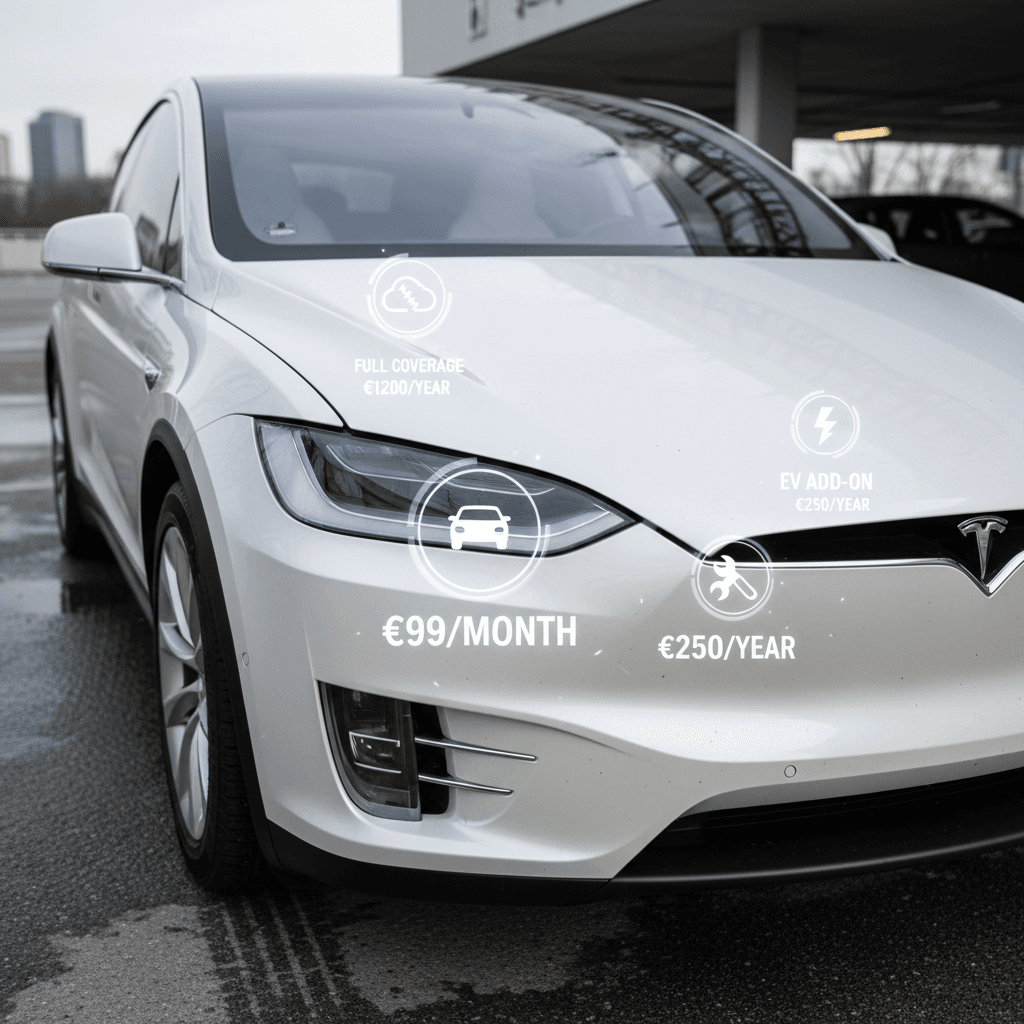
- Lower vehicle value, lower comprehensive/collision premiums. A 3‑ to 5‑year‑old Model X often costs less to insure than a brand‑new one with the same driver profile, simply because the insurer is on the hook for less money in a total loss.
- Repair patterns matter more than age alone. If a particular model year has expensive typical claims (think falcon‑wing door issues or glass damage), that can offset some of the savings from depreciation.
- Financing and gap coverage. On a new, heavily financed Model X, gap coverage can be critical. On a used X purchased at a big discount from original MSRP, you may be able to skip or shorten the gap‑coverage window, one quiet way to reduce insurance cost.
- Battery health and safety. A used Model X with verified battery health and a clean history is less likely to surprise you with range‑limiting issues that push you into risky last‑mile driving situations. That’s not directly in your premium, but it absolutely affects your real‑world risk.
Where Recharged fits in
How Recharged Helps You Keep Insurance Costs Down
Insurance is only one line item in your Model X budget, but it interacts with everything else: vehicle price, financing, battery health, and how long you plan to keep the SUV. Recharged can’t set your premium, but the way you buy and own your EV has a real impact on where your insurance ends up.
Ways Recharged Can Indirectly Lower Your Model X Insurance
TCO, not just the monthly payment, is the real game
1. Smarter purchase price
2. Verified battery health
3. Clean history, documented condition
4. Fully digital process
5. Nationwide delivery, local agents
6. EV‑specialist support
Ready to find your next EV?
Browse VehiclesStep-by-Step Checklist to Shop the Cheapest Rate
9‑Step Plan to Get the Cheapest Sensible Model X Insurance
1. Lock in the basics of your Model X
Nail down year, trim, approximate purchase price, mileage, and whether you’re buying new or used. Insurers quote against specific configurations; a Plaid on 22‑inch wheels will not price like a standard dual‑motor.
2. Decide on non‑negotiable coverages
Before you see any prices, write down the coverage you won’t compromise on: strong liability limits, collision, comprehensive, and uninsured/underinsured motorist. This keeps you from gutting coverage just to win the quote game.
3. Gather your driver info and history
Have each driver’s license, approximate annual mileage, prior claims, and violations handy. Incomplete or inconsistent answers lead to inaccurate quotes that later get “corrected” upward.
4. Get 5–8 comparable full‑coverage quotes
Quote Tesla Insurance (if available), your current insurer, at least two big national carriers, and any membership‑based options you qualify for. Keep deductibles and limits the same so you’re comparing apples to apples.
5. Layer in telematics carefully
If you’re a smooth, low‑mileage driver, opt‑in programs that monitor your driving can make a Model X surprisingly affordable. But understand the rules; if your lifestyle generates lots of hard‑braking or late‑night miles, a flat‑rate policy may be cheaper long‑term.
6. Re‑run best quotes with higher deductibles
Once you’ve identified the leading two or three offers, re‑quote them with $1,000 deductibles (or higher if you’re comfortable). Note the savings against the extra out‑of‑pocket you’d face after a claim; pick the break‑even point that fits your emergency‑fund reality.
7. Ask about EV and safety discounts
Some carriers quietly offer discounts for advanced safety tech, anti‑theft features, or participation in EV‑specific programs. Ask explicitly; don’t assume they’re automatically applied.
8. Bundle and simplify where it makes sense
If you’re carrying separate policies for home, renters, and other vehicles, run a bundled quote scenario. The savings can be big enough to turn the second‑best raw quote into the real winner once everything is combined.
9. Re‑shop annually, or when something big changes
Insurance markets move fast. Set a calendar reminder to re‑shop your Model X coverage around renewal time, after adding a teen driver, moving ZIP codes, or making big changes to your mileage or commute.
Tesla Model X Cheapest Insurance: FAQ
Frequently Asked Questions About Cheap Tesla Model X Insurance
Bottom Line: What “Cheap” Model X Insurance Really Takes
A Tesla Model X is never going to be cheap to insure in the absolute sense; it’s a complex, high‑value, high‑performance electric SUV, and insurers price it accordingly. But if you focus on the levers you actually control, your driving record, mileage, garaging, carrier selection, bundling, and smart choices about deductibles and coverage, you can usually land in the cheapest realistic range for your risk profile and location.
If you’re still in the shopping phase, consider how a late‑model used Model X from a transparent marketplace like Recharged might change the math: lower purchase price, more predictable battery health, and less need for long‑term gap coverage all play nicely with your insurance budget. Take the time to quote carefully, compare honestly, and build a policy that protects both your family and your balance sheet, then enjoy what the Model X does best without worrying every time you pull out of the driveway.