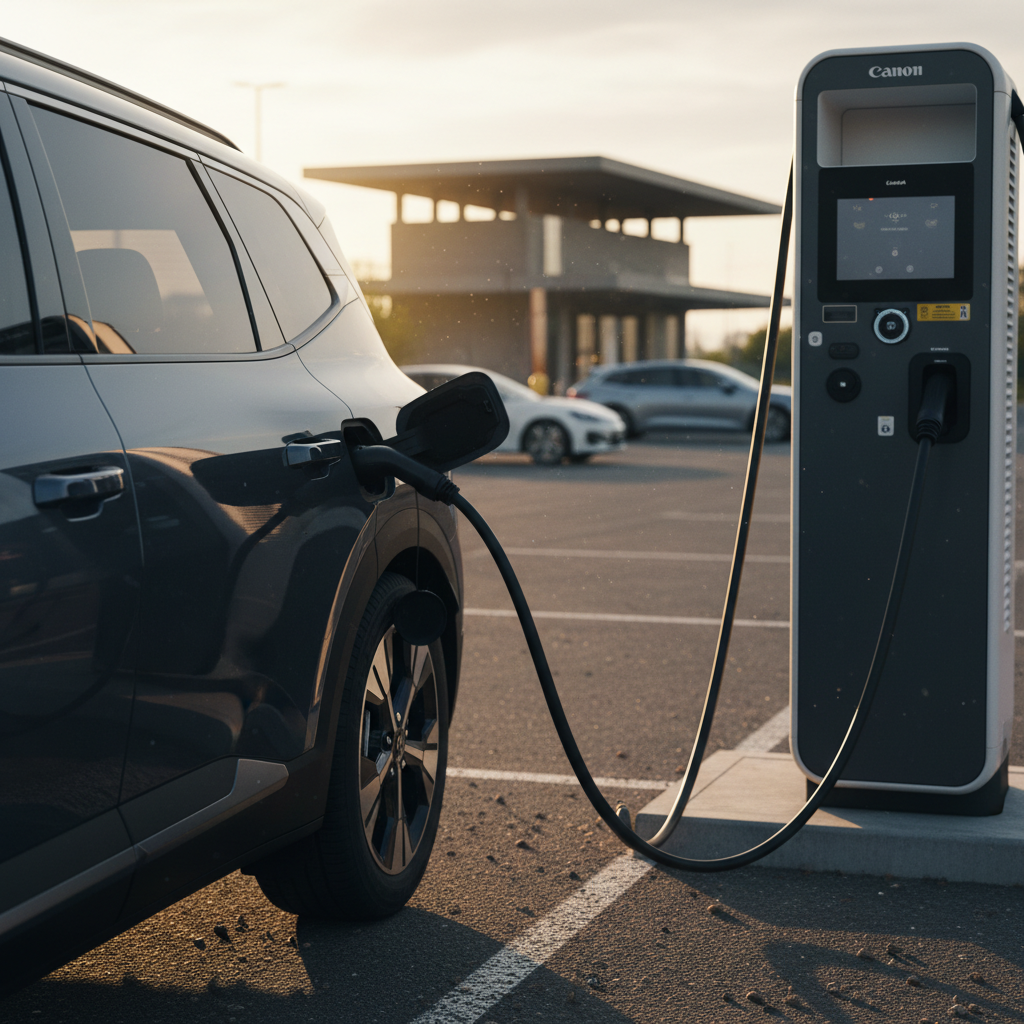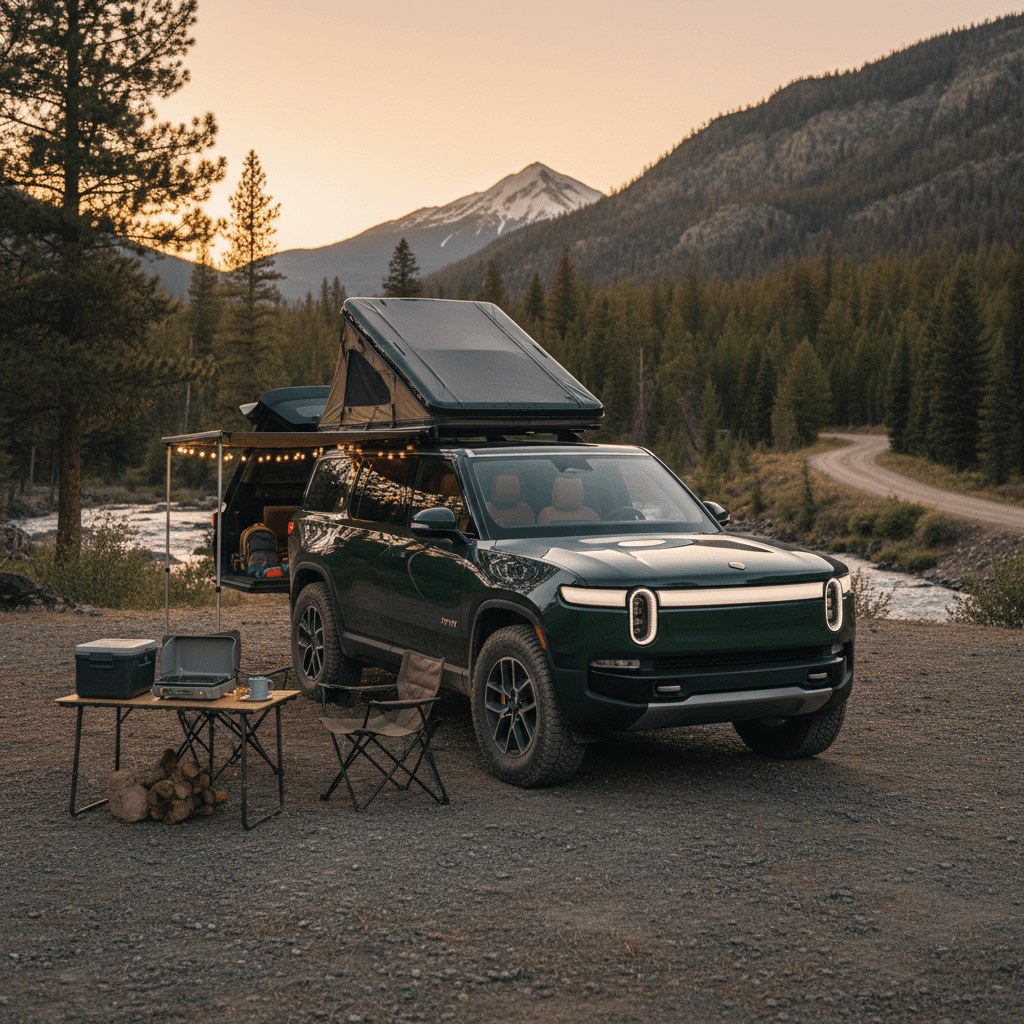
If you’ve ever wished a three-row SUV could feel like a backcountry tool *and* a techy family shuttle, the 2025 Rivian R1S is probably on your short list. For 2025, Rivian refines its original adventure SUV with new battery tech, more powerful tri‑ and quad‑motor options, upgraded electronics, and a cleaner interior experience, without losing the charming, outdoorsy character that made early R1S models cult favorites.
At a glance
Who the 2025 Rivian R1S Is Really For
Is the 2025 Rivian R1S a fit for you?
Three types of drivers who will love, or struggle with, this EV SUV
Adventure families
If you haul kids plus bikes, skis, or camping gear, the R1S finally gives you three rows and serious ground clearance in an EV. Think national parks, gravel roads, and winter storms, not just school pickup lines.
Performance junkies
Dual‑motor versions are already quick. Step up to the 850‑hp Tri‑Motor or updated Quad and you’re in supercar territory in a three‑row truck, with 0–60 mph in the 2–3 second range.
Tech-forward early adopters
If you like over‑the‑air updates, minimalist interiors, and driver‑assist tech that keeps improving, the R1S scratches that itch. Just know you’re still living on the cutting edge with a young automaker.
Who should think twice
Powertrains and Performance: Dual, Tri, or Quad Motor?
For 2025, the Rivian R1S lineup centers on dual‑motor all‑wheel drive, with optional Performance software, an all‑new 850‑hp Tri‑Motor, and an updated Quad‑Motor halo model. Every configuration is all‑wheel drive; how wild you want to get is up to your budget and your right foot.
2025 Rivian R1S powertrain cheat sheet
Key specs for the main 2025 R1S powertrains. Exact figures vary slightly with wheels and options, but this is the gist.
| Powertrain | Horsepower (approx.) | 0–60 mph (approx.) | Battery pack | Towing capacity |
|---|---|---|---|---|
| Dual Motor | 533 hp | ~4.5 sec | Standard / Large / Max | 7,700 lbs |
| Dual Motor Performance | ~655–665 hp | ~3.4 sec | Large / Max | 7,700 lbs |
| Tri‑Motor Max | 850 hp | ~2.8–2.9 sec | Max only | 7,700 lbs |
| Quad‑Motor Max | ~1,025 hp | ~2.6–2.8 sec | Max only | 7,700 lbs |
Performance escalates quickly as you move from Dual to Tri and Quad, so does price.
Our sweet spot: Dual Motor, Large or Max pack
On the road, every 2025 R1S feels substantial but never ponderous. The air suspension and adaptive dampers take the edge off potholes, and the low center of gravity from the battery pack keeps body roll in check. Tri‑ and Quad‑Motor models sharpen responses noticeably, think big hot hatch rather than lumbering SUV, but you’re always aware you’re moving nearly 7,000 pounds of SUV.
Range, Batteries, and Real‑World Efficiency
2025 R1S battery packs and range (manufacturer estimates)
Rivian still offers three battery packs for the 2025 R1S, Standard, Large, and Max. The Standard pack now uses LFP chemistry, trading some energy density for easier servicing and cost control. The Large and Max packs keep nickel‑based cells but move to die‑cast carriers that save weight and reduce complexity.
- Standard pack (~92 kWh usable, LFP): about 270 miles of range. Best if you mostly commute in town and rarely road trip.
- Large pack (~109 kWh usable): roughly 330 miles estimated range in a Dual‑Motor R1S, and a worthwhile step up for most buyers.
- Max pack (~141–142 kWh usable): up to 410 miles estimated in Dual‑Motor form. Tri‑ and Quad‑Motor models sacrifice a bit of that range for performance but still go long between charges.
Real‑world highway range
Efficiency is where physics taps you on the shoulder. The R1S is tall, wide, and heavy. It won’t sip electrons like a sleek sedan, especially on the interstate. But in mixed driving, school runs, city streets, two‑lane highways, it feels entirely reasonable for the size and power, and the Max pack’s buffer makes day‑to‑day planning easier.
Charging Experience: Home, Public, and Superchargers
Home charging
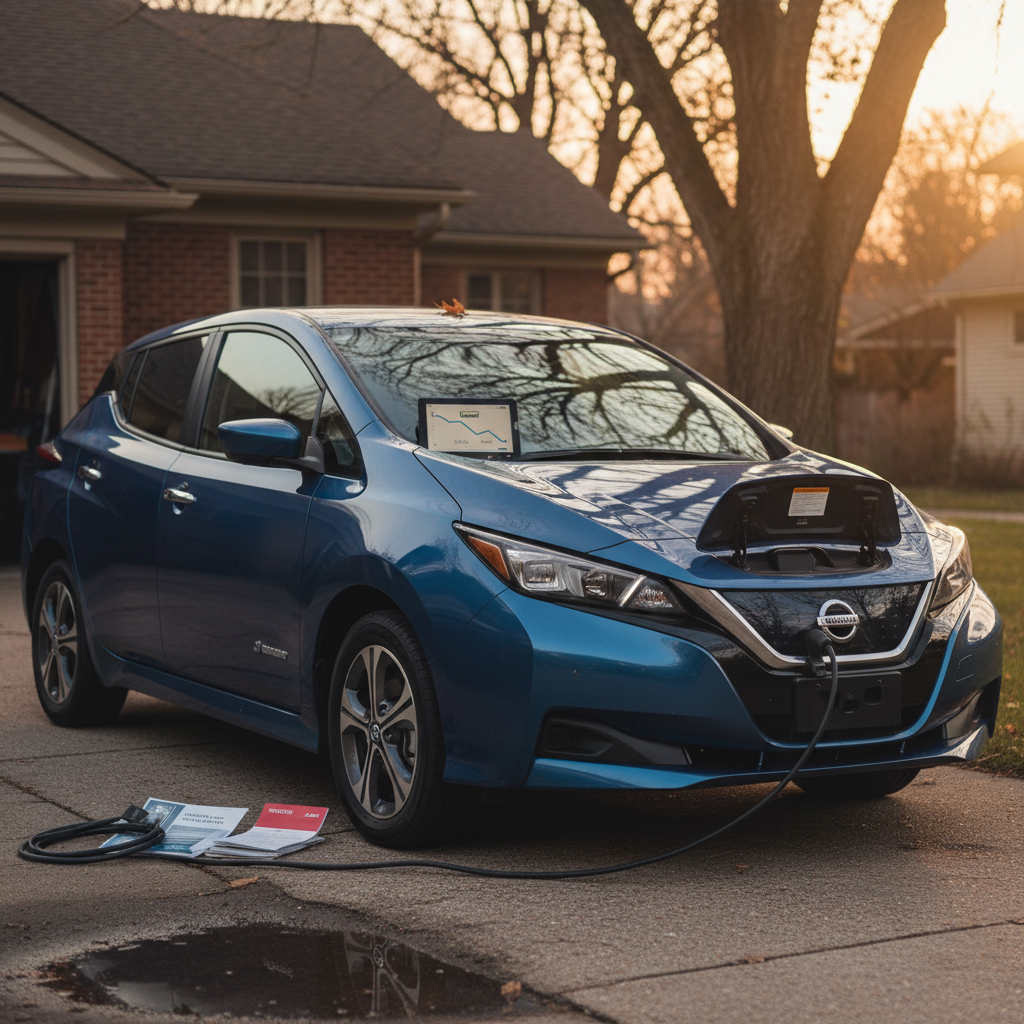
Every 2025 R1S includes an onboard AC charger around 11.5 kW. On a 48‑amp Level 2 home charger, that means roughly 25–30 miles of range added per hour. Overnight, even a near‑empty battery can comfortably reach 80–90%.
If you’re shopping used, confirm what the previous owner installed and whether you’ll need a new home EVSE or a panel upgrade. A service like professional home charger installation can simplify that step.
DC fast charging & road trips
On DC fast chargers, Max‑pack R1S models can take advantage of peak rates above 200 kW in ideal conditions. More useful is the real‑world claim: roughly 90+ miles in 15 minutes and around 175+ miles in 30 minutes on a strong 400‑volt charger.
The big news is compatibility with Tesla Superchargers via an adapter, which dramatically improves station density in many parts of the U.S.
Plan your first road trip around chargers, not just miles
Interior Space and Comfort: Family Tested
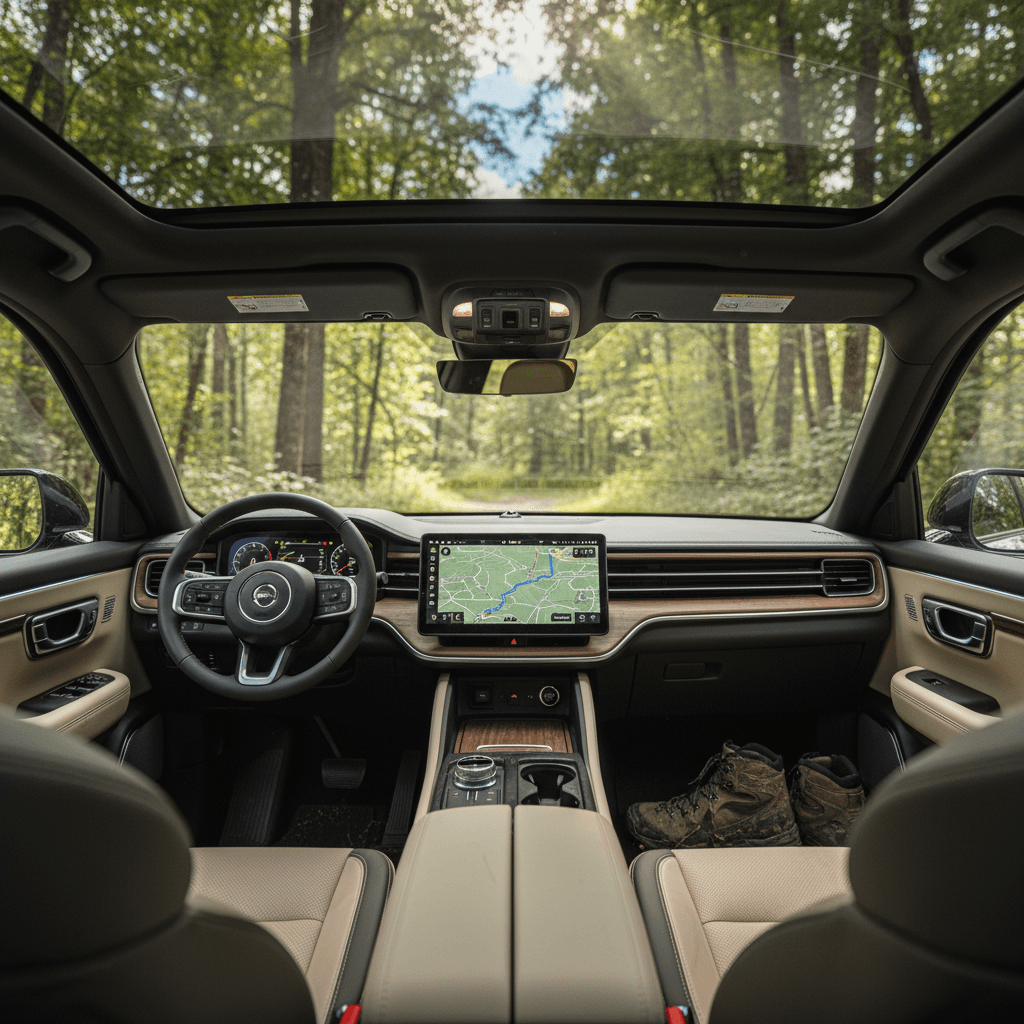
Slide into the 2025 R1S and you’re greeted by a wide, horizontal dash with two large screens, real metal toggles, and wood or metal trim that feels more boutique outdoor gear shop than traditional luxury SUV. The layout hasn’t radically changed, but software and materials continue to improve.
Interior highlights (and headaches)
Three‑row EV SUVs are rare; here’s how the R1S stacks up inside.
Rows 1 & 2: Excellent
Adults will be happy in the first two rows. The seats are supportive, visibility is good, and the panoramic glass roof makes the cabin airy. Storage cubbies, door bins, and the open center console shelf all work hard on family duty.
Row 3: Usable, not huge
The third row is fine for kids and shorter adults on shorter trips. Getting back there is easier than in some competitors, but if you cart full‑size humans every day, you’ll want them to try it first.
Cargo & practicality
With all three rows up, cargo space is tight, but that’s true of almost every three‑row SUV. Fold the third row and the R1S turns into a gear cave, especially with the deep rear well and usable frunk.
Cold‑weather note
On‑Road Manners and Off‑Road Cred
The 2025 R1S still feels like it was designed by people who actually camp and wheel. Adjustable air suspension, multiple off‑road drive modes, real underbody protection, and optional all‑terrain tires make it genuinely capable on dirt, sand, and snow. Approach and departure angles beat many gas SUVs without resorting to cartoonish lift kits.
- On pavement, the ride is firm but controlled. Big potholes and expansion joints register, yet the body stays composed.
- Steering is light but accurate; the R1S shrinks around you faster than its blocky styling suggests.
- In off‑road height, you get serious ground clearance for ruts and rocks, but you’ll pay at the plug, higher ride heights increase drag and hurt efficiency.
- Noise isolation is quite good, though all‑terrain tires can introduce a low hum at highway speeds.
Trail‑ready right out of the box
Pricing, Trims, and What You Really Pay
Rivian keeps its configuration tool simple but the price ladder climbs quickly. For 2025, Dual‑Motor R1S models with the smaller battery start in the high‑$70,000s including destination. Step up through the Larger and Max packs, add Performance or Tri‑Motor power, and you’re suddenly staring at six‑figure MSRPs.
2025 Rivian R1S pricing snapshot (new)
Representative starting MSRPs for common 2025 R1S configurations, including destination. Exact numbers change with options and incentives.
| Configuration | Approx. starting price | Who it suits |
|---|---|---|
| Adventure Dual Standard pack | ~$78,000 | Urban/suburban drivers who rarely road‑trip and can charge at home. |
| Adventure Dual Large pack | Low‑mid $80,000s | Most families, better range for weekend trips without a huge price jump. |
| Adventure Dual Max pack | High‑$80,000s to low‑$90,000s | Frequent road‑trippers who want buffer and less charging anxiety. |
| Performance Dual or Tri‑Motor Max | ~$100,000+ | Drivers who care most about acceleration and don’t mind paying for it. |
| Quad‑Motor Max & special editions | Well into six figures | Collectors and performance die‑hards; overkill for most households. |
Battery upgrades and performance packages stack quickly, budget for the range you truly need, not bragging rights.
Watch the out‑the‑door number
Ownership Costs, Reliability, and Recalls
You don’t buy a 2025 Rivian R1S to pinch pennies. Five‑year cost‑to‑own projections put it squarely in luxury SUV territory once you factor in depreciation, insurance, and financing. The flip side: you’re not feeding a thirsty V6 or V8, and routine maintenance is light, no oil changes, fewer moving parts, and most software issues can be handled over the air.
Key ownership realities
Depreciation is steep early
Like most luxury EVs, the R1S takes its biggest value hit in the first 3–4 years. That’s painful if you buy new, but a big win if you shop used.
Software keeps evolving
Rivian continues to ship meaningful over‑the‑air updates that tweak charging behavior, add features, and improve driver‑assist performance. The experience you get on day one won’t be static.
Service network is growing but thin
Rivian has expanded mobile service and service centers, but coverage still lags traditional brands. If you live far from a metro area, factor in time and logistics for any repairs or recalls.
Recalls happen, watch for them
Rivian, like most young automakers, has issued recalls on R1 models, including a 2022–2025 suspension‑related campaign. Make sure any used R1S you consider has documented recall repairs, and register your VIN so you’re notified promptly.
Used buyers: Verify recall and service history
2025 Rivian R1S vs Alternatives
Tesla Model X
- Quicker charging network access without adapters and strong efficiency.
- Less ground clearance and off‑road hardware; more of a highway cruiser.
- Cabin feels techy but a bit colder and less adventure‑oriented than the R1S.
Mercedes‑Benz EQS SUV / BMW iX
- More traditional luxury cues, softer ride, and deeply quiet cabins.
- Most trims offer two rows only or tighter third rows.
- Less off‑road capability; focus is comfort and refinement.
Kia EV9 & other emerging three‑row EVs
- Kia EV9 undercuts the R1S on price with usable three‑row space.
- Less towing and off‑road capability, but better mainstream dealer support.
- Great option if you want family EV practicality more than backcountry chops.
Where the R1S stands out
Buying New vs Used Rivian R1S
Because early R1S models hit the road in 2022, the used market is now rich with vehicles coming off early leases or being traded in as owners upgrade to new powertrains and battery packs. That creates an interesting split decision: pay up for a factory‑fresh 2025 build, or scoop up a well‑specced earlier R1S for a lot less money.
New 2025 R1S vs used R1S: which makes sense?
Think beyond the sticker price to software, battery health, and feature creep.
Reasons to buy new
- Access to the very latest battery packs, tri‑motor hardware, and updated electronics.
- Full factory warranty from day one and simpler recall tracking.
- You choose the exact color, wheels, and interior you want.
Reasons to buy used
- Let someone else eat the steep first‑three‑years depreciation.
- Early R1S models still deliver stout performance and range, especially with Large and Max packs.
- You can step into a higher trim (or Max pack) for the same money as a new lower‑spec model.
How Recharged can help
FAQ: 2025 Rivian R1S
Frequently asked questions about the 2025 Rivian R1S
Bottom Line: Should You Buy a 2025 Rivian R1S?
The 2025 Rivian R1S is what happens when a startup decides an electric SUV should be more than a glossy mall crawler. It’s fast, genuinely capable off‑road, surprisingly family‑friendly, and getting more polished with each software and hardware revision. It’s also expensive, heavy, and still backed by a service network that’s growing but not yet ubiquitous.
If you’re the sort of driver who sees a dirt road as an invitation, loves the idea of silent mountain passes and trailheads without tailpipe fumes, and is willing to live through the occasional software quirk, the R1S is one of the most compelling adventure vehicles on sale, gas or electric. If you just want a stress‑free luxury SUV and you live far from fast charging or Rivian service, it might be wiser to wait or look at more conventional options today.
And if the numbers on a brand‑new 2025 R1S make your eyebrows jump, remember that the used market is maturing quickly. A well‑vetted used R1S, backed by a Recharged Score Report, battery‑health diagnostics, and expert guidance, can deliver nearly all the magic with less financial risk. Whether you buy new or used, go in clear‑eyed about range, charging, and service, and this big electric truck will reward you every time you point it toward the horizon.