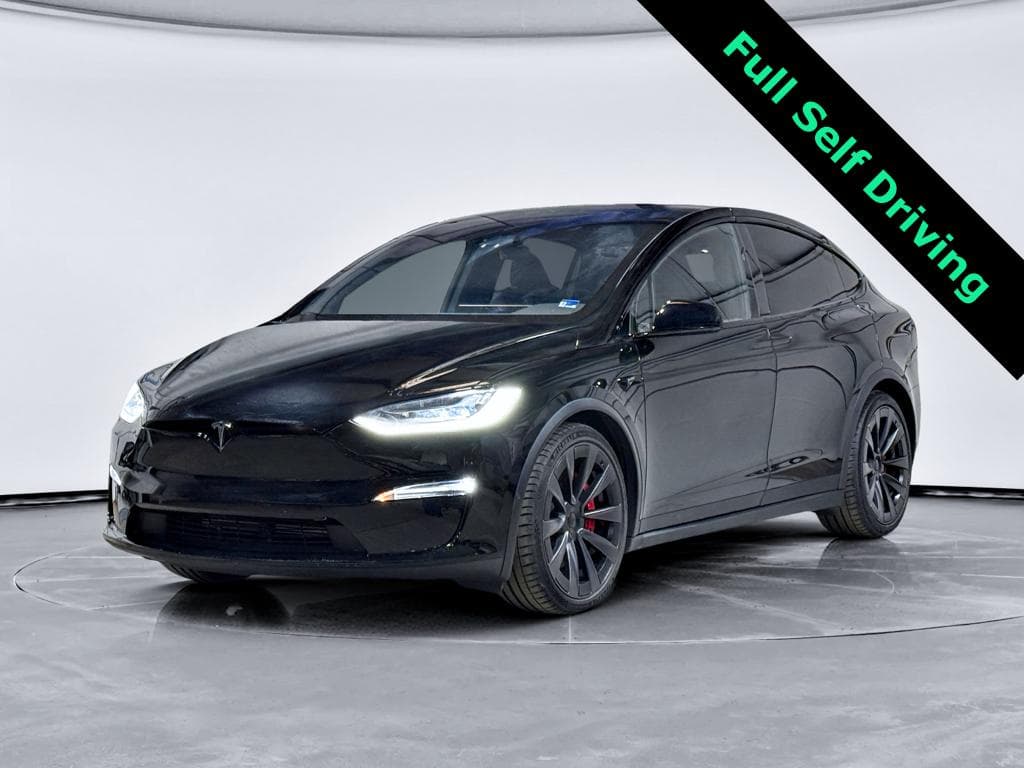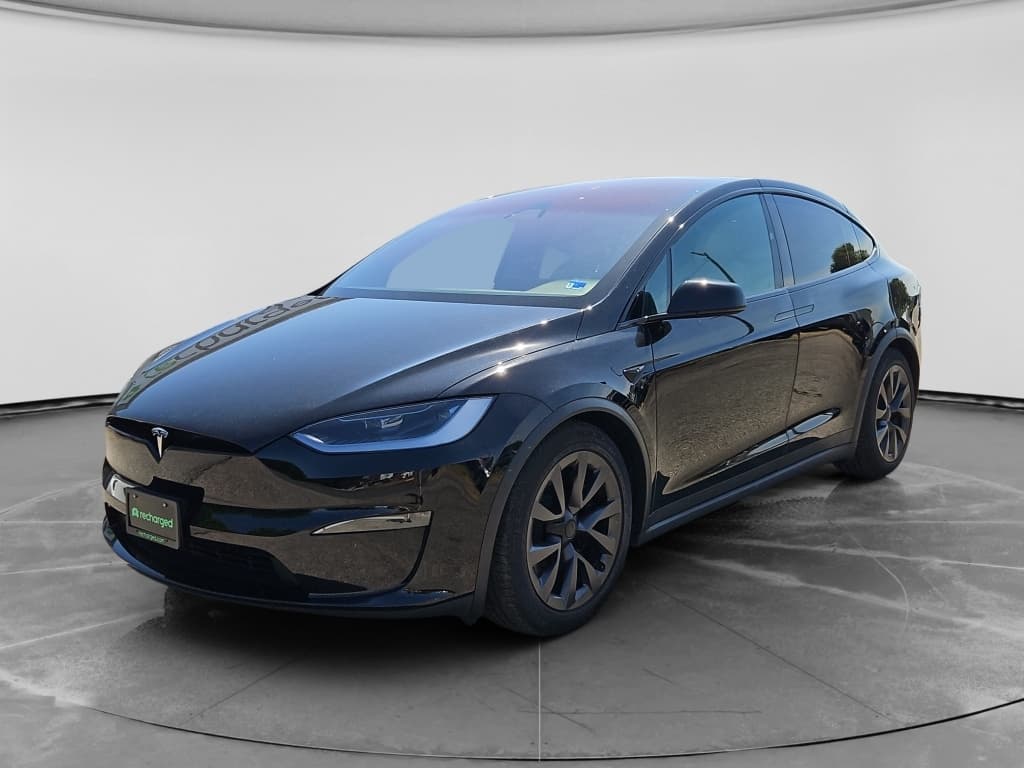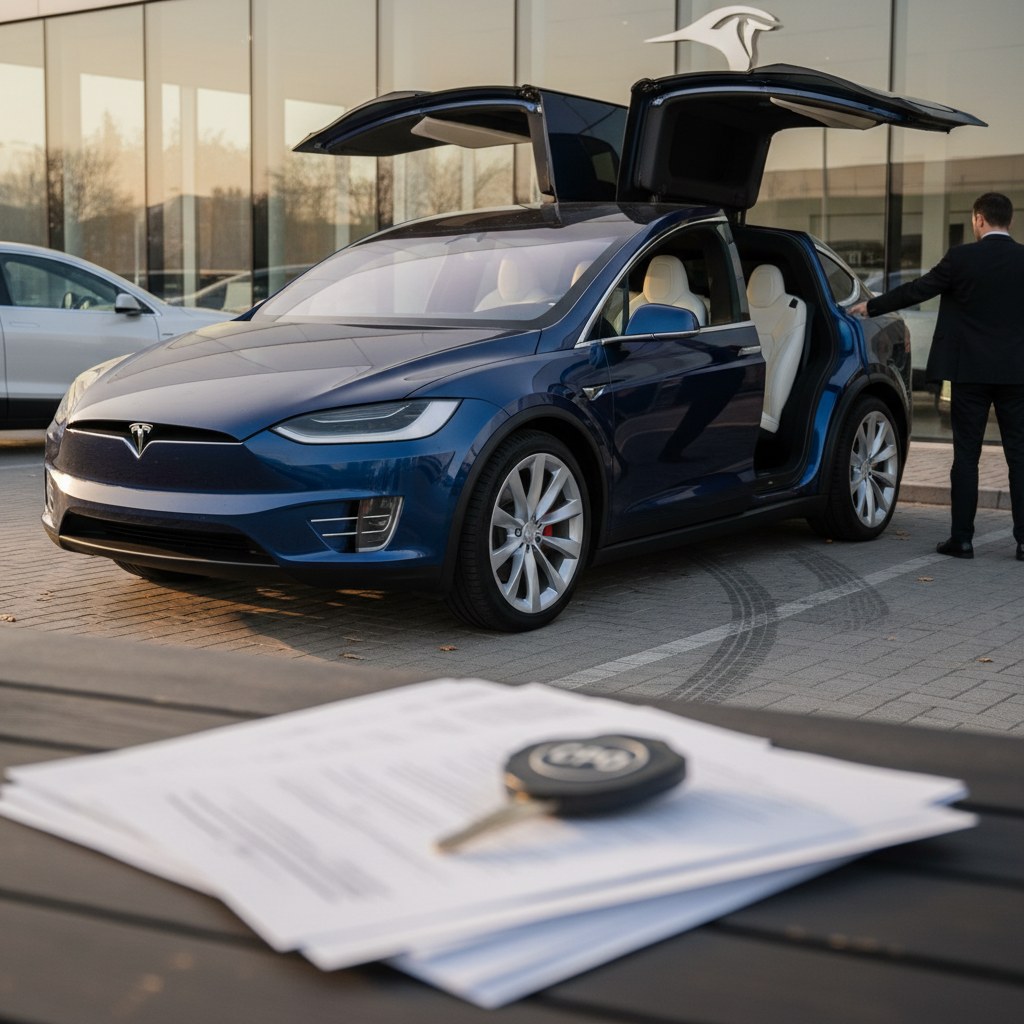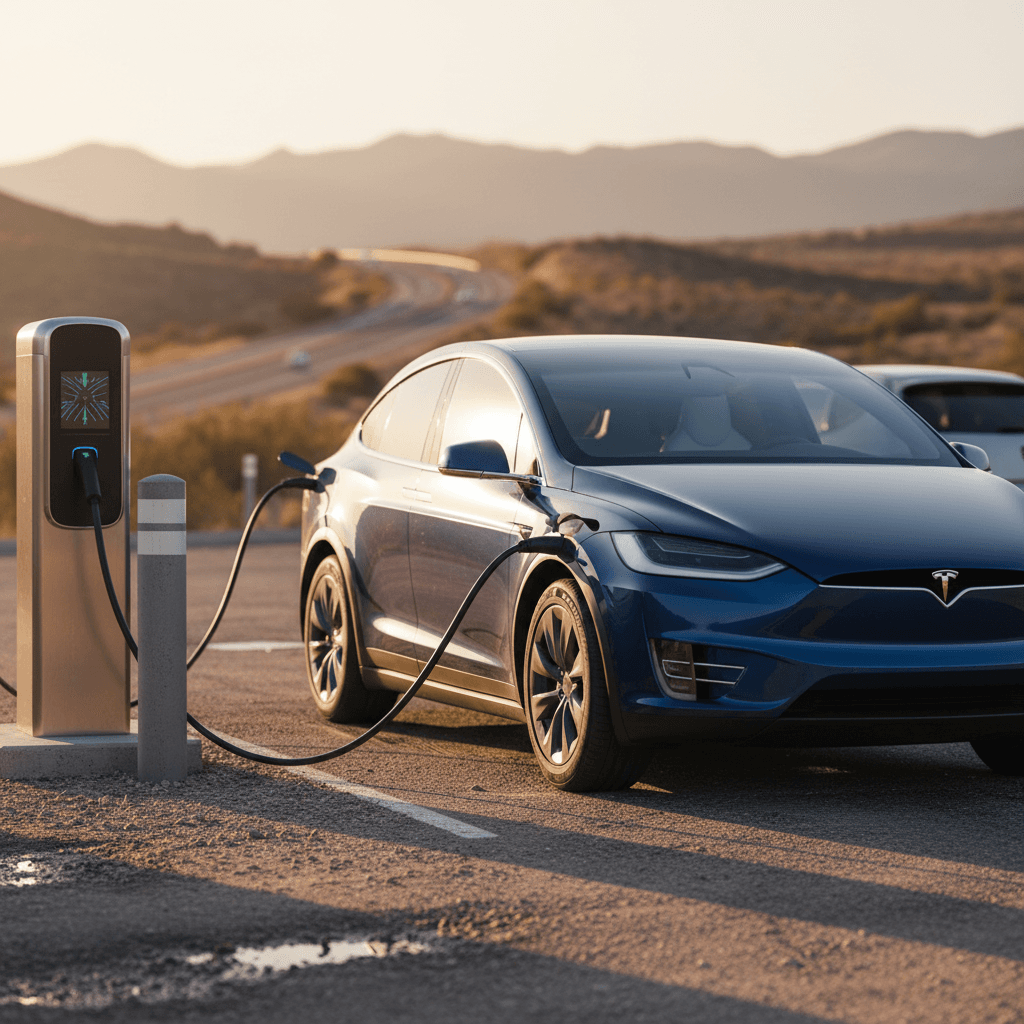
If you drive, or are shopping for, a Tesla Model X, charging speed is almost as important as range. This Tesla Model X charging speed guide walks through how fast the SUV really charges at home, on Superchargers, and at third‑party stations, plus what affects those times and how to tell if a used Model X is charging as quickly as it should.
Model X charging at a glance
Why Model X charging speeds matter
The Model X is a large, heavy SUV with a battery pack around 100 kWh. That big pack delivers strong range and performance, but it also means you’re moving a lot of energy in and out of the battery every day. Charging speed determines how easily you can recover that energy overnight, squeeze in a quick top‑up between errands, or minimize time spent stopped on a road trip.
- Daily convenience: Can you reliably add 30–60% overnight on a Level 2 charger?
- Road‑trip time: Are your Supercharger stops 20–30 minutes or creeping toward 45–60?
- Electric bill: Faster home charging often means better access to off‑peak rates.
- Battery health: Aggressive fast charging and repeated 0–100% cycles can slow long‑term capacity.
Tip for used Model X shoppers
Model X battery and charging basics
Across its production run, the Tesla Model X has used battery packs in roughly the 90–100 kWh usable capacity range, undertrim names like 90D, 100D, Long Range and Plaid. All support AC charging at home and DC fast charging on Tesla Superchargers and most CCS networks (with the right adapter).
Key charging specs for modern Tesla Model X
Numbers here reference recent Long Range/Plaid‑style Model X variants; older models may differ slightly.
Battery size
Most late‑model X SUVs have ~100 kWh packs. Earlier 75D/90D trims are smaller, which can slightly shorten charge times.
Onboard AC charger
Up to 11 kW on Level 2 (48 A at 240 V), which is what caps your home and most public AC charging speed.
Max DC fast charge
Recent Model X versions are rated up to 250 kW on V3/V4 Superchargers and high‑power CCS DC fast chargers.
Don’t confuse kW and kWh
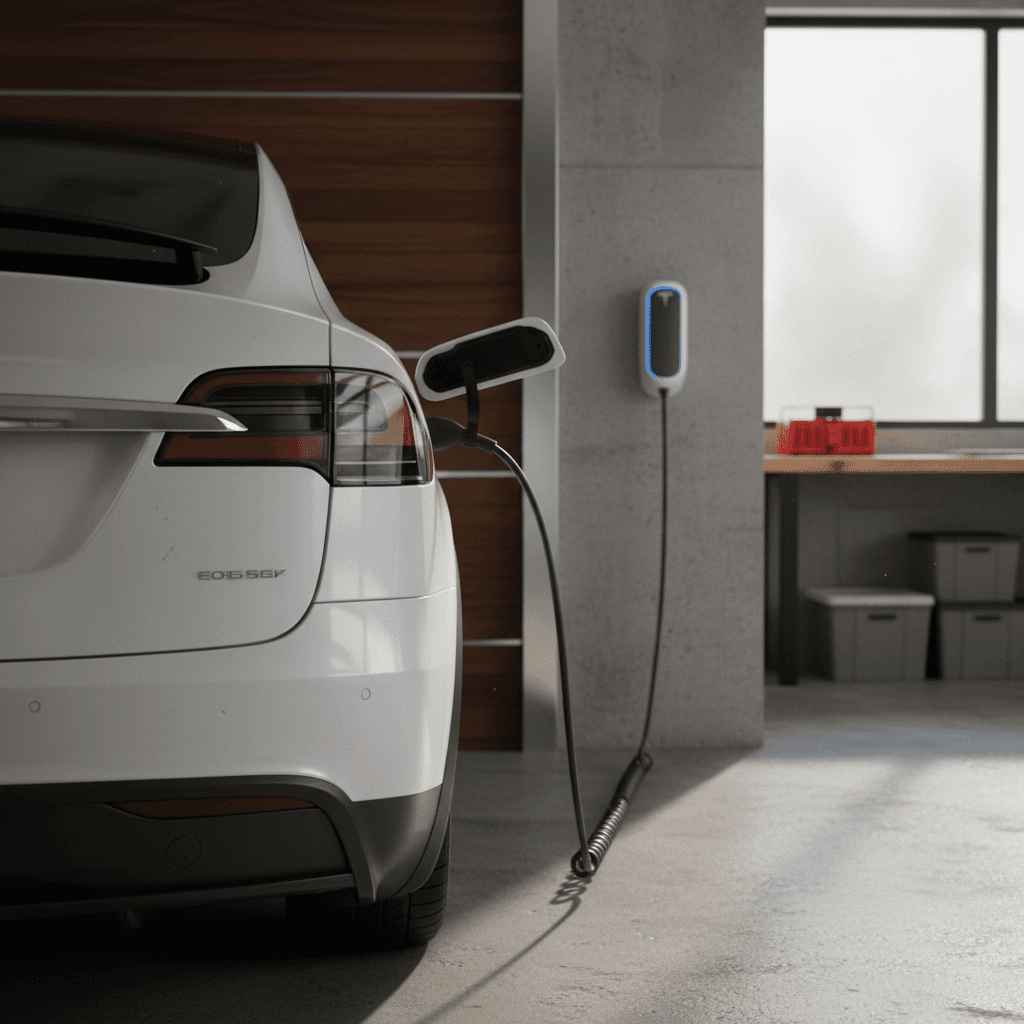
Home charging speeds for the Tesla Model X
Let’s start where your Model X will spend most of its time: your garage or driveway. Home charging speeds depend on the outlet, the charging hardware, and the onboard AC charger in the SUV. For modern Model X variants, the onboard charger tops out around 11 kW, which sets the ceiling for AC charging no matter how oversized the wall hardware is.
Common Tesla Model X home charging speeds
Approximate charging power and time to go from about 10% to 80% on a ~100 kWh Model X battery under typical conditions.
| Home charging setup | Voltage / amps | Approx. power (kW) | Miles of range per hour* | Time 10–80% (about 70 kWh) |
|---|---|---|---|---|
| Level 1 – standard wall outlet (Mobile Connector) | 120 V / 12 A | 1.3 kW | 3–4 mi/hr | ~40–45 hours |
| Level 2 – 30 A circuit (portable EVSE or older Wall Connector) | 240 V / 24 A | 5.7 kW | ~15–20 mi/hr | ~12–13 hours |
| Level 2 – 40 A circuit | 240 V / 32 A | 7.7 kW | ~22–26 mi/hr | ~9–10 hours |
| Level 2 – 60 A circuit (Tesla Wall Connector at 48 A) | 240 V / 48 A | 11–11.5 kW | ~30–35 mi/hr | ~6.5–7 hours |
Real‑world results vary with temperature, state of charge, and how full you start and end, but these numbers are a reliable planning baseline.
What Tesla says about home charging speed
Checklist: optimizing Model X home charging speed
1. Confirm your circuit size
Check your breaker panel or have an electrician verify whether the circuit feeding your charger is 30, 40, 50 or 60 A. Your Model X will only pull 80% of that rating, so a 60 A circuit enables the full 48 A charge rate.
2. Use a dedicated Level 2 circuit
Avoid sharing the circuit that powers your EV charger with other heavy loads like dryers or ranges. A dedicated 240 V circuit reduces nuisance breaker trips and lets the charger run at full power.
3. Configure the charger correctly
If you use a Tesla Wall Connector or third‑party Level 2 unit, make sure its dip switches or app settings are configured to match your breaker size. Under‑setting it can leave free charging speed on the table.
4. Charge in a temperature‑stable space
Batteries charge fastest and most efficiently in moderate temperatures. A garage tends to be kinder to your Model X battery than an exposed driveway in very hot or cold weather.
5. Use scheduled charging
Use the Tesla app’s Scheduled Departure or Scheduled Charging so your Model X charges in the early morning hours when the pack is coolest and electricity rates are often lower.
Home charging rule of thumb
DC fast charging and Supercharger speeds
DC fast charging bypasses the onboard AC charger and feeds DC power directly into the battery. This is what you use on the road at Tesla Superchargers and high‑power CCS DC fast‑charging stations. Here, the limiting factors are the Supercharger cabinet, the cable, the pack temperature and state of charge, and Tesla’s own software limits for the specific Model X variant.
Common DC fast options for a Tesla Model X
Exact speeds depend on your specific Model X year and trim, but these are realistic ballparks for most recent vehicles.
Tesla Supercharger V2
Up to 150 kW shared between paired stalls. A healthy Model X often sees 120–140 kW peaks when arriving around 10–20% state of charge.
Tesla Supercharger V3/V4
Rated up to 250 kW for newer Model X variants. In practice, you’ll often see 180–220 kW peaks for a brief window, then a taper as the battery fills.
CCS / NACS public DC fast
With Tesla’s CCS or NACS adapters (depending on station), Model X can charge at similar powers on non‑Tesla networks, often in the 120–200 kW peak range on 150–350 kW stations.
Charging curve reality check
Typical Supercharger and DC fast charging times for Model X
Approximate times for a modern Model X on a healthy battery, arriving with a warm pack (after some highway driving) and good stall conditions.
| Scenario | Starting SoC | Target SoC | Charger type | Approx. session length | Approx. energy added |
|---|---|---|---|---|---|
| Short top‑up on road trip | 20% | 60% | V3 Supercharger (up to 250 kW) | ~15–20 minutes | ~40 kWh |
| Standard road‑trip stop | 10% | 80% | V3 Supercharger | ~25–30 minutes | ~70 kWh |
| Conservative winter stop | 20% | 70% | V2 Supercharger (up to 150 kW) | ~25–35 minutes | ~50–55 kWh |
| From nearly empty in a pinch | 5% | 90% | High‑power CCS or Supercharger | ~45–55 minutes | ~80+ kWh |
Times are rounded estimates; colder weather, shared stalls or older Model X generations may charge somewhat slower.
Use navigation to Superchargers
Real-world charging time examples
Numbers are useful, but it’s easier to understand charging speed in real scenarios. Here are a few realistic use cases for a long‑range Model X with a roughly 100 kWh battery and average efficiency around 350–400 Wh/mile.
Scenario 1: Daily commuter at home
You drive 50–60 miles per weekday and plug in every night to a Tesla Wall Connector on a 60 A circuit.
- Energy used per day: ~20–24 kWh
- Home charging power: ~11 kW
- Time to recover commute: ~2–2.5 hours
- Practical impact: You can set a schedule to charge from 2 a.m. to 5 a.m. and always wake up to your preferred state of charge.
Scenario 2: Family road trip
You’re driving 400–500 miles in a day, starting at 90%. After a few hours you arrive at a V3 Supercharger with 15% remaining.
- Target charge: 15% → 70% (~55 kWh)
- Peak charging: 180–220 kW, average maybe ~130–150 kW
- Stop length: ~20–25 minutes including plug‑in, restroom, and a quick snack
- Result: Another 180–220 miles of usable highway range before the next stop.
Scenario 3: Level 1 in a pinch
You’re visiting family and only have access to a 120 V outlet.
- Charging speed: ~1.3 kW, or 3–4 miles of range per hour
- Overnight (10 hours): 30–40 miles of added range
- Best use: Holding the battery at a comfortable state of charge, not refilling from low to high.
Scenario 4: Apartment with shared Level 2
Your building offers a 7.7 kW public Level 2 station.
- Charging power: ~7.7 kW, 22–26 mi/hr
- 3‑hour session: 65–75 miles of range added
- Strategy: Plug in a few times a week rather than fighting for a spot every night.
What fast really looks like for a Model X
How to make your Model X charge faster
You can’t rewrite physics or Tesla’s software limits, but you can make sure you’re getting as close as possible to the advertised speeds both at home and on the road.
Six levers that affect your charging speed
Most don’t cost much, some are just habit changes.
Arrive low, leave mid‑pack
DC fast charging is fastest from roughly 10–50% state of charge, then tails off. On road trips, plan more frequent, shorter stops instead of charging 5→95% every time.
Precondition the battery
Use in‑car navigation to a Supercharger so your Model X warms or cools the pack en route. A warm battery can reach peak power far more quickly.
Avoid shared/derated stalls
On older V2 Superchargers, pick a stall that isn’t paired with another occupied stall if possible, since pairs share up to 150 kW. On third‑party DC sites, watch for “power limited” notices.
Upgrade home hardware
If you’re stuck on 120 V, consider a professionally installed 240 V Level 2 circuit and Tesla Wall Connector or similar. Jumping from 1.3 kW to 7–11 kW is a night‑and‑day difference.
Use scheduled charging
Charging when your utility’s off‑peak window opens often means a cooler battery and a lower bill. Set it once in the Tesla app and forget it.
Keep firmware and equipment healthy
Update Tesla software regularly, monitor for repeated charging faults, and replace damaged cables. If your Model X suddenly charges much slower everywhere, schedule service.
Where Recharged fits in
Ready to find your next EV?
Browse VehiclesBattery health: how fast is too fast?
Fast charging is a core part of the Tesla value proposition, especially for a long‑range SUV like the Model X. But like any lithium‑ion pack, repeated high‑power DC charging and extreme cycling can increase long‑term degradation if you overdo it.
- Using Superchargers on road trips is expected and fine; living on DC fast charging every day is harder on the pack.
- Keeping the battery mostly in the 20–80% band for daily use is healthier than frequent 0–5% or 95–100% swings.
- Charging more slowly on AC when you have time (for example overnight) is easier on the cells than forcing maximum DC power unnecessarily.
- Very hot or very cold pack temperatures during charging are more stressful than moderate conditions. Preconditioning helps here.
Red flags for battery or charging issues
Used Tesla Model X: what to check about charging
Because charging performance is partly controlled by Tesla’s software and battery health, two similar‑looking used Model X SUVs can behave very differently at the plug. If you’re shopping used, whether privately, at a dealer, or through a marketplace like Recharged, spend a little time evaluating how the vehicle actually charges.
Used Model X charging checklist
1. Confirm included charging hardware
Ask what comes with the car: Mobile Connector, adapters, Tesla Wall Connector, third‑party Level 2 charger, or nothing. Replacing missing gear can add hundreds of dollars to your real purchase price.
2. Review Supercharging history
If possible, look at the vehicle’s charging history screen. A Model X that has lived almost exclusively on DC fast charging may show more degradation than one primarily charged at home.
3. Test a Level 2 session
Plug into a known good Level 2 charger and verify that you see power in the 7–11 kW range when the battery is below 70%. Significantly lower numbers may indicate wiring, configuration, or onboard charger issues.
4. Test a Supercharger stop
On a test drive near a Supercharger, arrive with the battery around 10–20% and note the peak kW. A healthy modern Model X should briefly climb well into triple‑digit kW figures on a V3 site before tapering.
5. Compare rated vs. real‑world range
If the displayed rated range at 100% is far below what’s typical for that trim year, or if the seller avoids showing a full charge, consider that a cue to dig deeper into battery health.
6. Ask for documentation
Service records, prior Tesla warranty work, and third‑party battery health reports (like Recharged’s) can give you objective proof that the pack and charging system are in good shape.
“For shoppers in the used EV market, charging performance is one of the clearest windows into a battery’s real health. A Model X that still charges quickly at home and on DC fast chargers is usually a healthier long‑term bet.”
FAQ: Tesla Model X charging speed
Frequently asked questions about Model X charging speed
Key takeaways on Model X charging speed
A Tesla Model X is one of the easiest large SUVs to live with from a charging perspective, but only if you understand what “fast” really looks like. At home, a properly installed Level 2 charger delivering around 11 kW turns overnight into more than enough time to refill from a busy day. On the road, preconditioned Supercharger stops in the 10–80% band keep your breaks in the 20–30 minute range rather than hour‑long waits.
Whether you already own a Model X or you’re cross‑shopping used examples, pay attention to peak and average charging speeds, not just brochure numbers. They’re one of the best real‑world gauges of battery health and long‑term usability. If you’d like objective data on a used Model X’s pack and charging performance, browsing vehicles that include a Recharged Score battery health report can give you confidence that the SUV will charge quickly, and keep doing so for years to come.