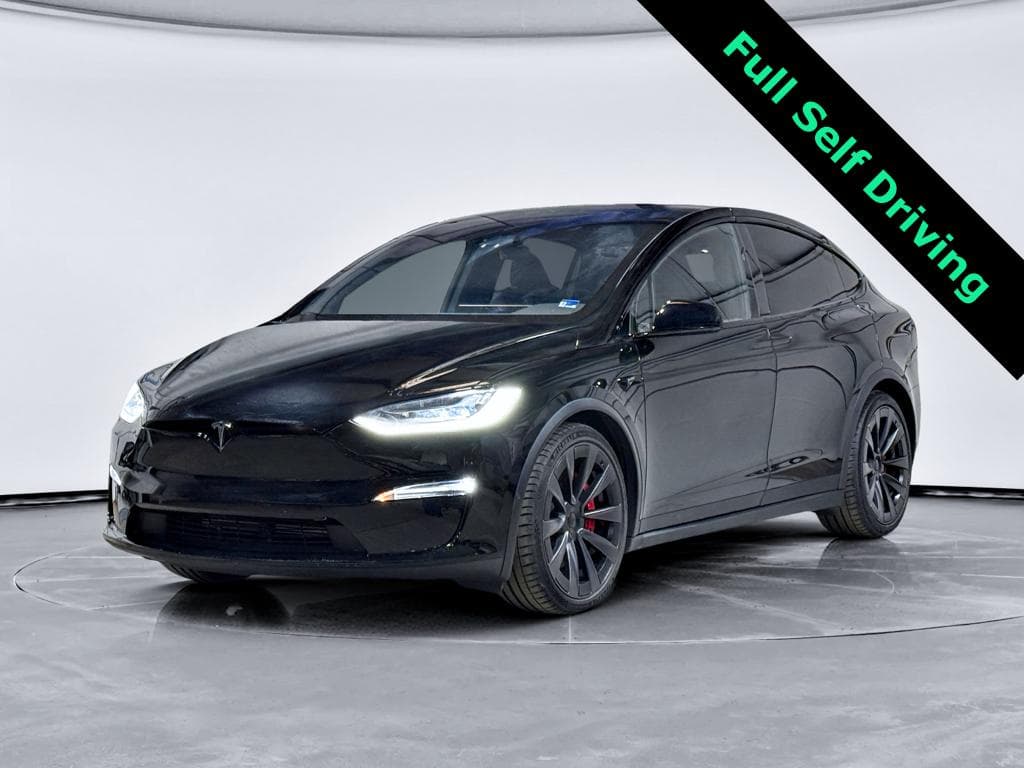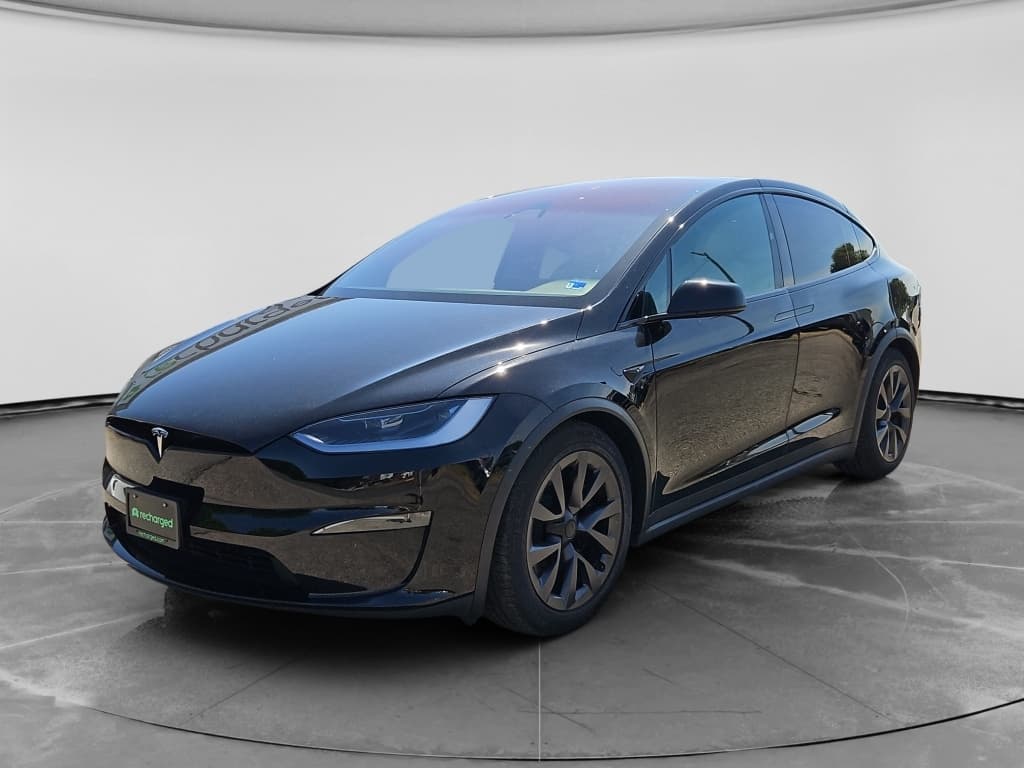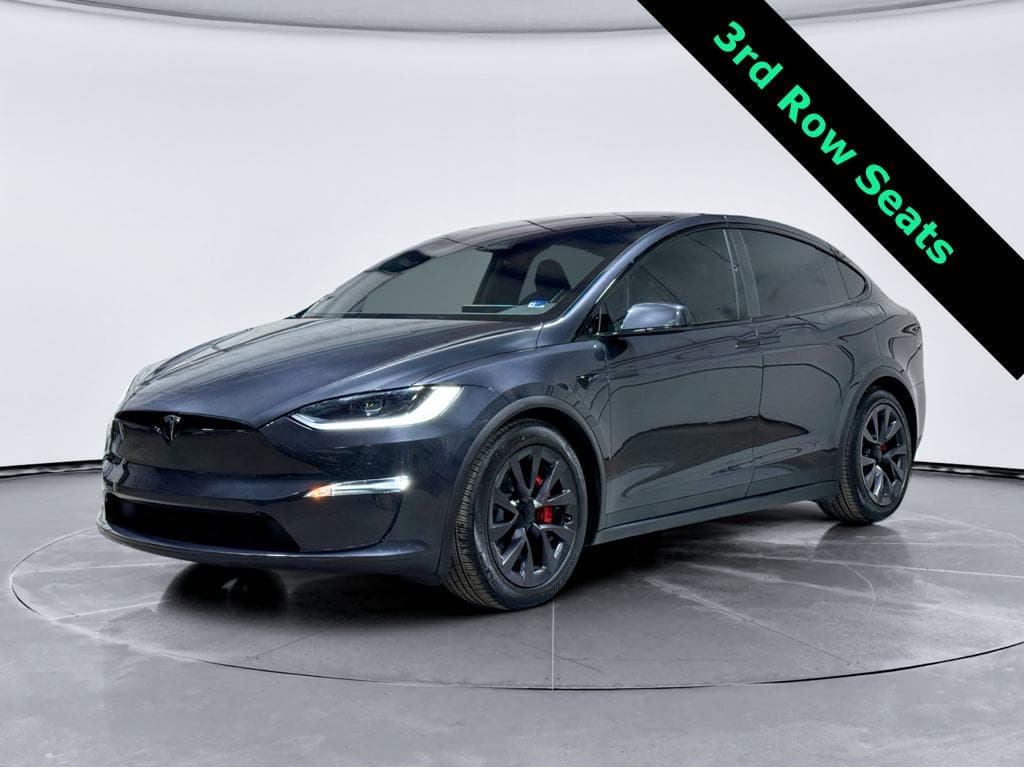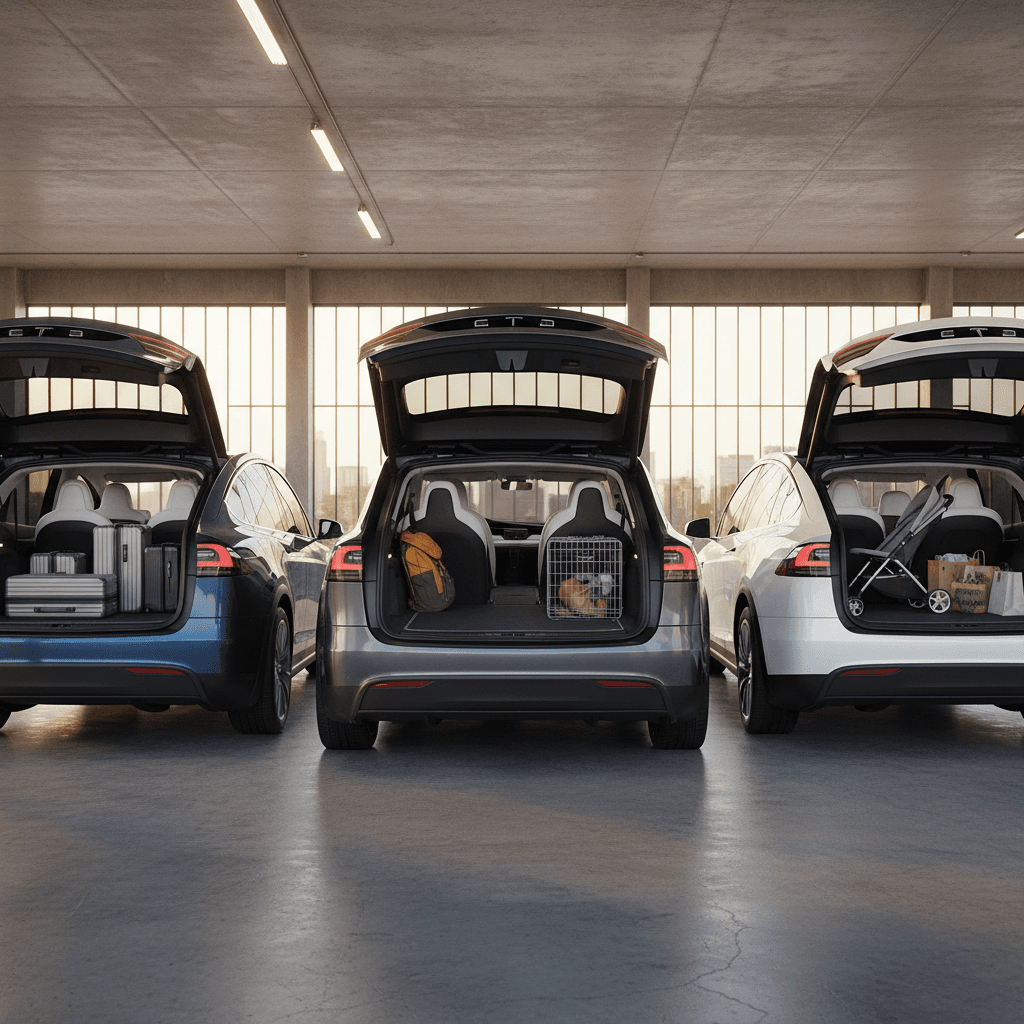
If you’re considering a Tesla Model X, you’re probably wondering how practical it really is. The good news: Tesla Model X cargo space dimensions make it one of the roomiest electric SUVs you can buy, especially if you’re juggling kids, strollers, road‑trip luggage or home‑improvement runs.
Quick takeaway
Tesla Model X cargo space overview
Tesla doesn’t shout about every cargo number on its consumer site, but independent tests and spec databases paint a clear picture. Recent Model X models (2023–2025) give you around 85–92 cubic feet of maximum cargo volume behind the front seats, depending on seating layout, plus a useful 6.5 cu ft frunk for smaller items.
Headline Tesla Model X cargo stats (recent models)
Specs vs reality
Key Tesla Model X cargo volume numbers
Approximate cargo volumes for recent Tesla Model X
Typical cargo volumes reported for 2023–2025 Model X. Figures can vary slightly by source and seat layout but give you a solid real‑world picture.
| Area measured | Approx. volume (cu ft) | Notes |
|---|---|---|
| Frunk (front trunk) | 6.5 | Great for charging cables, backpacks, groceries. |
| Behind 3rd row (7-seat) | ≈14–15 | Usable but tight with all seats up; think 3–4 carry‑on bags. |
| Behind 2nd row (3rd row folded) | ≈33–37 | Main luggage area for families using the third row occasionally. |
| Max behind front row (rear rows folded) | ≈85–92 | Full long‑haul or Home Depot mode; near the top of the EV SUV class. |
| Overall interior volume | ≈130+ | Combines passenger and cargo space; shows how big the cabin really is. |
Use these numbers to compare the Model X to other SUVs or to decide which seating layout works best for you.
Family‑friendly flexibility
Cargo space by 5-, 6- and 7-seat layouts
The same Model X body can feel very different inside depending on which seating configuration you choose. Here’s how cargo usability changes between 5‑, 6‑ and 7‑seat versions.
How each Model X seating layout affects cargo
All three configurations share the same exterior size but trade passenger comfort for cargo flexibility in different ways.
5‑seat Model X
Best for cargo first, people second.
- No third row; just a 60/40 split‑folding second‑row bench.
- Largest, flattest continuous load floor when seats are folded.
- Recent data suggests ≈85–92 cu ft behind the front seats.
- Excellent choice if you rarely need more than five seatbelts.
6‑seat Model X
Captain’s chairs + third row.
- Two individual captain’s chairs in row two with a walk‑through middle.
- Third row typically folds flat, but captain’s chairs may not fold completely flat on some years.
- Great for adults in rows one and two; third row is kid‑preferred.
- Cargo space is generous, but not quite as flat or boxy as a 5‑seat bench‑fold setup.
7‑seat Model X
Maximum seatbelts, solid cargo versatility.
- 60/40 folding bench in row two + folding third‑row bench.
- With both rear rows folded, you still get roughly 85+ cu ft of cargo space.
- Behind the third row, plan on about 14–15 cu ft – fine for a grocery run or a few carry‑ons.
- Best all‑around option if you frequently carry six or seven passengers but still need room for gear.
Watch for non‑folding seats on older models
Real-world cargo space dimensions that matter
Cargo volume numbers are helpful, but they don’t tell you if your specific items will fit. For real‑world use, you care about opening size, floor length and height under the hatch.
Rear opening & floor length
- Opening height: The Model X’s tall rear hatch gives plenty of vertical clearance for large boxes and tall strollers.
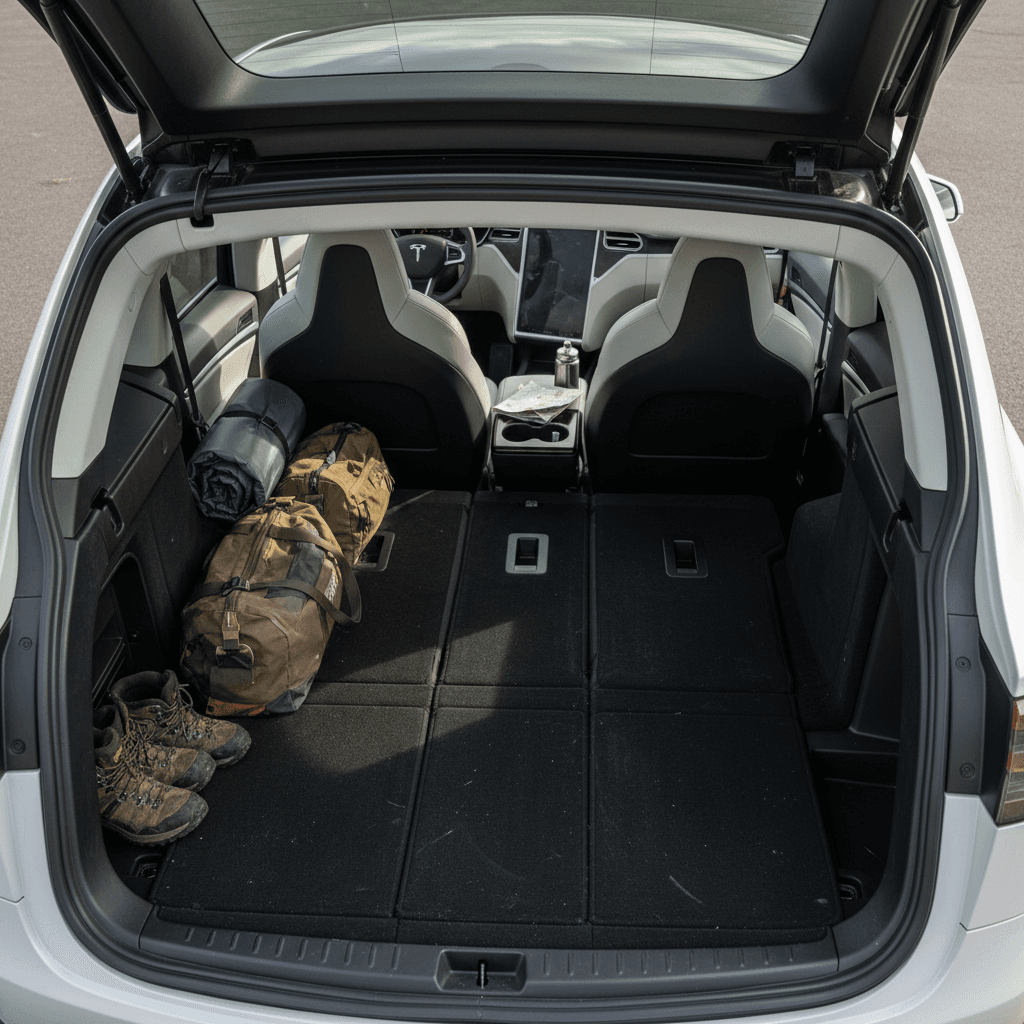
- Floor length (rear hatch to front seats): With both rear rows folded in 3‑row models, you can generally fit long items like flat‑packed furniture, skis and snowboards diagonally.
- Lip height: The floor is fairly low for an EV, which makes loading heavy items easier than in many truck‑based SUVs.
Exact inches vary a bit by year and seat design, so if you need to haul something like a specific crate or bike, bring a tape measure when you test‑drive.
Width & height inside the cargo area
- Width between wheel wells: Wide enough for typical checked suitcases side‑by‑side or a medium dog crate.
- Height under the cargo cover: Behind row two, you can usually stack two layers of suitcases with the cover removed.
- Seat‑back angle: Folded seats aren’t perfectly vertical walls, so plan on some taper near the roof if you stack boxes to the ceiling.
For bulky but lighter items – sleeping bags, duffel bags, kids’ sports gear – using the full height of the cargo area is easy and doesn’t hurt efficiency much.
Bring the measurements that matter to you
What actually fits in a Tesla Model X?
Beyond the spec sheet, here’s how most owners actually use the space. Think in terms of scenarios: airport runs, family trips, Costco hauls and DIY projects.
Typical real‑world cargo scenarios for Model X
How the Model X’s cargo area works in everyday life.
Airport & family travel
- 7‑seat, all rows up: Roughly 3–4 airline carry‑on bags plus a couple of backpacks behind the third row, with more space in the frunk.
- 3rd row folded: You can usually handle 4–5 full‑size checked suitcases plus smaller bags.
- Frunk bonus: Ideal for items you don’t want visible in the cabin.
Costco or IKEA run
- 3rd row down, 2nd row up: Boxes of bulk groceries and paper goods stack easily, with room left for a stroller.
- 2nd & 3rd rows down: Long flat boxes, small furniture pieces, and larger flat‑pack items fit in diagonally or lengthwise.
- The flat floor makes sliding heavier items in and out simple.
Outdoor gear & sports
- Skis, snowboards, bikes: Skis/snowboards fit inside with one side of the second row folded; bikes usually require a wheel off or a hitch rack.
- Camping gear: Tents, coolers, bins and duffels are easy to stack to the roof with seats folded.
- The frunk is handy for muddy or smelly items you’d rather keep separate.
Kids & strollers
- Most modern strollers will fit behind the third row when folded, though double strollers may require dropping the third row.
- With the third row down, you can carry a stroller plus a week’s worth of luggage for a family of four.
- Plenty of under‑floor storage helps hide smaller kid gear and diaper bags.
Why the frunk really matters
Model X cargo space vs other electric SUVs
If you’re cross‑shopping the Model X with other electric SUVs, cargo room is one of its biggest advantages. It’s not just about the raw cubic‑foot figure; the shape of the cargo area and the availability of a third row make a big difference.
Tesla Model X vs popular electric SUV cargo space
Approximate cargo numbers for recent model years. Exact figures vary slightly by source.
| EV SUV | Max rear cargo (cu ft) | Cargo behind rear seats (cu ft) | Frunk (cu ft) | Notes |
|---|---|---|---|---|
| Tesla Model X | ≈85–92 | ≈14–37 | 6.5 | 5-, 6- or 7-seat; class‑leading overall volume with seats folded. |
| Tesla Model Y | ≈72 | 30 | ≈4 | Two rows only; still very roomy but less overall volume than X. |
| GMC Hummer EV SUV | ≈81 | ≈36 (behind 2nd row) | 11.3 | Huge frunk, but no third row; interior less space‑efficient. |
| Hyundai Ioniq 5 | ≈60 | 27 | Small | Great 2‑row EV, but smaller footprint and cargo than Model X. |
| Kia EV9 | ≈82 | ≈20–40 | Small | Three rows and strong cargo space, but still slightly under Model X overall. |
The Model X consistently sits near the top of the EV SUV segment for total usable cargo room.
Think beyond the number
Used Tesla Model X shopping: cargo and interior checks
When you’re shopping for a used Model X, it’s smart to go beyond the spec sheet. Different years and trims can change how practical the cargo area feels, especially around second‑row seat design and third‑row comfort.
Model X cargo & interior checklist for used shoppers
1. Verify seating layout and folding pattern
Confirm whether the vehicle is a 5‑, 6‑ or 7‑seater and physically fold each row. Make sure the second row folds flat if you care about hauling larger items, and check that the 50/50 or 60/40 split works the way you expect.
2. Measure your must‑fit items
Bring measurements – or the actual item – for dog crates, strollers, skis or work equipment. Test loading them with seats up and down. Some older pedestal‑style seats eat into usable length and height more than newer designs.
3. Inspect under‑floor storage and trim
Lift cargo floor panels and look for moisture, damage, or missing organizers. Used EVs sometimes carry charging cables and accessories that slide around; make sure the storage wells and covers are intact.
4. Check hatch operation and seals
Open and close the power liftgate multiple times. Listen for grinding or binding, and ensure the hatch seals are in good shape so water doesn’t sneak into the cargo area.
5. Confirm third‑row comfort for your passengers
If you plan to use the third row regularly, put the adults or teens who’ll ride there into the seats. Adjust the second row and make sure everyone has legroom and headroom they can live with.
6. Look for wear from heavy hauling
Scuffed plastics, damaged seatbacks and worn carpet in the cargo area tell you how the previous owner used the vehicle. Cosmetic wear isn’t a deal‑breaker, but it can help in price negotiations.
Let the numbers guide the test drive
How Recharged helps you pick the right Model X
Cargo room is one piece of the puzzle when you’re buying a used Tesla Model X. Battery health, pricing and how the previous owner used the vehicle all matter just as much. That’s where Recharged comes in.
Buying a used Model X? Here’s how Recharged makes it easier
More than just photos and a price tag.
Verified battery & usage profile
Every Model X on Recharged comes with a Recharged Score Report that includes verified battery health and usage insights. You see how the battery has been treated before you buy, not after your first road trip.
Transparent pricing & trade‑in options
We compare market data so the price you see is grounded in reality, not wishful thinking. You can also get an instant offer or consign your current vehicle to make moving into a Model X simpler.
Guided, digital‑first experience
From financing to nationwide delivery, Recharged is built around a fully digital EV buying journey. Our EV specialists can walk you through cargo needs, seating layouts and battery questions over chat or at our Richmond, VA Experience Center.
Ready to find your next EV?
Browse VehiclesTurn specs into the right car
Tesla Model X cargo space FAQ
Frequently asked questions about Tesla Model X cargo space
The Tesla Model X combines serious electric performance with some of the most generous cargo space in the segment. Whether you pick a 5‑, 6‑ or 7‑seat version, understanding how its cargo space dimensions translate into real‑world usability is the key to choosing the right one. Use the numbers as a guide, then let a thorough test‑fit – and, if you’re shopping used, a detailed Recharged Score Report – confirm that the Model X you’re eyeing will handle your family, your hobbies and your next big adventure.