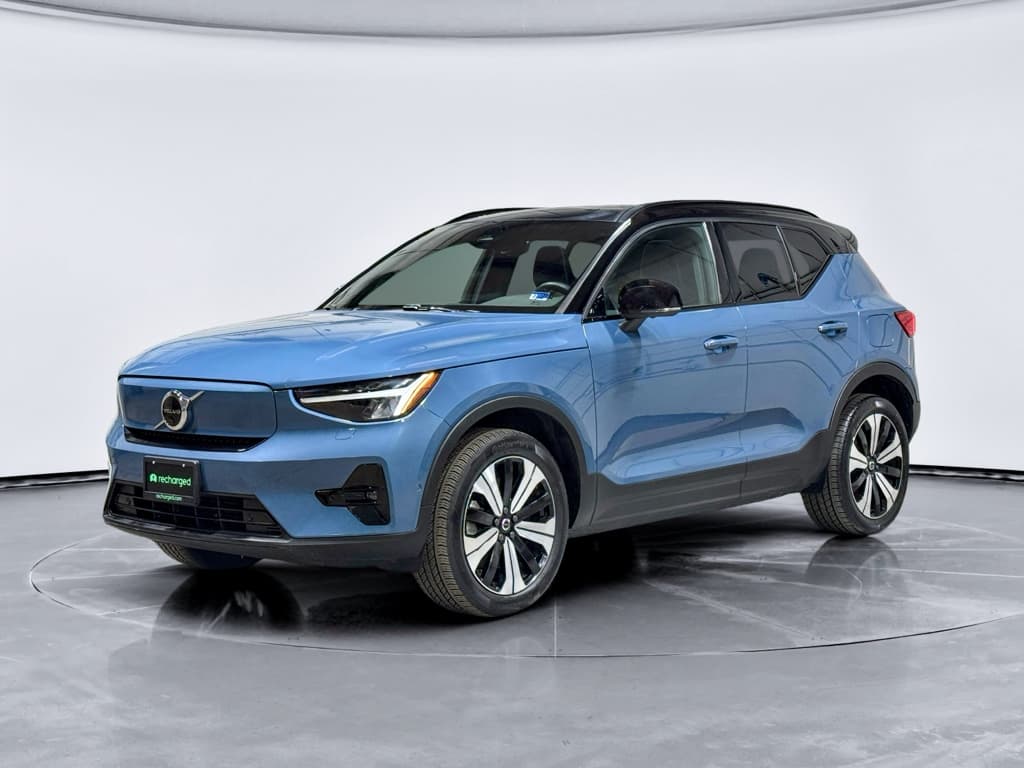
If you’re eyeing a Volvo C40 Recharge, depreciation rate may be the make‑or‑break factor. Early electric SUVs have taken some of the steepest value drops in the market, and the **C40 Recharge is no exception**, but that can be good news if you’re shopping used.
Key context
Volvo C40 Recharge depreciation rate at a glance
High‑level Volvo C40 Recharge depreciation picture
Broadly, the **Volvo C40 Recharge depreciates faster than many gas‑powered luxury SUVs** but is in line with a lot of other early‑generation EVs. Where it gets interesting is the shape of the curve: the first 2–3 years are punishing, but depreciation slows noticeably once the initial price shock and technology gap are baked in.
How fast does a Volvo C40 Recharge depreciate?
Different data sources approach depreciation a bit differently, but they tell a similar story for the C40 Recharge:
- Kelley Blue Book’s **2024 C40 Recharge Cost to Own** model estimates about **$34,000 in depreciation over 5 years**, leaving a residual value in the low‑$20,000s from a mid‑$50,000s MSRP.
- For the **2022 C40 Recharge**, KBB’s depreciation view shows the car retaining roughly **59% of its value after 3 years**, implying about a **41% value loss** in that period.
- Pricing tools aimed specifically at the C40 Recharge Pure Electric suggest roughly **40–45% depreciation in the first 3 years** and **around 60% by year 5**, assuming average mileage.
- Lease residual examples for 36–39 month terms often sit in the low‑20% range of original MSRP at the end of term, which aligns with the idea that **much of the value is gone by year 4**.
Put simply: if you buy a **new** C40 Recharge today and sell it in about five years, you should mentally prepare for the car to be worth **around 35–45% of what you paid**, depending on mileage, condition, and trim.
Don’t compare to gas SUVs one‑to‑one
3–10 year Volvo C40 Recharge value curve
Illustrative Volvo C40 Recharge depreciation curve (US market)
Approximate depreciation and residual value for a C40 Recharge Pure Electric, assuming an original MSRP of $60,000 and typical mileage. This is a blended view of several data sources and should be treated as a ballpark, not a quote.
| Age | Estimated depreciation from new | Approx. % of original MSRP remaining | Illustrative market value (from $60,000) | What this usually looks like |
|---|---|---|---|---|
| 1 year | $20,000–$24,000 | 60–67% remaining | $36,000–$40,000 | Lightly used, often ex‑lease or demo units |
| 2 years | $25,000–$30,000 | 50–58% remaining | $30,000–$35,000 | Core of the CPO and late‑model used market |
| 3 years | $26,000–$32,000 | 45–55% remaining | $27,000–$33,000 | Where many off‑lease C40s land in volume |
| 5 years | $34,000–$38,000 | 35–45% remaining | $21,000–$27,000 | Sweet spot for value‑oriented used buyers |
| 8–10 years | $43,000–$46,000 | 20–30% remaining | $12,000–$18,000 | Heavily age‑ and mileage‑dependent, battery and service history matter most here |
Depreciation accelerates in years 1–3 and then tapers as the C40 Recharge finds its footing in the used market.
Methodology note
Why the Volvo C40 Recharge depreciates the way it does
Four big forces behind C40 Recharge depreciation
Most are shared with other early‑generation EVs, but some are model‑specific.
1. Rapid EV tech improvement
Battery, range and charging tech are moving quickly. The earliest C40 Recharge models launched with more modest range and efficiency than newer rivals and even later C40 updates. When a newer EV delivers noticeably more range and faster charging for the same money, older examples get repriced quickly.
2. Heavy new‑car incentives
Volvo and dealers have used aggressive discounts, finance offers and lease cash to move new C40 stock at times. When a shopper can buy or lease new at a deep discount, it compresses what the used car can command, even if it’s only a year old.
3. EV uncertainty & demand swings
Range anxiety, public‑charging frustrations, and sensational headlines about EV depreciation all weigh on buyer confidence. That softens demand in the first resale cycle, especially for models that aren’t household names like Tesla or Ford’s Mustang Mach‑E.
4. Battery health vs. perception
Real‑world data so far suggests modern EV batteries, including Volvo’s, hold up well in the first 8–10 years. But many shoppers still worry about replacement costs. Until tools like battery‑health reports become mainstream, that fear shows up as lower offers on older EVs.
Why this can work in your favor
Volvo C40 Recharge vs. other electric SUVs on depreciation
Compared with gas luxury compact SUVs
- Many gas luxury compact SUVs from brands like BMW, Audi and Lexus lose roughly 45–55% of value in 5 years.
- The C40 Recharge’s curve, often closer to 55–65% over 5 years, is steeper, particularly in the first 2–3 years.
- However, EVs carry far lower fuel and maintenance costs, which narrows the gap in total ownership cost.
Compared with other electric SUVs
- In Europe, trade‑in data has put the C40 among the faster‑depreciating EVs, with ~30% drops in some 12‑month windows during the post‑pandemic price reset.
- In the US, it tends to depreciate a bit faster than Tesla’s Model Y but broadly in line with many non‑Tesla EV crossovers.
- Sibling vehicles like the XC40 Recharge show similar patterns, suggesting this is more about segment and timing than a flaw in the C40 itself.
Don’t chase exact percentages
What this depreciation rate means if you buy new
If you’re considering a **brand‑new** Volvo C40 Recharge, the depreciation math should be front and center in your decision.
Key questions to ask if you’re buying a new C40 Recharge
1. How long do you plan to keep it?
If you tend to trade out of cars every 2–3 years, a C40 Recharge can be an expensive choice in pure depreciation terms. Keeping it **5–8 years** spreads those early losses over more time and lets you benefit from lower fuel and maintenance costs.
2. Are lease residuals realistic?
Lease programs sometimes build in optimistic residual values that may not match actual resale conditions. If you’re leasing, know what the **buyout price** will be and compare it to realistic market projections before signing.
3. Are there heavy discounts on new?
If the dealer is advertising **big cash rebates or steep discounts** on new C40s, that can be a sign that transaction prices are lower than MSRP across the market. Great for you today, but it may also pull used‑car values down faster.
4. How does it compare to used options?
Before locking in a new‑car deal, look at **2–3‑year‑old C40s or XC40 Recharges**. If a lightly used example meets your needs at a deep discount, depreciation works for you instead of against you.
When buying new rarely makes sense
Why the Volvo C40 Recharge can be a great used EV value
The same depreciation that frustrates first owners can **create real value for second owners**. By year 3–5, the C40 Recharge typically lands in a price band that undercuts many comparable luxury EVs, while still offering a strong feature set and Volvo’s safety reputation.
Upsides of buying a C40 Recharge after the steep depreciation hit
Where a used‑focused retailer like Recharged sees opportunity.
Safety & comfort at a discount
Even 3–4‑year‑old C40s generally retain features like advanced driver‑assist systems, premium audio, and a well‑finished cabin. Depreciation lets you access those for the price of a new mass‑market compact crossover.
Battery health tends to hold up
Field data across many modern EVs shows relatively modest battery degradation in the first 8–10 years when vehicles are well cared for. That means you can often buy a used C40 with plenty of real‑world range left, especially if you can verify pack health.
Lower running costs vs. gas
Compared with comparable gas luxury crossovers, a used C40 Recharge can save you thousands over several years in fuel and routine maintenance, which helps offset earlier depreciation in the vehicle’s life.
How Recharged helps here
Ready to find your next EV?
Browse VehiclesHow to shop a used Volvo C40 Recharge smartly
Once you accept that early depreciation is baked in, the job as a used‑EV shopper is to **separate the bargains from the future headaches**. Here’s how to approach it.
Used Volvo C40 Recharge buyer checklist
1. Focus on 2–5‑year‑old examples
You’re aiming for units that have already absorbed the worst depreciation but are still new enough that warranty coverage may apply and hardware (like infotainment and driver‑assist tech) doesn’t feel dated.
2. Get objective battery‑health data
Don’t rely only on a range estimate in the gauge cluster. Look for a **third‑party or dealer battery‑health report**, or a marketplace like Recharged that runs diagnostic tests as part of its Recharged Score.
3. Compare asking price to original MSRP
If the original window sticker was $58,000 and the 3‑year‑old C40 you’re looking at is still listed at $45,000, depreciation hasn’t really worked in your favor yet. For most 3‑year‑old C40s, a **30–50% discount to MSRP** is a more realistic band.
4. Check for software updates & recalls
Volvo has rolled out software updates that can affect charging behavior, range estimates, and driver‑assist performance. Confirm that **all recalls and updates** have been addressed; they can meaningfully affect long‑term satisfaction and, in some cases, resale value.
5. Evaluate charging fit for your life
If you have reliable home Level 2 charging, the C40’s range and DC‑fast‑charging profile are usually sufficient for daily use and road trips. If you rely heavily on public DC fast charging, factor those costs into your ownership math.
6. Look at total cost, not just price
Insurance, taxes, and electricity vs. fuel can shift the equation. A slightly higher‑priced, lower‑mileage C40 with clean history may be the better deal over 3–5 years than a cheaper one that’s been neglected.
Buying a used C40 Recharge through Recharged
If you decide the depreciation curve works in your favor, Recharged is built to make the rest of the process simpler:
- Recharged Score Report with battery diagnostics and pricing transparency.
- Fully digital buying experience with EV‑specialist support when you need it.
- Options for financing, trade‑in, instant offers, or consignment.
- Nationwide delivery and an on‑site Experience Center in Richmond, VA if you prefer to see vehicles in person.
Why that matters for depreciation
Transparent, data‑driven pricing helps make sure you’re actually capturing the depreciation discount you should be getting on a used C40. And verified battery health gives you confidence that the value you’re buying today will still be there several years down the road.
FAQ: Volvo C40 Recharge depreciation and resale value
Frequently asked questions about Volvo C40 Recharge depreciation
Bottom line: Is the Volvo C40 Recharge’s depreciation a deal-breaker?
The **Volvo C40 Recharge depreciation rate is undeniably steeper than many gas SUVs**, especially in the first 3 years. If you’re a short‑cycle, buy‑new‑every‑few‑years kind of driver, that’s a serious strike against it. But if you’re willing to buy after the initial value drop, or keep the vehicle long enough to spread that loss out, the C40’s combination of safety, comfort, and zero‑tailpipe‑emission driving still adds up.
From a used‑EV standpoint, those early depreciation hits actually turn the C40 Recharge into one of the **more compelling luxury EV values** on the market. The key is going in with clear expectations, solid data on pricing and battery health, and a partner that treats transparency as a feature, not a favor. That’s the lens Recharged applies to every used C40 Recharge it lists, so you can let depreciation work for you instead of against you.