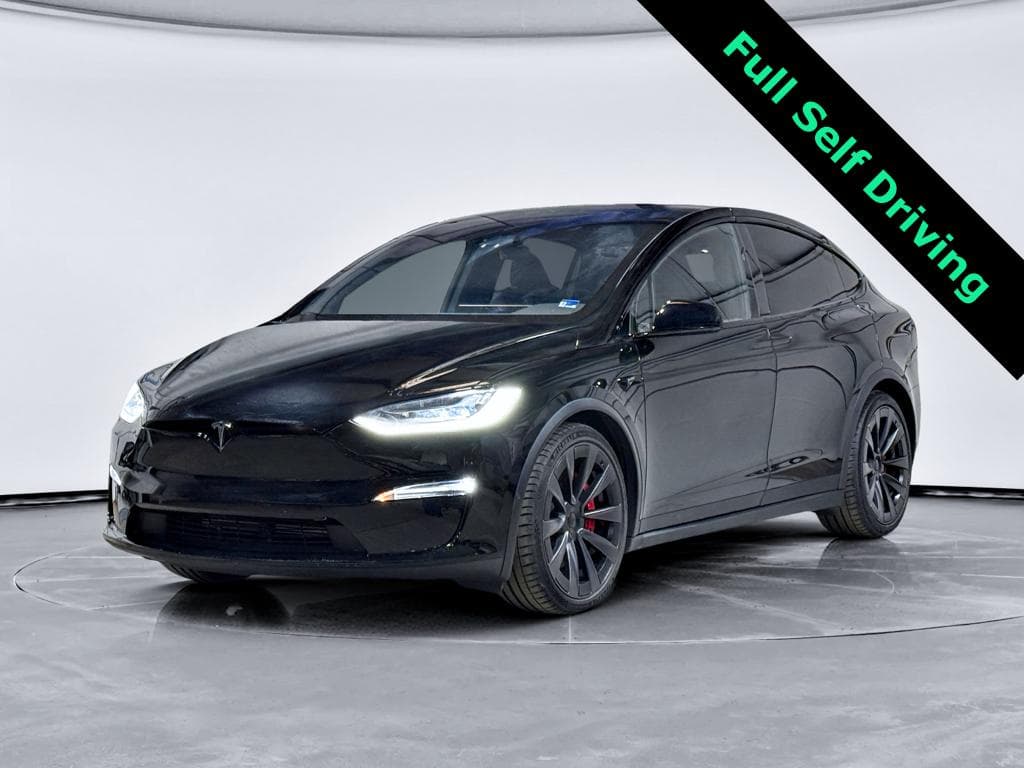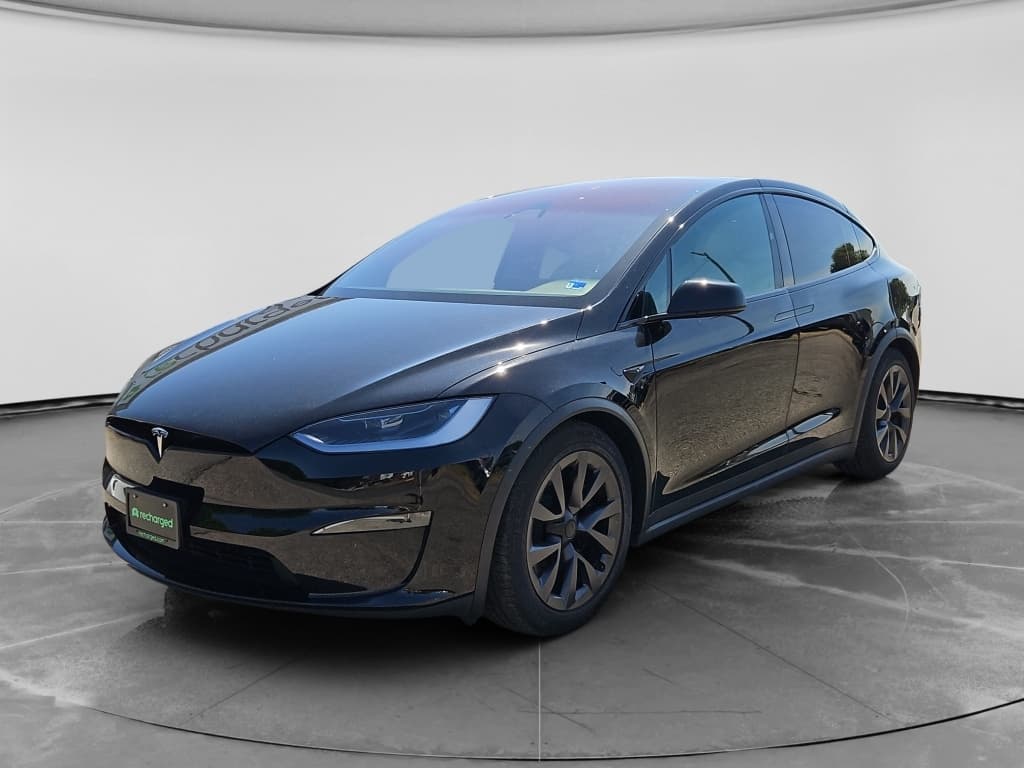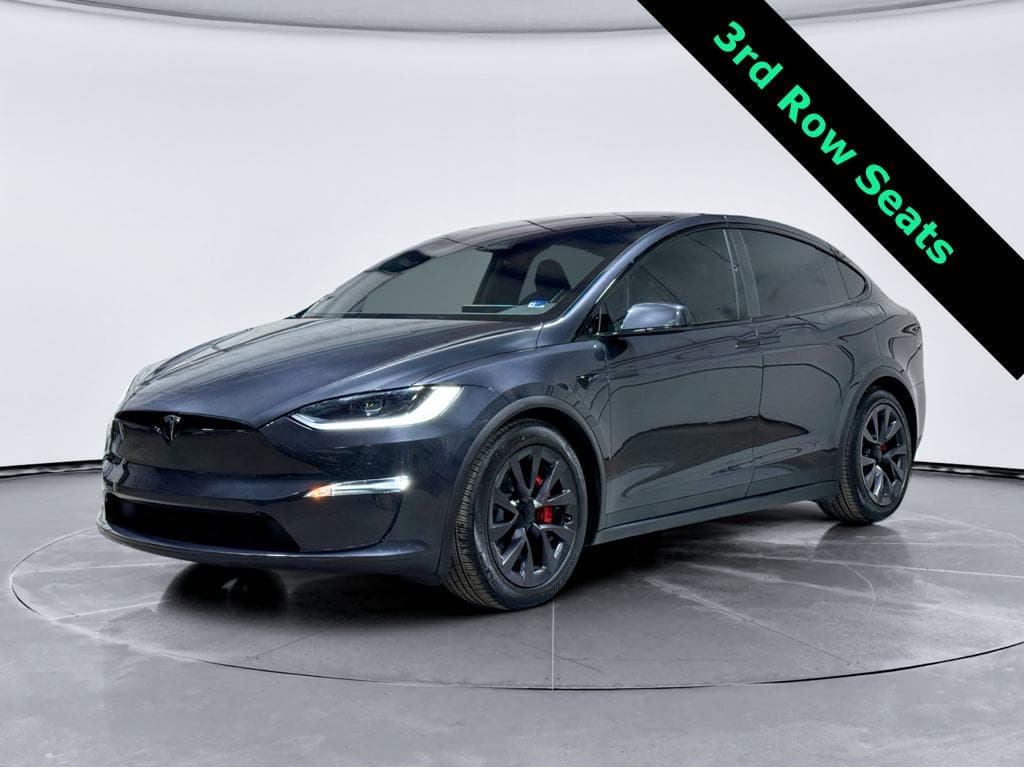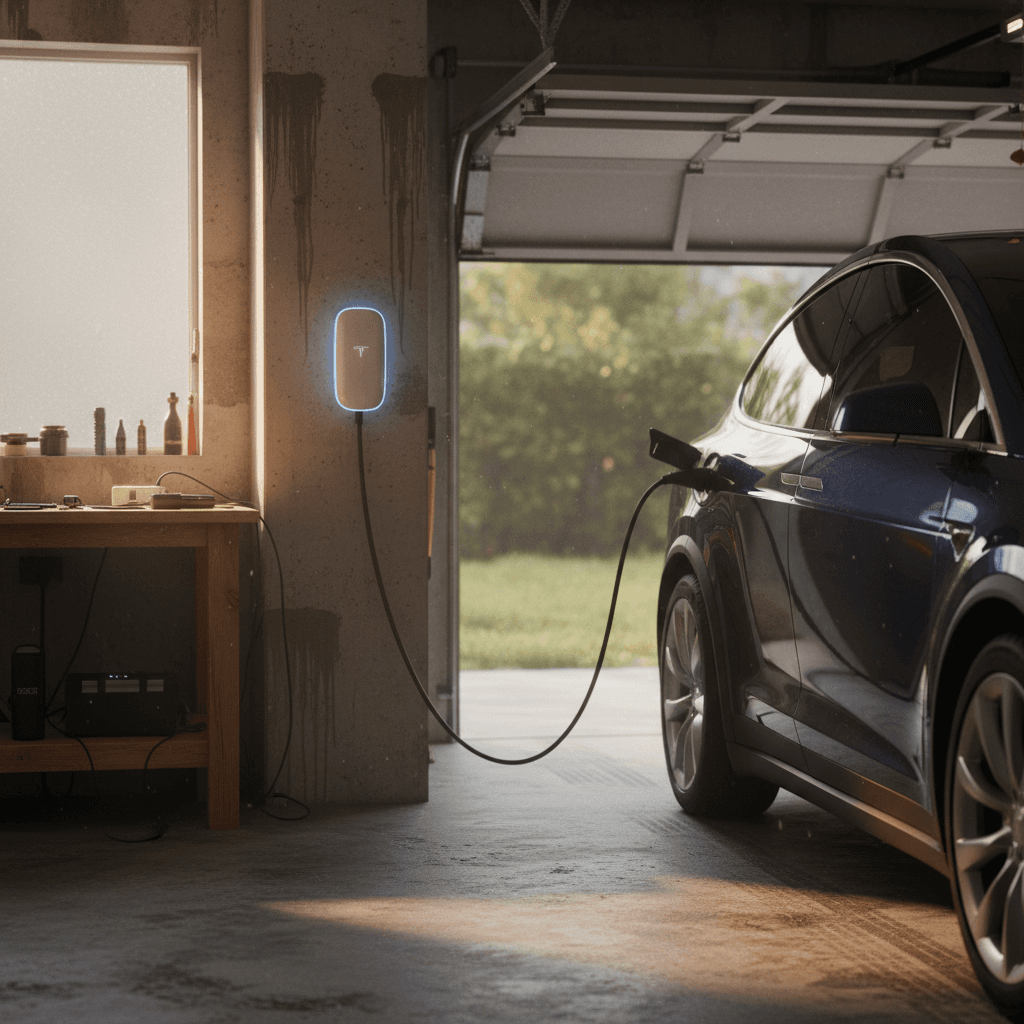
If you own a Tesla Model X or you’re shopping for a used one, the **best home charger** you choose will quietly determine how convenient the SUV feels to live with. The right setup lets you leave every morning with a full battery, while the wrong one can turn simple errands into range anxiety. Let’s walk through what actually matters when picking the best home charger for a Tesla Model X in 2026, and when a Tesla Wall Connector is worth it versus a good third‑party Level 2 charger.
Key takeaway
Why home charging matters for Model X owners
The Model X is a large, long‑range SUV with a big battery pack. That’s an asset on road trips, but it also means you’re moving a lot of energy in and out of the pack every week. Public DC fast charging is great when you’re traveling, but daily life is where **home Level 2 charging** pays for itself:
- Convenience: Plug in at night, wake up to the range you need, no detours to public chargers.
- Battery health: Frequent DC fast charging is harder on the pack than steady overnight AC charging.
- Lower cost per mile: In many U.S. utilities, off‑peak residential rates beat public charging prices.
- Time savings: Even a short daily commute quickly justifies skipping charging stops.
Think about your weekly, not daily, driving
How fast can a Tesla Model X charge at home?
Before you pick "the best" home charger, you need to understand **the limit inside the car**. Recent Tesla Model X versions have an onboard AC charger that accepts up to roughly **11 kW** from a Level 2 source. In practice, that’s achieved with a 240‑volt supply at up to 48 amps, which is exactly what Tesla’s current Wall Connector is designed to deliver.
Tesla Model X home charging basics
The important point: **any charger that can consistently supply 40–48 amps at 240 V will feel "fast" at home** for a Model X. Paying more for a 60‑amp or 80‑amp EVSE doesn’t make the vehicle charge faster if the onboard charger tops out around 11 kW.
Tesla Model X best home charger: the short answer
If you just want the bottom line, here it is. The best home charger for most Tesla Model X owners in 2026 is one of these three, depending on your situation:
Best home charger picks for Tesla Model X
Match the charger to your home, budget, and future plans
Best overall: Tesla Wall Connector (NACS)
Ideal for: Tesla‑only garages that want maximum simplicity.
- Up to 48 A (about 11.5 kW) on a 60‑amp circuit.
- Button on handle opens the Model X charge port.
- Wi‑Fi, load sharing, and over‑the‑air updates.
- Clean design, usually the cheapest quality 48‑amp option.
Best if you own non‑Teslas too: Tesla Universal Wall Connector
Ideal for: Mixed garage with Tesla plus J1772 vehicles.
- Looks like a normal Tesla charger.
- Built‑in switchable handle: NACS for Tesla, J1772 for others.
- Same 48‑amp capability and smart features.
- Future‑proof if friends, kids, or guests drive other EVs.
Best third‑party: 40–48 A smart Level 2 charger
Ideal for: Homes that want a brand‑agnostic charger.
- Emporia, ChargePoint Home Flex, MSI EV Life, and others compete here.
- Wi‑Fi apps, load management, and energy monitoring are common.
- Pairs with a short NACS adapter if the unit is J1772‑only.
When in doubt, pick the Wall Connector
Tesla Wall Connector vs. Universal Wall Connector
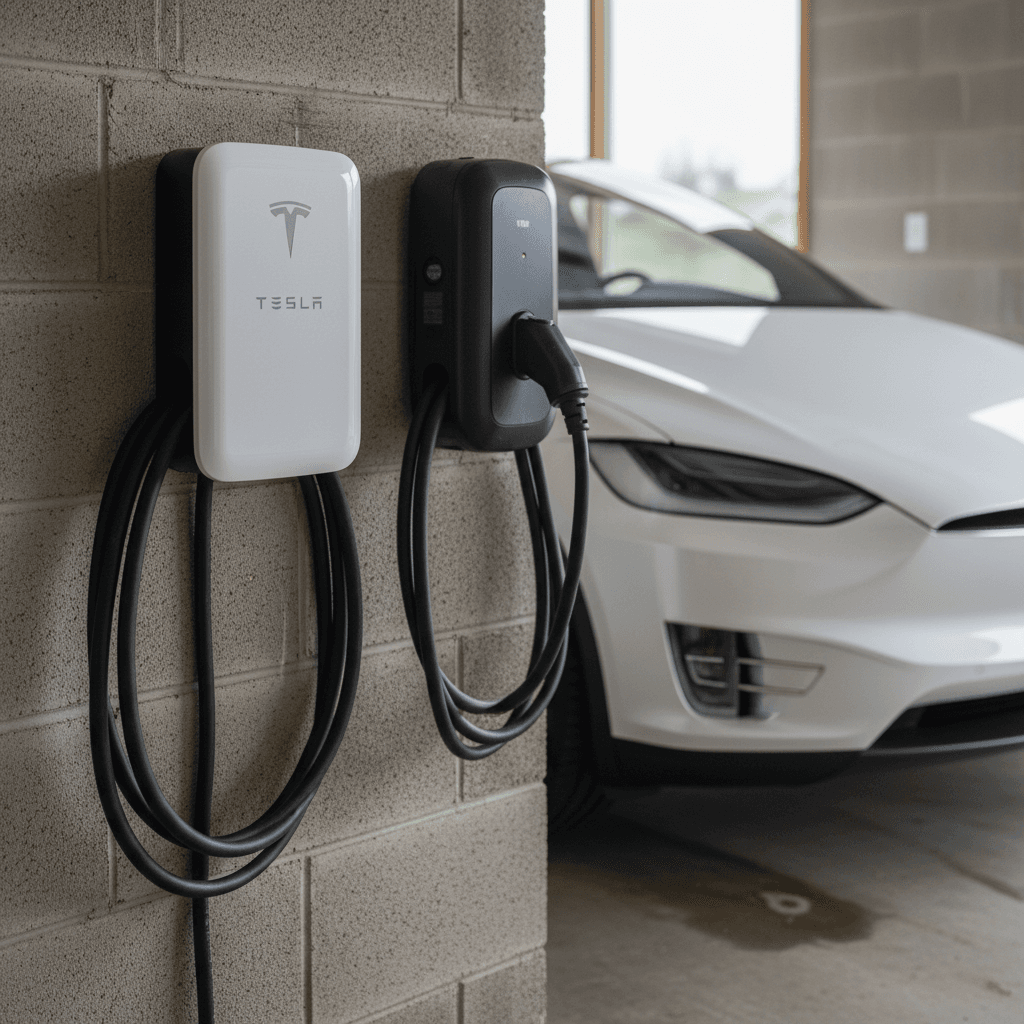
Tesla now sells two closely related home chargers in North America: the **Wall Connector** (NACS only) and the **Universal Wall Connector**, which adds a built‑in J1772 adapter on the handle. Both are 48‑amp, Wi‑Fi‑enabled Level 2 chargers that work perfectly with a Model X, but a few details will push you one way or the other.
Tesla home chargers for Model X compared
Key differences between Tesla’s current home charging options for U.S. Model X owners.
| Feature | Wall Connector (NACS) | Universal Wall Connector |
|---|---|---|
| Connector | Tesla NACS only | NACS handle with built‑in J1772 adapter |
| Max current | 48 A | 48 A |
| Typical circuit | 60‑amp, 240 V | 60‑amp, 240 V |
| Charge‑port button | Yes | Yes |
| Works with non‑Teslas | Only with separate adapter | Yes, via built‑in adapter |
| Smart features | Wi‑Fi, load sharing, scheduling | Same feature set |
| Best for | Tesla‑only garage | Mixed Tesla + non‑Tesla garage |
Either charger will fully support a Model X at home; your garage mix and budget decide the winner.
Think about the next 5–10 years
Top third‑party home chargers for Tesla Model X
Tesla’s hardware is excellent, but it’s not your only option. A number of **independent 40–48 amp Level 2 chargers** now support both NACS and J1772, with robust apps and strong warranties. For a Tesla Model X, what matters most is build quality, outdoor rating, smart features, and how well the unit integrates with your home’s electrical capacity.
Well‑regarded third‑party chargers for Model X owners
Representative examples as of 2026 (always check current specs and pricing)
Emporia Level 2
- Up to 48 A, hardwired or plug‑in versions.
- Strong energy‑monitoring app and load‑management options.
- NEMA 4 enclosure suitable for outdoor mounting.
- Excellent value if you want data and control.
ChargePoint Home Flex
- Adjustable from 16–50 A, app‑controlled.
- Well‑developed software and utility program integrations.
- Usually J1772; use a short NACS adapter for Model X.
- Good fit if you already use ChargePoint publicly.
MSI EV Life / EV Life Plus
- Up to 60 A capability (more than a Model X needs).
- Available with NACS or J1772 connectors.
- Bluetooth, Wi‑Fi, and optional OCPP connectivity on Plus models.
- Appealing if you like detailed monitoring and open protocols.
Watch adapter quality
Sizing your circuit: amps, volts, and the 80% rule
In the U.S., **home Level 2 charging** uses 240 volts. The circuit breaker and wire size you choose dictate how many amps your charger can safely deliver. Because EV charging is considered a continuous load under the electrical code, you can only use **80% of a circuit’s rating** for hours‑long charging.
Common home EV charging circuit choices
How breaker size translates into usable continuous charging current at 240 V.
| Breaker size (240 V) | Max continuous amps (80%) | Approx. kW delivered | Good fit for |
|---|---|---|---|
| 30 A | 24 A | ≈ 5.8 kW | Apartments, limited panels, light drivers |
| 40 A | 32 A | ≈ 7.7 kW | Moderate‑mileage drivers, older wiring |
| 50 A | 40 A | ≈ 9.6 kW | Very common upgrade, plenty for most |
| 60 A | 48 A | ≈ 11.5 kW | Ideal for maximizing Model X AC speed |
A 60‑amp circuit is the standard recommendation for a 48‑amp Level 2 charger and works well for a Tesla Model X.
For a Tesla Model X, a **50‑ or 60‑amp circuit** is usually the best sweet spot. If your panel has the capacity, 60 amps lets a Wall Connector run at the full 48 amps the car can use. If panel space or budget are tight, 40 amps (32 A charging) will still replenish a typical commute overnight.
Don’t DIY high‑amp EV circuits
Smart features, load management, and apps
Modern EV chargers are as much software as hardware. For a big‑battery vehicle like the Model X, **smart features** can save real money and make limited electrical service go further:
1. Scheduling and time-of-use rates
Many utilities now offer cheaper power late at night. A Wi‑Fi‑enabled charger or the Tesla app can schedule the Model X to start charging after peak hours and stop before you leave for work. Over a year, that can shave a meaningful amount off your charging bill.
2. Load sharing and panel protection
If you have multiple EVs or a smaller electrical panel, look for chargers with load management features. Tesla Wall Connectors, Emporia, and others can coordinate with each other or with a home energy monitor, automatically reducing charge current when other big loads (oven, dryer, AC) are running.
For most Model X drivers, basic scheduling plus the ability to dial back current in the app is enough. If you’re planning to add solar, a second EV, or a home battery, investing in a charger with more advanced energy‑management integrations can future‑proof your setup.
Installation, costs, and permitting
The charger itself is only part of the bill. For a Tesla Model X home‑charging setup in a typical U.S. single‑family home, your **total project cost** generally breaks down into three buckets: hardware, installation, and permitting/inspection.
- Charger hardware: Tesla’s Wall Connector and many 48‑amp competitors are typically priced in the low‑to‑mid‑hundreds of dollars before any incentives.
- Electrical work: A simple install near an existing panel might be a few hundred dollars; long runs, trenching, panel upgrades, or sub‑panels can push costs much higher.
- Permits and inspections: Some jurisdictions require a permit for any new 240‑volt circuit, especially at 40 amps or more. Your electrician usually handles this.
Ask these questions when getting quotes
Charging strategies to protect your Model X battery
Choosing the best home charger for your Tesla Model X is only half the story. How you use it day‑to‑day has a big impact on **battery longevity and convenience**. The good news is that simple habits go a long way:
- Daily setpoint: For most Model X packs, keeping the charge limit around 80–90% for daily use balances convenience and long‑term health. Save 100% charges for road trips.
- Stay plugged in: Tesla recommends leaving the car plugged in when parked at home, letting the battery management system do its job.
- Moderate power when you can: If you have all night to charge, there’s no harm in dialing your charger down from 48 A to 32–40 A via the app, especially in very hot weather.
- Let the car manage preconditioning: In cold climates, schedule departure so the car can warm the pack while still connected to shore power, improving efficiency and speed when you set out.
Match charge speed to your real needs
Home charging checklist for Tesla Model X
Step‑by‑step plan to choose the right home charger
1. Confirm your driving pattern
Estimate your typical daily and weekly miles. If you’re under 200 miles a week, even a 32‑amp charger will usually be more than enough. Heavy commuters and frequent road‑trippers may benefit from a full 48‑amp setup.
2. Check your electrical panel capacity
Have an electrician, or a knowledgeable friend as a first pass, look at your main panel’s amp rating and open breaker spaces. This determines whether a 40‑ or 60‑amp EV circuit is realistic without a service upgrade.
3. Decide between Tesla and third‑party hardware
If your garage is Tesla‑only and you care about simplicity, lean toward the Wall Connector. If you have or expect non‑Tesla EVs, look seriously at the Universal Wall Connector or a high‑quality third‑party charger with NACS or J1772 plus adapter.
4. Choose amperage and location
Work with your electrician to pick the breaker size and mounting spot that minimize wiring runs but still make plugging in easy. Consider parking patterns, cable reach, and whether the unit needs to live outdoors.
5. Plan smart features and integrations
Decide whether basic scheduling via the Tesla app is enough, or if you want deeper energy monitoring, solar integration, or multi‑EV load management from the charger itself.
6. Get multiple quotes and confirm permits
Collect at least two electrician quotes with clear line items for hardware, labor, permits, and any panel work. Ask who will schedule the inspection and what you’ll need to do on installation day.
FAQ: Tesla Model X home charging
Frequently asked questions about Model X home chargers
How Recharged helps with used Model X and charging
If you’re browsing used Tesla Model X listings, it’s smart to think about **home charging** at the same time you’re comparing trim levels and options. At Recharged, every vehicle comes with a Recharged Score Report that includes verified battery health, fair‑market pricing, and expert commentary on how that specific vehicle has likely been charged and used. That context matters when you’re about to pair a big‑battery SUV with a new home charger.
Recharged’s EV specialists can also help you estimate the right charger size for your driving, talk through installation questions, and coordinate timing so your Level 2 setup is ready when your Model X arrives. Whether you end up with a Tesla Wall Connector, a Universal Wall Connector, or a high‑quality third‑party charger, the goal is simple: plug in at home, wake up full, and let the car quietly do its job while you live your life.