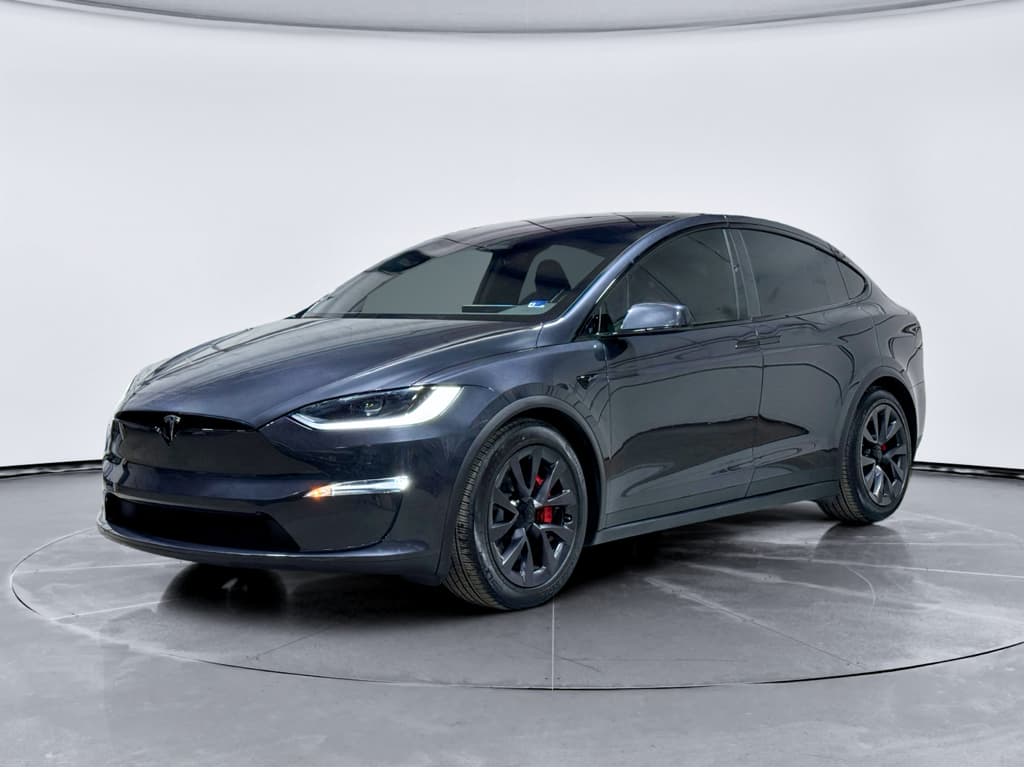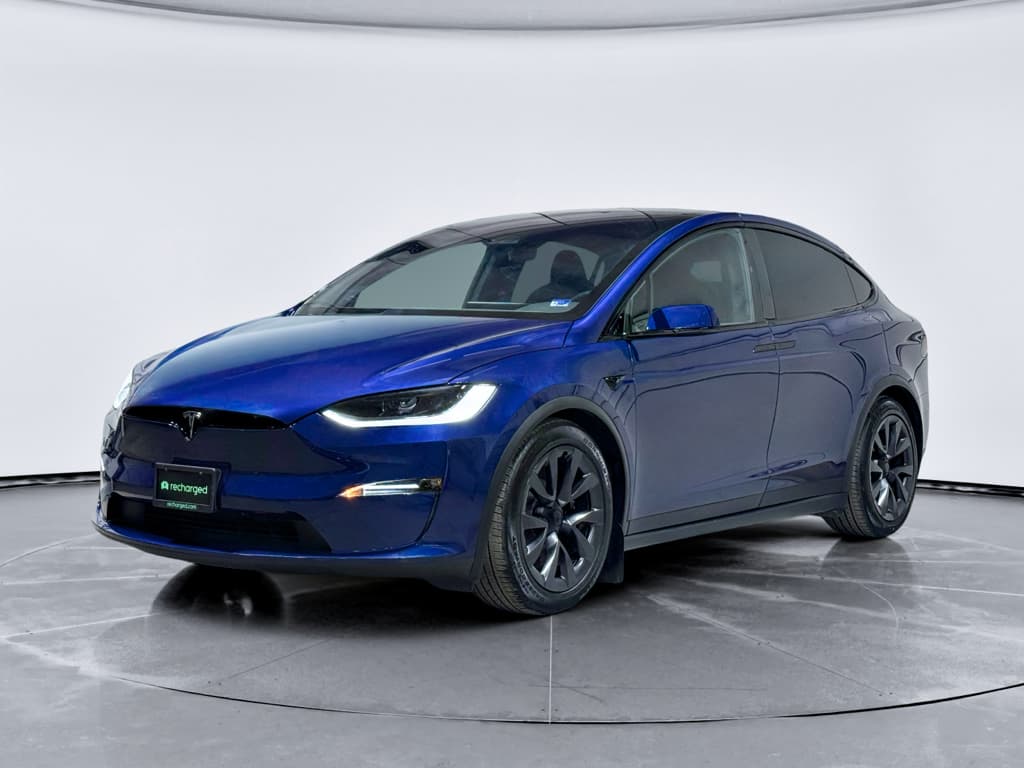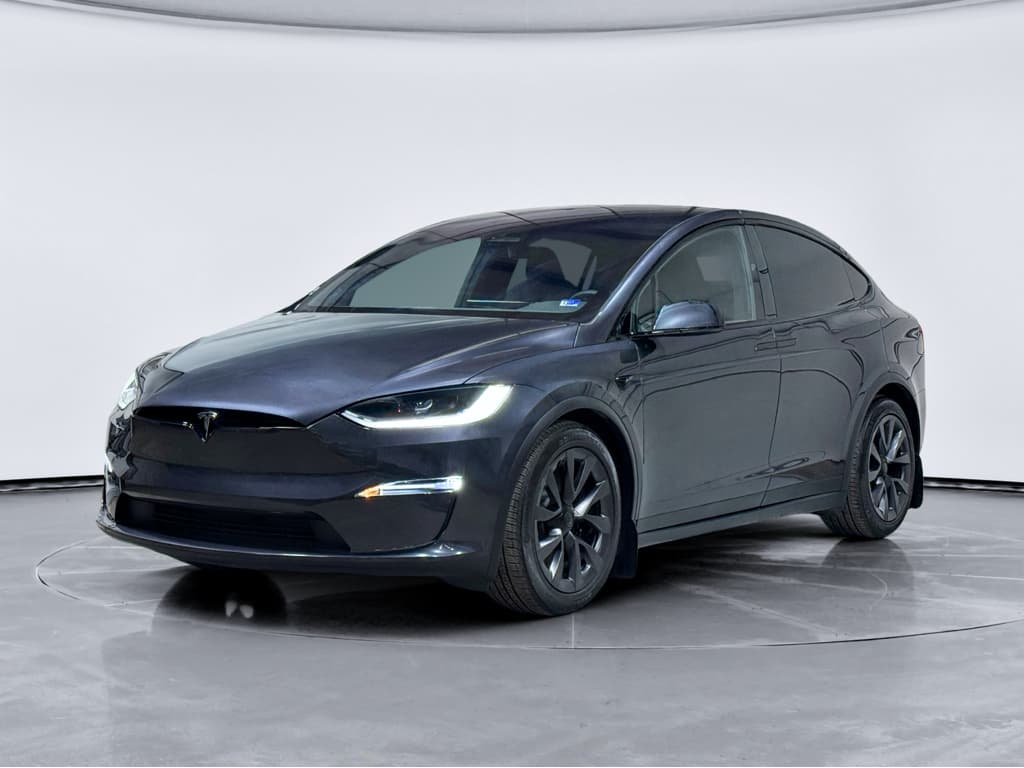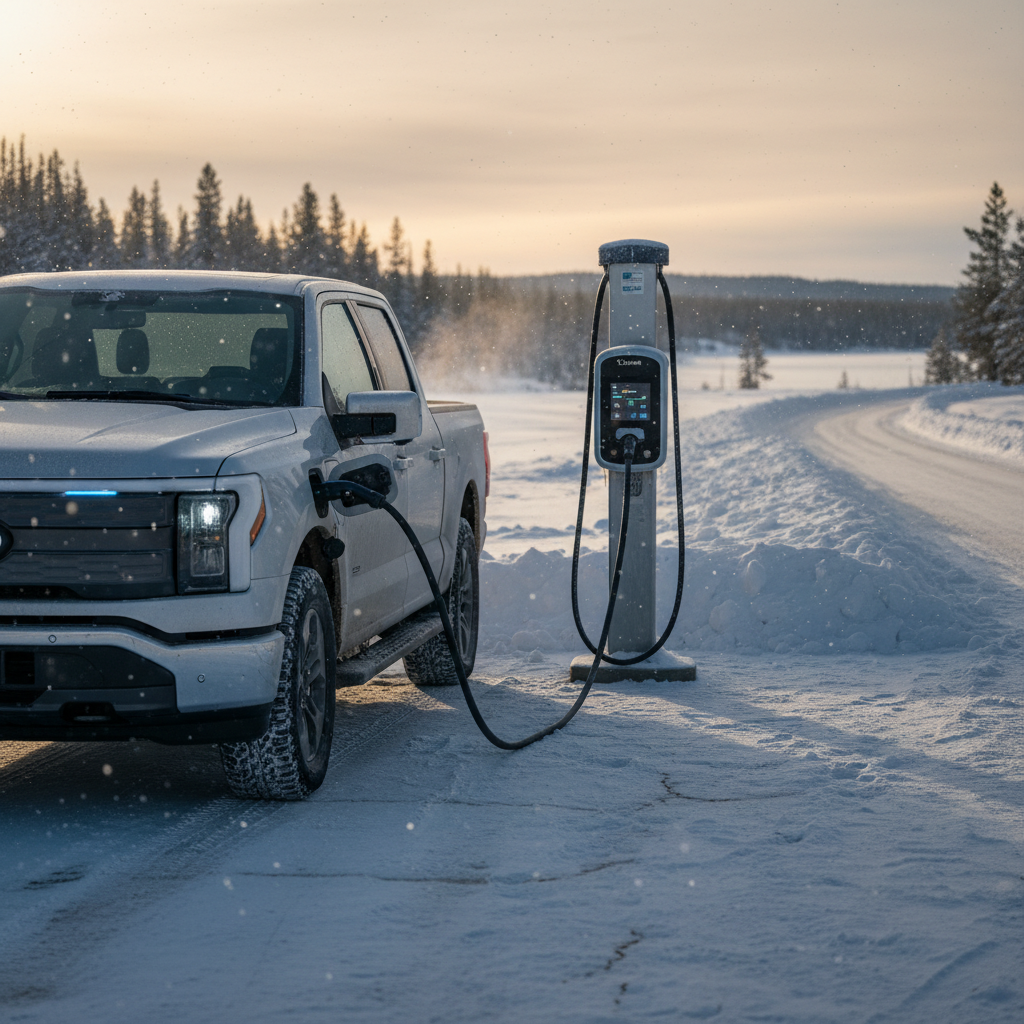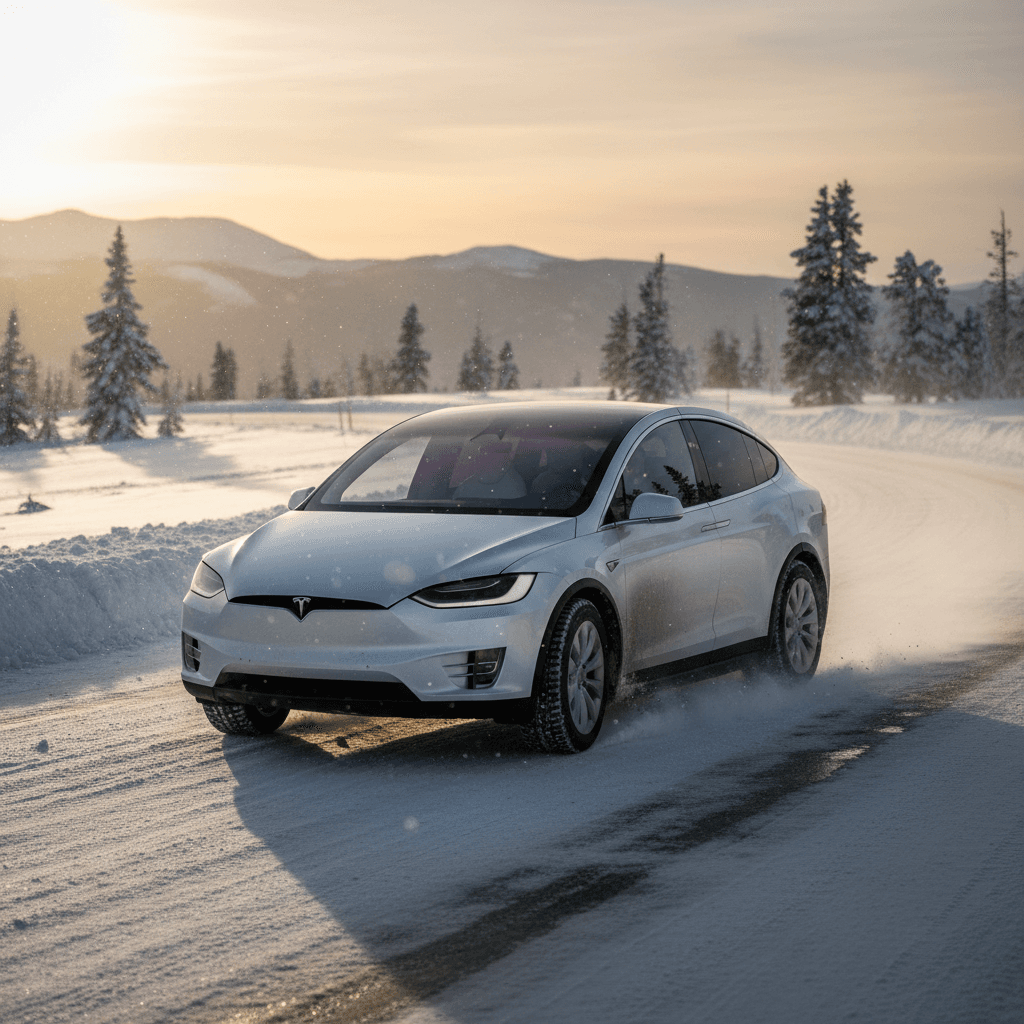
If you live where the plows are out before sunrise, it’s fair to wonder whether the **Tesla Model X is really one of the best EVs for snow and ice**, or just an expensive way to get stuck in your unplowed driveway. The truth sits right between the marketing photos and the horror stories. Set up correctly, a Model X is a very capable winter family hauler. Set up poorly, it’s a heavy, low-slung luxury SUV on summer tires. Let’s walk through what actually matters.
Quick Take
Overview: Is the Tesla Model X good in snow and ice?
From a hardware perspective, the Model X checks many winter‑driving boxes: dual‑motor **all‑wheel drive**, sophisticated **traction and stability control**, and **adjustable air suspension** that can raise the body for more clearance. Tesla also bakes in cold‑weather touches like battery pre‑conditioning, heated seats and steering wheel, and available heated wipers and washer nozzles, depending on year and trim.
Tesla Model X winter-relevant specs (recent model years)
So **is the Tesla Model X “the best” EV for snow and ice?** For most suburban and highway winter driving, it’s absolutely in the top tier, provided you invest in the right tires and understand its limits. If your roads resemble a plowed interstate more often than a logging trail, the Model X will likely feel secure and drama‑free. If you regularly bash snowbanks with a 4Runner, you’ll find its limits sooner.
Why EVs like the Model X feel different in winter
Instant torque, computer in charge
In a Model X, both axles get power from electric motors with instant torque. The traction control computer can cut or add power in milliseconds when it senses slip. That gives you a planted, almost “on rails” feel on packed snow, so long as your tires can bite.
Heavy battery, low center of gravity
The battery pack sits under the floor, so the Model X is heavy but very stable. That weight can help traction on snow but hurt you if you’re pushing deep drifts or high‑centered on ruts. You’re not floating on powder; you’re cutting through it.
Compared with a gas SUV, you’ll probably notice that the Model X **spins its wheels less and straightens itself sooner** when things get slick. You may also notice that when it does slide, there’s a lot of mass moving, this is a big vehicle. Respect that weight, and it rewards you with calm, predictable behavior.
Don’t Let the Traction Control Fool You
Tesla Model X strengths in snow and ice
Where the Model X really shines in winter
These strengths are why many owners daily-drive their X through harsh winters.
Ultra-fine traction control
The dual‑motor AWD system can send power front or rear almost instantly. Traction control is tuned to prevent wild wheelspin, helping you pull away cleanly on slick intersections and on-ramps.
Adjustable ride height
With air suspension, many Model X trims can be raised to around 8 inches of clearance. That helps clear plow berms, rutted alleys, and driveway humps that would challenge a low sedan.
Built-in cold weather features
Preconditioning via the Tesla app warms the battery and cabin before you leave. Available heated seats in all rows, heated steering wheel, and heated mirrors make cold starts far more pleasant.
Stable, planted handling
The low battery pack keeps the center of gravity down. On packed snow, the Model X tends to track straight and resist body roll, which inspires confidence on long winter drives.
Over-the-air improvements
Tesla regularly tweaks traction, regen, and climate performance with software updates. That means winter behavior can actually improve over time versus being frozen at delivery.
Strong safety record
The Model X has earned top crash-test and safety scores across multiple years. In winter, that passive safety and active driver-assistance stack add a margin of security if things go wrong.
If you’re coming out of a two‑row crossover or minivan, the Model X will feel familiar in footprint but more composed, especially on slushy freeways and crowned two‑lane roads. The **lack of gear changes** also means there’s no sudden shift shock to upset the chassis mid‑corner on slick pavement.
Important Tesla Model X winter limitations
Every winter hero has an Achilles’ heel. For the Model X, the biggest winter limitations are **ground clearance, tire choice, and driver expectations**. Understanding them is what keeps you off the evening news.
- **Ground clearance changes with suspension setting.** On many Model X trims, ground clearance ranges from roughly 5.5–6.5 inches in standard modes up to about 8–8.1 inches at maximum height. Forget to raise it before plowing into deep snow and you can end up high‑centered.
- **Stopping is still about tires, not motors.** AWD helps you go, not stop. On ice, a Model X on all‑season or summer tires can slide just as far as any other heavy SUV.
- **Weight is a double‑edged sword.** That big battery makes the X feel planted, but it also means more momentum. When it slides, there’s a lot of mass to manage, especially on downhill or off‑camber roads.
- **No dedicated “Snow mode.”** Unlike some SUVs with specialized snow/off‑road modes, the Model X relies on traction control, stability control, and (optionally) Slip Start. There’s no magic button that turns it into a snowmobile.
- **Doors and seals can freeze.** Falcon Wing doors and flush handles can stick if ice builds up around seals. Careful snow removal and periodic lubrication matter more here than on a basic crossover.
The Real Weak Point: Wrong Tires
Ground clearance, tires, and wheels: what really matters
When people ask whether the **Tesla Model X is best for snow and ice**, they’re usually comparing it mentally with tall, off‑road‑flavored SUVs. That’s where specifics, clearance, tire choice, and wheel size, tell the real story.
Key hardware factors for Model X winter performance
How three big pieces of the puzzle affect snow and ice behavior.
| Factor | Why it matters in winter | Best-case setup | Compromise setup |
|---|---|---|---|
| Ground clearance | Determines how deep of snow you can push through before high-centering. | Air suspension set to High in deep snow; avoid straddling ruts. | Standard height on plowed roads; raise temporarily for driveway berms. |
| Tires | Control starting, stopping, and cornering grip on snow/ice. | Dedicated winter or severe-snow all‑weather tires on 19" or 20" wheels. | Quality all‑season tires if you rarely see real snow but face cold rain and slush. |
| Wheel size | Smaller wheels give more sidewall and usually cheaper winter tires. | 19" or 20" wheels with narrower winter tires for best snow bite. | 21" or 22" wheels on performance trims look great but compromise winter grip and comfort. |
Think of tires, ride height, and wheels as the foundation. The electronics are just the frosting.
Winter Wheel & Tire Strategy
Step-by-step Tesla Model X winter setup checklist
You don’t have to be an engineer to turn your Model X into a confident winter rig. Work through this checklist before the first storm rolls in.
Pre-winter setup steps for your Tesla Model X
1. Choose the right tires
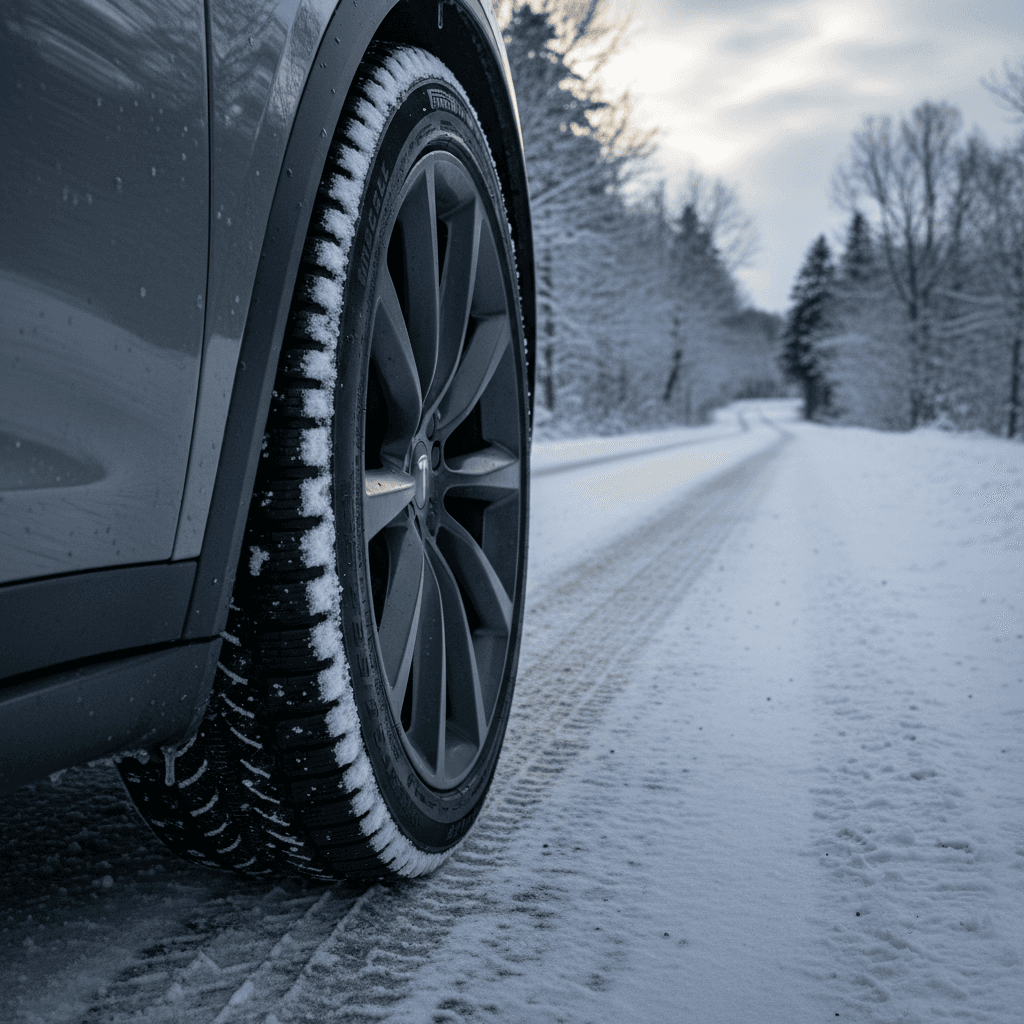
If you regularly see packed snow or ice, install **true winter tires** (or at least 3‑peak mountain/snowflake all‑weather tires). Prioritize narrower sizes and avoid ultra‑low‑profile performance rubber for winter duty.
2. Dial in suspension settings
Familiarize yourself with your Model X’s air suspension controls. Use **Standard** or **Low** on clear highways, and bump up to **High** before entering deep or uneven snow to reduce the risk of scraping or high‑centering.
3. Adjust regen and acceleration
In very slick conditions, some drivers prefer **reduced regenerative braking** so lifting off the accelerator doesn’t cause abrupt deceleration that could unsettle the vehicle. Similarly, using Chill acceleration mode can make throttle inputs gentler.
4. Learn Slip Start and traction behavior
Slip Start lets the wheels turn a bit more to help you rock out of deep snow or mud at low speeds. Practice engaging it in a safe area so you know where to find it when you’re stuck.
5. Prep doors, seals, and wipers
Clean and treat rubber seals on doors (especially Falcon Wing doors) with a silicone protectant, replace wiper blades if they smear, and top up with **winter-grade washer fluid** to prevent freezing.
6. Plan charging with the cold in mind
Cold batteries charge more slowly. Whenever you can, **precondition the battery** by navigating to a Supercharger or scheduling departure in the app so the pack is warm when you plug in.
Real-World Payoff
Range loss and charging a Model X in the cold
Snow and ice grip get most of the headlines, but anyone living through real winters with an EV will tell you: **range and charging speed matter just as much.** Cold weather hits both.
- Most drivers see roughly **20–35% range loss** in sustained freezing temperatures, depending on speed, heater use, and trip length.
- Short trips are hardest on efficiency because the battery and cabin never fully warm up.
- Fast charging on a cold battery is slower; the car will limit charging speed to protect the pack until it warms up.
- Snow‑packed roads and winter tires both increase rolling resistance, further trimming range.
How to protect your winter range
- Precondition while plugged in. Use the app to heat the cabin and battery before you leave so more energy goes to driving, not thawing.
- Use seat and wheel heaters first. They use far less energy than blasting the HVAC on max.
- Bundle errands. A single longer trip on a warm battery is more efficient than many cold starts.
Charging strategy in freezing temps
- Navigate to the Supercharger. The car will automatically warm the pack en route.
- Expect slower speeds at first. Early in a session, you may see lower kW numbers until the battery reaches its ideal temperature.
- At home, don’t obsess over speed. Even at reduced power, an overnight Level 2 session will typically cover daily needs.
Used Model X Battery Health Matters in Winter
Buying a used Model X as a winter SUV
If you’re shopping used specifically because you want a **Tesla Model X that’s great in snow and ice**, you’ll want to look beyond color and seat count. The right configuration and condition can make a huge difference in winter confidence.
Key choices when shopping a used Model X for winter
Not every X is built with the same snow-day priorities.
Seek air suspension
Models with height‑adjustable air suspension let you raise the vehicle when you need extra clearance. That’s a real advantage for driveways, alleys, and half‑plowed side streets.
Prefer smaller wheels
Look for 19" or 20" wheels if possible. They make it easier and cheaper to run proper winter rubber, and they ride better over potholes and frozen ruts.
Ask about winter setup
Find out whether the previous owner ran winter tires, had any repeated traction issues, or used features like Slip Start. A seller who takes winter seriously is more likely to have maintained the car well.
Inspect the underside
On any used Model X from snow country, have the underbody checked for corrosion or damage from snowbanks, ice chunks, or road debris. Pay extra attention around suspension components.
Check software & features
Confirm which driver‑assistance and climate features are active on the car (heated steering wheel, heated rear seats, etc.). These comfort items matter on long, cold drives.
Leverage transparent battery info
On Recharged, every used EV comes with a Recharged Score Report that includes verified battery health and fair‑market pricing, so you’re not guessing how winter range will look in year three.
Smart Shopping with Recharged
FAQ: Tesla Model X for snow and ice
Frequently asked questions about the Tesla Model X in winter
Bottom line: Is the Model X the best for snow and ice?
If your idea of winter driving is **commuting on plowed highways, ferrying kids to practice on salty side streets, and heading to the ski hill on weekends**, the Tesla Model X is absolutely one of the **best all‑electric SUVs you can choose for snow and ice**. Its AWD system, traction control, and air suspension make it calm and capable, while the quiet cabin and instant heat take the sting out of dark, frozen mornings.
Where it’s not “best” is in truly extreme conditions, unpaved roads that drift over, deep ruts, or farm‑track duty where a traditional truck‑based SUV still reigns. Even then, a well‑shod Model X will surprise you with how confidently it gets through ugly weather.
If you’re shopping used and want a winter‑ready Model X, focus on **tires, ride height, wheel size, and battery health**, not just paint and options. That’s exactly where a platform like Recharged helps: you get transparent battery diagnostics, fair‑market pricing, EV‑savvy guidance, and even trade‑in and delivery, all tuned to make sure your next winter rig is ready the moment the first flakes fly.