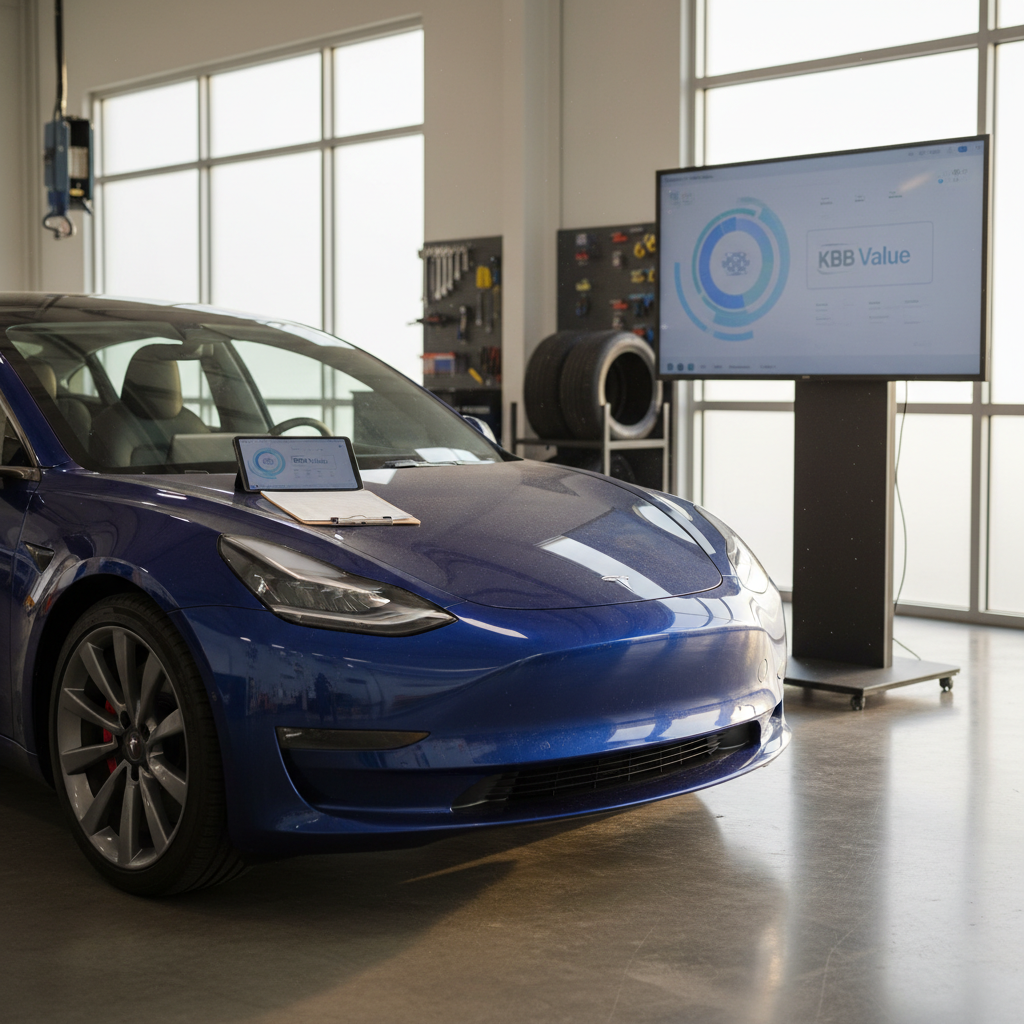
If you’re shopping for a Tesla Model X, or already own one, the big, unspoken question is simple: **what happens if the battery goes bad, and will Tesla pay for it?** This guide breaks down the Tesla Model X battery warranty, what it covers (and doesn’t), how degradation is handled, and what it all means if you’re buying used.
Key takeaway
Overview: Model X battery warranty in one glance
Tesla Model X battery warranty at a glance
Fine print alert
How long the Tesla Model X battery warranty lasts
Tesla breaks the vehicle into several warranties, but the one you care about here is the **Battery and Drive Unit Limited Warranty**. For current U.S. Model X vehicles, that coverage is **8 years or 150,000 miles**, whichever comes first, with a minimum 70% battery capacity retention target over that period.
Model X warranty basics (U.S., current terms)
How the battery warranty sits alongside the rest of the Tesla Model X coverage.
| Component | Years | Mileage limit | Notes |
|---|---|---|---|
| Basic vehicle | 4 years | 50,000 mi | Covers most non‑wear components; not the high‑voltage battery |
| Battery & Drive Unit | 8 years | 150,000 mi | Covers pack and drive units; capacity target of ~70% on newer Model X |
| Body rust | 12 years | Unlimited | Rust‑through of body panels from inside out |
| SRS (airbags, seatbelts) | 5 years | 60,000 mi | Supplemental restraint systems only |
These are Tesla’s current U.S. warranty terms; earlier Model X years may differ slightly, so always confirm in the official warranty booklet for your VIN.
Original unlimited‑mile packs
What the Model X battery warranty actually covers
Tesla’s Battery and Drive Unit Limited Warranty is not a blanket promise that your Model X will feel brand‑new forever. It’s a targeted protection against **defects in materials or workmanship** in the high‑voltage battery pack and drive units during normal use.
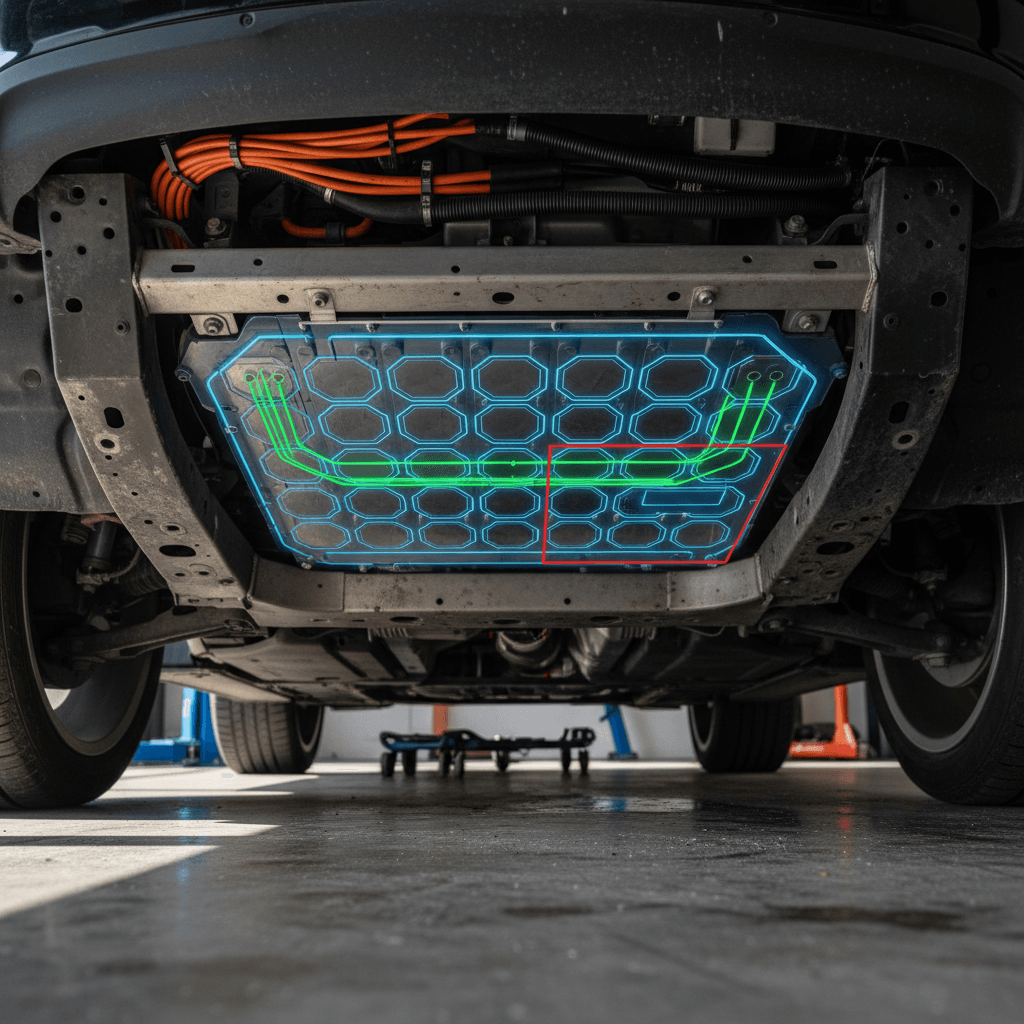
- Defects in the **high‑voltage battery pack** (cells, modules, pack enclosure, internal electronics) that cause a loss of function or make the car undriveable.
- Defects in the **front and rear drive units** (the electric motors and associated gearboxes).
- Battery failures related to **normal charging and discharging** when you’ve followed Tesla’s usage guidelines.
- For newer Model X vehicles, battery capacity falling **below Tesla’s stated retention threshold** (roughly 70% of original capacity) during the 8‑year / 150,000‑mile window, as defined and measured by Tesla.
What “repair or replace” really means
What the Tesla Model X battery warranty does NOT cover
Here’s where owners get tripped up. The warranty is generous by industry standards, but it’s not a universal “get‑out‑of‑jail‑free” card. Tesla carves out a long list of exclusions, and they will lean on them if they think the damage was avoidable.
Common exclusions in the Model X battery warranty
Or, put bluntly: scenarios where Tesla is likely to say no.
Extreme abuse or overheating
Improper charging
Water & impact damage
Unauthorized repairs
Normal wear & tear
Abuse & misuse
The degradation gray area
New vs. used Model X: how battery warranty transfers
If you’re buying used, whether from Tesla, a dealer, or a marketplace like Recharged, the good news is that the **Battery and Drive Unit warranty follows the car**, not the first owner. What changes is simply how much of the original 8 years / 150,000 miles is left.
New Model X buyer
- Battery and drive unit are covered for 8 years / 150,000 miles from the original in‑service date.
- You’ll also get the full 4‑year / 50,000‑mile basic warranty and other coverages.
- Great fit if you put on average to high miles and plan to keep the car long‑term.
Used Model X buyer
- You inherit whatever is left of the original **battery warranty clock**.
- If the car is, say, 5 years old with 70,000 miles, you have roughly **3 years / 80,000 miles** of battery coverage remaining.
- There’s no reset of battery warranty when Tesla or a dealer resells the car.
Quick math for a used Model X
Does the Model X battery warranty cover degradation?
Battery degradation is the slow loss of capacity you feel as “my 100% charge doesn’t go as far as it used to.” Tesla’s Model X warranty treats degradation very differently depending on the model year and the exact warranty booklet language tied to your VIN.
Degradation coverage by Model X era (high‑level view)
Always verify against the official warranty PDF for your specific vehicle.
Earlier Model X (pre‑refresh, pre‑70% language)
- Battery warranty focused on **failures**, not a clear capacity guarantee.
- Normal range loss, even if it feels significant, may not trigger coverage.
- Some owners have had packs replaced; others are told it’s “within spec.”
Newer Model X (with 70% capacity language)
- Tesla now references **70% minimum capacity retention** over 8 years / 150,000 miles.
- If Tesla’s own diagnostics show capacity below that floor, they’re more likely to repair or replace.
- You still need to clear their testing and service thresholds; not every low range complaint qualifies.
What “70% capacity” really looks like
Real‑world examples: when Tesla fixes a battery under warranty
Tesla doesn’t publish a public playbook of when they will or won’t replace a battery, but owner experiences paint a reasonably consistent picture. By and large, they act when there’s a **clear failure**, not just a feeling that the car used to go farther.
- The car refuses to charge, or stops charging far below the expected state of charge, after Tesla has ruled out charger issues.
- The Model X suddenly loses a huge chunk of usable capacity (for example, range dropping by 30–40% in a short time) and logs internal battery fault codes.
- The vehicle throws repeated **“Battery needs service”** or **HV system fault** warnings that Tesla can reproduce and confirm as pack‑related.
- On newer Model X vehicles, Tesla’s internal capacity test shows the pack has slipped **below the 70% retention threshold** before 8 years / 150,000 miles.
What usually does NOT work
How to check battery warranty remaining on a used Model X
Before you wire a five‑figure sum for a used Model X, it’s worth spending five minutes to understand exactly how much battery warranty you have left. The process is simple, but most buyers never do it, and end up guessing.
Step‑by‑step: confirm remaining Model X battery warranty
1. Find the VIN and in‑service date
Ask the seller for the original purchase paperwork or a Tesla service record showing the **in‑service date**. This is when the warranty clock started, not the build date.
2. Check odometer mileage
Read the current mileage from the dash. Remember: the battery warranty ends at **8 years OR 150,000 miles**, whichever comes first for modern Model X vehicles.
3. Do the 8‑year math
Add 8 years to the in‑service date. If today’s date is after that, the battery warranty is time‑expired, even if the mileage is low.
4. Confirm with the official Tesla warranty PDF
Use the Tesla VIN and region to pull the correct **New Vehicle Limited Warranty** booklet from Tesla’s site. Make sure the Battery and Drive Unit section matches what you think you’re buying.
5. Request recent service history
Ask for any Tesla service invoices, especially those mentioning the **high‑voltage battery**. A recent pack replacement under warranty can be a major plus.
6. Get independent battery health data
If you’re buying through <strong>Recharged</strong>, the **Recharged Score battery health report** gives you a data‑driven look at pack condition so you’re not relying on guesswork or the seller’s optimism.
Battery warranty vs. extended warranty and insurance
By 2026, Tesla’s warranty landscape has turned into a bit of a streaming menu: monthly Extended Service Agreement (ESA) subscriptions in some markets, third‑party coverage, plus the original factory warranties. It’s easy to confuse what each one actually does for the Model X battery.
Extended Service Agreements
- Tesla’s or third‑party ESAs usually focus on non‑battery components once the basic warranty ends.
- They generally do not extend the original 8‑year Battery & Drive Unit warranty.
- Useful for covering screens, HVAC, suspension and other high‑ticket items, not catastrophic battery failure.
Insurance coverage
- Comprehensive and collision cover damage from accidents, debris, flooding and fire.
- If a rock punctures your pack or a flood totals the car, that’s an insurance claim, not a battery‑warranty event.
- Good coverage here matters just as much as the Tesla warranty itself.
How to think about risk
Buying a used Model X: how Recharged helps you de‑risk the battery
A Tesla Model X is one of the most complex consumer products you can buy, and its battery pack is both the heartbeat and the single most expensive component. When you’re buying used, you’re essentially betting on someone else’s charging habits, and the warranty only tells part of the story.
How Recharged protects you beyond the paper warranty
Because “still under warranty” doesn’t automatically mean “good battery.”
Recharged Score battery health
Fair, transparent pricing
EV‑specialist guidance
Nationwide delivery & trade‑in
Financing tailored to EVs
Experience Center support
Ready to find your next EV?
Browse VehiclesFAQ: Tesla Model X battery warranty
Frequently asked questions about the Model X battery warranty
Bottom line: is the Tesla Model X battery warranty good?
Viewed in the cold light of numbers, the Tesla Model X battery warranty is **strong**: eight years, 150,000 miles, and a capacity floor that’s become an industry reference point. But those numbers only protect you from **defects and out‑of‑spec degradation**, they don’t guarantee that every used Model X on the market has been treated kindly, charged thoughtfully, or will deliver road‑trip range nirvana for a second decade.
If you understand what the Model X battery warranty actually covers, and pair it with **independent battery health data**, solid insurance, and clear pricing, you can buy a used Model X with confidence instead of crossing your fingers. That’s exactly the gap Recharged is built to fill: transparent Recharged Score reports, expert EV guidance, and a buying experience that treats the battery as the main character it actually is, not a footnote in the fine print.