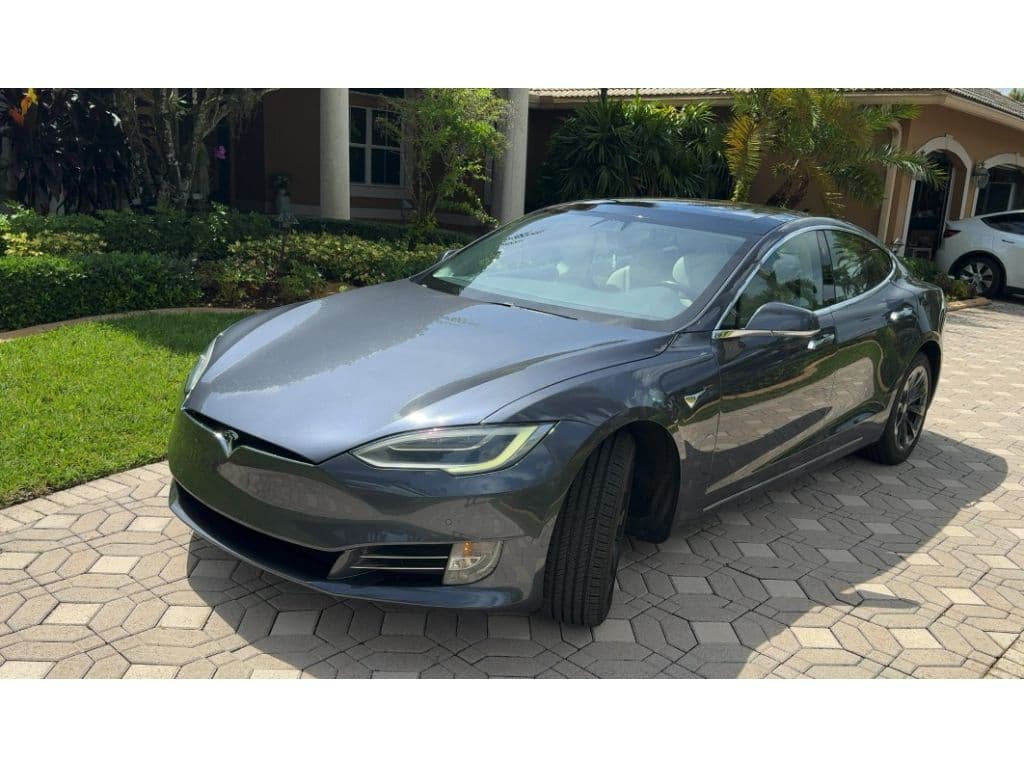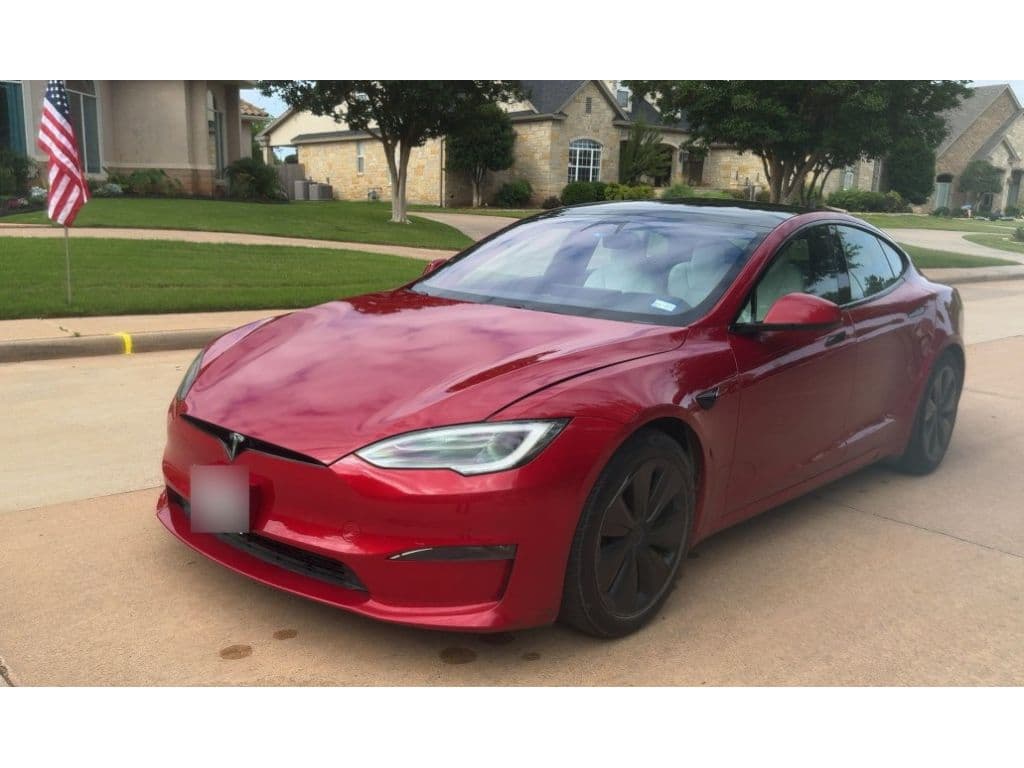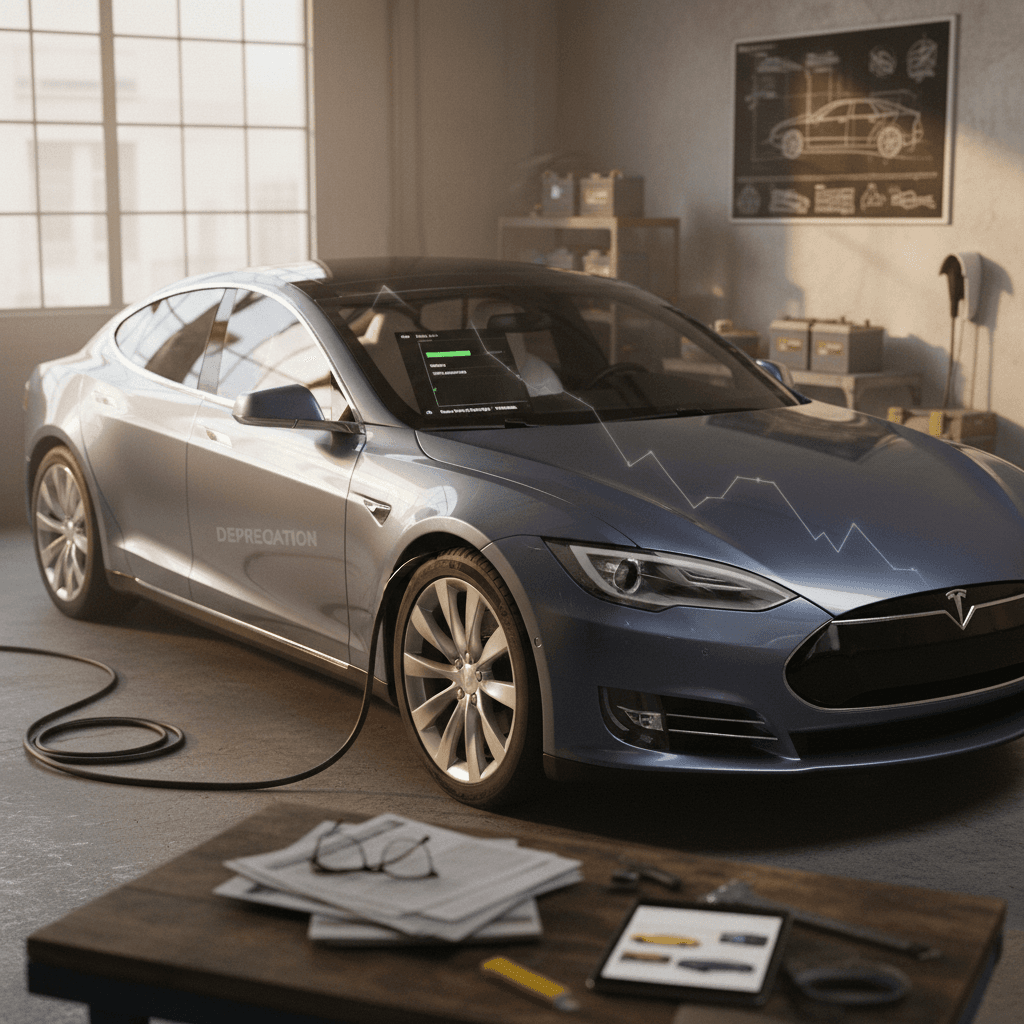
Search data tells the story: a lot of shoppers want to know the **Tesla Model S value after 3 years**. You’re not alone in wondering whether that sleek, once‑six‑figure electric flagship becomes a screaming deal… or an expensive gamble. The truth, in 2026, is that a 3‑year‑old Model S can be both: massive depreciation wrapped around a still‑formidable EV, with battery health and spec details deciding whether you’re the genius or the sucker in the transaction.
At a glance
Why focus on Model S value after 3 years?
Three years is where the curves cross. You’re past the brutal first‑year hit, especially harsh for luxury EVs, but still inside the **battery and drive‑unit warranty window**, with modern software and hardware. For a Model S, this usually means: - The tech feels current: big battery, long range, fast DC charging, Autopilot hardware that still gets updates. - The car has taken most of its **depreciation punch**, often losing close to half its value. - You still have years of coverage left on the most expensive component on the car: the high‑voltage battery pack.
Tesla Model S value after 3 years: key numbers
How much does a Tesla Model S depreciate in 3 years?
Let’s talk numbers. Different analysts slice this in different ways, but they all agree on one thing: **the Model S is not a value‑retention champion**. That crown belongs to cheaper Teslas and well‑specced hybrids. But that’s exactly why the 3‑year‑old Model S is interesting for you as a buyer.
Tesla Model S approximate 3‑year depreciation
Illustrative ranges for a new Model S purchased around $80,000–$120,000, then resold three years later in typical 2026 market conditions. These are not quotes, always verify current pricing and condition.
| Original price (new) | 3‑year typical resale range | Total value lost | % of price lost |
|---|---|---|---|
| $80,000 (base-ish Long Range) | $36,000–$44,000 | $36,000–$44,000 | ≈45–55% |
| $95,000 (nicely optioned LR or early Plaid) | $40,000–$52,000 | $43,000–$55,000 | ≈45–58% |
| $115,000+ (high‑spec Plaid) | $45,000–$65,000 | $50,000–$70,000 | ≈45–60%+ |
Use this as a directional guide, not a substitute for a vehicle‑specific valuation and inspection.
These are reality‑check ranges
Some valuation guides have shown three‑year depreciation on Model S as high as the mid‑50% range. Others paint a slightly gentler picture, especially for lower‑priced examples that didn’t start life in the stratosphere. Factor in that **2023–2024 saw sharp Tesla price cuts**, which pushed down used values even for older cars. By 2026, the market has stabilized somewhat, but those historic cuts are still baked into today’s resale values.
What a 3‑year‑old Model S actually costs
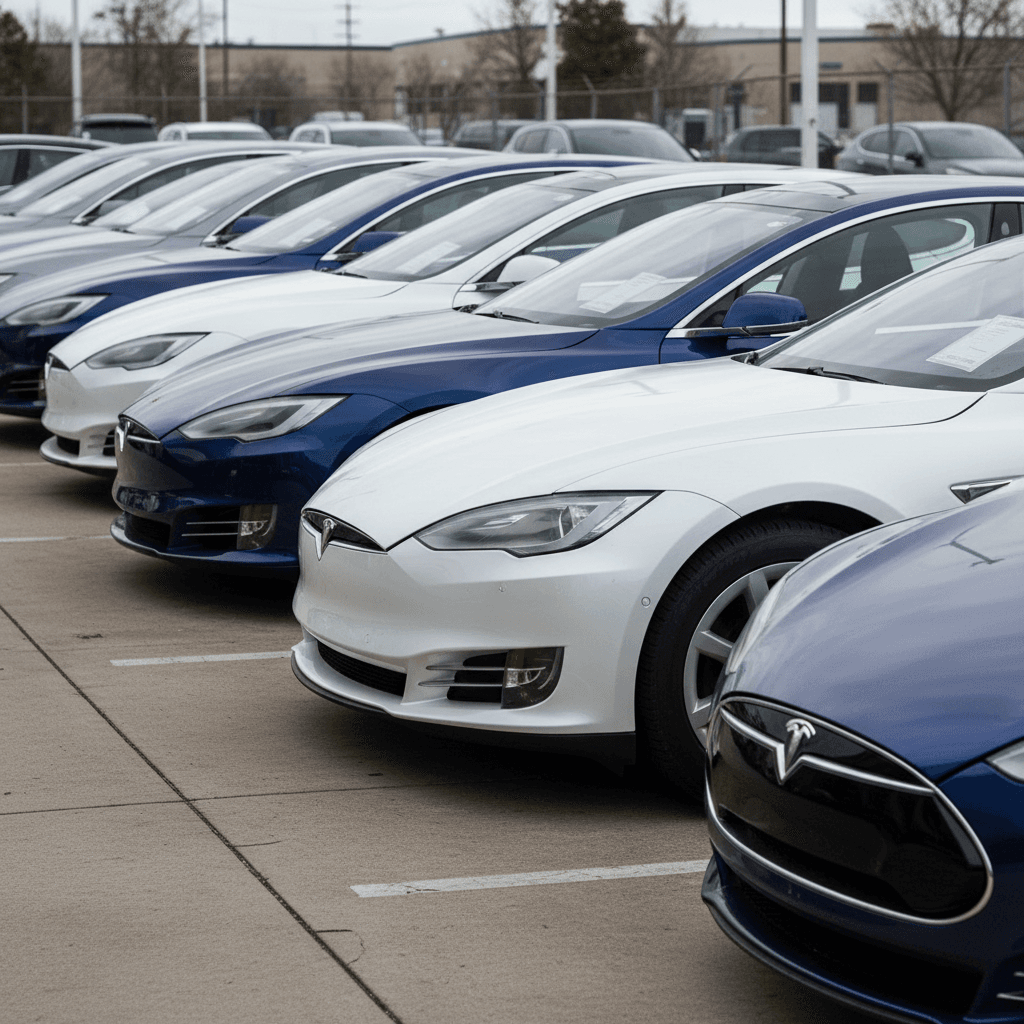
Depreciation percentages are academic. What you care about is, “What does a 3‑year‑old Model S really cost me today?” In early 2026, here’s roughly where the darts are landing for U.S. shoppers:
Real‑world price bands for 3‑year‑old Model S
Assuming typical miles (~30,000–45,000), clean history, and no major cosmetic issues.
Value Long Range
Approx. $38,000–$45,000
- Earlier Long Range or slightly higher‑mile cars
- 18" or 19" wheels, no wild options
- Often basic interior, standard audio, no FSD
Desirable Long Range
Approx. $45,000–$55,000
- Well‑optioned LR, nicer wheels, premium paint
- Mid‑range miles, good service history
- May include Enhanced Autopilot or FSD transfer (rare)
Plaid & high‑spec cars
Approx. $55,000–$70,000+
- Performance‑focused Plaid examples
- Lower miles, late‑build years, rare colors
- Often lightly modified or heavily optioned when new
In other words, a car that might have transacted in the **$100,000–$120,000** neighborhood when new is now parked on the used‑car lot next to high‑spec crossovers and midsize luxury sedans that never dreamed of 390+ miles of range or 0–60 times that start with a “2.” That’s the arbitrage that attracts savvy used‑EV buyers.
Why the Model S drops so fast: luxury EV gravity
If you’ve always heard that Teslas “hold their value,” the Model S depreciation curve can feel like whiplash. The reality is more nuanced: **luxury EVs are the worst of all worlds for depreciation**, high initial prices, fast‑moving tech, and a customer base that likes the latest thing.
- High starting MSRP: A 5‑digit hit is just the price of admission, so even a healthy resale number looks brutal in dollars lost.
- Rapid tech updates: Newer Model S cars get range bumps, interior refreshes, and driver‑assist updates that make 3‑year‑old examples feel older faster than a normal sedan.
- Brand price cuts: Tesla’s habit of slashing new‑car prices has repeatedly dragged down the used market, leaving yesterday’s buyers holding the bag.
- Luxury‑car reality: High‑end sedans, gas or electric, have always been **depreciation machines**. EVs just put that pattern on fast‑forward.
How this helps you
Battery health and warranty at the 3‑year mark
Depreciation is the headline number, but **battery health is the story behind the story**. A tired pack turns a bargain into ballast. A healthy one turns a used Model S into a long‑term ally.
Model S battery and warranty basics after 3 years
Why the three‑year point is usually a safe zone, if you verify the data.
Warranty coverage
- Most recent‑generation Model S cars carry an 8‑year high‑voltage battery and drive‑unit warranty, often up to 150,000 miles, with at least 70% capacity retention promised.
- At three years and ~36,000 miles, you’re generally less than halfway through that window.
Real‑world degradation
- Industry data suggests many Tesla packs lose only a single‑digit percentage of capacity in the first few years.
- On a 400‑mile car, that might feel like a drift down to ~370–380 miles when new, if the pack has been treated reasonably well.
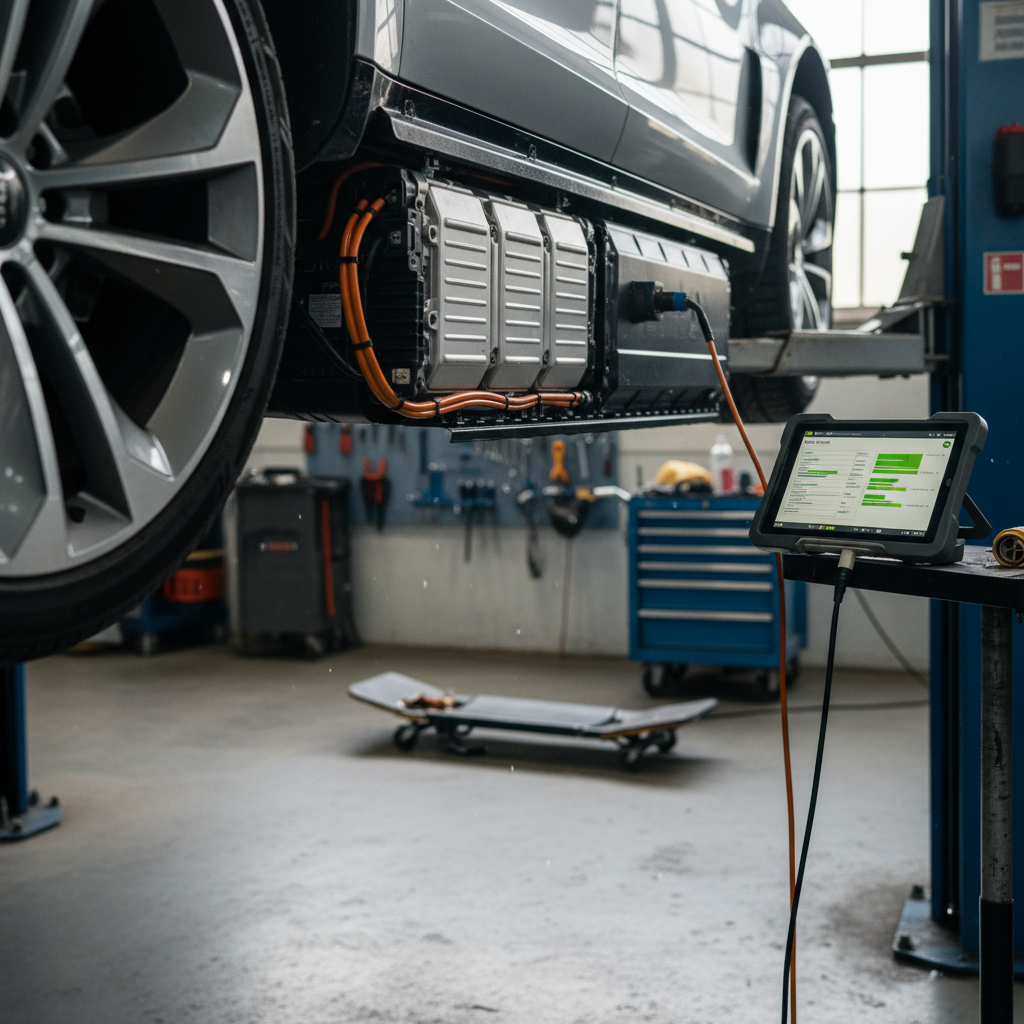
Never skip a battery health check
Good signs on a 3‑year‑old Model S
- Capacity loss in the **single digits** compared with the original rated range.
- Balanced cell groups and no history of battery‑related warranty claims.
- Normal fast‑charging behavior (no sudden throttling at moderate state of charge).
- Charging history that mixes home AC charging with reasonable fast‑charge use.
Red flags worth walking away from
- Unusually high DC fast‑charging counts for the mileage, suggesting a hard road‑trip life.
- Large, unexplained swings in displayed range or rapid drop‑off in the last year.
- Out‑of‑family degradation vs similar VINs and build dates.
- Battery or drive‑unit warranty already close to expiring due to high miles.
Every used Tesla sold through Recharged includes a **Recharged Score Report** that digs into battery health and fast‑charge history, so you’re not guessing. If you’re shopping privately or at a conventional dealer, consider paying for an independent EV‑savvy inspection that can pull similar telemetry where possible.
How a 3‑year‑old Model S compares to other EVs
So is the Model S an outlier, or just another electric sedan on the same sinking‑value ship? Broadly, three‑year‑old EVs lose more value than comparable gas cars, but within the EV world the Model S sits in a specific niche.
Three‑year comparison: Model S vs other EV categories
High‑level look at how a 3‑year‑old Model S stacks up against other common EV types on depreciation and experience.
| Vehicle type (3 yrs old) | Typical 3‑yr depreciation | What you feel as a buyer |
|---|---|---|
| Mass‑market EV (e.g., compact hatch/crossover) | ≈45–55% | Reasonable payments, tech can feel a bit dated, shorter range. |
| Mid‑price Tesla (Model 3/Y) | ≈45–55% | Better value retention than many EVs, but not immune to Tesla price cuts. |
| Luxury EV sedan (incl. Model S, Lucid Air, EQE) | ≈45–60%+ | Largest dollar loss, but used prices increasingly overlap new mainstream cars. |
| Gas midsize sedan (premium brand) | ≈35–45% | Gentler depreciation, but no EV perks, no Supercharger access, higher running costs. |
Percentages are directional; actual numbers vary widely by trim, incentives, and market timing.
Where the Model S still wins
What moves the needle on value after 3 years
At three years old, depreciation has done its work. Now an individual Model S’s value swings on four main levers: trim, options, mileage, and condition. The fifth lever, battery health, we’ve already covered because it’s that important.
Key factors that change 3‑year value on a Model S
Trim and performance level
Plaid cars started higher, so they often still command a healthy premium over Long Range examples at resale, especially with low miles. But the **percentage** of value lost can be similar or worse.
Autopilot and software features
Cars with Enhanced Autopilot, FSD, or rare grandfathered perks (like free Supercharging on older generations) can attract buyers who value software as much as hardware. Just don’t pay luxury‑suite money for a feature you’ll barely use.
Mileage and use pattern
A three‑year‑old car with 55,000 highway miles can be a better bet than a stop‑and‑go city car with 28,000 miles, especially if the long‑distance car was mostly AC‑charged at home and serviced on schedule.
Service and repair history
Clean Carfax or equivalent is the starting point, not the full story. Look for documentation on any drive‑unit or suspension work, collision repairs, and glass replacements, big glass roof panels aren’t cheap.
Cosmetic condition
On a luxury EV, curb‑rash, interior wear, or mismatched paint can knock down value fast. Budget for cosmetic fixes, or use them to **negotiate hard**, if the fundamentals of the car are good.
How to shop smart for a 3‑year‑old Model S
Shopping for a 3‑year‑old Model S is a little like buying a used private jet on a family‑sedan budget. You’re stepping into someone else’s once‑aspirational purchase. Your job is to make sure the compromises they made aren’t the ones you’ll have to live with.
Step‑by‑step: buying a 3‑year‑old Model S the smart way
1. Decide what you really need
Do you want raw Plaid performance, or is a Long Range more than enough? Make a must‑have list: range, seat configuration, must‑have driver‑assist, budget ceiling. It keeps you from falling for a car that’s wrong for your life but great for your ego.
2. Start with battery and warranty math
Check build date and mileage against the **8‑year battery/drive‑unit warranty**. A three‑year‑old 90,000‑mile car is a very different proposition than a three‑year‑old 28,000‑mile garage queen.
3. Pull objective battery health data
On Recharged, the **Recharged Score Report** summarizes capacity, degradation trends, and fast‑charge exposure for each car. Elsewhere, ask for recent service logs and, if possible, an independent EV diagnostic that can read pack health beyond the dash estimate.
4. Inspect for suspension, brakes, and tires
The Model S is heavy and fast; it eats consumables. Have a mechanic familiar with Teslas check control arms, air suspension (if equipped), tires, and brakes. A car that needs a full tire set, pads, and front suspension work can add thousands to your “bargain.”
5. Verify software and feature ownership
Confirm which Autopilot level is present and whether anything can be removed or changed by Tesla. Treat features like FSD as a bonus, not the foundation of your deal. You’re buying the car, not a promise of robotaxis.
6. Compare pricing against the broader EV market
Before you commit, look sideways: what would the same money buy in a used Model 3 Performance, a newer Model Y, or another luxury EV? On <a href="/articles/fastest-depreciating-electric-cars-2026">Recharged’s depreciation guides</a>, you can see how other EVs stack up.
Where Recharged fits in
Common buyer mistakes to avoid
Three years is a tempting age: the price looks friendly, the body style is still current, and the odometer hasn’t hit psychological red lines. That’s when people get sloppy. Don’t.
- Paying “Plaid money” for Long Range performance: Some Long Range cars are dressed and advertised like Plaids. Check the VIN and spec sheet; don’t pay for speed that isn’t there.
- Ignoring wheel and tire size: 21‑inch wheels look magnificent and eat range, comfort, and tire budgets. A 19‑inch setup can save you real money in daily use.
- Underestimating insurance and taxes: A used‑car price doesn’t change the fact that you’re insuring a fast, heavy luxury EV. Get quotes before you sign.
- Skipping a charging plan: Buying the car before you’ve sorted where and how you’ll charge, home Level 2, workplace, or public networks, is one of the quickest ways to turn joy into regret.
- Assuming all packs age the same: Two 3‑year‑old Model S cars can have very different battery stories depending on charging habits and climate. Don’t project one car’s health onto another.
Don’t chase the absolute cheapest car
FAQ: Tesla Model S value after 3 years
Frequently asked questions
Bottom line: is a 3‑year‑old Model S a good buy?
If you judge cars purely by how well they preserve your net worth, the Tesla Model S is a dangerous animal. But if you measure by **how much car you get for the money at the three‑year mark**, it starts to look like one of the most interesting used purchases on the market: true long‑distance electric capability, wild performance, and a still‑maturing used‑EV ecosystem that hasn’t fully priced in how good these cars can be when they’re healthy.
The trick is to treat a 3‑year‑old Model S like what it is: a complex, high‑performance EV, not a cheap used appliance. Get the battery data, cross‑check the depreciation, and compare it honestly against what else your budget can buy. If you’d rather have expert backup, platforms like Recharged exist precisely to make that process less of a gamble, combining Recharged Score battery diagnostics, fair‑market pricing, financing, trade‑in options, and nationwide delivery into one digital experience. Do that homework, and the punchline of the Model S depreciation story can be that somebody else paid for your upgrade.