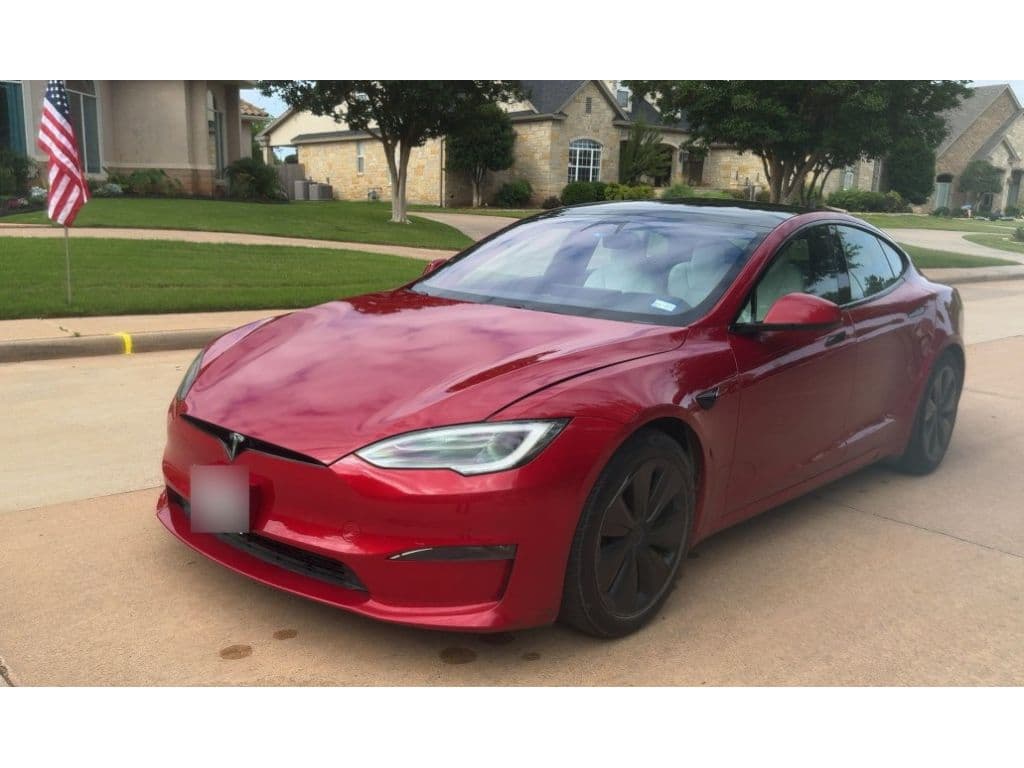
If you own a Tesla Model S in 2025, you’re living through the great value correction. Prices have slid, buyers are choosy, and the difference between a rushed sale and a careful one can be thousands of dollars. A clear, step‑by‑step Tesla Model S selling checklist turns that chaos into a plan, and keeps you from accidentally paying for the next owner’s Supercharging.
Who this checklist is for
Why you need a Tesla Model S selling checklist
Model S resale has changed
Not long ago, the Model S was the stock market of used EVs, up and to the right. By 2025, higher interest rates, aggressive new‑EV discounts, and a flood of lease returns have pushed values down. That doesn’t mean your car is worthless; it means you need to sell like a professional, not like a hopeful amateur.
What buyers actually care about
- Battery health and real‑world range
- Cosmetic condition and accident history
- Software: Autopilot, EAP, FSD, premium connectivity
- Charging history and Supercharging behavior
- Clean, simple paperwork and a safe payment process
This checklist walks you through each of those, in order.
Step 1: Decide how you want to sell your Model S
Before you touch a sponge or a spreadsheet, decide where the car will be sold. That decision sets expectations for price, timing, and effort.
Main ways to sell a Tesla Model S
Price, hassle, and control vary a lot by channel
1. Tesla or dealer trade‑in
Best for: Convenience, one‑day transactions.
- Lowest effort, lowest price.
- Good if you’re rolling equity into another car.
- Less control over who ends up with the vehicle.
2. Private party sale
Best for: Maximizing price if you have time.
- Highest potential sale price.
- You handle screening, test drives, and paperwork.
- More messaging and tire‑kickers to filter.
3. EV specialist marketplace
Best for: Getting a strong price and avoiding chaos.
- Guided pricing based on EV data.
- Help with battery health reporting and paperwork.
- At Recharged, you can get an instant offer, or consign and let us handle buyers, test drives, and nationwide delivery.
Tip: Match the channel to your personality
Step 2: Know what your Tesla Model S is worth
The used Tesla market in 2025 is twitchy. Online pricing tools and classifieds can be weeks behind reality. You want a value that’s grounded in Model S‑specific data: battery, options, mileage, software, and today’s demand.
What typically moves Model S value
Start by looking at recent sales and listings for your generation of Model S, nose style, interior refresh, battery size, and whether it has HW3 and updated headlights. Then sanity‑check that against an EV‑specific valuation. Recharged’s Model S value guides and Recharged Score reports are built from real used‑EV transaction data, not just generic book values.
How Recharged helps on pricing
Ready to find your next EV?
Browse VehiclesStep 3: Get your battery health story straight
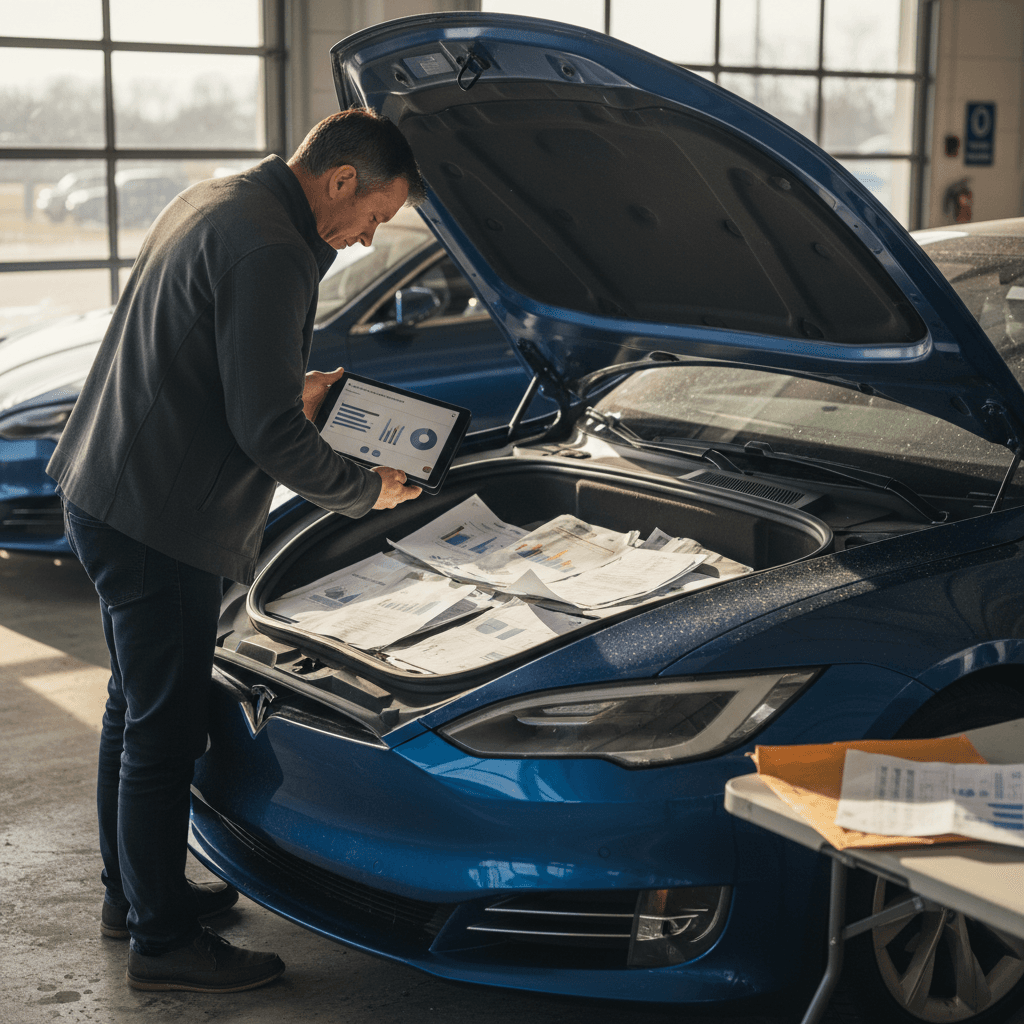
On a Model S, the real main character is the battery. Buyers don’t want marketing range; they want to know how the pack has aged and whether they’re buying someone else’s DC‑fast‑charge habit.
- Fully charge the car (or close) and note the displayed rated range at 90–100% for reference.
- Compare that range to the original EPA number for your model year and battery size to estimate degradation.
- Have recent service invoices handy, especially anything touching the high‑voltage battery or drive units.
- If you use third‑party tools or logs that track degradation, export a simple summary for serious buyers.
- Avoid hand‑waving. Be ready to say, clearly, “At 90%, the car shows about X miles of rated range.”
Don’t over‑promise battery health
Step 4: Prepare the car, photos, and first impressions
Presentation has always mattered in used cars. With a six‑figure EV that now costs as much as a new crossover, presentation is non‑negotiable. Buyers subconsciously equate cleanliness with mechanical care.
Pre‑sale prep for your Model S
Think of it as staging a house, not washing a rental
Exterior & wheels
- Thorough hand wash, clay bar if needed, and a light wax or sealant.
- Clean brake dust from wheels; touch up curb rash if it’s minor.
- Fix obvious cosmetic cheap‑outs, missing center caps, peeling badges, etc.
Interior & screens
- Deep vacuum, especially under seats and in the hatch.
- Wipe all glossy surfaces and screens with appropriate cleaners.
- Remove personal clutter, kid gear, and random cables.
Photography
- Shoot in soft daylight, early morning or late afternoon.
- Get wide shots of each corner, side, interior, and screens.
- Photograph honest defects: wheel rash, chips, seat wear.
Photo rule of thumb
Step 5: Protect your data before anyone drives it
Your Model S is a rolling smartphone. It knows where you live, where you work, who you call, and how fast you drive. Before test drives or hand‑off, protect yourself the way you would with a laptop you’re selling.
Tesla Model S data & account safety checklist
1. Remove personal profiles
Delete driver profiles that store seat position, mirrors, favorites, home/work navigation, and often garage codes. Keep a neutral “Test Drive” profile if you like.
2. Log out of apps
Sign out of Spotify, Netflix, Disney+, any browser logins, and remove your phone as a key from the car and the Tesla app if you’re handing it to a dealer the same day.
3. Turn off HomeLink locations
If your Model S opens your garage or gate, disable or erase those entries before anyone outside your household drives the car.
4. Backup critical settings
Before wiping anything, take photos of key screens, tire settings, charging limits, trip data, if you want a record for future reference.
5. Factory reset at the right moment
A full factory reset erases personal data and settings. Do it <strong>after</strong> the last test drive, right before you hand over keys or complete a trade‑in, so the buyer gets a clean slate.
6. Remove car from Tesla account after sale
Once money and paperwork are done, use the Tesla app or your online account to remove or transfer the vehicle so Supercharging and subscriptions no longer bill you.
Avoid paying for someone else’s Supercharging
Step 6: Write a Model S listing that actually sells
Most used‑car listings read like they were dictated into a fax machine. A good Model S listing is precise, transparent, and written for an EV‑literate buyer.
Must‑have details
- Exact trim, battery size, drive (e.g., “2019 Model S Long Range AWD”).
- Current odometer and number of owners.
- Key options: Autopilot, EAP, FSD, premium interior, wheel size.
- Accident, damage, or paint‑work history, plainly stated.
- Recent major maintenance or tire replacement.
- Real‑world range you typically see at 80–90% charge.
Model S‑specific honesty items
- Any yellowing screens, air‑suspension quirks, or MCU replacement history.
- Status of Tesla warranties (battery/drivetrain and basic).
- Charging behavior: mainly home Level 2, occasional Supercharging, or lots of DC fast charging.
- Clear statement on whether FSD is owned, on subscription, or not enabled.
Use buyer language, not dealer clichés
Step 7: Manage test drives safely like a pro
The test drive is where people fall in love with a Model S, or discover it’s not for them. You want that moment to be safe, controlled, and persuasive.
Safe and effective Model S test‑drive checklist
1. Screen buyers ahead of time
Ask politely for a photo of a valid driver’s license and confirmation they understand EV basics. Anyone offended by that is not your buyer.
2. Choose the route
Plan a 15–20 minute loop with a mix of city and highway, including a brief higher‑speed stretch so they can feel the car’s stability and acceleration.
3. Start with a walk‑around
Highlight good and bad honestly, fresh tires, small chips, minor wheel rash, so buyers feel you’re not hiding anything.
4. You drive first
On the way out, you drive and demonstrate key features: acceleration, regen, Autopilot (if enabled), and how charging works.
5. Buyer drives back
Swap seats halfway. Stay calm and conversational; this is not the moment to pitch. Let the car do most of the talking.
6. Avoid on‑the‑spot discounts
If they start negotiating in your driveway, thank them for the feedback and say you’ll follow up after you’ve reviewed their offer. Don’t negotiate emotionally or under pressure.
Meet in safe locations
Step 8: Close the deal, paperwork, payment, and ownership transfer
Closing is where clean planning pays off. Your goals: you get real money, they get clear title and clean data, and Tesla knows you no longer own the car.
Closing checklist at a glance
Adjust details for your state, but hit every one of these beats.
| Item | What it is | What you should do |
|---|---|---|
| Payment | How the buyer pays you | Prefer a cashier’s check from a major bank or a same‑bank transfer done in person at a branch. Avoid personal checks and sketchy apps for large sums. |
| Bill of sale | Basic record of the deal | Include VIN, sale price, date/time, odometer, and that the car is sold as‑is. Both parties sign and keep copies. |
| Title | Proof of ownership | If you have the title, sign it over exactly as your state requires. If there’s a lien, coordinate payoff with your lender ahead of time. |
| Odometer disclosure | Mileage statement | Many states require a separate odometer disclosure; sometimes it’s built into the title or bill of sale. |
| Tesla app / account | Digital ownership | After money and signatures, remove the car from your Tesla account or use the app’s transfer feature so subscriptions and Supercharging no longer bill you. |
| Plates & registration | Your link to the car | Follow your state rules on whether plates stay with the car or you retain them. File a release‑of‑liability or notice of transfer promptly. |
When in doubt, call your DMV or consult a professional for state‑specific paperwork requirements.
How Recharged simplifies closing
Pre‑sale Tesla Model S checklist (one‑page summary)
Tesla Model S selling checklist
1. Choose your selling channel
Decide between trade‑in, private sale, or an EV specialist like Recharged based on your time, risk tolerance, and price target.
2. Research real‑world value
Look up live comps for your specific Model S configuration and sanity‑check against EV‑specific valuation tools or a Recharged value guide.
3. Document battery health & history
Know your typical range at 80–90%, gather service records, and be ready to explain how the car has been charged and driven.
4. Detail the car and shoot great photos
Deep clean inside and out, fix small cosmetic sins, and take clear, well‑lit photos that honestly show the car’s condition.
5. Lock down your data
Delete driver profiles, log out of apps, disable HomeLink, and plan when you’ll perform the factory reset and Tesla‑account removal.
6. Write a precise, honest listing
Include trim, options, software, maintenance, real‑world range, and any known flaws. Avoid clichés; sound like a meticulous owner, not a lot.
7. Run controlled test drives
Screen buyers, choose safe meeting spots, plan a good route, and never feel pressured to negotiate on the side of the road.
8. Close with clean paperwork
Handle payment at a bank when possible, complete title and bill of sale correctly, file state transfer forms, and confirm the car is gone from your Tesla account.
Frequently asked questions about selling a Tesla Model S
Tesla Model S selling FAQ
Selling a Tesla Model S in 2025 is less about having the shiniest car and more about being the most transparent, prepared seller in a noisy market. Nail the battery story, protect your data, document the car honestly, and choose the right sales channel and you’ll separate yourself from the sea of half‑baked listings. If you’d rather not moonlight as a used‑car dealer, Recharged can fold all of this, battery diagnostics, pricing, marketing, test drives, and paperwork, into one guided process, so you walk away with a fair price and zero loose ends.