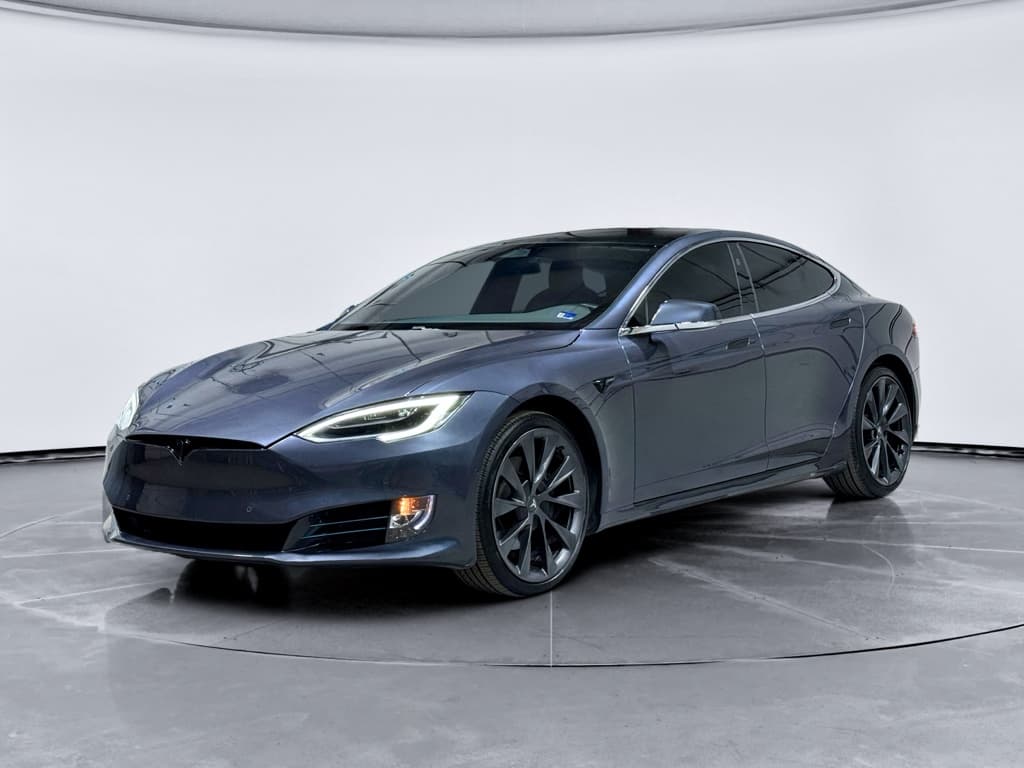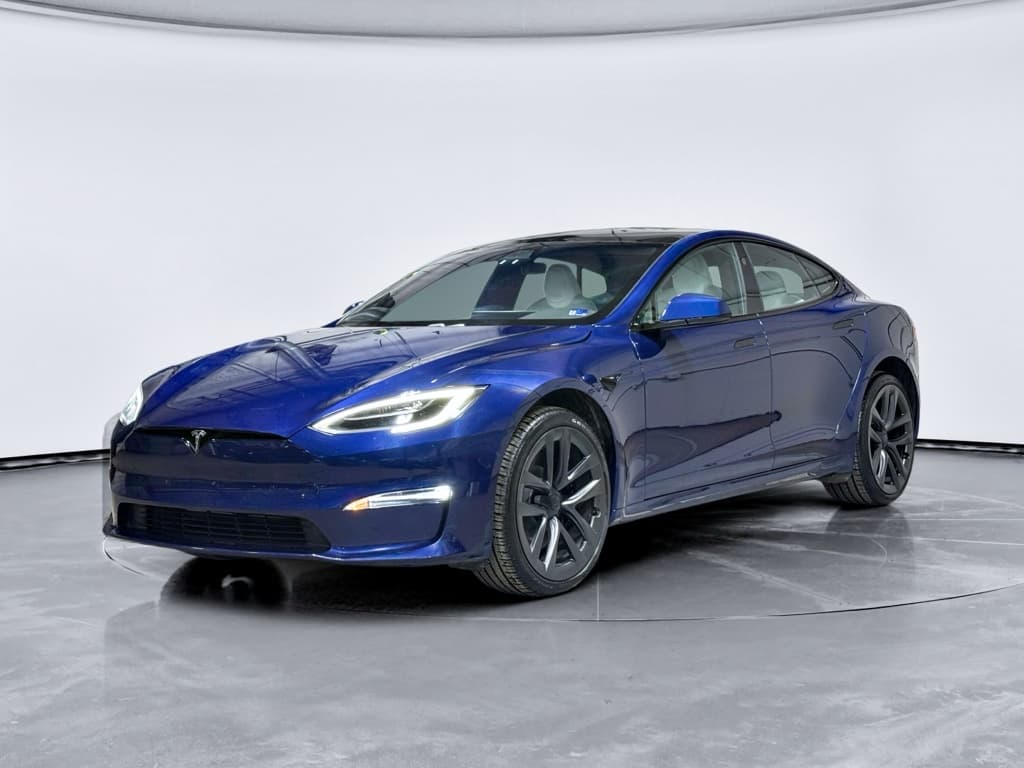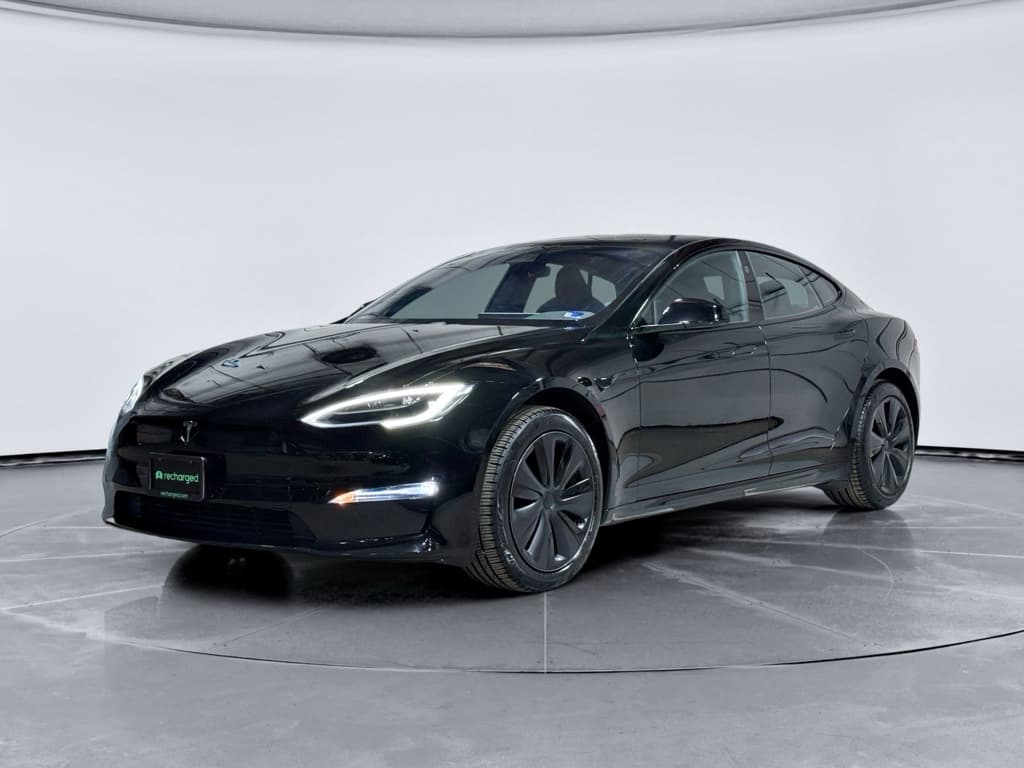
If you’re looking up Tesla Model S safety rating crash test, you’re probably trying to answer a simple but high‑stakes question: “Is this big electric fastback actually safe for me and my family?” The short answer is yes, on paper, the Model S is one of the safest cars ever tested, but, as with all things Tesla, the long answer is more complicated and more interesting.
Key takeaway
Overview: The Tesla Model S safety story
From its first NHTSA tests in 2013 through a refreshed round of Euro NCAP tests in 2022, the Model S has consistently landed at the top of the charts for occupant protection. The skateboard battery pack keeps weight low in the chassis, the front trunk doubles as an enormous crumple zone, and the lack of an engine block means the structure can absorb staggering amounts of crash energy before it reaches passengers.
Since then, Tesla has layered on active safety and driver‑assistance tech, automatic emergency braking, lane keeping, and what used to be called Autopilot, now marketed more cautiously as Traffic‑Aware Cruise Control and Full Self‑Driving (Supervised) in the U.S. Those systems can help you avoid a crash entirely, but they’ve also drawn regulatory scrutiny when drivers over‑trust them. Understanding the difference between crashworthiness (how the car protects you when things go wrong) and crash avoidance (how it helps you stay out of trouble) is critical when you read any Tesla safety headline.
Tesla Model S safety by the numbers
Official crash test ratings at a glance
Tesla Model S crash test ratings summary
How the Model S scores with the major safety organizations. Exact coverage varies by model year and region, but the pattern is consistent: very strong crash protection and strong active safety.
| Program | Region | Overall Rating | Highlights |
|---|---|---|---|
| NHTSA NCAP | United States | 5 stars | 5 stars in frontal, side, and rollover for early Model S; extremely low rollover risk thanks to low center of gravity. |
| Euro NCAP | Europe | 5 stars | 94% adult, 91% child, 85% vulnerable road users, 98% safety assist in 2022 testing. |
| IIHS (selected tests) | United States | Not fully rated | Headlights and crash‑avoidance systems evaluated on some years; check IIHS by specific year/trim. |
Always check ratings for the exact model year you’re considering, especially for a used Model S.
Year‑specific ratings matter
NHTSA crash tests: How safe is the Model S in the U.S.?
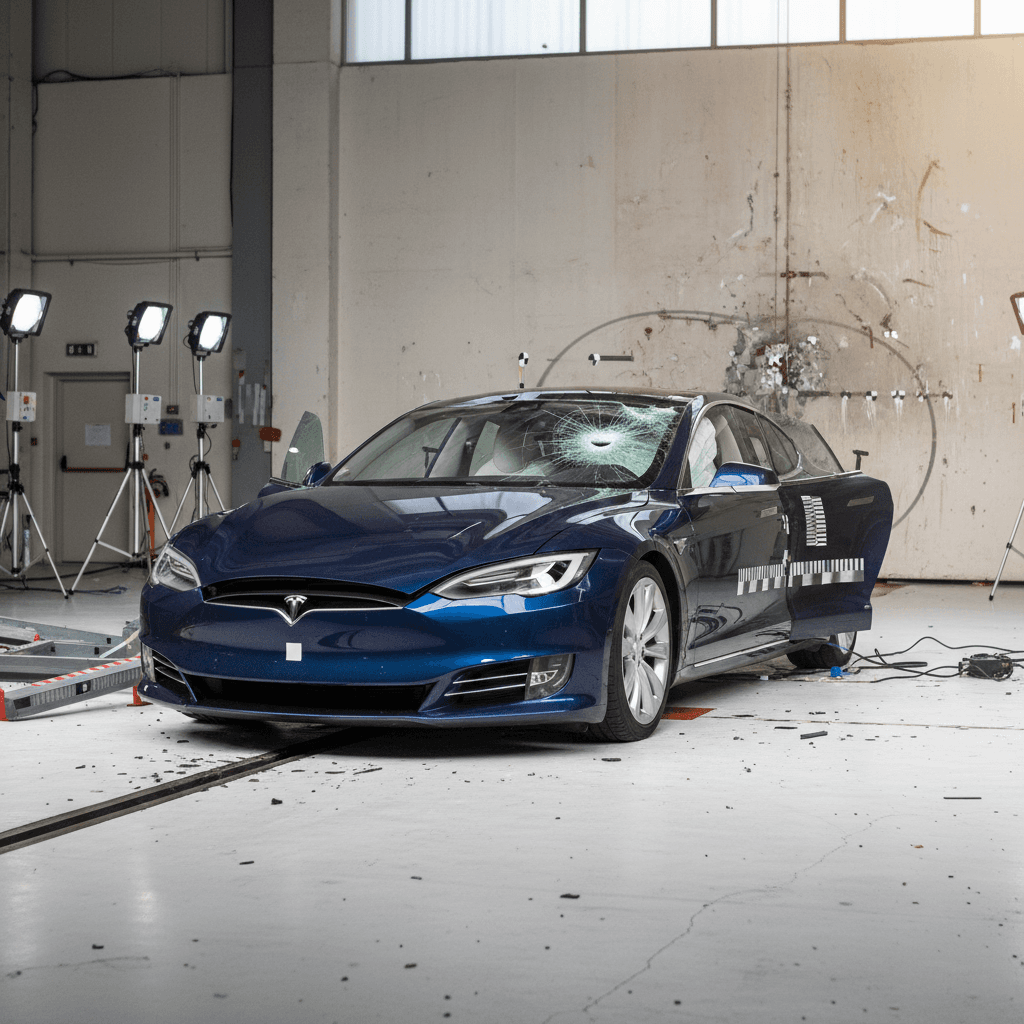
When the Model S first went through the U.S. government’s New Car Assessment Program (NCAP), it didn’t just earn 5 stars overall, it pulled a clean sweep: 5 stars in frontal crash, side crash, and rollover resistance. That last bit matters more than you might think. Statistically, rollovers are among the deadliest crashes, and the Model S’s battery‑in‑the‑floor design gives it an exceptionally low center of gravity and a rollover resistance rating that bested many SUVs of the era.
Frontal & side impacts
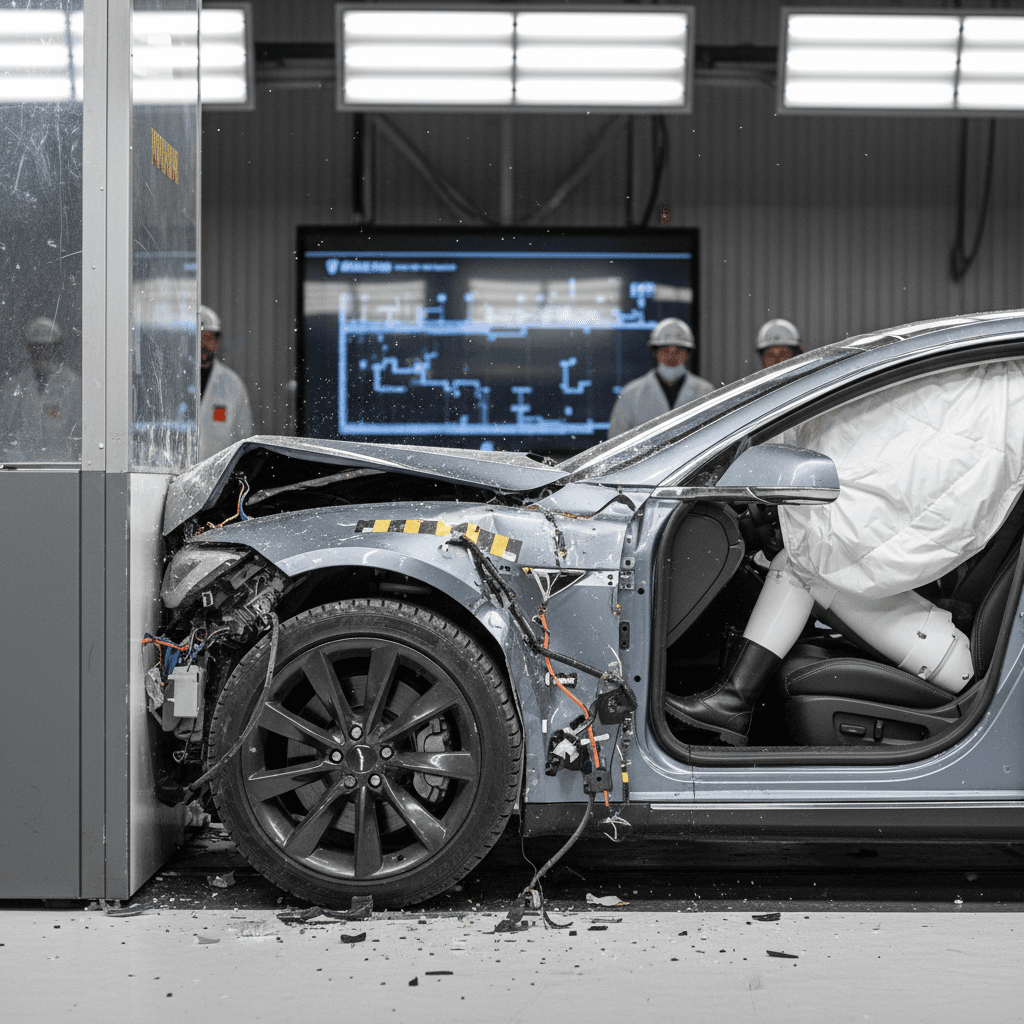
In NHTSA’s frontal and side barrier tests, the Model S structure channels crash energy around the cabin rather than through it. The massive front trunk acts as a sacrificial crumple zone, and the rigid passenger cell keeps intrusion to a minimum. For front and side impacts, the early Model S earned 5 stars for both driver and passenger.
For a used buyer, that means even an older Model S gives you big‑car crash protection with none of the nose‑heavy compromises of a gas luxury sedan.
Rollover resistance
NHTSA’s rollover rating is essentially asking, “How likely is this vehicle to end up on its roof in a violent maneuver or crash?” Thanks to the low‑mounted battery pack, the Model S posted an outstandingly low rollover risk score when first tested, far better than most crossovers and many traditional sedans.
Practically speaking, the car feels planted, and in the rare event of a rollover, the reinforced roof structure is designed to handle loads comparable to several times the car’s weight.
How to decode NHTSA’s stars
Euro NCAP results and 2022 “Best in Class” award
In 2014 the Model S earned its first 5‑star Euro NCAP rating. Fast‑forward to 2022 and a heavily updated Model S goes back into the lab and comes out with something even more impressive: Best in Class 2022 – Executive Car. In Euro NCAP’s tougher, more modern regime, the car scored 94% for adult occupants, 91% for children, 85% for vulnerable road users, and 98% for safety assist systems, numbers you usually associate with Volvo’s greatest hits.
What the Euro NCAP scores actually mean
Beyond the stars: four core categories explained in plain English
Adult occupant – 94%
This covers a whole suite of tests: frontal offset, full‑width frontal, side barrier, side pole, whiplash, and more. A 94% score means the Model S keeps injury measures low across a wide range of crash types for front‑seat adults.
Child occupant – 91%
Here Euro NCAP looks at how well child seats integrate, how safe kids are in front and side impacts, and whether the car makes it easy to install and use the right restraints. Over 90% is solidly top‑tier.
Vulnerable road users – 85%
This is pedestrian and cyclist protection: how the hood, bumper, and windshield behave when they hit a human body, plus the effectiveness of automatic emergency braking in spotting people outside the car.
Safety assist – 98%
Euro NCAP grades things like lane‑keeping support, speed assistance, and automatic emergency braking. The Model S’s 98% score reflects a rich, well‑tuned set of active safety features when used as intended.
Best in Class matters
Active safety and driver assistance: strengths and weak spots
Tesla deserves real credit here: they were early to put a rich suite of active safety features, automatic emergency braking, collision warnings, lane departure alerts, blind‑spot monitoring, on every Model S as standard equipment. Those systems are a big part of why Euro NCAP’s safety‑assist score is so high.
Where the Model S shines
- Automatic emergency braking (AEB): Can detect vehicles and, in many cases, pedestrians or cyclists, and apply the brakes if you don’t react in time.
- Lane support: Lane departure warning and lane‑keeping can nudge you back if you drift.
- Speed assist: Reads speed limit signs and can warn you or adjust cruise control accordingly.
- Over‑the‑air updates: Tesla can (and does) revise algorithms, sometimes improving behavior without any hardware change.
Where things get messy
- Branding vs. reality: Features marketed for years as “Autopilot” and “Full Self‑Driving” have been legally re‑labeled and explicitly marked as supervised, because they’re not autonomous systems.
- Mixed Euro NCAP assisted‑driving score: In separate 2025 assisted‑driving evaluations, Euro NCAP rated the Model S “Moderate” for assistance but very high for safety backup, great crash‑avoidance hardware, but human‑machine interaction that can encourage over‑trust.
- Driver behavior: No matter how good the code, a Level 2 system that still requires an attentive driver can become dangerous when treated like true self‑driving.
Don’t confuse FSD with full autonomy
Real-world crashes, fires, and controversies
If you only skim headlines, you might think Teslas are either uncrashable starships or malevolent robots. Reality is more prosaic. Statistically, the Model S crashes, catches fire, and injures people at rates that track with its power, weight, and driver demographic. It is a very fast car that invites very fast driving; physics will have its say.
- Battery fires: High‑profile battery fires after severe crashes make the news, but EVs overall are not demonstrably more fire‑prone than gasoline cars. When a pack is compromised, it can be harder to extinguish, which is why fire departments have special procedures for Teslas and other EVs.
- Autopilot/FSD crashes: U.S. regulators have opened and re‑opened investigations into crashes where Teslas using driver‑assist systems hit stationary vehicles or blew through intersections. The pattern isn’t that the Model S is structurally unsafe, but that drivers treat a driver‑assist system as a chauffeur.
- Regulatory pushback: Both California’s DMV and European safety bodies have pushed Tesla to rein in claims about self‑driving. In California, Tesla has even stopped using the “Autopilot” brand name in favor of plainer language like Traffic‑Aware Cruise Control and Full Self‑Driving (Supervised).
Crash tests vs. crash headlines
Used Tesla Model S safety checklist
If you’re shopping a used Model S, you’re not just buying a safety rating, you’re buying how a specific, real‑world car has been treated. A well‑looked‑after, software‑up‑to‑date Model S is an extraordinarily safe machine. A neglected one on worn tires with ignored warnings? Less so.
Safety checks before you buy a used Model S
1. Verify crash history and structural repairs
Pull a full vehicle history report and look for airbag deployments or major structural repairs. Light cosmetic work is fine; heavy hits to the front or side structures deserve a careful body‑shop inspection.
2. Check for open recalls and software updates
Make sure all safety‑related recalls have been performed and the car is on a current software build. Tesla pushes many safety refinements over‑the‑air, so a chronically offline car may have missed important updates.
3. Inspect tires, brakes, and alignment
Even the best airbag in the world can’t fix cheap, mismatched tires or a car that can’t stop straight. Look for high‑quality tires with plenty of tread, even wear, and no vibration under hard braking.
4. Test all driver‑assistance features
On a test drive, confirm that automatic emergency braking, collision warnings, and lane support behave predictably. If warnings don’t appear or the car wanders, budget for a diagnostic visit.
5. Confirm battery and high‑voltage system health
While not a crash test issue, a damaged or abused battery pack is a serious safety and cost concern. At Recharged, every vehicle gets a <strong>Recharged Score</strong> battery health report so you know exactly what you’re buying.
6. Review charging and underbody condition
Have the underbody inspected for impacts near the battery tray, especially on older cars. Curb strikes and off‑road adventures can damage pack enclosures, which you want to catch early.
How Recharged helps de‑risk a used Model S
Ready to find your next EV?
Browse VehiclesHow the Model S compares to other luxury EVs
In the luxury EV universe, the Model S still feels like the benchmark the others have to measure up against. Mercedes EQE, Porsche Taycan, Audi e‑tron GT, none are unsafe, but few combine crash test performance, active safety scores, and over‑the‑air improvement quite as completely as the Tesla.
Model S vs. other executive EVs: safety snapshot
A high‑level look at how a modern Model S stacks up against key rivals on safety themes. Not all rivals have been tested in exactly the same way or year, so treat this as directional rather than a courtroom exhibit.
| Model | Crash protection | Active safety tech | Driver‑assist maturity |
|---|---|---|---|
| Tesla Model S | Outstanding; 5‑star NHTSA; 5‑star Euro NCAP with Best in Class 2022 | Rich standard feature set; high Euro NCAP safety‑assist score | Powerful but controversial; requires disciplined, informed use |
| Mercedes‑Benz EQE | Strong Euro NCAP results; robust body structure | Advanced assistance suite, often praised for refinement | Conservative tuning; less drama, fewer headlines |
| Porsche Taycan | Sports‑car‑grade structure and braking; very strong in crash tests | High‑quality assistance, though some features optional | Driver‑assist is polished but less ambitious than Tesla’s |
| Audi e‑tron GT | Solid safety record and strong platform shared with Taycan | Good lane‑keeping and AEB; more traditional UX | Systems prioritize predictability over experimentation |
For a specific comparison, always check the latest ratings from NHTSA, IIHS, and Euro NCAP for the exact models and years you’re cross‑shopping.
When Model S makes the most sense
If you value cutting‑edge active safety, industry‑leading crash scores, and the long‑distance confidence of Tesla’s charging network, the Model S is still the sweet spot. Just go in with clear eyes about what the driver‑assist tech is, and is not.
When another EV might fit better
If you or your passengers are uneasy with Tesla’s rapid‑fire software changes or the drama around Autopilot branding, a more conservative luxury EV might be the right fit. You’ll give up some software magic but gain a more traditional, less polarizing safety story.
FAQ: Tesla Model S safety ratings
Frequently asked questions about Tesla Model S crash tests
Bottom line: Is the Tesla Model S a safe buy?
If you separate the drama from the data, the verdict is clear: the Tesla Model S is one of the safest large cars ever tested. Its crash‑test record on both sides of the Atlantic is stellar, its active safety toolbox is deep, and its underlying architecture does all the quiet, unglamorous work of managing energy when something goes wrong.
The caveat, and it’s an important one, is that driver‑assistance branding and real‑world behavior can drag down what the lab scores promise. No rating can compensate for a distracted driver leaning too hard on a Level 2 system with a sci‑fi name.
If you’re considering a used Model S, focus on three things: structural history, software currency, and everyday wear items like tires and brakes. Get those right and you end up with a large, rapid EV that protects you and your passengers about as well as anything on the road.
And if you’d like a second set of eyes, Recharged was built for exactly this decision. Every car we list comes with transparent condition reporting and a Recharged Score battery‑health analysis, plus EV‑savvy specialists who can walk you through how those glowing safety ratings apply to the specific Model S parked in your driveway next.