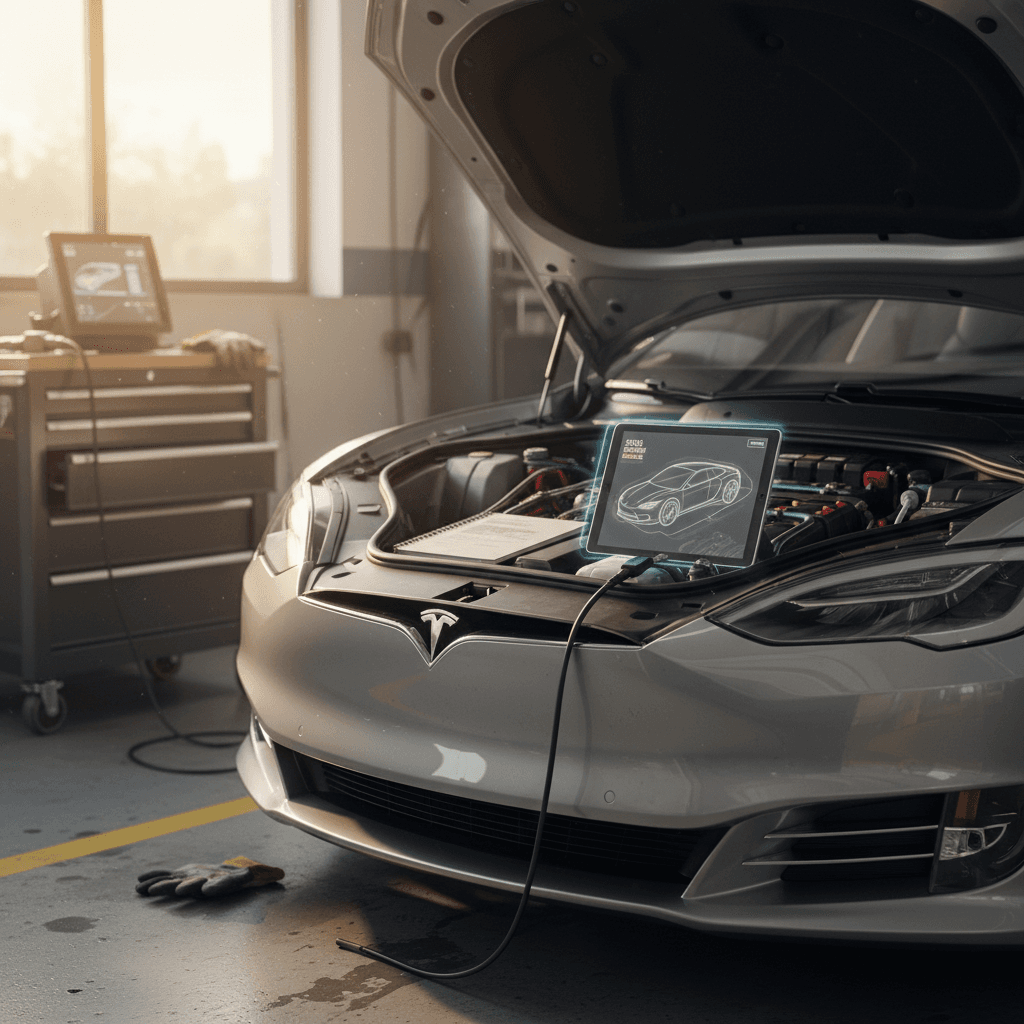
If you’re eyeing a Tesla Model S in 2026, whether new or used, you’re probably wondering what the **real maintenance cost** looks like once the honeymoon period is over. The good news is that a Model S is generally cheaper to maintain than a comparable gas luxury sedan, but it’s not a zero‑cost car. In this guide, we’ll translate the latest data and real‑world owner experience into clear annual budget numbers for Tesla Model S maintenance cost in 2026.
Key takeaway up front
Overview: Tesla Model S maintenance cost in 2026
Tesla Model S maintenance at a glance (2026)
Tesla’s own guidance and independent analyses put **Model S annual maintenance** in the mid‑hundreds of dollars for newer cars, climbing as the car ages. Put differently, the Model S is less about frequent little service visits and more about occasional big‑ticket items, tires, suspension, and electronics, once you’re out of warranty.
Don’t confuse maintenance with total ownership cost
How much does a Model S cost to maintain per year?
Let’s start with practical numbers you can plug into a budget for 2026, based on typical U.S. driving (around 12,000–15,000 miles per year). These are averages, not worst‑case scenarios.
Estimated Tesla Model S maintenance cost per year (2026)
Approximate annual maintenance and repair spending for different age bands of the Model S, excluding insurance, charging, and depreciation.
| Model S age in 2026 | Typical mileage range | Owner profile | Estimated annual maintenance cost | What’s usually included |
|---|---|---|---|---|
| 0–3 years old | 0–45,000 miles | New or CPO, mostly under full factory warranty | $400–$700 | Tire rotations, occasional tires, cabin filters, brake caliper lube, minor fixes |
| 4–7 years old | 45,000–90,000 miles | “Sweet‑spot” used car, some battery warranty left | $700–$1,200 | Tires, alignment, wipers, cabin filters, brake service, early suspension wear, occasional electronics |
| 8–10+ years old | 90,000–150,000+ miles | Early‑generation or high‑mileage used | $1,200–$1,800+ | Frequent tires, suspension components, MCU/screen issues, door handles on older cars, other wear items |
These are planning numbers for 2026, assuming normal use and no major collision damage.
Newer Model S sedans benefit from warranty coverage and updated components, so **routine maintenance dominates** their costs. Once you move into a 6–10‑year‑old car, the odds of a $1,000–$3,000 repair in any given year rise, and that’s what pushes the average up.
Rule of thumb for 2026 budgeting
What Tesla actually recommends for Model S maintenance
Tesla doesn’t use a traditional “every 5,000‑mile oil change” schedule because there’s no engine oil to change. Instead, the company recommends a handful of periodic services tied to time and mileage. These are the backbone of your Tesla Model S maintenance cost in 2026.
- Tire rotation, balance, and alignment: Typically every 6,250–7,500 miles or when tread wear differs. At Tesla or a tire shop, figure $70–$150 per visit.
- Cabin air filter: Tesla recommends replacement about every 2 years for most climates, more often in dusty or urban areas. Budget $80–$200 parts and labor depending on who does it.
- HEPA filter (if equipped): On cars with Bioweapon Defense Mode, this large filter is usually replaced every 3 years or so. This can run a few hundred dollars.
- Brake fluid check: Tesla recommends testing brake fluid about every 2 years and replacing it as needed. Expect ~$150–$250 when replacement is required.
- Brake caliper lubrication in cold‑weather regions: On Model S vehicles that see salted roads, Tesla suggests cleaning and lubricating calipers about every 12 months or 12,500 miles.
- Air‑conditioning service: On a multi‑year cadence, Tesla calls for A/C desiccant bag replacement, especially in hot, humid regions, which can cost a few hundred dollars.
- High‑voltage battery and drive unit: These are inspected as needed; they are not wear‑and‑tear service items in the way oil or filters would be on a gas car. Failures here are rare but expensive, usually handled under warranty on newer cars.
Service intervals aren’t strict “musts”
The big cost buckets: tires, brakes, suspension & more
When you break down real‑world Tesla Model S maintenance cost in 2026, a few categories explain most of the money. None are unique to Tesla, but the Model S’s size, weight, and performance do shape how often you’ll be paying for them.
Where most Model S maintenance money actually goes
Focus on these four areas when you budget for 2026.
1. Tires
The Model S is heavy and quick, which is hard on tires.
- Life: Many owners see 20,000–30,000 miles on a set, less with aggressive driving.
- Cost per set: $900–$1,400 for quality 19–21" tires installed.
- Annualized cost: $300–$700 per year for typical driving.
2. Suspension & steering
As mileage climbs, suspension bushings, control arms, and air suspension components (if equipped) begin to wear.
- Common work 70k–120k miles: control arms, links, occasional air struts or compressor.
- Repair range: $600–$3,000 depending on what’s replaced and who does it.
3. Brakes
Regenerative braking dramatically cuts brake wear, so pads and rotors can last 80,000+ miles in normal use.
- Routine spend: Mostly brake caliper cleaning/lube in salty climates.
- Full axle brake job: $400–$900 when it finally comes due.
4. Electronics & interior bits
Tesla’s older Model S generations are known for MCU (screen) issues, door handle mechanisms, and occasional sensor failures.
- MCU/screen replacement: Often $1,000–$2,000 depending on model and region.
- Door handle fixes (older cars): $300–$600 each, sometimes less with independent shops.
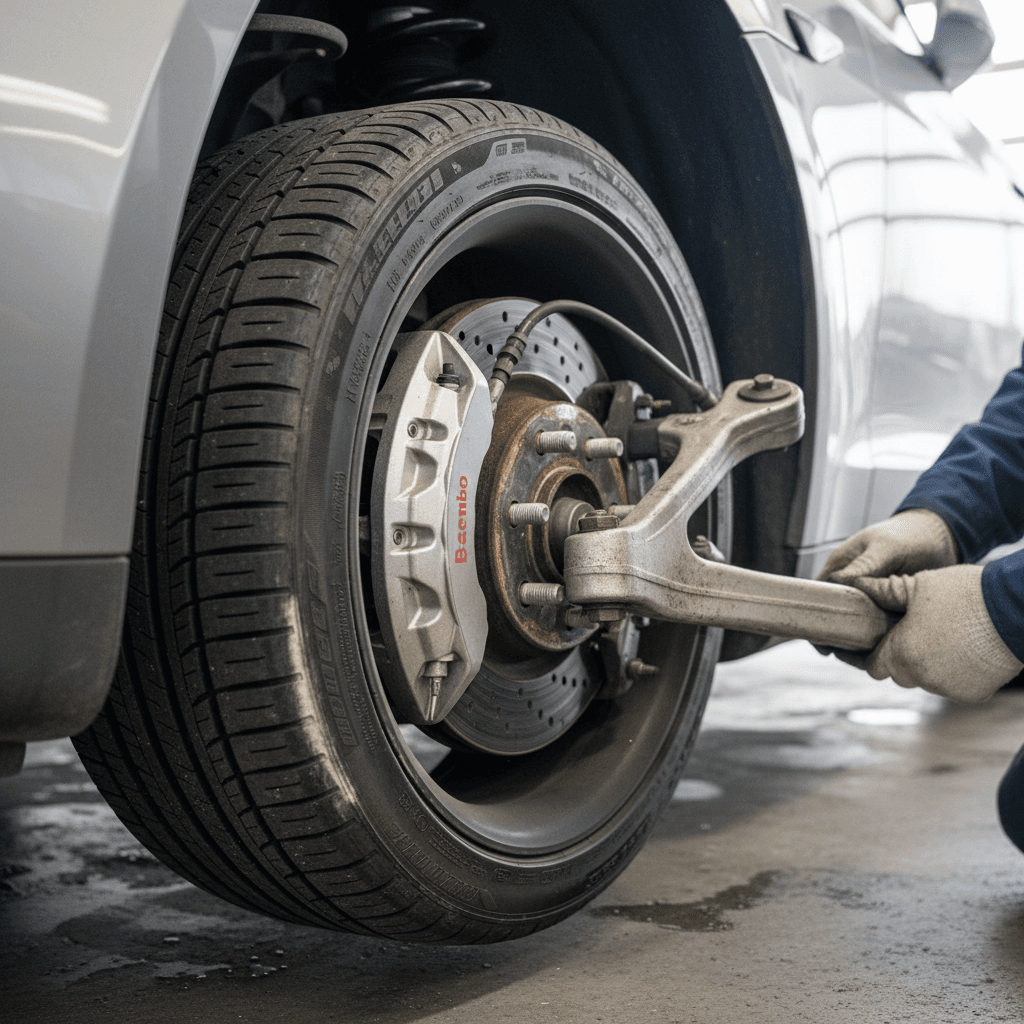
Performance wheel packages cost more to maintain
Realistic repair costs once your Model S is out of warranty
Warranty coverage hides a lot of pain on any modern luxury vehicle. Once your Model S ages out of its 4‑year/50,000‑mile basic warranty and its 8‑year battery and drive‑unit warranty window, you need to think in terms of **probabilities** rather than exact schedules: you won’t get hit with every big repair, but you should assume you’ll see some of them over a 5–10‑year span.
Common out‑of‑warranty Model S repairs and typical price ranges
Approximate 2026 retail pricing in the U.S. for frequently reported Model S repairs at Tesla service centers or reputable independents. Actual costs vary by region and model year.
| Repair type | Typical mileage window | Indicative price range (parts & labor) | Notes |
|---|---|---|---|
| MCU / center screen replacement | 60,000–120,000+ miles | $1,000–$2,000 | Newer cars are generally more reliable; some early units were replaced under recall/programs. |
| Front control arms / suspension refresh | 70,000–130,000 miles | $800–$3,000 | Range depends on how many arms, bushings, and links are done at once. |
| Air suspension component (if equipped) | 80,000–150,000 miles | $1,000–$3,500 | Compressor or individual air struts; not all cars have air suspension. |
| Door handle repairs (early Model S) | 40,000–100,000 miles | $300–$600 per handle | Very year‑dependent; many have already been updated or repaired. |
| HVAC / A/C service beyond routine | Anytime after 5+ years | $400–$1,200 | Includes blower motors, valve blocks, or more involved work. |
| Drive unit or battery pack (out of warranty) | Highly variable | $7,000–$20,000+ | Thankfully rare; many failures occur during warranty, but you must respect the risk on very high‑mileage cars. |
Use these as planning ranges, not firm quotes.
You’re unlikely to see a catastrophic battery or drive‑unit bill within the factory warranty window unless you’re driving huge miles, but on a 10‑year, 150,000‑mile car those edge‑case scenarios begin to matter. That’s why it’s smart to pair any older Model S purchase with a healthy emergency fund or a carefully priced extended service contract if you choose to buy one.
Beware of under‑budgeting older Teslas
How Model S maintenance compares to a gas luxury sedan
EV advocates sometimes oversell the idea that maintenance is “basically free.” The truth is subtler: you’ll spend **far less on routine service** with a Model S than with a Mercedes E‑Class or BMW 5 Series, but you’re still driving a complex, heavy luxury car. Let’s translate that into costs for 2026.
Model S (electric)
- No oil changes, spark plugs, timing belts, or exhaust systems.
- Regenerative braking extends pad and rotor life dramatically.
- Fewer moving parts in the drivetrain reduce routine wear.
- Typical annual maintenance: $700–$900 on a newer car, roughly $1,200–$1,800 on an older one.
Comparable gas luxury sedan
- Regular oil changes every 5,000–10,000 miles.
- Transmission service, coolant flushes, and more complex emissions equipment.
- Higher brake wear due to lack of regen.
- Typical annual maintenance: Often $1,200–$2,000+ as the car ages, even before major engine or transmission work.
Where the Model S really wins
Buying used? How age and mileage change maintenance cost
Most of the value in the 2026 Model S market sits in used cars, especially 4–8‑year‑old examples that have already taken the big depreciation hit. That’s also the point in the curve where **maintenance cost starts to diverge sharply** between a well‑cared‑for car and a neglected one.
Model S age bands and what they mean for maintenance
Think in terms of ownership stage, not just model year.
0–3 years old
- Still under full basic warranty.
- Battery and drive‑unit warranty for years to come.
- Maintenance mostly tires, filters, and minor squeaks/rattles.
- Best for: Low‑risk shoppers prioritizing predictability over upfront price.
4–7 years old
- Often the value sweet spot: lower price, much depreciation already taken.
- Some battery warranty usually remains.
- Expect rising odds of suspension, brake, and electronics work.
- Best for: Buyers okay with occasional 4‑figure repairs in exchange for a much lower purchase price.
8–10+ years old
- Early‑generation cars with known weak points largely shaken out, but often at higher mileage.
- Battery/drive‑unit warranty may be ending or expired.
- Highest variance: some are rock‑solid, others are money pits.
- Best for: Experienced owners with a realistic maintenance budget and emergency fund.
Why a pre‑purchase inspection matters more with Tesla
7 ways to keep Tesla Model S maintenance costs in check
Practical strategies to reduce Model S maintenance cost in 2026
1. Choose wheels and tires strategically
If you don’t need maximum performance, opt for 19‑inch wheels and touring tires rather than thin‑sidewall 21‑inch performance rubber. You’ll get better ride comfort, longer tread life, and lower replacement bills.
2. Rotate and align on schedule
Rotating and aligning tires every 6,000–7,500 miles helps prevent uneven wear that can kill a set early. Skipping a $120 alignment can cost you hundreds in prematurely worn tires.
3. Stay ahead of small issues
Address squeaks, clunks, or warning messages early, especially around suspension and steering. Minor wear caught early is often a few hundred dollars; ignored for a year, it can become a multi‑thousand‑dollar job.
4. Use trusted independents when appropriate
Tesla Service Centers are convenient and know the platform, but by 2026 many regions also have independent EV specialists. For out‑of‑warranty work, a good independent shop can shave 10–30% off labor rates without sacrificing quality.
5. Protect the battery and drivetrain
Avoid living at 100% state of charge or 0%, don’t fast‑charge constantly, and keep the car plugged in when parked for long periods. Good charging habits help preserve battery health, which protects long‑term value and reduces the risk of big‑ticket failures.
6. Budget monthly, not reactively
Treat maintenance like a subscription. Even if your new Model S only needs $400 of work this year, setting aside $75–$100 per month builds a cushion for the day you do need a $1,500 brake or suspension job.
7. Buy the right car to begin with
A cheap, high‑mileage car with a sketchy history is almost always more expensive over time than a slightly pricier example with clean service records. This is where services like Recharged, which verify battery health and condition up front, can easily pay for themselves.
How Recharged helps you predict and control costs
If you’re shopping for a Model S in 2026, the biggest risk isn’t that Teslas are inherently unreliable, it’s that you buy the wrong car for your budget and tolerance for surprise repairs. That’s exactly the problem Recharged was built to solve.
Transparent condition & battery health
Every Tesla Model S sold through Recharged includes a Recharged Score Report that covers:
- Verified high‑voltage battery health and estimated remaining capacity.
- Diagnostic scans for fault codes that may not trigger a dashboard light yet.
- Inspection of tires, brakes, and suspension components that drive maintenance cost.
- Fair‑market pricing that reflects upcoming service needs, not just cosmetics.
Support beyond the purchase
Because Recharged focuses exclusively on EVs, our team can help you:
- Estimate realistic annual Model S maintenance cost based on mileage and use case.
- Compare vehicles side‑by‑side, including likely 5‑year service needs.
- Arrange financing, trade‑in, or consignment and even nationwide delivery.
- Visit our Richmond, VA Experience Center if you want to see and drive cars in person before buying fully online.
Turn unknowns into line items
Ready to find your next EV?
Browse VehiclesFAQ: Tesla Model S maintenance cost in 2026
Frequently asked questions about Model S maintenance
Bottom line: What to budget for your Model S in 2026
Owning a Tesla Model S in 2026 isn’t maintenance‑free, but it is often cheaper to maintain than a comparable gas luxury car, especially when you look at 5–10 years of ownership. For a newer car, setting aside $700–$900 per year will usually keep you ahead of routine service and the odd small repair. For an older, higher‑mileage Model S, plan on $1,200–$1,800 per year on average and assume the occasional 4‑figure surprise.
The real differentiator is how carefully you buy. A well‑maintained Model S with a healthy battery and documented suspension and electronics work can be a remarkably low‑drama EV to live with. A neglected or abused example can quickly erase any savings you gained on the purchase price. If you’d rather not gamble, consider shopping through Recharged, where every used EV comes with a Recharged Score battery‑health report, transparent pricing, expert guidance, and nationwide delivery, so you understand your likely maintenance costs long before you sign anything.