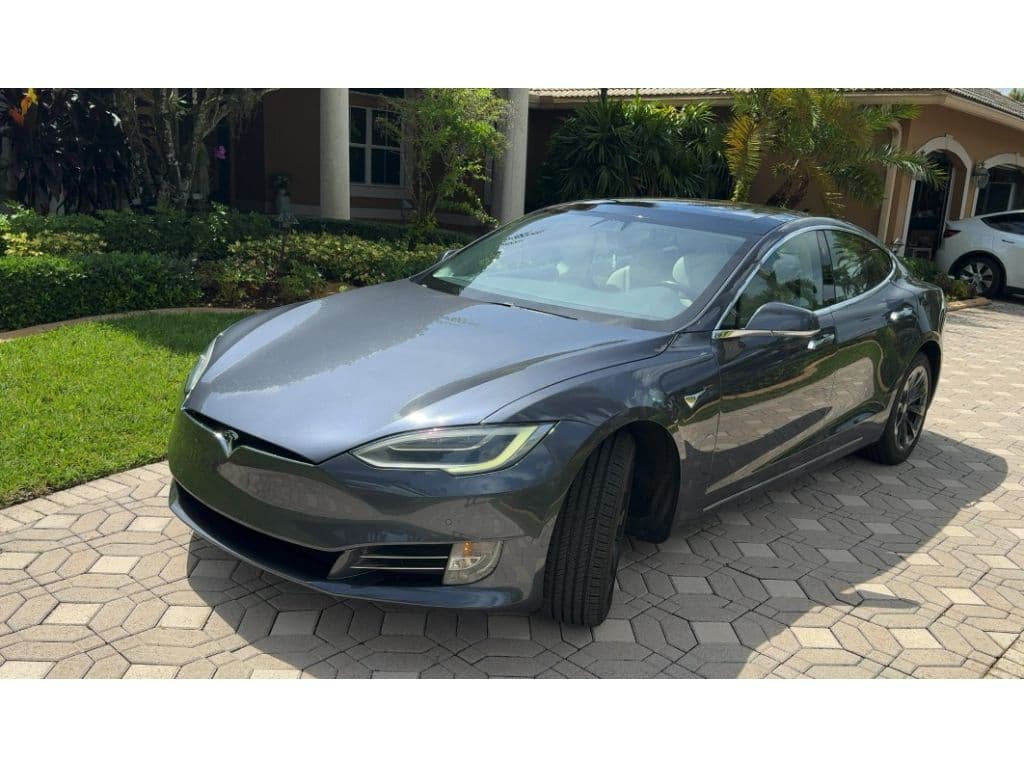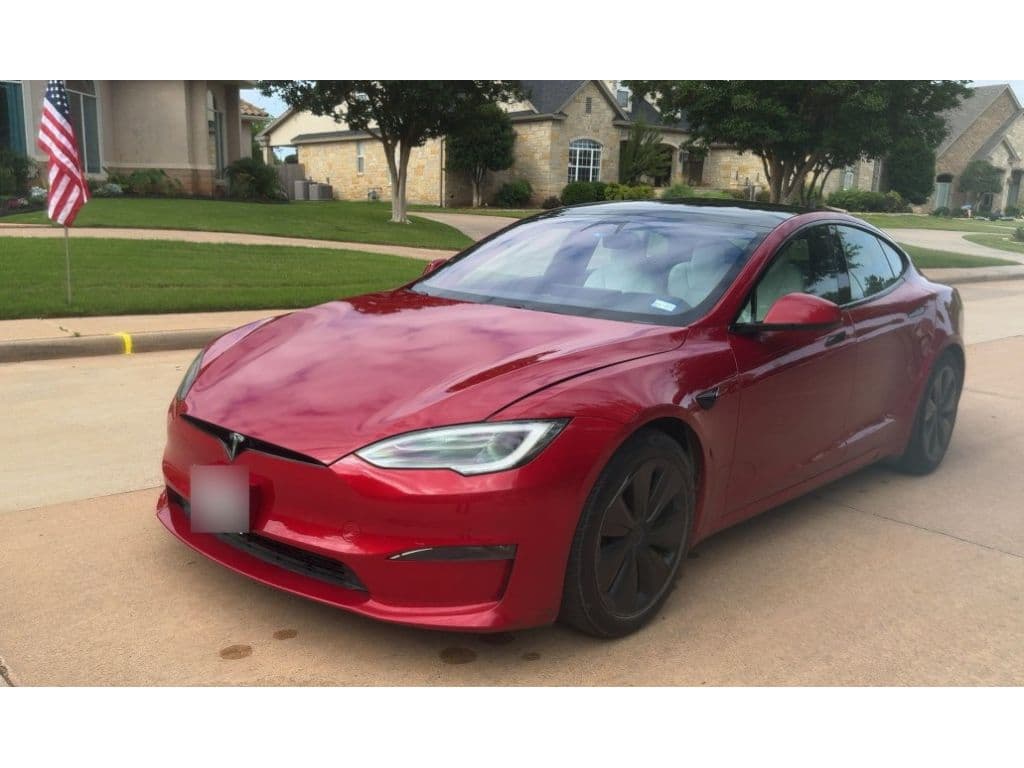
If you’re looking at a Tesla Model S, you’re almost certainly thinking long term. This is a high-dollar luxury EV, and the Tesla Model S depreciation rate can make the difference between a great ownership experience and a painful financial hit. The good news: if you understand how and when the Model S loses value, you can time your purchase and sale to keep far more money in your pocket, especially in the used market.
Depreciation is your biggest ownership cost
Why Tesla Model S depreciation matters now
Over the past few years, Tesla values have been on a roller coaster. Rapid new-vehicle price cuts, shifting tax-credit rules, and big swings in public sentiment have all pushed used prices up and down more dramatically than for traditional luxury sedans. At the same time, independent data still shows the Model S holding a stronger percentage of its value than many other EVs, just not as bulletproof as many early adopters expected.
If you’re buying new, depreciation tells you how much of your purchase price will effectively evaporate over the next 3–10 years. If you’re buying used, depreciation is your friend: someone else has already taken the steepest drop, and you may be able to get a flagship EV for the price of a new mainstream crossover.
Tesla Model S depreciation at a glance
Use these numbers as direction, not gospel
Tesla Model S depreciation rate in real numbers
Let’s translate depreciation into something you can actually plan around. We’ll blend published data with current market behavior to outline an approximate curve for a typical Model S used as a daily driver (around 12,000–15,000 miles per year):
Illustrative Tesla Model S depreciation curve (typical use)
Approximate resale value as a percentage of original MSRP for a well‑maintained Model S used as a daily driver.
| Vehicle age | Typical mileage | Approx. value retained | Approx. depreciation | Real‑world notes |
|---|---|---|---|---|
| 1 year | ~12,000 mi | 90–93% | 7–10% | Early hit from drive‑off plus any new‑model price cuts. |
| 3 years | ~36,000 mi | 70–75% | 25–30% | One major step down; many leases end here, adding supply. |
| 5 years | ~60,000 mi | 60–65% | 35–40% | Historically solid retention versus other EVs, but sensitive to Tesla price moves. |
| 7 years | ~84,000 mi | 35–45% | 55–65% | Older tech and out‑of‑warranty anxiety start to weigh on values. |
| 10 years | ~120,000 mi | 35–45% | 55–65%+ | Some data shows Model S among the steeper long‑term depreciators, especially high‑milers. |
Depreciation tends to be steep early, then gradually flattens as the car ages.
What about specific model years?
Recent pricing snapshots for late‑model cars show similar patterns. One 2024 Model S analysis pegs the vehicle at about a 28% drop over three years, or roughly $7,000 per year on a car that started in the upper‑$70,000s to low‑$80,000s. Another long‑term look at earlier Model S examples shows about a 35% depreciation at five years, and around 55–57% by ten years, assuming typical mileage and good condition.
How Model S depreciation compares to other EVs and gas cars
Versus other electric vehicles
- Short to mid‑term: Historically, the Tesla lineup has been among the stronger EVs for resale, with some studies showing certain Tesla models losing around 30–35% over five years when rivals were dropping closer to 50–60%.
- Brand swings: From 2023–2025, aggressive new‑car price cuts and oversupply pushed used Tesla prices down faster than many competitors for a time, before stabilizing again.
- Network advantage: Access to Tesla’s Supercharger network still adds value versus many non‑Tesla EVs, particularly for road‑trip‑minded buyers.
Versus comparable gas luxury sedans
- First 3–5 years: Many gas luxury sedans routinely lose 45–50% of their value in five years. Well‑specced Model S examples have often done slightly better in percentage terms, though market swings can flip that advantage in some years.
- After 7–10 years: Long‑term studies show the Model S can actually depreciate more than some German and Japanese luxury sedans, especially once out of battery warranty.
- Total cost picture: Even if depreciation is similar, the Model S often wins back ground with dramatically lower fuel and maintenance costs over five years.
Think in total cost, not just resale
What really drives Tesla Model S depreciation
Depreciation isn’t random. With the Model S, you can point to a handful of levers that move resale value up or down. Understanding them makes you a much sharper buyer and seller.
Key factors that move Model S resale value
Some you can control, some you can’t, but you should know all of them.
Original price & trim
Mileage & usage
Battery health
Software & hardware changes
Tesla pricing moves
Brand perception & news
Battery health: the silent driver of depreciation
On paper, many Model S cars still show strong range after years of use, and Tesla’s long battery warranties help. But used‑car shoppers don’t buy on paper; they buy on confidence. A car with a clean, independently verified battery report will sit at the very top of the value range for its year, while one without documentation or with obvious range loss will sit near the bottom, or struggle to sell at all.
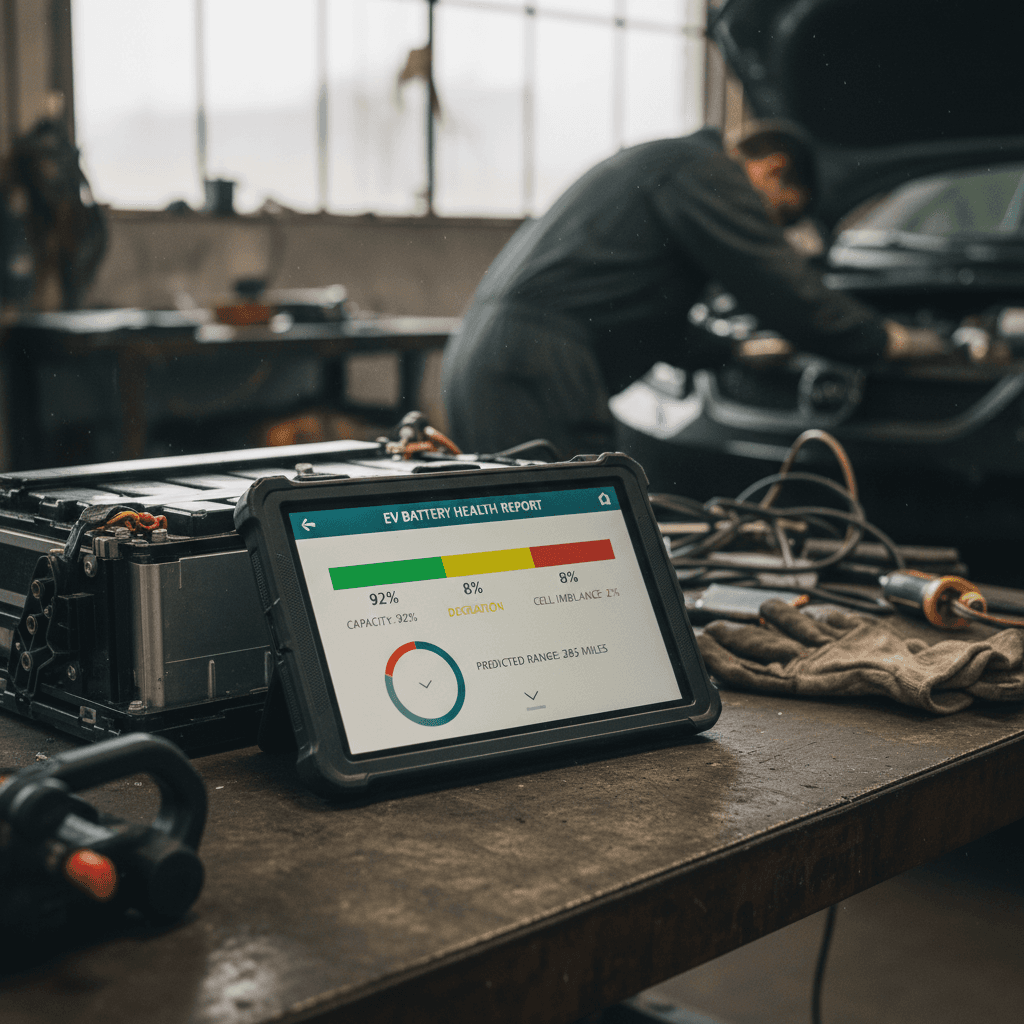
How Recharged helps on battery concerns
Ready to find your next EV?
Browse VehiclesIf you already own a Model S, keeping battery degradation modest, avoiding constant fast‑charging, limiting deep discharges, and sheltering the car from extreme heat when you can, helps preserve range and, with it, resale value. If you’re shopping used, a clean bill of health on the pack is often worth paying a little extra.
Buying a used Tesla Model S: use depreciation to your advantage
For value‑oriented shoppers, the sweetest spot is often a Model S that has already done the heavy lifting on depreciation but still has plenty of battery warranty and modern tech. In practice, that usually means a car in the 3‑ to 6‑year‑old range with average mileage and a clean history.
Used Model S buying checklist (depreciation‑savvy edition)
1. Target the right age window
Look for cars roughly 3–6 years old. The steepest year‑one drop is behind you, but you’re still close enough to current tech and typically inside the battery warranty window.
2. Compare against original MSRP
Know what the car cost new, options, trim, and destination included. A car retaining 65% of a $90,000 price is in a very different place than one retaining 65% of a $75,000 price.
3. Demand battery and service documentation
Ask for a recent battery‑health report, service records, and any warranty repair history. A verified pack in good condition often justifies a higher price today and a smoother sale later.
4. Check for major refreshes
Interior redesigns, new motor options, and range updates can move values. If you’re choosing between two years, understand what changed and how it affects long‑term desirability.
5. Benchmark against the broader EV market
Compare the Model S you’re considering with similarly priced used EVs and luxury sedans. Sometimes, a slightly older Model S offers more real‑world value than a newer, smaller EV.
6. Use independent valuations as a guide
Tools like valuation guides and EV‑focused marketplaces can give you a sense of fair pricing. At Recharged, we combine this data with real transaction insights when we price Model S inventory.
Use depreciation curves to negotiate
Ownership strategies to reduce your depreciation losses
Once you own the car, you can’t control macro trends, but you can absolutely influence where your individual Model S falls within its peer group. Two cars of the same year and mileage can easily differ by 10–15% in resale value depending on how they’ve been treated.
Five ways to stay on the high side of the value curve
Think less in terms of squeezing every last mile today and more in terms of preserving buyer confidence for tomorrow.
Protect the exterior & interior
Stay ahead on maintenance
Charge thoughtfully
Keep good records
Keep software up to date
Choose your exit timing
Sample depreciation scenarios
To bring all of this down to earth, let’s walk through three simple scenarios. These aren’t guarantees, but they’re realistic pictures of how depreciation might play out for different kinds of Model S buyers.
How depreciation could look for three typical owners
New‑car buyer, 5‑year horizon
Buys a new Model S at $90,000 out‑the‑door in 2026.
Drives ~12,000 miles per year, keeps car garaged and well maintained.
If the car retains about 60–65% of value at year 5, resale or trade‑in might land around $54,000–$58,500.
Effective depreciation cost: roughly $31,500–$36,000 over 5 years, or about $6,300–$7,200 per year, before fuel and maintenance savings vs. gas cars.
Used‑car buyer, 3‑year horizon
Buys a 3‑year‑old Model S originally priced at $90,000, now selling around 72% of MSRP (~$64,800).
Keeps it to another 36,000 miles and three years of ownership.
If values follow a typical curve to around 60–65% of original MSRP at year 5, this owner might resell for $54,000–$58,500.
Effective depreciation cost: roughly $6,300–$10,800 over 3 years, or about $2,100–$3,600 per year, much less than the first owner paid.
Long‑term keeper, 10‑year horizon
Buys a lightly used Model S at 2 years old and keeps it until it’s around 12 years old.
By then, total depreciation from original MSRP might be in the 55–65% range, depending on mileage and battery condition.
The car could be worth 35–45% of original price, but other costs (like a potential out‑of‑warranty repair) may start to loom larger than day‑to‑day depreciation.
This strategy makes the most sense for owners who truly value the car and plan to run it deep into its life, not those chasing the lowest cost per mile.
The big risk zone: high price + short hold
FAQ: Tesla Model S depreciation rate
Frequently asked questions about Model S depreciation
Key takeaways for current and future Model S owners
The Tesla Model S is still one of the most compelling long‑range luxury EVs on the road, but it’s not immune to the basic math of depreciation. Over five years, you can expect a well‑cared‑for car to lose roughly a third of its original value, with steeper drops if you pay top‑dollar for the latest trim and trade out quickly. Over a decade, total depreciation can run north of 55%, especially for high‑mileage or poorly documented examples.
If you approach the Model S like a smart investor rather than a spur‑of‑the‑moment shopper, choosing the right model year, buying used at the right point on the curve, and treating battery health and documentation as non‑negotiables, you can enjoy the performance and tech without letting depreciation wreck your budget. And if you’d rather not decode those curves alone, platforms like Recharged were built to do exactly that: evaluate battery health, price fairly, and help you move into (or out of) a Model S with your eyes wide open.