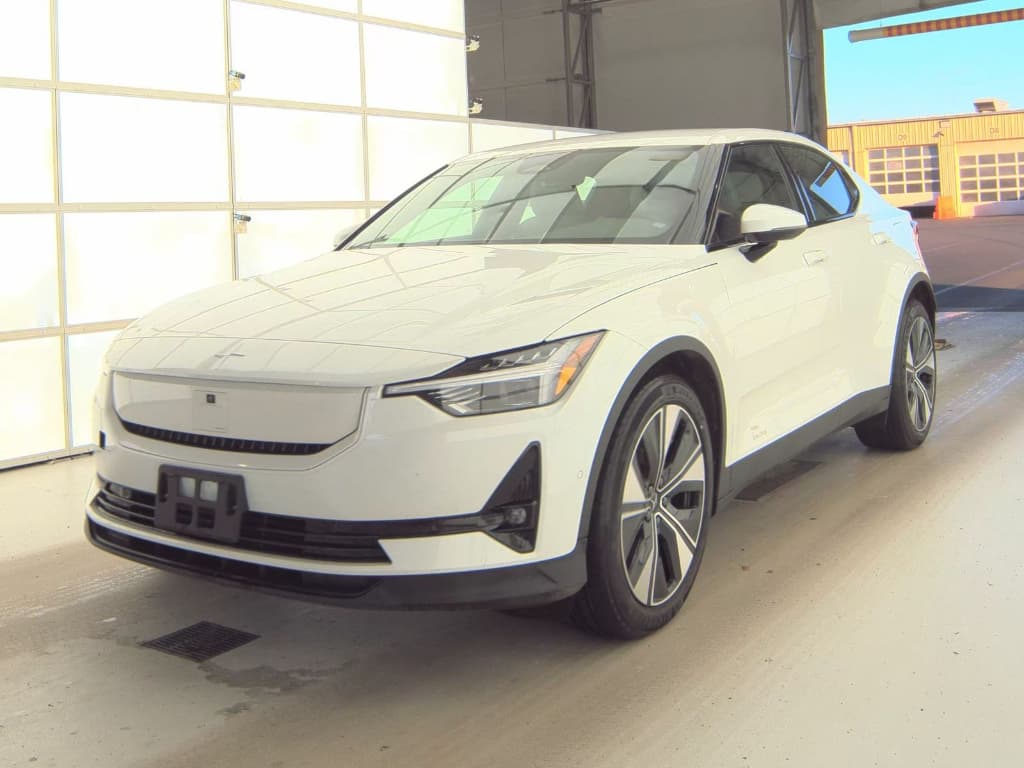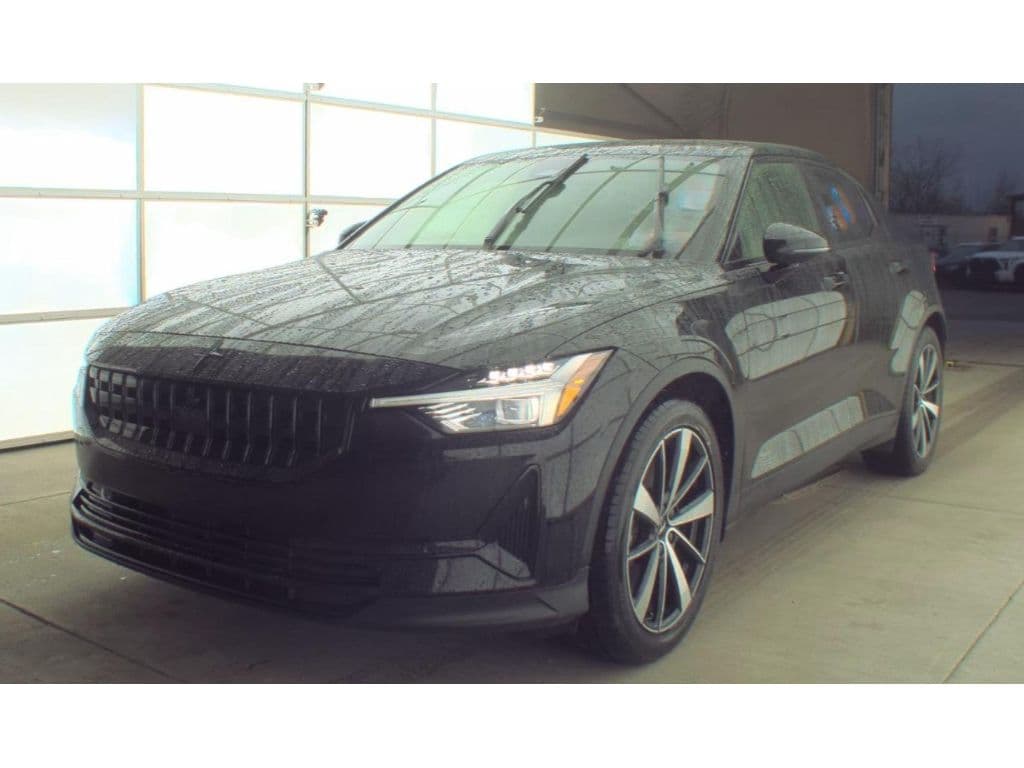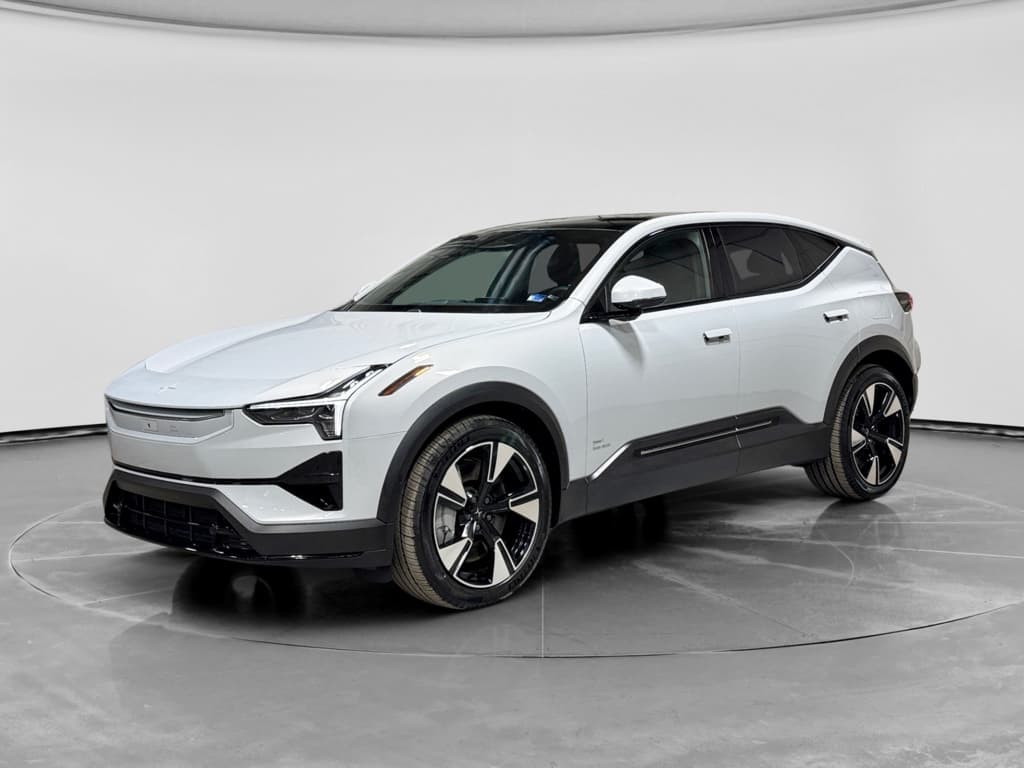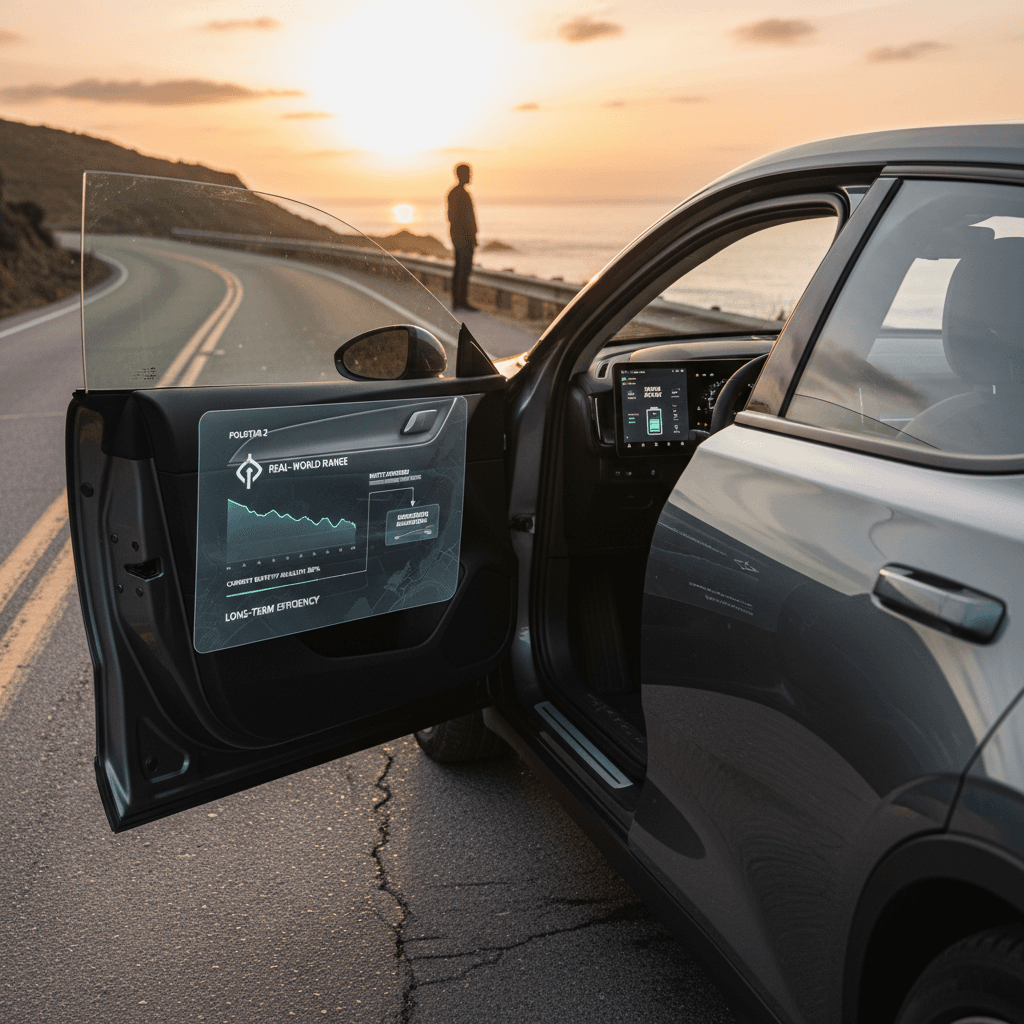
If you’re looking at a Polestar 2 in 2026, you’re probably not asking what the brochure range is, you want to know the real‑world range you’ll see on your commute, highway runs, and winter road trips. This guide pulls together EPA data, independent highway tests and owner experiences to show what a Polestar 2 real world range 2026 actually looks like, especially if you’re shopping used.
Why real‑world range matters more than specs
Polestar 2 range in 2026: the quick take
Polestar 2 range snapshot for 2026 shoppers
For 2024–2025 model years, the Long Range Single Motor Polestar 2 is EPA‑rated up to about 320 miles with 19‑inch wheels, while dual‑motor versions land in the mid‑200s depending on spec. Independent 75‑mph highway tests of pre‑facelift cars have seen roughly 230–250 miles on a charge, and the updated rear‑drive single‑motor layout plus a larger battery improved efficiency further. In practice, most owners in 2026 should plan around something like 260–285 miles of highway range in a Long Range Single Motor and roughly 220–250 miles in the Long Range Dual Motor under good conditions.
EPA vs real‑world range on the Polestar 2
On paper, the 2024 Polestar 2 Long Range Single Motor with 19‑inch wheels carries an EPA rating around 320 miles, while Long Range Dual Motor trims land roughly in the 247–276‑mile band depending on package and wheels. Those numbers put it in the hunt with Tesla Model 3 and Hyundai Ioniq 6 on paper, especially after Polestar moved the single‑motor car to rear‑wheel drive and fitted an 82 kWh (gross) pack.
But independent highway testing has consistently shown a gap between paper and pavement. In Car and Driver’s 75‑mph real‑world loop, an earlier dual‑motor Polestar 2 managed about 230 miles, while a single‑motor version stretched to roughly 250 miles. That pattern, a 10–20% haircut from EPA, sometimes a bit more at higher speeds, is right in line with what Recharged has seen in our own testing and data workups.
City vs highway: don’t assume more speed, same range
Real‑world range by Polestar 2 configuration
Exact range depends heavily on how your Polestar 2 is configured. Below is a planning‑level snapshot for U.S.‑spec long‑range cars that you’re most likely to see on the used market in 2026. These are typical real‑world numbers, not promises, assume a healthy battery, 19‑inch wheels, mild weather, and mostly highway driving at 70–75 mph.
Planning‑level real‑world range by Polestar 2 trim (2024–2025 cars in 2026)
Approximate ranges assume a healthy battery, 70–75 mph highway cruising, and starting near 100% state of charge.
| Polestar 2 configuration | EPA rating (new) | Mild‑weather highway range (typical) | Mixed driving (city + highway) | Notes |
|---|---|---|---|---|
| Long Range Single Motor (RWD, 19" wheels) | ~320 mi | 260–285 mi | 280–310 mi | Best efficiency; 82 kWh pack, rear‑drive update helps real‑world range |
| Long Range Single Motor (RWD, 20" wheels) | ~307 mi | 245–270 mi | 265–295 mi | Larger wheels/tires add drag and weight |
| Long Range Dual Motor (AWD, 19" wheels) | ~270–276 mi | 220–250 mi | 240–270 mi | More power and traction; efficiency penalty vs single motor |
| Long Range Dual Motor w/ Performance Pack | ~247–254 mi | 210–235 mi | 230–255 mi | Stickier tires and sport tune trade some range for grip |
| Older FWD Single Motor (pre‑2024, 78 kWh) | ~260–270 mi | 210–240 mi | 230–260 mi | Less efficient than updated RWD cars, especially at highway speeds |
Use these as conservative planning numbers for highway trips; many drivers will see more in mixed or slower driving.
Real range is a sliding scale
How speed, weather and terrain change your range
1. Speed: the biggest lever you control
Aerodynamic drag rises quickly as speed climbs, so your Polestar 2 is much happier at 65 mph than 80 mph. Many owners report that moving from about 65 to 75 mph can cost 10–15% of range, and going faster chips away even more.
- At 60–65 mph, it’s possible to get close to combined EPA numbers in mild weather.
- At 70–75 mph, expect range more in line with the highway estimates in the table above.
- Above 80 mph, you’re squarely in “fast but thirsty” territory for any EV, Polestar 2 included.
2. Temperature and HVAC use
Cold weather hits every EV, and the Polestar 2 is no exception. In sub‑freezing conditions, it’s common to see 25–40% less usable range, especially on short hops where the pack never fully warms.
- Pre‑conditioning while plugged in can claw back a noticeable chunk of range.
- Cars with a heat pump may see a smaller winter penalty on longer drives, particularly in the 20–40°F range.
- In hot climates, heavy A/C use also eats into range, but usually less dramatically than extreme cold.
Elevation changes and wind can quietly swing your numbers as well. Climbing into the mountains is range‑intensive; a long downhill on the other side helps, but not enough to fully cancel the climb. A stiff headwind can have the same effect as driving 5–10 mph faster in still air, while a tailwind can make you feel like a hyper‑miling hero.
Trip‑planning shortcut
Battery aging: what happens to Polestar 2 range over time?
By 2026, many early Polestar 2s are four to six years old. The core question for used buyers isn’t whether the battery will suddenly fail, it’s how much usable range is left after normal degradation.
- Most modern EV packs, including the Polestar 2’s, tend to lose capacity faster in the first couple of years, then level off.
- Real‑world data from many EVs suggests something like 5–10% loss in usable capacity by year 5 under typical use.
- Heavy DC‑fast‑charge use, frequent 0–100% cycles, or long stretches stored at 100% can accelerate aging.
- Mild climates, garage parking and mostly AC charging (Level 1 or 2) generally support slower degradation.
Translated into range, a healthy five‑year‑old Long Range Single Motor that started at 320 miles EPA might feel more like a 285–300‑mile car on paper, with highway numbers scaling down accordingly. You’re unlikely to notice this on your daily 20‑mile commute, but it does matter for how you plan 200‑mile road legs.
Battery warranty safety net
How to maximize real‑world range in a Polestar 2
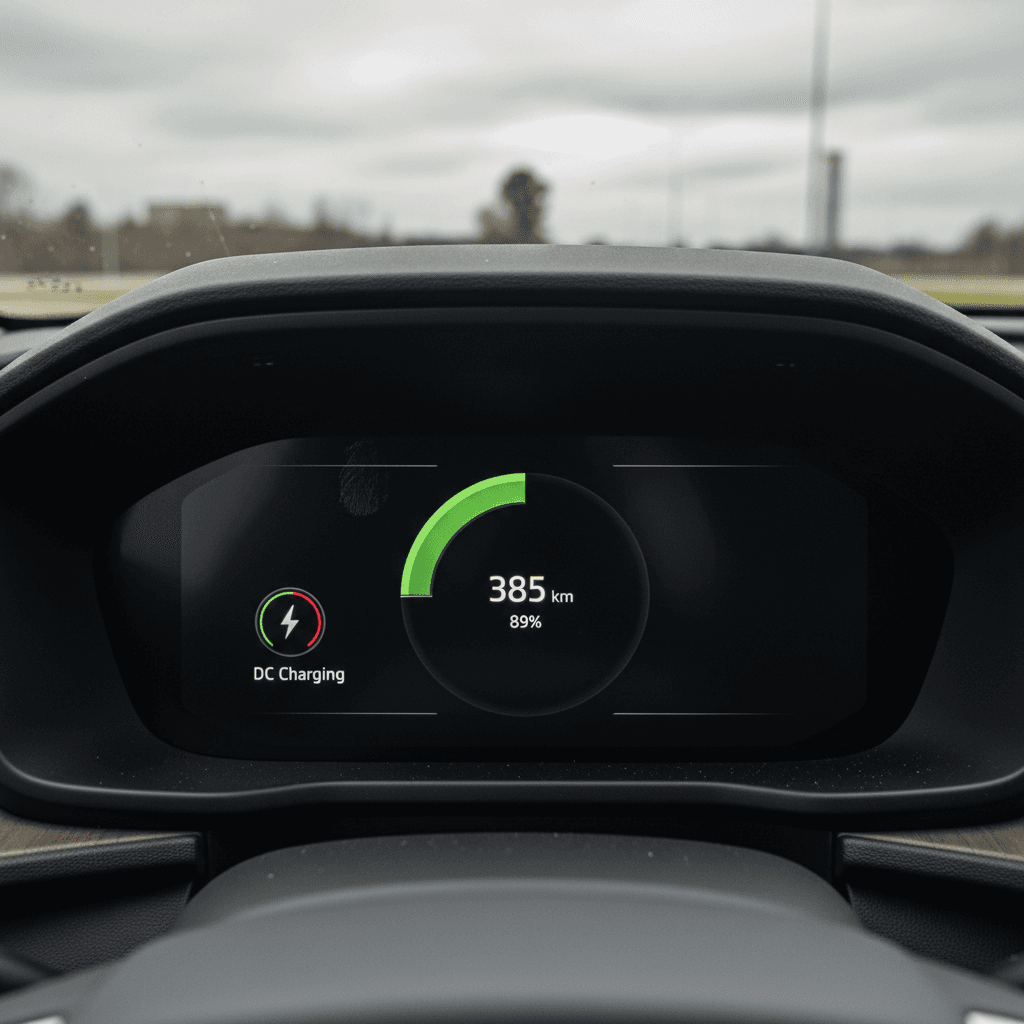
Practical range‑boosting steps for Polestar 2 owners
Set a realistic cruising speed
If you can live at 65–70 mph instead of 75–80 mph, you’ll typically gain a meaningful buffer in your Polestar 2. On long legs, that can be the difference between charging once versus twice.
Use pre‑conditioning when plugged in
In both hot and cold weather, use the Polestar app or in‑car settings to warm or cool the cabin and battery while you’re still connected to the charger. That way, initial HVAC draw comes from the grid, not your pack.
Lean on ECO/HVAC settings
Dial back cabin temperature a degree or two, use seat and wheel heaters in winter, and avoid blasting max A/C unless you truly need it. Comfort still matters, but each big HVAC load knocks down your projected range.
Check tire pressure and wheel setup
Under‑inflated tires hurt range. So do aggressive wheel/tire packages. If you’re range‑sensitive, prioritize 19‑inch wheels with all‑season rubber and keep pressures at the recommended spec.
Charge smart, not always to 100%
For daily driving, many EV owners aim for a 20–80% state‑of‑charge window to support long‑term battery health. Save 90–100% charges for days when you truly need the full pack for long trips.
Plan routes around reliable fast charging
Use apps like A Better Routeplanner, PlugShare and your preferred network app to map stops at 30–50% state of charge, not when you’re nearly empty. Shorter, faster sessions are easier on both the pack and your nerves.
Buying used: range questions to ask about a Polestar 2
If you’re considering a used Polestar 2 in 2026, range isn’t just about what the model could do when new. It’s about how the specific car in front of you has been driven, charged and maintained.
Used Polestar 2 range due‑diligence checklist
Confirm exact trim and wheel setup
Ask the seller for the full trim (Long Range Single Motor vs Dual Motor, Performance Pack, wheel size). EPA ratings and real‑world range shift meaningfully between versions.
Review lifetime efficiency and odometer
In the car’s trip/energy menus, look for average kWh/100 mi or mi/kWh and total miles driven. That tells you how the car has been used and how efficient it has really been in the owner’s hands.
Ask about charging habits
How often was it DC fast‑charged? Did the owner leave it at 100% for long stretches? Mostly home Level 2? The answers help you infer long‑term battery health and likely degradation.
Look for software and recall history
Polestar has pushed software updates that can affect efficiency and charging behavior. Ask for service records and confirm the car is current on updates and any relevant campaigns.
Test a full‑to‑partial drive
On a serious candidate, a simple test, start near a known state of charge, drive a fixed route, note miles driven and percent used, can give a rough sense of real‑world range and whether it aligns with expectations.
Get an independent battery health report
Whenever possible, pair your own observations with objective data. A structured battery‑health report gives you a clear picture of remaining capacity instead of guesswork.
How Recharged helps you shop a Polestar 2 by real range
Range anxiety is really information anxiety: you don’t know what the car will actually do. That’s why every EV on Recharged, including the Polestar 2, comes with a Recharged Score Report that digs into battery health and real‑world usability, not just odometer and options.
Shopping a Polestar 2 with Recharged
Range‑focused tools and services built around used EV buyers
Verified battery health
Each vehicle gets a Recharged Score with battery diagnostics so you understand current capacity, not just what the spec sheet claimed when the car was new.
Transparent pricing & trade‑ins
Recharged benchmarks listings against fair‑market data for used EVs and offers trade‑in, instant offer or consignment options if you’re moving out of a gas car or older EV.
Charging & range guidance
EV‑specialist advisors can help you match a Polestar 2 configuration to your actual driving, commute length, climate, trip habits, and build a home and public‑charging game plan.
Ready to find your next EV?
Browse VehiclesYou can shop entirely online, lean on EV‑specialist support along the way, and get nationwide delivery. If you prefer to kick the tires first, Recharged also operates an Experience Center in Richmond, VA, where you can see how a Polestar 2 fits your life before you buy.
Polestar 2 real‑world range 2026: FAQ
Frequently asked questions about Polestar 2 real‑world range in 2026
Bottom line: planning around Polestar 2 range in 2026
When you strip away the marketing, a Polestar 2 in 2026 offers solid, predictable real‑world range, as long as you plan with honest numbers. Figure on the Long Range Single Motor behaving like a 260–285‑mile highway car in the real world, with dual‑motor versions trailing by a meaningful but manageable margin. Cold weather, high speeds and elevation change can all shrink that window, while smart driving and charging habits can stretch it.
If you’re shopping used, treat range as a vehicle‑specific story, not just a model‑year spec. Ask about how the car’s been charged, look at its long‑term efficiency, and pair your own impressions with objective battery‑health data. Whether you buy through Recharged or elsewhere, going in with a realistic range picture will make your Polestar 2 feel like a confident, capable EV, not a guessing game every time you pull onto the highway.