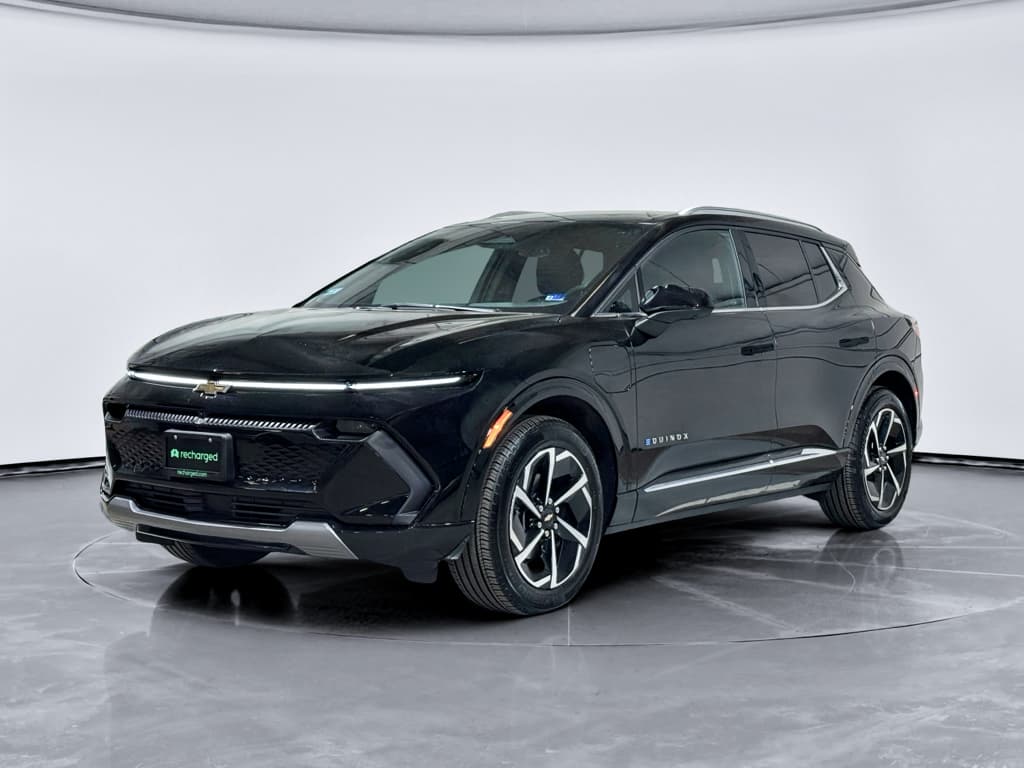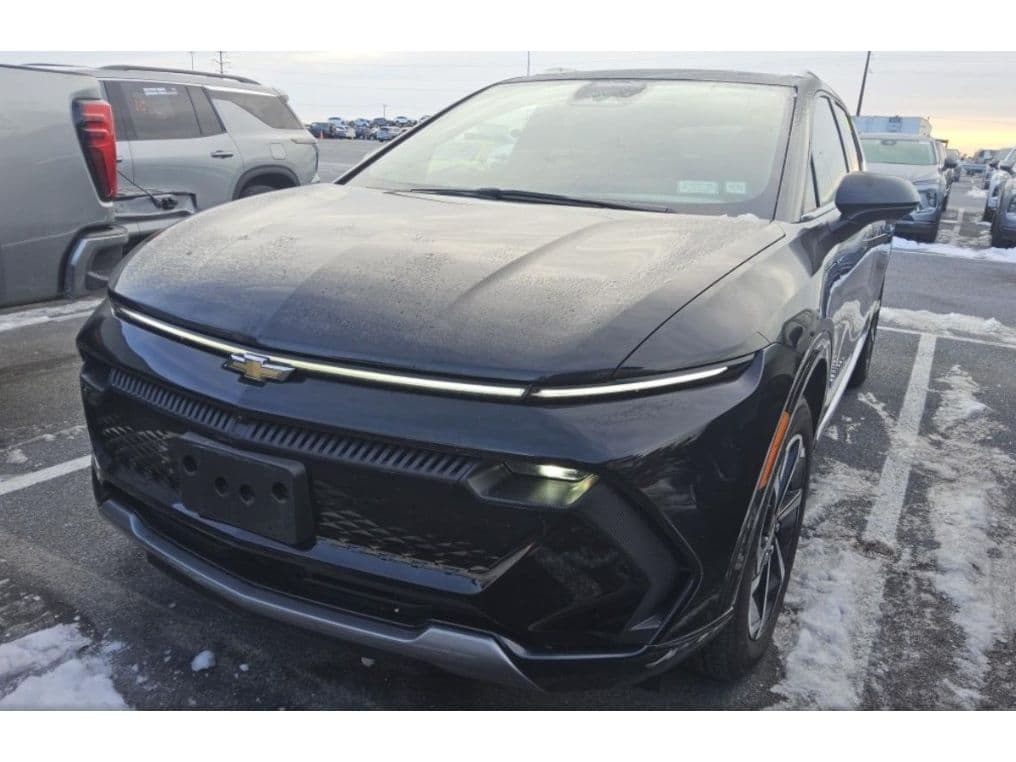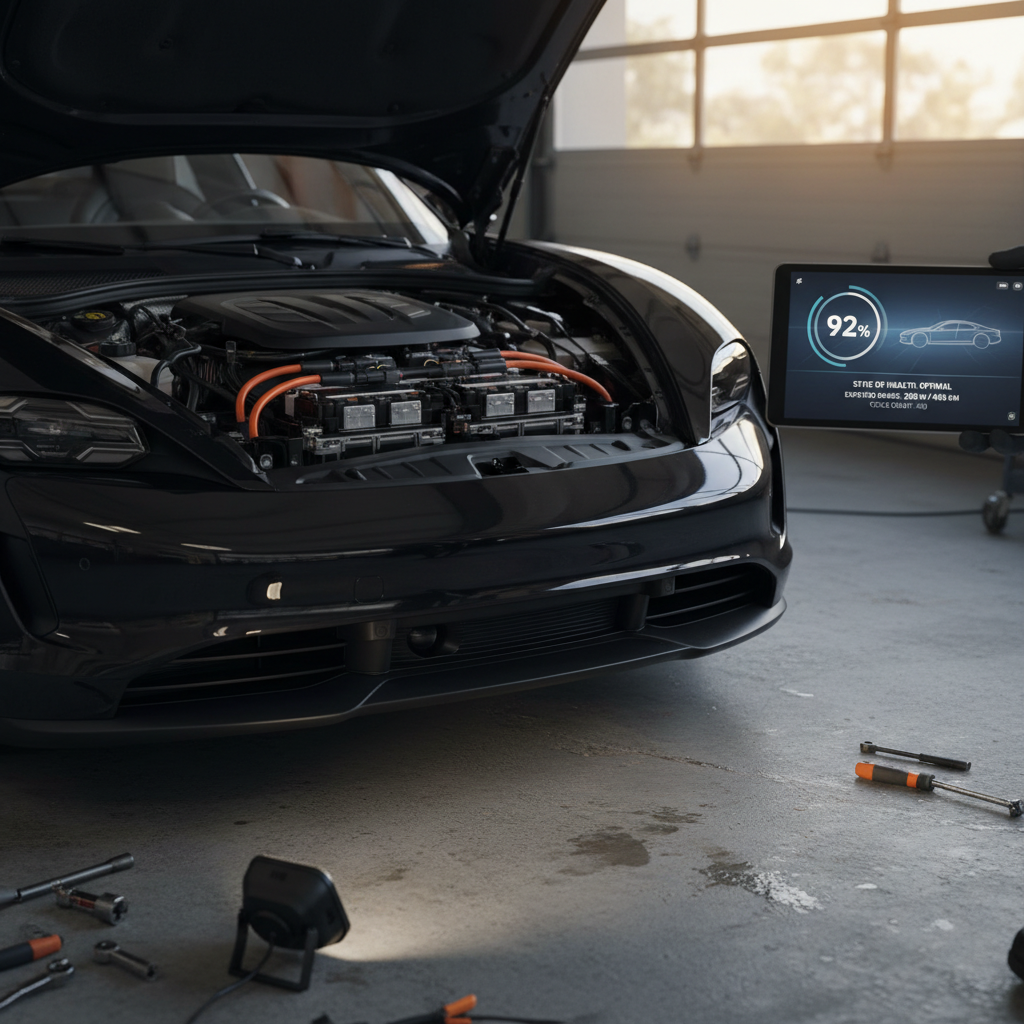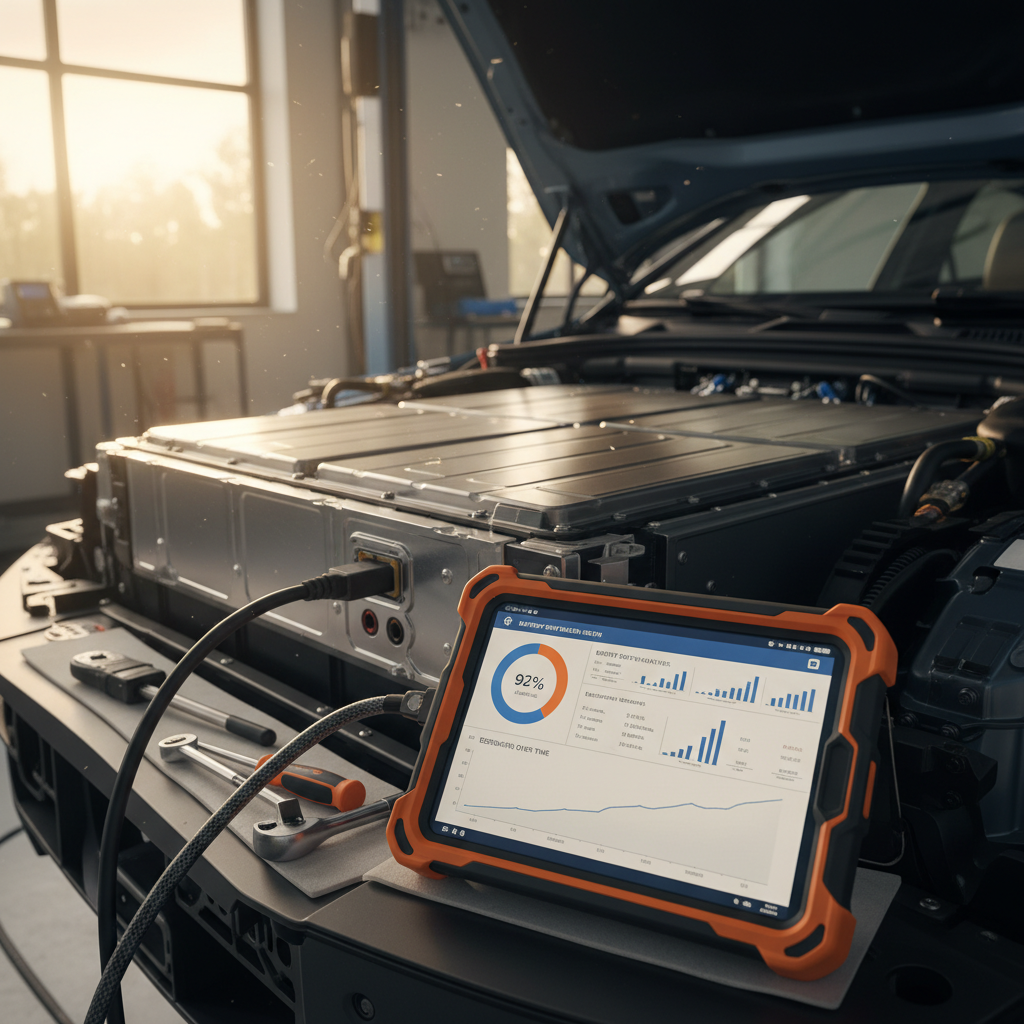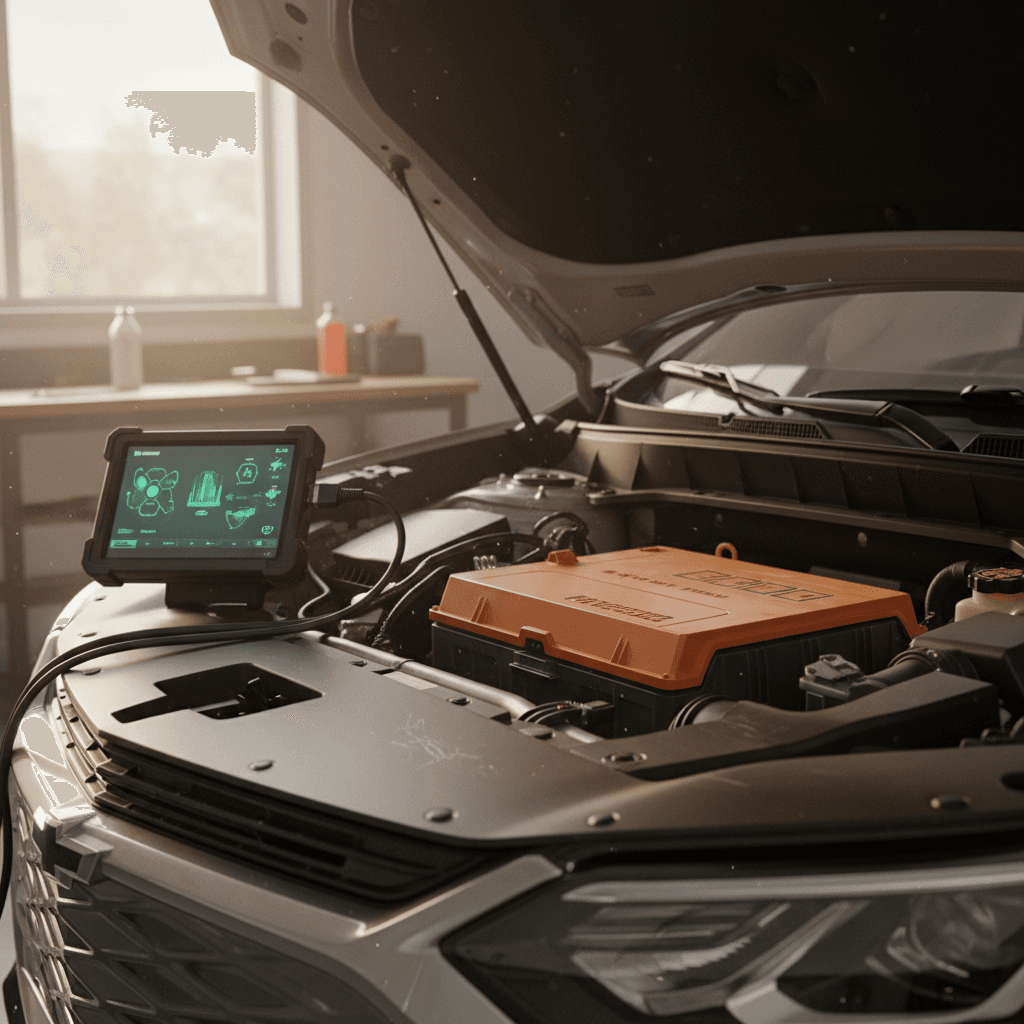
If you’ve bought, or are about to buy, a Chevrolet Equinox EV, the real star of the show isn’t the big touchscreen or the light bar. It’s the Ultium battery pack bolted underneath you. Knowing how to check Chevrolet Equinox EV battery health is the difference between years of quiet, low-cost driving and an expensive surprise down the road.
Good news for Equinox EV owners
Why Chevrolet Equinox EV battery health matters
Your Equinox EV’s battery is its single most valuable component. The official warranty on the Ultium pack is typically 8 years or 100,000 miles (whichever comes first) against excessive capacity loss or failure, but the value of the vehicle in the used market lives and dies by how that pack is actually aging.
- Battery health largely determines your real-world driving range and how confident you feel on road trips.
- It’s a major factor in resale value, especially as more shoppers learn to ask for EV battery reports.
- Degradation is permanent. Once capacity is gone, you can’t “fix” it with an oil change; you can only slow further loss.
- Catching an ailing pack early can make the difference between a warranty claim and a huge out-of-pocket repair.
Chevrolet does not give you a giant on-screen “state of health” percentage. Instead, you have to read the tea leaves using range, charging behavior, and diagnostics. The good news: with a bit of structure, you can do a surprisingly solid battery health check in your driveway.
How the Equinox EV battery and range displays are set up
Before you run any tests, it helps to understand how the Equinox EV talks to you about energy. Most owners will interact with battery health through three things: state of charge, estimated range, and charging speed.
Three key battery readouts in your Equinox EV
These screens are the foundation of any DIY battery health check
State of charge (SOC)
The big battery gauge, often shown as a percentage and icon on the driver display. This is your fuel gauge, not your health meter.
Estimated range
The car’s prediction of how many miles you can drive. It’s based on recent driving habits, not just raw battery capacity.
Charging screen data
When charging, you’ll see charge rate (kW), time remaining, and sometimes energy added (kWh). These numbers are very useful for spot-checking battery performance.
Range ≠ battery health (by itself)
Quick Chevrolet Equinox EV battery health check in 5 minutes
If you’re short on time, maybe you’re test-driving a used Equinox EV at a dealer, you can still get a rough feel for battery health with a few quick checks. This won’t replace a full diagnostic, but it will keep you from walking straight into a disaster.
5‑minute Chevrolet Equinox EV battery health check
1. Note mileage and model year
On the driver display, grab the odometer reading. A 2024 Equinox EV with 15,000 miles should still feel very close to new in range. If range looks abnormally low for the mileage, that’s your first warning flag.
2. Check current state of charge and range
Look at battery percentage and estimated miles. Do a quick mental check: does the displayed range line up with the official EPA range for this trim, adjusted for your current SOC and conditions?
3. Glance at recent energy consumption
In the energy or trip screens, check average consumption (mi/kWh or kWh/100 mi). Very inefficient recent driving can explain a low range estimate without meaning anything is wrong with the pack.
4. Look for warning lights or messages
Any battery, high-voltage, or reduced-power messages in the cluster or infotainment are a hard stop. Don’t rationalize them away on a used car, you want those resolved and documented before money changes hands.
5. Ask about charging habits
If the owner or seller admits they fast‑charge daily and constantly charge to 100%, you should assume <strong>faster-than-normal degradation</strong> unless proven otherwise by a real diagnostic report.
Take photos while you’re there
Step-by-step DIY Equinox EV battery health check
When you have access to the vehicle for a few hours, or over a weekend, you can perform a much more reliable battery health check using nothing more than a calculator and a Level 2 charger. You won’t get lab-grade precision, but you’ll get far beyond guesswork.
What you’re really trying to measure
Step 1: Normalize your conditions
Battery behavior is heavily influenced by temperature and driving style. To make your check meaningful, try to test under conditions that are neither extreme nor unusual.
- Aim for a mild day (around 60–80°F) if possible. Extreme cold or heat will distort results.
- Reset trip meters before your test drive so you can track fresh consumption data.
- Make sure tires are inflated correctly, low tire pressure can meaningfully change efficiency and range.
Step 2: Do a controlled drive and log data
Next, you’ll do a simple A-to-B drive and watch what happens to both state of charge and range. You’re essentially checking whether the car’s “fuel gauge” is behaving in a sane, linear way.
DIY road test for Equinox EV battery health
Start around 70–80% SOC
Begin with the battery somewhere in the middle of the pack, this avoids quirks right at the top or bottom of the charge window.
Record starting data
Write down starting SOC, estimated range, trip odometer (reset to 0), and the average consumption display (if available).
Drive 20–40 miles mixed
Take a route that mixes city and highway, driven calmly. Avoid big elevation changes if you can, they complicate the math.
Record ending data
Note ending SOC and estimated range, along with the trip distance and average consumption from the energy screen.
Compare miles driven vs. SOC used
If you used, say, 20% of the battery to go 40 miles, that implies roughly 200 miles of total range under those conditions, 40 miles / 0.20 = 200 miles.
Compare implied range to spec
Now compare that implied range with the EPA rating for your trim, adjusted for your driving speed and weather. You’re not looking for perfection, just for signs the pack is radically off its original performance.
Step 3: Use a Level 2 charge session as a sanity check
If you have access to a Level 2 charger at home or at a public station that bills by the kWh, you can use one charging session to double-check that your range math makes sense.
- Arrive at the charger with the battery between about 20–40% SOC.
- Start a session and, in the car, note the starting SOC, estimated range, and the time.
- Charge to around 80–90% SOC, no need to hit 100% for this test.
- Look at how many kWh the charger reports adding by the end of the session, and how many miles of range you gained.
- If, for example, you added 40 kWh and gained 120 miles, the car is effectively delivering about 3 mi/kWh in that moment, which you can compare to the trip computer’s efficiency. Big mismatches can signal either meter issues or something odd with the pack.
Don’t treat this like laboratory data
Interpreting your results: what’s normal vs a red flag
Once you have your notes, you need to translate them into a simple verdict: is this Equinox EV behaving like a healthy modern Ultium pack, or is there smoke in the theater?
Signs your Equinox EV battery looks healthy
- On a mild day, your implied real-world range is within roughly 10–15% of the original EPA rating for that trim when driven reasonably.
- SOC and range drop appear smooth and linear, no big jumps or weird plateaus.
- No high-voltage or battery warnings present, and DC fast charging speeds look consistent with other owner reports for similar SOC and temperature.
- The vehicle is within its 8‑year/100,000‑mile battery warranty window, with no history of pack repairs.
Signs you should dig deeper or walk away
- Implied range is down 20–30% or more vs. original ratings under normal conditions, with no obvious driving or weather explanation.
- Range jumps around, or the SOC gauge drops in big chunks during a steady drive.
- Persistent warning messages related to the battery, charging, or reduced power mode.
- The seller can’t (or won’t) provide any documentation on software updates, warranty work, or charging history.
Massive range loss is not “just an EV thing”
Extra battery checks when you’re buying a used Equinox EV
If you’re just sanity-checking your own car, you have history on your side. When you’re buying used, you’re flying partly blind. That’s where a bit of extra due diligence pays enormous dividends.
Used Chevrolet Equinox EV battery due‑diligence checklist
Questions and documents that tell you how the pack has really lived
| Check | What to look for | Why it matters |
|---|---|---|
| Vehicle history report | Consistent ownership, no flood or severe damage record | Catastrophic events can quietly kill EV packs. |
| Service records | Software updates, any high‑voltage system repairs | Shows whether the car has been maintained and updated. |
| Charging pattern | Mostly home Level 2 vs heavy DC fast charging | Daily DC fast charging is harder on pack longevity. |
| Usage pattern | Commute vs ride‑share/delivery duty | High‑cycle commercial use accelerates degradation. |
| Battery report | OEM or third‑party diagnostic if available | A formal state‑of‑health number beats guesswork. |
You don’t need every single item on this list, but the more you can collect, the clearer the picture of the battery’s health.
Ask for something in writing
Protecting your Equinox EV battery for the long haul
Ultium hardware is sophisticated, but the habits that keep it happy are beautifully boring. The same basic rules that keep a smartphone battery from turning into a raisin also apply to your Equinox EV, just with more zeros on the price tag.
Habits that keep your Equinox EV battery healthier
You don’t need to obsess, just avoid chronic abuse
Treat 20–80% as your home base
For daily driving, charging somewhere between roughly 20–80% SOC is a nice sweet spot. Save 100% charges for road trips or when you actually need the full range.
Avoid extreme heat when you can
Parking in shade or a garage on blazing days helps. Heat is slow poison for lithium‑ion packs, even with good cooling systems.
Don’t live at max speed
Frequent 0–80 mph blasts and hammering DC fast chargers from near‑empty to full aren’t illegal. They’re just hard on the chemistry over years of repetition.
Software is on your side
When to get a professional battery diagnostic
DIY checks are great for sniff tests. When money is on the line, especially four or five figures of it, there’s no substitute for pulling data directly from the car’s battery management system with proper tools.
- You’re about to buy a used Equinox EV and plan to keep it for years.
- Your DIY tests suggest range has dropped sharply vs original specs.
- You see warnings, laggy fast‑charging speeds, or inconsistent SOC behavior.
- The car is nearing the edge of its 8‑year/100,000‑mile battery warranty window.
- You’re preparing to sell and want to justify a strong asking price with data.
What a real diagnostic looks like
How Recharged checks battery health on used Equinox EVs
At Recharged, we treat battery health as the main event, not an afterthought. Every used EV on our marketplace, including the Chevrolet Equinox EV, comes with a Recharged Score Report that pulls back the curtain on the pack’s real condition.
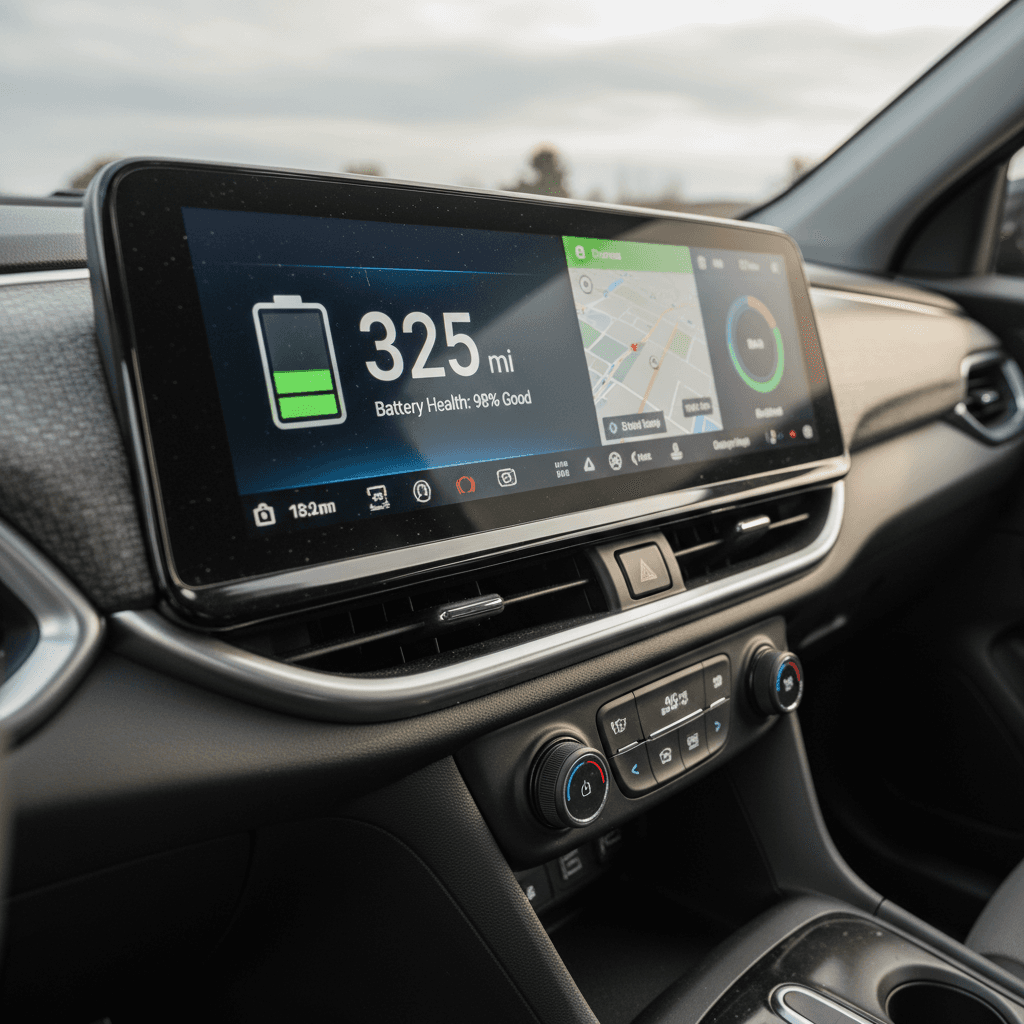
- We connect specialized diagnostics to the vehicle to read data directly from the battery management system.
- We verify usable capacity and look for early warning signs like cell imbalance or repeated high‑temperature events.
- Our pricing tools factor real battery health into the vehicle’s fair market value, so you’re not overpaying for a tired pack.
- If you’re trading in or selling, you can use that same report to support your asking price or understand where the market will push back.
Thinking about a used Equinox EV?
Chevrolet Equinox EV battery health FAQ
Frequently asked questions about Equinox EV battery checks
Key takeaways for Equinox EV battery health
The Chevrolet Equinox EV is built on a very modern battery platform, but chemistry is still chemistry. Treat the pack well and check in on it with intention, and it should quietly do its job for years. Ignore it, and you’re leaving a five‑figure component to chance.
- Don’t confuse a pessimistic range estimate after a rough week of driving with irreversible battery damage.
- Use simple road tests and Level 2 charge sessions to cross‑check what the car is telling you about its own range.
- Big, unexplained range losses or warning lights are not “normal EV stuff”, they’re reasons to pause and investigate.
- When buying used, documentation and diagnostics are worth real money; don’t be shy about insisting on both.
- If you’d rather not become your own battery engineer, lean on marketplaces like Recharged that put battery health front and center with transparent reports and expert guidance.
Learn how to read your Equinox EV’s battery once, and you’ll never look at range the same way again. You’re not just guessing anymore, you’re managing the most important part of the car like an informed owner.