Buy an EV

  • EVs for sale
  • Learn about EVs
  • Articles
  • Charging

Sell or trade

  • How it works

Financing

  • Get pre-qualified
  • Credit application

Contact us

  • Book a consultation
  • Call us at (804) 390-5910
  • Email us at hello@recharged.com
  • Visit our Experience Centers
    • Richmond, VA
    • Fairfax, VA
    • Charlotte, NC

© 2025 Recharged. All Rights Reserved.

7-Day Return Policy·Privacy Policy·SMS Opt-In·Do Not Sell or Share My Information·
TikTokYouTubeInstagramLinkedInFacebook
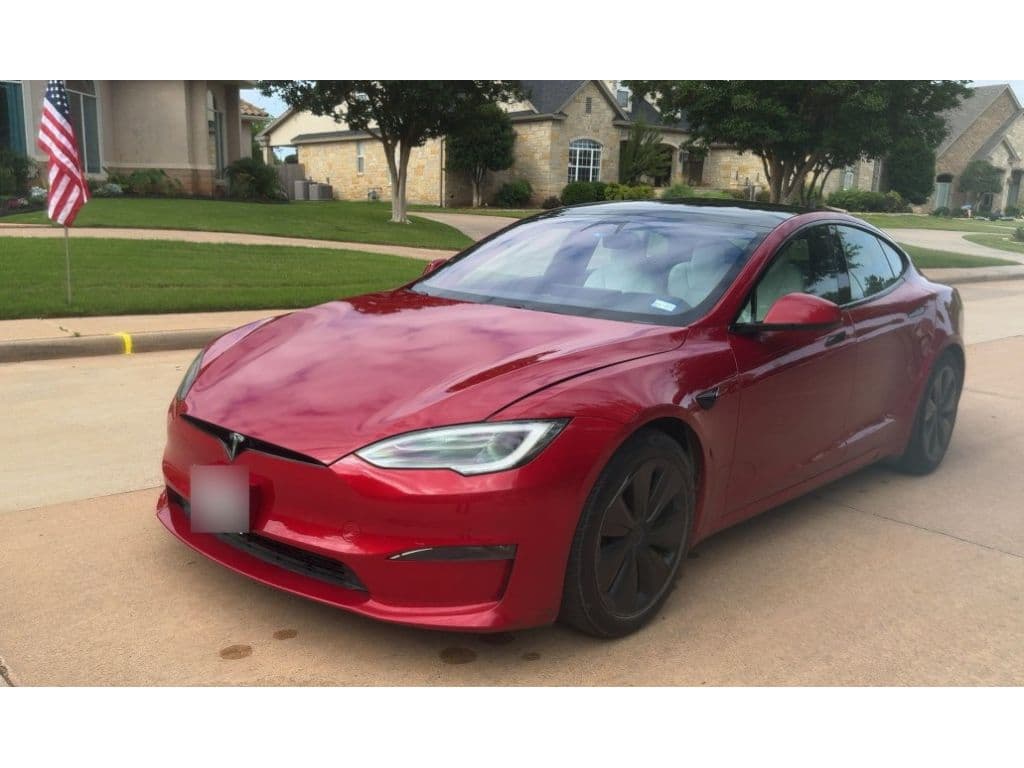
    Tesla Model S Common Problems in 2026: What Owners Really Face
    Problems & Recalls·11 min read·By Recharged Editorial Team

    Tesla Model S Common Problems in 2026: What Owners Really Face

    tesla-model-sused-ev-buyingev-reliabilitybattery-healthair-suspensionautopilot-fsdev-recallsluxury-evrecharged-score

    Table of Contents

    • Why Tesla Model S common problems matter in 2026
    • Tesla Model S generations and why they break differently
    • Top Tesla Model S common problems in 2026: quick overview
    • Early Model S (2012–2016): big charms, big issues
    • Late pre‑refresh (2017–2020): better, but not bulletproof
    • Refresh Model S (2021–2026): yokes, suspension, and software
    • Battery and range: what actually goes wrong
    • Autopilot, FSD, and recalls in 2026
    • How much do Tesla Model S problems cost to fix?
    • Shopping a used Model S in 2026: what to check
    • How Recharged helps with used Tesla Model S risk
    • Tesla Model S common problems 2026: FAQ
    • Bottom line: is a Tesla Model S worth the trouble?

    Search for “Tesla Model S common problems 2026” and you’ll get whiplash: owners raving about 0–60 launches, next to threads about dead door handles, clunking suspensions, and Autopilot recalls. If you’re eyeing a used Model S, or wondering what your own car might need over the next few years, this guide walks through the issues that actually show up in the real world, what they cost, and how to shop smart.

    Quick take

    The Model S is still one of the most compelling EVs you can own in 2026, but it’s not a “no‑maintenance spaceship.” Most problems cluster around a few known systems: door handles, media screens, air suspension, steering/yoke hardware, and software‑driven recalls for Autopilot and FSD.

    Tesla Model S generations and why they break differently

    Before you can talk about Tesla Model S common problems, you have to talk about generations, because the issues on a 2013 P85 are nothing like those on a 2024 Long Range. Roughly, you can split the Model S into three eras:

    • 2012–2016: Early cars. First‑gen drive units, early touchscreen computer (MCU1), the infamous first wave of retractable door handles, and more teething issues overall.
    • 2017–2020: Late pre‑refresh. Improved hardware, updated MCU in many cars, somewhat better build quality, but still legacy door handles and aging air suspensions.
    • 2021–2026: Refresh cars. New interior, horizontal screen, yoke or round wheel, updated motors and suspension, heavy reliance on cameras and software updates. Fewer “old Tesla” mechanical failures, more software and NVH (noise, vibration, harshness) complaints.

    Year matters more than mileage

    A 2015 Model S with 45,000 miles can be riskier than a 2021 with 80,000, simply because the earlier hardware has known weak points. Always research issues by model year, not just odometer.

    Top Tesla Model S common problems in 2026: quick overview

    Most reported Model S trouble spots in 2026

    #1
    Exterior hardware
    Retractable door handles, trunk/charge‑port latches, and trim fitment top complaint lists, especially on 2012–2018 cars.
    #2
    MCU & screens
    Aging MCU1 units and center displays can develop lag, ghosting, or outright failure; even newer cars see occasional screen glitches.
    #3
    Suspension & ride
    Creaks, clunks, and worn air‑suspension components show up on higher‑mileage Model S across all early generations.
    #4
    Software & ADAS
    Autopilot/FSD behavior, camera calibration, and recall‑driven updates are a new class of “problems” that don’t exist on gas sedans.}]},{
    Tesla on Recharged

    See all →
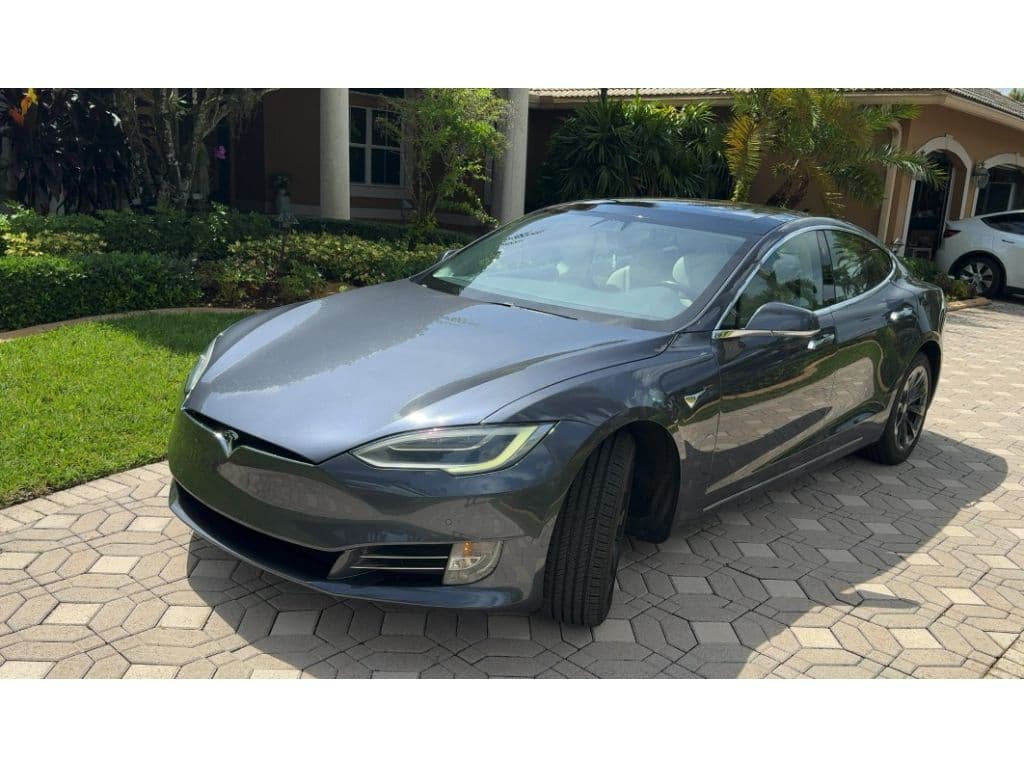
    2019 Tesla Model S

    2019 Tesla Model S

    Long Range•49K mi•259 mi range
    Pending Recharged Score
    $30,998
    Coming Soon
    Full Self-Driving
    2022 Tesla Model S

    2022 Tesla Model S

    Long Range•52K mi•405 mi range
    Pending Recharged Score
    $43,998
    Coming Soon
    Vehicle placeholder

    2023 Tesla Model S

    30K mi•350 mi range
    4.7/5Recharged Score
    $54,998

    Related Articles

    Volvo XC40 Recharge Recalls List: Key Issues, Years, and What Owners Should Do
    Used EVs·9 min

    Volvo XC40 Recharge Recalls List: Key Issues, Years, and What Owners Should Do

    See the main Volvo XC40 Recharge recalls by model year, how to check your VIN, and what steps to take if your used XC40 has an open recall.

    volvo-xc40-rechargevolvo-evev-recalls
    EV vs Gas Cost for a 30‑Mile Commute: 2025 Cost Breakdown
    Ownership & Costs·9 min

    EV vs Gas Cost for a 30‑Mile Commute: 2025 Cost Breakdown

    See how much you’ll save driving an EV vs gas car on a 30‑mile commute. Real‑world 2025 electricity and gas costs, examples, and break‑even tips.

    ev-vs-gascommuter-evstotal-cost-of-ownership
    Best Fuel Efficient Used Cars in 2025: Gas, Hybrid, and EV Picks
    Buying Guides·9 min

    Best Fuel Efficient Used Cars in 2025: Gas, Hybrid, and EV Picks

    Shopping used? Explore the best fuel efficient used cars in 2025, from gas misers to hybrids and EVs, plus buying tips and how Recharged helps you compare.

    used-ev-buyingfuel-efficient-carshybrid-cars