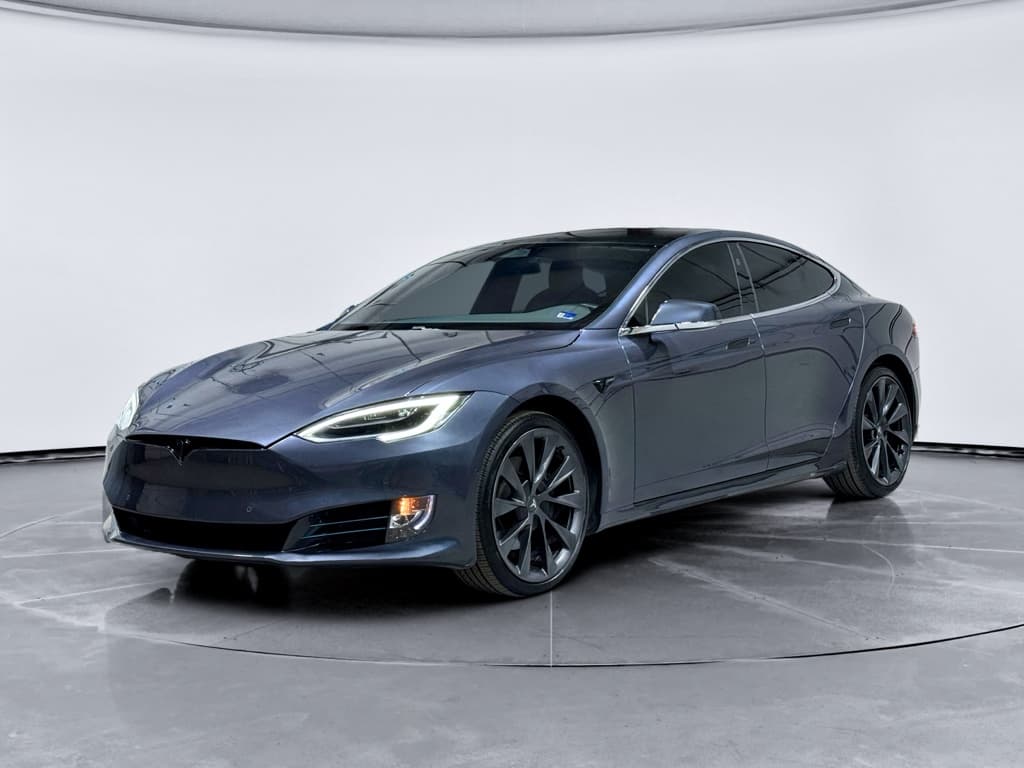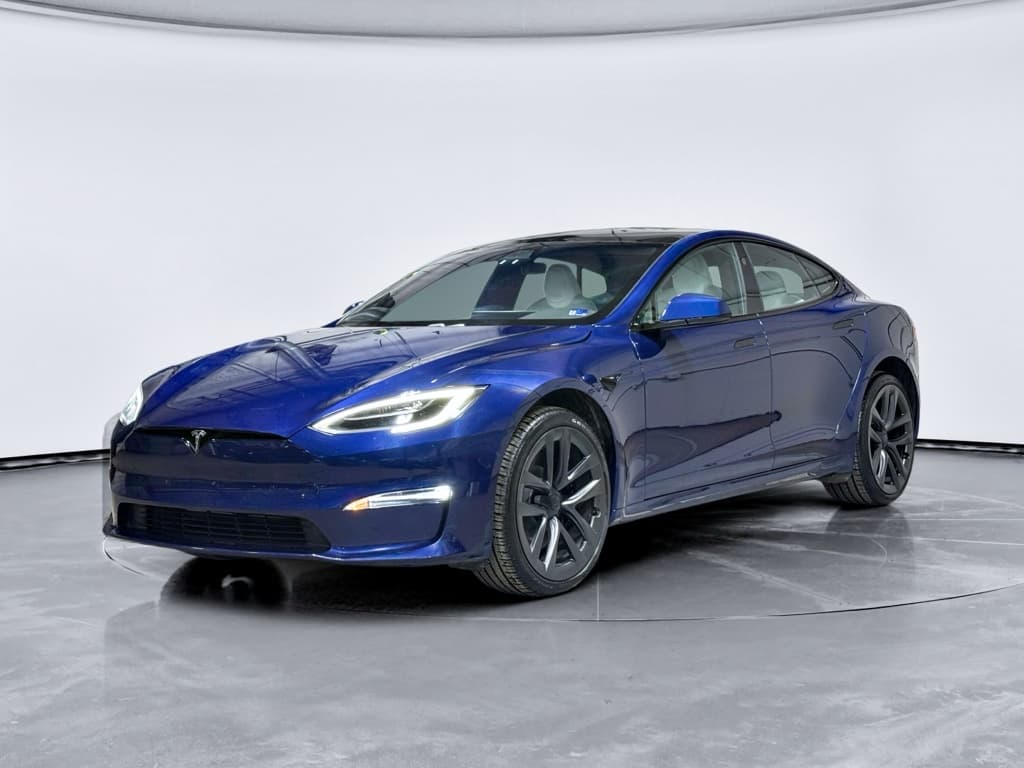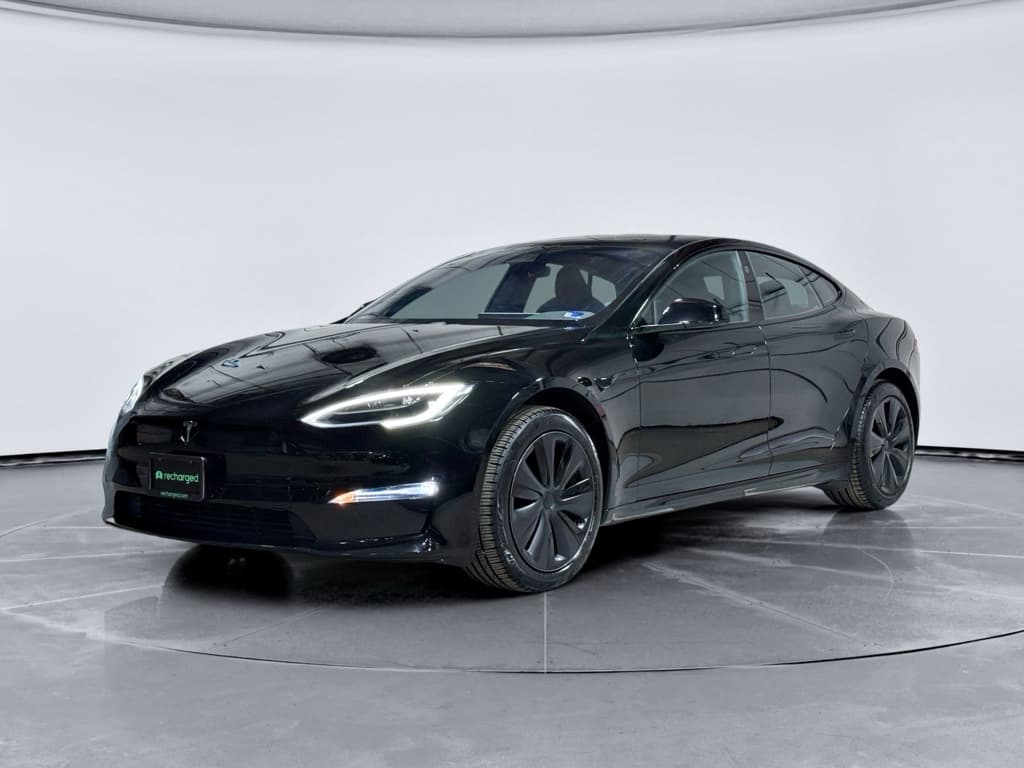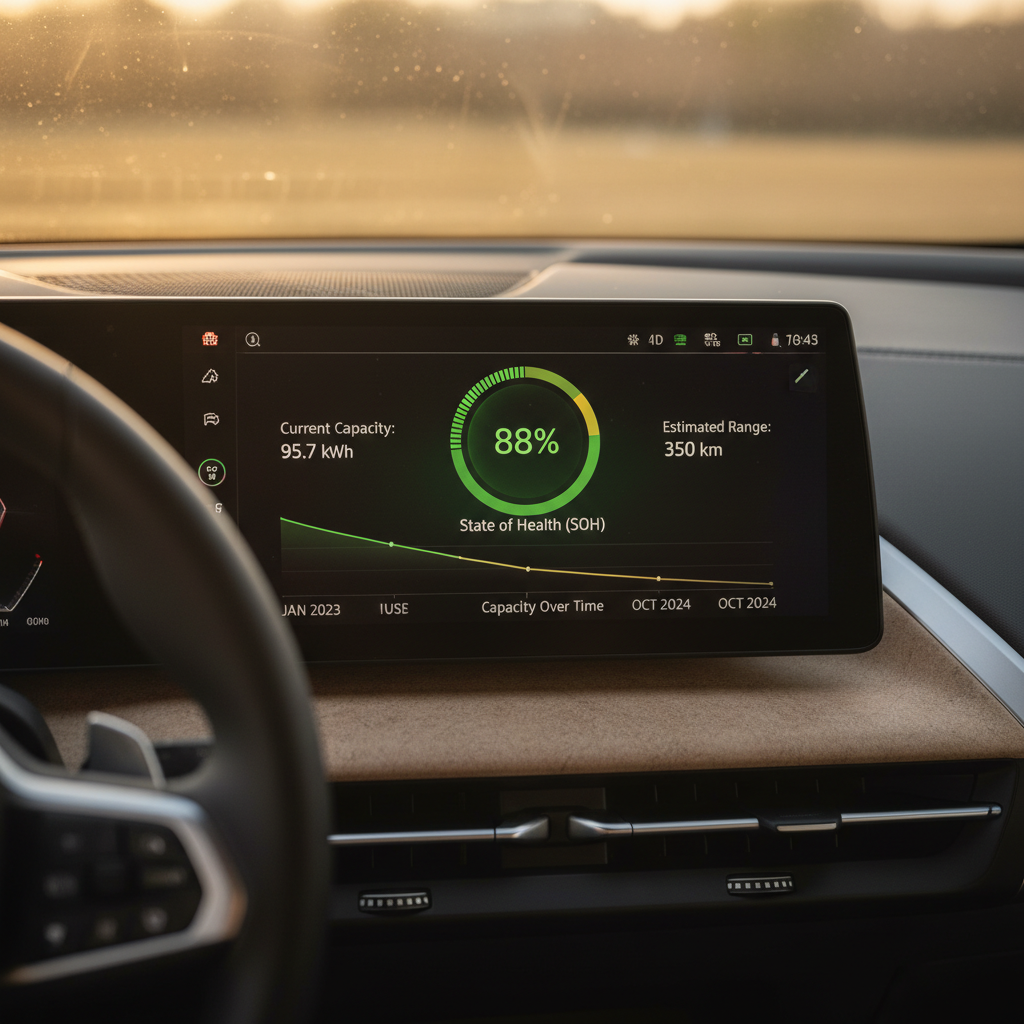
Search for “Tesla Model S common problems 2026” and you’ll get whiplash: owners raving about 0–60 launches, next to threads about dead door handles, clunking suspensions, and Autopilot recalls. If you’re eyeing a used Model S, or wondering what your own car might need over the next few years, this guide walks through the issues that actually show up in the real world, what they cost, and how to shop smart.
Quick take
The Model S is still one of the most compelling EVs you can own in 2026, but it’s not a “no‑maintenance spaceship.” Most problems cluster around a few known systems: door handles, media screens, air suspension, steering/yoke hardware, and software‑driven recalls for Autopilot and FSD.
Tesla Model S generations and why they break differently
Before you can talk about Tesla Model S common problems, you have to talk about generations, because the issues on a 2013 P85 are nothing like those on a 2024 Long Range. Roughly, you can split the Model S into three eras:
- 2012–2016: Early cars. First‑gen drive units, early touchscreen computer (MCU1), the infamous first wave of retractable door handles, and more teething issues overall.
- 2017–2020: Late pre‑refresh. Improved hardware, updated MCU in many cars, somewhat better build quality, but still legacy door handles and aging air suspensions.
- 2021–2026: Refresh cars. New interior, horizontal screen, yoke or round wheel, updated motors and suspension, heavy reliance on cameras and software updates. Fewer “old Tesla” mechanical failures, more software and NVH (noise, vibration, harshness) complaints.
Year matters more than mileage
A 2015 Model S with 45,000 miles can be riskier than a 2021 with 80,000, simply because the earlier hardware has known weak points. Always research issues by model year, not just odometer.
Top Tesla Model S common problems in 2026: quick overview
Most reported Model S trouble spots in 2026
#1
Exterior hardware
Retractable door handles, trunk/charge‑port latches, and trim fitment top complaint lists, especially on 2012–2018 cars.
#2
MCU & screens
Aging MCU1 units and center displays can develop lag, ghosting, or outright failure; even newer cars see occasional screen glitches.
#3
Suspension & ride
Creaks, clunks, and worn air‑suspension components show up on higher‑mileage Model S across all early generations.
#4
Software & ADAS
Autopilot/FSD behavior, camera calibration, and recall‑driven updates are a new class of “problems” that don’t exist on gas sedans.}]},{