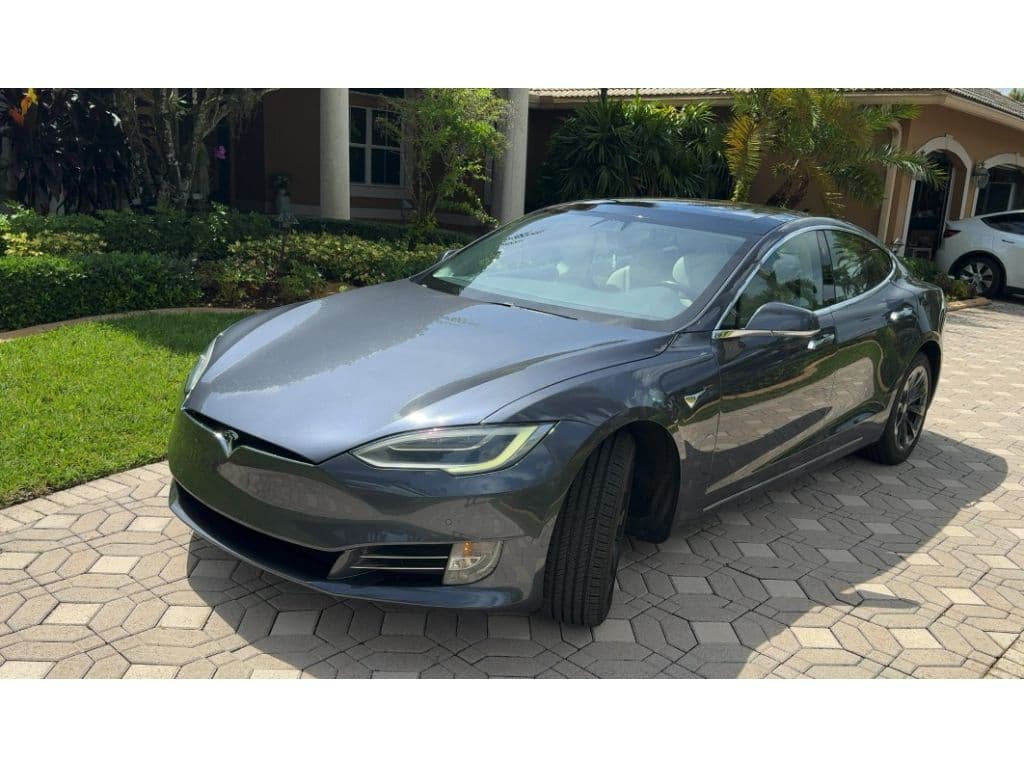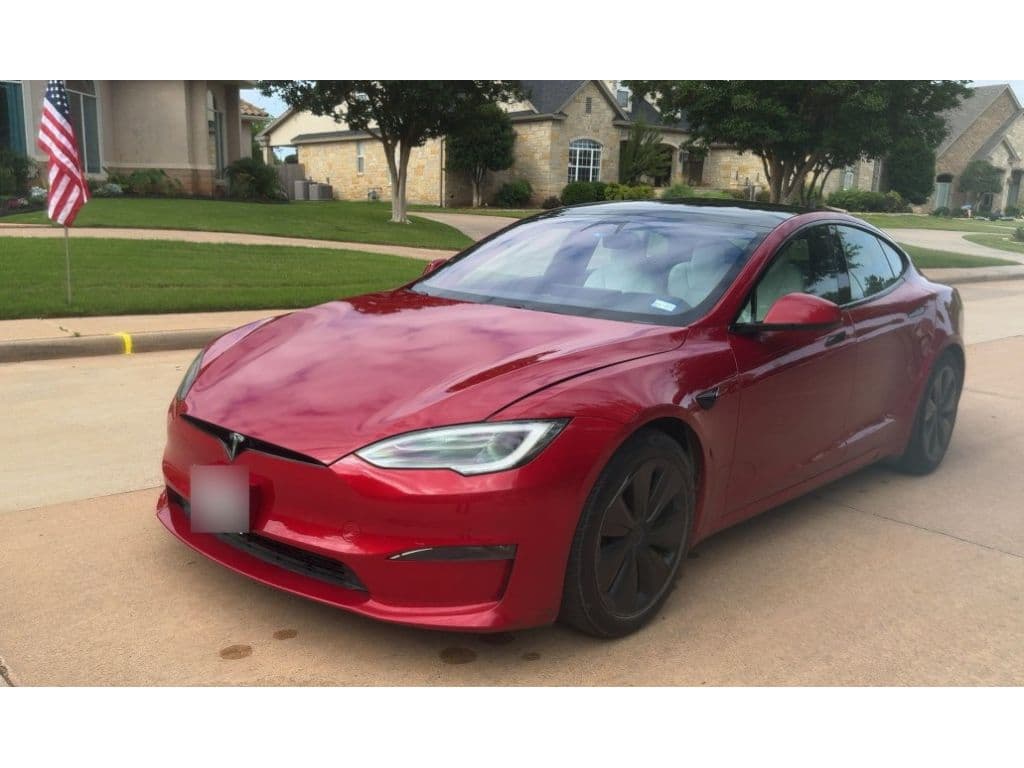
If you’re scrolling through Tesla Model S cars for sale right now, you’re not alone. In 2025, the luxury EV market has cooled a bit, prices on used EVs have come down sharply, and the Model S sits in a sweet spot: flagship range and performance at a fraction of the original sticker price, if you know what you’re looking at.
Used EV Values Are Shifting Fast
Why the Tesla Model S Used Market Matters in 2025
What Makes a Used Model S Appealing Today
Three reasons shoppers are hunting for Tesla Model S cars for sale instead of buying new
Luxury EV for Mainstream Money
New Model S pricing has crept back up in 2025, while used examples have dropped as the broader EV market cools. You’re often looking at a car that sold new for $80,000–$120,000, now competitively priced against new midsize luxury sedans.
Still-Top-Tier Range
Even older Long Range and 100D cars can offer 300+ miles of EPA range when new, and real‑world battery degradation has generally been modest when the pack was cared for. That’s more than many brand‑new non‑Tesla EVs.
Performance With No Drama
Dual‑motor and Plaid variants deliver supercar‑level acceleration with none of the maintenance headaches of high‑strung gas cars. For many buyers, that combination is exactly why they’re searching for Tesla Model S cars for sale instead of an S‑Class or 5‑Series.
Depreciation Cuts Both Ways
Quick Specs: What You Get With a Model S
Tesla Model S Snapshot (Recent Generations)
Best Tesla Model S Years to Buy Used
There’s no single “perfect” year of Model S, but the used market does fall into clear eras. Each has trade‑offs in price, tech, and long‑term confidence. The big picture: newer is generally better for battery tech and refinement, but earlier cars can be outstanding values if they’re well‑documented and priced right.
Model S Generations & What They’re Like Used
High‑level overview to narrow your search before you start clicking on individual Tesla Model S cars for sale.
| Era / Approx. Years | Typical Used Role | Why Consider It | Key Watch‑Outs |
|---|---|---|---|
| Early Cars (2012–2014) | Budget flagship EV | Lowest prices into the market; still quick, still spacious. | Shorter range, older hardware, many batteries now out of warranty; best for short‑range use or enthusiasts. |
| Pre‑Facelift (2015–early 2016) | Entry into long‑range EVs | Improved build and range; can be strong values in mild‑climate states. | Aging packs, more wear items; scrutinize battery health and suspension. |
| Facelift & 75/90/100 Packs (late 2016–2018) | Value sweet spot | Modern look, Autopilot hardware improvements, big‑battery 100D cars with ~335‑mile range new. | More complex tech; inspect MCU (media computer) history, front suspension components, and charging behavior. |
| Raven & Long Range (2019–2020) | Modern long‑range luxury | Quieter, more efficient drivetrains, updated air suspension, ranges rising toward 370+ miles. | Higher prices; make sure software and Autopilot features match listing; check for warranty transfer details. |
| Palladium / Plaid & LR (2021–2024) | Cutting‑edge performance | Reworked interior, Plaid performance, EPA ranges up to ~405 miles; still under factory battery warranty. | Pricey even used; high‑performance cars may have been driven hard, inspect tires, brakes, and panel fit. |
| Latest Refresh (2025–) | Nearly new cars | Updated 2025 models add range (Long Range ~410 miles), refinement, and updated driver‑assist hardware. | Small supply on used market; prices track new closely, so value depends on discount vs. new MSRP. |
Always confirm exact equipment and software options on the specific VIN, Tesla changed trims and options frequently.
A Simple Rule of Thumb
Battery Health and Warranty: Non‑Negotiables
Battery condition is the single most important variable when you’re comparing Tesla Model S cars for sale. Tesla’s pack warranty on the Model S is 8 years or 150,000 miles with a guarantee of at least 70% capacity retention. That sounds generous, but real‑world degradation and how the car was used matter just as much as the calendar.
Battery & Charging Checklist for a Used Model S
1. Check Remaining Battery Warranty
Confirm the in‑service date and mileage. An early‑life 2021 car with 40,000 miles may still have years of battery coverage; a 2015 car is almost certainly out of warranty. A remaining factory battery warranty meaningfully reduces downside risk.
2. Look at Current Range at 100%
Ask the seller for a recent photo or report of the car at 100% charge. Compare the indicated range to the original EPA rating for that trim. A healthy pack often loses roughly 10–15% capacity by ~100,000 miles when cared for; significantly worse numbers warrant deeper investigation.
3. Ask for Fast‑Charging History
Frequent DC fast charging (especially in hot climates) can accelerate degradation. Occasional long‑trip Supercharging is fine; daily fast charging is a red flag compared with mostly Level 2 home charging.
4. Inspect for Battery Pack Damage
The pack case sits low. Evidence of severe scrapes, dents, or prior impacts underneath can be an expensive problem. Any history of battery replacement or repair needs documentation.
5. Consider Climate & Storage
Cars that lived in extreme heat or cold and sat fully charged for long periods tend to age faster. A garage‑kept car from a mild‑climate state is usually a safer bet than a similar‑mileage car that baked outside in the sun.
6. Get Independent Battery Health Data
Whenever possible, get a third‑party battery health report or purchase through a retailer that provides one. Recharged, for example, includes a <strong>Recharged Score Report</strong> with verified battery diagnostics on every vehicle so you don’t have to guess.
Why This Matters So Much
Range and Performance: How Much Do You Really Need?
Tesla has steadily increased Model S efficiency and range. Early big‑battery cars like the 100D delivered around 335 miles of EPA range when new. Later Long Range variants pushed to about 402–405 miles, and the refreshed 2025 Long Range now reaches roughly 410 miles on the EPA cycle, still among the longest‑range EVs on sale.
If You Mostly Commute and Run Errands
For a typical U.S. driver putting 30–50 miles per day on the clock, even an older 75 or 85 kWh Model S with degraded range can be more than enough. What matters most is convenient home charging and predictable daily needs, not headline range numbers.
- Look for real‑world range of 200+ miles.
- Prioritize comfort, Autopilot features, and battery health over Plaid‑level power.
- Consider lower‑priced, higher‑mileage cars from later years.
If You Road‑Trip Regularly
Here, big packs pay off. A 100D, Long Range, or Plaid with original EPA range over 350 miles gives you more flexibility between Superchargers, especially in cold weather or at higher speeds.
- Target trims originally rated ~335+ miles of range.
- Check for efficient wheel/tire setups rather than oversized wheels.
- Confirm that DC fast‑charging rates are normal during a pre‑purchase inspection.
Compatibility Is Getting Easier
Price Guide: What Tesla Model S Cars Sell For
Used EV prices have reset over the last 18–24 months, and Model S values are no exception. The pattern you’ll see across listings is steep early depreciation followed by a flattening curve, great news if you’re shopping now, but only if you understand why one car is $15,000 cheaper than another that looks similar in photos.
Typical 2025 Used Price Bands for Tesla Model S
Approximate retail asking‑price ranges in the U.S. as of late 2025. Actual prices vary by condition, mileage, option content, and battery health.
| Era / Trim Examples | Typical Mileage Range | Indicative Asking Prices (USD) | Who This Fits |
|---|---|---|---|
| 2014–2016 60/70/75/85 | 80k–150k+ miles | Low–mid $20,000s to low $30,000s | Budget entry into a flagship EV for shorter‑range use and local driving. |
| 2016–2018 90D / 100D / P100D | 60k–130k miles | High $20,000s to low $40,000s+ | Strong value for long‑range road‑trippers willing to accept older tech. |
| 2019–2020 Long Range / Performance | 40k–100k miles | Mid $30,000s to $50,000s | Modern interior tweaks and better efficiency without Palladium‑era pricing. |
| 2021–2023 Long Range / Plaid | 20k–70k miles | High $40,000s to $70,000s+ | Current‑generation interior and Plaid performance, still under battery warranty. |
| 2024–2025 Long Range / Plaid | Under 40k miles | Tracks close to new pricing; discounts vary by local demand | Best for buyers who want nearly new but are comfortable letting the first owner take some depreciation. |
Treat these as directional bands only. A car with a weak battery or accident history should be discounted; an exceptionally clean, low‑mile car can sit above these ranges.
Why Two Similar Cars Can Be Priced Miles Apart
Common Issues to Watch for on a Used Model S
Tesla has iterated the Model S constantly, and many early issues have been improved or repaired under warranty. Still, there are recurring themes that any used‑car shopper should understand before committing.
- Suspension components: Some earlier Model S years saw front‑suspension fore‑link and related component wear, occasionally leading to clunks or failures. Inspect for uneven tire wear and listen for noises over bumps; review any recall or service documentation.
- MCU / touchscreen hardware: First‑generation media control units (MCU1) in older cars were prone to eMMC memory failures that could lead to slow or dead screens. Many have been updated, but you’ll want proof of replacement or software updates.
- Door handles and seals: Pop‑out door handles and weather seals can fail with age, especially in harsh climates. Annoying more than catastrophic, but worth checking during a walk‑around.
- Interior wear: Earlier synthetic leather and trim materials don’t always age gracefully at high mileage. A tired interior often tells you as much about prior care as the odometer does.
- Charging hardware: Confirm that the charge port opens and locks normally, the onboard charger works as expected on Level 2, and that DC fast charging achieves reasonable speeds for the pack’s state of health.
Bring a Checklist (or an Expert)
How to Shop Tesla Model S Cars for Sale Like a Pro
With so many variables, software, hardware revisions, fast‑charging history, it’s easy to feel overwhelmed when you open a search page full of Tesla Model S cars for sale. A simple, disciplined process keeps you in control and helps you avoid costly mistakes.
7‑Step Process for Evaluating Listings
1. Define Your Use Case First
Decide whether you’re chasing maximum range, maximum performance, or maximum value. A high‑mileage 100D could be perfect for road‑trips, while an earlier 75 might be ideal for a lower‑cost commuter.
2. Filter by Year & Trim
Start your search focused on a band of years (for example, 2017–2020) and 90D/100D/Long Range trims. This quickly removes edge‑case cars that don’t fit your needs.
3. Shortlist Based on Mileage and Price
Look for cars where mileage and price make sense together. A low‑price car with unusually low mileage deserves extra scrutiny; a high‑mileage car priced like a low‑mile example is easy to skip.
4. Demand Battery & Charging Transparency
Ask for recent full‑charge photos, charging‑curve data where available, and any third‑party battery health reports. If a seller can’t or won’t provide this, move on.
5. Review Vehicle History & Physical Condition
Pull a history report, ask about prior repairs, and look carefully at photos for panel gaps, repaint evidence, wheel damage, and interior wear. Prior accident repair isn’t always a deal‑breaker, but the price should reflect it.
6. Test‑Drive With a Purpose
On a test drive, evaluate acceleration, braking, steering feel, suspension noise, and Autopilot operation. Verify that every function on the touchscreen works without lag or glitches.
7. Run the Numbers Long‑Term
Include insurance, energy cost, and likely maintenance (tires, brakes, suspension) over several years. A slightly more expensive car with a healthier battery or remaining warranty can be cheaper to own overall.
How Recharged Simplifies This Process
Ready to find your next EV?
Browse VehiclesWhy Buy a Used Tesla Model S Through Recharged
A Simpler Way to Buy a Used Model S
Designed for shoppers who don’t want to decode EV complexity alone
Transparent Battery Health
Every vehicle on Recharged comes with a Recharged Score Report that includes battery diagnostics, charging behavior analysis, and a clear explanation of what that means for real‑world range.
Fair Market Pricing
Our pricing is grounded in current EV market data, not wishful thinking. You see how a given Model S compares to similar cars nationwide so you can buy with confidence.
EV‑Specialist Support & Delivery
From trade‑ins and instant offers to financing and nationwide delivery, Recharged is set up to make EV ownership straightforward. You can shop fully online or visit our Experience Center in Richmond, VA for in‑person help.
FAQ: Tesla Model S Cars for Sale
Frequently Asked Questions About Buying a Used Tesla Model S
Tesla Model S cars for sale in 2025 represent one of the most interesting corners of the used‑car market: world‑class range and performance, dramatic depreciation from new, and a set of technical questions that traditional dealerships often aren’t equipped to answer. If you match the right year and trim to your actual needs, insist on transparent battery health, and buy at a price that reflects real‑world condition, a used Model S can be a compelling long‑term choice. And if you’d rather not decode all of that alone, Recharged is built to do the heavy lifting, so you can focus on enjoying the car instead of worrying about what’s happening under the floorpan.