If you love both EVs and cycling, figuring out Tesla Model S bike rack options can feel more complicated than it should. Glass roofs, limited factory hitch options and sensitive cameras mean you can’t just buy any rack and hope for the best. The good news: with a little planning, you can safely carry one or more bikes on nearly any Model S generation.
Quick takeaway
Overview: The three main Model S bike rack paths
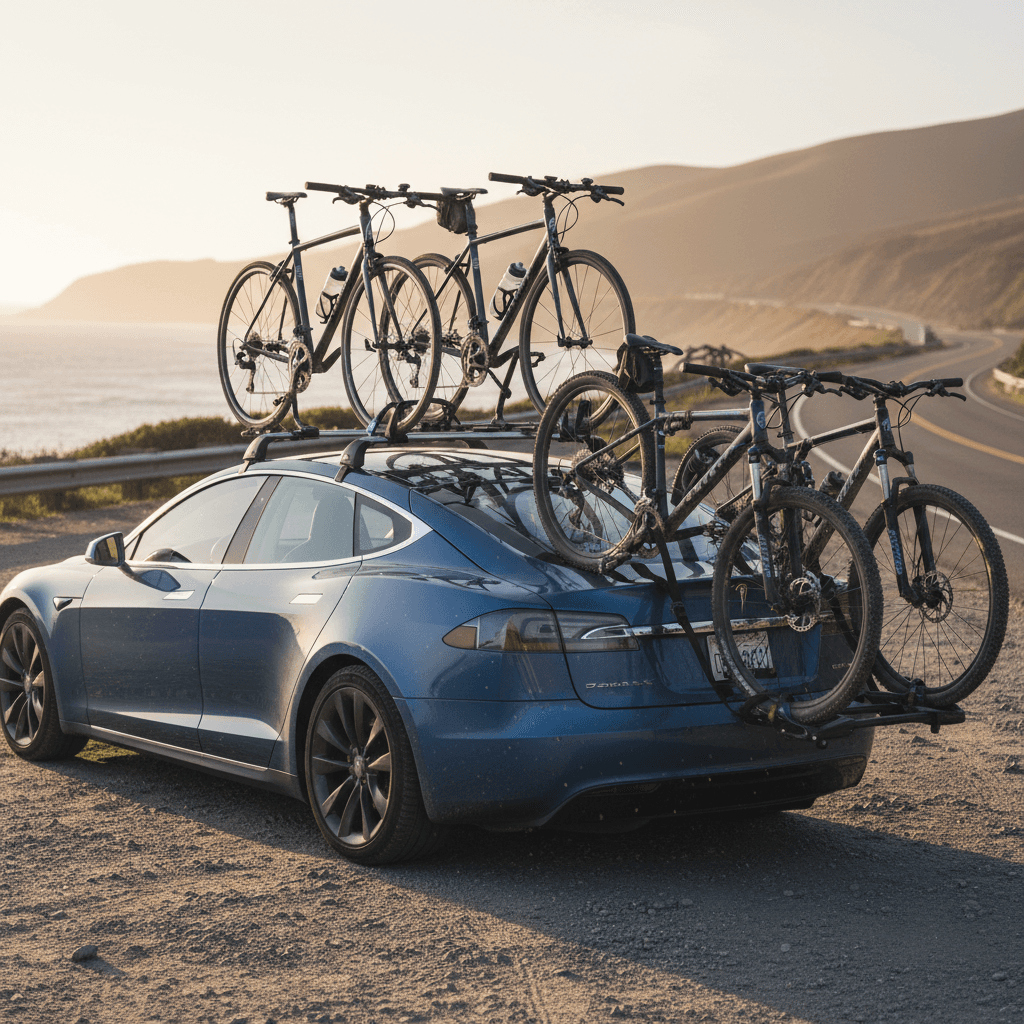
Three primary bike-carry options for Tesla Model S
Each comes with trade-offs in cost, complexity and convenience.
Hitch-mounted racks
Best overall for frequent riders if you have or add a hitch. Easy loading, especially for heavier mountain bikes and e‑bikes. Minimal contact with paint or glass.
Roof rack + carriers
Great if you already have or plan to add Model S roof crossbars. Keeps the rear camera and trunk clear, but you’ll lift bikes overhead.
Suction / trunk-style racks
Use when you can’t install a hitch or crossbars. High‑quality suction systems work well but need more attention and usually carry fewer bikes.
Step 1: Know your Model S year, roof type and hitch setup
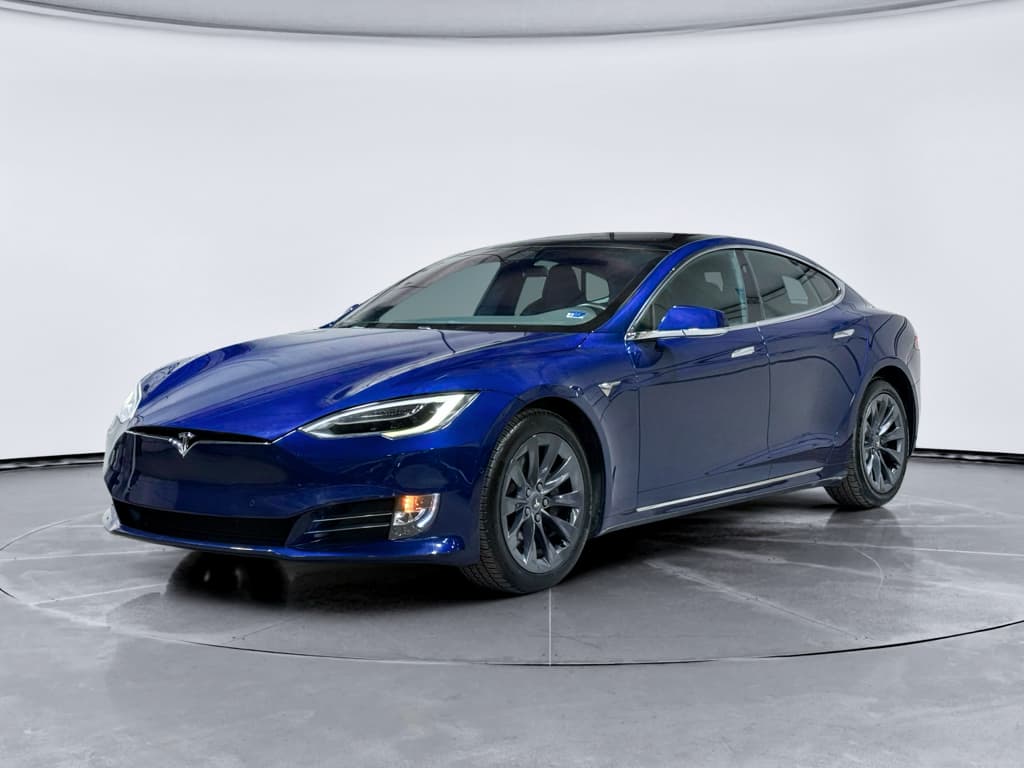
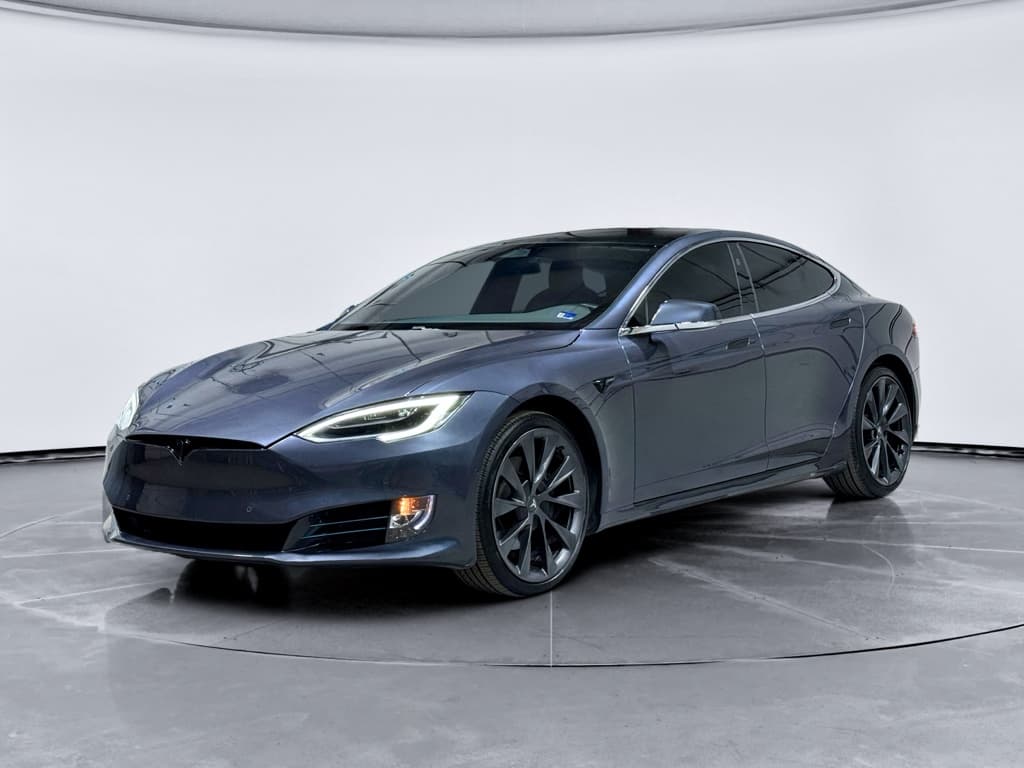
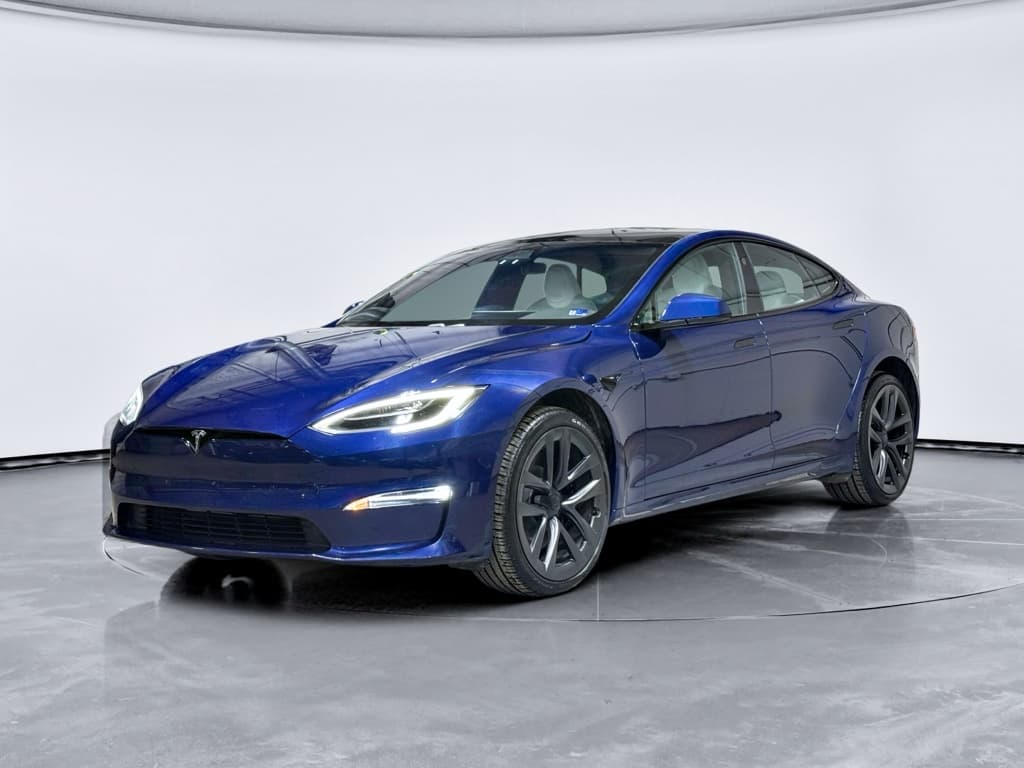
Before you buy anything, you need to know exactly which Model S generation and roof type you have, and whether there’s already a hitch installed. Tesla has changed the roof and underbody structure more than once since the Model S launched in 2012, and that affects which roof racks and hitch receivers actually fit.
Model S roof & rack compatibility at a glance
Use this to narrow which bike rack paths are realistic for your car.
| Model years | Common roof types | Roof rack options | Hitch options |
|---|---|---|---|
| 2012–2015 | Metal, panoramic sunroof, early glass | Limited aftermarket bars; older Whispbar/Thule kits, some fixed-point systems | Aftermarket only (stealth hitches, EcoHitch-style) |
| 2016–2018 | Panoramic / full glass | Aftermarket fixed-point crossbars; some OEM-style kits | Aftermarket receiver hitches; no factory hitch in U.S. |
| Feb 2019–2020 | All-glass roof | Tesla OEM Model S Roof Rack; compatible aftermarket bars | Aftermarket receiver hitches |
| 2021–2026 (refresh) | All-glass roof | Tesla glass-roof rack alternatives (OEM-style crossbars) plus a few third-party kits | Stealth hitches like EcoHitch rated for trays and e‑bikes |
Always confirm fitment with the rack or hitch manufacturer before buying.
Double‑check your build date
If you bought your Model S used, it’s also worth crawling under the rear bumper to see if a stealth hitch receiver is already there. Many owners install hidden 2" hitches purely for bike racks, not towing. If so, you’re already halfway to an easy hitch-mounted setup.
Option 1: Hitch-mounted bike racks for Tesla Model S
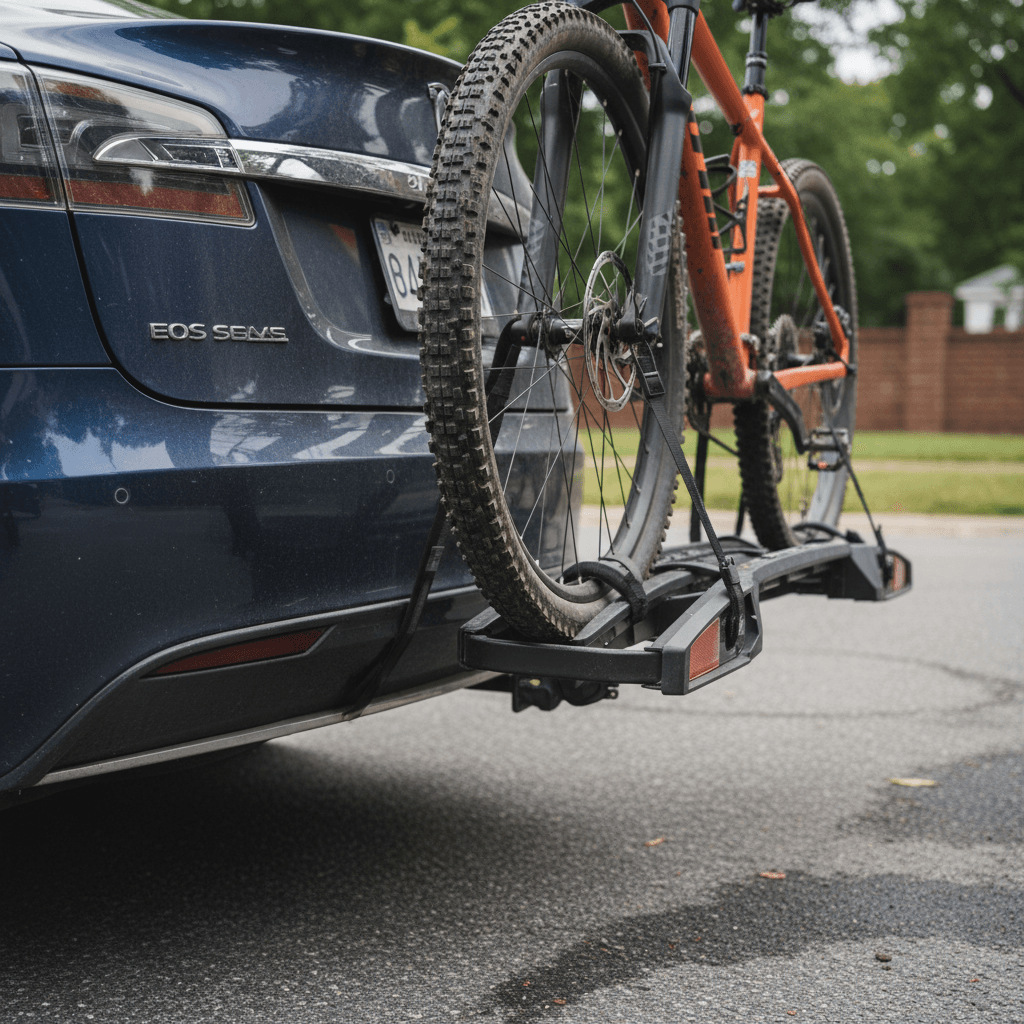
For most owners, a 2-inch hitch-mounted tray rack is the safest, most user-friendly way to carry bikes with a Tesla Model S. You avoid clamping anything to the glass, you don’t have to lift bikes overhead, and the right rack will keep clear of your paint and sensors as much as possible.
Why many Model S owners choose a hitch rack
Adding a hitch receiver to a Model S
Tesla does not currently offer a factory hitch package for U.S. Model S buyers, so you’re looking at aftermarket "stealth" hitches. Brands like EcoHitch offer bolt-on receivers for 2021–2026 cars that sit behind a removable bumper panel and are rated around 400 lb of tongue weight, far more than you need for bike racks.
Install once, enjoy for years
- Look for a 2" receiver whenever possible; most premium bike racks (especially for e‑bikes) require 2".
- Confirm the hitch’s tongue weight rating. Even 200–300 lb is plenty for two bikes and a rack, but check the numbers.
- On refresh cars (2021+), choose a design that preserves ground clearance and doesn’t interfere with the power trunk.
Recommended hitch rack styles for the Model S
Common hitch bike rack styles for Model S
Tray-style carriers are usually the best fit for EVs.
Tray / platform racks
Best choice for most owners, especially for modern mountain bikes or e‑bikes. Bikes sit in wheel trays and are held by arms on the tires, so there’s no frame contact.
- Easier loading for heavy bikes.
- Better clearance from the rear glass and paint.
- Many support 2–4 bikes with add-on trays.
Hanging / mast-style racks
Cheaper and lighter, but less ideal for carbon frames and step‑through bikes.
- Require top‑tube adapters for some frames.
- Can swing closer to the bumper under load.
- Best for occasional use with lighter, traditional bikes.
Avoid bumper or strap-on "hitch" add-ons
Option 2: Roof rack and bike carriers for Model S
If you’d rather keep the rear of your car clear, or you lease and don’t want to add a hitch, a roof rack plus bike carriers is the next most common path. This works well on glass‑roof Model S vehicles that accept crossbars and on some earlier panoramic‑roof cars with the right fit kit.
Tesla OEM and OEM-style roof racks
Tesla designed a dedicated Model S Roof Rack for glass‑roof cars built on or after February 11, 2019, using hidden mounting points in the roof rails. Several aftermarket brands now sell OEM‑style crossbars that use the same attachment pattern and support standard T‑slot bike carriers. For older cars, you may be relying on legacy kits from Thule, Whispbar or vehicle‑specific fixed‑point bars.
Not every Model S can take crossbars
Types of roof-mounted bike carriers
Which roof bike carrier style fits your riding?
All of these can work on a Model S crossbar system when properly installed.
Upright frame clamps
Classic roof racks that hold the bike by the downtube or seat tube.
- Fast to load for many hardtail MTBs and road bikes.
- Not ideal for carbon frames you baby.
Fork-mount trays
You remove the front wheel and clamp the fork.
- Very secure and low profile.
- Best for road and gravel bikes.
- Watch for compatibility with thru‑axle standards.
Wheel-on, no-frame-contact trays
Hold both wheels and clamp on the tires only.
- Great for carbon frames.
- Typically taller but very stable.
- Similar concept to many hitch trays, just overhead.
Think about garage clearance
Option 3: Suction-mount and trunk-style racks
Because the Model S has a large glass hatch and few traditional anchor points, most manufacturers do not recommend strap-on trunk racks. Instead, owners who can’t use a hitch or crossbars often turn to vacuum / suction-cup systems designed specifically for glass and smooth paint.
High-quality suction-cup bike racks
Brands like TreeFrog and SeaSucker sell fork‑mount and wheel‑on racks that use multiple industrial suction cups to hold one to three bikes on your roof, rear glass or even frunk lid. They’re surprisingly secure when installed correctly, and they avoid permanent hardware.
- Great for lease vehicles or cross‑border travel where hitch rules differ.
- Pack down small and can be stored in the trunk when not in use.
- Fork‑mount designs are particularly popular for road and tri bikes.
Only trust reputable suction systems
Why traditional trunk racks are risky on Model S
Classic strap-on trunk racks are typically not listed as compatible with the Model S for a reason. The large curved glass and minimal metal edges mean straps and hooks can load the glass in ways it wasn’t designed to handle, and vibration can quickly damage paint on the hatch lip. Between that and limited fit‑guide support, they’re best avoided.
Weight limits, range impact and Autopilot behavior
Tongue weight and rack limits
Tesla doesn’t publish an official tongue-weight spec for the Model S in North America, but quality aftermarket hitches generally rate between 200 and 400 lb of tongue weight. A typical two-bike tray rack weighs 40–70 lb, and most modern mountain or gravel bikes come in around 25–40 lb each, keeping you well under the hitch rating with two bikes.
Heavier e‑bikes need extra math
Range and efficiency with bikes on board
Any external rack will cost you some range. A hitch tray with two bikes might cut efficiency by 10–20% at highway speeds, while a roof rack with upright bikes can be even more because of added frontal area and turbulence. For long road trips, plan extra charging stops and keep highway speeds reasonable.
What happens to Autopilot and cameras?
Hitch racks and bikes often block at least one rear camera and some ultrasonic sensors. Your Model S will typically warn you about obstructed sensors, and some driver-assistance features may be limited or behave differently. Treat any lane-keeping or FSD features with extra caution and be ready to take over immediately.
Expect alerts, not miracles
How to choose the right Tesla Model S bike rack option
Daily rider, heavy bikes or e‑bikes
- Best bet: 2" hitch + platform tray rack.
- Lowest lift height and easiest loading for heavy frames.
- Great for frequent trail trips or group rides.
Occasional rider, lighter road/gravel bikes
- Best bet: Roof rack + fork‑mount or wheel‑on trays.
- Leaves rear camera and trunk mostly free.
- Good if your Model S already has crossbars.
Match your situation to a rack style
Use this as a quick decision guide.
Apartment dweller, street parking
No easy way to add a hitch or permanent crossbars?
- Consider a quality suction rack you can remove between rides.
- Store it inside to reduce theft risk.
Frequent road-tripper
For multi‑state road trips, hitch racks win.
- Less aero drag than upright roof bikes.
- Easier charging access at Superchargers and CCS stations.
Used Model S buyer
Shopping for a used Model S specifically for adventure duty?
- Look for cars with an existing stealth hitch or verified roof‑rack compatibility.
- At Recharged, our EV specialists can help you prioritize that in your search.
How Recharged can help
Ready to find your next EV?
Browse VehiclesInstallation & safety checklist before your first ride
Pre‑ride checklist for any Tesla Model S bike rack
1. Confirm fitment and weight ratings
Make sure the rack is explicitly listed as compatible with your Model S generation or hitch size. Check the <strong>maximum bike weight</strong> and total load the rack and hitch can support.
2. Inspect attachment points
For hitches, verify all bolts are torqued to spec and the receiver is rust‑free. For crossbars or suction racks, inspect pads, feet and cups for cracks or contamination.
3. Protect paint and glass
Use included pads or clear protective film anywhere a strap or foot might contact painted surfaces. If you hear or see rubbing during a test drive, stop and adjust immediately.
4. Secure bikes carefully
Follow the rack manufacturer’s instructions for wheel straps, frame or tire hooks, and any anti‑sway features. Give each bike a firm shake; nothing should wobble independently of the rack.
5. Check lights, plate and cameras
With bikes loaded, confirm that <strong>brake lights and turn signals</strong> remain visible. If the license plate is blocked, consider a supplemental lighted plate holder where legal. Expect some cameras to be obscured and drive accordingly.
6. Test on a short loop first
Start with a 10–15 minute local drive, re‑check all fasteners and suction cups, then head for the highway. It’s far better to discover an issue near home than 150 miles into a road trip.
FAQ: Tesla Model S bike racks
Frequently asked questions about Tesla Model S bike racks
The Tesla Model S may not have been born as a traditional adventure wagon, but with the right bike rack setup it can carry road, gravel and mountain bikes just as confidently as many SUVs. Whether you choose a stealth hitch and tray rack, a roof system with fork‑mount trays, or a premium suction‑cup solution, the key is matching the hardware to your specific car and use case. Do that, and your next ride can start with a quiet, comfortable drive, and no anxiety about the bikes hanging off the back.