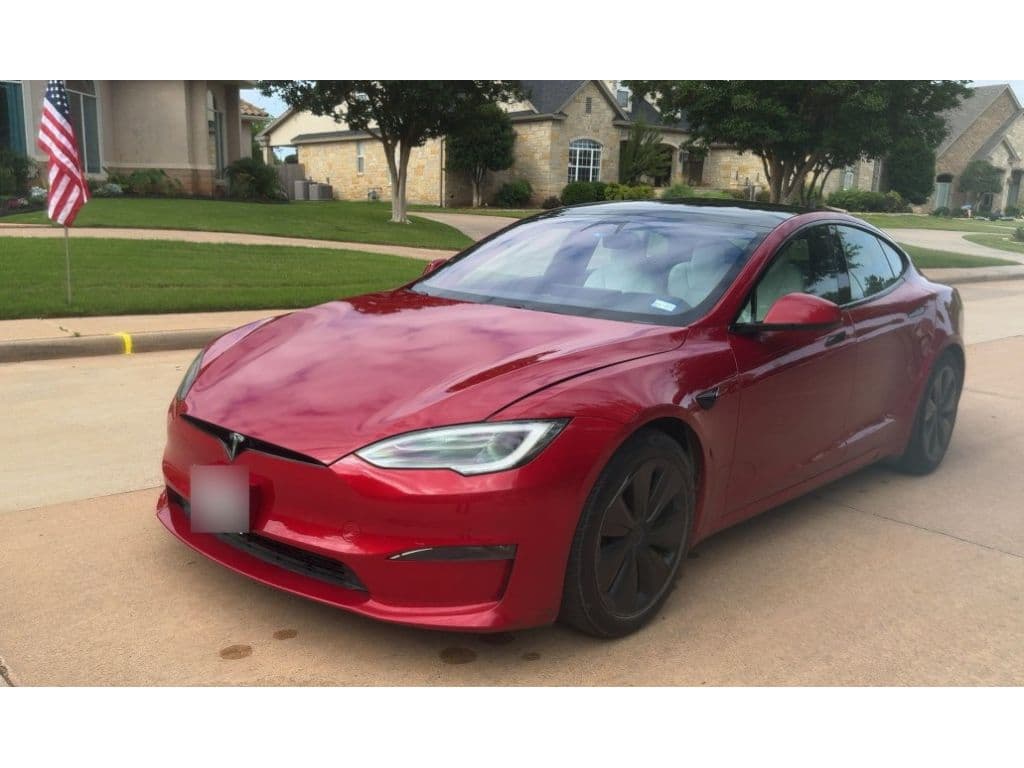
If you’re eyeing a Tesla Model S, especially a used one, battery degradation is the specter in the back seat. The car can look flawless, the service records can be saintly, but if the pack is tired, your range and resale value are, too. The good news: real‑world data on Tesla Model S battery degradation is far better than the doomsday chatter, and there are clear ways to spot a healthy pack before you buy.
Short answer
Why Tesla Model S battery degradation matters
Battery degradation is simply the slow loss of usable energy a pack can store. In a Model S, that shows up as less rated range on the screen and fewer real‑world miles between charges. Because the battery is the single most expensive component in the car, its health largely defines the car’s value, especially once you’re shopping outside Tesla’s new‑car warranty bubble.
For current Model S owners
Degradation determines how far you can comfortably road‑trip, how often you see a Supercharger, and when you might start thinking about repair or replacement. A pack that’s aging gracefully is a quiet asset; a pack that isn’t can quickly become the car’s defining problem.
Understanding degradation lets you adjust your charging habits now so you’re not paying for it later.
For used Model S shoppers
Two Model S cars can look identical on paper, same year, same trim, similar mileage, yet differ by 10–15% in remaining battery capacity. That’s the difference between a highway cruiser and a car you’re constantly babysitting for range.
This is exactly why every vehicle on Recharged includes a Recharged Score battery health report, so you’re not guessing about the most expensive component on the car.
Real‑world Tesla Model S battery degradation at a glance
How much Tesla Model S battery degradation is normal?
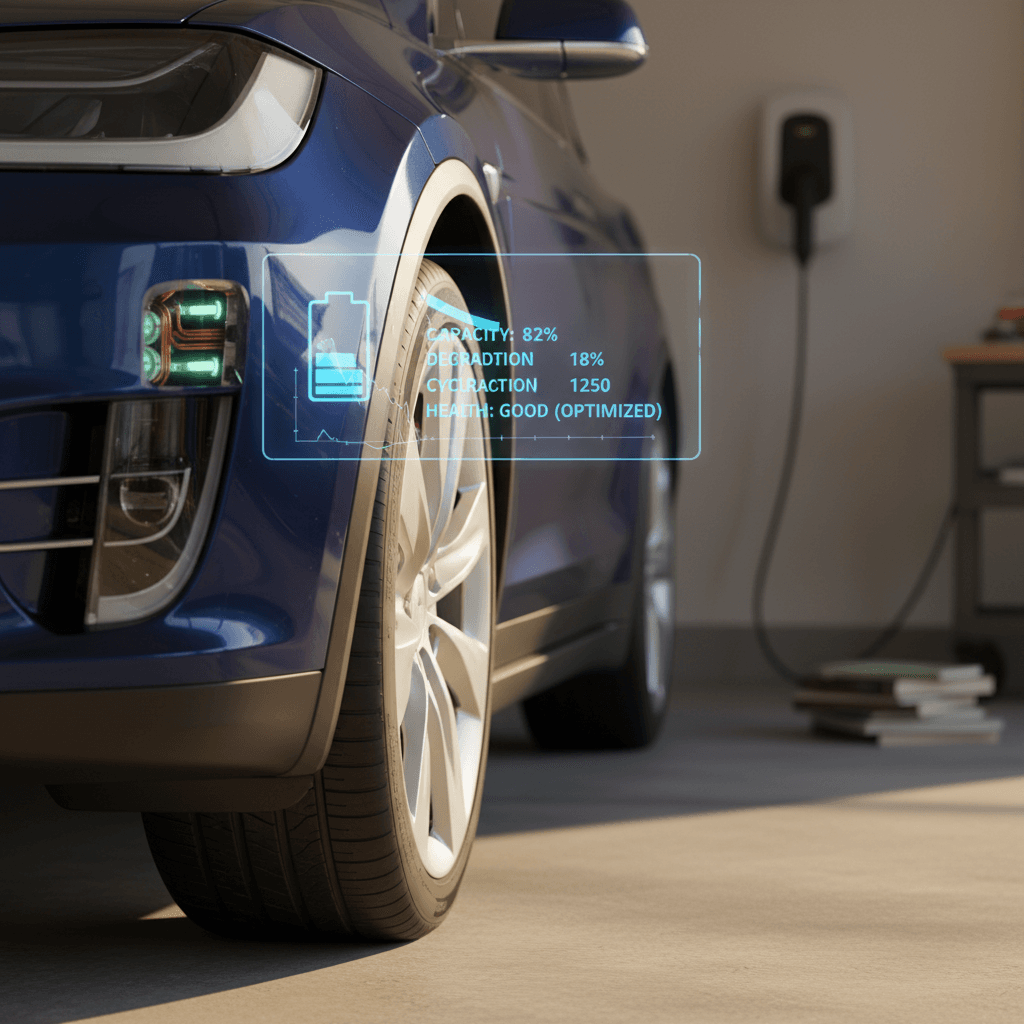
Let’s put some real numbers to the anxiety. Early independent analyses of Model S pack data, thousands of cars reporting state of charge and mileage, found a consistent curve: a noticeable hit in the first few years, then a long, gentle glide. At about 50,000 miles, many Model S cars still have roughly 94–95% of their original capacity; beyond that, degradation tends to creep along at about 1% every 25,000–30,000 miles.
Typical Model S degradation vs. mileage (ballpark)
Approximate capacity and rated‑range loss for a long‑range Model S starting around 260–300 miles EPA rated range when new. Individual cars will vary.
| Odometer | Estimated remaining capacity | Range example (started at 265 mi) | What it feels like day‑to‑day |
|---|---|---|---|
| 0 miles | 100% | 265 mi | What you saw on the window sticker. |
| 50,000 miles | ~94–95% | ~250–252 mi | You’ll barely notice unless you’re watching the numbers. |
| 100,000 miles | ~88–92% | ~233–244 mi | You might add one extra Supercharger stop on a long trip. |
| 150,000 miles | ~85–90% | ~225–239 mi | Still very usable; you just charge slightly more often. |
| 200,000 miles | ~85–90% (well‑kept cars) | ~225–239 mi | High mileage, but not the “dead pack” some fear. |
These figures are approximations from real‑world datasets and owner reports, not a guarantee for any specific vehicle.
Normal vs. problem degradation
Mileage vs. age: what really drives Model S degradation?
Lithium‑ion packs age in two ways: through use (mileage and charge cycles) and through time (calendar aging). A garage‑kept Model S that does easy highway miles and charges gently can look better at 120,000 miles than a low‑mileage car that’s been hammered with fast charging and heat.
Age vs. mileage: which should you worry about more?
Both matter, but for different reasons.
High miles, careful owner
- Lots of highway use, few fast‑charge sessions.
- Pack kept mostly between 20–80% day‑to‑day.
- Garage stored, moderate climate.
You might see 85–90% capacity at 150k+ miles, still excellent.
Low miles, hard life
- Frequent DC fast charging, especially to 100%.
- Often left full in the sun, or near empty for days.
- Extreme hot or cold climate, no garage.
Even at 60–80k miles, the pack can be noticeably weaker than the odometer suggests.
Climate counts
What actually wears out a Model S battery
Under the floor of your Model S is a large lithium‑ion pack made up of thousands of small cells. They’re cooled and managed by some very clever software, but chemistry is chemistry: certain behaviors will hasten degradation no matter how smart the car is.
- Living at very high state of charge – Parking at 95–100% for days at a time accelerates wear. The cells prefer the middle of the pack, roughly 20–80%.
- Deep discharges to near 0% – Running the pack very low and letting it sit almost empty is hard on the chemistry and the battery management system.
- Frequent DC fast charging – Supercharging is safe but stressful. Making it a daily habit, especially in hot weather, will age the pack faster than slower AC charging.
- Heat – High ambient temperatures compound every other bad habit. A hot pack, held at a high state of charge, is aging quickly even while parked.
- Aggressive driving with a hot or cold pack – Repeated full‑throttle runs when the pack is very cold or very hot aren’t doing it any favors, even if the car allows it.
Think like a laptop you care about
Tesla Model S battery warranty and the 70% rule
Tesla’s modern warranty for the Model S covers the battery and drive unit for 8 years or 150,000 miles, whichever comes first, and promises at least 70% of original capacity over that period for most packs sold in the last several years. Older cars originally had an 8‑year “infinite miles” warranty with fuzzier language on degradation; those policies have since been updated and clarified with a 70% floor and a mileage cap for newer vehicles.
Key things to know about the Model S battery warranty
1. The 70% capacity promise
If your pack falls below about 70% of its original usable capacity within the 8‑year/150,000‑mile window (for later Model S/X), it’s considered a defect, not normal degradation, and Tesla may repair or replace it.
2. Age and mileage both matter
The warranty expires when you hit either the time or mileage limit. A 9‑year‑old Model S with only 80,000 miles is out of battery warranty just like a 5‑year‑old car with 160,000 miles.
3. Software vs. hardware
Tesla’s fine print distinguishes between physical battery degradation and software‑limited range (for safety or other reasons). In some edge cases, owners have seen range reduced by software updates that Tesla claims are not “degradation” for warranty purposes.
4. Early 60 kWh cars are special cases
The earliest 60 kWh Model S packs had slightly different warranty language. If you’re considering one, read the original battery warranty or work with a specialist who knows the nuances.
Warranty ≠ guarantee of no degradation
Shopping used: reading battery degradation like a pro
When you’re buying a used Model S, you’re not just buying a VIN, you’re buying a specific battery’s life story. Two nearly identical cars on a listings page can have wildly different degradation profiles. The trick is to turn that invisible history into visible data before you wire the money.
4 battery checks before you buy a used Model S
Don’t rely on “looks great and drives fine.” Verify the pack.
1. Look at rated range at high state of charge
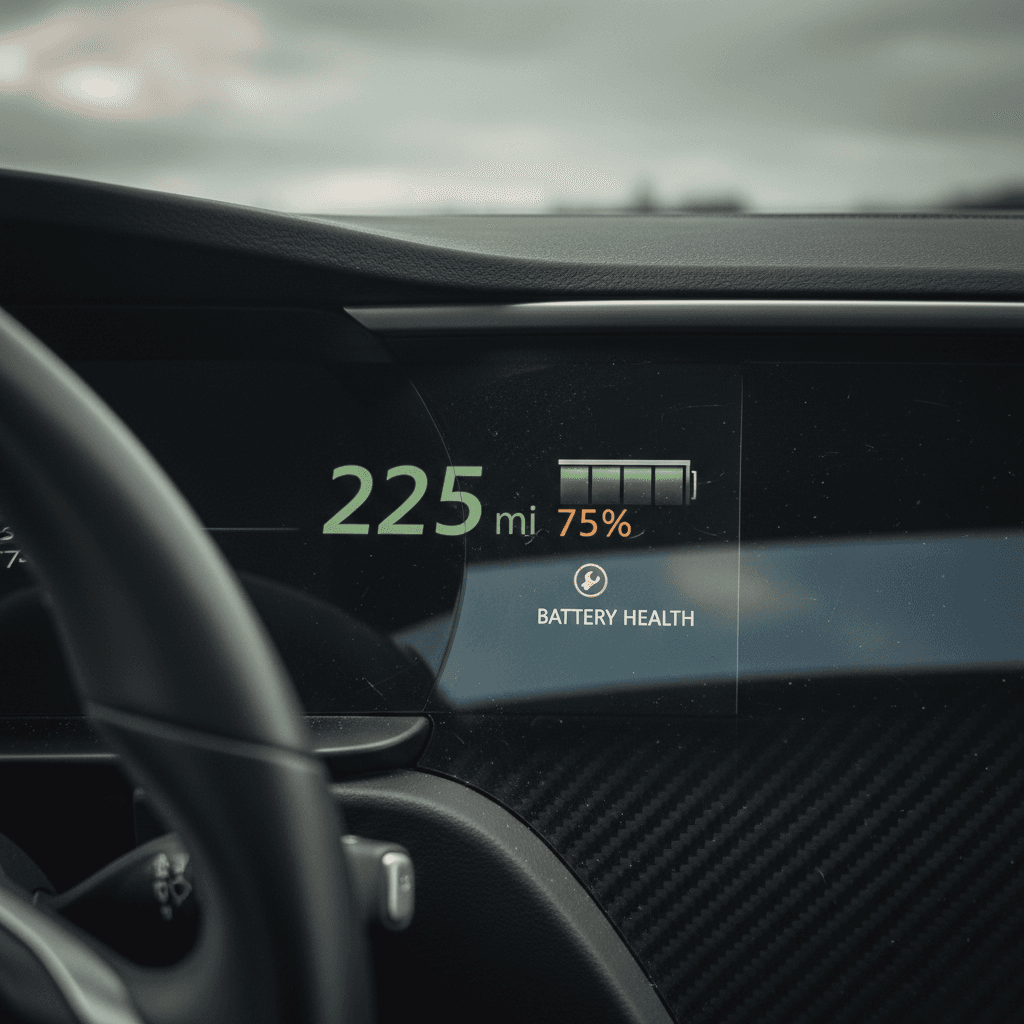
Ask the seller (or check yourself) what the car reports at 90–100% charge. Compare it to the original EPA‑rated figure for that trim. A healthy car might show, say, 240–250 rated miles where it once showed 265.
2. Use diagnostic tools or reports
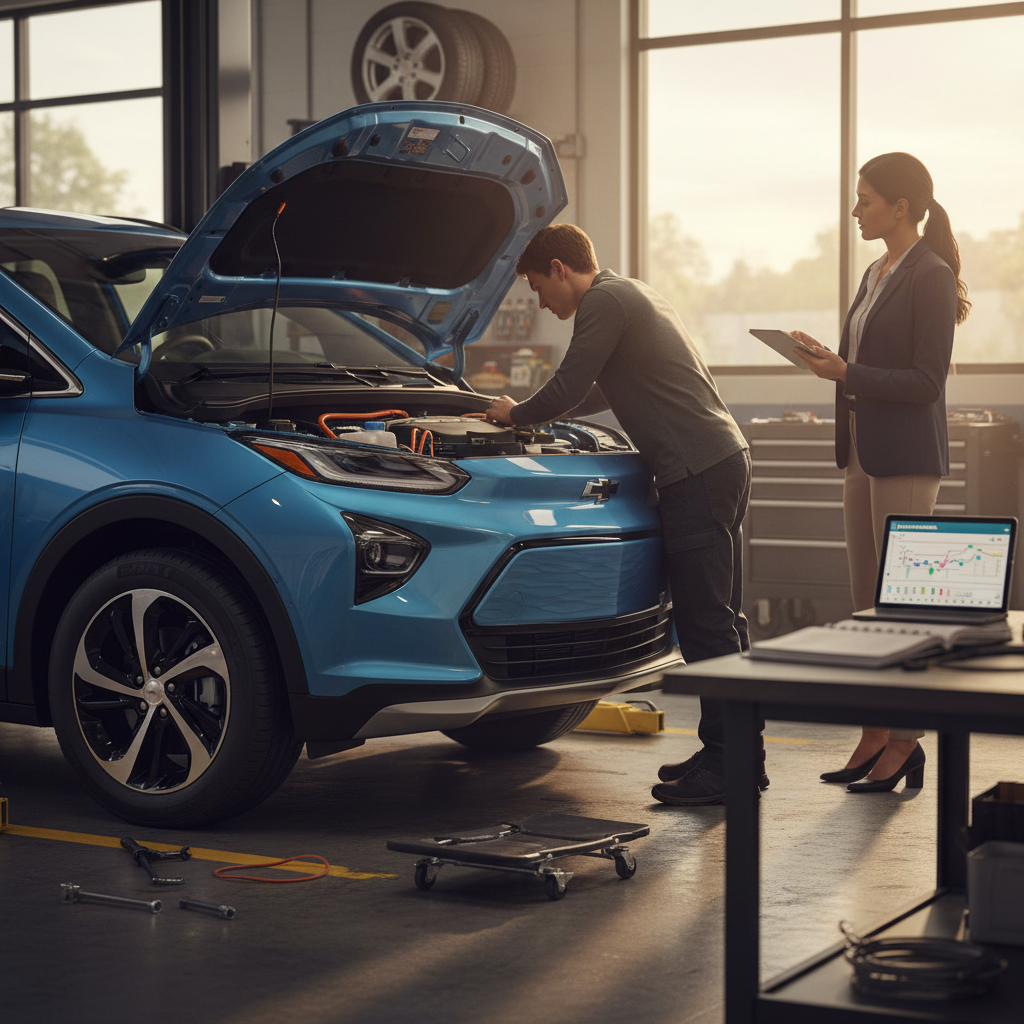
Third‑party tools and professional scanners can estimate usable kWh and pack health. On Recharged, we do this for you, the Recharged Score includes independent battery‑health diagnostics and an easy‑to‑read capacity score.
3. Cross‑check age, miles, and climate
A six‑year‑old Model S with 110k highway miles in a cool climate can be a better bet than a four‑year‑old car with 40k miles that lived on Superchargers in Phoenix. Ask where the car spent its life and how it was charged.
4. Review service history and error codes
Battery‑related warnings, repeated contactor replacements, or unexplained range drops deserve a second look. A clean log doesn’t guarantee perfection, but a messy one is a red flag.
Where Recharged fits in
Ready to find your next EV?
Browse VehiclesHabits that slow Model S battery degradation
You can’t stop degradation entirely, but you can absolutely change the slope of the curve. Think of it as being on speaking terms with chemistry instead of constantly picking a fight with it.
Everyday habits that are kind to your Model S battery
Keep daily charge between ~20–80%
Use the charge slider in the app or on the center screen to cap everyday charging around 70–80%. Charge to 90–100% only for road trips, and aim to start driving soon after hitting that high state of charge.
Favor Level 2 charging over Supercharging
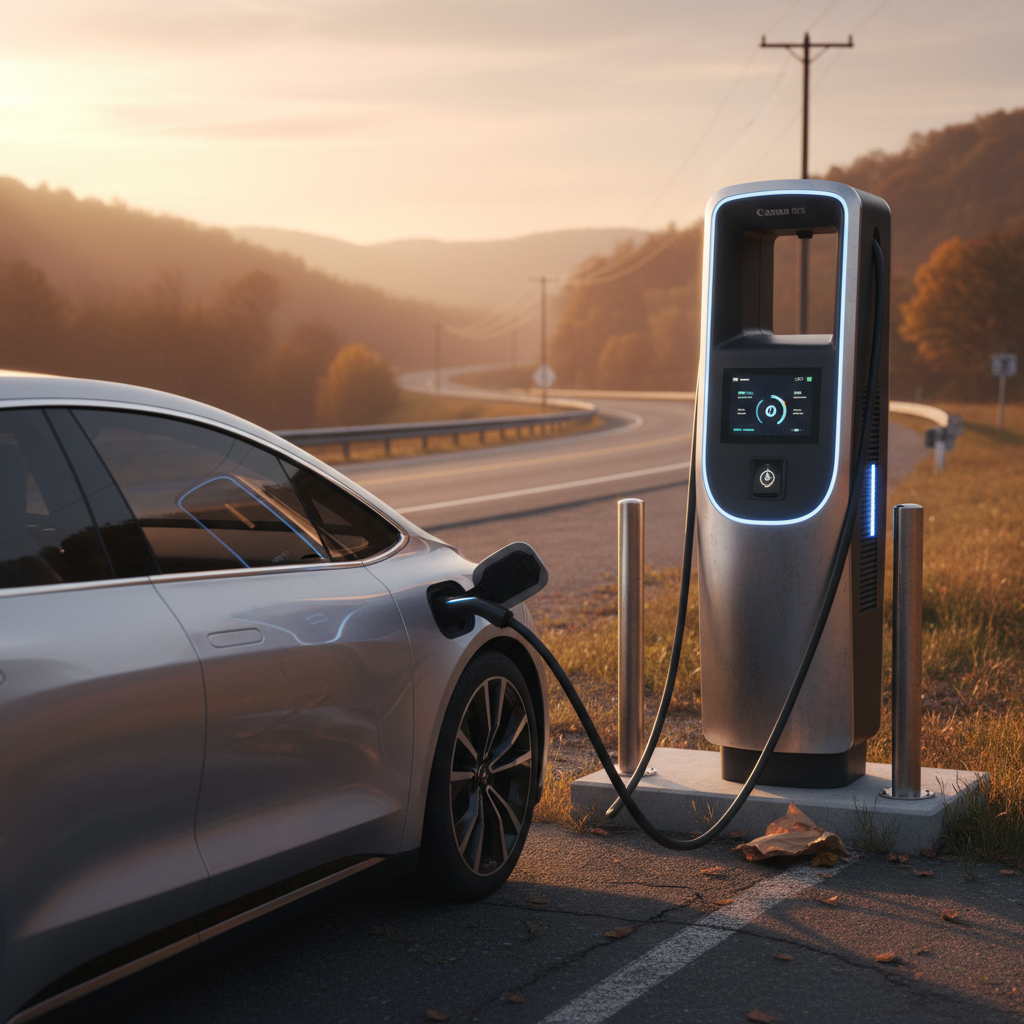
Home or workplace Level 2 charging at 240V is generally gentler on the pack than frequent DC fast charging. Superchargers are fine for trips; they’re less ideal as your default, every‑day fuel stop.
Avoid extremes of empty and full
Try not to let the pack sit near 0% or 100% for long periods. If you arrive home nearly empty, plug in. If you’re full and not driving for a while, consider lowering the charge limit next time.
Protect the car from heat and deep cold
Whenever possible, park in a garage or shade. Precondition the car while plugged in so the pack is warmed or cooled from grid power, not from its own energy reserves.
Update software, but pay attention
OTA updates can improve charging curves and thermal management, which can help battery life. If you notice a large, sudden range change after an update, document it; in rare cases software limits can appear like degradation.
Gentle habits, big payoff
When degradation is severe: repair, replacement, and cost
At some point, a pack can stray outside the realm of “normal” aging: abrupt range drops, large differences between cells, or capacity well under 70% while still inside the warranty window. That’s when you’re deciding between letting Tesla handle it under warranty, paying them out of pocket, or exploring third‑party options.
- Within warranty and under 70% – Tesla may repair modules, replace the pack, or apply software fixes. The process can be opaque, but owners have seen both full and partial remedies when capacity falls below the warranty threshold.
- Outside warranty, moderate degradation – If you’re at, say, 75–80% capacity after 10 years, replacement is rarely economical. You simply live with shorter range, maybe price that reality into resale, and keep driving.
- Outside warranty, severe issues – A full pack replacement through Tesla can run into the tens of thousands of dollars, depending on model year and pack type. Third‑party EV specialists sometimes offer module‑level repairs or refurbished packs at lower cost, but quality and support vary widely.
- For buyers – A car with high degradation should be priced accordingly. This is where transparent health reporting, like a Recharged Score, keeps you from overpaying for a battery that’s already eaten a big chunk of its useful life.
Don’t guess on a sick pack
Tesla Model S battery degradation FAQ
Frequently asked questions about Model S battery degradation
Key takeaways for Model S owners and shoppers
Tesla Model S battery degradation is less like falling off a cliff and more like a long walk down a hill. The first few years take a small bite out of range; after that, the slope flattens out for most owners. If you treat the pack with a little respect, sane charge limits, restrained Supercharger use, some kindness in extreme temperatures, you can reasonably expect a decade or more of useful, confidence‑inspiring range.
For used buyers, the real art is separating the good packs from the question marks. Don’t let yourself be blinded by paint and pano roofs while ignoring the single most expensive system in the car. Demand real data: rated range at high state of charge, health diagnostics, and a price that reflects reality. Or let someone else wrestle with the spreadsheets. Every Model S on Recharged arrives with a Recharged Score battery health report, fair‑market pricing tied to that score, and EV‑specialist guidance from click to delivery, so you can enjoy the best part of the Model S story, the way it drives, without obsessing over what’s happening under the floor.