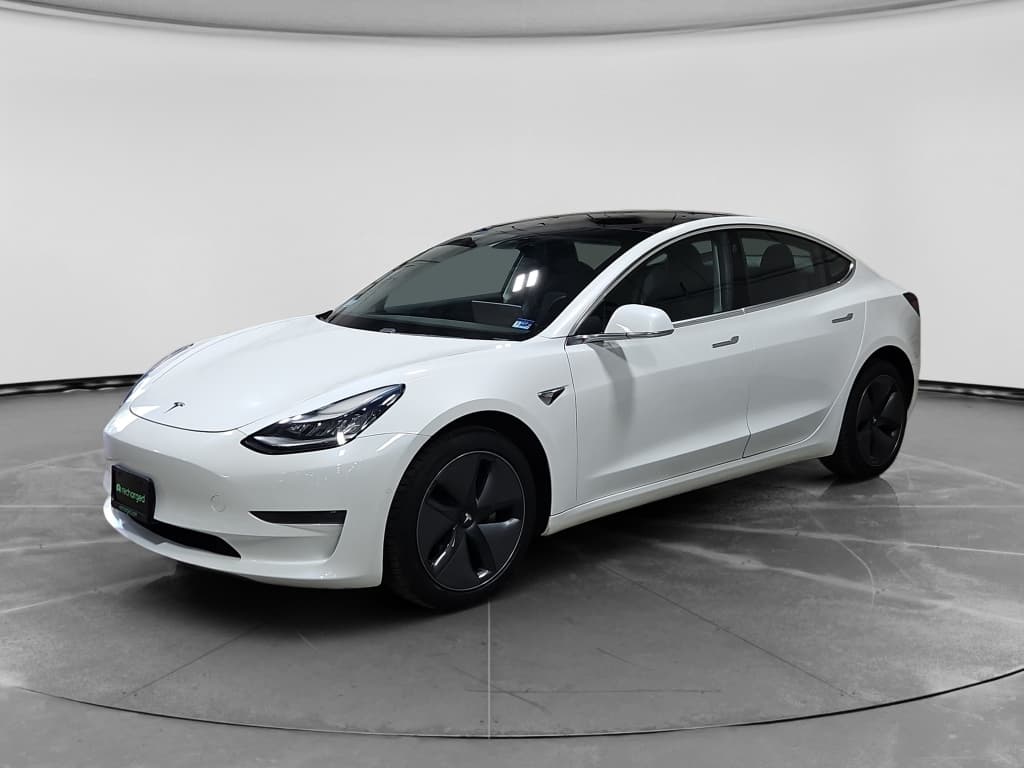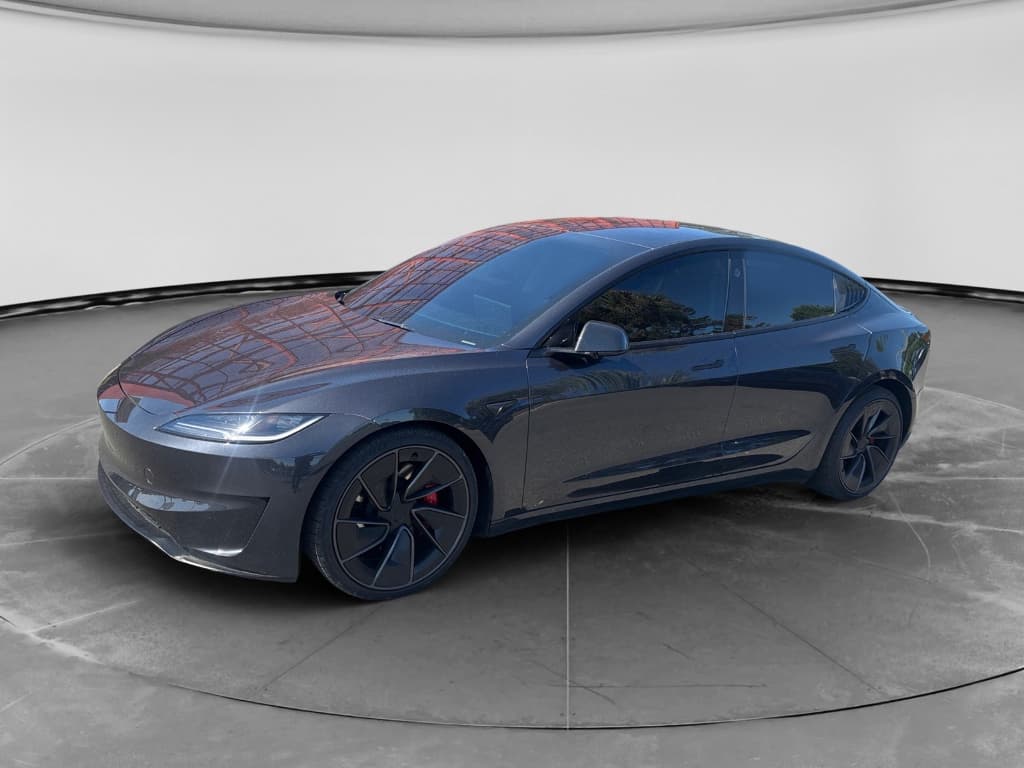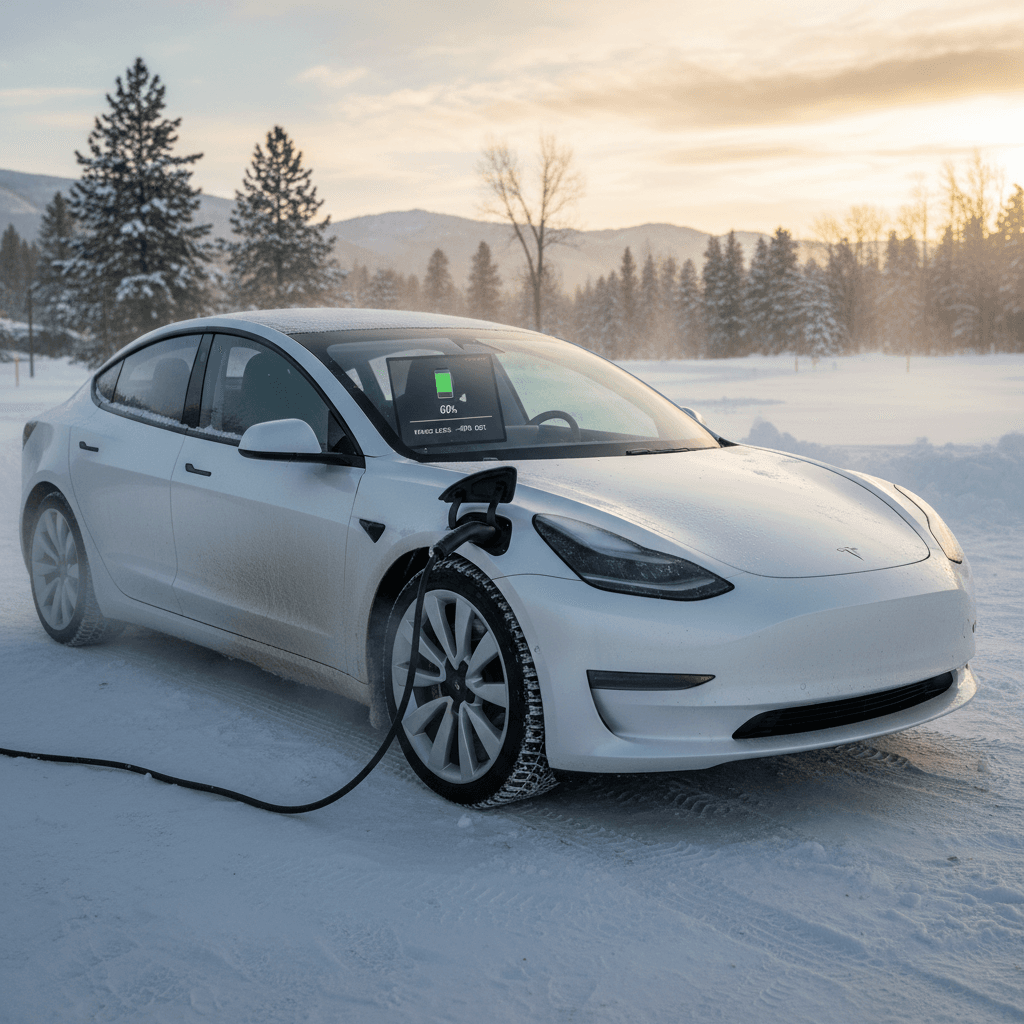
If you live where winter is a season and not a suggestion, you’ve heard the horror stories: a Tesla Model 3 losing 40–50% of its range the minute the thermometer dips. Some of that is drama, some of it is physics, and all of it matters if you’re about to rely on a Model 3 as your daily driver, or buy a used one.
Quick answer
Why the Tesla Model 3 Loses Range in Winter
1. Cold batteries are lazy batteries
Below about 60°F, lithium‑ion cells can’t move ions as efficiently. The internal resistance goes up, so the pack has to work harder to deliver the same power. At 20°F and below, capacity and power both drop noticeably, especially if the pack starts out cold-soaked in a driveway.
2. Heat is the new fuel
In a gas car, you get cabin heat “for free” from waste engine heat. In an EV, the cabin heater and battery heater pull power directly from the pack. At 20°F with the heat set to "toasty," a Model 3 can burn several kilowatts just staying warm, which is why short, stop‑and‑go winter errands are brutal on range numbers.
- Thicker cold air means more aerodynamic drag, especially at highway speed.
- Snowy or slushy pavement increases rolling resistance.
- Winter or aggressive all‑weather tires trade efficiency for grip.
- Higher speeds exaggerate every one of these penalties.
Don’t blame it all on the battery
How Much Winter Range Does a Model 3 Really Lose?
Tesla Model 3 Winter Range Loss at a Glance
Let’s talk concrete numbers, not folklore. Across controlled tests and owner data, a 30% winter range loss for the Tesla Model 3 is a very realistic central number in true cold, with plenty of variation above and below depending on how and where you drive.
Typical Tesla Model 3 Winter Range Loss by Scenario
Approximate real‑world winter range vs EPA rating for a healthy‑battery Model 3 when driven from a warm battery and cabin.
| Scenario | Ambient temp | Driving pattern | Expected loss vs EPA | Example for 333‑mile EPA car |
|---|---|---|---|---|
| Cool, damp fall day | 45–55°F | Mixed city/highway, 40–60 mph | 5–10% | 300–315 miles |
| Typical U.S. winter | 28–35°F | Longer trips, 55–70 mph | 15–25% | 250–285 miles |
| Cold snap | 15–25°F | Highway, 65–75 mph | 25–35% | 215–250 miles |
| Deep freeze | 0–10°F | Highway plus short stops | 35–45% | 180–215 miles |
| Extreme polar-vortex stuff | Below 0°F | Short, stop‑and‑go errands from cold soak | 40–50%+ | 165–200 miles |
These are directional, real‑world numbers, your exact results will depend on speed, elevation, wind, and how aggressively you use heat.
EPA ratings vs winter reality
Model 3 Trims, Years & Battery Chemistry: Does It Change Winter Loss?
How Different Model 3 Versions Behave in Winter
Same basic physics, slightly different personalities.
RWD (Standard Range / RWD)
Smaller pack, often LFP chemistry in newer cars, and now a heat pump.
- Pros: LFP tolerates frequent 100% charging; heat pump helps cabin efficiency.
- Cons: Less absolute range to start with, so a 30% hit hurts more in miles.
Long Range AWD
The workhorse trim in cold states.
- Pros: Bigger buffer of miles; dual motors give strong traction and regen.
- Cons: Higher speeds and heavier weight make it more sensitive to aero and rolling losses.
Performance
Same core story as Long Range but with stickier tires.
- Pros: Tons of power even when cold.
- Cons: Performance tires and wheels can add a few extra points of winter loss.
Heat pump–equipped Model 3s (2021+ in most markets) usually show a bit less winter loss, particularly on longer drives, because they can scavenge waste heat instead of using a pure resistive heater. But don’t expect miracles: you’re trimming the penalty, not eliminating it.
Model-year shopping tip
City vs Highway, Short Trips vs Road Trips
Short winter errands: where stats go to die
If you do a lot of 5–10 minute trips from a cold driveway in 20°F weather, the car spends most of its time heating itself up, not moving you. The trip meter will swear you’re losing 40–50% of your rated range, because every start is a fresh hit of heater overhead.
Owners in Minnesota, Ontario and similar climates routinely report these ugly numbers on short hops, but not on sustained drives.
Longer drives: the picture improves
On a 60‑mile highway run with a preconditioned battery and cabin, that same Model 3 often settles into the 20–30% loss range at typical interstate speeds. Once the pack and cabin are warm, more of your energy goes to propulsion and less to climate systems.
That’s why most instrumented winter tests that run EVs from 100% down to low‑state‑of‑charge end up with a ~25–35% deficit versus the lab rating.
Think in miles you actually need
What’s “Normal” vs Concerning Winter Range Loss?
Is Your Winter Range Loss Normal? Quick Self‑Check
1. Compare like with like
Don’t compare a 10°F, 75‑mph, snow‑tire highway run to a 70°F EPA number. Match temperature, speed and route as much as possible when judging loss.
2. Look at a full battery cycle
Anecdotes from a single frigid, stop‑and‑go trip are misleading. Track consumption over a full day or a 100‑mile drive to see a fair picture.
3. Factor in your parking situation
Street parking or an unheated driveway will increase loss vs a car that sleeps in a 50°F garage. A cold‑soaked pack is always starting behind.
4. Check for always‑on drains
Sentry Mode, third‑party apps that constantly ping the car, and leaving the climate on will all quietly erode range before you ever leave the driveway.
5. Watch for big outliers
If you’re seeing <strong>50%+ loss on long highway drives around 20–30°F</strong> with moderate speeds and sensible climate use, it’s worth digging deeper into tire choice, alignment, and battery health.
When to worry about the battery itself
10 Ways to Cut Tesla Model 3 Winter Range Loss
Practical Ways to Shrink Winter Range Loss
You can’t change the weather, but you can stop wasting electrons on bad habits.
1. Precondition while plugged in
Use the Tesla app or scheduled departure so the car warms the battery and cabin from the wall, not the pack. This alone can claw back a big chunk of loss on morning drives.
2. Garage if you can
Even a modestly warm garage (40–50°F) keeps the pack from starting the day as an ice cube. Less time and energy are spent just getting the battery into its happy operating window.
3. Use seat and wheel heaters first
Seat heaters sip power; the cabin HVAC gulps it. Run the cabin temperature a couple degrees lower and lean on the seats and wheel for comfort.
4. Back off the speed
Aerodynamic drag rises exponentially with speed. Dropping from 80 to 70 mph may feel minor but often saves 10% or more in consumption on a cold highway run.
5. Plan smart charging stops
Let the built‑in trip planner precondition the battery before Supercharger stops. You’ll spend less time at the charger and avoid the worst cold‑charge inefficiencies.
6. Choose sensible winter tires
Winter tires are non‑negotiable for grip in real snow, but not all are equal. Efficiency‑oriented winter or all‑weather tires can cut several percentage points of loss vs ultra‑aggressive rubber.
7. Avoid constant short hops
Batch errands so the car stays warm between stops instead of cooling off completely. Five 5‑mile trips are much harsher than one 25‑mile loop.
8. Tame the always‑on features
Turn off Sentry Mode at home, limit third‑party apps, and be careful with "Camp" or "Keep Climate On" when you don’t need them. That parasitic drain matters on cold nights.
9. Drive smoother
Hard launches and heavy regen heat the pack and motors inefficiently, then you pay again to keep the cabin warm. Smooth inputs and "Chill" mode in winter help the car sip rather than chug.
Track your own numbers
Buying a Used Tesla Model 3 for Winter Driving
Shopping used complicates the winter‑range story in exactly one way: you now care about original range minus age‑related degradation minus winter loss. Get that wrong and your 310‑mile car on paper becomes a 170‑mile car on a January highway, which is where people start composing overwrought social‑media posts from the Supercharger.
Used Model 3 Winter Readiness: What to Look For
Key items to check if you plan to use a used Model 3 as a winter daily driver or road‑trip machine.
| Item | Why it matters in winter | What “good” looks like |
|---|---|---|
| Battery health | Lower usable capacity magnifies winter losses. | Independent health report showing strong remaining capacity and low imbalance. |
| Model year / heat pump | Newer heat‑pump cars are more efficient in the cold. | 2021+ cars with verified heat pump and properly functioning HVAC. |
| Tires & wheels | Oversized wheels and sticky tires cost efficiency. | Reasonable wheel size (18"–19") and winter‑appropriate, efficiency‑minded tires. |
| Charging habits | Chronic high‑SOC storage can accelerate degradation. | Prior owner mostly charged to 70–80% daily, 100% only for trips. |
| Software & recalls | Updates often improve thermal and charging behavior. | Car is up to date on firmware and any battery/charging‑related campaigns. |
You can’t change the weather, but you can choose the right car for it.
Where Recharged fits in
Ready to find your next EV?
Browse VehiclesIf you’re trading in a gas car that’s lived its life starting reluctantly on cold mornings, there’s also a certain pleasure in replacing it with a Model 3 that just…works. Instant torque on snow, one‑pedal control on slick hills, and no oil that resents the calendar.
FAQ: Tesla Model 3 Winter Range Loss Percentage
Frequently Asked Questions About Model 3 Winter Range Loss
Bottom Line: How Worried Should You Be?
The honest answer on Tesla Model 3 winter range loss percentage is neither the marketing fantasy nor the internet horror story. In the real world, you’re typically giving up something like a quarter to a third of your rated range on a cold day, and more if you insist on lots of short, toasty errands from a snow‑covered driveway.
The upside is that unlike a gas car, you can actively manage a lot of that loss. Precondition while plugged in, drive a little slower, let the software plan your charging, and choose your tires wisely, and suddenly the winter numbers stop looking scary and start looking like another parameter to plan around.
If you’re considering a used Model 3, winter is exactly when a transparent battery health report and EV‑savvy guidance earn their keep. Recharged exists to make that part easy, so you can spend this winter worrying about road conditions and playlists, not whether your range estimate is telling you the truth.