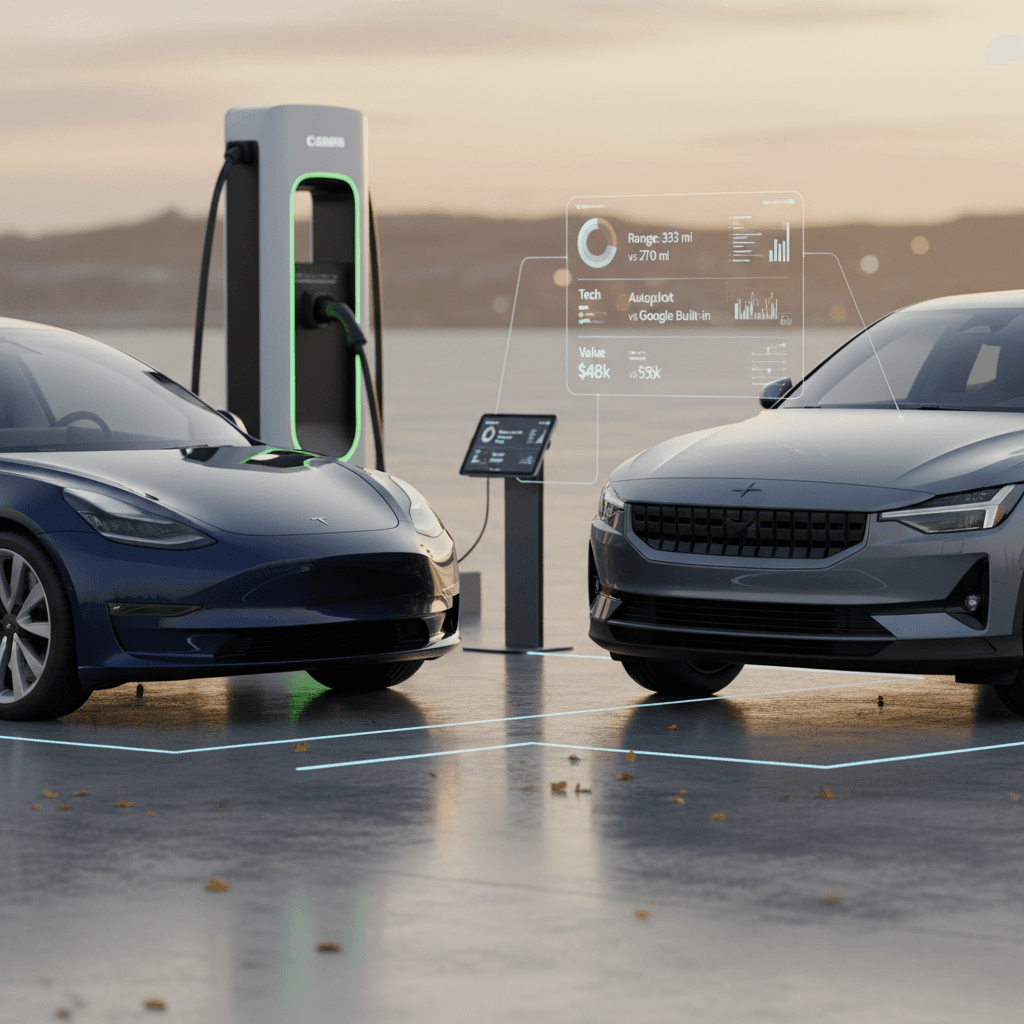
You could hardly pick two more different takes on the compact electric sedan than the Tesla Model 3 and the Polestar 2. On paper, they’re rivals: similar size, similar performance, similar mission. In practice, they feel like they were designed for two different types of people. If you’re torn between a Tesla Model 3 vs Polestar 2, especially on the used market, this guide will walk you through how they really compare in the real world.
The short version
Tesla Model 3 vs Polestar 2: who each car is for
Two personalities, one segment
Same basic recipe, very different flavors
Tesla Model 3: the efficiency nerd’s default
If you care most about range, charging speed, and software, the Model 3 is the obvious choice. It’s lighter and more efficient than the Polestar 2, delivers over 300 miles of EPA range in Long Range form, and plugs into Tesla’s Supercharger network with no drama. Interiors are minimalist to a fault, and build quality has improved but can still feel a step shy of premium.
Polestar 2: the design geek’s gentleman’s express
The Polestar 2 is for buyers who like solid, European-feeling hardware, clear physical controls, and an interior that looks like it was designed by people who live with winter. Range and charging are good but not class‑leading, and pricing is typically higher, new or used. But it feels more like a modern Volvo inside, which it essentially is.
How to use this comparison
Design, driving feel, and day-to-day character
Tesla Model 3: clean and clinical
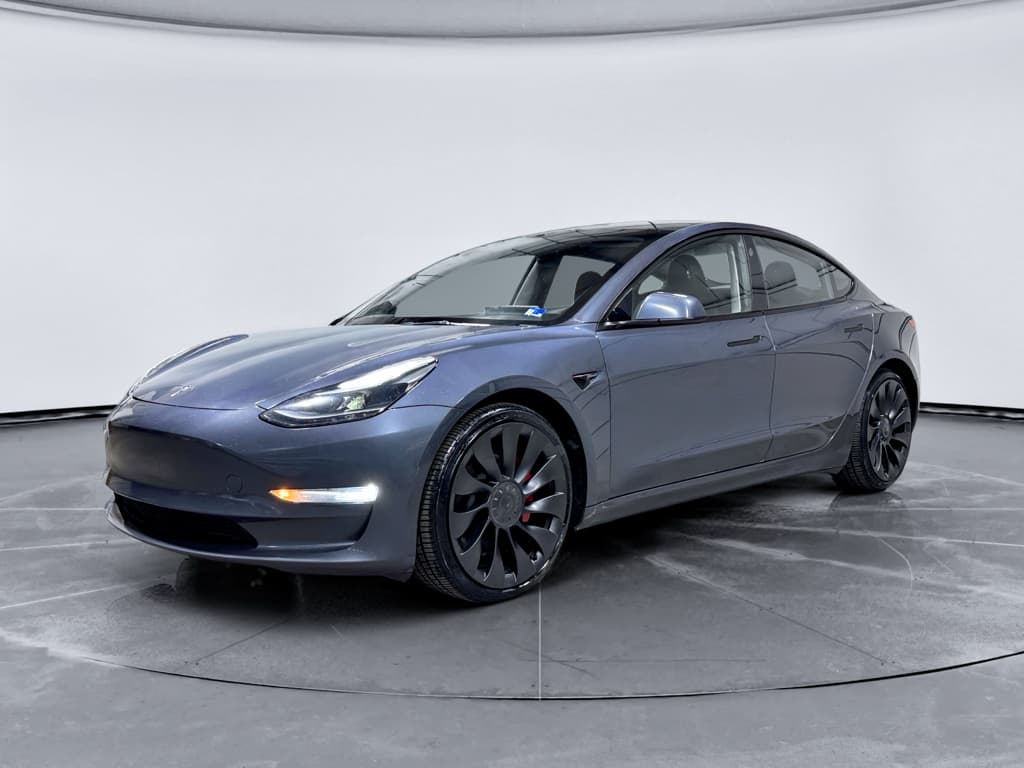
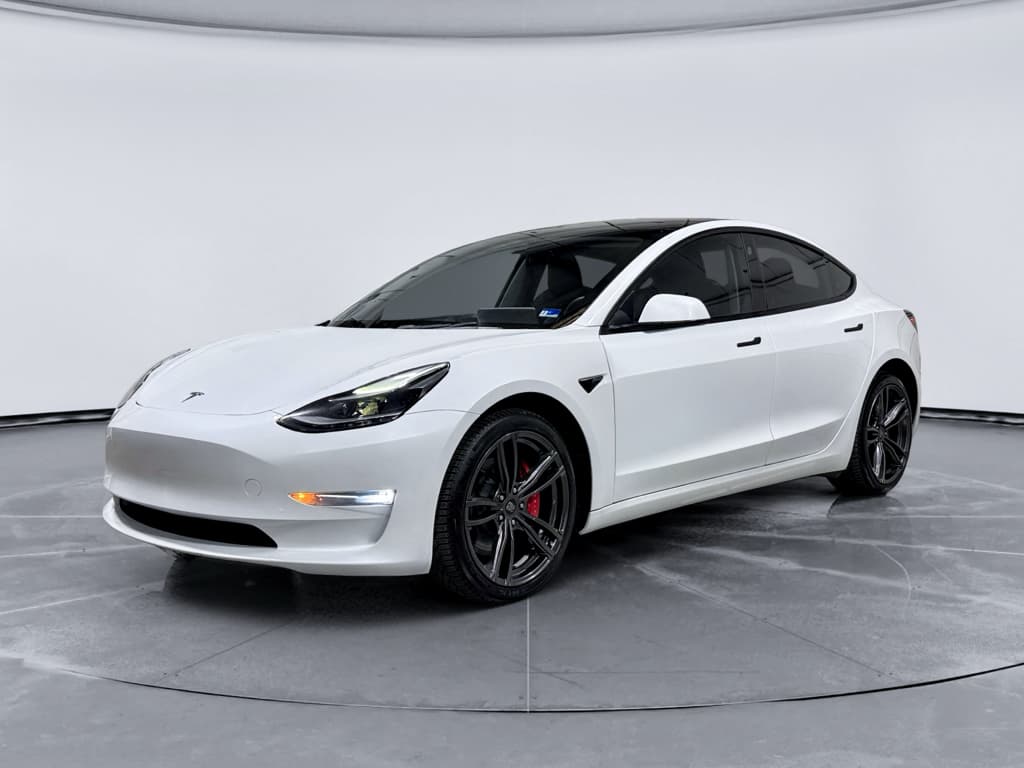
The Model 3 looks like a wind‑tunnel sketch brought to life. The styling is smooth, almost appliance‑like, and heavily optimized for aero and efficiency. Inside, you sit in a minimalist lounge dominated by a single center screen and almost no physical buttons. Some owners love the calm, uncluttered feel; others find it a bit anonymous and fatiguing.
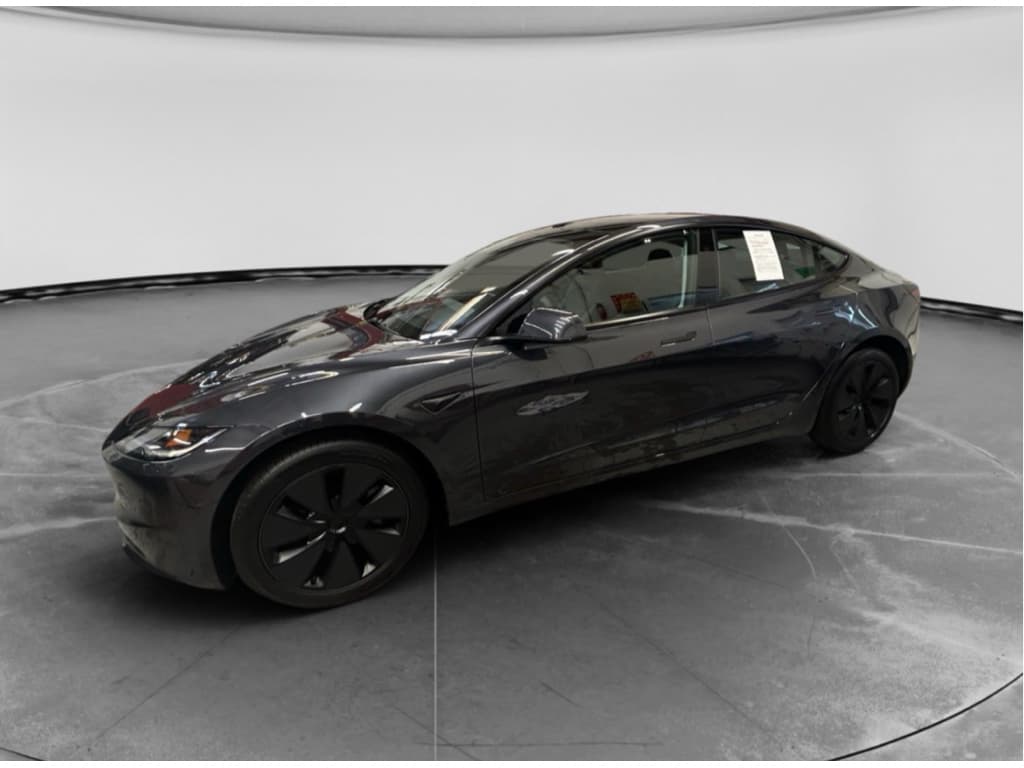
On the road, the Model 3 feels light on its feet with quick steering and a firm but controlled ride. Recent "Highland" refresh cars dialed back some of the early harshness, but it still leans more sport‑sedan than plush cruiser.
Polestar 2: Volvo with a sharper jawline
The Polestar 2 is essentially a high‑riding fastback, with upright proportions and signature "Thor’s hammer" headlights. It wears its Scandinavian design proudly, clean surfaces, but with more sculpting and detail than the Tesla.
From behind the wheel, it feels substantially more solid. The steering is weightier, the cabin insulation is better, and the chassis tuning leans comfort with just enough discipline to make back‑roads interesting. Think German compact luxury with a Swedish accent.
Driving character verdict
Performance, range, and charging: numbers that matter
Headline numbers (recent U.S. models)
Tesla Model 3 vs Polestar 2: key spec comparison
Representative late‑model trims commonly seen new and used in the U.S. market. Numbers vary slightly by year and wheel size.
| Spec | Tesla Model 3 Long Range (AWD) | Tesla Model 3 Performance (AWD) | Polestar 2 Single Motor Long Range (RWD) | Polestar 2 Dual Motor Long Range (AWD) |
|---|---|---|---|---|
| Horsepower (approx.) | 340–390 hp | 450+ hp | 295 hp | 420+ hp |
| 0–60 mph | ~4.2 sec | ~3.0 sec | ~6.2 sec | ~4.3 sec |
| EPA range | 330–360 mi | ~300 mi | ~300+ mi (latest battery) | ~270–280 mi |
| Battery (usable) | ~75–82 kWh | ~75–82 kWh | ~79 kWh (recent) | ~75–79 kWh |
| DC fast‑charge peak | 170–250 kW (varies by year) | 170–250 kW | Up to 205 kW (recent updates) | Up to 205 kW |
| Onboard AC charging | 11.5 kW | 11.5 kW | 11 kW | 11 kW |
Always double‑check the exact trim and model year when comparing used cars.
Mind the model year
In raw numbers, the Model 3 generally goes farther on a kWh and uses less energy to do it. It’s the slippery, lighter car. The Polestar 2’s recent battery and motor updates significantly improved range and charging, but it still tends to lag a comparable Model 3 by several dozen miles on a road‑trip‑sized charge.
Tech, infotainment, and driver assistance
Infotainment and UX
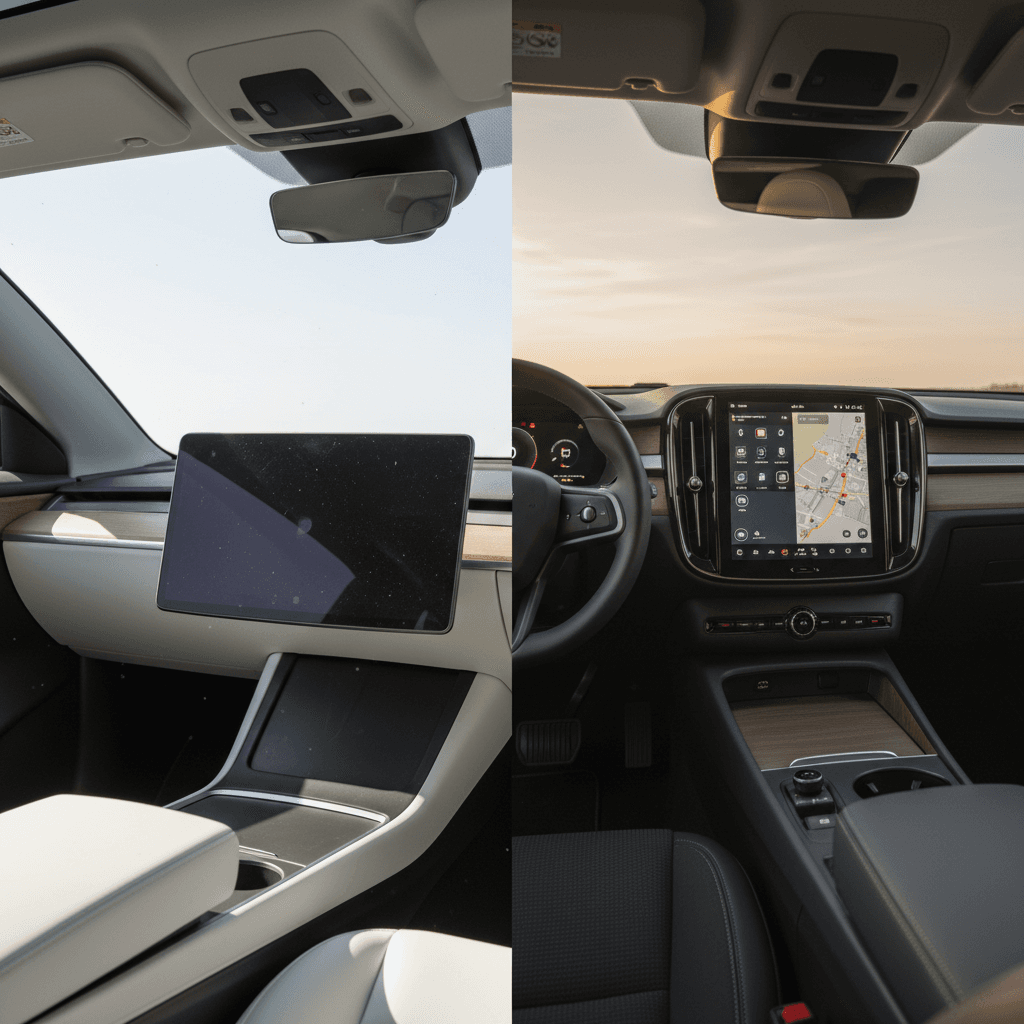
- Tesla Model 3: A single horizontal touchscreen runs everything, navigation, HVAC, wipers, even opening the glovebox. The interface is fast and constantly updated over‑the‑air, but almost everything is only on that screen. Native apps for streaming and games are a Tesla specialty, but there’s no Apple CarPlay or Android Auto.
- Polestar 2: Uses an Automotive‑grade Android OS with Google Maps, Assistant, and the Play Store built in. You get CarPlay support on newer cars, plus a more familiar instrument cluster in front of you. It feels like a premium Android tablet integrated into a Volvo interior rather than a giant phone glued to a dashboard.
Driver assistance
- Model 3 ships with robust lane keeping and adaptive cruise and can add Tesla’s controversial supervised systems on top. Even the basic Autopilot does a good job reducing highway workload when you understand its limits.
- Polestar 2 offers a well‑sorted Pilot Assist suite: lane centering, adaptive cruise, traffic‑jam assist. It feels more traditional German‑luxury in its behavior, less flashy marketing, more quietly competent.
Both cars receive over‑the‑air updates, but Tesla pushes more frequent, more experimental changes. Polestar’s updates have focused on refinement and bug‑squashing.
Tech fit check
Space, comfort, and practicality
Interior and cargo space comparison
Dimensions vary slightly by model year and options; these are representative figures for late‑model U.S. cars.
| Spec | Tesla Model 3 | Polestar 2 |
|---|---|---|
| Overall length | ~185.8 in | ~181.3 in |
| Wheelbase | ~113.2 in | ~107.7 in |
| Front legroom | ~42.7 in | ~42.2 in |
| Rear legroom | ~34.5 in | ~33.9 in |
| Rear headroom | ~37.8 in | ~37.0–37.7 in |
| Cargo (trunk + frunk) | ~23 cu ft | ~15–16 cu ft equivalent |
Both seat five on paper, but the way they use space feels different in practice.
The Model 3 is the longer‑wheelbase car, and you feel that in rear legroom and overall cabin airiness. The glass roof and low cowl open up the space. The Polestar 2’s seating position is a hair more upright with a slightly higher beltline; it feels more cocooned but also more traditional.
Hatch vs trunk feel
Comfort questions to ask on a test drive
1. How’s the ride on your roads?
The Model 3’s ride can feel busy on broken pavement, especially on larger wheels. The Polestar 2 is generally more composed but still firm. Drive your worst commute loop if you can.
2. Do you like the seating position?
Tesla’s low cowl and glassy cabin feel fantastic to some and exposed to others. The Polestar 2’s more traditional seating and dashboard may feel instantly familiar.
3. Are the controls intuitive?
Try adjusting climate, mirrors, wipers, and drive settings without thinking about it. If the Tesla’s screen‑only approach annoys you in 10 minutes, it’ll drive you mad in year three.
Price, running costs, and resale value
Comparing brand‑new stickers is almost beside the point in early 2026; incentives, options, and regional availability shift constantly. What matters more is total cost of ownership, purchase price, energy use, maintenance, and resale value, especially if you’re considering a used Tesla Model 3 or used Polestar 2.
Ownership cost snapshot
Broad patterns from recent market data and real‑world ownership
Purchase price
On average, a comparably equipped Polestar 2 has cost more new than a Model 3 Long Range or Performance. That premium filters into the used market, where Polestar 2s typically list higher than equivalent‑year Model 3s with similar mileage.
Depreciation and resale
The Model 3 has enjoyed very strong demand and resale values often in the 65–70% range after three years, depending on mileage and region. Polestar 2s generally sit a few points lower, around 60–65%, thanks to a smaller brand footprint and fewer buyers specifically hunting them.
Energy and maintenance
Both are efficient EVs, but the Model 3 tends to edge out the Polestar 2 on miles per kWh and electricity cost per mile. Routine maintenance on either is low, think tires, brake fluid, cabin filters, with the Polestar 2 typically a bit pricier at Volvo/Polestar service centers.
How Recharged can help you compare costs
Reliability, recalls, and known issues
Neither car is a disaster story, but both have had their teething issues, mostly on the software side.
- Tesla Model 3: Early cars had infamous paint and trim inconsistencies and some infotainment glitches. Over the years, hardware quality has improved and most chronic issues have been ironed out via design changes or over‑the‑air software updates. Today, long‑term data suggests the Model 3 ages well mechanically, with typical EV‑low maintenance needs.
- Polestar 2: First‑wave cars (2021–2023) saw infotainment freezes and slow boot‑ups; later software has largely addressed this. A U.S. recall addressed rear‑camera display failures on 2021–2025 cars via software updates. Recent Polestar 2s benefit from better suspension tuning and build quality with no widely reported systemic powertrain failures.
Used‑car due diligence
Charging experience and road-trip friendliness
Tesla Model 3: the Supercharger advantage
This is Tesla’s killer app. You get seamless access to thousands of Supercharger stations, routing built into the car, and billing handled automatically through your Tesla account. Plug in, walk away.
With more non‑Tesla brands adopting Tesla’s charging standard and gaining access to Superchargers, the ecosystem is expanding, but as a Model 3 driver you’re still the native speaker at the party.
Polestar 2: good, but more fragmented
The Polestar 2 relies on the broader CCS fast‑charging landscape: Electrify America, EVgo, ChargePoint, and regional players. The good news is the hardware now supports up to ~205 kW DC fast charging on updated models. The bad news is reliability and ease‑of‑use depends heavily on which network you’re on and how healthy that particular station is.
Polestar’s Google‑based navigation can surface charging stops intelligently, but the overall experience isn’t yet as frictionless as Tesla’s end‑to‑end system.
Road‑trip questions to ask yourself
How often do you drive 250+ miles in a day?
If the answer is "almost never," the Polestar 2’s slightly shorter range is rarely a real‑world issue. If you do long, rural stretches often, Tesla’s denser fast‑charging network can be a big quality‑of‑life booster.
Are you okay juggling multiple charging apps?
With a Polestar 2 you’ll likely use a mix of network apps and RFID cards. With a Model 3, you mainly live inside Tesla’s ecosystem.
Do you have home Level 2 charging?
If you can charge at home every night, you experience both cars mostly as full every morning. Road‑trip differences matter less; installation and charging habits matter more. Recharged can connect you with home‑charging resources as part of your buying journey.
Used Tesla Model 3 vs used Polestar 2: what to know
On the used market, the Tesla Model 3 and Polestar 2 tell two different stories. The Model 3 is the known quantity: huge fleet, tons of data, plenty of independent shops familiar with them. The Polestar 2 is still relatively rare, which can be a plus or minus depending on your appetite for being the interesting car in the parking lot.
Key used‑market differences
What shoppers should look for with each car
Used Tesla Model 3 checklist
- Battery health: Look for a clear range estimate at 100% charge and compare to the original rating for that trim and year.
- Build and wear: Inspect panel gaps, door seals, and interior squeaks/rattles, especially on earlier cars.
- Autopilot features: Confirm which driver‑assist options are actually enabled; they don’t always transfer the way buyers expect.
Used Polestar 2 checklist
- Software version: Ensure the car is on the latest infotainment and powertrain software to avoid early glitches.
- Charging performance: If possible, test a DC fast‑charge session to verify the car ramps to expected power.
- Service access: Check how close your nearest Polestar or Volvo service partner is; support is improving but still thinner than Tesla’s in many regions.
Why buy used through Recharged
Ready to find your next EV?
Browse VehiclesWhich EV should you choose?
Match the car to your priorities
Choose a Tesla Model 3 if…
You road‑trip often and want the simplest fast‑charging experience available today.
You value maximum range and efficiency per dollar above interior material richness.
You like Tesla’s minimalist, software‑first approach and don’t mind everything running through one big screen.
You care about resale value and a large owner community, DIY guides, and third‑party support.
Choose a Polestar 2 if…
You want an EV that feels like a compact European luxury car first, tech gadget second.
You prefer a conventional cockpit with an instrument cluster, physical controls, and Google integration instead of Tesla’s all‑in approach.
You do most of your driving locally or regionally where CCS fast charging is plentiful and reliable.
You like owning something a bit more rare and distinctive than the default Tesla, and you don’t mind slightly higher running costs.
There isn’t a wrong answer here so much as a wrong answer for you. The Tesla Model 3 is the ruthless optimizer’s choice: more range, broader charging, typically lower cost of ownership, and a massive ecosystem around it. The Polestar 2 is the connoisseur’s choice: beautifully built, calmer inside, and quietly confident, even if the spreadsheet doesn’t always break its way. Decide what kind of EV life you want to live, then pick the car that supports it, and if you’d like to cross‑shop real, inspected examples of both, Recharged can help you do it from your couch.