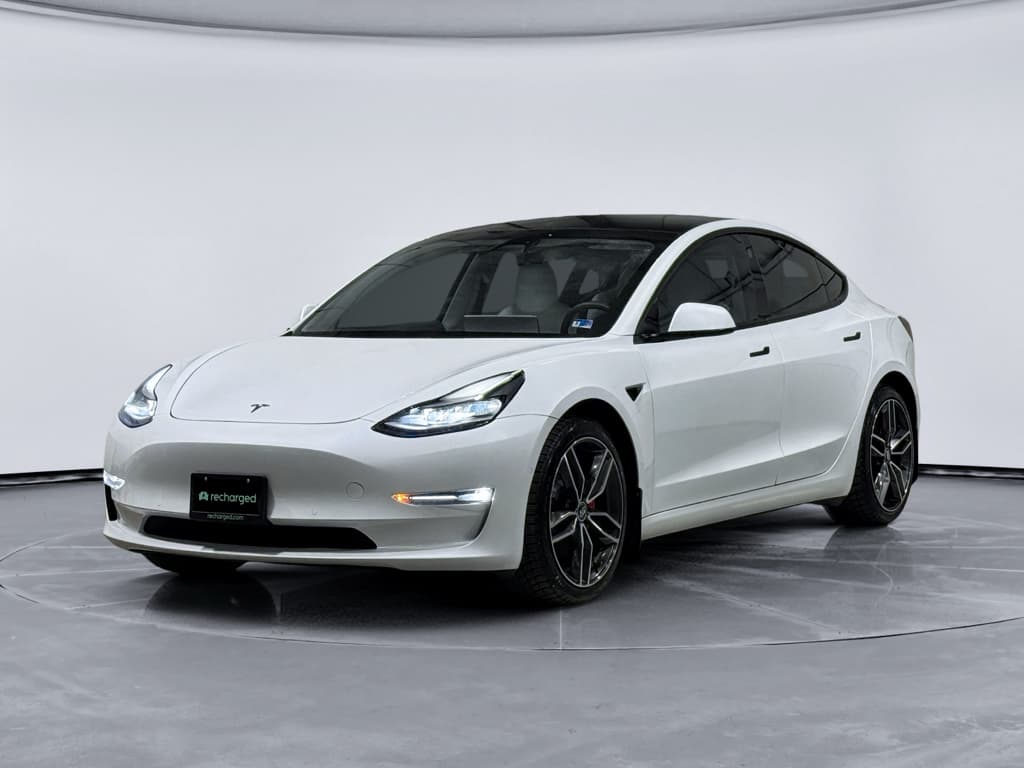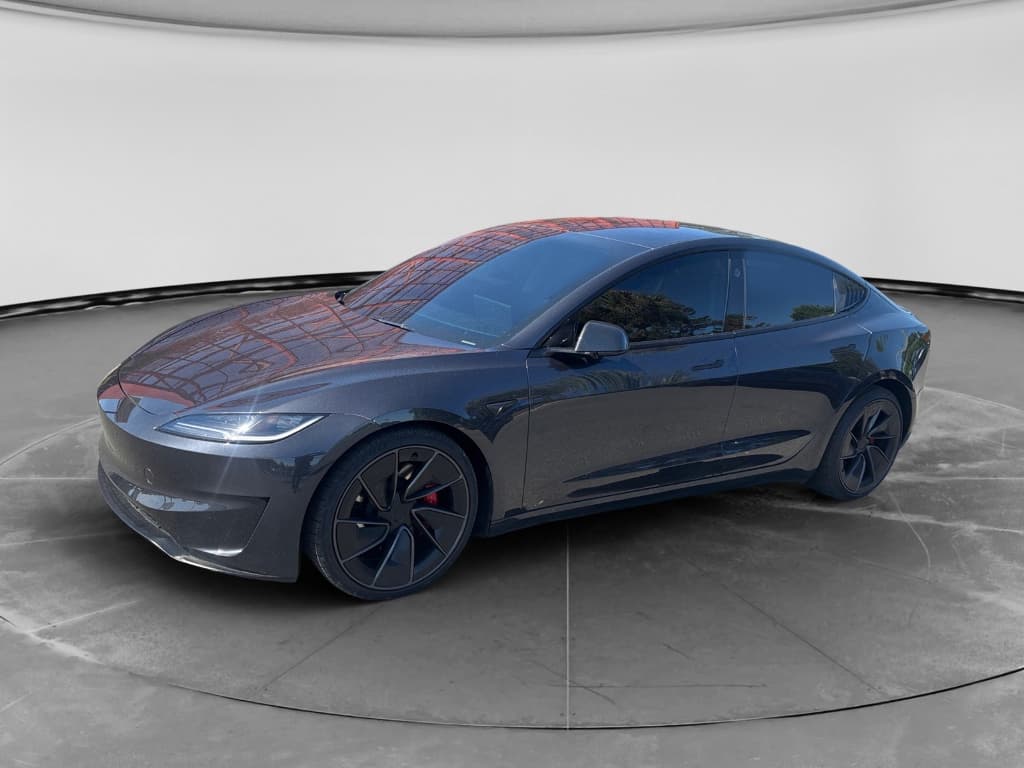
If you’re cross-shopping a Tesla Model 3 vs Nissan Leaf, you’re not just comparing specs on a page, you’re choosing between two very different philosophies of electric driving. One is a tech-forward, long-range EV built around software and fast charging. The other is a budget-friendly, simple commuter that helped start the modern EV era. In the used market, the gap between them in price, capability, and risk is even bigger than it looks on paper.
Who this guide is for
Overview: Tesla Model 3 vs Nissan Leaf in the real world
Tesla Model 3: The long-range all-rounder
- Typically 250–360 miles EPA range depending on trim and year.
- Access to Tesla’s Supercharger network (plus growing non-Tesla DC options with NACS).
- Sporty performance, minimalist interior, strong over-the-air software support.
- Higher purchase price but competitive total cost over time, especially if you drive more miles.
Nissan Leaf: The budget-friendly city specialist
- Commonly 80–150 miles real-world range on older 24–40 kWh packs; up to around 200 miles EPA on newer 62 kWh Leafs.
- Uses the aging CHAdeMO fast-charging standard, with shrinking public network support.
- Comfortable, familiar compact hatchback feel; simpler tech.
- Very low used prices, but battery degradation and charging limitations are key risks.
Quick take
Key specs at a glance
Tesla Model 3 vs Nissan Leaf: core specs (recent model years)
Representative specs for common U.S. trims. Always verify details for the exact year and configuration you’re considering.
| Spec | Tesla Model 3 (RWD / Long Range) | Nissan Leaf (40 kWh / 62 kWh) |
|---|---|---|
| Typical used price (mid‑2018–2022) | Higher ($20k–$35k depending on trim, miles, condition) | Lower ($8k–$20k depending on year, battery, miles) |
| EPA range when new | ~250–280 mi (RWD), ~310–350 mi (Long Range) | ~149 mi (40 kWh), ~215 mi (62 kWh) |
| Battery chemistry | Primarily NCA / NCM with active liquid cooling | LFP / NMC variants with air-cooled pack (no active liquid cooling) |
| Fast‑charging standard | Tesla NACS (Supercharger) +, via adapters, CCS on some networks | CHAdeMO DC fast charging |
| Max DC fast charge power | Up to ~170–250 kW (depending on trim/year) | Roughly 50 kW on most public chargers |
| 0–60 mph (approx.) | 5.8 s (RWD) down to low 3s (Performance) | Around 7–8 s (62 kWh) |
| Body style | Compact sedan with trunk + front trunk (frunk) | Compact 5‑door hatchback |
| Driver-assistance tech | Autopilot standard; optional Enhanced Autopilot / FSD on some cars | ProPILOT Assist on some trims; more traditional safety suite |
Ranges are EPA estimates; real-world results vary based on driving style, weather, and terrain.
How the Model 3 and Leaf stack up conceptually
Pricing and depreciation in the used market
The biggest reason people cross-shop Tesla Model 3 vs Nissan Leaf is price. On classifieds or EV marketplaces, it’s common to see a perfectly driveable Leaf for under $12,000 while comparable‑year Model 3s sit closer to $25,000–$32,000. That sticker shock hides two different depreciation stories.
How they lose value over time
Why a cheap Leaf isn’t always a cheap EV long term
Tesla Model 3 depreciation
- Held value unusually well through the pandemic and early EV boom; values cooled as interest rates rose and new EV competition arrived.
- Still benefits from strong demand, robust charging access, and software support, buyers feel safer paying more.
- Higher upfront price, but you’re spreading that cost over more years and miles because range and charging remain competitive.
Nissan Leaf depreciation
- Sharp early depreciation due to limited range and fears about battery degradation.
- Today, that means very low entry prices, but packs on older cars may already have lost a large chunk of capacity.
- Resale value can be weak, especially for small‑battery Leafs in regions with harsh heat or limited CHAdeMO support.
Don’t buy on price alone
This is where tools like the Recharged Score battery health report matter. On Recharged, every used EV listing includes a standardized, independent view of pack health, charging behavior, and fair market pricing, so you’re not guessing whether a “cheap” Leaf or a “pricey” Model 3 will actually deliver the range and lifespan you need.
Range and battery health: how far will it really go?
On paper, newer Leafs with 62 kWh packs start to look closer to an entry‑level Model 3. In practice, thermal management and degradation history matter more than the brochure number, especially once the car is five to eight years old.
Model 3: Long legs, better cooling
- Most Model 3s use liquid-cooled battery packs, which do a better job protecting cells during fast charging and hot weather.
- Real‑world range typically lands within ~10–20% of the original EPA figure, depending on speed, climate, and age.
- Owners commonly report modest degradation (for example, a Long Range pack dropping from ~310–330 miles new to ~270–290 miles after years of use).
- For road trips and relocation, this margin matters, a degraded Long Range Model 3 often still outruns a brand‑new Leaf on the highway.
Leaf: Degradation is the headline risk
- Many Leafs, especially earlier generations, use air‑cooled batteries. In hot climates or with lots of DC fast charging, packs can lose capacity rapidly.
- The dash shows 12 "capacity bars"; each bar lost means a permanent reduction in usable range.
- Older 24–30 kWh Leafs can drop below 70–80 miles of usable highway range, which severely limits flexibility.
- Newer 40 and 62 kWh Leafs degrade more slowly, but they still generally age less gracefully than a well‑managed, liquid‑cooled pack.
Recent Leaf battery recalls
Battery health questions to answer before you buy
1. What was the original EPA range?
Know the starting point for the exact trim and year. That’s your baseline to estimate how much range has been lost.
2. How many usable capacity bars remain (Leaf)?
On a Leaf, fewer than 11–12 bars means meaningful degradation. Below 9 bars, factor in a significantly reduced radius and resale value.
3. What does a third-party health report say?
A <strong>Recharged Score report</strong> uses direct battery diagnostics rather than just dash estimates, giving a much clearer picture of real pack health.
4. What’s the climate and usage history?
Hot climates, lots of DC fast charging, and frequent 100% charge cycles are harder on any pack, but especially on air‑cooled Leafs.
Charging experience: Supercharger vs CHAdeMO and others
Charging is where the Tesla Model 3 pulls away from the Nissan Leaf in daily life, especially now that the North American Charging Standard (NACS) is becoming the default across the industry while CHAdeMO quietly winds down.
Charging reality: living with each car
Think about your use case, not just the connector type
Model 3 charging experience
- Built around Tesla’s Supercharger network, with thousands of reliable high‑power stalls and simple plug‑and‑charge billing.
- At home, a 240V Level 2 charger can add ~25–40 miles of range per hour, depending on trim and amp rating.
- Increasing support from third‑party networks (especially as CCS sites add NACS cables), improving redundancy on road trips.
- Trip planning via Tesla’s built‑in navigation makes long‑distance driving relatively painless.
Leaf charging experience
- Uses CHAdeMO for DC fast charging, which many new stations no longer install, focusing on CCS and NACS instead.
- Public DC options may be limited outside certain metro areas; you may end up relying heavily on home or workplace Level 2.
- At home, a 40 or 62 kWh Leaf can still be a great commuter if you plug in nightly and seldom need fast charging.
- Some owners report slow or throttled charging on hot days due to pack temperature limits.
Map your charging before you buy
Comfort, space, and in-car tech
Space and practicality
- Leaf: A traditional compact hatchback with upright seating, easy ingress/egress, and flexible cargo space. Rear headroom is good, and the hatch makes Costco runs and bulky items easier.
- Model 3: Sleeker sedan profile with a trunk plus a useful front trunk ("frunk"). Rear headroom can feel tighter for tall passengers, but overall cabin volume is competitive.
- If you frequently haul bikes, dogs, or tall items, the Leaf’s hatchback shape is a real asset.
Cabin tech and user interface
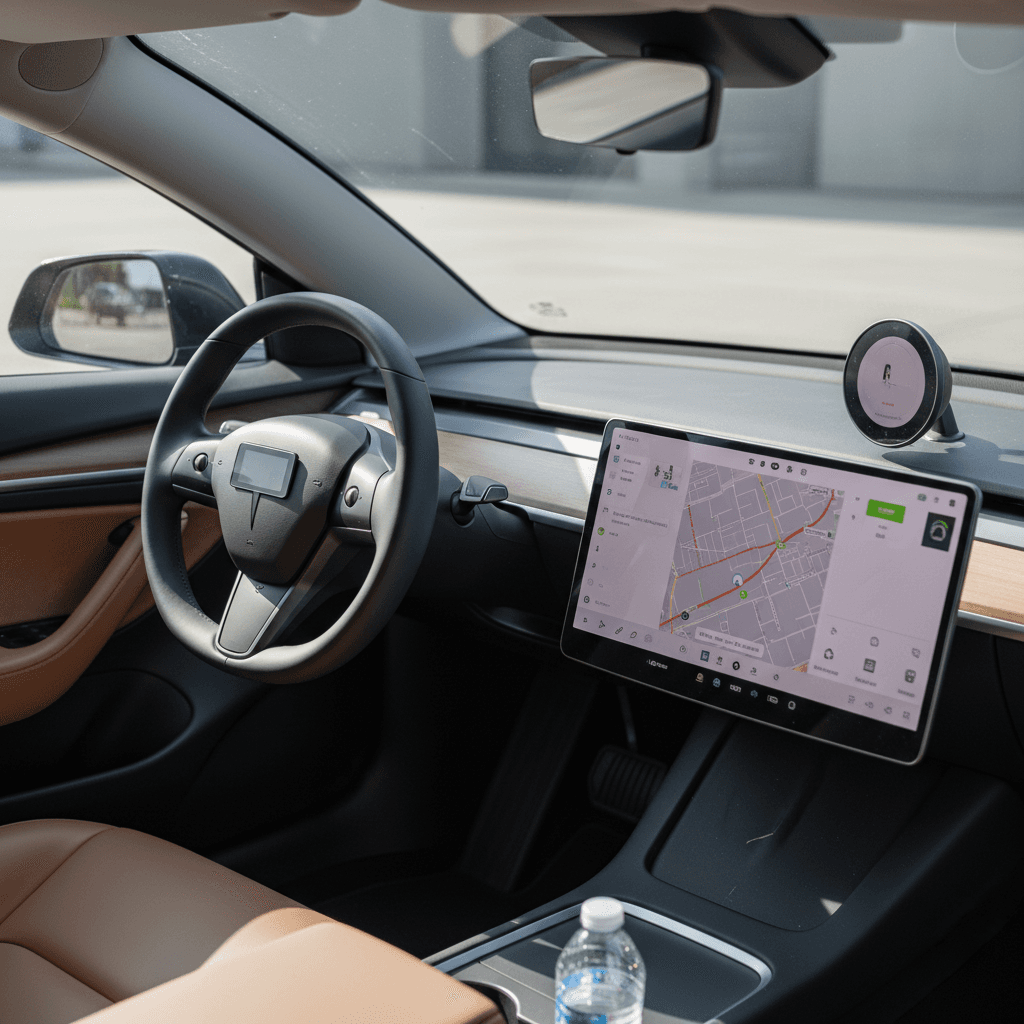
- Model 3: Dominated by a 15+ inch center touchscreen; most functions live in software. Over‑the‑air updates bring new features and UI changes for years after purchase.
- Leaf: More conventional dash with physical buttons plus a smaller central screen. Later Leafs offer Apple CarPlay and Android Auto, which many buyers prefer to Tesla’s closed ecosystem.
- Driver‑assist systems like Autopilot (Tesla) and ProPILOT Assist (Nissan) can make commutes easier, but they feel very different in tuning and capability.
Don’t forget the app experience
Ownership costs, reliability, and recalls
Electric drivetrains are mechanically simpler than gas engines, but they’re not maintenance‑free, and batteries and electronics dominate the risk profile. How do Model 3 and Leaf compare once you’ve signed the paperwork?
Cost and reliability themes
What tends to matter over 5–10 years of ownership
Routine maintenance
- Both cars need tires, cabin filters, brake fluid, and occasional brake service.
- Neither has oil changes or complex multi‑gear transmissions.
- Tesla’s more powerful performance models can be harder on tires.
Big-ticket battery events
- Leaf: High risk of capacity loss in hot climates or heavy fast‑charging use; replacement packs are expensive and limited by availability.
- Model 3: Lower degradation risk on average, but repairs to collision‑damaged packs or high‑voltage components can be costly.
Recalls and support
- Both brands have issued software and hardware recalls over time, always check VINs for open campaigns.
- Recent Leaf recalls around battery fire risk on Level 3 charging underline that pack quality and thermal management matter.
- Tesla service is increasingly available but can be regionally inconsistent; Nissan dealers are ubiquitous but less EV‑specialized.
How Recharged reduces the unknowns
Ready to find your next EV?
Browse VehiclesWhich EV fits your lifestyle? Real-world buyer profiles
Model 3 vs Leaf: best fit by use case
Short-range city commuter
Daily drive under 40–50 miles round trip, mostly surface streets.
Home or workplace Level 2 charging available; road trips are rare.
Budget is tight and maximizing savings matters more than tech or performance.
→ A <strong>late‑model Leaf with a strong battery report</strong> can be a fantastic low‑cost appliance car.
Suburban family with mixed driving
Weekly mix of local errands and longer weekend drives.
Occasional road trips, kids’ activities, or airport runs 50–150 miles away.
Want one car that can flex between local runs and highway travel.
→ A <strong>Model 3 (RWD or Long Range)</strong> is the safer all‑rounder, even if it costs more upfront.
High-mileage commuter or road-tripper
Regular 60+ mile daily round trips or frequent interstate travel.
Time is valuable; sitting at slower CHAdeMO chargers is a non‑starter.
Likely to value Autopilot/driver assistance for fatigue reduction.
→ The <strong>Model 3 is almost always the better tool</strong> here, especially in Long Range or Dual Motor trims.
Second car for the household
Primary gas or long‑range EV already handles road trips.
This EV will mostly handle school runs, grocery trips, and local errands.
Low usage means range degradation hurts less.
→ A <strong>Leaf can be a perfect second car</strong>, if you buy one with verified battery health and charger access that fits your neighborhood.
Used EV checklist: What to inspect on a Model 3 vs Leaf
Critical checks before you buy
Verify battery and range expectations
Compare the car’s current estimated range (and a <strong>Recharged Score</strong> battery report, if available) to the original EPA rating. Make sure that range fits your real routes with a safety buffer.
Inspect charging hardware and history
On a Model 3, confirm Supercharging works and look for evidence of excessive fast‑charging abuse. On a Leaf, test CHAdeMO charging if possible and ask how often the car was quick‑charged, especially in heat.
Check for open recalls and software updates
Run the VIN through recall tools and verify critical software updates have been applied, especially battery and charging‑related campaigns on Leafs.
Look for physical pack or underbody damage
On both cars, inspect the battery enclosure area for signs of impacts, scrapes, or poor repairs. Structural pack damage can be an expensive surprise.
Evaluate tires, brakes, and suspension
EVs are heavy and can wear consumables quickly. Uneven tire wear, noisy wheel bearings, or weak dampers are red flags, especially on higher‑mileage Model 3s.
Confirm driver-assist and infotainment features
Test Autopilot or ProPILOT on a short drive, make sure cameras and sensors function, and verify that phone apps connect and control the vehicle as advertised.
FAQ: Tesla Model 3 vs Nissan Leaf
Frequently asked questions
Bottom line: How to decide between Model 3 and Leaf
Choosing between a Tesla Model 3 vs Nissan Leaf is less about which car is “better” in the abstract and more about which one fits the life you actually live. The Model 3 is the clear winner on range, charging access, long‑term flexibility, and software support, if you can afford the higher upfront cost. The Leaf, especially in later 40 and 62 kWh trims, shines as an ultra‑affordable, easy‑to‑drive city car when paired with a healthy battery and dependable home charging.
If you’re still torn, start with three questions: How far do I really drive? How often will I need public charging? and How long do I plan to keep this car? Then, let hard data, not guesswork, guide you. On Recharged, every used Tesla Model 3 and Nissan Leaf includes a Recharged Score Report, expert EV guidance, and digital‑first financing, so you can choose the car that fits your routes, your risk tolerance, and your budget with open eyes.