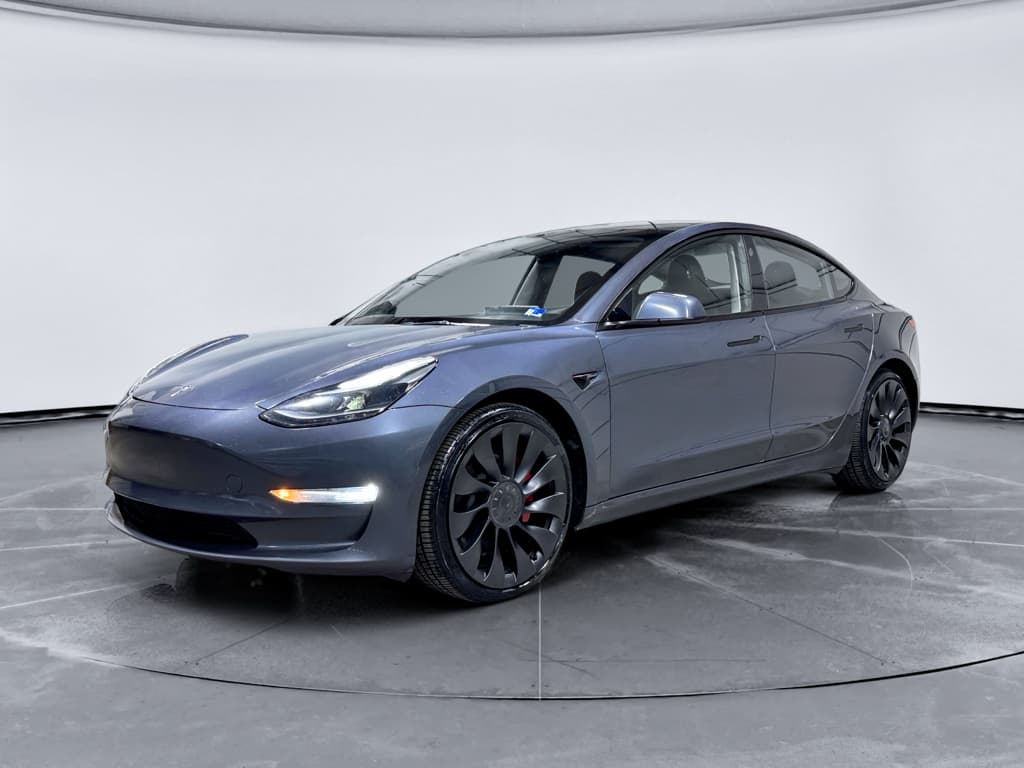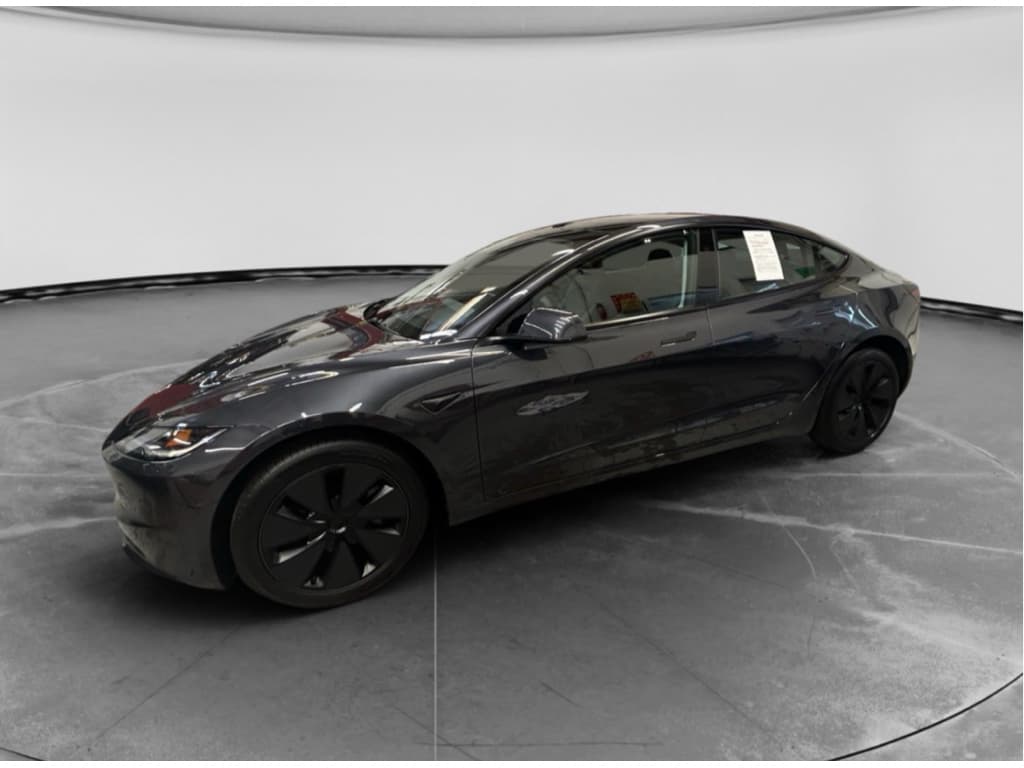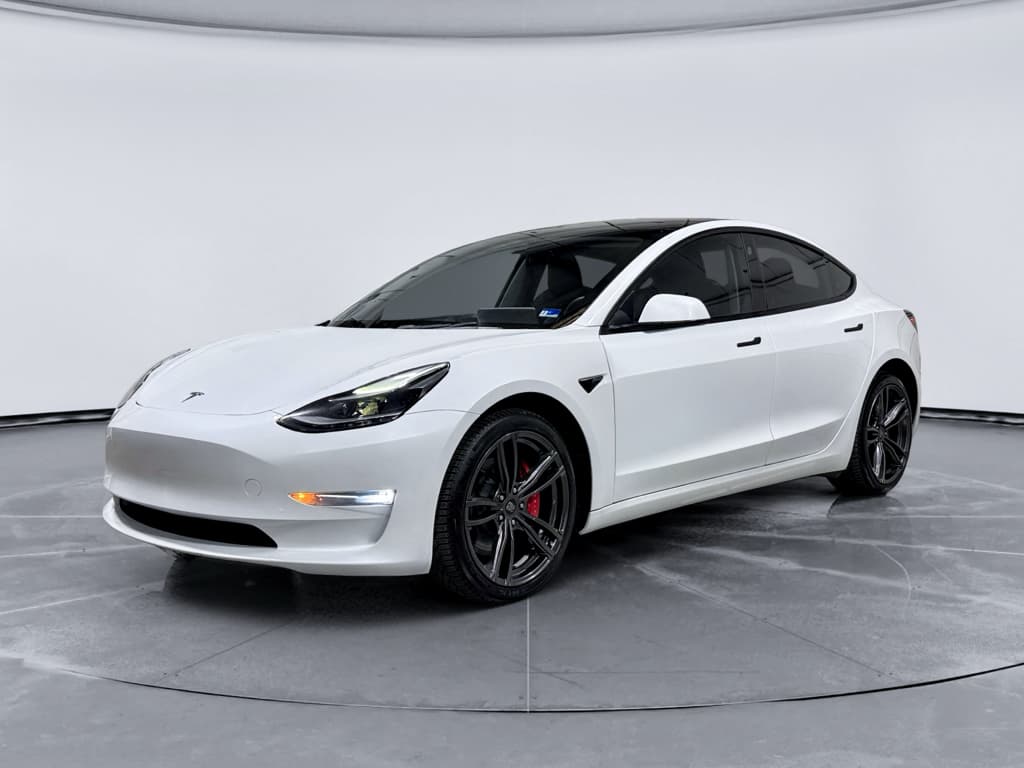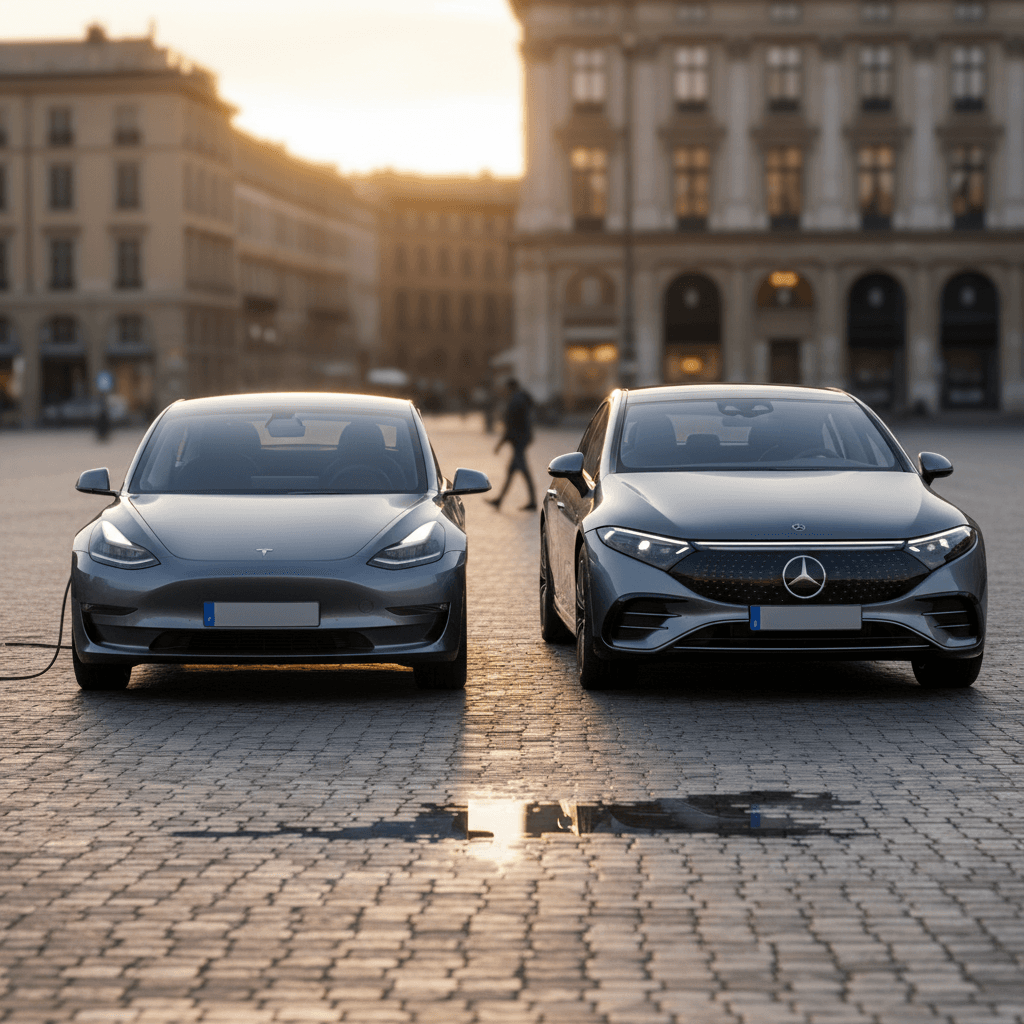
If you’re cross‑shopping the Tesla Model 3 and the Mercedes‑Benz EQE, you’re really choosing between two philosophies of what an electric sedan should be. The Model 3 leans into efficiency, software, and access to Tesla’s Supercharger network, while the EQE plays the classic Mercedes card: quiet luxury, comfort, and an almost old‑school sense of solidity, just powered by electrons instead of gasoline.
Two Different Segments, Same Shopper Shortlist
Overview: Tesla Model 3 vs Mercedes EQE
Tesla Model 3: Tech-Forward All‑Rounder
The Model 3 is Tesla’s smaller sedan, sized roughly like a BMW 3 Series. It’s known for strong efficiency, quick acceleration, and simple styling inside and out. In the U.S. for 2025, it offers trims ranging from an affordable rear‑wheel‑drive version to dual‑motor Long Range and Performance models with up to the mid‑300‑mile range and 0–60 mph times that can dip into the low‑3‑second bracket.
It shines on road trips thanks to the Supercharger network, and software updates keep the car feeling fresh years into ownership.
Mercedes‑Benz EQE: Electric Luxury Cruiser
The EQE sedan is Mercedes’ midsize electric four‑door, riding on a dedicated EV platform. Most U.S. models use a ~90.6 kWh battery and offer estimated ranges from the mid‑200s to just over 300 miles depending on trim. The mission is comfort first: quiet cabin, supple ride, and a tech‑rich, high‑material‑quality interior.
Think of it as an electric alternative to an E‑Class or S‑Class Lite, with more weight, more insulation, and more traditional luxury cues than the Tesla.
Core Numbers: Tesla Model 3 vs Mercedes EQE (Typical 2024–2025 Specs)
Key Differences at a Glance
Tesla Model 3 vs Mercedes EQE: Snapshot
How these electric sedans differ before you dive into the details
Size & Segment
Model 3: Compact sport sedan, lighter and smaller footprint.
EQE: Midsize luxury sedan with more cabin space and heft.
Driving Character
Model 3: Sharper, more playful feel; especially in Performance trim.
EQE: Softer, more relaxed cruiser tuned for comfort and quiet.
Price Positioning
Model 3: Generally thousands less new and used.
EQE: Luxury price tag, even after recent Mercedes price cuts.
Charging Ecosystem
Model 3: Native access to Superchargers, plus growing non‑Tesla networks via adapters.
EQE: Relies on public CCS/combined NACS networks like Electrify America and others.
Luxury & Refinement
Model 3: Minimalist, tech‑heavy cabin; materials improving but still more spartan.
EQE: Traditional Mercedes luxury, richer materials, more insulation.
Used‑EV Concerns
Both: Battery health and warranty coverage are key. Shopping with a verified battery report, like the Recharged Score, is a major advantage.
Shopping Tip
Range, Battery & Charging Experience
Range and charging shape how these cars feel on real‑world road trips and busy weekdays. The Tesla Model 3 wins on efficiency and charging convenience; the EQE counters with a larger battery and solid DC fast‑charging speeds but a less cohesive public‑charging ecosystem in the U.S.
Typical Range & Charging Specs (U.S. Models)
Representative figures for 2024–2025 Model 3 and EQE sedans. Always check the exact trim and year you’re considering.
| Model | Battery (usable est.) | EPA Range (mi) | Max DC Fast Charge | Charging Network Notes |
|---|---|---|---|---|
| Tesla Model 3 RWD | ~60 kWh | ≈272 | Up to 170–180 kW | Full access to Tesla Supercharger network (NACS) |
| Tesla Model 3 Long Range AWD | ~75–80 kWh | ≈333–346 | Up to 250 kW | Excellent road‑trip capability with dense Supercharger coverage |
| Tesla Model 3 Performance | ~75–80 kWh | ≈296–305 | Up to 250 kW | Slightly lower efficiency due to performance tires and tuning |
| Mercedes EQE 350+ RWD | 90.6 kWh | ≈300–305 | Up to ~170–170+ kW | Uses CCS/NACS DC fast chargers on public networks |
| Mercedes EQE 350 4MATIC | 90.6 kWh | ≈250–260 | Up to ~170–170+ kW | All‑wheel drive with modest range penalty |
| Mercedes EQE 500 / AMG EQE | 90.6 kWh | ≈225–260 | Up to ~170–170+ kW | More power, least range; still fine for most commutes |
Approximate EPA estimates and OEM claims; actual results vary with driving style, weather, and wheel choice.
Don’t Shop on Range Numbers Alone
- Battery size: The EQE’s ~90.6 kWh pack is physically larger than the Model 3’s, which helps its heavier body still post competitive range numbers.
- Efficiency: The Model 3 typically uses less energy per mile, especially at highway speeds, which is why it can match or beat the EQE on range with a smaller battery.
- Charging at home: Both cars thrive with a 240V Level 2 home charger. Overnight, either will easily handle a typical American commute.
- Road‑trip charging: The Model 3’s seamless Supercharger experience is still the class benchmark. With the EQE, your experience depends heavily on how robust CCS/NACS charging is in your region and how good the station maintenance is.
Performance and Driving Feel
Both cars are quick by any traditional standard, but they don’t chase the same kind of thrill. The Tesla Model 3 feels lighter on its feet and more eager to change direction. The Mercedes EQE feels planted, heavy, and unflustered, even when you’re hustling.
How They Drive
Where each sedan feels most at home
Tesla Model 3
- Acceleration: Even the RWD car feels brisk; Performance trim can dip near the 3‑second 0–60 mph mark.
- Handling: Low center of gravity and firm suspension tune make it fun on back roads, though ride quality can be busy over rough pavement.
- Steering: Direct and quick, with a slightly digital feel but strong response.
Mercedes‑Benz EQE
- Acceleration: EQE 350 models are strong enough; EQE 500 and AMG EQE add serious punch, but the car always feels more grand tourer than sports sedan.
- Ride: Noticeably softer and more isolated, especially with air suspension. It soaks up imperfect roads with less drama.
- Noise: Extra sound‑deadening makes the EQE one of the quieter EV sedans at highway speeds.
Performance Sweet Spots
Interior Comfort, Space & Features
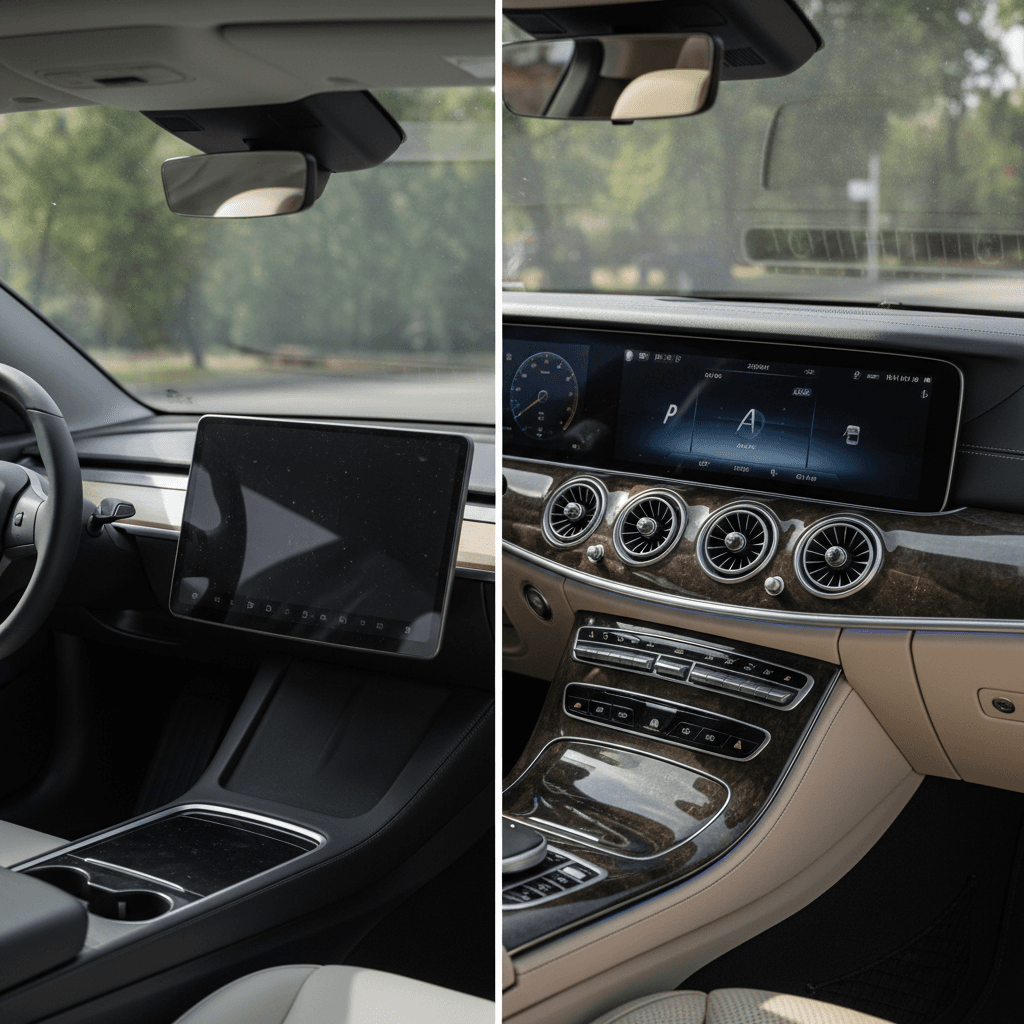
Slide into these cabins back‑to‑back and you’ll know immediately which one speaks your language. The Tesla Model 3 is airy and minimalist, with almost everything controlled through a central touchscreen. The EQE feels like a modern Mercedes cocoon: sculpted seats, detailed ambient lighting, and a dash that looks carved rather than drawn in a single line.
Model 3 Interior
- Design: Clean lines, very few physical buttons, and a single central screen handling almost all functions.
- Space: Plenty of room up front; rear seat and trunk are adequate for a small family, with a handy front trunk for extra storage.
- Materials: Improving over time but still focused on durability and simplicity more than opulence.
- Noise & comfort: Later model years are quieter than early ones, but road and wind noise are more noticeable than in the EQE.
EQE Interior
- Design: High‑tech and high‑lux, with flowing surfaces, rich materials, and optional giant glass “Hyperscreen” effect in some trims.
- Space: More back‑seat legroom and a wider cabin, making it more comfortable for adults on long trips.
- Materials: Typical Mercedes mix of leather (or high‑grade synthetic), wood, metal, and detailed switchgear.
- Noise & comfort: Quieter and more isolated, especially on the highway; tuned to feel like an electric E‑Class.
Test‑Sit, Not Just Test‑Drive
Tech, Safety & Driver Assistance
Both cars are packed with tech, but they deliver it differently. Tesla treats the car like a rolling smartphone. Mercedes treats it like a luxury lounge with an embedded operating system.
Technology Philosophies
Where Tesla’s software focus meets Mercedes’ cabin tech
Tesla Model 3 Software
- Frequent over‑the‑air updates that add features and tweak behavior.
- Minimalist UI that some owners love for its simplicity.
- App integration that makes remote preconditioning, charging control, and trip planning straightforward.
Mercedes EQE Infotainment
- MBUX system with large central display and available passenger screen.
- Rich graphics, customizable ambient lighting, and more traditional menu structure.
- Less frequent, but still meaningful, software updates compared with Tesla.
Driver Assistance & Safety
- Both offer advanced driver assistance like adaptive cruise and lane‑keeping.
- Tesla’s Autopilot/FSD (Supervised) feels more ambitious, but still requires full driver attention.
- Mercedes leans into conservative tuning, emphasizing predictability over aggressiveness.
Driver Assist Is Not Autonomy
Price, Value & Ownership Costs
In 2025, pricing and incentives are moving targets, especially with changing federal EV tax‑credit rules and Mercedes announcing EQE price cuts and a pause in U.S. orders after September 1, 2025. For most shoppers, the Tesla Model 3 remains the value play; the EQE asks more up front but gives you a larger, more luxurious car.
Typical New Pricing Windows (U.S.)
Generalized price bands for new vehicles; used prices vary widely by year, mileage, trim, and region.
| Model | Typical New MSRP Range | Segment | Value Notes |
|---|---|---|---|
| Tesla Model 3 (all trims) | ≈$38,000–$57,000 | Compact premium EV sedan | Lower entry price; strong efficiency helps long‑term running costs. |
| Mercedes EQE 350 / 350+ | ≈$66,000–$80,000 | Midsize luxury EV sedan | Recent price cuts have made EQE more competitive, but it’s still a class up in size and cost. |
| Mercedes EQE 500 / AMG EQE | ≈$87,000–$110,000+ | High‑performance luxury EV | Significant jump for performance and luxury; overkill for many commuters. |
Always confirm current pricing and local incentives before you buy or lease.
- Energy costs: The Model 3’s efficiency generally makes it cheaper to power per mile than the heavier EQE.
- Maintenance: Both benefit from EV simplicity (no oil changes, fewer moving parts). Mercedes service and parts tend to be pricier once you’re outside basic warranty.
- Insurance: The EQE’s higher sticker price and more complex bodywork can mean higher premiums than a comparable Model 3 in many zip codes.
- Depreciation: Luxury sedans typically depreciate faster, which can make a used EQE surprisingly attractive compared with a similarly aged Model 3, if you buy carefully.
Luxury vs. Value
Living With Each EV Day to Day
Once the new‑car sheen wears off, the question becomes: which one would you rather grab the keys to every Monday morning?
Day‑to‑Day Considerations
Parking & Maneuverability
The Model 3’s smaller size makes it easier to thread through city streets and tight garages. The EQE’s extra length and width are noticeable in older parking structures and dense urban neighborhoods.
Ride & Fatigue
If your commute involves pockmarked highways, the EQE’s plush ride will leave you less fatigued. If you prefer a more connected feel and don’t mind some road texture, the Model 3 is more engaging.
Cabin Tech Learning Curve
Tesla owners adjust to the screen‑centric setup quickly, but the first week can feel like living inside a tablet. Mercedes spreads functions out more traditionally, which some drivers find easier to learn.
Charging Routine
Both benefit from home Level 2 charging. The Model 3 simplifies public charging with Superchargers. With the EQE, you’ll lean more on third‑party networks and apps to plan your stops.
Family Use
If you have tall teenagers or frequently carry adults in the back, the EQE earns its keep in rear‑seat comfort. The Model 3’s rear bench is fine for most, but less generous.
Road‑Trip Personality
The Model 3 makes you feel like a driver in a tech experiment, efficient and fast. The EQE feels like a modern luxury tourer that just happens to be electric.
Used Market: Battery Health, Depreciation & Support
By 2025, the U.S. used market is rich with Tesla Model 3s and is slowly filling up with EQEs. That’s good news for shoppers, but only if you treat battery health and equipment history as seriously as mileage and service records.
What to Watch When Buying Used
Model 3 and EQE share some EV‑specific concerns
Battery Health & Warranty
Both cars have long battery warranties, commonly 8 years with varying mileage caps. But age, mileage, and fast‑charging habits still affect real‑world range. A verified battery health report is worth its weight in electrons.
Feature & Software History
On Teslas, software options like Full Self‑Driving and connectivity plans can move with or without the car, depending on policy changes over time. On the EQE, confirm what driver‑assist packages and infotainment options are active and updatable.
Accident & Repair Quality
EVs are heavy and complex to repair after a collision. Poor‑quality bodywork can affect range, noise, and even safety systems. A clean history report and thorough inspection are essential for both models.
How Recharged Helps
Which EV Is Right for You?
Match Your Priorities to the Right Sedan
Choose the Tesla Model 3 if…
You want the best combination of price, efficiency, and performance in one package.
You value seamless long‑distance travel with access to Tesla’s Supercharger network.
You prefer a minimalist cabin and don’t mind that most controls live on a central screen.
You’re more excited by over‑the‑air software updates than by quilted leather and wood trim.
Parking ease and smaller exterior dimensions matter in your daily life.
Choose the Mercedes‑Benz EQE if…
You want a genuine luxury‑car experience and are willing to pay for it.
Rear‑seat comfort, ride quality, and noise isolation matter more than 0–60 bragging rights.
You like a richer, more traditional cabin with physical controls alongside touchscreens.
You’re comfortable planning DC fast‑charging stops across multiple networks when you road‑trip.
You’re shopping used and see an EQE that’s taken a healthy depreciation hit, it can be a lot of luxury for the money.
When you boil it down, the Tesla Model 3 vs Mercedes EQE question isn’t about which is objectively better. It’s about which fits your life. The Model 3 plays the role of smart, efficient, techy companion, great value, great range, great network. The EQE is the quiet executive: more space, more comfort, more classic luxury feel. If you’re looking on the used market, partnering with a specialist like Recharged means you can focus on how each car feels, while we sweat the battery health, fair pricing, and paperwork.