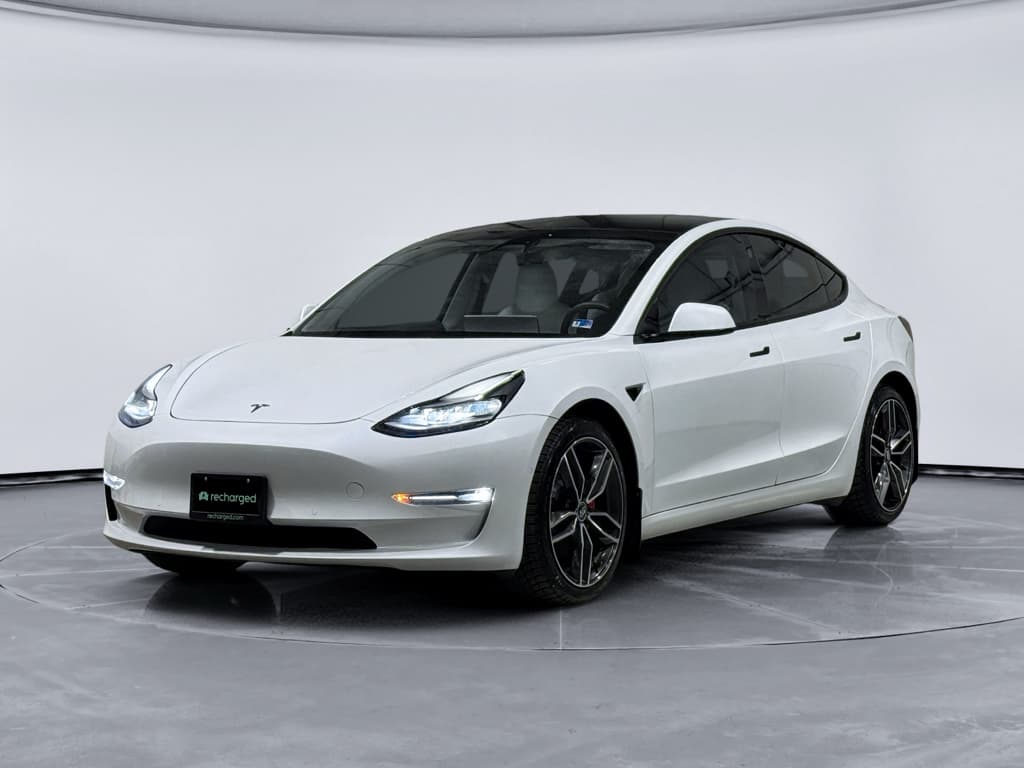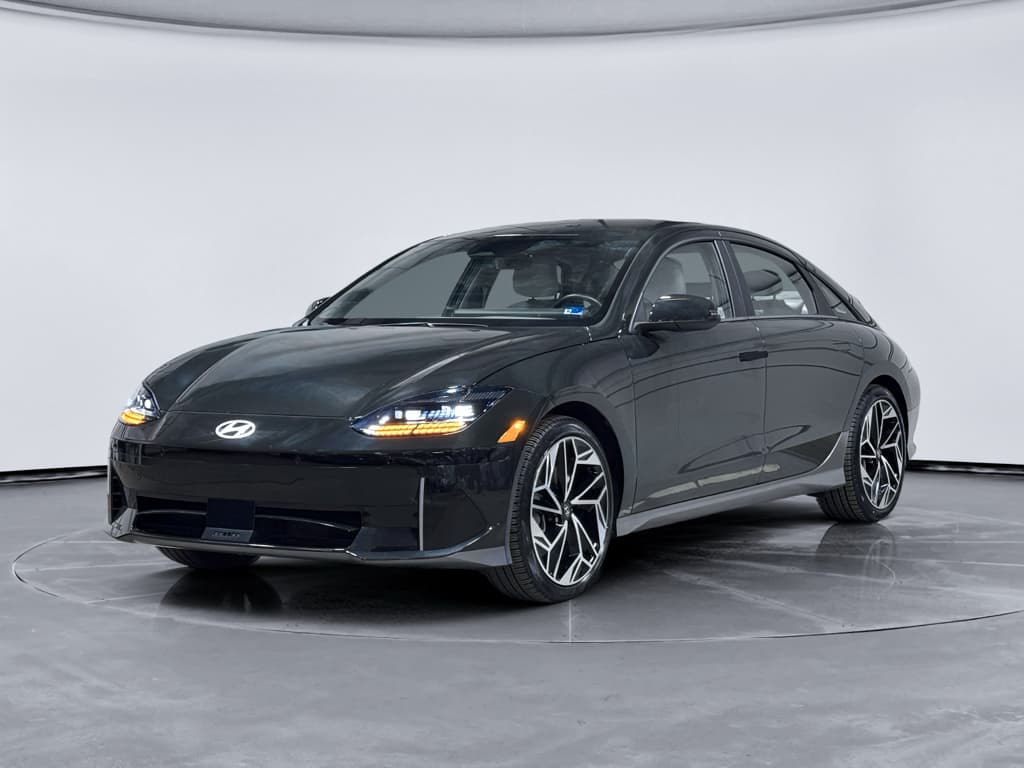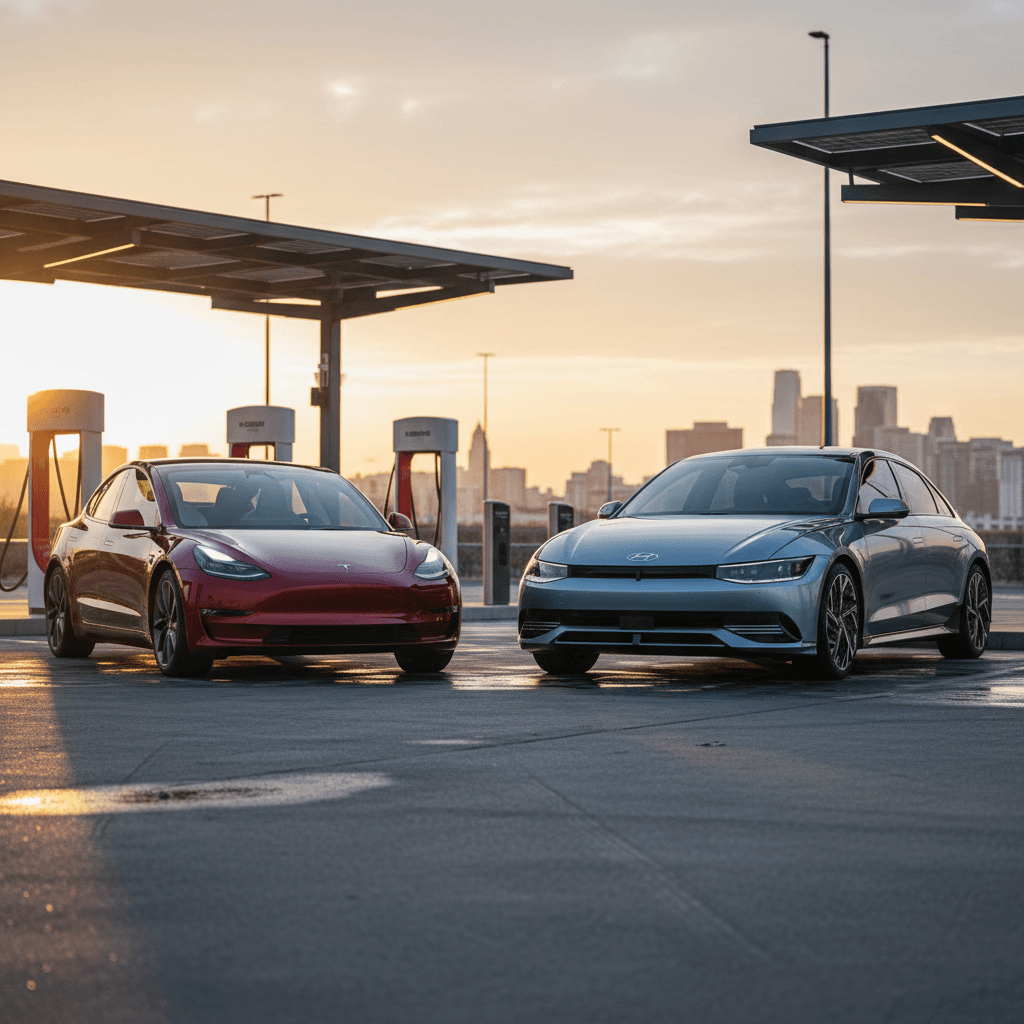
If you’re cross‑shopping the Tesla Model 3 vs Hyundai Ioniq 6, you’re comparing two of the most efficient, future‑proof electric sedans on the market. The real question isn’t just which is "better" on paper, but which one fits how you actually drive, charge, and live, especially if you’re considering a used EV.
At a glance
Overview: Tesla Model 3 vs Hyundai Ioniq 6
The Tesla Model 3 essentially invented the modern mass‑market EV sedan segment. The Hyundai Ioniq 6 is one of the freshest challengers, built on Hyundai’s E‑GMP platform with 800‑volt architecture for extremely fast DC charging and excellent efficiency. Both are available in rear‑ and all‑wheel‑drive configurations, and both offer ranges well over 300 miles in the right trims.
Where the Model 3 tends to win
- Supercharger access and rapidly expanding NACS support from other networks
- Very strong real‑world efficiency and range per kWh
- Slick software experience and over‑the‑air updates
- Stronger performance options and sportier feel
Where the Ioniq 6 tends to win
- Ultra‑fast DC charging on 800‑V E‑GMP platform (10–80% in under ~20 minutes on a 350 kW charger, when conditions are ideal)
- More traditional interior with physical controls
- Smoother, quieter ride and comfortable seats
- Strong warranty coverage, especially on the high‑voltage battery
Tip for shoppers in 2026
Key Specs at a Glance
Tesla Model 3 vs Hyundai Ioniq 6: Core Numbers (Recent U.S. Models)
Approximate specs for popular 2024–2025 trims you’ll commonly see new or used in the U.S. Exact figures vary by model year and wheel size, but this gives you the lay of the land.
| Model / Trim | Drivetrain | Battery (usable kWh, approx.) | EPA Range (mi, best trims) | 0–60 mph (quickest trims) | Max DC Fast Charge |
|---|---|---|---|---|---|
| Tesla Model 3 RWD | RWD | ~57–60 | ~270–290 | ~5.8 s | ~170–180 kW |
| Tesla Model 3 Long Range | AWD | ~75–80 | ~330–340 | ~4.2 s | ~170–250 kW (site‑dependent) |
| Tesla Model 3 Performance | AWD | ~75–80 | ~290–310 | ~3.0 s | Similar to LR |
| Hyundai Ioniq 6 SE Standard Range | RWD | 53 | ~240 | ~8–9 s | Up to ~235 kW (ideal conditions) |
| Hyundai Ioniq 6 SE Long Range RWD | RWD | 77.4 | EPA up to 361 | ~7 s | Up to ~235 kW |
| Hyundai Ioniq 6 Long Range AWD | AWD | 77.4 | ~270–320 (trim‑dependent) | ~5 s | Up to ~235 kW |
Always check the specific year, trim, and wheel size of any car you’re buying, especially used, where range and features can differ significantly.
About the numbers
Range & Efficiency: Which Goes Farther on a Charge?
Both cars sit at the sharp end of the efficiency spectrum, but they get there slightly differently. The Hyundai Ioniq 6 SE Long Range RWD is one of the longest‑range EV sedans sold in the U.S., with an EPA rating up to about 361 miles on a charge in its most efficient configuration. The Tesla Model 3 Long Range typically lands in the low‑to‑mid 300‑mile range depending on wheels and model year, while still being among the most efficient EVs you can buy.
- If you prioritize maximum rated range, an Ioniq 6 SE Long Range RWD is hard to beat on paper.
- If you care more about efficiency at fast highway speeds, the Model 3’s slippery shape and light weight remain very competitive.
- Lower‑trim Model 3 RWD and Ioniq 6 SE Standard Range versions still offer more than enough range for typical daily driving if you can charge at home or work.
Efficiency Highlights
How to think about range
Charging Experience: Superchargers vs CCS and NACS
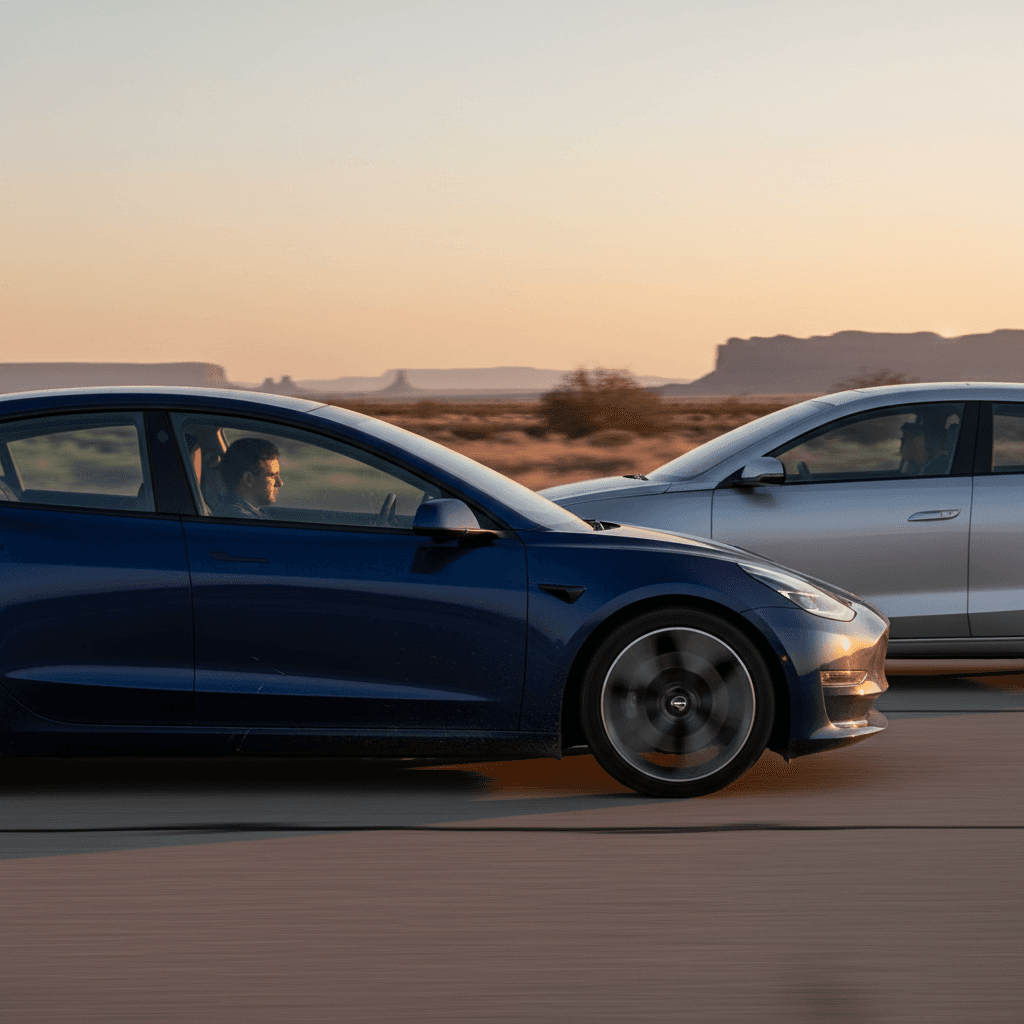
Charging is where the Tesla Model 3 and Hyundai Ioniq 6 take very different approaches, and where your local infrastructure matters most. The Model 3 taps directly into Tesla’s Supercharger network and, with the industry’s shift to the NACS connector, is rapidly gaining access to more third‑party fast chargers. The Ioniq 6 uses CCS1 for DC fast charging in North America today, but many networks are adding NACS cables or offering adapters as we move toward 2027.
Charging Experience: How They Feel in the Real World
Both can road‑trip; how smooth the experience is depends on networks and your region.
Tesla Model 3 charging experience
- Native access to the Supercharger network with plug‑and‑charge simplicity.
- Trip planner routes you via chargers and preconditions the battery for faster charging.
- More NACS adoption by other networks improves non‑Tesla fast‑charging options over time.
Hyundai Ioniq 6 charging experience
- 800‑V architecture lets it take very high power on 350 kW CCS chargers, short sessions when you find a good site.
- You’ll rely more on apps like Electrify America, ChargePoint, and others for planning.
- Real‑world experience depends heavily on the reliability of CCS stations in your area.
Fast‑charging reality check
Key Charging Questions to Ask Yourself
1. Do you have home or workplace charging?
If you can charge where you park most nights, the difference between networks matters less and both cars are easy to live with.
2. How often do you road‑trip?
Frequent long‑distance drivers may appreciate the Supercharger network’s convenience (Model 3) or the Ioniq 6’s ultra‑fast peak speeds if CCS is strong in your region.
3. What’s strong in your region today?
Look at maps for Tesla Superchargers vs major CCS networks along the routes you actually use; that will matter more than theoretical maximum charge rates.
4. Are you thinking long‑term?
With NACS becoming the North American standard, both cars should see better cross‑network support over time, especially if you plan to keep the car for 8–10 years.
Comfort, Space & Everyday Usability
On the road, these two sedans have very different personalities. Think of the Model 3 as a compact, sporty sedan and the Ioniq 6 as a swoopy, comfort‑oriented cruiser. Both have usable rear seats and trunks, but their packaging and ergonomics will matter if you carry adults in the back or do a lot of Costco runs.
Tesla Model 3: minimalist, firm, efficient
- Clean, screen‑centric interior with almost no physical buttons.
- Firm but controlled ride, especially on larger wheels, sporty rather than plush.
- Good front‑seat space, rear legroom acceptable but tighter for tall adults.
- Frunk + trunk offer flexible cargo space; rear opening is a sedan, not a hatch.
Hyundai Ioniq 6: quiet, comfortable, more conventional
- More traditional dashboard with separate instrument cluster and physical climate controls.
- Generally softer, more compliant ride and excellent cabin isolation.
- Rear seat is roomy for legs but the low, sloping roof can impact headroom for tall passengers.
- Trunk is reasonably sized; no front trunk, but clever interior storage and cubbies.
Family and car‑seat duty
Tech, Driving Feel & Safety
Both cars offer advanced driver‑assistance systems and solid crash‑test results, but they emphasize different philosophies. Tesla leans into software, OTA updates, and a tightly integrated in‑car experience. Hyundai emphasizes a well‑equipped, feature‑rich cabin with traditional controls layered on top of a modern digital architecture.
Tech & Driving Experience
How they feel from behind the wheel and behind the screen.
Infotainment & UX
- Model 3: 15" center screen runs nearly everything; slick UI, great nav and trip planning, but virtually no physical buttons.
- Ioniq 6: Dual 12.3" screens, native nav, and standard Apple CarPlay/Android Auto; keeps hard keys for essentials.
Driving character
- Model 3: Lighter, more agile, with sharper steering and sportier acceleration, especially in Performance trim.
- Ioniq 6: More relaxed, stable, and quiet; still quick in AWD versions but tuned for comfort over track days.
Safety & driver assist
- Both offer advanced driver‑assistance suites (Autopilot/Enhanced Autopilot vs Hyundai’s Highway Driving Assist).
- Both have strong crash‑test performance and robust passive safety structures.
Test‑drive for vibe, not specs
Pricing, Incentives & Long‑Term Value
New‑car MSRPs move around with incentives, inventory, and quarterly adjustments, but broadly, a similarly equipped Tesla Model 3 and Hyundai Ioniq 6 land in a comparable price band. In the U.S., federal and state incentives can tip the scales either way depending on where each vehicle is built in a given model year and how the rules evolve.
- Tesla has aggressively adjusted Model 3 pricing over the years, and its strong brand recognition supports used values, but high production volume also means plenty of used supply.
- The Ioniq 6 is newer and somewhat rarer; Hyundai’s strong warranties (including a long high‑voltage battery warranty) are a plus for long‑term peace of mind.
- Energy and maintenance costs are low for both; you’ll spend more time comparing insurance quotes and tire prices than oil changes or timing belts, because those don’t exist here.
Ownership Economics Snapshot
Where Recharged fits in
Buying Used: What Changes in the Model 3 vs Ioniq 6 Decision
On the used market, the Tesla Model 3 has a several‑year head start. You’ll see a wide range of years, mileages, and battery configurations, from early Standard Range to newer Long Range and Performance variants. The Hyundai Ioniq 6, by contrast, is newer, so used examples are usually lower‑mileage and concentrated in the most recent model years.
Used Tesla Model 3 vs Used Hyundai Ioniq 6: What to Check
1. Verified battery health
Range is the whole point of an EV. Look for a <strong>quantitative battery‑health assessment</strong>, not just "feels fine". Recharged’s battery diagnostics and Recharged Score Report do exactly this for used EVs.
2. Fast‑charging history
Heavy fast‑charging isn’t automatically bad, but it can affect long‑term battery wear. Ask for charging history when available and look for any signs of unusually slow DC charging behavior.
3. Autopilot / driver‑assist options
On used Model 3s, Autopilot, Enhanced Autopilot, and Full Self‑Driving capability can be tied to the car. On Ioniq 6s, check for Highway Driving Assist II and other safety packages by trim.
4. Warranty status
Hyundai’s battery warranty is generous and transferable in many markets; Tesla’s varies by pack size and model year. Knowing what’s still covered adds real value on a used car.
5. Prior repairs and bodywork
Both cars use a lot of aluminum and high‑strength steel. Poor collision repairs can affect alignment and efficiency, so review repair records and consider a professional inspection.
How Recharged helps used‑EV buyers
Ready to find your next EV?
Browse VehiclesWhich Is Better for You? Quick Recommendations
Tesla Model 3 vs Hyundai Ioniq 6: Best Match by Driver Type
Use this as a starting point, then layer on your local charging reality and personal taste.
You’ll likely prefer the Tesla Model 3 if…
- You want the smoothest long‑distance charging experience via the Supercharger network.
- You like minimalist, software‑driven interiors and don’t mind everything living in a central screen.
- You care about sporty handling and quick acceleration more than a soft ride.
- You value a massive existing used market with lots of trim and price options.
You’ll likely prefer the Hyundai Ioniq 6 if…
- You prioritize comfort, quietness, and traditional controls over the most radical minimalist interior.
- You live near reliable 350 kW CCS stations and want to exploit the 800‑V fast‑charging capability.
- You want very high rated efficiency and range, especially in the SE Long Range trims.
- You like Hyundai’s long warranty coverage and feature‑rich trims.
The one way to make the wrong choice
Frequently Asked Questions: Tesla Model 3 vs Hyundai Ioniq 6
Common Questions About Model 3 vs Ioniq 6
Bottom Line: Tesla Model 3 vs Hyundai Ioniq 6
If you force a one‑word answer to "Tesla Model 3 vs Hyundai Ioniq 6, which is better?" the only honest response is: it depends on you. The Model 3 remains the benchmark for charging convenience, software integration, and sporty driving. The Ioniq 6 pushes hard on comfort, ultra‑fast DC charging capability, and traditional ergonomics, while matching, or even slightly exceeding, the Tesla on efficiency in some trims.
For heavy road‑trippers who value a seamless charging experience, the Tesla Model 3 is still the safer default in much of the U.S. For drivers who prioritize a quieter ride, conventional controls, and a long warranty, and who have good CCS infrastructure nearby, the Hyundai Ioniq 6 is a genuinely compelling alternative. Either way, if you’re shopping used, focusing on verified battery health, transparent pricing, and expert guidance will matter more than the logo on the hood.
Recharged was built around that reality. Whether you ultimately land on a Model 3 or an Ioniq 6, starting with a Recharged Score Report, expert EV‑specialist support, and nationwide delivery options can turn a complex comparison into a confident purchase.