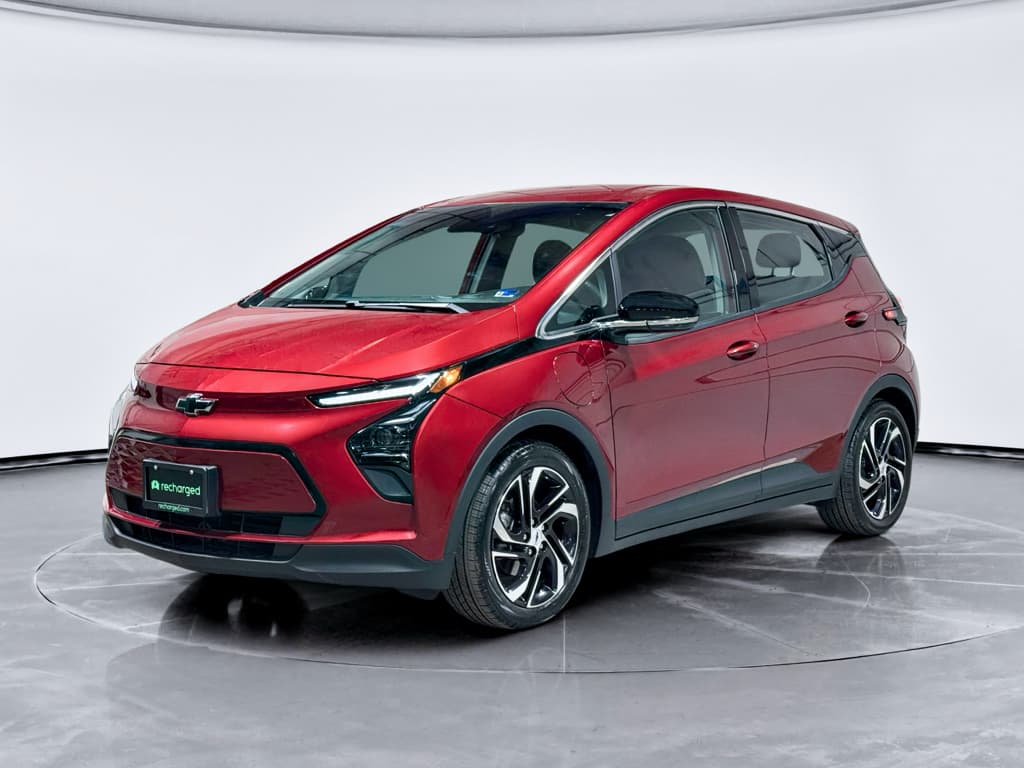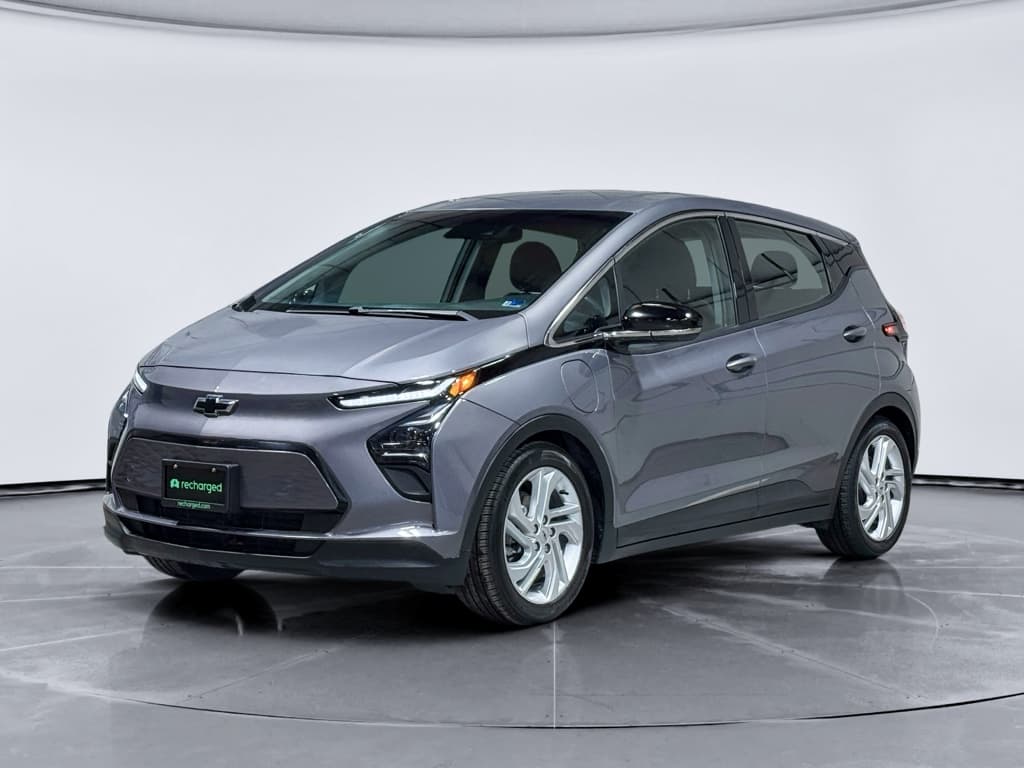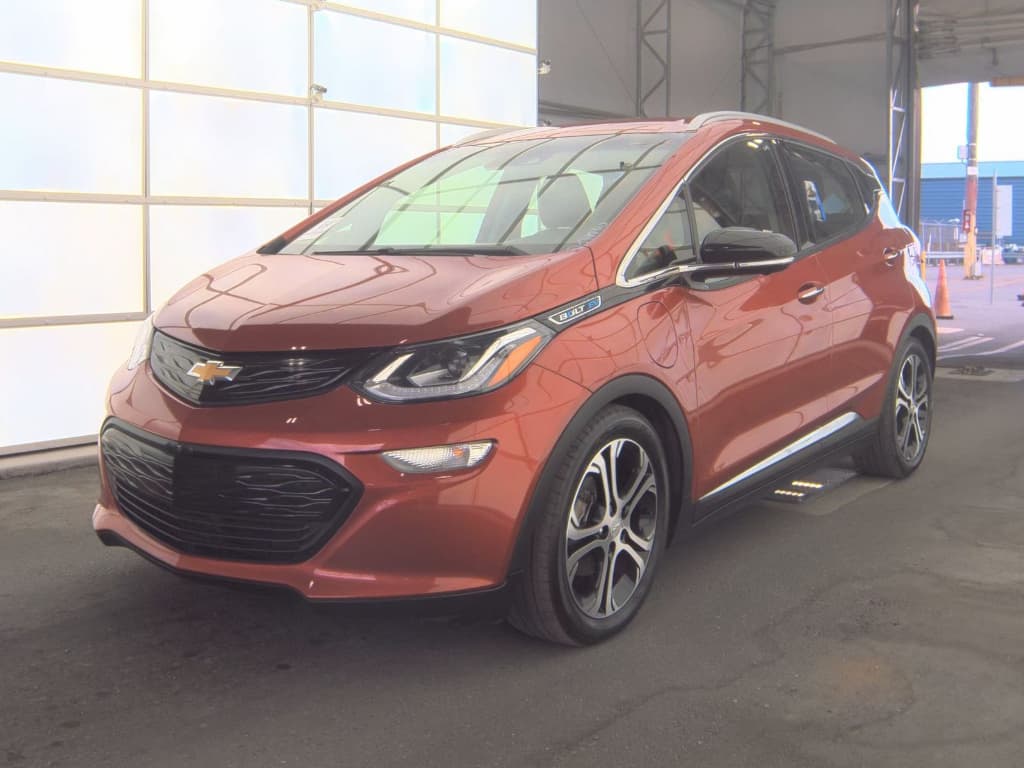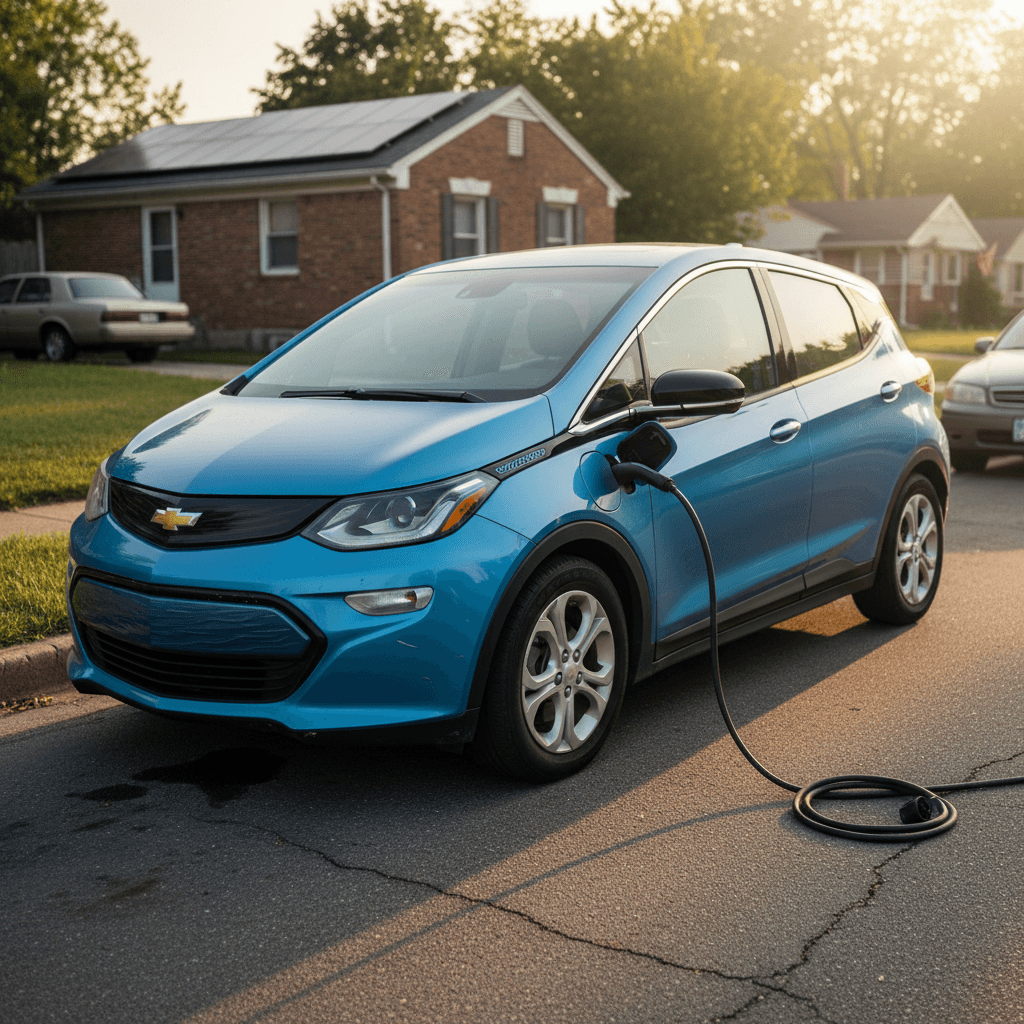
If you’re shopping for an affordable electric hatchback in 2026, the **Chevrolet Bolt EV** will show up in every search. It’s been on sale since 2017, it survived a massive battery recall, and it’s about to be reborn on GM’s Ultium platform. That makes a **Chevrolet Bolt EV long term review in 2026** a little different from a standard test drive: you’re not just asking how it drives, you’re asking if this is still a smart long‑term bet.
Quick take
Why the Chevrolet Bolt EV Still Matters in 2026
Chevrolet Bolt EV by the Numbers
When the Bolt EV arrived for the 2017 model year, it did what the Nissan Leaf couldn’t quite pull off: **real highway range** and **big‑car usefulness** in a small package, at a price regular people could (almost) afford. A decade later, it’s still the go‑to answer if you ask, “What’s the cheapest EV that doesn’t feel like a compromise?”
On the used market in 2026, you’ll mostly find 2017–2023 Bolt EV and Bolt EUV models. GM has also confirmed a new Ultium‑based Bolt that will hit dealers around **January 2026**, but that’s effectively a different animal and will sit at a very different price point. This review focuses on **first‑generation Bolt EV and EUV models**, the ones you’ll see on Recharged and other used‑EV platforms right now.
Bolt Generations & Which One This Review Covers
First‑generation Bolt EV (2017–2023)
- Platform: GM BEV2
- Battery: 60–66 kWh lithium‑ion (LG Chem), air‑cooled
- Body styles: 5‑door hatchback (Bolt EV), slightly larger Bolt EUV from 2022
- Charging: CCS fast charging, J1772 AC
- Known for: Great efficiency, compact size, infamous battery recall, bargain pricing used
Next‑generation Bolt (Ultium/LFP, on sale 2026)
- Platform: Ultium architecture, LFP battery chemistry
- Charging: NACS/SAE J3400 port from the factory
- Timing: Expected at dealers from early 2026
- Positioning: Replaces current Bolt EV/EUV as Chevy’s affordable EV
- This review: Focuses on 2017–2023 cars you can buy used today
Shopping tip
Battery Degradation & Real-World Range Over Time
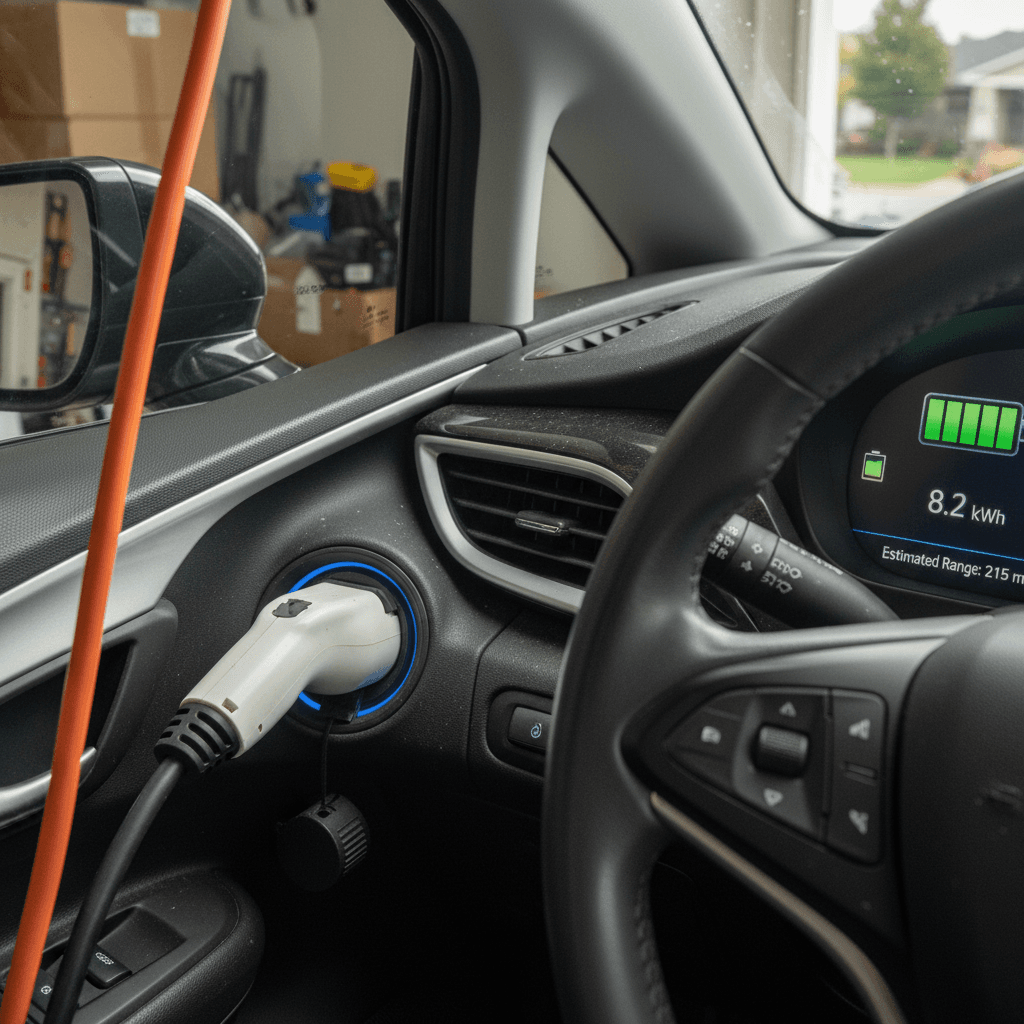
With any used EV, the conversation starts and ends with the **battery**. The Bolt’s big advantage has always been efficiency: figure roughly **3.5–4.0 miles per kWh** in mixed driving. That means a healthy 60–66 kWh pack originally delivered 230–260 miles of EPA‑rated range depending on year and model.
- GM’s own calibration data suggests the pack is **designed to lose roughly 1–2% capacity every 15,000–20,000 miles** under normal use.
- Real‑world owner data from high‑mileage Bolts (80,000–150,000 miles) typically shows **pack health in the 85–93% range**, assuming the battery was replaced or remediated under the recall.
- Post‑recall replacement packs (especially the newer 66 kWh units) appear to degrade **more slowly** than early 2017–2019 packs.
Back‑of‑the‑envelope battery math
How much range can you expect in 2026?
Typical Real-World Range by Age & Mileage (First‑Gen Bolt EV/EUV)
These are ballpark figures for well‑maintained cars with recall remedies completed, in mild climates. Extreme heat, frequent DC fast charging, or heavy loads can reduce range further.
| Model year & mileage | Estimated battery health | Typical mixed range (summer) | Typical mixed range (winter) |
|---|---|---|---|
| 2017–2018 • 80k–120k miles | ~85–90% | 170–200 mi | 130–160 mi |
| 2019–2020 • 60k–100k miles | ~88–93% | 180–210 mi | 140–170 mi |
| 2021–2023 • 20k–60k miles | ~92–97% | 200–230 mi | 150–190 mi |
Use these numbers as conversation starters, not promises, always check the specific car’s battery health report.
Cold‑weather reality check
Recalls, Safety & Fire Risk: Is It Sorted Now?
You can’t talk about a **Chevrolet Bolt EV long term review** without tackling the elephant in the room: the **battery fire recall**. Early LG Chem battery modules had a defect that could, in rare cases, lead to thermal runaway. GM responded with software limits, then a massive physical battery replacement campaign that ran through the early 2020s.
- Most 2017–2019 Bolt EVs, and many 2020–2022 cars, received **new or remanufactured packs** under warranty.
- Replaced packs often increased usable capacity (to roughly 66 kWh) and reset the degradation clock.
- GM applied software changes to monitor for cell anomalies and adjust charge limits if needed.
Where things stand in 2026
Non‑negotiable for used buyers
Ownership Costs, Depreciation & Value in 2026
If there’s one place the Bolt EV absolutely shines long term, it’s **cost of ownership**. You’re looking at a compact hatchback that behaves like a small crossover inside, with running costs that embarrass gas rivals.
How the Bolt EV Saves (and Loses) You Money
Low running costs, but watch depreciation and software quirks.
Maintenance
No oil changes, timing belts, or exhaust work. You’re mostly paying for:
- Tires (the car is torquey and a bit heavy)
- Cabin air filters and brake fluid
- Occasional coolant service for the battery system
On average, many owners report annual maintenance costs **well below a comparable gas hatchback**.
Energy vs. fuel
At typical U.S. residential rates, home charging a Bolt often pencils out to the **equivalent of 80–120 mpg** in fuel cost terms. Off‑peak rates make it even cheaper.
Public DC fast charging can narrow the advantage, but most Bolt owners do 90%+ of their miles on home AC.
Depreciation
Here’s the double‑edged sword. First‑gen Bolts have already taken a **big depreciation hit**, thanks to the recall and shifting incentives.
- Early 2017s can sit at ~30% of original MSRP in 2026.
- 2022–2023 cars typically retain far more value but are still bargains versus new EVs.
How Recharged can help on costs
Day-to-Day Driving Experience After Years of Use
Strip away the spreadsheets and you’re left with a slightly tall, slightly nerdy compact hatch that’s **genuinely pleasant to live with**. Time has not changed that. If anything, the Bolt feels more relevant now that many new EVs have ballooned into 6,000‑pound crossovers.
How the Bolt Ages on the Road
What owners notice after 5–8 years and tens of thousands of miles.
Performance
0–60 mph in the mid‑6 to low‑7‑second range still feels lively around town. Instant torque off the line and **excellent one‑pedal driving** make traffic almost fun.
Battery wear doesn’t noticeably slow the car; power output stays consistent until you’re near empty.
Ride & noise
The Bolt rides on the firm side, and on broken pavement you’ll hear more road noise than in a heavier crossover. Over time, worn shocks and tires can make it feel busier, but nothing a refresh of rubber and dampers can’t fix.
Interior & comfort
The cabin design is simple and plasticky but **ages gracefully**. No piano‑black jungles, no overly complex touch panels. The upright seating position and huge glass area remain big selling points for city and suburban duty.
“The Bolt is one of those cars that disappears under you in the best possible way. It just goes about its business quietly, mile after electric mile.”
Charging Experience in 2026: CCS Today, NACS Tomorrow
Here’s where the **Bolt’s age shows most clearly**. First‑gen cars use the **CCS combo port** for DC fast charging and a J1772 inlet for Level 2. That was the standard when the car launched, but by 2026 the market is rapidly swinging to **Tesla’s NACS/SAE J3400** connector and Ultium‑based Bolts will adopt it from launch.
- Typical DC fast‑charge power peaks around **50 kW** on most older Bolts, with later cars doing slightly better under ideal conditions.
- The pack is air‑cooled, so repeated fast‑charging in hot weather can slow things down as the car protects itself.
- For 20–80% top‑ups on road trips, think in terms of **35–55 minutes**, not the 15–25 minutes you see advertised for newer 800‑V EVs.
The Tesla Supercharger question
For most owners, the **real key** is home charging. A 32–40‑amp Level 2 unit in your garage will easily refill a depleted Bolt EV overnight. If you’re shopping on Recharged, you can pair your purchase with **financing and home‑charging guidance**, so you know exactly what your monthly energy picture will look like.
Common Issues & What to Inspect on a Used Bolt
Outside the battery saga, the Bolt’s **mechanical reliability record is generally strong**. But every long‑term EV has its quirks, and there are a few areas you’ll want to give extra attention when you’re walking a used Bolt in 2026.
Common Long-Term Bolt EV Issues
Most are manageable, if you know to look for them.
Battery & charging
- Recall history: Confirm all campaigns closed and pack replacement records on file.
- DC fast‑charging behavior: On a test drive, try a fast‑charge session and watch for unusually low or unstable power.
- Onboard charger: Verify consistent Level 2 charging at the advertised amperage; flaky chargers can be expensive.
Software & electronics
- Infotainment glitches, random reboots, or Bluetooth dropouts.
- Occasional warning lights tied to firmware quirks that need dealer updates.
- Older backup cameras or sensors failing and triggering error messages.
Annoying more than catastrophic, but worth checking during a long test drive.
Chassis & hardware
- Premature tire wear from torque and alignment that’s never been checked.
- Clunking over bumps from tired suspension bushings after 70k+ miles.
- Brake components rusting or sticking on cars that sit a lot, iron rot is still a thing, even on EVs.
Safety & driver assistance
- Verify all **airbag and seatbelt recalls** are addressed.
- Test lane‑keep assist, automatic emergency braking, and adaptive cruise (if equipped).
- Make sure any Super Cruise–style features on EUV models behave as advertised.
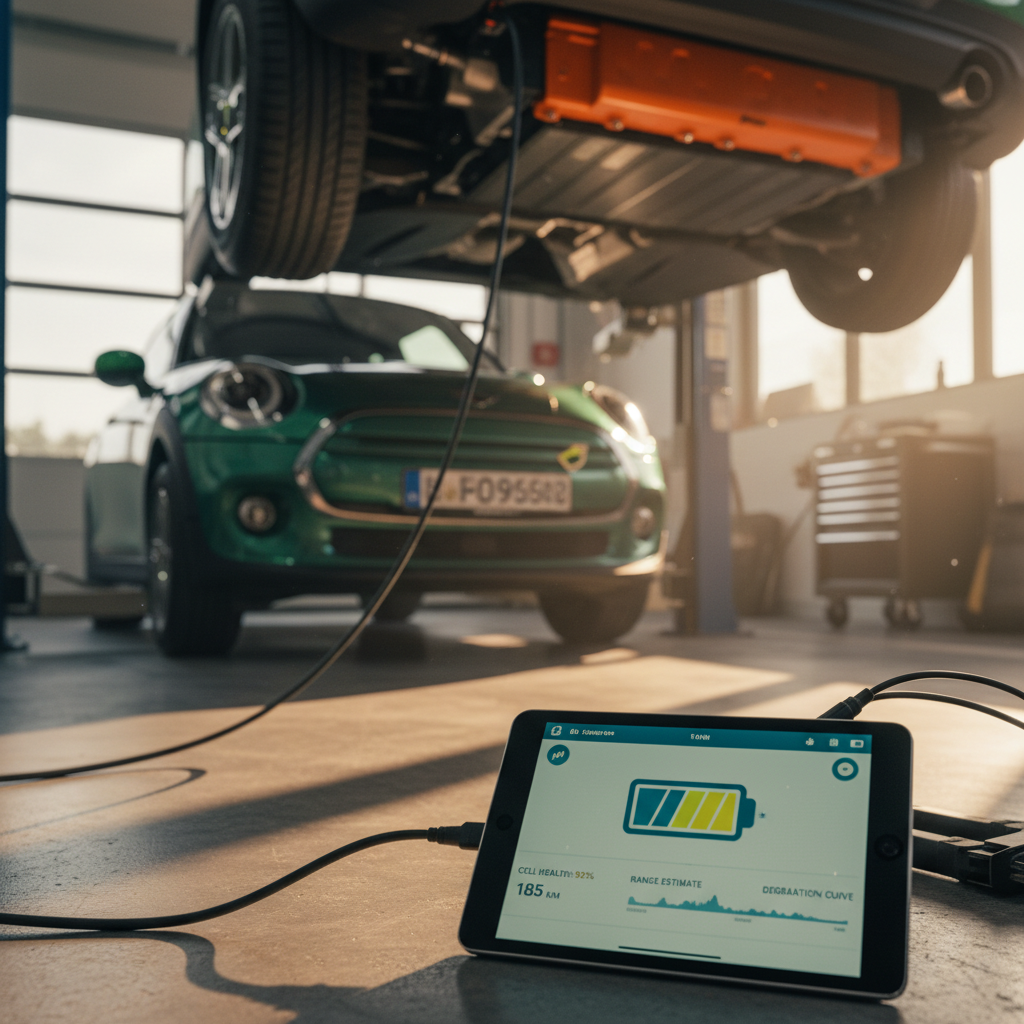
Don’t skip a battery health report
Who the Chevrolet Bolt EV Is Best For in 2026
Daily commuters
If you drive **20–70 miles a day** and can plug in at home, a used Bolt EV is almost tailor‑made for you. You’ll rarely brush the limits of its range, and the low operating costs add up quickly.
Two‑car households
Pair a Bolt with a gas crossover or minivan and you’ve got the perfect one‑two punch: electric for the grind, gasoline for the long‑haul road trip or towing duty.
First‑time EV owners
The Bolt is a great first electric car because it’s **simple and honest**. No wild interfaces, no learning a giant SUV. It drives like a familiar compact, just quieter and cheaper to run.
Who should probably look elsewhere
Checklist: Buying a Used Chevrolet Bolt EV
Essential Steps Before You Buy
1. Verify recall completion
Run the VIN through GM’s recall checker and ask for paperwork showing **battery and module replacements**. Any open high‑voltage campaigns should be resolved before you take delivery.
2. Get a battery state-of-health reading
Use a trusted diagnostic tool or choose a car with a **Recharged Score battery report**. You want a clear percentage, not just “seems fine.”
3. Drive it like you’ll actually use it
Take at least a 20–30 minute mixed drive. Test one‑pedal mode, highway stability, and any driver‑assist features. Listen for suspension clunks and wind noise.
4. Test charging on Level 2
Plug into a 240‑V Level 2 charger and confirm the car charges at the expected amperage without error messages. If you can, note how many miles of range it adds per hour.
5. Inspect tires, brakes, and underbody
Look for uneven tire wear (possible alignment issue), rusty brake hardware, and any underbody damage from curbs or speed bumps.
6. Review service history & warranty status
Ask for dealership or independent shop records. Some replacement battery packs carry their own warranty windows, knowing those dates is free peace of mind.
7. Compare total cost of ownership
Run the numbers against a similar gas car using energy prices where you live. Platforms like Recharged can help you compare **payment, energy, and maintenance** on apples‑to‑apples terms.
Chevy Bolt EV Long-Term FAQ (2026)
Frequently Asked Questions About Long-Term Bolt EV Ownership
Bottom Line: Is a Used Chevrolet Bolt EV Still Worth It?
In 2026, the **Chevrolet Bolt EV** is both yesterday’s news and tomorrow’s bargain. Newer architectures are faster to charge and flashier to look at, but few EVs match the Bolt’s blend of usable range, compact footprint, and rock‑bottom running costs on the used market. Get a car with **clean recall history, a strong battery state of health, and honest service records**, and you’re buying one of the smartest commuter cars of the last decade, electric or otherwise.
If you want the latest tech, you’ll be eyeing the Ultium‑based Bolt and its NACS plug. If you want **maximum value per dollar spent in 2026**, the first‑gen Bolt EV and EUV deserve a hard look. That’s exactly where Recharged lives: verifying battery health, untangling pricing, and backing you up with EV‑specialist support so your long‑term Bolt story reads like the best kind of road test, uneventful, efficient, and quietly satisfying.