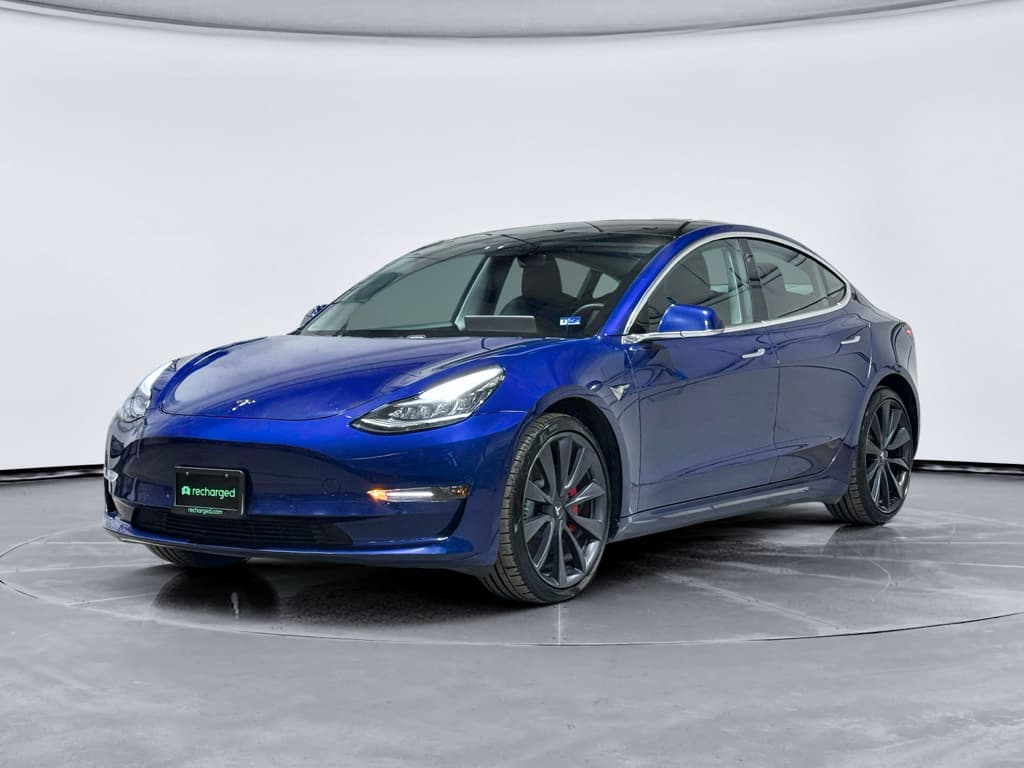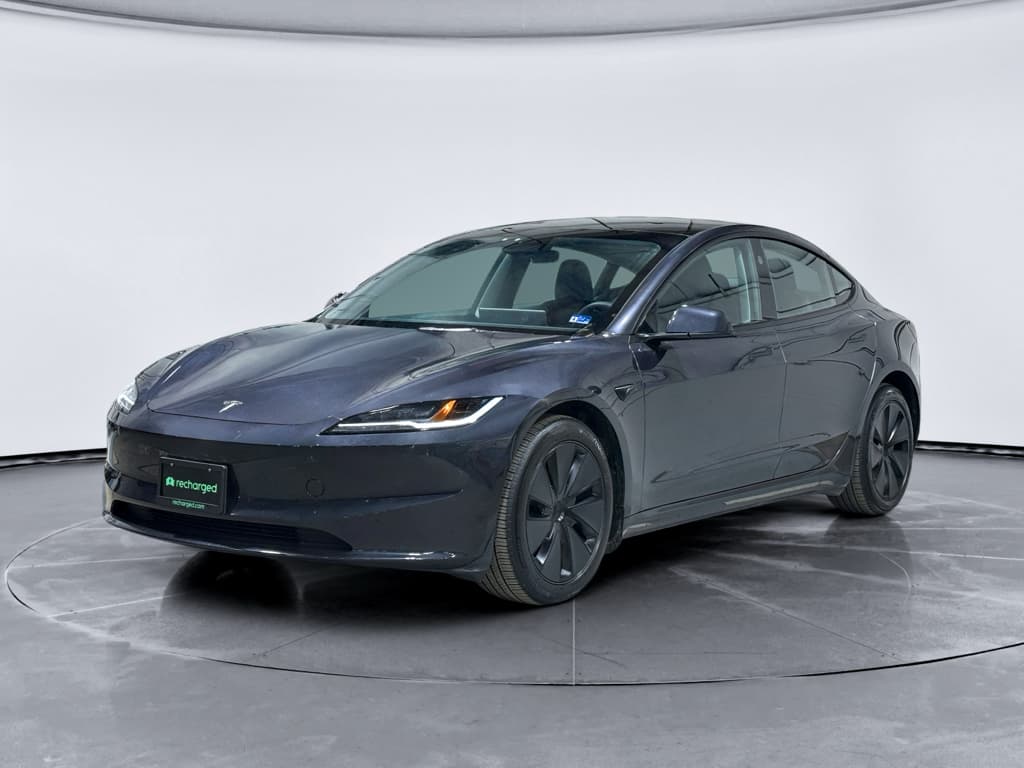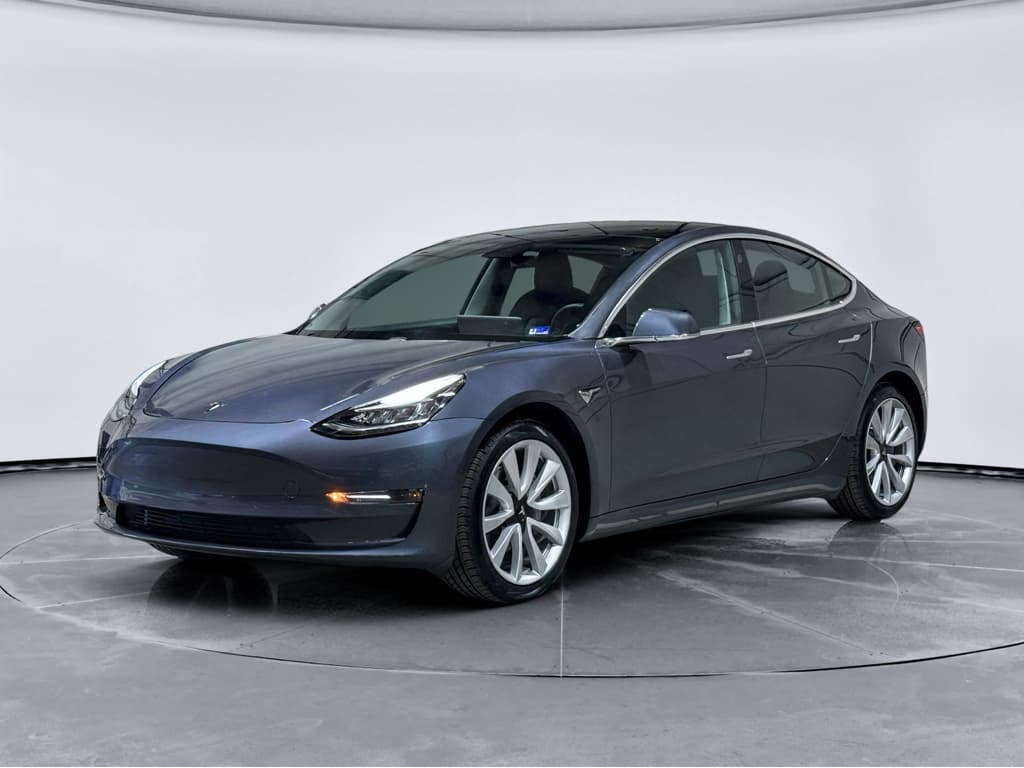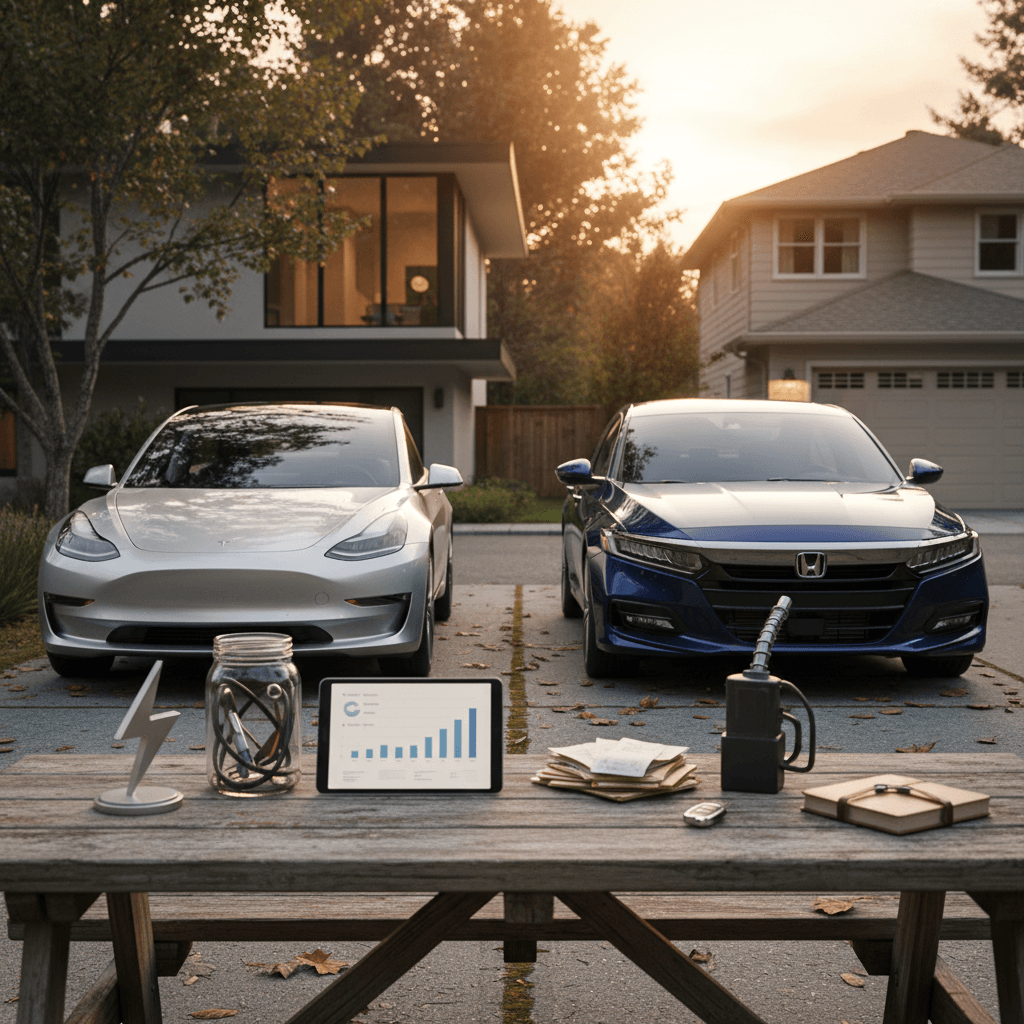
If you’re torn between a Tesla Model 3 and a Honda Accord in 2026, you’re really asking one question: “What will this thing actually cost me to own?” Sticker price is loud; fuel, maintenance, and depreciation are quiet. This Tesla Model 3 vs Honda Accord cost comparison for 2026 pulls all of those numbers into one place so you can see which car is truly cheaper for the way you drive.
About the numbers in this guide
Why this Tesla Model 3 vs Honda Accord cost comparison matters in 2026
For a decade, the Honda Accord has been the sensible default: roomy, efficient, reliable, and easy to live with. The Tesla Model 3 has been the provocative alternative: quick, tech‑heavy, and fully electric, but seemingly more expensive. By 2026, those lines are crossing. EV prices have softened, used Model 3s are common, electricity remains cheaper per mile than gasoline in most states, and maintenance costs are diverging in a big way.
- You’re comparing a practical gas sedan (Accord) with an EV that now shows up in the same monthly payment range.
- Fuel costs for gas vs electricity are diverging as many regions see higher gasoline prices and more time‑of‑use electricity discounts.
- Used EVs – especially the Model 3 – are now widely available, giving you more ways to trade purchase price against running costs.
Think in monthly “all‑in” cost, not just the payment
How we built the 2026 cost comparison
To keep this Tesla Model 3 vs Honda Accord cost comparison grounded, we’ll compare popular trims on typical U.S. terms. The point isn’t to hit a perfect dollar amount for your ZIP code; it’s to show how the cost structure of an EV vs a gas sedan differs in 2026.
Key assumptions for our 2026 cost comparison
Adjust these in your head to match your own situation
Vehicles compared
- Tesla Model 3 RWD, new and used (3–4 years old)
- Honda Accord EX / Sport, new and used (3–4 years old)
Driving profile
- 12,000 miles per year
- Mixed city/highway driving
- 5‑year ownership window
Energy prices (national ballpark)
- Gasoline: around $3.75 per gallon
- Home electricity: about $0.15 per kWh
- Public fast charging: higher, but occasional use
Financing snapshot
- 5.5–7% APR on a 60‑ or 72‑month loan
- 10%–15% down payment assumed
State incentives and taxes matter
Purchase price: new vs used in 2026
In 2026, new Tesla Model 3 pricing and Honda Accord pricing can overlap more than you’d expect, especially once you factor in incentives or dealer discounts. Used examples, meanwhile, can put a Model 3 in the same price band as a fairly ordinary Accord.
Approximate 2026 purchase prices (U.S., before taxes and fees)
Representative pricing for common trims. Exact MSRPs and discounts vary by region and month.
| Vehicle | Scenario | Approx. Price | Notes |
|---|---|---|---|
| Tesla Model 3 RWD (new) | Direct from Tesla | High $30,000s–low $40,000s | May be lowered effectively by federal EV incentives if eligible. |
| Tesla Model 3 RWD (used) | 3–4 years old, 30k–50k miles | Low–mid $20,000s | Price varies heavily with mileage, condition, and battery health. |
| Honda Accord EX / Sport (new) | MSRP minus typical discount | Low–mid $30,000s | Dealers may discount or add markups depending on market. |
| Honda Accord EX / Sport (used) | 3–4 years old, 30k–50k miles | Low–mid $20,000s | Strong resale keeps prices relatively high. |
These ballpark numbers help frame the cost conversation; your real‑world deal will depend on local inventory and incentives.
New vs used: where the Model 3 gets interesting
Fuel vs electricity costs: what you really spend to drive
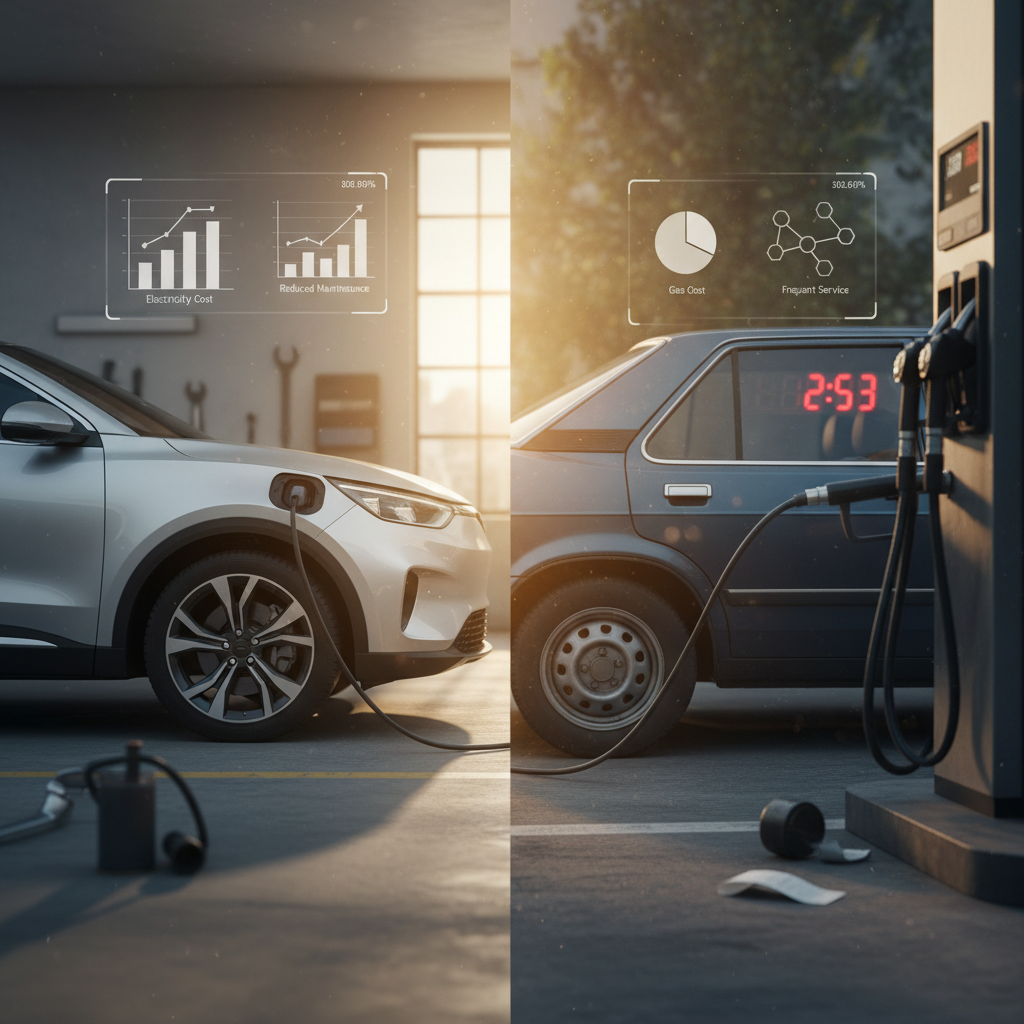
If purchase price is the cover price, fuel is the subscription. Here’s where an efficient EV like the Tesla Model 3 starts to write its own check, especially if you mainly charge at home.
Typical annual energy spend at 12,000 miles per year (2026 estimates)
Even with conservative assumptions, it’s common to see a $70–$80 monthly advantage for the Model 3 on energy alone when you mainly charge at home. Add in time‑of‑use discounts or rooftop solar and that gap can widen.
Home charging is the secret weapon
Maintenance and repairs: where EVs quietly win
The Honda Accord’s reputation for low maintenance is deserved; it’s one of the least demanding gas cars you can own. The Tesla Model 3 simply removes entire categories of service: no oil changes, no transmission fluid, no timing belts, no spark plugs, no exhaust system, and dramatically less brake wear thanks to regenerative braking.
Typical annual maintenance and repairs over 5 years
A high‑level look at expected routine maintenance and out‑of‑warranty repairs.
| Category | Honda Accord (approx.) | Tesla Model 3 (approx.) | Comments |
|---|---|---|---|
| Oil & fluid services | $250–$350/yr | $0–$75/yr | Model 3 has no oil changes; occasional brake fluid and coolant checks only. |
| Brakes | $75–$150/yr (averaged) | $30–$60/yr (averaged) | Regenerative braking dramatically extends pad and rotor life on the Tesla. |
| Engine/transmission work | $150–$250/yr (averaged risk) | $50–$150/yr (averaged risk) | Fewer moving parts in an EV mean fewer failure modes. |
| Tires | $150–$250/yr | $200–$300/yr | Model 3’s torque and weight can mean slightly higher tire spend. |
| Total annual maintenance + repairs | ~$650–$1,000 | ~$350–$700 | Many Model 3 owners report several years under $400/yr outside tire costs. |
Real‑world costs will vary, but the pattern is consistent: EVs shift more spending toward tires and away from fluids and wear items.
Where Recharged adds another layer of protection
Ready to find your next EV?
Browse VehiclesInsurance, taxes, and fees
Insurance is the one category where the Honda Accord often holds the advantage. The Model 3’s higher initial value, expensive bodywork, and advanced sensors can push premiums above a comparable Accord, especially for younger drivers or those in high‑cost states.
Honda Accord
- Generally cheaper to insure than a Model 3.
- Parts and bodywork widely available through mainstream shops.
- Strong safety record keeps many premiums reasonable.
Tesla Model 3
- Insurance can run 10–25% higher than an Accord for similar drivers.
- Some insurers still price Teslas conservatively due to repair complexity.
- Tesla’s own insurance (where available) can narrow or erase the gap.
Don’t forget EV registration fees
Five‑year total cost estimates: Tesla Model 3 vs Honda Accord
Let’s put this together. Below is a simplified five‑year total cost of ownership snapshot for a typical American driver at 12,000 miles per year, comparing broadly similar new vehicles. These are directional, not precise quotes, but they’re useful for seeing where each car’s money goes.
Illustrative 5‑year total cost of ownership (12,000 miles/year)
Approximate all‑in costs for new vehicles bought in 2026 and kept for 5 years.
| Category (5 years) | Honda Accord (new) | Tesla Model 3 (new) | What’s driving the difference? |
|---|---|---|---|
| Depreciation | $12,000–$15,000 | $14,000–$18,000 | Both hold value well; EV prices have been more volatile, but used demand is strong. |
| Fuel / electricity | $7,000–$7,500 | $2,500–$3,500 | Home charging keeps the Tesla’s fuel spend dramatically lower. |
| Maintenance & repairs | $3,250–$4,500 | $1,800–$3,000 | The Accord’s engine, transmission and fluids add ongoing cost vs the EV’s simplicity. |
| Insurance | $6,000–$7,000 | $7,000–$8,500 | Model 3 usually carries higher premiums, especially outside Tesla’s own insurance markets. |
| Taxes & fees (incl. EV surcharges) | $3,000–$3,500 | $3,000–$3,800 | Highly state‑dependent; EV credits may offset some of this up front. |
| Estimated 5‑year total | $31,000–$37,500 | $28,000–$36,800 | In many realistic scenarios, the Model 3 and Accord land within a few thousand dollars of each other over 5 years, with the Model 3 often ahead if you charge mostly at home. |
Loan details, incentives, and your local gas/electric rates can move these numbers significantly, but the relative differences tend to persist.
The big picture

When a Tesla Model 3 beats a Honda Accord on cost
There are plenty of scenarios where the Model 3 isn’t just the fun, fast choice, it’s the rational spreadsheet winner. They all revolve around one theme: you let the EV be an EV instead of treating it like a gas car with a plug.
Scenarios where the Model 3 usually wins
These conditions tilt the 5‑year math toward the Tesla
You can charge at home
You drive a lot
You have solar or off‑peak rates
You value performance & tech
You’re open to used EVs
You care about emissions
When the Honda Accord still makes more sense
The Accord remains the default choice for a reason. There are situations where its simplicity, low upfront cost, and near‑universal refueling network still beat the EV, even in 2026.
- You live in an apartment with no realistic home or workplace charging and limited public charging nearby.
- Your driving pattern is mostly long, rural highway stretches where public fast chargers are sparse or unreliable.
- Insurance quotes for a Model 3 in your area are dramatically higher than for an Accord and erase most fuel savings.
- You plan to own the car only 2–3 years, where depreciation and transaction costs dominate the math.
- You simply prefer a traditional cockpit with physical buttons and a conventional transmission feel.
A bad charging fit can ruin the EV math
How buying used changes the math (and how Recharged helps)
The most interesting 2026 comparison isn’t new vs new. It’s used Tesla Model 3 vs used Honda Accord. In the 3–5‑year‑old range, pricing is often close, but the EV keeps its lower fuel and maintenance costs, if the battery is healthy and the price reflects reality.
Used Honda Accord
- Predictable reliability and a long track record.
- Resale values remain strong, so you may pay more up front.
- Mechanics everywhere know how to service it.
Used Tesla Model 3
- Rapid early‑life depreciation means strong value in years 3–5.
- Battery and charging history matter hugely.
- Running‑cost advantages (fuel, maintenance) are preserved if you get a good example.
Why a battery health report matters
Because Recharged is built specifically around used EVs, you can compare multiple Model 3s on battery condition, price, and features, and even get an instant offer on your trade‑in gas car, including that Accord you’ve been thinking about replacing.
Quick checklist: which car is cheaper for you?
Tesla Model 3 vs Honda Accord: personal cost checklist
1. Where will you park and charge?
If you have a reliable place to plug in at home or work, the Model 3’s low running costs are easy to unlock. If you’re street‑parking and living on public fast chargers, the Accord may remain the saner choice.
2. How many miles do you drive each year?
Under 8,000 miles a year, fuel savings matter less and upfront price matters more, good for the Accord. Over 12,000–15,000, the Model 3’s energy savings start to dominate.
3. What do your actual quotes look like?
Get real insurance quotes for both cars with your details, not just averages. Then look up local electricity and gas prices. A half‑hour of research can change the answer thousands of dollars in either direction.
4. How long will you keep the car?
Short ownership (2–3 years) tends to favor whatever deal you get on purchase and resale. Longer ownership (5–8+ years) lets the EV’s maintenance and fuel savings really show up.
5. Will you buy new or used?
A well‑bought used Model 3 with documented battery health can be a cost‑effective upgrade over a similar‑age Accord, especially when you factor in the driving experience.
6. How much do you value the EV experience?
Even if the dollar costs are a near tie, the instant torque, quiet cabin, over‑the‑air updates, and home “refueling” of a Model 3 may be worth a small premium to you, or not. That’s a personal line item only you can price.
FAQ: Tesla Model 3 vs Honda Accord costs
Frequently asked questions about Tesla Model 3 vs Honda Accord costs
Bottom line: 2026 is when the costs truly cross over
Viewed purely in dollars and cents, the 2026 Tesla Model 3 vs Honda Accord cost comparison is no longer a simple “EVs are more expensive” story. For many drivers with home charging and moderate to high annual mileage, a Model 3 can meet or beat the Accord’s 5‑year cost of ownership while delivering a very different, very modern driving experience. For others, especially those without reliable charging or facing steep insurance quotes, the Accord’s old‑school virtues still pencil out.
If you’re EV‑curious but cost‑cautious, the smartest move in 2026 may be a well‑vetted used Tesla Model 3. That’s where Recharged comes in: from battery‑health diagnostics and transparent pricing to trade‑ins, financing, and delivery, our job is to make the jump from gas to electric a numbers‑driven decision, not a leap of faith.