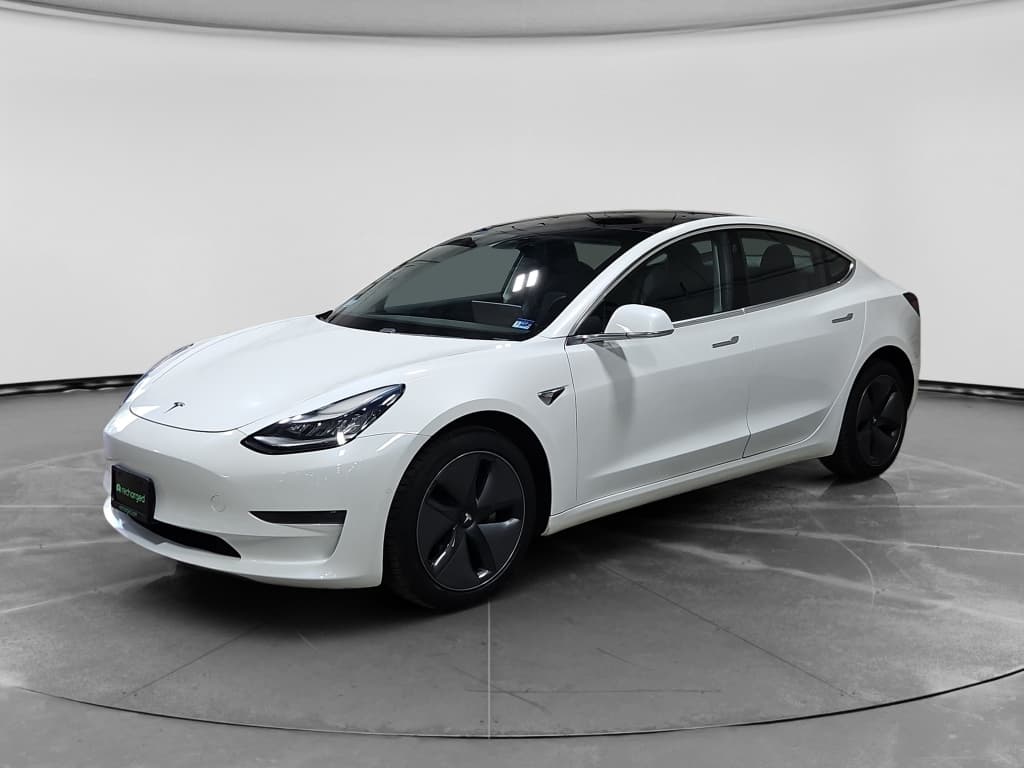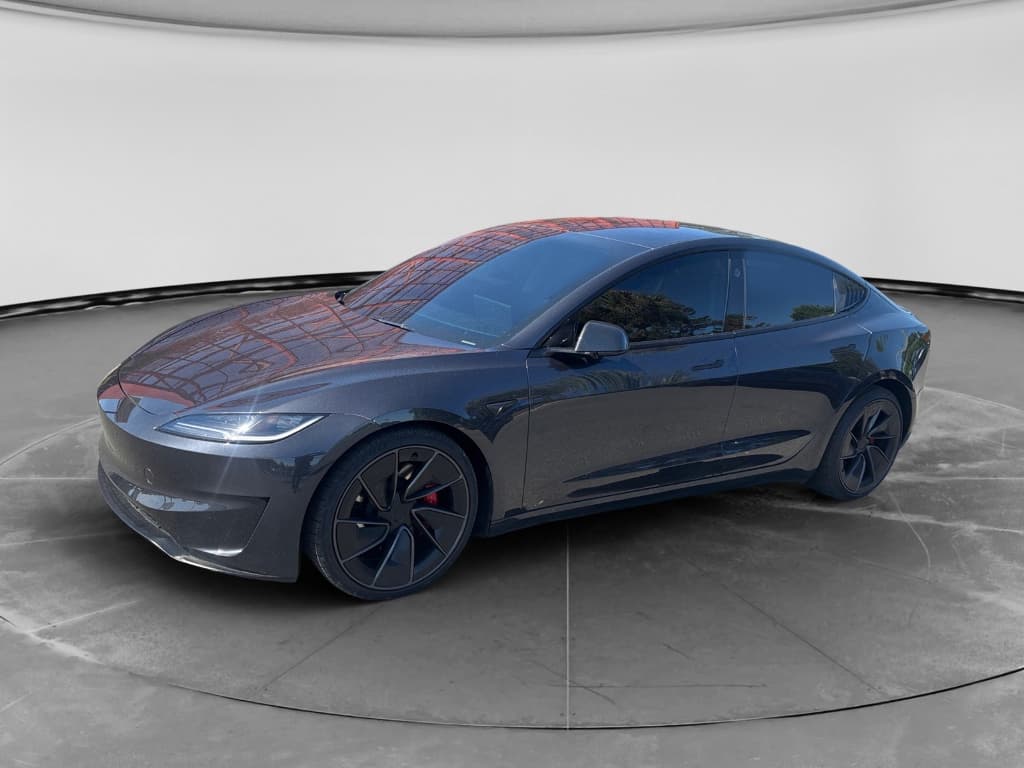
If you spend any time online, it’s easy to believe the Tesla Model 3 is either the perfect car or a rolling disaster. Reality lives in the middle. Talk to long‑time owners and you’ll hear the same refrain: “I love it, but there are **things I wish I knew before buying**.” This guide pulls those lessons together so you can go into a Model 3 purchase with your eyes wide open, especially if you’re looking at a used one.
Who this guide is for
Quick take: What owners most wish they knew
Tesla Model 3 ownership at a glance
Under the headlines and hype, the Model 3 is one of the **most proven EVs on the road**. It’s efficient, relatively reliable, and supported by the best fast‑charging network in North America. But it also brings trade‑offs: a firmer ride than some expect, software quirks, higher‑than‑expected insurance for some drivers, and meaningful differences between early and newer model years. Let’s walk through the 15 biggest “wish I knew” lessons, so you don’t learn them the hard way.
1. Real‑world range vs EPA rating
Tesla’s EPA range ratings are some of the highest in the industry, but **you won’t consistently see those numbers in real life**. Independent testing has found that the Model 3 can land around 10–15% below its advertised range in mixed, real‑world driving, especially at highway speeds and in colder weather. That still compares well to many EVs, but you should plan around the lower, realistic number when deciding if a Model 3 fits your lifestyle.
- If a trim is rated at 330 miles EPA, plan on something like 270–295 miles in normal use.
- Sustained 75–80 mph highway driving can reduce range much more than city driving.
- Cold temperatures, headwinds, and roof racks all chip away at available miles.
Keep range expectations honest
2. Charging at home matters more than Supercharging
Ask Model 3 owners what they wish they knew earlier, and you’ll hear this a lot: **home charging is the real game‑changer**, not Superchargers. The dream is waking up to a full battery every morning, not planning your life around fast‑charge stops.
Daily life with and without home charging
Same car, very different ownership experience
With Level 2 at home
- Plug in when you get home; unplug when you leave.
- Battery usually sits between 40–80%, which batteries prefer.
- Charging cost is predictable and often much cheaper than public rates.
- Superchargers become occasional tools for road trips, not your fuel station.
Relying on public charging
- More time spent planning where and when to charge.
- Higher risk of queues, out‑of‑service stalls, or slower non‑Tesla networks.
- Charging costs can creep up, especially at peak times.
- Fine for some city dwellers, but a lifestyle shift if you’re used to gas convenience.
Don’t skip the home‑charging plan
3. Charging costs aren’t always cheaper than gas
“Electricity is cheap” is true in some places and **less true in others**. A Model 3 is extremely efficient, but your per‑mile cost depends heavily on where, and when, you charge.
How Tesla Model 3 fueling costs can shake out
Illustrative examples for a U.S. driver at ~4 mi/kWh efficiency.
| Scenario | Electricity price | Approx. cost per kWh | Cost per 100 miles | Rough comparison |
|---|---|---|---|---|
| Off‑peak home charging | $0.12/kWh | $0.12 | $3.00 | Much cheaper than gas |
| Average U.S. residential | $0.17/kWh | $0.17 | $4.25 | Still cheaper than 35‑mpg gas car |
| Daytime public Level 2 | $0.25/kWh | $0.25 | $6.25 | Similar to efficient hybrid |
| Peak Supercharging | $0.40/kWh+ | $0.40+ | $10.00+ | Can rival or exceed gas costs |
Home charging often wins, but peak‑rate public fast charging can narrow or erase the savings vs. a very efficient gas car.
Use scheduled charging
4. Battery health and degradation are usually boring news
Battery “death” is one of the biggest fears for new EV shoppers, but real‑world data on the Model 3 paints a calmer picture. Fleet data and high‑mileage owners routinely report **around 5–10% capacity loss over the first several years**, then a slower decline from there, even under demanding use like rideshare driving.
- Most Model 3 packs hold up well past 100,000 miles with usable range remaining.
- Gentle charging habits, staying around 20–80% for daily use, help prolong battery health.
- Occasional DC fast charging is fine; constant high‑power charging as your only source is less ideal.
How Recharged approaches battery health
5. Maintenance is low, but repairs can be salty
One thing most Model 3 owners love: **routine maintenance is minimal**. No oil changes, no transmission fluid, fewer moving parts. But when something does go wrong, or when you get into a fender‑bender, repairs can sting.
What you save, and where you might spend
Owning a Tesla Model 3 is less about oil changes and more about planning for the big stuff.
Lower routine maintenance
- No engine oil, spark plugs, or exhaust system.
- Brake wear is low thanks to regenerative braking.
- Cabin filters, brake fluid checks, and tire rotations are the main regular items.
Potentially pricey repairs
- Collision repairs can be expensive due to aluminum and sensors.
- Out‑of‑warranty component failures (suspension parts, electronics) aren’t cheap.
- Some fixes require Tesla service centers or specialized independents, which may mean more travel or wait time than your local gas‑car shop.
Plan for tires and alignment
6. Insurance can be higher than you expect
Plenty of owners are surprised when they get their first **insurance quote for a Tesla Model 3**. Rates vary widely by state, age, driving history, and insurer, but several factors can push premiums up compared with a mainstream compact sedan:
- Higher repair and parts costs, particularly for collision damage and sensors.
- Strong acceleration and performance, which some insurers view as higher‑risk.
- Rapid changes in used‑vehicle values, which can complicate payouts.
Shop insurance before you buy
7. Build quality, noise, and comfort are very personal
Model 3 build quality has improved over time, but **panel alignment, squeaks, and wind noise** remain some of the most commonly discussed owner complaints in forums and surveys. Some drivers never notice them; others can’t un‑hear a buzzing trim piece once they’ve spotted it.
What many owners like
- Supportive front seats that work well for long drives.
- Simple cabin layout with lots of legroom.
- Quiet powertrain, especially at low speeds.
What some wish they knew
- Ride can feel firm on rough roads compared with some rivals.
- Wind and road noise may be more noticeable than in premium German sedans.
- Early build years are more likely to show panel gaps or trim quirks.
Don’t skip a thorough test drive
8. Autopilot is driver assist, not your chauffeur
Tesla’s driver‑assist suite, Autopilot and available “Full Self‑Driving” (FSD) features, is one of the biggest draws for the Model 3. It’s also one of the biggest sources of confusion. Despite the marketing, the system is **not autonomous**. You must stay engaged, ready to steer or brake at any time.
- Basic Autopilot typically includes adaptive cruise and lane‑keeping on highways.
- Enhanced or FSD packages add automated lane changes, navigation‑based driving, and more city‑street features, but still require supervision.
- Updates can improve behavior over time, but also occasionally change how the car behaves in familiar situations.
Treat it like a very smart cruise control
9. The minimalist interior isn’t for everyone
The Model 3’s cabin is famously minimal: one center screen, nearly no physical buttons, and a steering wheel. Many people love the clean look. Others realize later that **they miss dedicated knobs and gauges**.
- Speedometer, navigation, media, and climate controls are all on the center screen.
- Simple tasks, like adjusting wipers or seat heaters, use on‑screen menus or steering‑wheel scrolls.
- There’s lots of storage and a spacious feel, but some drivers prefer a traditional instrument cluster.
Try living with the screen for a day
10. Software updates are amazing… until they change your routine
Over‑the‑air (OTA) updates are one of Tesla’s superpowers. Your Model 3 can gain features, UI improvements, and efficiency tweaks while it’s parked in your driveway. Owners have seen meaningful improvements in charging behavior, trip planning, and driver‑assist systems without visiting a service center.
But the flip side is that **Tesla sometimes moves buttons, changes layouts, or tweaks behavior** in ways not everyone loves. A climate control you could adjust with one tap may suddenly take two. A favorite visual may disappear in favor of a new design.
Treat it like a constantly evolving device
11. Resale values are still strong, but not invincible
For years, the Model 3 was the **resale‑value king of EVs**. It still holds value better than many rivals, but the used‑Tesla market has cooled from its pandemic‑era peak. New‑car price changes, more competition, and higher interest rates have all pushed used values closer to reality.
- Early‑build Model 3s with high miles sell at deeper discounts than newer, updated cars.
- Long Range and Dual Motor trims generally hold value better than base models, but market swings can change that.
- Option packages like FSD rarely retain their full original cost on the used market.
Why this is good news for buyers
12. Charging on road trips is better than most EVs, but still a mindset shift
Tesla’s Supercharger network is the single biggest reason many buyers choose a Model 3. Locations are dense along major U.S. corridors, stations are usually reliable, and the car’s built‑in trip planner does a solid job routing you between chargers and preconditioning the battery for faster charging.
Still, **road‑tripping an EV is different from road‑tripping a gas car**. You’ll plan around 25–30‑minute charging stops every few hours, and you’ll think more about where to stop for food and rest. For many owners, that forced pause actually makes trips less tiring. For others, it feels restrictive.
Checklist: Are you ready for EV road trips?
Know your typical routes
Look up your most common long drives in the Tesla app or online maps. Check how many Superchargers sit along those corridors and how far apart they are.
Be okay with planning ahead
If you love spontaneous 500‑mile detours into rural areas, an EV requires more planning. If most of your trips follow interstates, the Model 3 shines.
Plan to stack breaks
Combine bathroom, snack, and stretch breaks with charging sessions so they feel less like “waiting on the car” and more like normal rest stops.
13. Winter weather changes the experience
Cold weather hits every EV, and the Model 3 is no exception. In freezing temperatures you can see **notable range loss**, slower initial charging speeds, and windows or doors that feel a bit more stubborn. None of this is unique to Tesla, but it’s worth factoring in if you live where winters are long and harsh.
- Heat pumps (on newer Model 3s) improve winter efficiency compared with older resistance‑heater cars.
- Preconditioning the cabin while plugged in helps preserve driving range.
- Winter tires improve safety but can cut range slightly further.
Set realistic winter expectations
14. Warranty coverage vs. real‑world longevity
Tesla’s warranties are relatively straightforward: a basic coverage period for the car itself and a longer one for the **battery and drive unit**, which varies slightly by model year and battery configuration. Many used‑market Model 3s still sit inside that battery/drive‑unit window, even if the basic warranty has expired.
What the warranty gives you
- Peace of mind against major early failures.
- Transferable coverage that can boost used resale value.
- Clear thresholds for battery capacity loss that count as a defect.
What real life suggests
- High‑mileage cars from early years are proving that Model 3 drivetrains can handle six‑figure mileage.
- Battery degradation tends to be gradual, not catastrophic.
- A well‑cared‑for used Model 3 can be a safer bet than a brand‑new, unproven EV design from a newer brand.
How Recharged de‑risks used EVs
Ready to find your next EV?
Browse Vehicles15. Buying used: A Tesla Model 3 is where value really shows
If there’s one theme that’s emerged in the last few years, it’s this: the **used Tesla Model 3 market is where the smart money often goes**. As new‑car prices and incentives bounce around, many shoppers are finding stronger value in 2‑ to 5‑year‑old cars with healthy batteries and updated software.
Typical used Tesla Model 3 sweet spots
Patterns we see often in the used market (exact numbers vary by region and timing).
| Model year | Mileage band | Why it’s appealing |
|---|---|---|
| 2018–2019 | 60k–90k miles | Biggest depreciation already taken, plenty of real‑world data on reliability and battery health. |
| 2020–2021 | 30k–70k miles | Often still within battery/drive‑unit warranty, updated hardware and UI, more modern feel. |
| 2022+ | Under 40k miles | Near‑new experience with meaningful discounts vs. new, especially when optioned with popular packages. |
The best value often sits where depreciation has already done its work, but the car still has plenty of battery and warranty life left.
Used Tesla Model 3 checklist: What to verify
1. Battery health and DC fast‑charge history
Ask for objective battery‑health data, not just a percentage on the dash. Frequent, exclusive fast charging isn’t a deal‑breaker on its own, but you want to see that daily use included plenty of Level 2 charging.
2. Panel gaps, glass, and seals
Inspect doors, trunk, and windows for alignment, wind noise, or scraping, especially on earlier build years. Look for signs of leaks around seals.
3. Suspension and tires
Listen for clunks, check tire wear patterns, and look for uneven tread that might suggest alignment issues or curb impacts.
4. Software status and features
Confirm which Autopilot/FSD package is actually active on the car, and check that maps and software are up to date. Some features, like connectivity tiers, may cost extra to maintain.
5. Charging hardware and accessories
Make sure the mobile connector, adapters, and any home‑charging hardware included in the listing are actually present and functional.
How Recharged simplifies used Model 3 shopping
FAQ: Tesla Model 3 things owners ask most
Frequently asked Tesla Model 3 questions
Bottom line: Should you buy a Tesla Model 3?
The Tesla Model 3 isn’t perfect, but it’s one of the most thoroughly proven EVs on the road. Owners who go in with realistic expectations about range, charging, comfort, and costs tend to love the experience, and keep buying Teslas. Those who struggle most are usually the ones who assumed it would behave exactly like a gas car, only quieter.
If the “things I wish I knew” in this guide feel manageable, and the idea of waking up every morning with a charged car sounds appealing, the Model 3 likely deserves a spot on your short list. And if you’re leaning toward used, consider browsing Tesla Model 3 listings on Recharged, where every car comes with a Recharged Score battery‑health report, fair‑market pricing, and EV‑savvy support from your first question to delivery.