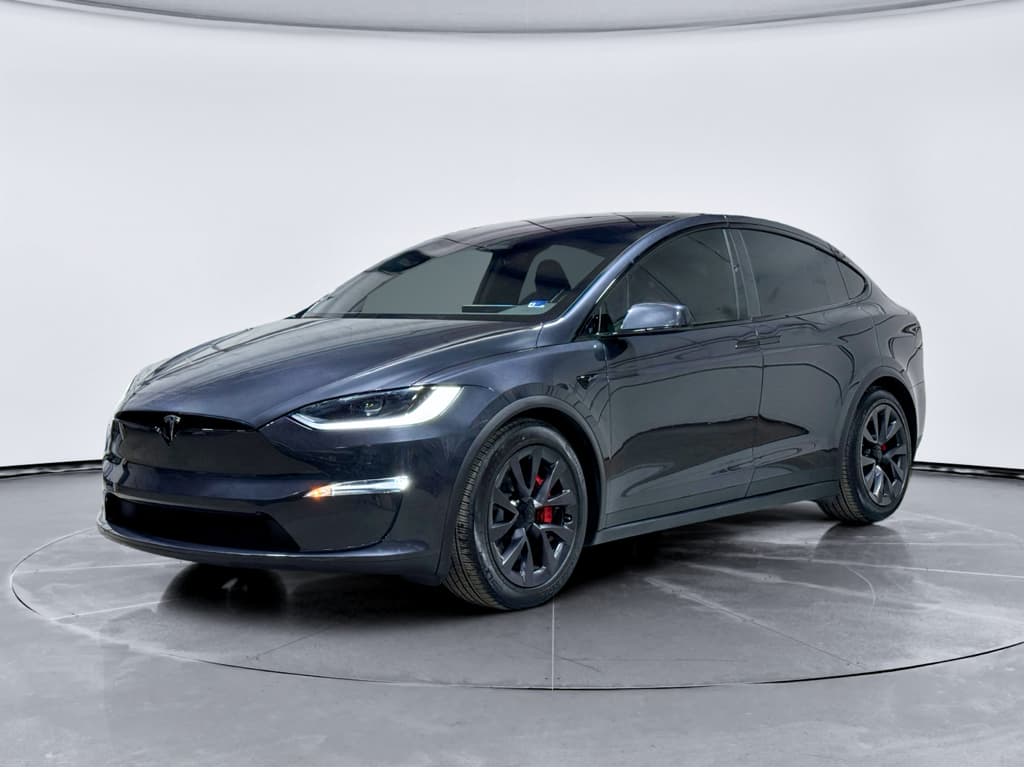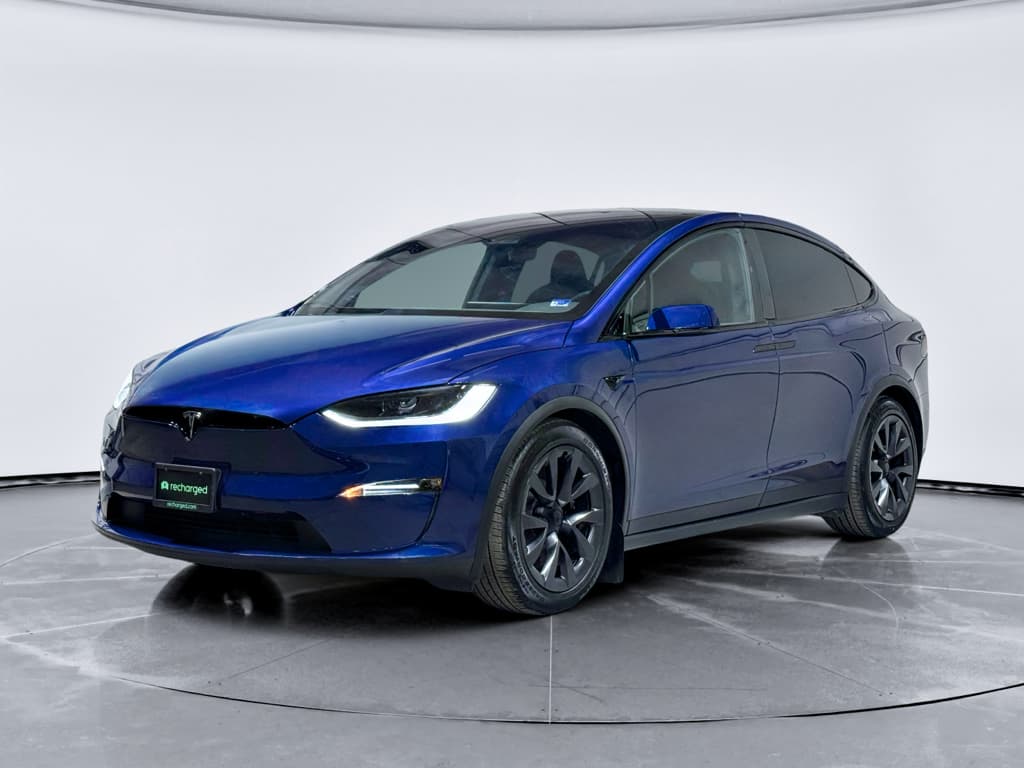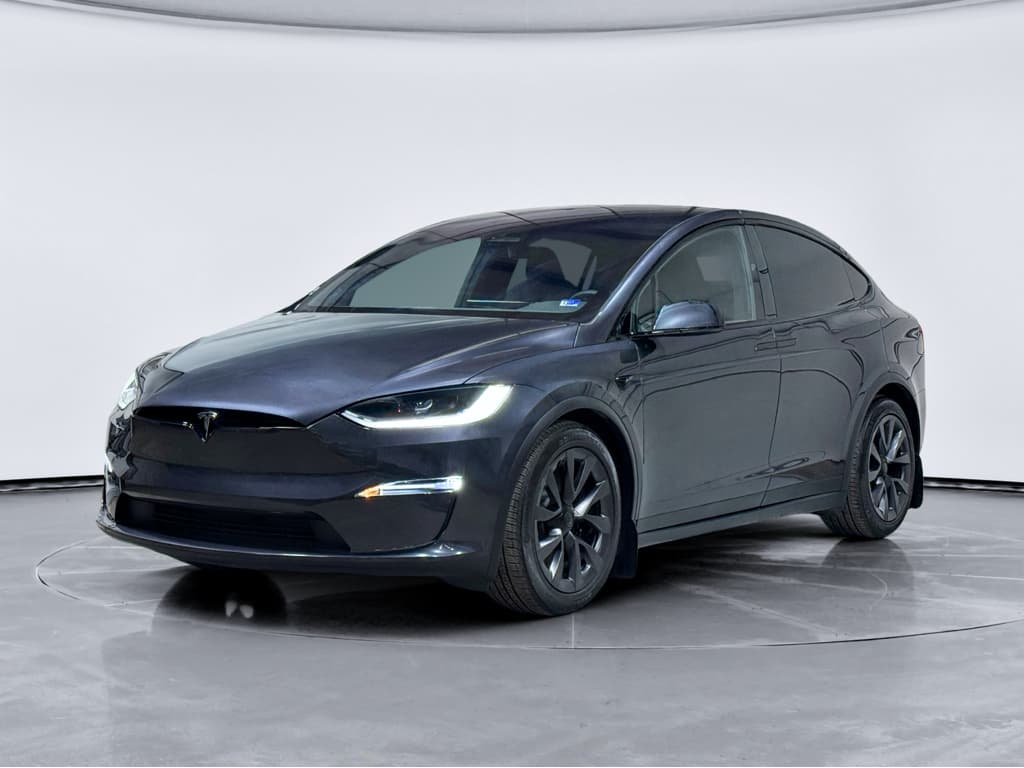
If you own or are shopping for a used Tesla Model X, the big question lurking in the back of your mind is probably this: what does a Tesla Model X battery replacement cost in 2026, and how likely is it that you’ll ever face that bill? The good news is that most Model X owners will never buy a new high‑voltage pack. The bad news is that if you do, you’re looking at one of the single largest repair bills in the car world.
Key takeaway for 2026
2026 Tesla Model X Battery Replacement Costs at a Glance
Typical 2026 Model X Battery Costs (U.S.)
Those ranges might look wide, but they reflect real‑world invoices and estimates from 2024–2025 that continue to hold in early 2026. Luxury EV SUVs like the Model X use some of the largest packs on the market, so even as cell prices gradually fall, labor and parts still add up fast.
Sticker shock alert
Why Tesla Model X Batteries Cost So Much
A Tesla Model X battery pack isn’t just a big box of cells. It’s a structural component that combines thousands of lithium‑ion cells, cooling channels, wiring, contactors, safety fuses, and an integrated battery management system. In the bigger‑battery trims, you’re dealing with roughly 90–100+ kWh of capacity, which is more than many other EVs on the road.
- Sheer size and materials: A 100 kWh pack uses a huge amount of raw material, lithium, nickel, cobalt, aluminum, and copper, all precisely packaged and cooled.
- Complex integration: The pack forms part of the vehicle’s floor structure, crash protection system, and thermal system; it’s not a simple drop‑in swap.
- Specialized labor: High‑voltage work requires trained technicians, insulated tools, and strict safety procedures, so labor rates are high and shop time isn’t cheap.
- Tesla’s parts pricing: OEM packs are priced to cover manufacturing, logistics, warranty exposure, and corporate overhead, not just the raw cost of the cells.
Model X vs. other EVs
Detailed 2026 Cost Breakdown: Parts, Labor, Fees
Let’s put some real‑world numbers around that “$17,000–$26,000” range for a 2026 Model X battery replacement. Exact pricing varies by service center, state, and model year, but the pattern is consistent.
Typical 2026 Tesla Model X Battery Replacement Cost Breakdown
Approximate U.S. pricing for out‑of‑warranty high‑voltage battery work on a Tesla Model X at a Tesla Service Center or independent shop.
| Scenario (2026) | Where | What’s Included | Estimated Total |
|---|---|---|---|
| Full pack replacement, newer Long Range | Tesla Service Center | New or remanufactured 90–100 kWh pack, labor, coolant, high‑voltage checks | $18,000–$24,000 |
| Full pack replacement, early Model X | Tesla Service Center | Remanufactured pack, hardware updates, labor, shop supplies | $17,000–$22,000 |
| Full pack swap using salvage/reman pack | Independent EV specialist | Used/reman pack, adapter hardware if needed, labor | $12,000–$18,000 |
| Module‑level repair only | Independent EV specialist | Replace/recondition one or more modules, reseal and test pack | $3,000–$8,000 |
| Diagnostic + minor high‑voltage repair | Tesla or independent | Diagnostics, firmware updates, contactor/fuse/connector replacement | $500–$3,000 |
These are ballpark figures for planning purposes, not quotes. Always confirm with your local service provider.
Ask for line‑item detail
How Tesla’s Battery Warranty Works in 2026
Before you panic about five‑figure repairs, you need to know what Tesla’s battery warranty actually covers in 2026. The exact terms vary by model year and trim, but most Model X vehicles on the road today still carry 8 years of high‑voltage battery and drive unit coverage, often with generous mileage caps.
- Newer Model X (current generation): Recent documentation shows 8 years of coverage, often with very high or even “infinite” mileage caps on the battery and drive unit.
- Earlier Model X years: Many older Model X trims carried 8 years / 150,000 miles of battery warranty, with Tesla guaranteeing that the pack maintains at least 70% of its original capacity within that period.
- Coverage scope: The battery warranty is designed to cover manufacturing defects and abnormal degradation, not normal, gradual range loss over a decade of use.
- What’s not covered: Collision damage, flood damage, pack tampering, or neglect (like ignoring critical warnings) can void or limit coverage.
When a $20,000 problem costs $0
If your Model X throws battery warnings, loses a large chunk of range quickly, or refuses to charge, always start with Tesla. A diagnostic visit might cost you a few hundred dollars if you’re out of basic warranty, but it can confirm whether the issue is covered under the high‑voltage warranty before you go hunting for independent shops.
Repair vs. Full Replacement: Can You Avoid the Big Bill?
Not every battery issue leads straight to a full $20,000‑plus replacement. As more Model X vehicles age, a cottage industry of EV‑specialist shops has learned how to repair packs at the module or component level. That can turn a terrifying estimate into something more manageable.
Common Model X Battery Problem Paths
What usually happens when things go wrong, and what it might cost in 2026.
Pack fault, under warranty
Symptoms: Sudden loss of drive, critical battery error, car won’t charge.
Typical outcome: Tesla replaces or repairs the pack under the high‑voltage battery warranty if you’re inside the 8‑year window.
Out‑of‑pocket cost: Often $0–$500 for diagnostics and related incidentals.
Module‑level repair
Symptoms: Gradual range loss, trouble codes pointing to one section of the pack, but vehicle still moves.
Typical outcome: Independent shop replaces or reconditions one or more modules, reseals, and tests the pack.
Out‑of‑pocket cost: Roughly $3,000–$8,000 depending on severity and labor rates.
Full pack replacement
Symptoms: Severe internal failure, major safety concern, or pack too degraded or damaged to repair confidently.
Typical outcome: Tesla or an EV specialist installs a new or remanufactured pack.
Out‑of‑pocket cost: Typically $17,000–$26,000 at Tesla; somewhat less with a used/reman pack elsewhere.
Don’t DIY a 400V battery
Independent Shops, Salvage Packs, and Other Alternatives
Once you’re outside Tesla’s battery warranty, you’re free to look beyond the service center network. In 2026, more independent EV shops specialize in Teslas than ever, and some are comfortable sourcing remanufactured or salvage Model X packs to save you money.
Going through Tesla
- Pros: OEM parts, direct access to latest revisions, strong integration with vehicle software, warranty on the repair.
- Cons: Typically the highest price, limited flexibility on using used/reman packs, you’re tied to their diagnostic conclusion.
- Best for: Vehicles still under high‑voltage warranty, owners who want maximum peace of mind and resale confidence.
Using an independent EV specialist
- Pros: Potentially lower cost, more willingness to use salvage or reman packs, creative repair strategies (like module‑level work).
- Cons: Quality varies widely, warranty coverage may be shorter or more limited, and Tesla isn’t obligated to support non‑OEM modifications.
- Best for: Out‑of‑warranty vehicles, especially older Model X examples where a $25,000 repair doesn’t make financial sense.
How to vet an independent EV shop
How Battery Costs Affect Used Tesla Model X Pricing
Every used‑car shopper does a little mental math: "What’s this likely to cost me down the road?" With a Model X, the high‑voltage battery dominates that conversation. The potential for a five‑figure repair is one reason you’ll see big price spreads between seemingly similar used Model X listings.
What Drives Used Model X Pricing in 2026
1. Age and mileage vs. warranty window
A 6‑year‑old Model X with 60,000 miles and two years of battery warranty left is less risky, and often worth more, than a similar‑mileage car sitting just outside the 8‑year window.
2. Verified battery health data
Cars with <strong>documented battery health</strong> and range, like those sold with a Recharged Score report, command stronger prices because you’re not guessing about hidden degradation.
3. Pack history and replacement records
A Model X with a recently replaced high‑voltage pack (under warranty or otherwise) can be a fantastic buy, provided the work was done correctly and documented well.
4. Driving and charging history
Heavy DC fast‑charging, frequent deep discharges, and hot‑climate use can accelerate wear. Records of mostly home Level 2 charging and moderate climates are a plus.
5. Market perception and fear factor
Even though most owners never replace a traction battery, fear of a giant future bill pushes prices down on some higher‑mileage or poorly documented cars. Savvy buyers can use this to their advantage.
Why documentation matters
How to Protect Yourself as a Current or Future Model X Owner
You can’t change what a replacement pack costs, but you can dramatically change the odds that you’ll ever need one, and how painful it will be if you do. Think of it as a three‑part strategy: drive and charge smart, keep the paperwork, and plan for the worst while expecting the best.
Smart Habits to Extend Model X Battery Life
Practical steps that reduce battery stress and protect resale value.
Charge gently
- Use Level 2 home charging as your default.
- Reserve DC fast‑charging for road trips or genuine emergencies.
- Aim to live between ~10% and 80% state of charge for daily use when practical.
Respect temperature
- Whenever possible, park in a garage or shade, especially in hot climates.
- Use preconditioning features before fast‑charging in very cold weather.
- Avoid leaving the car at 0% or 100% for long stretches.
Monitor and document
- Periodically note your real‑world range at common state‑of‑charge points.
- Save service invoices, firmware notes, and any battery‑related work.
- Document battery replacements or major repairs for future buyers.
Avoid this common mistake
How Recharged Helps You Avoid a Surprise Battery Bill
Used luxury EVs like the Model X can be incredible bargains, or expensive science experiments. At Recharged, the entire business is built around making that gamble less… well, like a gamble. Instead of test‑driving, crossing your fingers, and hoping the battery is fine, every vehicle we sell comes with a Recharged Score battery health report.
Transparent battery health
Recharged uses advanced diagnostics to measure real‑world battery performance and capacity, not just what the dash display claims. That data feeds into the Recharged Score, so you can compare Model X listings on more than just mileage and paint color.
This is especially powerful with older Model X vehicles sitting near or just beyond their 8‑year battery warranty window, exactly where hidden degradation matters most.
Support from EV specialists
Beyond raw numbers, Recharged backs every purchase with EV‑specialist support. You’ll have experts who can walk you through range expectations, charging habits, and what to watch for over the next decade.
If you’re trading in a Model X, Recharged can evaluate battery health as part of your instant offer or consignment, then help you move into another EV that better fits your comfort level and budget.
Finance the car, not a future battery
Ready to find your next EV?
Browse VehiclesFAQ: Tesla Model X Battery Replacement Cost in 2026
Frequently Asked Questions
A Tesla Model X is a remarkable piece of engineering, and its battery pack is the beating heart that makes the whole thing work. In 2026, replacing that heart is undeniably expensive, but it’s also not something most owners will ever do. If you understand how the warranty works, how to care for the pack, and how to read real battery‑health data when you shop used, you can enjoy everything the Model X does well without lying awake at night worrying about a $20,000 surprise. And if you’d rather have experts at your side from the first test drive to the day the keys arrive, Recharged is built to make that journey simpler, more transparent, and a lot less nerve‑wracking.