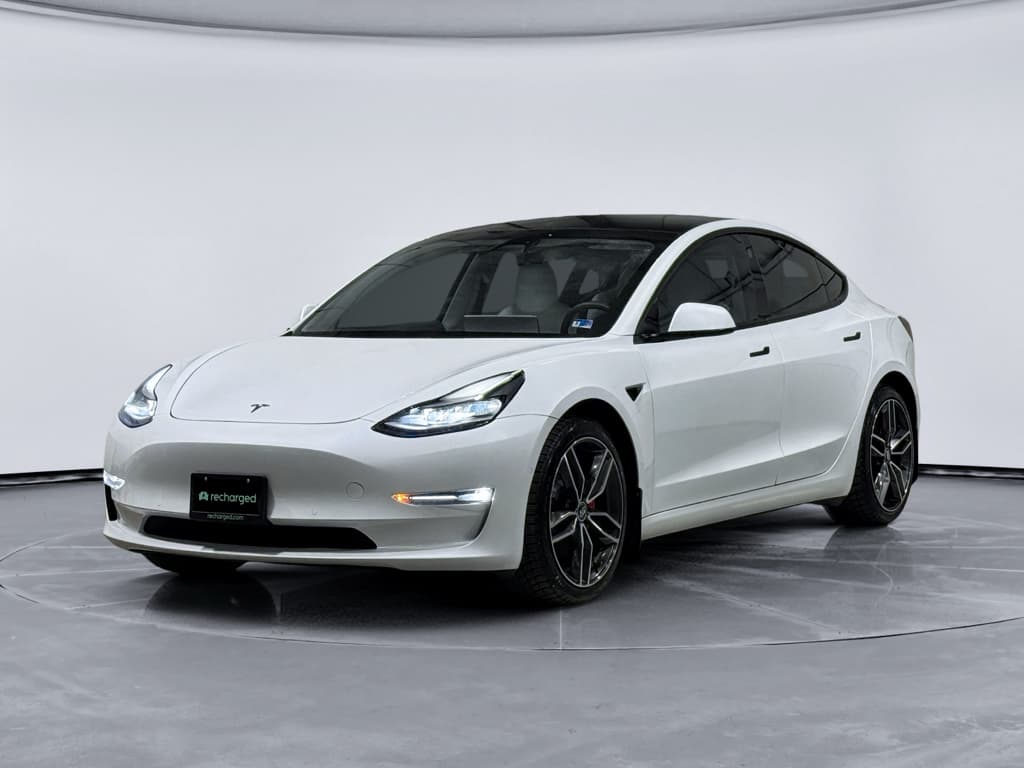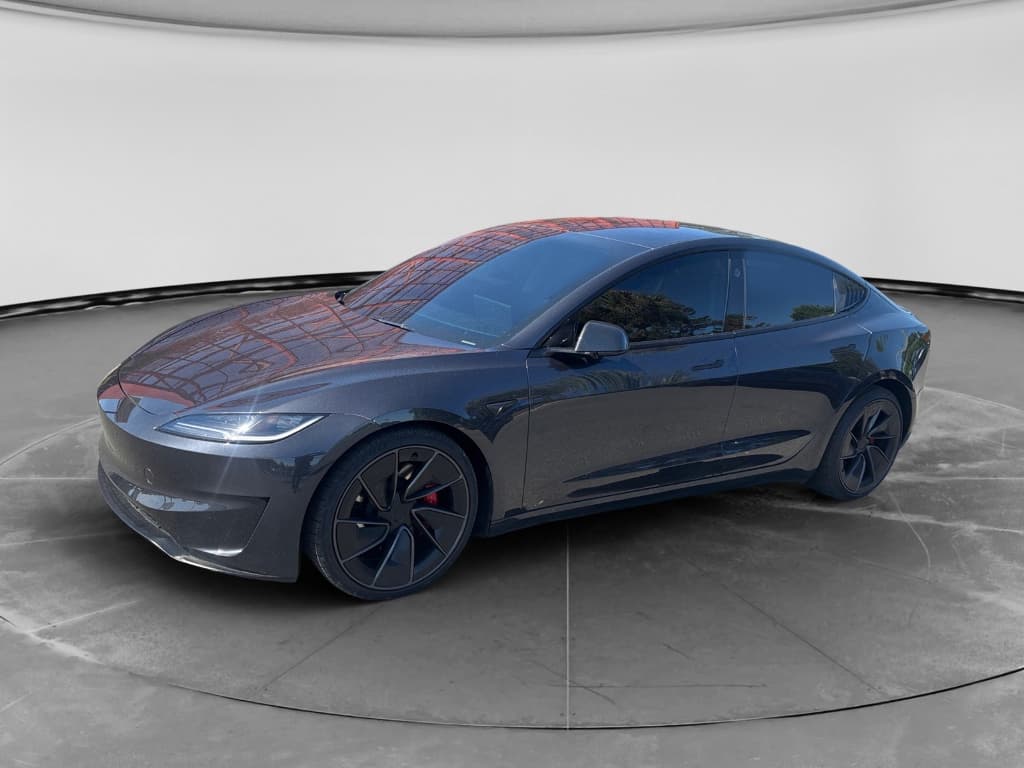
If you’re shopping for a used Tesla, you’ll hit this fork in the road almost immediately: Tesla Model 3 Standard Range Plus vs Long Range. On paper the Long Range promises more miles and more motors; the SR+ looks like the value play. The real question is simpler: which one actually fits your life, and your budget, better, especially as a used EV?
Context: older trims vs newer names
Model 3 SR+ vs Long Range: who each trim fits best
Model 3 Standard Range Plus / RWD is best if…
- You mainly drive commutes and local trips under 60–80 miles a day.
- You want the lowest purchase price and insurance cost.
- You’re okay with a bit more planning on rare long road‑trips.
- You live in a mild climate or can park/charge in a garage.
- You care more about efficiency and simplicity than absolute performance.
Model 3 Long Range AWD is best if…
- You regularly do road‑trips or long highway drives.
- You drive in snow, ice, or steep terrain where AWD really helps.
- You want faster acceleration and stronger passing power.
- You’d rather charge less often and pay more up front.
- You expect to keep the car a long time and value extra buffer as the pack slowly degrades.
How Recharged fits in
Key specs: Tesla Model 3 Standard Range Plus vs Long Range
Core spec comparison (typical U.S. Model 3 builds)
Numbers vary slightly by model year and wheels, but this gives you a realistic ballpark for used‑market cars.
| Spec | Model 3 Standard Range Plus / RWD | Model 3 Long Range AWD |
|---|---|---|
| Drivetrain | Single‑motor RWD | Dual‑motor AWD |
| Usable battery (approx.) | ~54 kWh (older SR+), mid‑60s kWh on newer RWD | ~75–82 kWh depending on year |
| EPA rated range (18" wheels) | ~250–272 miles for SR+/RWD | ~330–358 miles for LR AWD, ~342 miles on 2024 Highland |
| 0–60 mph | ~5.8 sec | ~4.2–4.4 sec |
| Max DC fast‑charge power | ~170–225 kW depending on pack | Up to 250 kW |
| Onboard AC charger | Typically 32 A (7.7 kW) at 240 V | Up to 48 A (11.5 kW) at 240 V on many years |
| Realistic highway range @ 70 mph | Roughly 180–210 miles in good conditions | Roughly 230–270 miles in good conditions |
| Typical used price vs LR | ~$4,000–$8,000 less than similar‑year Long Range | Higher purchase price, especially for low‑mile examples |
Always check the exact EPA label and wheel size for the specific VIN you’re considering.
How much more are you really buying with Long Range?
Range and battery chemistry: daily driving vs road-trips
The biggest headline difference in the Tesla Model 3 Standard Range Plus vs Long Range debate is range. Long Range has the bigger battery and the bigger number on the spec sheet, but how much does that matter in practice?
- Older U.S. Model 3 Standard Range Plus cars typically carry a ~54 kWh usable pack and were EPA‑rated around 240–250 miles (earlier cars) up to roughly 263–272 miles (later SR+/RWD).
- Long Range AWD cars use a ~75–82 kWh pack and have EPA ratings from the low 300s to mid‑300s miles depending on year and wheels.
- Real‑world tests routinely show 10–20% less than EPA on the highway, especially at 70–75 mph or in cold weather. Planning around that reality matters more than fixating on brochure numbers.
EPA range vs reality
LFP vs nickel: why chemistry matters for used buyers
Newer rear‑wheel‑drive Model 3s often use LFP (lithium iron phosphate) cells, while most Long Range cars use nickel‑based chemistries (NCA/NCM). LFP packs are heavier and slightly less energy‑dense, but they tolerate frequent 100% charging and high cycle counts very well, great for urban use and ride‑share duty. Nickel‑based packs win on energy density and cold‑weather performance but prefer living between about 10% and 80–90% state of charge most of the time.
Practical takeaway on chemistry
Performance, drivetrain, and driving feel
Every Model 3 is quick by legacy sedan standards, but the driving character of Standard Range Plus vs Long Range is meaningfully different.
How they drive: SR+ vs Long Range
Same basic chassis, different personalities.
Standard Range Plus / RWD
- 0–60 mph ~5.8 sec – still sports‑sedan quick.
- Rear‑drive balance with playful feel in dry conditions.
- Lighter front end can feel a bit more nimble.
- Less traction in snow or steep, wet climbs.
Long Range AWD
- 0–60 mph ~4.2 sec – genuinely fast, especially for passing.
- Dual motors add traction and stability in bad weather.
- Slightly heavier, but sharper straight‑line shove.
- Available “Acceleration Boost” on some years for even more punch.
Do you really need AWD?
Charging speed and road-trip time
Both trims benefit from Tesla’s Supercharger network, but the Long Range cars generally combine higher peak power with a larger usable window of fast‑charging. The result isn’t just more range, it’s often less time stopped on a given trip.
Charging behavior on a typical road‑trip
Assuming 10–80% fast‑charge stops on 18" wheels in mild weather.
| Aspect | Standard Range Plus / RWD | Long Range AWD |
|---|---|---|
| Peak DC power | ~170–225 kW | Up to 250 kW |
| 10–80% DC charge time | ~25–30 minutes | ~20–25 minutes |
| Miles added in a 20‑minute stop (good conditions) | ~120–150 miles | ~150–190 miles |
| Typical stop spacing at 70 mph | 80–120 miles between stops | 110–160 miles between stops |
Real‑world times depend heavily on temperature, stall power, and how many other cars are sharing the site.
Home charging levels the field
Battery health and used EV longevity
The anxiety around used Teslas usually centers on the battery. The good news: real‑world data from large fleets shows Model 3 packs holding up well, typically retaining around 90–95% of original capacity even at six‑figure mileage when reasonably cared for.
- Most observed Model 3 packs lose a noticeable 3–7% in the first couple of years, then degradation slows and levels out.
- By 100,000 miles, many cars are still at roughly 90–93% of original capacity, which is often a range loss of 35–50 miles for a Long Range and less for a Standard Range.
- High‑mileage ride‑share fleets operating Model 3s routinely report predictable, moderate degradation rather than catastrophic failures.
Why you can’t eyeball battery health
Does Long Range degrade “better” than SR+?
In practice, both trims age well if treated reasonably. Long Range starts with more capacity, so losing 8–10% still leaves a large usable buffer. Standard Range Plus starts smaller, so the same percentage loss translates to fewer absolute miles, but the car is also lighter and more efficient. The more important question isn’t which trim degrades better, it’s whether the car you’re looking at shows healthy, predictable degradation versus early‑life damage from abuse or extreme heat.
Ownership costs and used pricing realities
On a new‑car window sticker, the Long Range typically costs several thousand dollars more than the SR+/RWD. On the used market that gap remains, but it can compress or widen depending on mileage, options, and local demand.
Cost trade‑offs: what you actually pay for
Where Standard Range saves you money, and where Long Range quietly costs more.
Purchase price
Insurance & tires
Resale value
Total cost questions to ask yourself
1. How often will I actually use 300+ miles of range?
If your weekly routine rarely exceeds 150–200 miles between charging opportunities, SR+/RWD may already exceed your real need, and Long Range’s extra miles are paid for but mostly unused.
2. What’s my local charging situation?
If you’ll have reliable Level 2 home charging, range matters less. If you rely on public fast‑charging, the bigger buffer and faster charging of Long Range makes life easier.
3. Do I plan to keep the car 8–10 years?
Long‑term owners benefit most from the Long Range pack’s extra buffer against degradation. If you expect to sell in 3–4 years, SR+/RWD value can look more compelling.
4. How price‑sensitive is my budget today?
If stretching to Long Range means compromising on emergency savings or taking on an uncomfortable payment, SR+/RWD paired with strong battery health may be the smarter financial move.
Financing and trade‑in through Recharged
Ready to find your next EV?
Browse VehiclesWinter driving and climate considerations
EV range shrinks in the cold. Cabin heating, battery temperature management, snow, and winter tires all eat into your buffer. That’s where the extra capacity and AWD of the Long Range trim start to look less like luxury and more like risk management.
- Sub‑freezing highway driving can cut usable range by 20–40% depending on wind, precipitation, and your speed.
- Standard Range Plus owners in cold climates often end up charging every day or every other day in winter to maintain a comfortable buffer.
- Long Range drivers in the same conditions typically retain enough capacity for 150–220 miles of winter highway range, giving more flexibility for errands and detours.
Snow belt buyers: lean Long Range if you can
Which Tesla Model 3 should you buy used?
If you should lean Standard Range Plus / RWD
- You’re shopping the lowest total cost of ownership.
- Your driving is mostly urban and suburban with occasional road‑trips.
- You have or will install reliable Level 2 home charging.
- You can find a car with excellent battery health and no signs of abuse.
- You live in a mild or warm climate and don’t need AWD.
If you should lean Long Range AWD
- You regularly do 200+ mile days or multi‑state drives.
- You drive in snow, ice, or mountainous terrain.
- You want stronger acceleration and more confident passing.
- You plan to keep the car a long time and want margin against future degradation.
- You don’t mind paying more up front for less charging friction over the life of the car.
If you strip away the marketing, the choice between Tesla Model 3 Standard Range Plus vs Long Range is a trade between money and margin. The SR+/RWD delivers the core Tesla experience, efficiency, tech, and performance, at the lowest entry cost. Long Range buys you time: fewer stops, more winter buffer, more years before degradation meaningfully crimps your range. The right answer comes down to your routes, your climate, and your appetite for risk. A transparent battery health report, like the Recharged Score, turns that from a guessing game into a grounded decision.