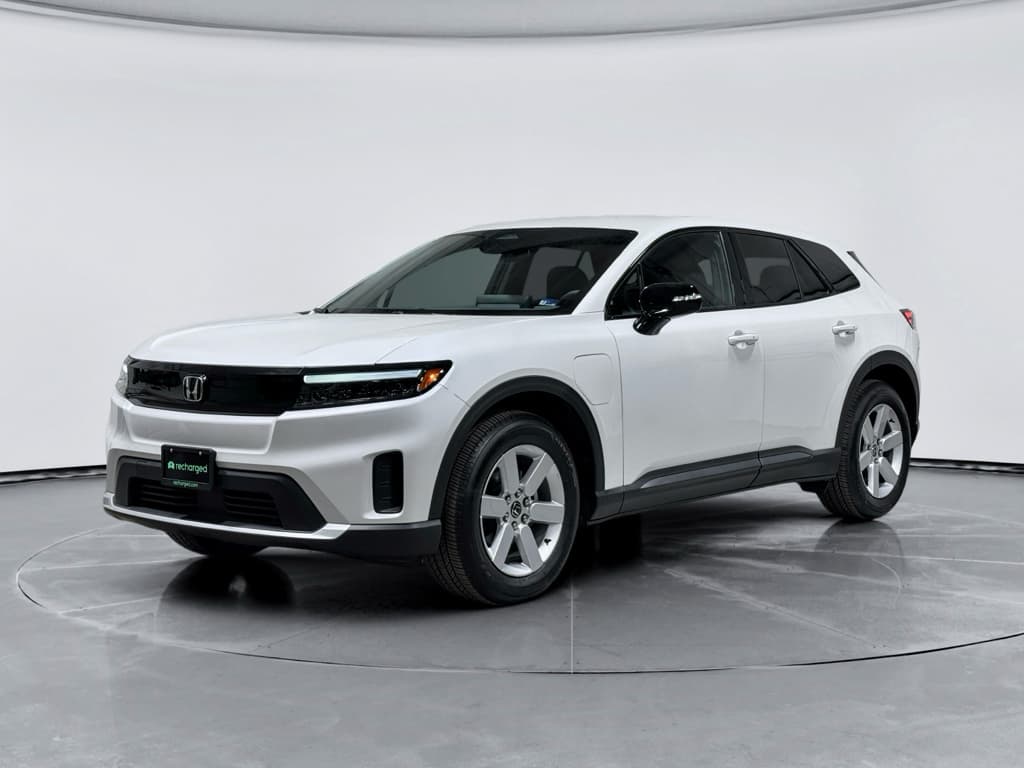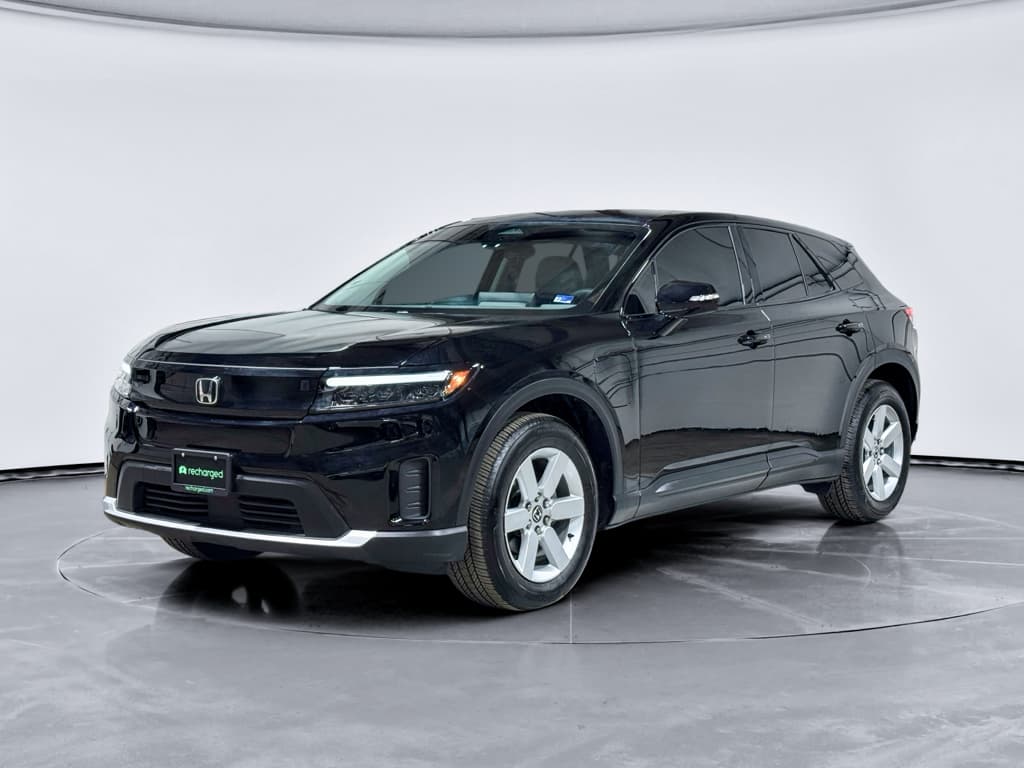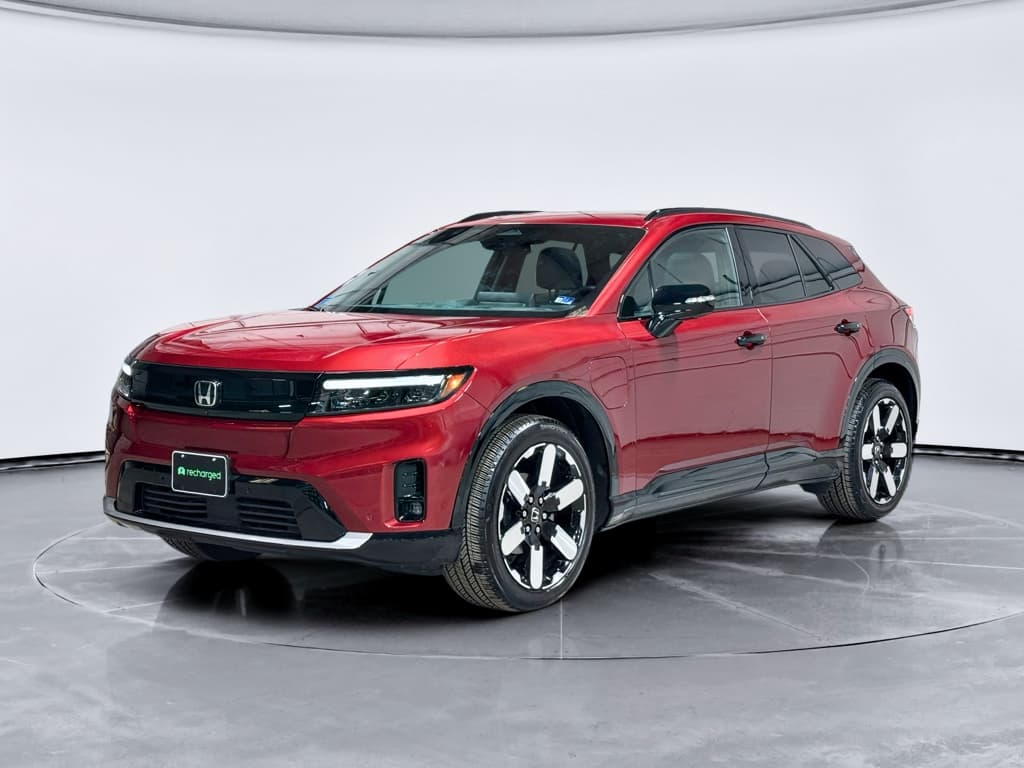
The Honda Prologue is Honda’s first long-range electric SUV aimed at mainstream shoppers, not tech die‑hards. It’s roomy, refined, and built on GM’s Ultium platform, great for range and performance, slightly less great when it comes time to insure it. If you’re trying to understand Honda Prologue insurance cost before you buy (or before you go used), you’re asking exactly the right question.
At-a-glance insight
Honda Prologue insurance cost: quick overview
Honda Prologue insurance: ballpark figures (US, 2025)
To be clear, no insurer has a single fixed number for Honda Prologue insurance cost. Every quote is personalized. But for most US drivers with good credit and a clean record, the Prologue will usually land in the same neighborhood as other mid‑size electric SUVs like the Hyundai Ioniq 5, Kia EV6, or Chevy Blazer EV.
Regional reality check
How much does it cost to insure a Honda Prologue?
Because the Prologue is new to the market and still building a real‑world claims history, we don’t yet have multi‑year, model‑specific insurance statistics. Instead, insurers lean on pricing for similar vehicles: mid‑size EV crossovers with MSRPs in the mid‑$40,000s to low‑$50,000s and strong safety tech. That’s where the Prologue lives.
Estimated Honda Prologue insurance cost vs similar EVs
Illustrative annual premiums for a 35‑year‑old driver, clean record, good credit, $500 deductible, full coverage. Actual quotes will vary by state and insurer.
| Vehicle | Estimated annual insurance | Notes |
|---|---|---|
| Honda Prologue (FWD) | $1,600–$1,900 | Base trims, lower wheel/tire replacement costs. |
| Honda Prologue (AWD / Elite) | $1,750–$2,200 | Higher MSRP and bigger wheels can push premiums up. |
| Hyundai Ioniq 5 | $1,550–$2,050 | Comparable size and price; long warranty helps perceived risk. |
| Kia EV6 | $1,600–$2,100 | Sportier image; similar repair costs and safety tech. |
| Chevy Blazer EV | $1,650–$2,150 | Same Ultium architecture; similar repair profile to Prologue. |
| Toyota bZ4X | $1,500–$1,950 | Typically a bit cheaper to insure but with less power. |
These figures are directional, not guarantees. Use them as a planning tool, not a promise.
If those numbers feel steep, remember that insurance is only one slice of your Honda Prologue’s total cost of ownership. You’ll likely save significantly on fuel and some maintenance compared with a gas SUV, which helps offset a higher premium. We’ll come back to that holistic math later.
Why EVs like the Honda Prologue can cost more to insure
What pushes EV insurance costs up, and down
The Prologue is a perfect case study in the push‑pull of EV insurance pricing.
1. Expensive electronics & battery packs
2. Complex structural repairs
3. Strong crash performance & ADAS
4. New model, shallow data
Early adopter tip
8 factors that shape your Honda Prologue insurance rate
Car choice is only half the equation. Two Prologue owners with identical SUVs can see wildly different premiums. Here are the levers that matter most and how they tend to play out for an electric SUV like this one.
Personal & vehicle factors that matter most
1. Your driving history
A clean record is the single biggest discount in the game. One at‑fault crash, speeding ticket, or DUI can push Honda Prologue insurance cost sharply higher, especially on a relatively pricey new EV.
2. Where you live and park
High‑traffic urban cores, theft‑prone areas, or dense coastal cities are insurance accelerants. Storing your Prologue in a locked garage in a low‑crime suburb? That’s premium‑friendly.
3. Annual mileage and commute
The fewer miles you drive, the fewer chances to crash. If you mainly charge at home and use the Prologue for short hops instead of long commutes, ask for low‑mileage or usage‑based discounts.
4. Credit‑based insurance score
In most states, insurers use credit‑based scores as a proxy for risk. Strong credit can trim your Honda Prologue insurance cost; weaker credit can bump it up even with a clean driving record.
5. Trim level and options
Top‑trim Prologues with large wheels, panoramic roofs, and premium audio cost more to replace, and to insure. If you’re on the fence between trims, factor that into your lifetime cost.
6. Chosen deductibles
Higher deductibles on collision and comprehensive usually mean lower monthly premiums. Just make sure you have the cash on hand to cover that larger out‑of‑pocket hit if you need to file a claim.
7. Coverage limits & extras
Full coverage with generous liability limits, rental reimbursement, gap coverage, and OEM‑parts endorsements will cost more but may be worth it on a new or nearly‑new EV.
8. Insurer appetite for EVs
Some carriers actively seek EV business and price it competitively. Others still treat EVs like exotic tech. It’s not uncommon to see a Prologue quote vary by hundreds of dollars between companies.
Trims, packages, and coverage choices that change your bill
Prologue trims & wheels
All else equal, a base Honda Prologue with smaller wheels and fewer luxury add‑ons will usually be cheaper to insure than a fully loaded Elite or top‑spec AWD version. Bigger wheels and performance‑oriented tires tend to be more fragile and more expensive to replace, and a higher sticker price raises the ceiling on potential payouts.
If you’re cross‑shopping trims, ask your agent for quotes on at least two configurations before you lock in your order or sign for a used example. Sometimes that jump from mid‑trim to top trim adds more to your premium than you’d expect.
Coverage decisions that matter
- Liability limits: Don’t skimp here. Modern cars, including the Prologue, are expensive to fix. Higher limits protect your assets.
- Collision & comprehensive: Essential on a new or financed Prologue; optional but still smart on many used examples.
- Gap or loan/lease coverage: Important if you put little money down. EVs can depreciate quickly in the first few years.
- OEM parts endorsements: Some carriers offer coverage that specifies new OEM parts instead of aftermarket. Handy on a technology‑dense EV.
The right setup depends on your risk tolerance and cash reserves. Paying less today at the expense of catastrophic exposure tomorrow is rarely a good trade.

9 ways to lower your Honda Prologue insurance cost
You can’t change the fact that the Prologue is a new, tech‑heavy electric SUV. You can change almost everything else. Here’s where smart owners claw back real money.
- Shop at least 4–5 insurers, including one or two that actively market to EV owners.
- Bundle your Honda Prologue policy with home or renters insurance for a multi‑policy discount.
- Take advantage of telematics or usage‑based programs if you’re a smooth, low‑mileage driver.
- Raise your collision and comprehensive deductibles to a level you can comfortably afford.
- Ask about EV‑specific discounts, safe‑driver discounts, and pay‑in‑full savings.
- Keep your credit healthy; that often matters more than the exact model you drive.
- Opt for a slightly lower trim or wheel package if you’re on a price knife‑edge.
- Add teen drivers to a different, cheaper vehicle if possible, not the Prologue.
- Review and trim optional coverages you truly don’t need, but don’t compromise liability limits.
Used Prologue + smart shopping = real savings
Ready to find your next EV?
Browse VehiclesInsuring a used Honda Prologue: what’s different?
Fast‑forward a couple of years: there’s now a healthy pool of used Prologues on the market, and you’re considering one instead of ordering new. Insurance works the same way mechanically, but a few dynamics change.
New vs used Honda Prologue: insurance differences
Same badge, slightly different risk math for insurers, and opportunity for you.
Vehicle age & value
Repair ecosystem matures
Coverage decisions get more flexible
Where Recharged fits in
How insurance fits into Honda Prologue total cost of ownership
Focusing only on Honda Prologue insurance cost is like judging a Netflix subscription by the cost of your internet connection. It matters, but it’s not the whole story. What really counts is the total cost of putting an electric Honda SUV in your driveway and using it for years.
Costs that go up vs gas SUVs
- Insurance: Likely modestly higher, at least in the early years.
- Purchase price: EVs like the Prologue still command a premium over similarly sized gas crossovers.
- Financing costs: Bigger sticker prices can mean larger loans and more interest paid if you stretch the term.
Costs that usually go down
- Energy: Home charging on off‑peak rates can be dramatically cheaper than gasoline per mile.
- Maintenance: No oil changes, fewer moving parts in the drivetrain, and less brake wear thanks to regeneration.
- Depreciation risk (used buys): Buying a used Prologue after the steepest part of the depreciation curve can protect your downside while still giving you modern range and tech.
Don’t forget lender requirements
Honda Prologue insurance FAQs
Frequently asked questions about Honda Prologue insurance
Bottom line: budgeting for Honda Prologue insurance
Insurance is one of the least glamorous parts of EV ownership, but also one of the most predictable if you understand the levers. A Honda Prologue will likely cost you modestly more to insure than a comparable gas SUV and about the same as rival electric crossovers. Where you live, how you drive, and how you configure coverage can swing that number far more than the Honda badge on the grille.
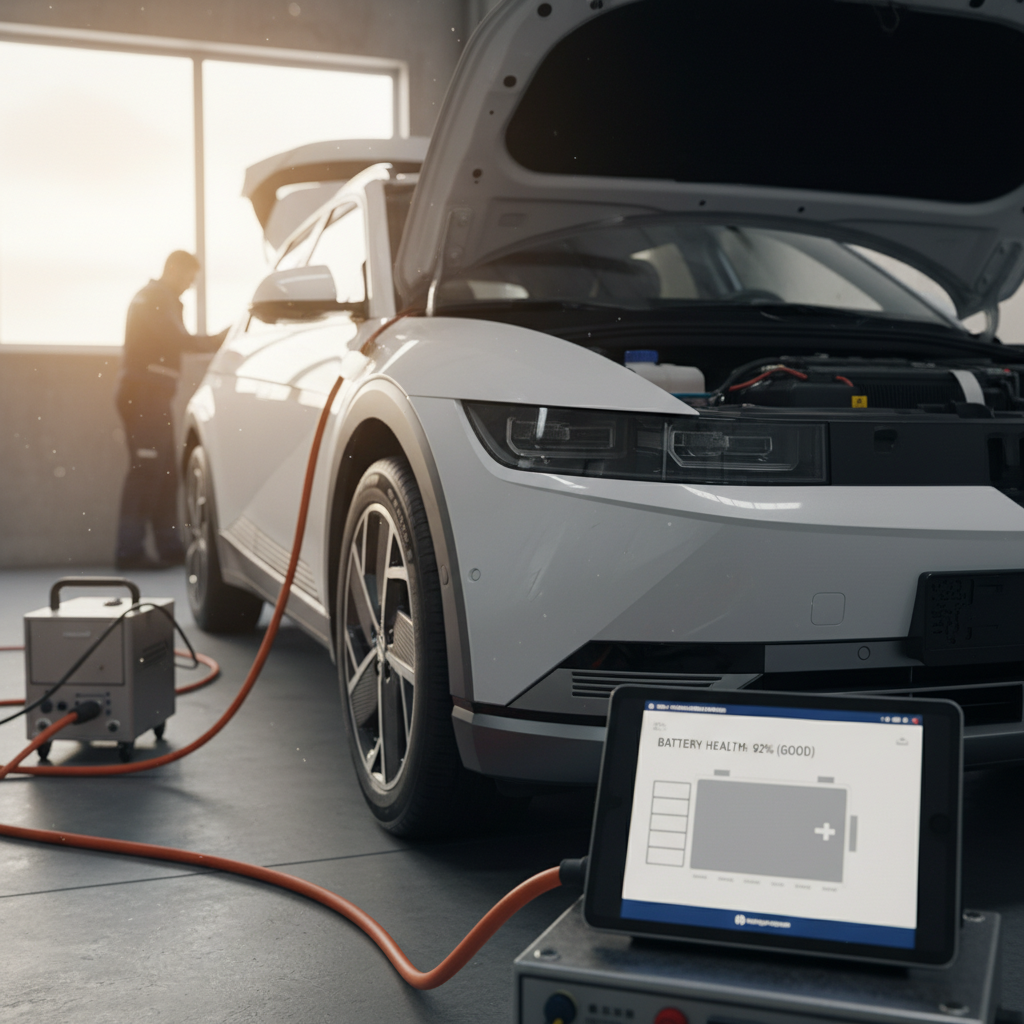
If you’re planning ahead, especially if you’re considering a used Honda Prologue, treat insurance like part of the price tag, not an afterthought. Get real quotes early, experiment with deductibles and coverage levels, and don’t be shy about shopping multiple carriers. And when you’re ready to run the full ownership math, from battery health to fair market value to monthly payment, Recharged is built to make that process transparent so you can drive the EV you want without being surprised by the costs that come with it.