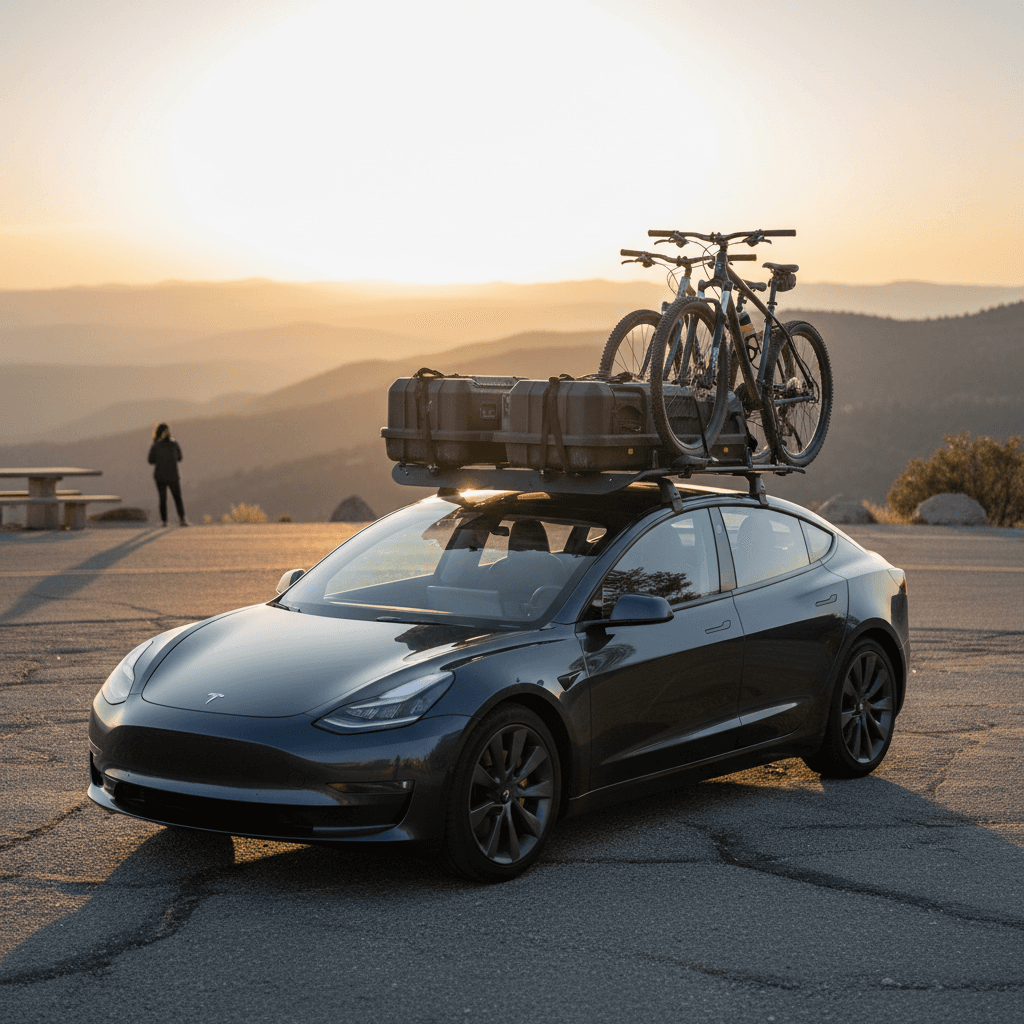
If you’re planning to haul bikes, skis, a cargo box or camping gear on your Tesla Model 3, understanding the roof rack weight limit isn’t optional, it’s critical for safety, handling and even insurance. The numbers on Tesla’s site and in forums can look a little all over the map, so let’s pin down what the official limits are, how they translate to real-world cargo, and how to stay comfortably within the safe zone.
Quick takeaway
Tesla Model 3 roof rack weight limit at a glance
Model 3 roof rack basics
What is the Tesla Model 3 roof rack weight limit?
Tesla’s own documentation for the Model 3 Roof Rack states that the system has a maximum load rating of 150 lb (68 kg). That figure is the total weight of everything on the roof: - The roof rack crossbars and towers - Any attachments (bike trays, ski holders, cargo box mounting hardware) - The gear itself (bikes, skis, boxes, camping gear, etc.) In other words, you don’t get 150 lb of “cargo only” on top of the rack. You get 150 lb total, and the rack plus accessories usually eat up 20–35 lb of that number before you put anything up there.
Tesla’s wording matters
You’ll also see the Model 3 owner’s manual talk about total vehicle capacity weight, the combined limit for passengers and cargo. The roof rack limit doesn’t override that broader limit. Think of it as a sub‑limit: you must stay under both the roof rack capacity and the overall payload rating.
Dynamic vs static load: why the numbers can be confusing
If you’ve spent any time on owner forums or spec sheets for aftermarket racks, you’ve probably seen different numbers for dynamic vs static load. Here’s the distinction in plain language:
- Dynamic load: The amount of weight the roof rack system is rated to carry while the car is moving, hitting bumps, cornering, braking, dealing with crosswinds.
- Static load: The amount of weight the system can support when the car is parked and not in motion, such as when you’re using a rooftop tent at a campsite.
Tesla only publishes a single number for the Model 3 rack in its support documents, 150 lb. That should be treated as a dynamic load limit for everyday driving. In real life, the static capacity of the roof structure is higher (people do safely use rooftop tents on similar rack systems), but Tesla doesn’t certify a higher number for the Model 3, and they don’t officially endorse rooftop tents on it.
Don’t assume huge static capacity
How much can you really carry on a Model 3 roof?
To make this practical, let’s work backwards from that 150 lb figure. A typical setup with the Tesla factory rack looks something like this:
Typical weight budget for a Model 3 roof rack
Approximate real‑world weights to help you budget within the 150 lb limit.
| Component | Approx. weight | Notes |
|---|---|---|
| Tesla Model 3 roof rack (pair of crossbars) | 20–25 lb | Factory bars, towers, and hardware. |
| Two fork‑mount bike trays | 10–15 lb | Varies by brand and material. |
| Medium cargo box (empty) | 30–40 lb | Common 13–16 cu ft rooftop cargo box. |
| Four pairs of skis with bindings | 30–40 lb | Adult skis plus bindings and rack clamps. |
| Two modern mountain bikes | 55–70 lb | ~27–35 lb each, without e‑assist. |
| Small rooftop tent | 90–130 lb | Many tents exceed the Model 3 dynamic rating. |
Always check actual specs for your exact rack and accessories, these are ballpark examples.
Based on those numbers, here’s what usually fits comfortably within the limit:
Example setups within (and beyond) the limit
Use these as starting points, then check your actual equipment weights.
Two standard bikes
Rough total: 20–25 lb rack + 10–15 lb trays + 60 lb bikes ≈ 90–100 lb.
This is well under 150 lb and a very common Model 3 use case.
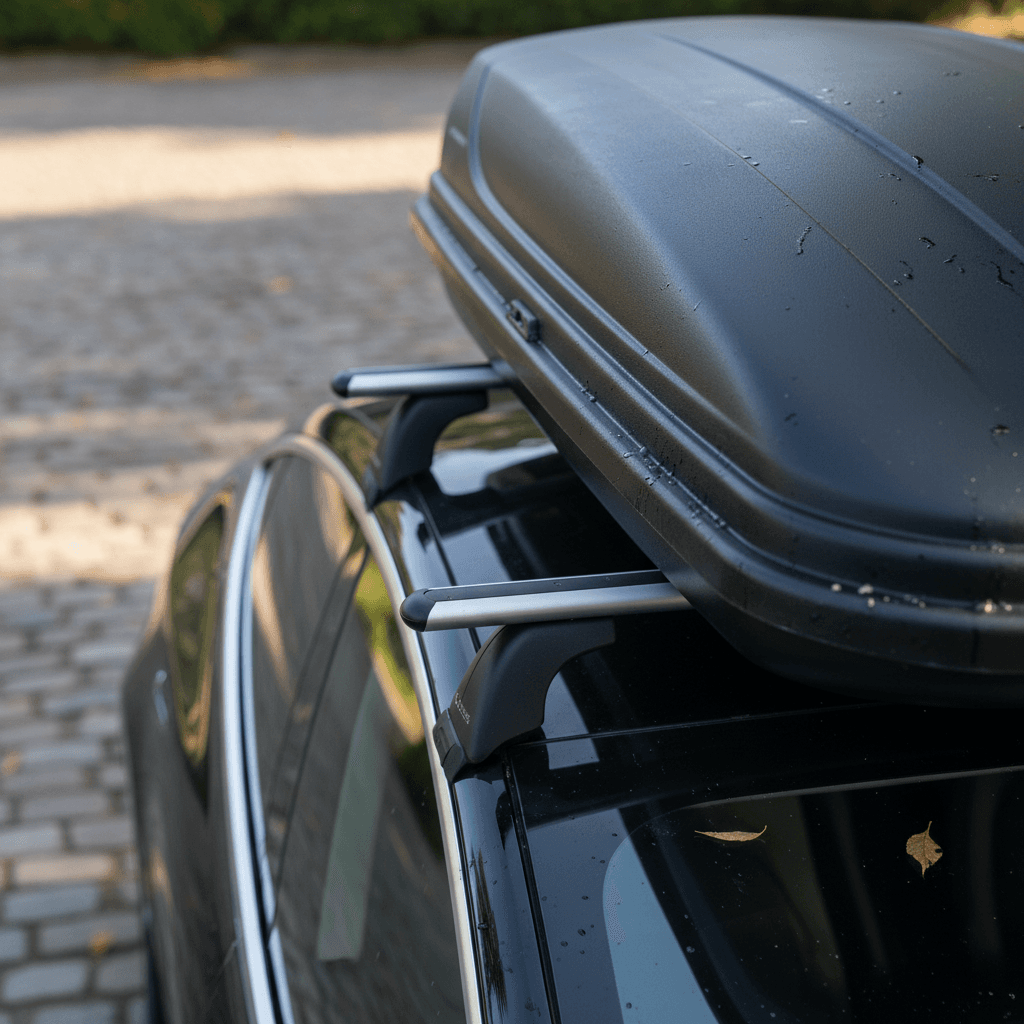
Cargo box + light gear
Rough total: 20–25 lb rack + 35 lb box + 40–50 lb of luggage ≈ 95–110 lb.
Still under the limit with room for a bit more.
Rooftop tent (caution)
Rough total: 20–25 lb rack + 100 lb tent + people inside.
You’re right on the edge or over the dynamic rating; Tesla does not officially endorse rooftop tents on the Model 3.
Aim for 120–130 lb, not 150
Common setups: bikes, skis, and cargo boxes
Bikes on a Model 3 roof rack
For road and mountain bikes, the Model 3 rack is well suited as long as you’re realistic about bike weights and speeds.
- Typical setup: 2 bikes on tray‑style racks.
- Total weight: commonly 90–110 lb including crossbars.
- Watch out for: tall bikes in low garages, extra wind noise, and speed limits set by your bike trays.
If you move to heavier e‑bikes (50–70 lb each), the math changes fast, you can hit 150 lb with just two bikes and hardware. In that case, a hitch‑mounted rack on a different EV or SUV may be a better choice than the Model 3 roof.
Skis, snowboards, and cargo boxes
A ski rack or cargo box is usually a lighter load, but the aero penalty can be bigger.
- 4–6 pairs of skis: Generally well within the 150 lb limit.
- Medium cargo box: Often 30–40 lb empty; pack another 50–70 lb of gear and you’re still safe.
- Range impact: Owners commonly report 10–20% additional energy use at highway speeds with a loaded box.
If you’re hauling soft items like duffel bags, consider whether a hitch‑mounted cargo carrier on a different vehicle (or a larger EV) is more efficient for long trips.
How roof rack weight affects range and noise
Tesla engineered the Model 3 for low drag, and that smooth roofline is a big part of why the car is so efficient. Any rack or box is going to chip away at that advantage a bit, even when it’s empty.
What changes when you add a roof rack
Even light loads affect how your Model 3 drives and feels.
Energy use
With just the rack installed and no cargo, owners often see roughly a 1–3% increase in Wh/mi at highway speeds.
Add a loaded cargo box or multiple bikes and the increase can jump to 10–20%, especially above 65 mph.
Wind noise
Any crossbar system adds some wind noise. It’s usually noticeable on day one and fades into the background after a few drives.
Boxes and bikes create more turbulence, so expect more wind “whoosh” as speed climbs.
Handling & braking
Putting 100+ lb up high raises the car’s center of gravity. The Model 3 can handle it, but you’ll feel a bit more body roll.
Plan for slightly longer braking distances when loaded, especially in rain or snow.
Plan more generous charging stops
Safety rules for loading your Model 3 roof rack
Essential roof rack safety checklist
1. Count everything toward the limit
Include the crossbars, towers, bike trays or ski mounts, cargo box and all gear when you add up weight. The 150 lb limit is for <strong>total roof load</strong>, not just the gear you see on top.
2. Distribute weight evenly
Center heavy items between the crossbars and avoid loading all of the weight to one side. An uneven load can affect handling and stress the mounting points.
3. Secure all straps and clamps
Double‑check every clamp, T‑bolt and strap before driving off. Re‑check them after the first 10–15 miles, then at every major stop on long trips.
4. Respect lower speed limits
Many cargo boxes and bike trays have their own recommended maximum speeds, sometimes lower than the car’s capabilities. Always follow the <strong>component with the lowest rating</strong>.
5. Watch overhead clearance
Measure the total height of your Model 3 with gear loaded. Write it down. Low parking garages, drive‑thrus and car washes can all become hazards with bikes or a box on the roof.
6. Remove the rack when you’re not using it
If you only use the rack a few times a year, consider taking it off in between trips. You’ll cut wind noise, save a little energy, and make hand‑washing easier.
Stay out of automatic washes with the rack on
Using aftermarket roof racks on a Model 3
Some owners choose aftermarket crossbars that clamp into Tesla’s mounting points or rest on the door frame. These can work well, but there are two separate limits you must respect:
- The vehicle’s roof structure limit (Tesla’s 150 lb guidance for the Model 3).
- The rack manufacturer’s rating (often 130–165 lb dynamic for compact cars).
Your safe number is always the lower of those two. If an aftermarket kit advertises a 165 lb dynamic rating but Tesla’s guidance for the Model 3 is 150 lb, you’re still bound by the 150 lb figure.
Warranty and liability
Roof rack tips when you’re buying a used Model 3
If you’re shopping for a used Model 3 with weekend adventures in mind, it pays to think about the roof rack before you sign anything. This is where a bit of structured due diligence, and a transparent seller, can save you headaches later.
Questions to ask the seller
- Has the car ever had a roof rack installed? If so, was it Tesla’s factory rack or an aftermarket system?
- What was typically carried? Occasional skis are different from a heavy rooftop tent used every weekend.
- Any glass roof repairs? Prior cracks or replacements around the mounting points are worth understanding.
A car that’s done a few ski trips a year is very different from one that’s lived with a borderline‑overweight setup on the roof since day one.
What to look for on inspection
- Check the glass near the rack mounting points for chips, cracks or discoloration.
- Look at the door seals and trim for scuffing or compression marks from clamp‑style aftermarket racks.
- Ask to see any included racks or boxes and confirm their weight ratings and condition.
At Recharged, every used EV, including Model 3s, is evaluated with our Recharged Score, which focuses on battery health, pricing and overall condition. If roof accessories are included in the sale, we’ll call that out so you know exactly what you’re getting.
Leverage expert guidance
Ready to find your next EV?
Browse VehiclesFAQ: Tesla Model 3 roof rack weight limit
Frequently asked questions about Model 3 roof rack limits
Bottom line: how to stay within the Model 3 roof rack limit
The Tesla Model 3 roof rack is a capable system, but it’s built around a clear headline number: 150 lb of total roof load, including the rack itself. Treat that number with respect, budget realistically for your crossbars and attachments, and aim to leave yourself a margin instead of loading right to the edge.
If you’re already a Model 3 owner, a kitchen scale, a bathroom scale and an afternoon in the driveway are all it takes to weigh your gear and confirm your setup. If you’re still shopping, factor in how, and how often, you’ll use a roof rack when you compare EVs. Through Recharged, you can browse used EVs, review transparent battery‑health data with the Recharged Score, and talk with an EV specialist about whether a Model 3, a Model Y, or another EV altogether is the best match for the way you live and travel.