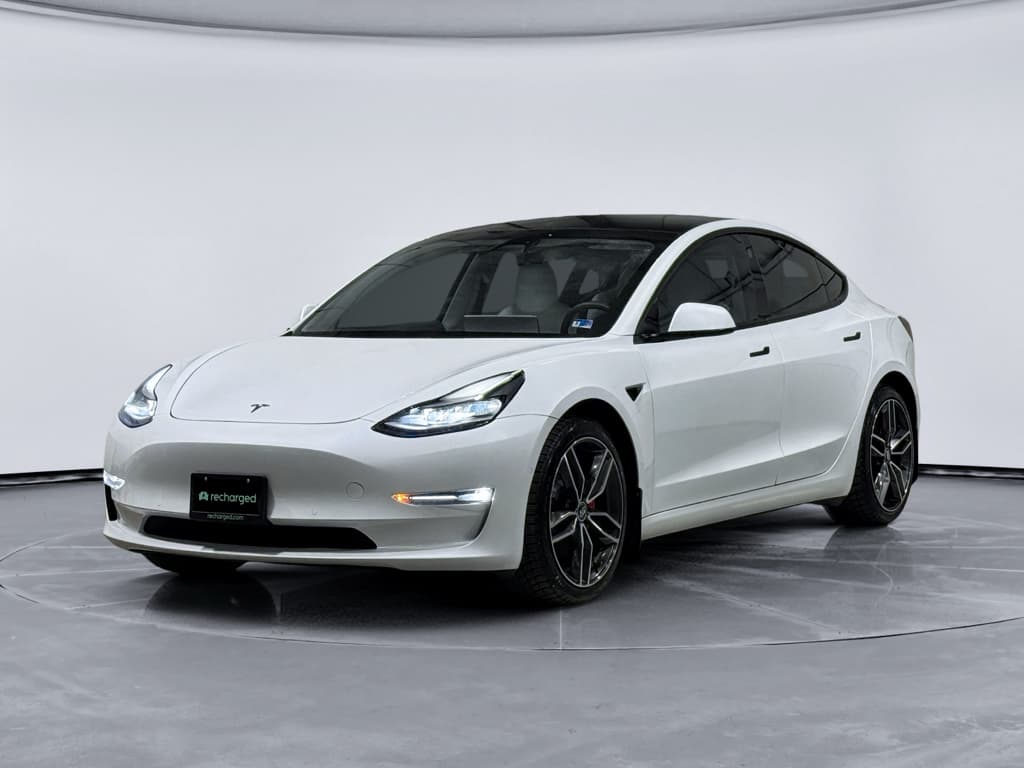
If you’re considering a Tesla Model 3 road trip, you’re probably wondering three things: How far can I really go on a charge? How often will I be stuck waiting at chargers? And will the car actually be comfortable for hours on the highway? This review pulls together independent test data and real‑world owner experience to give you a clear picture, especially if you’re looking at a used Model 3 from a retailer like Recharged.
Quick verdict
Is the Tesla Model 3 good for road trips?
Who the Model 3 is best for on a road trip
Different trims, different strengths, especially if you’re buying used
Efficiency‑first travelers
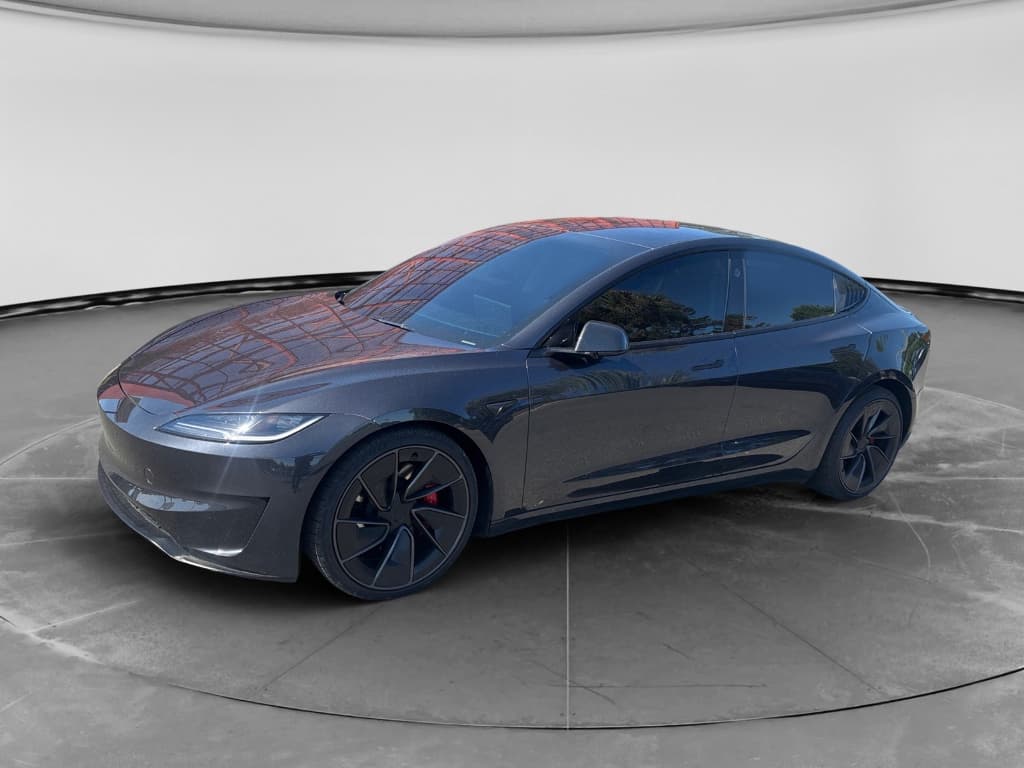
If you care most about minimizing stops and charging cost, the RWD / Long Range trims shine. They deliver some of the best real‑world highway efficiency of any EV in this price class, especially the refreshed “Highland” models.
Pace‑of‑traffic drivers
If you cruise at 75–80 mph with the rest of traffic, a Long Range Model 3 still comfortably supports 2–3 hour legs in mild weather before you really need to think about charging.
Performance fans
Model 3 Performance trims trade a bit of range for huge power. You’ll stop a bit more often, but the Supercharger network still makes genuine performance road trips realistic, something that’s historically been difficult in EVs.
Across independent tests, the Model 3 consistently proves that real‑world highway range tracks closer to its rating than many rivals. But range only tells part of the story. The network, how the car manages charging, and simple things like seat comfort and noise all add up. Let’s start with range, because that’s what shapes your daily rhythm on a long drive.
Real‑world Tesla Model 3 road trip range
Typical real‑world highway range on a charge
Highway driving is the hardest use‑case for any EV battery. Speeds of 70–80 mph, limited chance for regenerative braking, crosswinds, and HVAC use all add up. In practice, you’ll want to assume real‑world highway range is about 15–25% lower than the most optimistic EPA or WLTP figure, especially in cold or very hot weather.
- 2025+ Model 3 RWD (Highland): plan on roughly 210–230 miles at 70–75 mph in mild temperatures, less in winter.
- 2025+ Model 3 Long Range: around 270–295 miles at those same speeds and conditions.
- Older (2018–2023) Long Range models often show similar or slightly lower real‑world numbers depending on wheel size and degradation.
- Performance models sit closer to 220–260 miles of practical highway range, with aggressive driving pushing you toward the lower end.
Weather & speed matter more than the spec sheet
EPA/WLTP numbers: optimistic but useful
Official ratings are generated in controlled tests that don’t fully reflect real‑world driving. The Model 3 tends to land closer to those numbers than many rivals, but it still typically delivers 75–85% of its rated range at U.S. highway speeds.
Think of those window‑sticker numbers as a ceiling, not a promise. For road‑trip planning, assume less, and be pleasantly surprised when conditions go your way.
Real‑world planning rule of thumb
When you’re plotting legs in a Tesla, a simple rule works surprisingly well: take the car’s rated highway range and plan around 70–80% of it as your “comfortably doable” distance at 70–75 mph.
The good news is that Tesla’s in‑car trip planner usually makes these calculations for you in real time, adjusting for elevation, temperature, and your recent driving style.
Charging stops and Tesla Supercharger experience
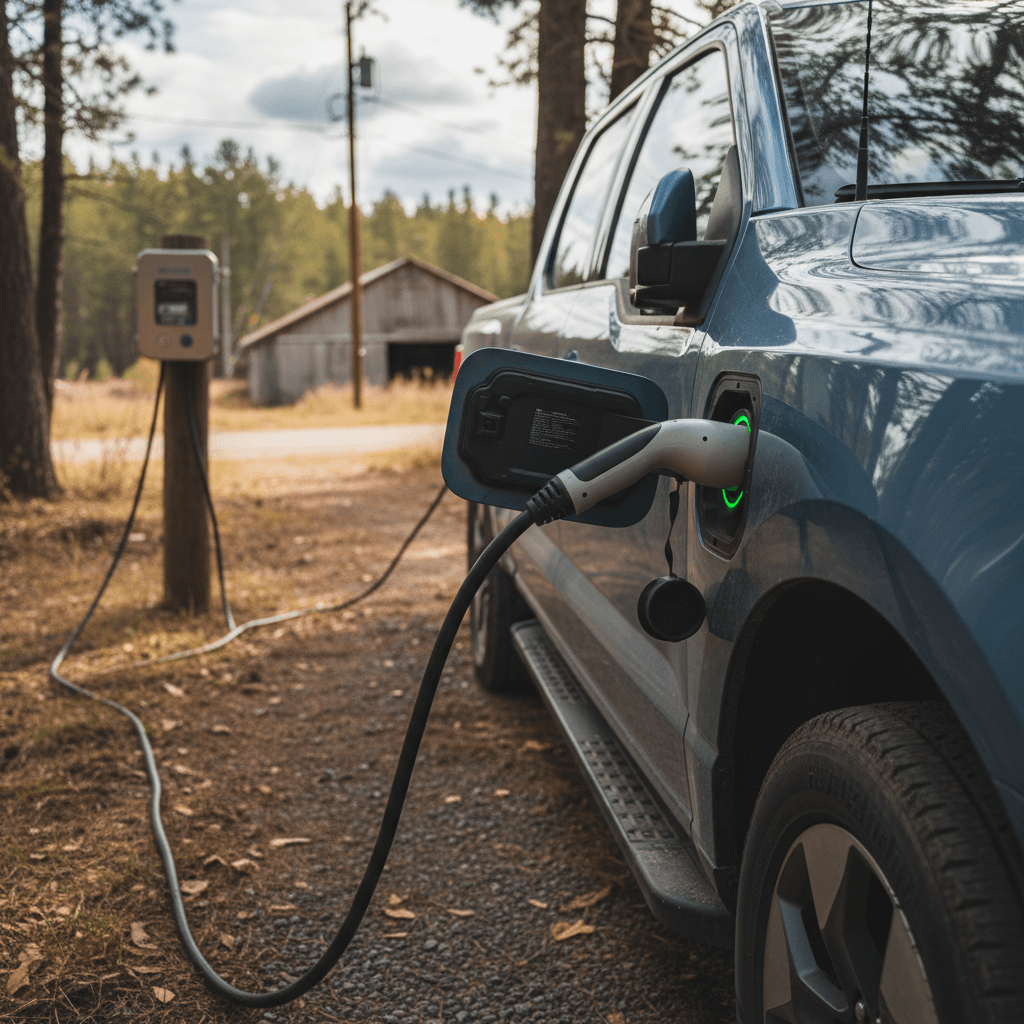
On a road trip, charging stops matter as much as raw range. The reason the Model 3 has become the de‑facto road trip benchmark is simple: the Supercharger network is dense, reliable, and tightly integrated with the car’s software. You don’t spend your trip juggling three different charging apps and guessing which stations actually work.
What charging actually feels like on a Model 3 road trip
Typical rhythm from drivers who regularly do 400–800 mile days
2–3 hour driving stints
Most owners naturally fall into a pattern of driving 130–180 miles between stops, often well before the battery forces you to pull over. That lines up with typical restroom and snack breaks.
20–30 minute Supercharger stops
On a V3 Supercharger, a preconditioned Model 3 can add well over 100 miles in 15–20 minutes. You rarely sit around waiting for 0–100%; you’re topping from ~10–20% back to 55–80%.
Built‑in planning
The car’s navigation automatically routes you through Superchargers, tells you how long to stay, and estimates your arrival battery percentage, continually updating as your speed or conditions change.
Don’t chase 100% on the road
Typical Supercharger stop times for a Model 3
Approximate real‑world times from common state‑of‑charge (SoC) ranges on a healthy battery and an uncrowded V3 Supercharger. Your results will vary with temperature and pack size.
| Start SoC | End SoC | Approx. time | Use‑case |
|---|---|---|---|
| 10% | 60% | 15–25 min | Fastest way to cover serious distance |
| 20% | 80% | 25–35 min | Typical “meal plus restroom” stop |
| 40% | 90% | 35–50 min | Overnight top‑up or long break in sparse areas |
These are planning guidelines, not guarantees, always trust the in‑car estimates over generic charts.
Crowding & peak‑time caveats
Comfort, noise and storage on long drives
Early Model 3s (2017–2020) had a deserved reputation for a firm, sometimes jittery ride and more wind noise than premium rivals. The good news is that later cars, especially the refreshed 2024+ “Highland” update, are noticeably more compliant and quieter. That’s a real benefit on a six‑hour day behind the wheel.
Seats & driving position
The Model 3’s seating position is one of its strengths. The steering wheel, pedals, and seat base are aligned properly, something that’s surprisingly rare in this class. Many drivers report they can do 500–700 mile days without the back or hip issues that crop up in some compact sedans.
If you’re shopping used, try to get at least an hour‑long test drive on mixed roads to see how your body feels. Small differences in cushion firmness from year to year can matter over time.
Ride quality & noise
Later Model 3s have better suspension tuning and acoustic glass, so a 2024 Long Range will feel calmer and quieter at 75 mph than an early 2018 car on the same stretch of I‑95. You’ll still hear more tire thrum than in some German sedans, but it’s no longer fatiguing.
Wheel size matters: 18" wheels ride better and are more efficient than 19–20" setups. If road‑trip comfort is a priority, that’s worth trading a bit of visual drama for.
Storage & practicality for luggage
How the Model 3 handles real‑world packing
Trunk and under‑floor space
The rear trunk is deeper than it looks and has a useful under‑floor well. Two large suitcases plus soft bags are no problem for a couple on a week‑long trip.
Hidden bonus: the frunk
The front trunk is perfect for charging cables, emergency gear, or shoes and smaller bags. Keeping the cargo area uncluttered makes day‑to‑day life on the road easier.
Family considerations
For a family of four, space is more like a compact sedan than an SUV. It works, but if you regularly do long trips with kids and lots of gear, a Model Y or other crossover is simply more comfortable.
Autopilot, FSD and driver fatigue
Modern Teslas blur the line between car and software platform on wheels, and nowhere is that more obvious than on a long interstate run. Traffic‑aware cruise control and Autopilot lane‑keeping dramatically reduce the cognitive load of holding a straight line for hours, even if they’re not the self‑driving miracle the marketing sometimes suggests.
What basic Autopilot does well
On a highway, basic Autopilot can handle lane‑keeping and adaptive cruise smoothly, taking over the boring parts while you remain fully engaged. This alone can make a 600‑mile day feel less draining, because you’re making fewer micro‑corrections.
It’s best thought of as a very capable driver‑assist system, not a robot chauffeur. You still need to supervise, anticipate merges, and be ready to take over instantly.
Full Self‑Driving (FSD) on a road trip
Tesla’s evolving FSD software can handle more complex maneuvers, like lane changes, interchanges, and occasionally even city driving, under human supervision. Some owners have completed coast‑to‑coast trips with very few or no manual interventions, but that’s not the average experience yet.
If you’re buying used, FSD may or may not be included. View it as a software feature, not a requirement for enjoyable road trips; basic Autopilot already covers the majority of long‑distance workload reduction.
Safety first, software second
Tesla Model 3 road trip pros and cons
Model 3 road trip pros and cons
How it stacks up as a long‑distance travel machine
Road trip strengths
- Excellent efficiency at highway speeds compared with many EVs.
- Best‑in‑class fast‑charging network in North America via Superchargers.
- Integrated trip planning that actually accounts for terrain and speed.
- Strong acceleration makes passing effortless, even when loaded.
- Simple interior and good ergonomics reduce fatigue over long days.
Where it still falls short
- Smaller cabin and trunk than crossovers; tight for gear‑heavy families.
- Ride can feel firm on rough pavement, especially on 19–20" wheels.
- Real‑world range can drop sharply in winter or at 80+ mph.
- Older cars may have more wind noise and less refined suspension tuning.
- Relying heavily on Supercharging for daily use can accelerate battery wear.
How road trips feel in a used Tesla Model 3
Most Tesla Model 3s on the used market today are 2018–2023 cars with tens of thousands of miles. The big question is whether they still deliver a confident road‑trip experience, or if battery degradation and wear‑and‑tear have turned them into range‑anxiety machines. The reality is more encouraging than the horror stories you sometimes see online.
Battery degradation and road‑trip usability
What to check before your first long trip
- Current rated range at 100%: This is a quick proxy for degradation. Compare it to the car’s original spec to understand how much capacity you’ve lost.
- Charging behavior: A healthy Model 3 should still ramp quickly on a Supercharger, especially when preconditioned. Slow or inconsistent rates can be a red flag.
- Tire and alignment condition: Feathered tires or bad alignment can hurt both range and comfort on a long drive.
How Recharged helps de‑risk used‑EV road trips
Every vehicle sold through Recharged includes a Recharged Score Report that measures battery health, charging behavior, and real‑world efficiency. That means you’re not guessing whether your used Model 3 will still pull strong road‑trip range, we’ve already done the diagnostics.
Our EV‑specialist advisors can also help you match the right trim (RWD vs Long Range vs Performance) to your typical trip profile, and we can deliver the car nationwide so your first long drive can start from your own driveway.
Tesla Model 3 road trip checklist
Pre‑trip checklist for a smoother Model 3 road trip
1. Set realistic range expectations
Look up your exact trim and wheel size, then assume <strong>70–80% of rated range</strong> for highway legs. Build routes around 2–3 hour stints instead of chasing the maximum possible distance.
2. Update software and maps
Before leaving, install any pending software updates and confirm your navigation maps are current. Tesla often improves trip prediction and charging logic via over‑the‑air updates.
3. Plan charging with buffers
Use the in‑car planner or Tesla app to map your route, but mentally add a <strong>10–15% arrival buffer</strong> in case of weather, detours, or higher speeds than planned.
4. Precondition the battery before fast charging
Enable navigation to a Supercharger at least 20–30 minutes before you arrive so the car can warm or cool the pack. This <strong>minimizes your time plugged in</strong> and improves charging reliability.
5. Pack smart and watch roof racks
Extra weight has a mild effect on range, but <strong>aero drag from roof boxes or bikes can be significant</strong>. If you need them, factor in reduced efficiency and more frequent stops.
6. Test your comfort setup locally
Do a 1–2 hour shakedown drive with your seating position, steering wheel, and lumbar set the way you like. It’s much easier to tweak comfort at home than 300 miles into day one.
FAQ: Tesla Model 3 road trips
Frequently asked questions about Model 3 road trips
Bottom line: should you road trip a Model 3?
If you strip away the hype, positive and negative, the Tesla Model 3 remains one of the most complete road‑trip EVs you can buy. Its real‑world highway range is genuinely usable, the Supercharger network removes most of the uncertainty that still plagues non‑Tesla EV travel, and the combination of strong ergonomics and capable driver‑assist tech makes long days surprisingly manageable.
The trade‑offs are clear: families who pack like they’re moving house will be happier in a crossover, and winter or high‑speed driving will still force you into more frequent stops. But for most couples, solo travelers, and even small families willing to pack thoughtfully, a Model 3, new or used, can turn a 1,000‑mile slog into something closer to a series of relaxed hops from charger to charger.
If you’re looking at a used Tesla Model 3 specifically for road trips, starting with a verified battery health report is the difference between educated confidence and blind optimism. That’s exactly why every car at Recharged comes with a Recharged Score Report and EV‑specialist support: so your first road trip is memorable for the scenery, not for range anxiety.