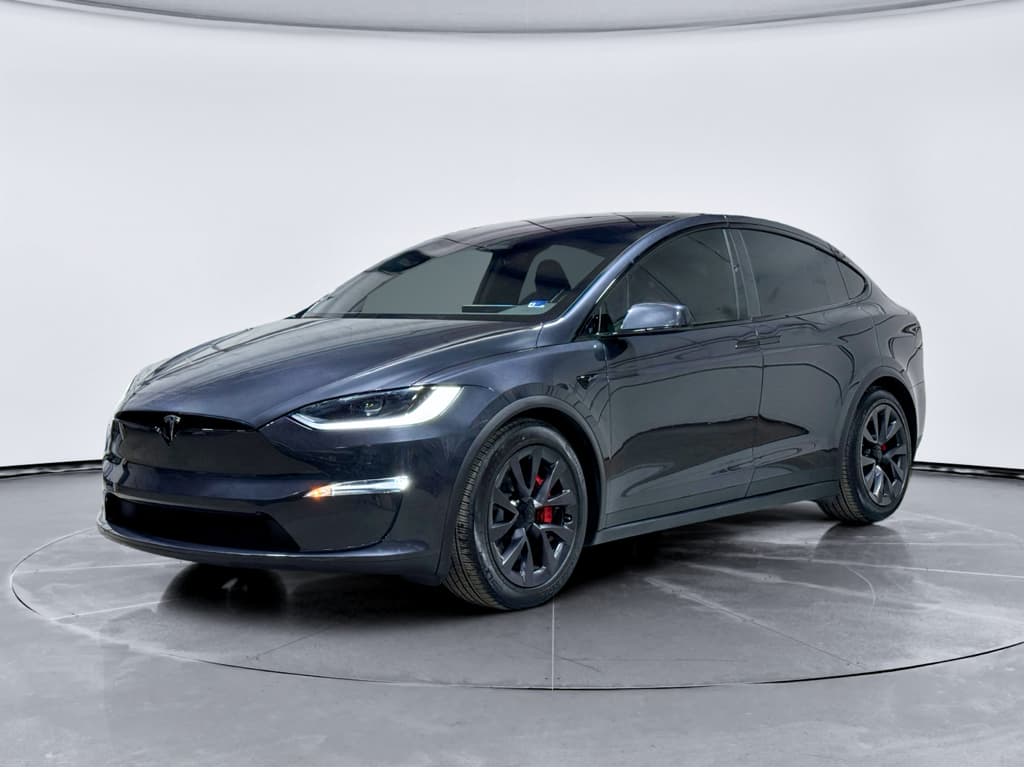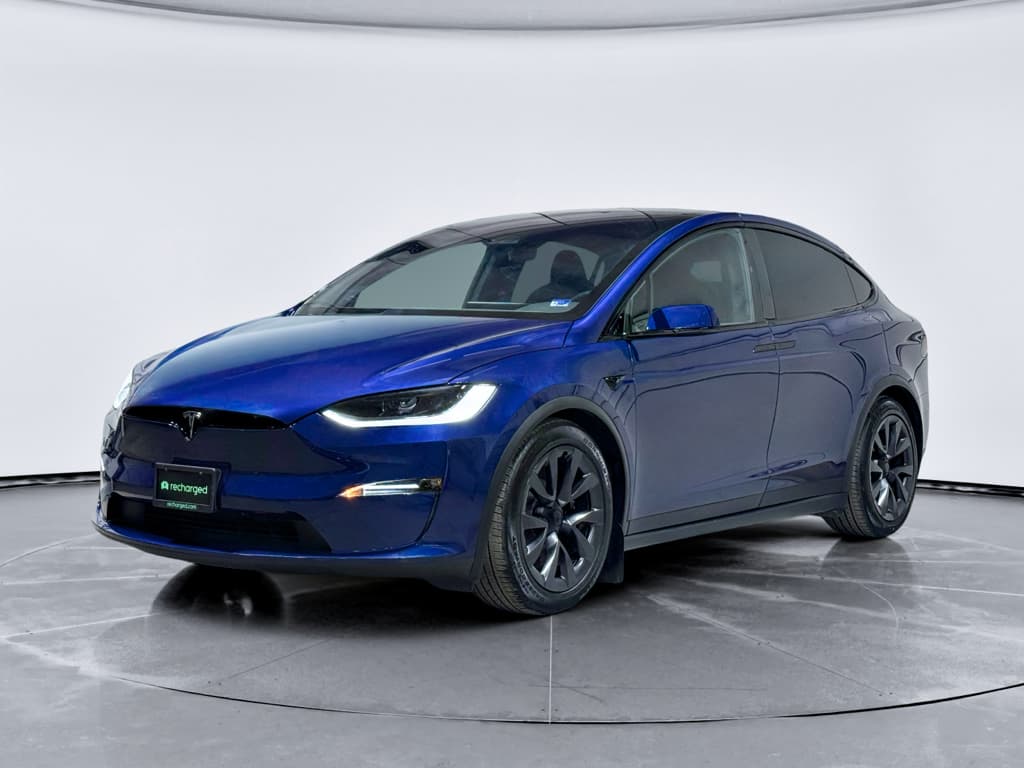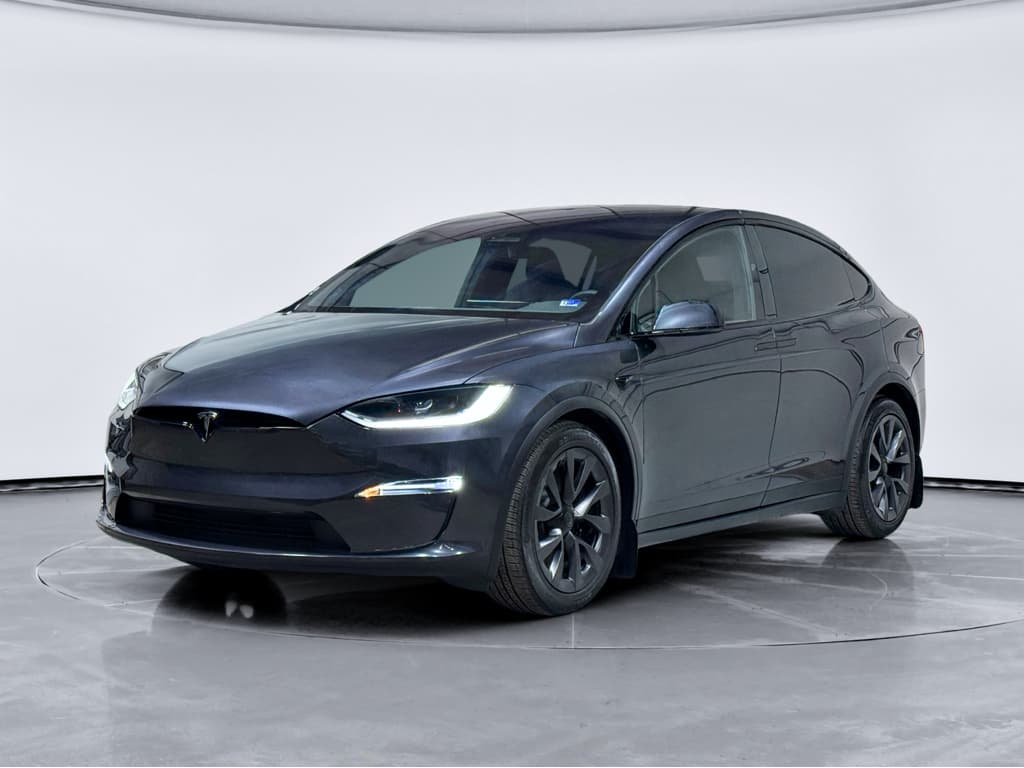
If you’re shopping a 2023 Tesla Model X, or looking at a used one, the first real question isn’t 0–60. It’s: how far will this thing actually go on a charge? Official EPA numbers are one thing; real-world range tests tell a more complicated, and more useful, story. Here’s what highway loops, cold-weather data, and owner experience say about the 2023 Model X.
Quick takeaway
Why the 2023 Tesla Model X Range Test Matters
On paper, the 2023 Tesla Model X is an overachiever: a three‑row SUV with sports‑car acceleration and class‑leading EPA range. But those lab numbers were massaged under an older, generous testing protocol, and Tesla has since quietly trimmed official ratings for later model years. That makes independent 2023 Tesla Model X range tests, especially on the highway and in winter, essential if you’re deciding between a Model X and rivals like the BMW iX, Rivian R1S, or Kia EV9.
There’s another twist: many 2023 Model X SUVs are already entering the used market. That means you’re not just asking, “What did it do new?” but, “What will it do after a couple of years and 20,000–40,000 miles?” That’s exactly the kind of question Recharged’s Recharged Score battery health report is built to answer for used EV shoppers.
EPA Range Ratings for the 2023 Tesla Model X
Let’s start with the official numbers. For the 2023 model year, Tesla offered two versions of the Model X: the dual‑motor Long Range (AWD) and the tri‑motor Plaid. With 20‑inch wheels, both got very healthy EPA combined range ratings:
2023 Tesla Model X EPA Range Ratings
Official 2023 EPA combined range estimates by trim and wheel size.
| Trim & wheels | EPA combined range | EPA efficiency (MPGe) | Approx. energy use (Wh/mi) |
|---|---|---|---|
| Long Range AWD – 20" | 348 miles | 102 MPGe | ~330 Wh/mi |
| Long Range AWD – 22" | 330 miles* | N/A (Tesla est.) | ~350 Wh/mi |
| Plaid – 20" | 333 miles | 98 MPGe | ~344 Wh/mi |
| Plaid – 22" | 311 miles | 91 MPGe | ~370 Wh/mi |
All figures are U.S. EPA combined estimates for the 2023 model year.
Note on later range reductions
Those 2023 numbers are strong, but they come with asterisks. EPA tests don’t hold 70 mph into a winter headwind, don’t load up kids, dogs and roof boxes, and don’t crank the HVAC like a real family road trip. For that, we turn to instrumented range tests.
Real-World 70-mph Highway Range Test (Plaid)
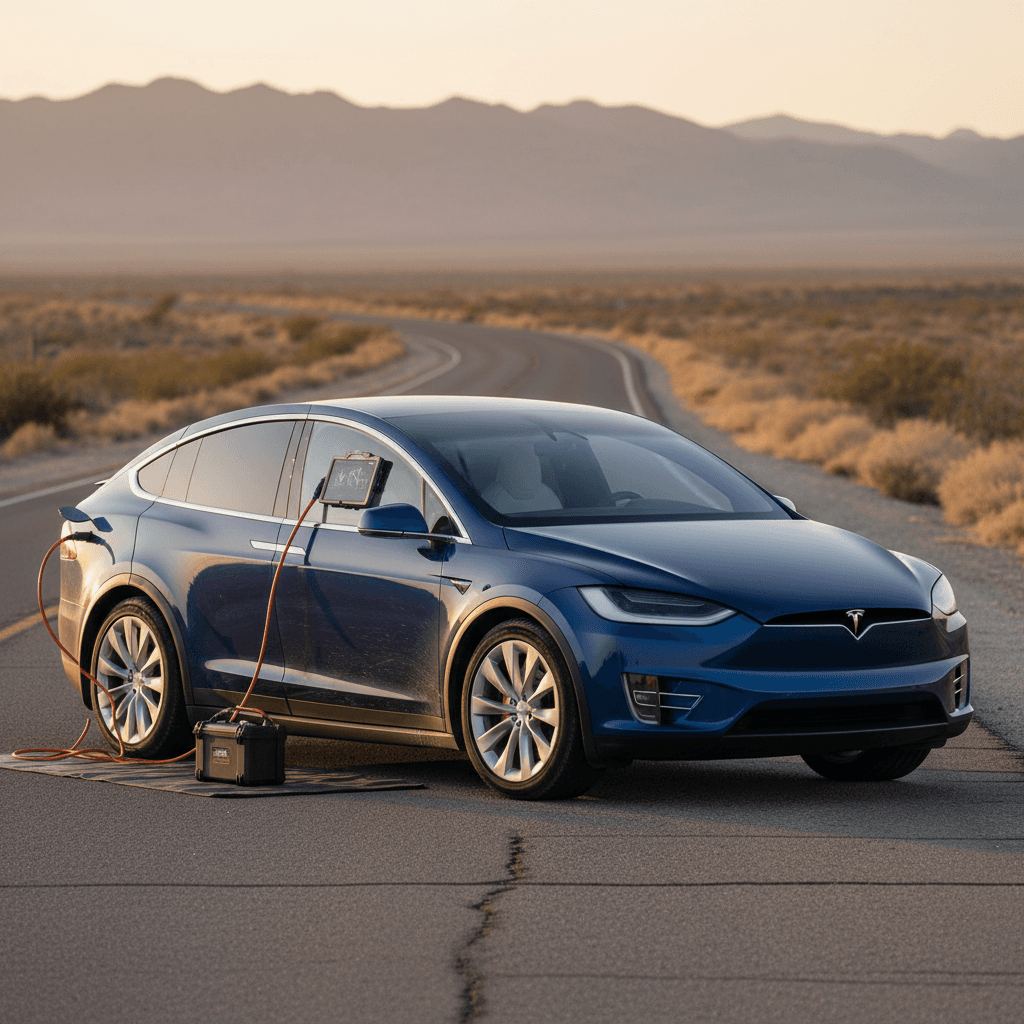
The cleanest published 2023 Tesla Model X range test we have is a 70‑mph highway loop in a 2023 Model X Plaid with 20‑inch wheels. The tester charged to 100%, set the suspension low to reduce drag, used normal climate control, and drove at a steady 70 mph in cool weather (roughly 40–53°F).
2023 Model X Plaid 70‑mph Highway Test Snapshot
On the dash, the X Plaid showed an EPA‑style 335‑mile estimate at 100%. Out in the world, that translated to about 273 miles when the display hit 0%, and roughly 286 miles including the hidden reserve below zero. That’s respectable for a 1,020‑hp three‑motor SUV the size of a Manhattan studio apartment, but it’s about 40 miles shy of the EPA number, just over a 10% shortfall at brisk highway speeds in chilly air.
What this means for your own trips
City and Mixed Driving: How Far Can You Actually Go?
Here’s the upside: EPA numbers tend to be closer to reality in city and mixed driving, where stop‑and‑go traffic lets the Model X lean on regeneration and aerodynamic drag matters less than at 70 mph. Owners regularly report that a 2023 Long Range X driven in normal suburban duty comes surprisingly close to its 348‑mile rating in mild weather.
Typical 2023 Model X Real-World Range Scenarios
Approximate planning numbers for a healthy battery in mild temperatures (60–75°F).
City-heavy commute
Model X Long Range, mostly surface streets at 25–45 mph.
- Plan on: 310–340 miles per full charge
- Why: Regenerative braking recovers energy and aero drag is low.
Mixed daily driving
Blend of suburban and 65–70 mph freeway.
- Plan on: 270–310 miles (Long Range)
- Plaid: typically 240–280 miles
All-highway trips
70–75 mph, steady cruise, light cargo.
- Long Range: 250–290 miles
- Plaid: 230–270 miles
Good news for daily drivers
Winter Range Loss and the Model X Heat Pump
Cold weather is where EV folklore goes to die. Yes, range drops, but not evenly across models. Modern Teslas, including the 2023 Model X, use a heat pump and clever thermal management to blunt the worst of winter losses.
Large‑sample data from winter testing shows EVs averaging about a 20% range hit in freezing temperatures. The Model X sits near the top of the pack, typically retaining around 85–90% of its normal range at 32°F. In practical terms, that means a Long Range X that might do 280 highway miles in spring weather will land closer to 230–250 miles in freezing conditions, assuming you precondition the cabin and battery and don’t hammer it.
Three ways to protect winter range
- Precondition while plugged in: Use the Tesla app to warm cabin and battery before you unplug.
- Use seat and wheel heaters: They draw less power than blasting hot air.
- Arrive at fast chargers warm: Navigate to the Supercharger so the pack preheats on the way, shortening charging stops.
7 Factors That Hit, or Help, Your Model X Range
Key Range Factors on a 2023 Model X
1. Speed above 65 mph
Above about 60–65 mph, aerodynamic drag climbs brutally. Jumping from 65 to 80 mph can cost you 15–25% of your range in a high‑roof SUV like the Model X.
2. Wheel size and tires
Those handsome 22‑inch Turbine wheels? They knock EPA range down by roughly 5–10% versus 20‑inch wheels and often wear stickier tires that waste energy.
3. Temperature and climate control
Cold batteries are less efficient, and electric heat is energy‑hungry. The heat pump on 2023 cars helps, but frequent short winter trips are still a worst‑case scenario for range.
4. Payload and aero junk
Roof boxes, bike racks, and a full cabin all hurt efficiency. A loaded cargo box one size too big can quietly steal 20–30 miles of range at highway speeds.
5. Driving style
Smooth throttle, sensible speeds, and using regen instead of hard braking can be the difference between hitting or missing your next Supercharger by 10–20 miles.
6. Elevation changes and wind
Climbing long grades and driving into a strong headwind are silent range killers. Coming back the other way, you’ll often see spectacularly low Wh/mi numbers.
7. Battery age and state of charge
A healthy 2023 pack may lose only a few percent of capacity in the first 50,000 miles, but fast‑charging only to 60% will never give you the same highway legs as a full 100% start.
Avoid this common mistake
Long Range vs Plaid: Which Version Really Goes Farther?
On paper, the Long Range AWD and Plaid versions of the 2023 Model X aren’t that far apart: 348 vs 333 miles on the EPA cycle with 20‑inch wheels. In the real world, though, their personalities diverge.
Model X Long Range (AWD)
- Best pick if range matters. Dual motors, lower consumption, and easier to match EPA ratings.
- On the highway at 70 mph, most drivers see 250–300 miles in decent weather.
- On 22‑inch wheels, expect a noticeable but manageable hit, think 20–30 fewer miles at the same speed and conditions.
Model X Plaid
- Hyper‑fast, not hyper‑efficient. Three motors and 1,000+ hp mean more energy use, especially at speed.
- The 70‑mph test landing around 286 miles including reserve is strong, but still 10–15% under EPA.
- 22‑inch wheels plus Plaid powertrain can turn that into more like 230–260 real‑world highway miles.
Which one should you buy?
Buying a Used 2023 Model X: Range and Battery Health
By 2026, many 2023 Model X SUVs are coming off leases or first ownership. The good news: Tesla’s large packs tend to age gracefully when driven and charged normally. You’re more likely to see single‑digit percent degradation over the first 30,000–50,000 miles than some catastrophic drop.
The bad news is that you can’t eyeball battery health on a test drive. Tesla doesn’t publish a simple “battery state of health” figure on the dash. That’s where third‑party diagnostics and marketplace tools come in. Every used EV sold through Recharged includes a Recharged Score battery health report that quantifies pack condition, real usable capacity, and how that translates into practical range, so you’re not buying a 348‑mile promise and getting 270 miles in reality.
What to Ask When Shopping a Used 2023 Model X
Range isn’t just about the sticker; it’s about history.
Charging and usage history
- Was the car fast‑charged constantly, or mostly charged at home?
- Was it stored outside in very hot or very cold climates?
Gentler use typically means less degradation and more real‑world range.
Verified battery health
- Has anyone measured usable kWh and projected range?
- Is there documentation from a tool like Recharged Score?
Data‑driven reports let you compare two similar Model X SUVs beyond color and wheels.
How Recharged helps here
How to Run Your Own 2023 Model X Range Test
You don’t need a YouTube channel or datalogger to understand your Model X’s real range. A simple DIY test can give you a trustworthy planning number tailored to your driving style and routes.
Simple DIY Range Test for Your Model X
1. Pick a realistic route
Choose a loop that mirrors your real use case: highway‑heavy if you road‑trip a lot, or a mixed city/freeway loop if that’s your daily life. Aim for at least 100 miles total.
2. Start from a known state of charge
Charge to a clear starting point, 90% or 100%, and note the exact percentage and estimated miles. Reset Trip A so you can see distance and Wh/mi cleanly.
3. Drive consistently
Use Autopilot where appropriate, set a constant speed (e.g., 70 mph on the highway), and keep HVAC at a normal, repeatable setting. Avoid big speed swings and aggressive passing.
4. Record key numbers
At the end of the loop, note: miles driven, remaining state of charge, and average Wh/mi. Try not to run below 5–10% on public roads; you’re extrapolating, not running it flat.
5. Do the math
If you drove 120 miles and used 45% of the battery, your effective full‑pack range for that scenario is 120 ÷ 0.45 ≈ <strong>267 miles</strong>. That’s your personal, repeatable planning number.
6. Repeat in different conditions
Run the same loop in summer and winter, and perhaps at a slower speed, to build a mental map: best case, worst case, and your normal.”
Why this matters for used buyers
2023 Tesla Model X Range Test: FAQ
Frequently Asked Questions About 2023 Model X Range
Bottom Line: What to Expect from a 2023 Model X
The 2023 Tesla Model X is a study in contrasts: an enormous three‑row SUV that can outrun supercars, yet still post some of the best range figures in its class. The Model X Long Range remains the efficiency champ, especially on 20‑inch wheels, while the Plaid trades a slice of distance for drama. The key is to treat the EPA number as an optimistic ceiling, not a promise.
In the real world, if you plan your trips around 250–300 highway miles for a Long Range and 230–270 miles for a Plaid, adjust down modestly for winter and up slightly for slower driving, you won’t be surprised. And if you’re stepping into a used 2023 Model X, pairing that knowledge with a proper battery‑health report, like the Recharged Score that comes with every EV sold on Recharged, turns range anxiety into simple, confident math.