If you’re looking at a Tesla Model 3 in 2026, you’ve probably heard two very different stories. Some owners swear their cars are bulletproof after 100,000+ miles; others complain about rattles, software glitches and service headaches. So where does Tesla Model 3 reliability in 2026 really land, and what should you watch for, especially on a used car?
Why this matters in 2026
Big picture: Tesla Model 3 reliability in 2026
Let’s start with the 10,000‑foot view. The Tesla Model 3 has proven to be mechanically robust, especially its battery and motors, but it’s also carried a reputation for spotty build quality and electronic gremlins.
Tesla Model 3 reliability snapshot for 2026 shoppers
Put simply, the Model 3 tends to be very strong in powertrain durability and energy efficiency, but can be average or below average in overall defect rates, depending on which market’s data you look at. In the U.S., recent survey data shows reliability improving; in parts of Europe, inspection agencies still find more faults than average.
Think “EV‑simple” but not “maintenance‑free”
How reliable is the Tesla Model 3 vs other cars?
Reliability gets slippery because different organizations measure it differently. Here’s how the Model 3 stacks up by 2026 across a few major lenses.
Where the Model 3 shines, and where it doesn’t
Comparing Tesla Model 3 reliability to typical compact luxury sedans
Powertrain durability
The Model 3’s battery and dual motors have aged well. High‑mileage owners routinely report 150,000–200,000 miles with modest range loss and no major drivetrain repairs.
Electronics & software
Over‑the‑air updates fix some issues, but they also introduce the occasional new bug. Owners report touchscreen freezes, camera glitches and driver‑assist quirks more often than on simpler cars.
Build & hardware
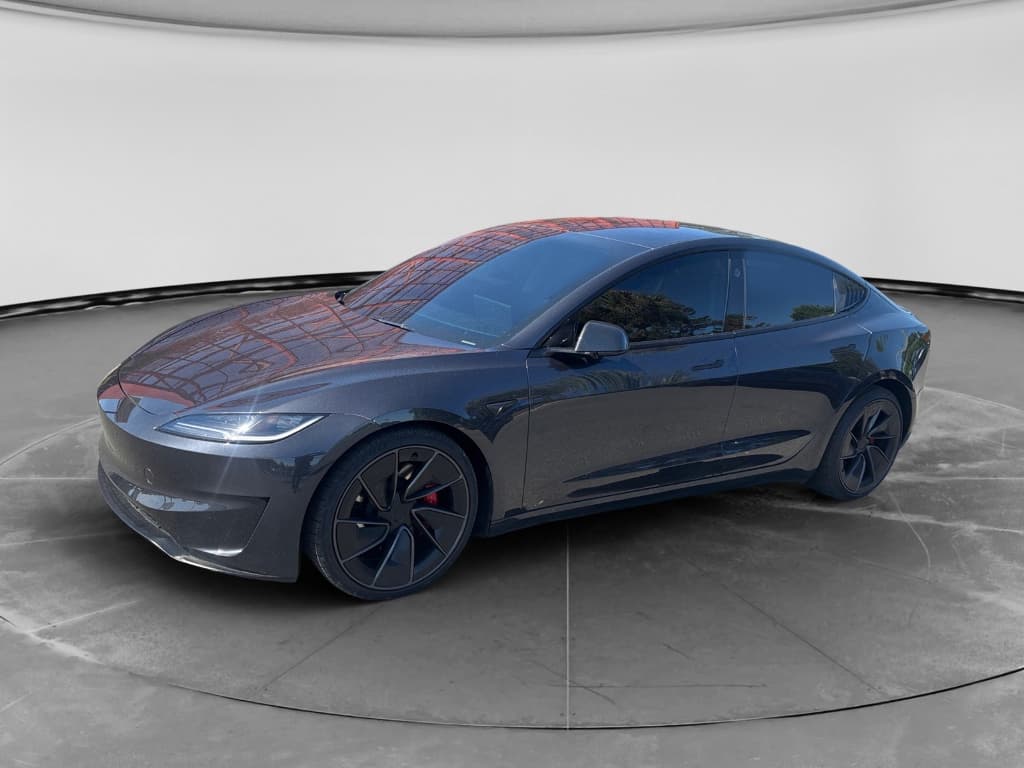
Early cars (2017–2020) were notorious for panel gaps, wind noise and trim issues. The refreshed 2024–2025 “Highland” Model 3 improves refinement, but small rattles and seal issues still show up in owner feedback.
Don’t ignore regional differences
If you’re cross‑shopping against a Lexus IS or a Honda Accord Hybrid, the Model 3 will usually be less fuss‑free on small issues, but cheaper to run over 5–10 years once you count fuel and basic maintenance. Versus other EVs, it’s competitive: not the absolute best for squeak‑free ownership, but one of the strongest for long‑term efficiency and range stability.
Common Tesla Model 3 problems by model year
Not every Model 3 has problems, but certain years and build periods have recognizable patterns. If you’re shopping used in 2026, it pays to know what each generation tends to do wrong, and what Tesla has quietly improved over time.
Tesla Model 3 common issues by model year
Patterns you’ll see in inspections, owner forums and service records.
| Model years | What tends to go wrong | How serious is it? | What to look for on a test drive |
|---|---|---|---|
| 2017–2019 (early build) | Paint quality, panel alignment, wind noise, door/window seal leaks, MCU reboots | Annoying more than dangerous; water leaks can cause corrosion or electronics issues | Inspect paint and panel gaps in good light, listen for wind noise at highway speed, test all windows/doors and touchscreen responsiveness |
| 2020–2021 | Suspension clunks, premature control arm wear, occasional HVAC problems, yellowing headlight lenses in harsh climates | Can lead to expensive suspension jobs if ignored; HVAC faults can mean costly parts | Drive over small bumps at low speed listening for knocks; check tire wear patterns; verify strong A/C and heat performance |
| 2022–early 2023 | More software complaints (phantom braking, Autopilot quirks), steering‑assist warnings, some charging‑port and camera condensation issues | Mostly software; steering or charging faults can be safety‑critical if they persist | Test driver‑assist on a familiar road; check for warning messages; inspect cameras and charge port for fogging or moisture |
| Late 2023–2025 (Highland refresh) | Trim buzzes, headliner/door rattles, ambient lighting glitches, intermittent camera/computer faults requiring service visits or OTA fixes | Usually nuisance issues, but repeated service visits can be frustrating | Drive on rough pavement with audio off to listen for rattles; cycle cameras and try Summon/driver‑assist; confirm recent software is installed |
| Any year with high miles | Worn suspension links, leaking shocks, warped brake rotors (if regen not used much), door handle wear, frunk/charge‑port struts | Normal wear items on a heavy, quick car; parts are pricier than on an economy sedan | Check for wandering on the highway, listen for suspension noise, test brake feel at high speed, open/close all handles and trunks multiple times |
Use this as a starting point; an individual car’s history matters more than its model year label.
Steering loss investigations
Battery life, range loss and motor longevity
This is where the Model 3 earns its keep. Despite scary‑sounding anecdotes online, the average Model 3 battery has aged gracefully so far, and outright pack failures remain rare compared with the number of cars on the road.
- Fleet data and owner reports suggest many Model 3 packs retain around 85% of original capacity at roughly 200,000 miles, assuming reasonable charging habits.
- Most owners see the biggest range drop in the first 1–2 years, then a very slow decline.
- Permanent, rapid range loss, like double‑digit percentage drops in a few months, is unusual and can signal a defective module or thermal‑management problem.
- Drive units (motors and inverters) are generally robust; failures happen, but they’re not a routine expectation like a transmission on an old gas car.
Understanding Tesla’s Model 3 battery warranty
By 2026, many 2017–2018 cars have timed out of their 8‑year window, even if they haven’t hit the mileage limit. That doesn’t mean the battery is a ticking time bomb, it just means you, not Tesla, are on the hook if the rare big failure happens.
Good battery health signs
- Displayed 100% range is still within ~10–15% of original EPA rated range for that trim.
- Car charges consistently without sudden drops in charge rate.
- No warnings about battery, charging system or thermal management.
- Supercharging history isn’t extreme (not every single charge).
Red flags to investigate
- Range at 100% has plummeted by 15–20% or more in a short period.
- Car frequently limits power or charging speed, even in mild weather.
- Repeated high‑voltage battery or drive unit warnings in the service history.
- Visible damage or scrapes on the battery pack underside from road impacts.
How Recharged handles battery health
Repairs, maintenance and warranty coverage
The Model 3 can be very cheap to run day‑to‑day, but that doesn’t mean big repairs are cheap if you’re unlucky. Going in with eyes open makes it easier to budget, and negotiate, on a used car.
Where your money actually goes
Owning a Tesla Model 3 in 2026
Routine maintenance
No oil changes, no timing belt, no spark plugs. You’re mainly paying for cabin filters, brake fluid every few years, tire rotations and occasionally wiper blades.
Tires & alignment
The Model 3 is heavy and quick. Owners often see shorter tire life than on a modest gas sedan, especially on 19–20 inch wheels or with aggressive driving.
Out‑of‑warranty repairs
Suspension arms, control modules, onboard chargers and infotainment hardware can be pricey. Tesla part prices are closer to German luxury brands than to mainstream sedans.
Tesla Model 3 typical U.S. warranty coverage
Exact terms vary by build date and trim, always confirm with Tesla for a specific VIN.
| Coverage type | Typical length | What it covers | What it doesn’t cover |
|---|---|---|---|
| New Vehicle Limited Warranty | 4 years / 50,000 miles | Most defects in materials or workmanship: electronics, interior, many hardware items | Wear items (tires, brake pads) and damage; doesn’t cover abuse or accidents |
| Battery & Drive Unit Warranty (RWD) | 8 years / 100,000 miles, min. 70% capacity | High‑voltage battery pack and drive unit on standard/rear‑drive trims | Cosmetic issues, 12V battery, regular wear and tear; any damage from impacts or unauthorized repairs |
| Battery & Drive Unit Warranty (Long Range/Performance) | 8 years / 120,000 miles, min. 70% capacity | High‑voltage battery pack and drive unit on higher‑trim cars | Same exclusions as above |
| Body Rust Warranty | 12 years / unlimited miles (perforation only) | Rust‑through of body panels from the inside out | Surface rust, chips from rocks, cosmetic corrosion |
By 2026, many early Model 3s are out of basic warranty but still within (or just beyond) their battery and drive unit coverage.
Mind the gap after factory coverage ends
Some owners choose third‑party extended warranties once the factory coverage runs out, while others self‑insure by setting aside a repair fund. Either way, assume that a car with no remaining battery/drive‑unit warranty needs sharper inspection and more negotiation room.
Reliability tips when buying a used Model 3
Shopping used is where all of this reliability talk gets real. Two cars from the same year can behave very differently depending on climate, charging habits and how picky their first owner was about chasing down small problems.
Used Tesla Model 3 reliability checklist
1. Start with the battery and range
Compare the car’s displayed 100% charge range to the original EPA rating for that trim. A healthy used Model 3 usually sits within 10–15% of that number. If it’s far lower, ask for service records or a third‑party battery health report.
2. Scan for warning lights and error history
On the test drive, watch for any alerts about the battery, steering, stability control, Autopilot, or charging system. Ask the seller for screenshots or records of past warnings and how they were resolved.
3. Listen for rattles and suspension noise
Drive on a rough road with the stereo off. Clunks over small bumps can indicate worn control arms or links. Persistent buzzing in the dash, roof or doors may not be dangerous, but it tells you how carefully the car was built, or cared for.
4. Inspect glass, cameras and lights
Check for moisture or condensation inside cameras, headlights and taillights. Confirm that all cameras provide a clear image; fuzzy or dark views can hint at future reliability issues with driver‑assist systems.
5. Review the charging history and habits
Frequent high‑power DC fast charging isn’t automatically bad, but ask how often the owner supercharged vs. charged at home, and whether they regularly charged to 100% or lived between 10–90%.
6. Pull a detailed condition and battery report
A generic Carfax isn’t enough for an EV. At Recharged, every Model 3 gets a <strong>Recharged Score</strong> that combines accident history, battery diagnostics, tire/brake measurements and a road test, so you’re not gambling on a glossy listing.
Why many used Model 3s are smart buys
When reliability red flags mean you should walk away
Every used car has quirks, but certain Model 3 problems in 2026 are big enough that you’re better off walking away and finding another example. There are plenty out there.
- Active steering, braking or stability‑control warnings that the seller can’t document being fully repaired by Tesla.
- Evidence of repeated high‑voltage battery or drive‑unit faults, especially if the car is now out of battery warranty.
- Severe range loss, think 25–30% below original range, with no clear explanation or repair attempt.
- Significant structural accident damage in the front or rear, particularly near the battery pack or motor mounts.
- Multiple body‑shop repairs on the same corner of the car, which can lead to alignment and suspension headaches for years.
- An owner or dealer unwilling to let you get a pre‑purchase inspection from a qualified EV specialist.
Don’t try to “save” a problem car
FAQ: Tesla Model 3 reliability in 2026
Frequently asked questions
The Tesla Model 3 isn’t a mythical, maintenance‑free spaceship, and it isn’t the fragile horror you might imagine from the loudest forum threads either. In 2026, it’s a maturing EV with a strong record for battery and motor durability, a mixed record on build quality and software quirks, and running costs that can undercut gas cars by a wide margin.
If you approach it like a smart used‑car shopper, dig into service history, scrutinize battery health, and walk away from cars with serious warning signs, the Model 3 can be a trustworthy companion for years to come. And if you’d rather not do the detective work alone, browsing Model 3 listings on Recharged gives you a head start with verified battery diagnostics, fair pricing data and EV‑focused support from first click to delivery.