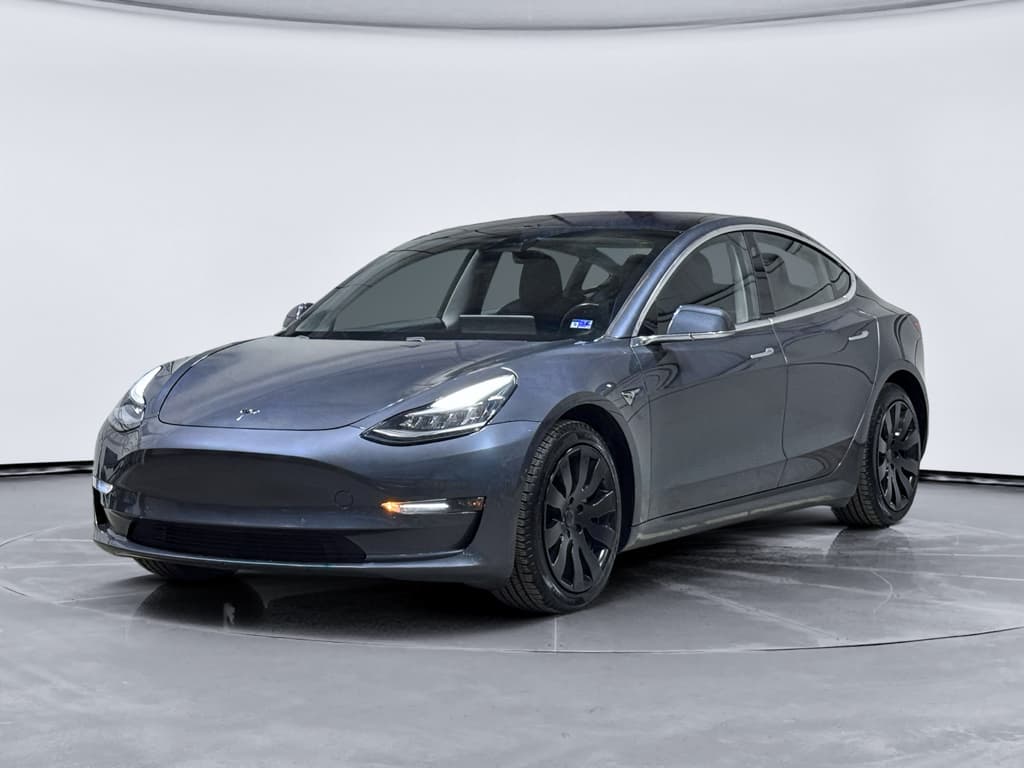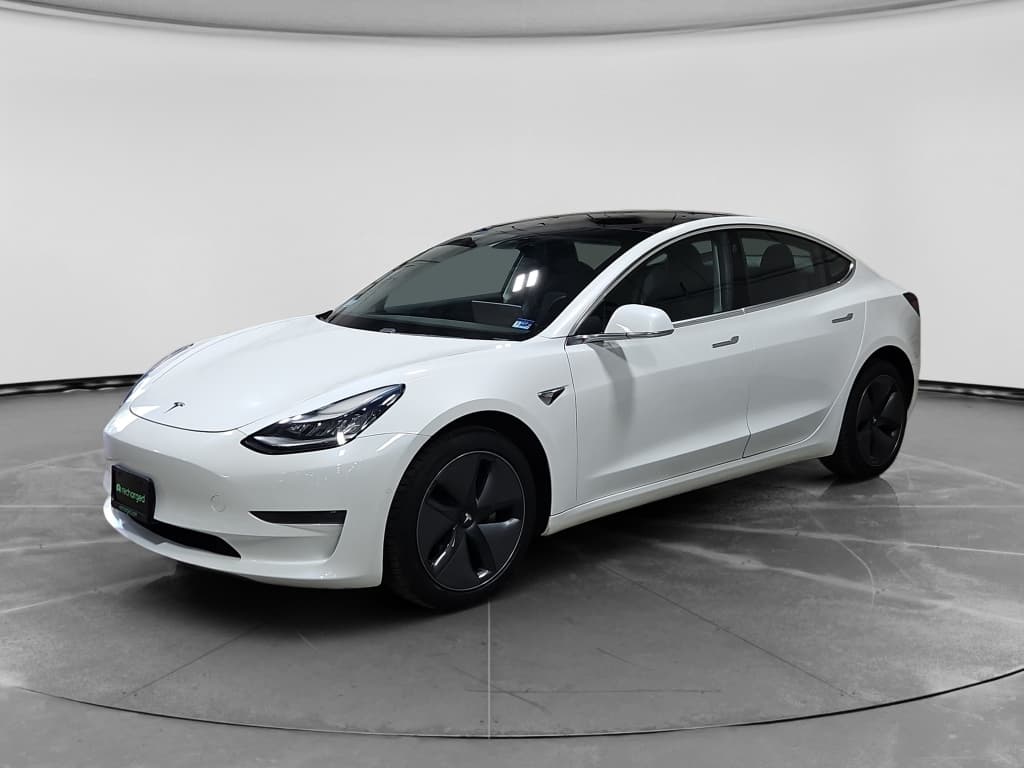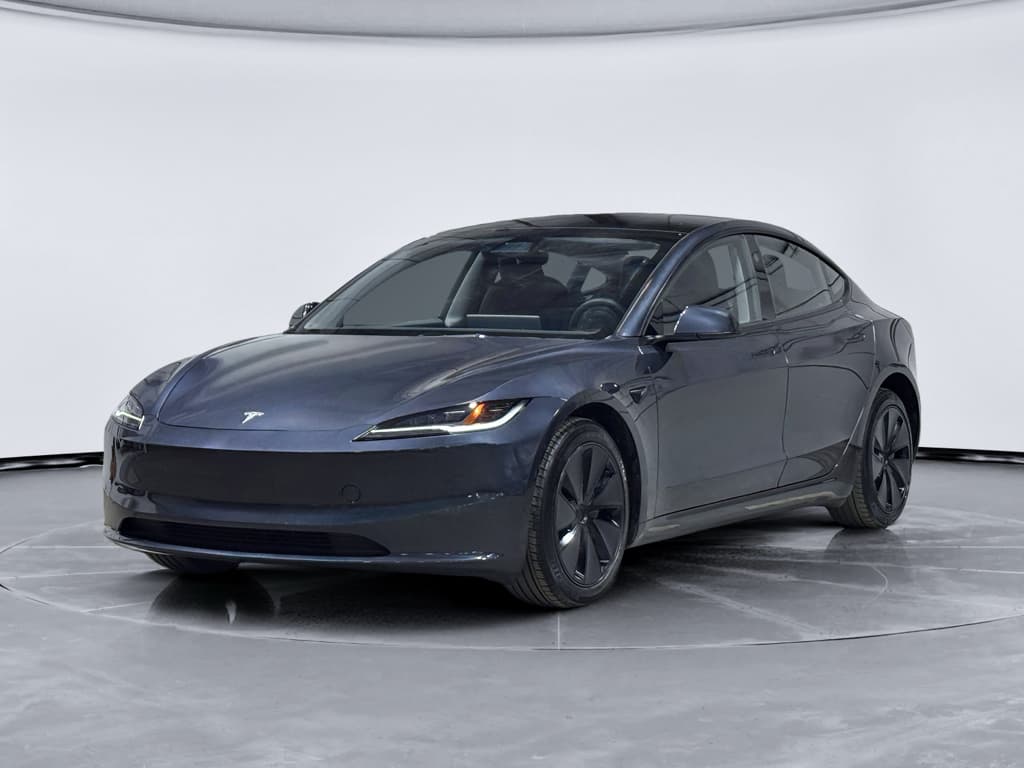
If you’ve spent any time doom‑scrolling car news, you’ve seen the headlines: Tesla tops recall charts, millions of vehicles affected, government regulators circling. When you drill down into the *Tesla Model 3 recalls list*, though, the story is less apocalyptic and more nuanced, especially for used‑car shoppers trying to decide if this compact EV is still a smart bet.
First thing to know
Why Tesla Model 3 recalls matter, especially if you’re buying used
The Tesla Model 3 has been on U.S. roads since 2017. In that time it has racked up multiple NHTSA safety recalls, some serious (rearview camera wiring, power windows that could pinch), some almost comically minor (warning light font size). For a current owner, recalls are about safety. For a **used‑Model 3 shopper**, they’re also about confidence: was the car cared for, updated, and brought up to current standards?
- Safety fixes: Recalls exist because regulators or Tesla found a defect that could raise crash risk or injure someone.
- Regulatory compliance: Open recalls can prevent registration renewals in some states and can complicate insurance or resale.
- Shopping leverage: A clean recall history, everything done and documented, is a quiet green flag when you’re comparing used EVs.
Don’t assume “software only” means “no big deal”
How Tesla recalls work: over‑the‑air vs service visits
Over‑the‑air (OTA) recall fixes
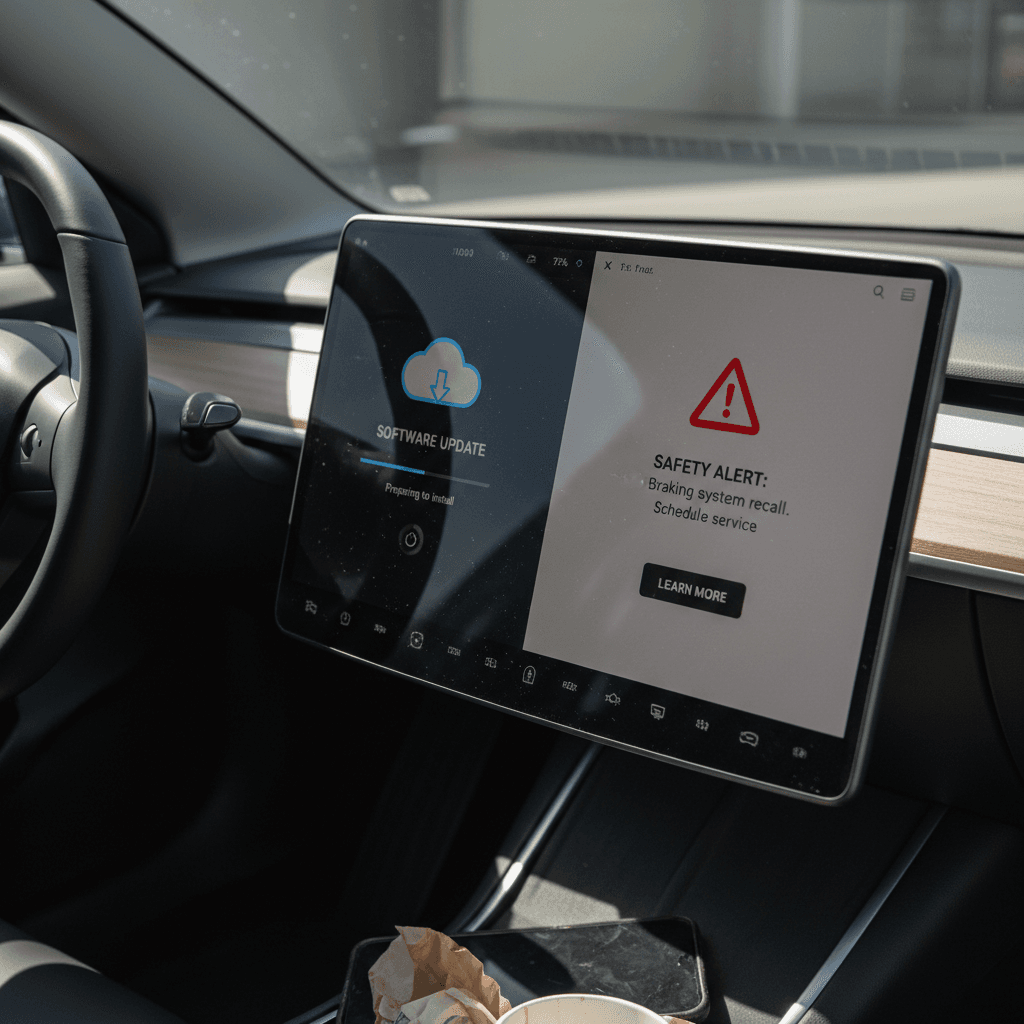
Tesla can push an update to your Model 3 the way your phone gets a new OS. For many recalls, the car simply downloads the update over Wi‑Fi or cellular, then asks you to schedule installation.
- Examples: Window pinch protection logic, Autopilot behavior, warning chimes, gauge‑cluster font size.
- Owner effort: Minimal. You approve and schedule the update; the car does the rest.
- Paper trail: The recall shows as completed in Tesla’s system once the update is installed.
Service‑center (hardware) recall fixes
Some recalls need parts, tools, or inspections. That means you (or the previous owner) had to visit a Tesla Service Center or an approved body shop.
- Examples: Trunk harness wear that can kill the rearview camera, suspension hardware inspections, certain seat‑belt or steering components.
- Owner effort: You book an appointment in the app; Tesla does the work free of charge.
- Used‑car risk: If a prior owner ignored the notice, the recall may still be open.
Quick read on recall anxiety
Tesla Model 3 major recalls list & timeline
There isn’t a single tidy “Tesla Model 3 recalls list” on Tesla’s website, but NHTSA’s database and owner reports paint a clear picture. Below are the most significant campaigns that Model 3 owners are likely to encounter or see on a vehicle history report. This isn’t every tiny label or compliance recall, it’s the greatest‑hits album.
Tesla’s recall footprint in context
Top OTA software recalls affecting Model 3
Big software‑based recalls that hit Model 3
These campaigns affected millions of Teslas at once, including many Model 3s.
Cluster warning font size (2024)
Campaign example: NHTSA 24V051000 (multi‑model).
Issue: Certain warning lights on the gauge cluster used a font size regulators deemed too small, potentially making them harder to see.
Fix: OTA software update increased font size and clarified symbols.
Why it matters: On paper it sounds trivial, but warning visibility is a formal safety requirement.
Autopilot misuse risk (2023)
Campaign example: NHTSA 23V838000 (multi‑model).
Issue: Regulators argued that Autopilot’s design let drivers misuse the system or become inattentive, potentially leading to crashes.
Fix: OTA update that tightened driver‑monitoring logic, changed how Autopilot engages, and added new warnings.
Why it matters: If you rely heavily on driver‑assist features, you want these updates in place.
Power windows pinch protection (2022)
Campaign example: NHTSA 22V702000.
Issue: Power windows might not react correctly when detecting an obstruction while closing, increasing the risk of pinching fingers.
Fix: OTA update that recalibrated window behavior and anti‑pinch logic.
Why it matters: Low‑speed injury risk to hands and kids’ fingers, even though the fix is just software.
Seat‑belt reminder chime (2022)
Campaign example: NHTSA 22V045000.
Issue: The audible seat‑belt reminder could fail to sound under certain conditions, not meeting safety standards.
Fix: OTA update correcting when and how the chime activates.
Why it matters: It’s one of those seemingly small features that saves lives over millions of miles.
Hardware‑focused Model 3 recalls you should know about
Hardware recalls are where used‑car due diligence really matters. Software will usually auto‑install sooner or later; physical repairs only happen if someone takes the car in. Here are the marquee campaigns Model 3 shoppers should be aware of.
High‑impact hardware recalls on Tesla Model 3
These required inspections or parts, not just code.
Rearview camera wiring (2017–2020)
Approx. date: December 2021.
Issue: On Model 3 sedans from roughly 2017–2020, repeated opening and closing of the trunk could damage the wiring harness feeding the rearview camera. Eventually, the camera view might fail.
Risk: Loss of rear visibility while backing up, especially dangerous in tight spaces or around children.
Fix: Service visit to inspect and, if needed, repair or replace the harness and add better strain relief.
Tail‑lamp illumination (multi‑year)
Approx. date: Late 2022.
Issue: Rear tail lamps on some cars could intermittently fail to light properly, reducing visibility to drivers behind you.
Risk: Increased risk of being rear‑ended, especially at night or in bad weather.
Fix: OTA software changes for some VINs; on others Tesla inspected and repaired affected components.
Steering & suspension inspections
Approx. period: Various campaigns from early Model 3 years onward.
Issue: Isolated recalls and service bulletins covered steering and suspension components, ball joints, control arms, or fasteners that may loosen or wear prematurely in certain use conditions.
Risk: Unusual noises, poor alignment, or, in worst‑case scenarios, degraded steering feel or control if ignored.
Fix: Torque checks, part replacement, and alignment where required.
Seat‑belt & restraint hardware
Approx. period: Selected VIN ranges, mostly early‑build Model 3s.
Issue: In certain cars, seat‑belt or anchor hardware needed inspection to confirm it was torqued and attached according to spec.
Risk: In a severe crash, an improperly fastened restraint system could increase injury risk.
Fix: Service‑center inspection and replacement or re‑torque of components where necessary.
Quick reference: key Tesla Model 3 recalls at a glance
Selected Tesla Model 3 recalls summary
A simplified guide to some of the most visible Model 3 recalls. Always confirm exact applicability to a specific car using its VIN.
| Approx. year | Issue | Type of fix | Owner impact |
|---|---|---|---|
| 2024 | Warning‑light font size too small on gauge cluster | OTA software update | Short download & install; no service visit. |
| 2023 | Autopilot behavior could enable misuse | OTA software update | Changes to how and when Autopilot can be used; stricter driver‑monitoring. |
| 2022 | Power windows may not detect obstructions properly | OTA software update | Prevents pinch injuries; quick install at home. |
| 2022 | Seat‑belt reminder chime may not always sound | OTA software update | Restores audible reminders when belts aren’t buckled. |
| 2021 | Rearview camera wiring harness wear from trunk use | Service inspection/repair | Requires service visit; ensures reliable camera view. |
| Various years | Tail lamps may not illuminate consistently | OTA and/or service, depending on VIN | Reduces rear‑end risk; may require in‑person diagnosis. |
| Various years | Steering, suspension, or restraint hardware inspections | Service inspection/re‑torque or parts swap | Peace‑of‑mind check; especially relevant for high‑mileage cars. |
Not every recall appears here, and details can vary by model year and production batch. Use this as a conversation starter, not the final word, when shopping used.
Critical reminder for buyers
How to check any Tesla Model 3 for open recalls
You don’t need to be an engineer, or a lawyer, to make sense of Tesla Model 3 recalls. You just need the car’s VIN and a couple of free tools. Here’s a simple process you can use whether you’re shopping privately, at a dealer lot, or on a marketplace like Recharged.
Step‑by‑step: checking a Model 3 for recalls
1. Grab the VIN
On a Tesla Model 3, you’ll usually find the VIN on the lower left corner of the windshield, on the driver’s door jamb label, and in the touchscreen under <strong>Controls → Software</strong>. If you’re shopping online, ask the seller to share a clear photo of the VIN label.
2. Run it through NHTSA
Go to NHTSA’s official recall lookup and enter the VIN. You’ll see any <strong>open safety recalls</strong> that still need to be addressed. Closed recalls (already performed) typically won’t appear there.
3. Cross‑check in the Tesla app (if you own it)
If you already own the car or have access through your Tesla account, the app and the car’s Service screen will highlight open recalls and recommended service. It’s worth taking a screenshot for your records.
4. Ask for service history
Request documentation showing when recall work or major campaigns were completed. Tesla service invoices, in‑app screenshots, or a PDF service history are all fair game. For a used car, a seller who has nothing to show you is a yellow flag.
5. Verify software is up to date
On the central screen, check that the car is running current or near‑current software. A Model 3 that hasn’t taken updates in years may still be driving around with unfixed software‑based recalls.
6. If you’re unsure, have it inspected
For higher‑mileage cars, or ones with spotty records, a third‑party EV specialist can inspect suspension, steering, and brakes. At Recharged, this type of inspection is baked into our intake process, alongside a full battery‑health test.
What Recharged does for you
Do recalls hurt used Tesla Model 3 value?
In the abstract, “this car has been recalled” sounds ominous, like the automotive equivalent of a food‑safety scare. On the ground, the used‑car market behaves differently, especially with Teslas, where recalls often arrive as software notifications.
When recalls barely move the needle
- OTA‑only fixes: If a recall was corrected via an over‑the‑air update years ago, the market has largely forgotten it. It won’t meaningfully discount a well‑kept Model 3.
- Compliance recalls: Things like label font size or minor warning logic are important for regulators, but buyers rarely fixate on them.
- Wide but shallow campaigns: Big headline numbers often hide issues that were quickly and quietly resolved across the fleet.
When recalls should give you pause
- Open hardware recalls: A seller ignoring free safety work is probably ignoring maintenance, too.
- Pattern of neglect: Outdated software, worn tires, and unresolved recall notices together suggest a rough life.
- Crash plus recall issues: A car that’s both been heavily repaired and still has safety work outstanding is a tougher value proposition.
Use recalls as a negotiation tool, not a panic button
How Recharged vets Tesla Model 3s: beyond the recall list
Recalls are binary: open or closed. But a used EV’s story is more complicated than a checkbox on a government database. That’s why Recharged treats recall status as one line item in a much deeper inspection process for every Tesla Model 3 we sell.
Inside the Recharged Score for Tesla Model 3
What we look at before a Model 3 ever hits our site.
Battery & charging health
We run advanced diagnostics on pack health, DC‑fast‑charging history, and charging behavior. A car with every recall closed but a tired battery isn’t a good buy; we want both.
Mechanical & structural checks
Suspension, steering, brakes, and underbody are inspected for wear, corrosion, and evidence of poor repairs. If a recall touched these systems, we verify the work and the outcome.
History & software status
We review available service history, confirm software is up to date, and check for open safety campaigns. Any remaining items are addressed before the car goes to its next owner.
Ready to find your next EV?
Browse VehiclesWhy this matters for Model 3
FAQ: Tesla Model 3 recalls & safety
Frequently asked questions about Tesla Model 3 recalls
The bottom line on the Tesla Model 3 recalls list
Viewed from 30,000 feet, the Tesla Model 3 lives under a storm cloud of recall headlines. Viewed from the driver’s seat, the reality is more pragmatic: most big campaigns are software tweaks your car digests overnight, and the handful of serious hardware issues are well‑understood and fixable. The smart move, especially in the used market, is not to fear the *Tesla Model 3 recalls list*, but to use it.
Armed with a VIN, a few minutes on NHTSA’s site, and a willingness to ask sellers for documentation, you can separate neglected cars from well‑cared‑for ones. And if you’d rather have someone else do the forensic work, Recharged’s combination of battery‑health diagnostics, recall checks, and pricing transparency is designed to make buying a used Model 3 feel a lot less like a gamble and a lot more like a very modern kind of safety net.