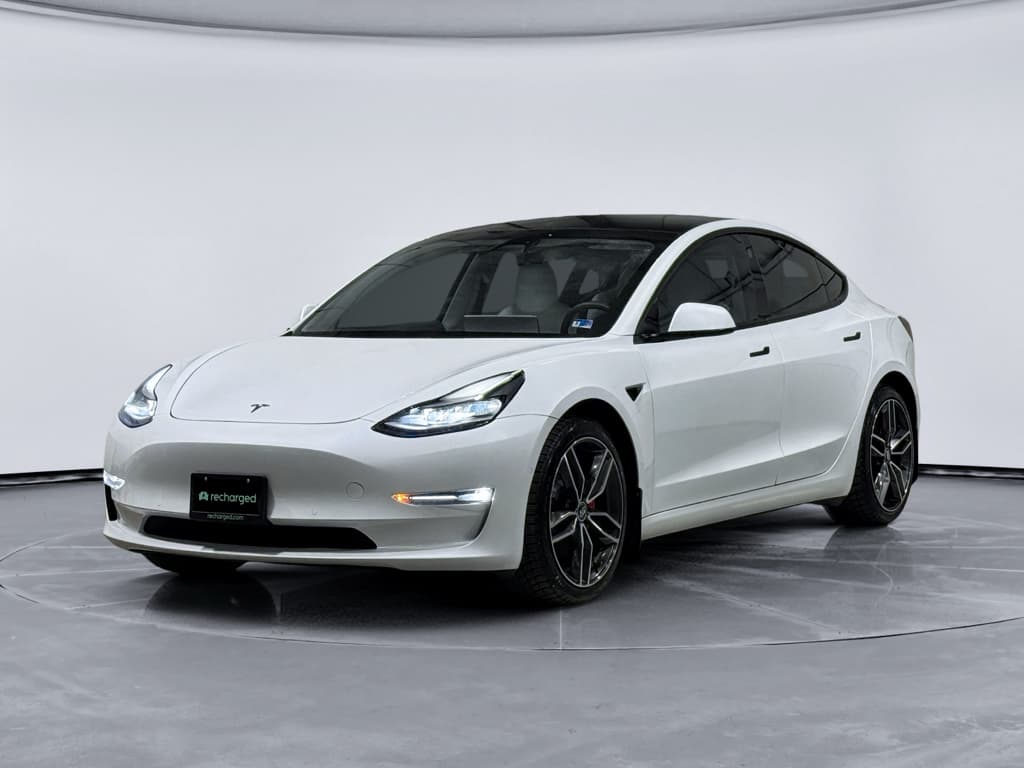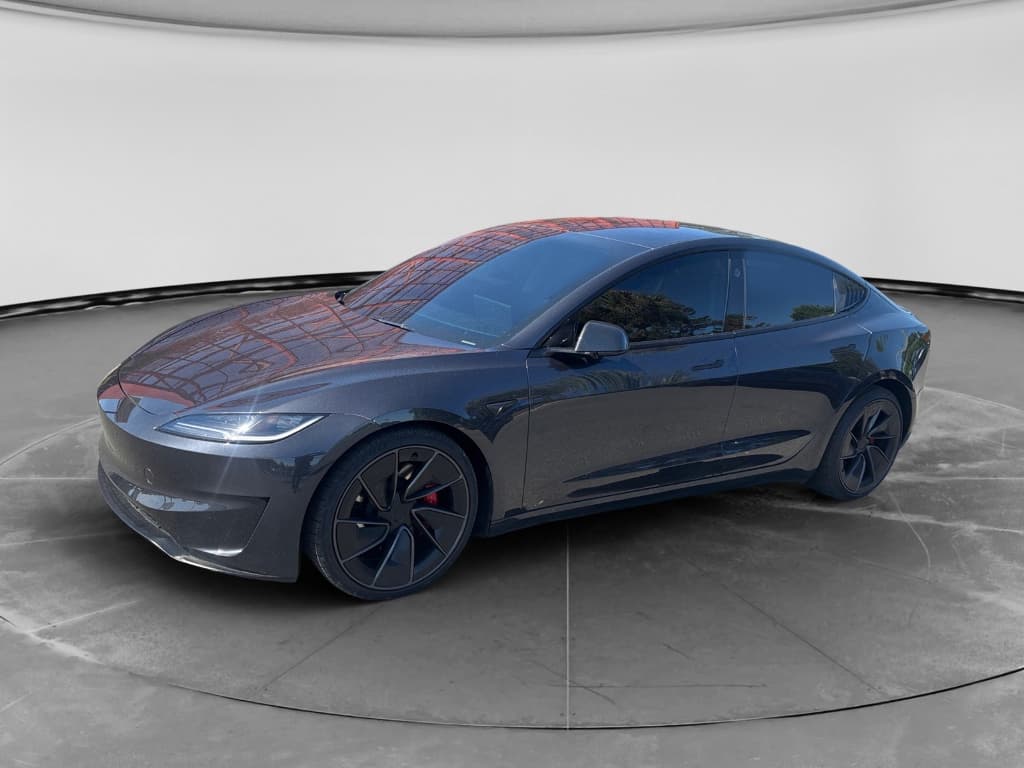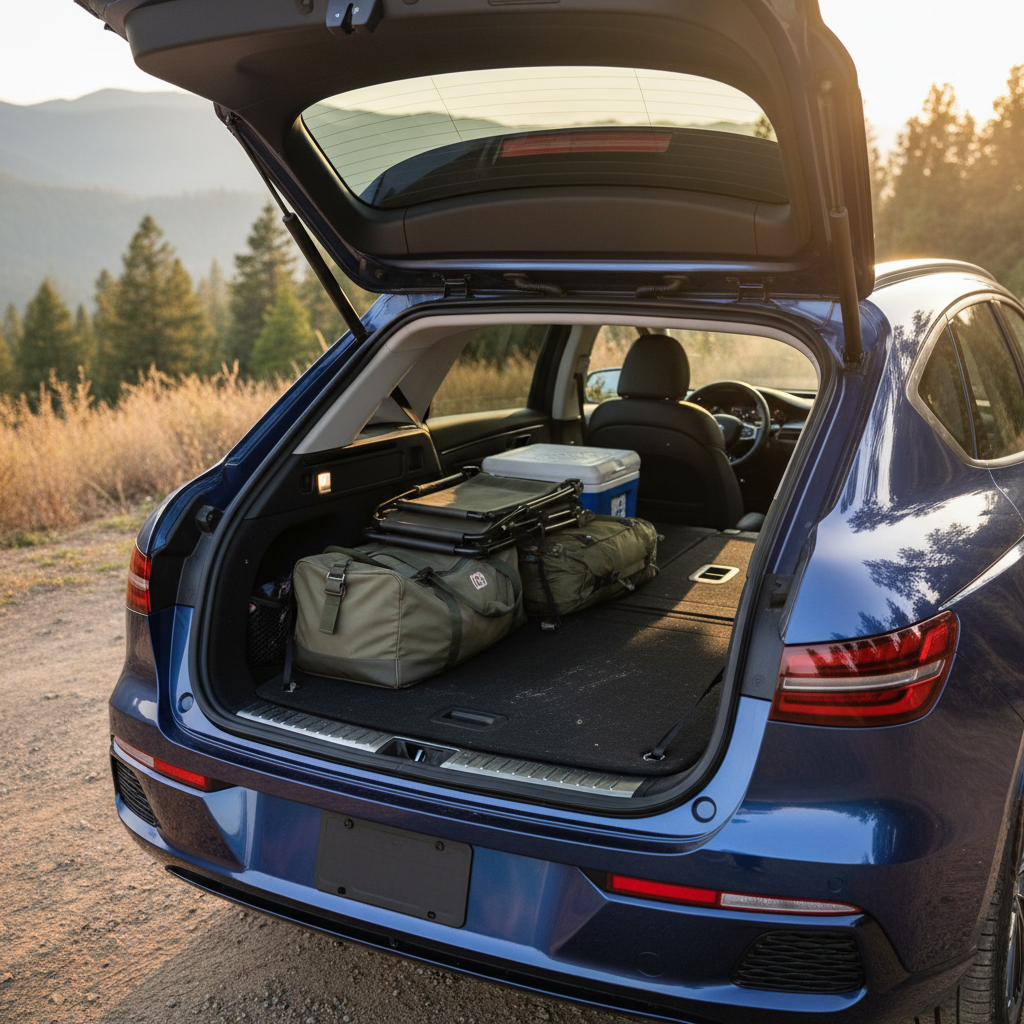
If you’re shopping for a Tesla Model 3, you’ve probably noticed impressive EPA range numbers on window stickers. But what you really care about is real-world highway range at 70–75 mph, with climate control on and luggage in the back. That’s the number that decides whether a 300-mile road trip feels relaxing or stressful.
Quick takeaway
Why real-world highway range matters more than EPA numbers
EPA ratings are useful for comparing EVs, but they blend city and highway driving and assume gentler acceleration than most U.S. interstate traffic. At 70–75 mph, aerodynamic drag dominates, and your Tesla Model 3 real-world range on the highway can end up 10–25% lower than the sticker suggests. That gap is normal, but you should understand it before you buy, especially if you’re considering a used Model 3.
Tesla Model 3 range: lab vs. highway reality
Don’t plan down to the last mile
Tesla Model 3 trims and batteries: quick overview
Highway range depends heavily on which Model 3 you’re driving. Tesla has changed the lineup over the years, but if you’re shopping the 2018–2026 Model 3 market in the U.S., you’ll mostly see four flavors:
Core Tesla Model 3 variants and their role
Understanding trims helps you set realistic highway range expectations.
Standard / RWD (incl. 2024+ Highland "Standard")
Single‑motor rear‑wheel drive with a smaller pack (around mid‑50s to low‑60s kWh usable depending on year and chemistry). Often labeled Standard Range, Rear‑Wheel Drive, or simply Model 3 in listings.
Best if you mostly commute and take occasional shorter road trips.
Long Range AWD
Dual‑motor all‑wheel drive with a larger pack (around 78–80 kWh usable on recent cars). This is the sweet spot for frequent highway driving.
Offers noticeably more real‑world highway range and faster Supercharging.
Performance
Dual‑motor with more power and stickier tires. EPA ratings are similar to Long Range but real highway efficiency is often slightly worse due to wheel/tire choices and aggressive driving styles.
LFP vs. NCA chemistries
Recent Standard/RWD models often use LFP batteries, which tolerate daily 100% charging but have slightly different cold‑weather behavior. Long Range and Performance versions typically use nickel‑based (NCA/NCM) packs.
Highland refresh note
Real-world highway range by Model 3 trim
Below is a synthesis of independent 70–75 mph tests, long‑term reviews, and owner reports. These are typical results on flat highways in mild conditions (around 70°F), starting near 100% and driving down close to empty. Your numbers will vary, but this gives a solid baseline when you compare Model 3s, especially used ones.
Approximate real-world 70–75 mph highway range by Model 3 trim
Typical continuous highway range from full to near‑empty in good conditions. Earlier model years and cold weather will reduce these figures.
| Model 3 variant & era | EPA combined rating (approx.) | Typical 70–75 mph highway range | Highway % of EPA (approx.) | Notes |
|---|---|---|---|---|
| 2018–2020 Standard Range / SR+ | 220–250 mi | 180–210 mi | ~80–85% | Smaller pack; early cars often show some degradation today. |
| 2021–2023 RWD / Standard | 262–272 mi | 200–230 mi | ~75–85% | Heat pump and aero tweaks improved efficiency a bit. |
| 2024–2026 Standard (Highland) | ~272–279 mi | 210–240 mi | ~75–85% | LFP chemistry; owners report getting close to rated range in mild weather, less at high speeds or cold temps. |
| 2018–2020 Long Range AWD | 310–322 mi | 220–260 mi | ~70–80% | Early highway tests often found Teslas closer to 70–75% of EPA at 75 mph. |
| 2021–2023 Long Range AWD | 334–358 mi | 240–280 mi | ~70–80% | Bigger pack and efficiency tweaks, but still a noticeable gap at 75 mph. |
| 2024–2026 Long Range (Highland) | ~333–358 mi | 260–310 mi | ~75–85% | Recent 75‑mph tests have recorded ~310 miles, first Model 3 to exceed 300 miles at that speed. |
| Performance (all years) | 303–315 mi | 220–260 mi | ~70–80% | Larger wheels/tires and spirited driving tend to cut highway range vs. Long Range. |
Use these figures as planning baselines, not guarantees.
Simple rule of thumb
Why highway range is usually lower than EPA ratings
1. How the EPA test works
The EPA driving cycle is a blend of city and highway driving, with lower average speeds and more coasting than you’ll see on a typical American interstate. EVs often shine in city conditions thanks to regenerative braking and lower aero drag.
That means the EPA number is a mixed-use average, not a dedicated 75‑mph highway rating.
2. What independent tests do instead
Independent outlets run steady 70–75 mph loops until the battery is nearly exhausted. That isolates high‑speed efficiency. For earlier Model 3s, some tests found only about 70–75% of EPA range at that speed; newer Highland cars have improved to around 80–85%.
This gap is completely normal and affects almost every EV, not just Tesla.
Highway driving is an aero problem
9 factors that affect your Model 3’s highway range
Two Model 3s with the same EPA rating can behave very differently on the road depending on configuration, age, and conditions. When you’re looking at listings, or planning a trip, keep these range levers in mind.
Key variables that move your real-world highway range up or down
1. Speed (65 vs. 80 mph)
Speed is the biggest lever. Going from 65 to 75 mph can cost you 10–20% of your range. Push to 80 and you’ll often lose even more. If you’re tight on miles, driving 5 mph slower is one of the easiest ways to stretch a Model 3.
2. Temperature and HVAC use
Cold weather thickens battery chemistry and increases cabin heating demand. A winter road trip in the 20s°F can cost 20–40% vs. a mild‑weather drive. Heat also matters: blasting A/C at 100°F will nibble at your range, though usually less dramatically than cabin heat.
3. Wheels, tires, and tire pressure
Larger wheels and stickier performance tires look great but hurt efficiency. A Performance Model 3 on 20‑inch rubber will usually get fewer highway miles than a Long Range on smaller aero wheels. Under‑inflated tires quietly eat range too.
4. Elevation changes and headwinds
Long climbs and strong headwinds make the car work harder. You may see range predictions fall faster than miles tick by. Tailwinds or net downhill routes can do the opposite and pleasantly surprise you.
5. Payload and roof accessories
Extra passengers, cargo, and roof boxes/bike racks all add drag or weight. The Model 3 is efficient enough that these differences show up quickly, especially at higher speeds.
6. Battery state of charge window
You rarely drive from 100% to 0%. In practice you’ll live between ~10–80% for fast‑charging or 10–90% on road trips. That means your <strong>usable highway leg length is smaller</strong> than the raw full‑pack figure suggests.
7. Battery chemistry and age
Older nickel‑based packs may lose around 5–10% capacity in the first 100k miles, then level off. LFP packs handle daily 100% charging well but can feel a bit weaker in the cold. Either way, a high‑mileage used Model 3 won’t match day‑one specs exactly.
8. Driving style and climate settings
Smooth inputs, chill mode, and moderate climate settings all help. Frequent hard acceleration and constant lane‑changing might be fun but they chip away at your remaining miles, especially at 75 mph.
9. Software and efficiency updates
Tesla frequently tweaks software and, with the Highland refresh, hardware as well. A newer Model 3 Long Range may genuinely travel farther at 75 mph than a same‑rating older car because of improved tires, aero, and motor efficiency.
How highway range changes on a used Model 3
If you’re shopping used, highway range isn’t just about the spec sheet, it’s also about battery health and how the previous owner drove and charged the car. The good news: most Model 3 packs have held up reasonably well in real fleets, but there are still meaningful differences between cars.
Typical degradation patterns
- Early drop, then plateau: Many Teslas see a modest decline (often ~5–10%) in the first 50–100k miles, then flatten.
- Highway vs. city use: Lots of fast‑charging and high‑speed highway driving can be slightly harder on a pack than slow AC charging and mixed use.
- Software-limited range: Tesla sometimes adjusts displayed range with software updates and BMS calibrations, which can change what you see on the screen even if the underlying pack hasn’t changed much.
What this means in miles
On a 2018–2020 Long Range Model 3, a healthy used example might realistically deliver 200–240 miles of continuous 70–75 mph highway range today instead of the ~230–260 miles it might have managed when new.
A similar‑age Standard Range car might provide closer to 160–190 highway miles per full charge, depending on climate and wheels.
How Recharged helps with real-world range
Ready to find your next EV?
Browse VehiclesPlanning real-world road trips in a Model 3
The Tesla Supercharger network makes the Model 3 one of the easiest EVs to road‑trip in, but the experience still hinges on understanding your real‑world highway range and planning conservative legs. Here’s how to do it without turning every drive into a science project.
Practical strategies for highway range and charging
Use these to turn EPA numbers into realistic trip plans.
1. Plan at 75% of EPA
Start by taking the specific car’s EPA rating and multiplying by 0.75. For a Highland Long Range rated around 340–360 miles, plan legs around 250–270 miles. For a 272‑mile Standard, aim for 200 miles or less between charges.
2. Use Tesla’s trip planner, but sanity-check it
The built‑in navigation and Tesla app are good at routing through Superchargers and estimating arrival state of charge. But if you see the car suggesting single‑digit arrivals in winter or across mountains, shorten the leg or add a mid‑way stop.
3. Adjust for weather and terrain
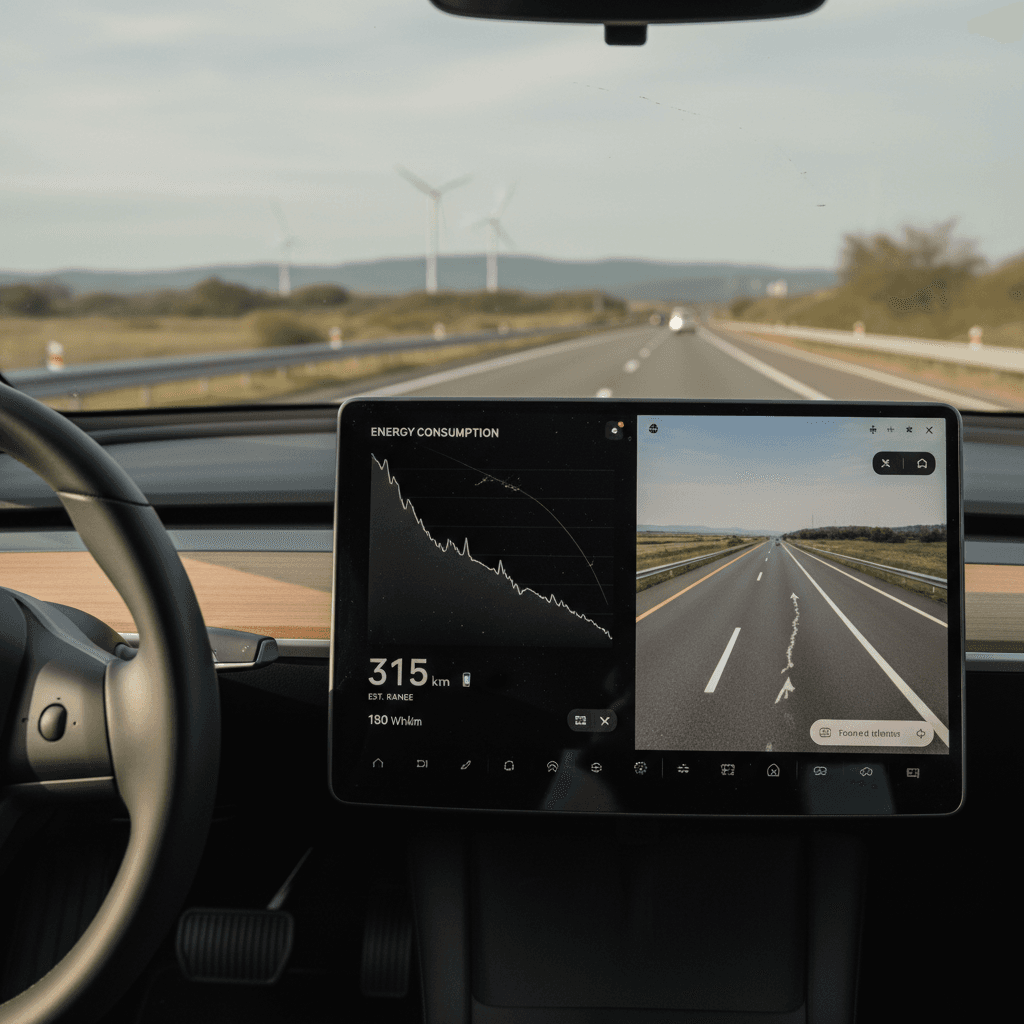
On hot or cold days, or in hilly areas, knock off another 10–20% from your expectations. In extreme cold or strong headwinds, even more. Use the energy graph to monitor how reality compares to the prediction.
4. Drive at the efficiency sweet spot
If range is tight, consider dropping from 75–78 mph to 65–70 mph. In a Model 3, that single change can reclaim a surprising amount of range with almost no extra stress.
5. Precondition before fast-charging
Use the navigation to a Supercharger so the car can warm the pack on the way. You’ll reach higher DC fast‑charge speeds sooner, cutting your stop time and getting you back on the road faster.
6. Think in time, not just miles
Sometimes two shorter 15–20 minute stops are faster overall than one deep charge. The Model 3 charges quickest from roughly 10–50% or 10–60%, topping to 90–100% slows way down.
Don’t obsess over 100% charges
Checklist: how to evaluate Model 3 highway range before you buy
Whether you’re buying from a private seller, a dealer, or a marketplace like Recharged, you want to leave with a concrete sense of what that specific Tesla Model 3 will do at 70–75 mph. Use this checklist to go beyond the brochure.
Highway range evaluation checklist for a used Model 3
1. Look up the exact trim and EPA rating
Confirm whether the car is Standard/RWD, Long Range, or Performance, and note its official EPA combined range and wheel size. This is your starting point for the 75% rule of thumb.
2. Review battery health data
Ask for recent screenshots of the displayed full‑charge range, or, on Recharged, review the <strong>Recharged Score battery report</strong>. Compare that number to the original rating to estimate capacity loss and adjust expected highway range accordingly.
3. Check odometer and charging history
High mileage alone isn’t a deal‑breaker, but try to understand how the car was used. Lots of DC fast‑charging and ride‑share duty may mean a more stressed pack than a mostly‑home‑charged commuter car.
4. Inspect wheels and tires
Note wheel size, tire type, and tread depth. Big, performance‑oriented wheels or aggressive tires can easily shave 5–10% off highway range versus the most efficient factory setup.
5. Take a short highway test drive
If possible, do a 20–30 mile run at your typical highway speed with climate control on. Watch the <strong>Wh/mi</strong> or <strong>kWh/100 mi</strong> on the energy screen and compare to known efficiency benchmarks for that trim.
6. Use conservative planning numbers
Before you sign, run a couple of hypothetical trips in a planning app (or Tesla’s own trip planner) using <strong>75% of EPA</strong> and the car’s actual battery health. Make sure the result fits your lifestyle and travel patterns.
"Numbers on a window sticker sell cars, but real-world highway range is what sells people on EV ownership long term."
FAQ: Tesla Model 3 real-world highway range
Frequently asked questions about Model 3 highway range
The bottom line: a Tesla Model 3 is one of the most capable highway EVs you can buy, new or used, but its real-world range at 70–75 mph will almost always be lower than the EPA sticker. If you understand that gap, factor in battery health, and plan trips using conservative assumptions, the Model 3 becomes an easy, predictable long‑distance tool instead of a rolling experiment. And when you’re shopping used, relying on objective battery data, like the Recharged Score Report, turns range from a worry into just another spec you can compare with confidence.