Buy an EV

  • EVs for sale
  • Learn about EVs
  • Articles
  • Charging

Sell or trade

  • How it works

Financing

  • Get pre-qualified
  • Credit application

Contact us

  • Book a consultation
  • Call us at (804) 390-5910
  • Email us at hello@recharged.com
  • Visit our Experience Centers
    • Richmond, VA
    • Fairfax, VA
    • Charlotte, NC

© 2025 Recharged. All Rights Reserved.

7-Day Return Policy·Privacy Policy·SMS Opt-In·Do Not Sell or Share My Information·
TikTokYouTubeInstagramLinkedInFacebook
    Tesla Model 3 Price Forecast for 2026: New, Used & What to Expect
    Market Trends·10 min read·By Staff Writer

    Tesla Model 3 Price Forecast for 2026: New, Used & What to Expect

    tesla-model-3used-ev-pricestesla-depreciationev-market-trendsused-tesla-buyingbattery-healthev-incentivesprice-forecastrecharged-score

    Table of Contents

    • Why Tesla Model 3 prices are hard to pin down
    • Where new Tesla Model 3 pricing stands today
    • Used Tesla Model 3 prices entering 2026
    • Tesla Model 3 depreciation: the basics
    • Tesla Model 3 price forecast 2026 by year and trim
    • Key forces that will move Model 3 prices in 2026
    • How much should you pay for a Model 3 in 2026?
    • Three price forecast scenarios for 2026 and beyond
    • How to shop smart for a used Model 3
    • FAQ: Tesla Model 3 price forecast 2026
    • Bottom line: What 2026 looks like for Model 3 buyers

    If you’re trying to time the market on a Tesla sedan, you’re not alone. The Tesla Model 3 price forecast for 2026 matters to new‑EV shoppers, used‑car hunters and current owners who don’t want to be steamrolled by depreciation. After two years of rapid price cuts and volatile used‑EV values, 2026 is shaping up as a more “normal” year, but that doesn’t mean prices will stand still.

    Quick take

    New Model 3 stickers have stabilized in the low‑$40,000s, while many 2018–2021 cars are already trading in the high teens to mid‑$20,000s. For 2026, expect gentle further softening on older cars, firmer values on late‑model 2023–2025 sedans, and a widening price gap based on battery health and software options.

    Why Tesla Model 3 prices are hard to pin down

    When you look at traditional sedans, you get a reasonably predictable depreciation curve. The Model 3 breaks that pattern for three big reasons: Tesla’s habit of slashing new‑car prices, rapid EV tech changes, and unusually high volume in the used market. Those forces can knock thousands off resale values almost overnight.

    What makes Model 3 pricing so volatile?

    Three forces that keep 2026 shoppers guessing

    Fast price cuts

    Tesla has repeatedly cut new‑vehicle MSRPs and run aggressive inventory discounts. When a new Model 3 suddenly gets $4,000 cheaper, used prices have to follow.

    Tech moves quickly

    Battery chemistry, range, driver‑assist hardware and infotainment all improve quickly. Older cars look dated sooner, which steepens depreciation on certain years.

    Huge used supply

    The Model 3 is one of the most common EVs on U.S. roads. High off‑lease and trade‑in volume in 2025–2026 gives buyers choices and pressures prices down.

    Don’t treat 2020 data as gospel

    Used EV prices plunged in 2023–2024 as Tesla cut stickers and interest rates spiked. Those one‑off shocks distort historic charts. For 2026, you need to look at current asking prices, not just old depreciation tables.

    Where new Tesla Model 3 pricing stands today

    As of early 2026, U.S. new Tesla Model 3 pricing is hovering in the low‑to‑mid‑$40,000s for most trims, before destination fees and taxes. Tesla quietly adjusts stickers, but recent configuration data and window stickers show base prices around the low $40,000s for the rear‑wheel‑drive car and mid‑$40,000s to low $50,000s for Long Range and Performance variants.

    New Tesla Model 3 price snapshot (early 2026, U.S.)

    Low $40Ks
    RWD MSRP band
    Typical base sticker before destination, taxes and incentives.
    Mid–High $40Ks
    Long Range
    Most buyers land here once options are added.
    Low–Mid $50Ks
    Performance
    Higher‑spec Model 3s with performance hardware and wheels.

    Watch incentives, not just stickers

    Federal and state EV incentives can swing your effective new‑car cost by $4,000–$7,500, or zero, depending on your location and income. When those programs change, used‑car pricing usually reacts within a few months as demand shifts.

    Used Tesla Model 3 prices entering 2026

    Used‑EV pricing cooled through 2024 and into 2025 as high interest rates and aggressive new‑car discounts filtered through the market. By early 2026, the Model 3 has settled into clearer price bands by age and trim. Broadly speaking, you’ll see older, higher‑mileage cars under $20,000, mainstream 2019–2022 examples in the low‑to‑mid‑$20,000s, and late‑model 2023–2025 sedans clustered around the low‑$30,000s.

    Typical used Tesla Model 3 asking‑price bands (U.S., early 2026)

    These ranges assume clean titles and normal mileage; battery health, options and local incentives can easily move a car several thousand dollars either way.

    Model yearTypical trim mixMileage rangeTypical retail asking range*
    2017–2018Mostly Long Range/RWD60k–100k+$16,000–$21,000
    2019–2020RWD & Long Range45k–90k$19,000–$25,000
    2021RWD, Long Range, some Performance35k–70k$22,000–$28,000
    2022More Long Range & Performance25k–55k$24,000–$30,000
    2023 (pre‑refresh)Mix of trims15k–45k$26,000–$32,000
    2024–2025 (refresh/Highland)Newer styling & techUnder 30k$28,000–$34,000

    Use this as a starting point, then adjust for mileage, condition, battery health and tax credits in your state.

    About those ranges

    These are early‑2026 retail asking bands derived from dealer listings and market guides, not guaranteed transaction prices. A one‑owner, low‑mileage car with pristine battery health can still command a premium. A high‑mileage fleet car could fall well below the low end.

    Tesla Model 3 depreciation: the basics

    Depreciation is simply how much value your car loses over time. For the Model 3, the story is complicated. Early on, some EVs held value unusually well because supply was tight. Then Tesla flipped the script with heavy price cuts in 2023, and several independent studies now show the Model 3 among the faster‑depreciating EVs over a six‑year window, retaining roughly a quarter of its original value after that point.

    • Large price cuts on new cars instantly drag used values down.
    • EV tech moves faster than gas‑car tech, so older cars feel outdated sooner.
    • Battery health and warranty status can change a car’s value by thousands of dollars.
    • High used‑car supply, especially off‑lease Teslas, gives buyers leverage.

    Why some owners feel burned

    Owners who bought in 2021–early 2022 at peak prices, then watched Tesla slash stickers in 2023, sometimes saw paper losses of $15,000 or more in a year. If you’re buying in 2026, the worst of that reset is behind you, but you still need to buy with depreciation in mind.

    Tesla Model 3 price forecast 2026 by year and trim

    Forecasting used‑car prices is not an exact science, and anyone promising otherwise is selling you something. What we can do is start from where the market sits in early 2026, then apply realistic depreciation assumptions for the next 12–18 months. The table below lays out directional estimates for where retail asking prices are likely to land by late 2026 if interest rates slowly ease and new‑EV pricing remains relatively stable.

    Illustrative Tesla Model 3 price forecast for late 2026 (retail, U.S.)

    Assumes normal mileage growth, average condition, no major macro shocks and Tesla keeping new‑car MSRPs roughly flat.

    Model year in 2026Trim focusEarly‑2026 typical asksLate‑2026 forecast band
    2017–2018Long Range / RWD$16k–$21k$14k–$19k
    2019–2020RWD & Long Range$19k–$25k$17k–$23k
    2021RWD / Long Range / some Performance$22k–$28k$20k–$26k
    2022Long Range & Performance heavy$24k–$30k$22k–$28k
    2023 (pre‑refresh)Mix of all trims$26k–$32k$24k–$30k
    2024–2025 (refresh/Highland)Mostly RWD & Long Range$28k–$34k$26k–$32k

    Think of these numbers as lanes on the highway, not painted lines. Individual cars can be thousands higher or lower.

    How to use this forecast

    If a car you’re eyeing in late 2026 is priced above these bands, you should see a clear reason, very low miles, rare spec, exceptional battery health or added software value like Full Self‑Driving. If it’s below the range, dig into the battery, accident history and ownership story before you celebrate.
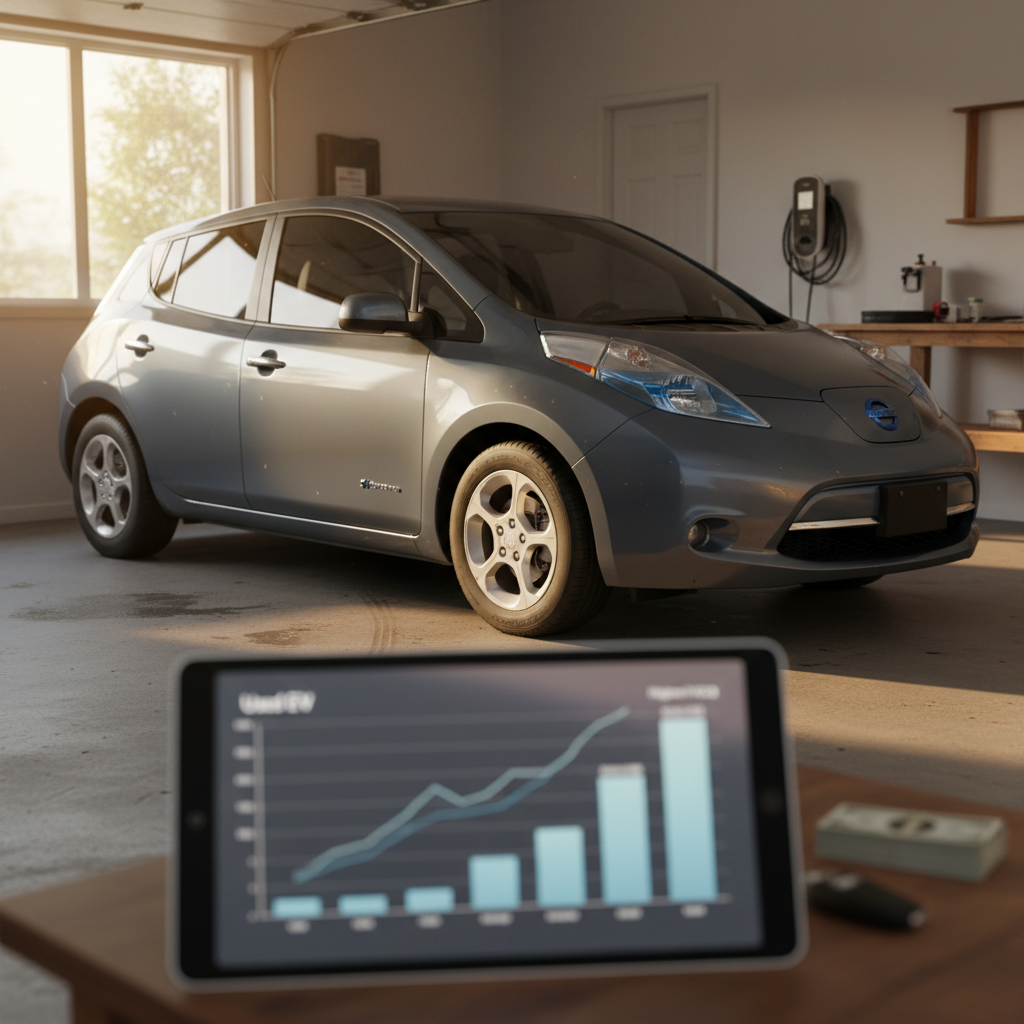
    Illustrated depreciation curve showing Tesla Model 3 values stepping down over eight years of ownership
    Model 3 values tend to fall fastest in the first three years, then step down more gradually as mileage and battery age climb.

    Key forces that will move Model 3 prices in 2026

    What will push Model 3 prices up or down in 2026?

    Four variables to watch as the market finds its footing

    Interest rates

    Higher borrowing costs shrink monthly budgets, which usually pressures used prices down. A gradual rate drop in 2026 would help stabilize or slightly lift demand.

    EV incentives

    Changes to federal or state EV credits shift demand between new and used. Losing a $4,000 used‑EV credit in your state, for example, can knock what buyers are willing to pay.

    Charging access

    As more non‑Tesla EVs tap into Superchargers, the Model 3’s charging advantage narrows slightly. That can help competing EVs, but the network still supports Tesla demand.

    Software & hardware updates

    Major tech updates, new driver‑assist hardware, range boosts, interior changes, tend to make pre‑update cars look cheaper. Smaller over‑the‑air upgrades support values.

    Battery health is the quiet price mover

    Two Model 3s with the same year and mileage can be thousands of dollars apart if one shows strong battery health and the other doesn’t. That’s why Recharged includes a Recharged Score battery‑health report with every car on our marketplace, so you can see beyond the odometer when you’re deciding what a specific car is worth.

    How much should you pay for a Model 3 in 2026?

    The right price depends on how you plan to use the car and how long you’ll keep it. But you can ballpark a fair target by backing into it from your budget, then benchmarking against real‑world listings and the forecast bands above.

    Set a realistic 2026 price target

    1. Start with your monthly payment comfort zone

    Decide what payment works within your budget at today’s interest rates. Then work backward using an auto‑loan calculator to estimate an all‑in price range (including taxes and fees).

    2. Pick the right age range

    If you want to minimize depreciation, a 2–4‑year‑old car is often the sweet spot. In 2026, that means targeting 2022–2024 Model 3s unless your budget pushes you older.

    3. Layer in mileage and battery health

    Low‑mileage cars with strong battery reports can justify landing near the top of the forecast ranges. High‑mileage or marginal health? You should be near the bottom, or walking away.

    4. Compare across markets, not just one listing

    Pull asking prices from a few sources: Tesla’s used inventory, major classifieds and EV‑focused marketplaces like Recharged. Outliers become obvious when you look at 10–20 cars, not just one.

    5. Factor in ownership costs, not just price

    Insurance, home charging installation, tires and interest all change the real cost difference between a $24,000 car and a $30,000 one. Sometimes the “cheaper” car isn’t cheaper over five years.

    A simple rule of thumb

    For many shoppers in late 2026, a clean 2022–2023 Long Range Model 3 in the low‑to‑mid‑$20,000s will hit the best balance of tech, remaining warranty and slower future depreciation, assuming the battery checks out.

    Three price forecast scenarios for 2026 and beyond

    Every forecast lives or dies on its assumptions. Instead of betting everything on one line, it’s smarter to think in scenarios. Here’s how Model 3 pricing could behave under three plausible 2026 paths.

    1. Base case (most likely)

    Interest rates ease slightly, EV incentives mostly hold, and Tesla keeps Model 3 MSRPs roughly flat with small tweaks. Used‑car supply remains healthy but not flooded.

    • Older (2017–2020) cars drift down another $1,000–$2,000.
    • 2021–2023 cars soften modestly but stay in the low‑to‑mid‑$20Ks.
    • 2024–2025 refresh cars hold value best, with only slight declines.

    2. Soft‑landing upside

    Rates fall faster than expected and consumer confidence improves. New‑EV discounts shrink, and more buyers move off the sidelines into used EVs.

    • Clean 2021+ cars with strong battery health firm up, with resale values flat or slightly higher by late 2026.
    • Cheaper, higher‑mileage 2017–2019 cars find a floor above $15,000.

    3. Downside pressure

    Recession risk, weaker incentives or another round of Tesla price cuts could push values down.

    • All model years take an extra 5–10% hit on top of normal depreciation.
    • High‑mileage or rough‑condition cars dip into the low‑teens.
    • Well‑priced, warrantied cars still sell, but only when priced aggressively.

    If you own a Model 3 today

    If you’re planning to sell or trade in a Model 3 in 2026, hedge your risk: keep mileage reasonable, stay on top of maintenance and know your payoff vs. market value well before you list. If the downside scenario starts to materialize, it can make sense to sell sooner rather than later.

    How to shop smart for a used Model 3

    Forecasts are helpful, but they don’t replace doing your homework on a specific car. A 2021 Model 3 with a hard‑driven fleet history and weak battery health is a very different asset than a one‑owner 2021 that’s spent its life in a mild climate and a garage.

    Four levers that can swing a Model 3’s price by $5,000–$10,000

    Focus your 2026 search on these variables, not just the year and trim badge

    1. Battery health & charging history

    A pack that’s lost more capacity than peers is a red flag. Look for third‑party battery‑health diagnostics or a Recharged Score style report that shows usable capacity, DC‑fast‑charging history and any fault codes.

    2. Mileage and use case

    High highway miles with regular maintenance can be less concerning than short‑trip city abuse with curb‑rash wheels and suspension wear. Check for signs of rideshare or delivery use.

    3. Warranty status and service records

    More remaining battery and drive‑unit warranty usually means higher value and slower future depreciation. Well‑documented service history also supports higher pricing.

    4. Software and options

    Paid features like Enhanced Autopilot or Full Self‑Driving add real money for some buyers, but not all. Don’t pay a big premium for software you won’t use.

    How Recharged can help you buy in 2026

    Battery‑forward inspections

    Every vehicle listed with Recharged includes a <strong>Recharged Score</strong> report that verifies battery health and charging behavior, helping you understand why one Model 3 is worth more than another.

    Transparent pricing vs. market

    Recharged leans on live market data, not gut feel, to benchmark fair asking prices. You see how a specific car stacks up against similar Model 3s nationwide.

    Financing built for EVs

    You can line up financing directly through Recharged, then compare total cost across different cars, not just the sticker, before you commit.

    Trade‑in and instant offers

    If you’re exiting another EV or gas car, Recharged can provide instant offers or consignment options, so you know where you stand before you go shopping for a Model 3.

    Nationwide delivery and support

    Found the right car across the country? Recharged can handle logistics and connect you with EV‑savvy specialists, so your 2026 Model 3 purchase doesn’t turn into a science project.

    FAQ: Tesla Model 3 price forecast 2026

    Bottom line: What 2026 looks like for Model 3 buyers

    The Tesla Model 3 is moving from hyper‑growth darling to mainstream used car, and 2026 looks more like a normal market than a roller coaster. New‑car stickers have mostly stabilized, older high‑milers are drifting into the teens, and a big middle band of 2020–2024 cars is where most buyers will land. You probably won’t steal a Model 3 in 2026, but you also don’t have to overpay if you treat battery health, warranty and local incentives as seriously as the asking price.

    If you’re shopping a used Model 3, think like an analyst: compare across markets, benchmark against realistic forecast ranges and walk away from cars whose batteries or histories don’t add up. Market volatility has created opportunities alongside risks. With transparent reporting like the Recharged Score, EV‑savvy financing and nationwide access to vetted used EVs, platforms like Recharged are designed to help you land on the right side of that equation in 2026 and beyond.

    Tesla Model 3 on Recharged

    See all →
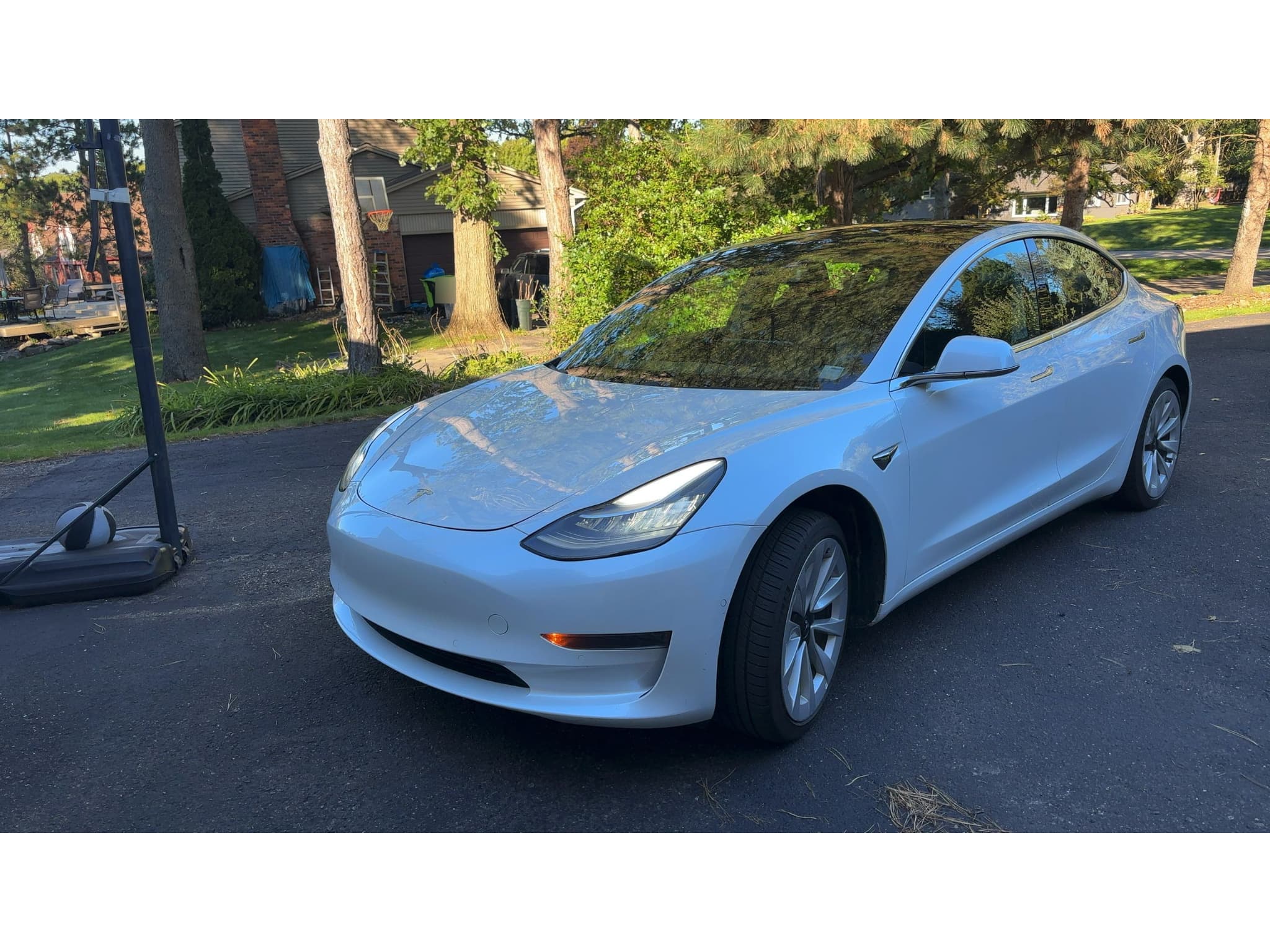
    2019 Tesla Model 3

    2019 Tesla Model 3

    Standard Range Plus•56K mi•208 mi range
    4.3/5Recharged Score
    $19,769
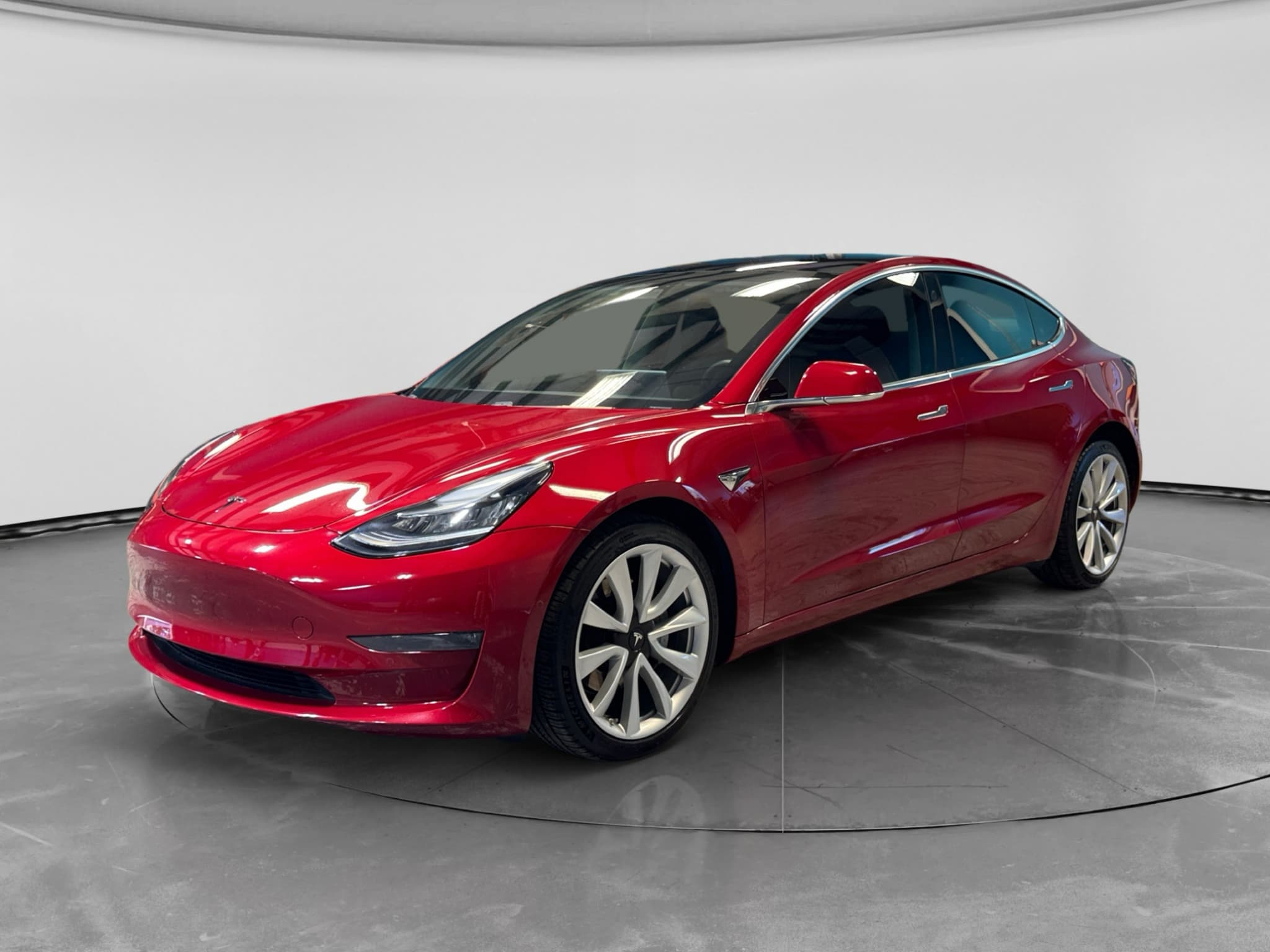
    2021 Tesla Model 3

    2021 Tesla Model 3

    Performance•55K mi•278 mi range
    4.8/5Recharged Score
    $26,997
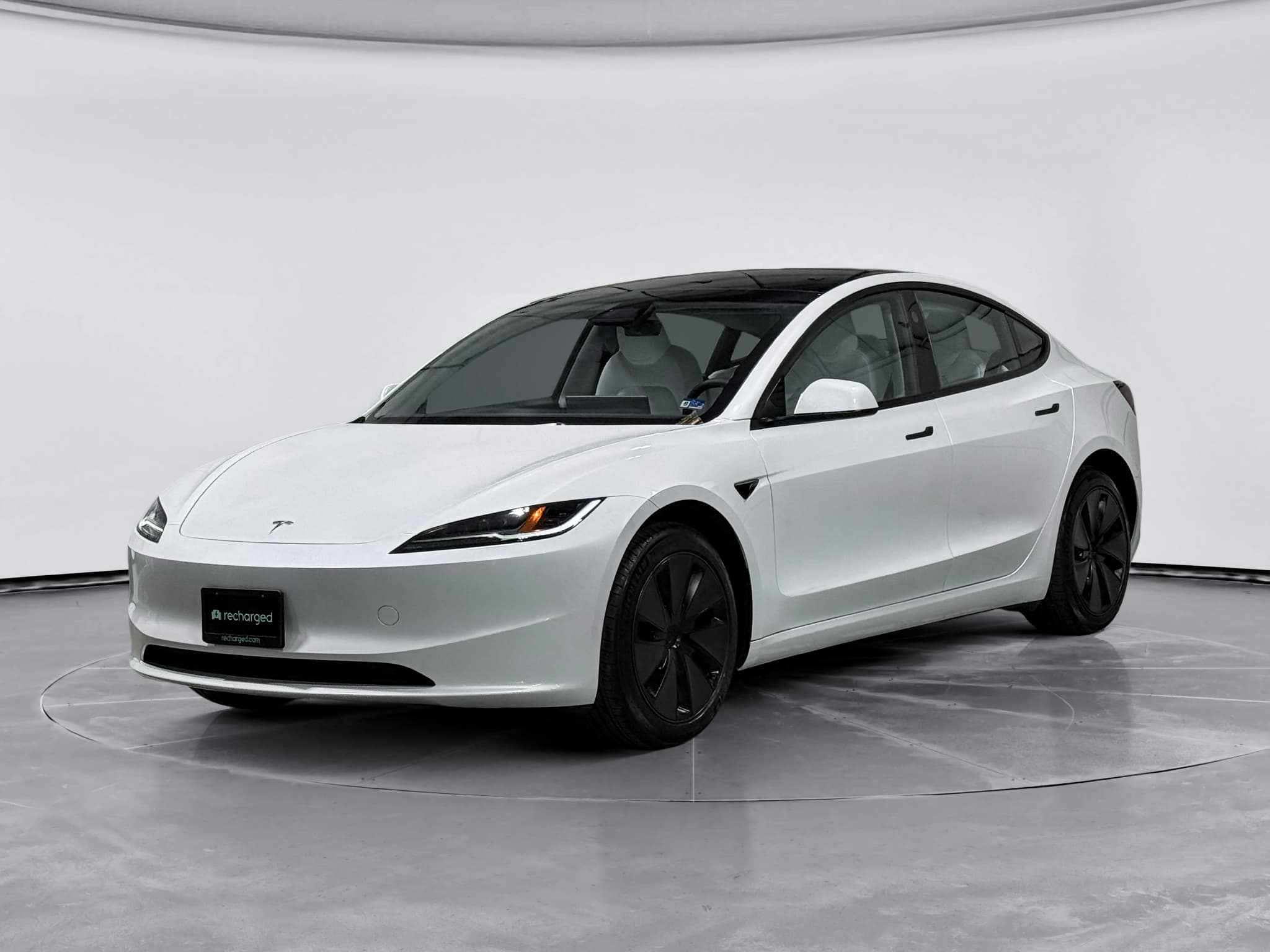
    2024 Tesla Model 3

    2024 Tesla Model 3

    Performance•24K mi•303 mi range
    Pending Recharged Score
    $42,997

    Related Articles

    Cadillac Lyriq Winter Range Loss Percentage: What Owners Should Expect
    Battery & Range·9 min

    Cadillac Lyriq Winter Range Loss Percentage: What Owners Should Expect

    Learn how much winter range loss to expect in a Cadillac Lyriq, why it happens, and practical tips to protect battery health and cold-weather range.

    cadillac-lyriqbattery-healthev-winter-driving
    Fisker Ocean Road Trip Review: Range, Charging & Reality Check
    Reviews & Comparisons·11 min

    Fisker Ocean Road Trip Review: Range, Charging & Reality Check

    Planning a road trip in a Fisker Ocean? See real-world range, DC fast‑charging behavior, software quirks, and what ownership looks like now that Fisker is gone.

    fisker-oceanroad-tripev-charging
    3rd Party Tesla Repair: Independent Shop Guide for 2025
    Ownership & Costs·9 min

    3rd Party Tesla Repair: Independent Shop Guide for 2025

    Wondering if 3rd party Tesla repair is safe, legal, or hurts your warranty? Learn how independent Tesla shops work, costs, pros/cons, and what to watch for.

    tesla-serviceused-teslaright-to-repair